10 Family Games for Kids and Parents Everyone Will Love
In an era dominated by glowing screens and individual digital bubbles, the magic of a family game night remains one of the most effective ways to foster genuine connection. There is something uniquely bonding about the collective groan when a tower topples or the shared cheers when a long-shot strategy finally pays off. However, the challenge for many parents is finding that “sweet spot”—a game that is simple enough for children to grasp but strategically deep enough to keep adults from glancing at their watches.
The best family games are those that level the playing field, relying on a mix of luck, speed, and creative thinking rather than just advanced logic. Whether you are looking to sharpen your child’s math skills, improve their sportsmanship, or simply find an excuse to laugh until your sides ache, the right game can transform a rainy Tuesday into a lifelong memory. Here are 10 exceptional family games that bridge the generational gap and promise fun for everyone involved.
1. Exploding Kittens
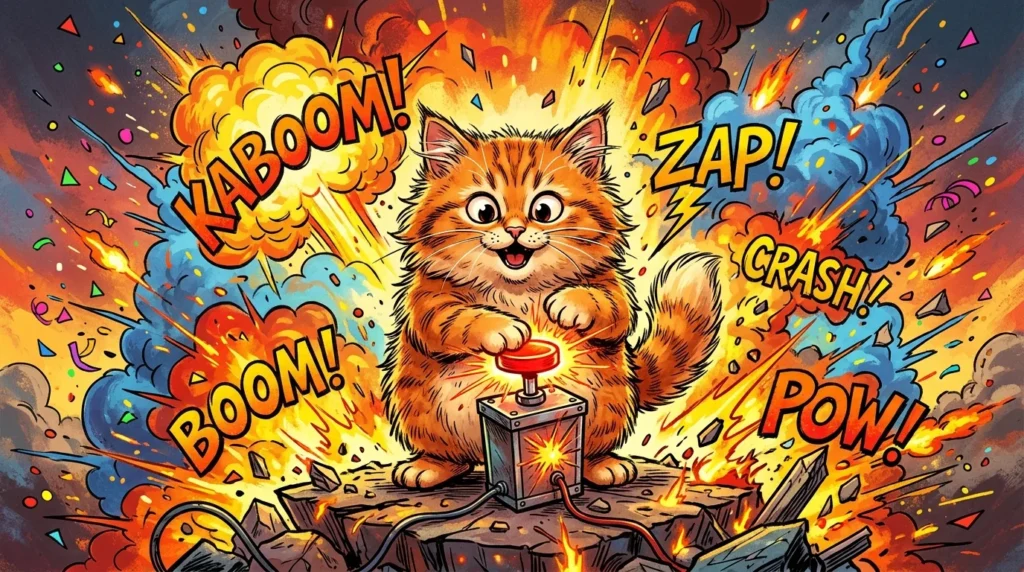
Exploding Kittens took the world by storm as a record-breaking Kickstarter project, and its kid-friendly version has become a staple for modern families. The game is essentially a highly strategic version of Russian Roulette, but with a humorous, feline-themed twist. Players draw cards until someone pulls an Exploding Kitten, at which point they are out of the game—unless they have a “Defuse” card, such as a laser pointer or a belly rub.
Why Kids Love It: The artwork is hilarious and slightly absurd, which immediately captures a child’s imagination. The tension of drawing a card from the deck creates a thrilling sense of suspense that keeps them on the edge of their seats.
Why Parents Love It: It is incredibly fast-paced, with most rounds lasting only 15 minutes. It teaches kids about probability and risk management without feeling like a “learning” game. Plus, the “Take That” mechanic allows for some lighthearted revenge that keeps the energy high.
2. Ticket to Ride
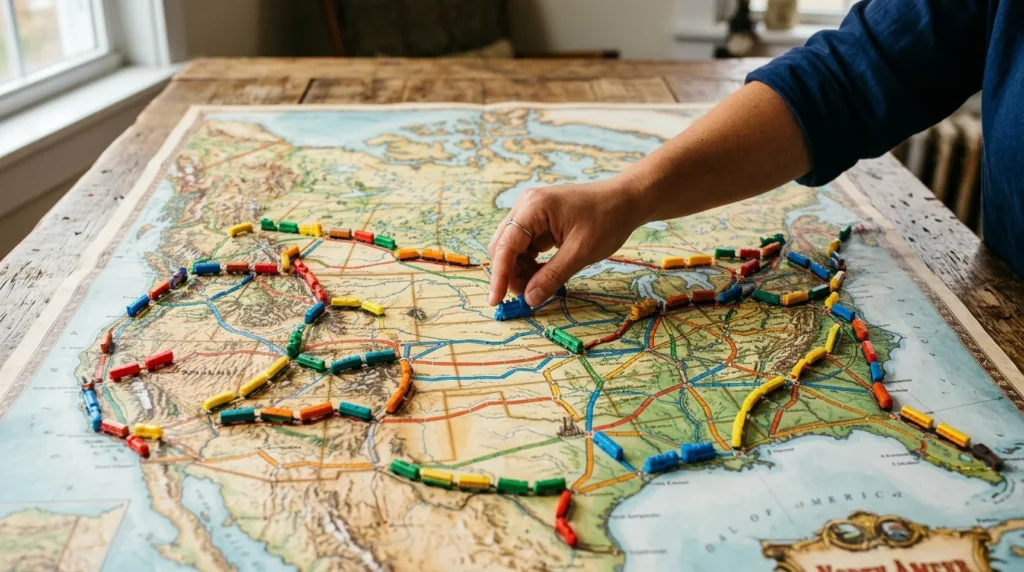
Ticket to Ride is a modern classic that has introduced millions to the world of “Euro-style” board games. The objective is simple: collect cards of various types of train cars and use them to claim railway routes on a map. The longer the routes, the more points you earn. You also have “Destination Tickets” that provide bonus points if you can connect two specific distant cities.
Why Kids Love It: The physical components are very satisfying. Collecting the little plastic trains and seeing their “empire” grow across the map provides a tangible sense of accomplishment. It also helps them learn geography in a way that feels organic.
Why Parents Love It: It is a “gateway” game that introduces strategic planning and foresight. While the rules can be taught in under five minutes, the depth of strategy is significant. There is a delicate balance between focusing on your own goals and blocking your opponents from completing theirs.
3. Codenames
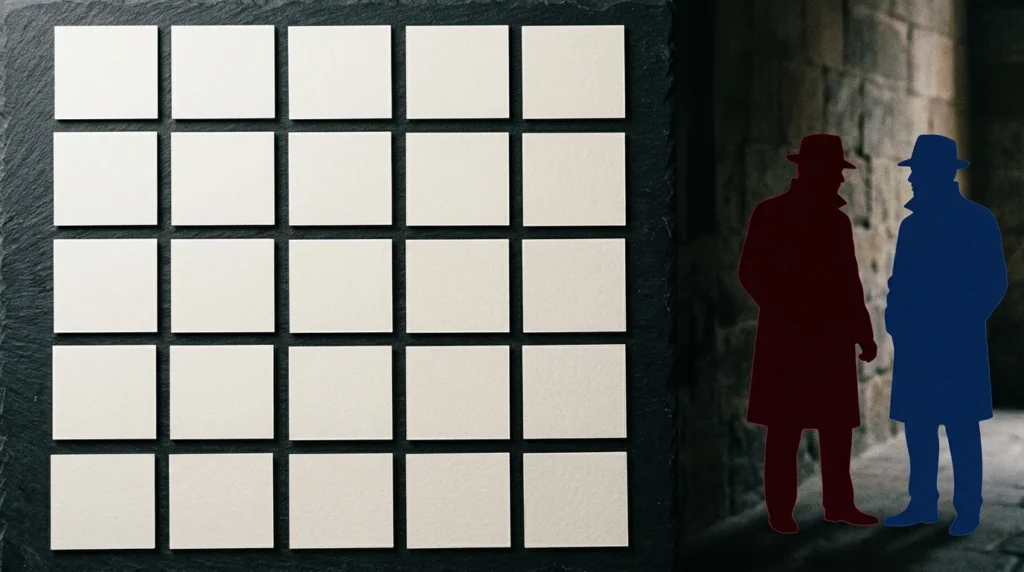
Codenames: Disney or Marvel editions are fantastic for younger kids, but the original version is a masterpiece of word association for older children and adults. Players split into two teams, each led by a “Spymaster.” The Spymaster gives one-word clues that can point to multiple words on the board, and their teammates must guess which words are theirs while avoiding the “Assassin.”
Why Kids Love It: It feels like a secret mission. When they successfully link three seemingly unrelated words with a single clue, they feel like geniuses. It encourages them to think outside the box and expand their vocabulary.
Why Parents Love It: It is a team-based game, which means there is less individual pressure. It reveals how your family members think and associate ideas, often leading to hilarious misunderstandings. It’s also highly portable and works well with large groups.
4. Dobble
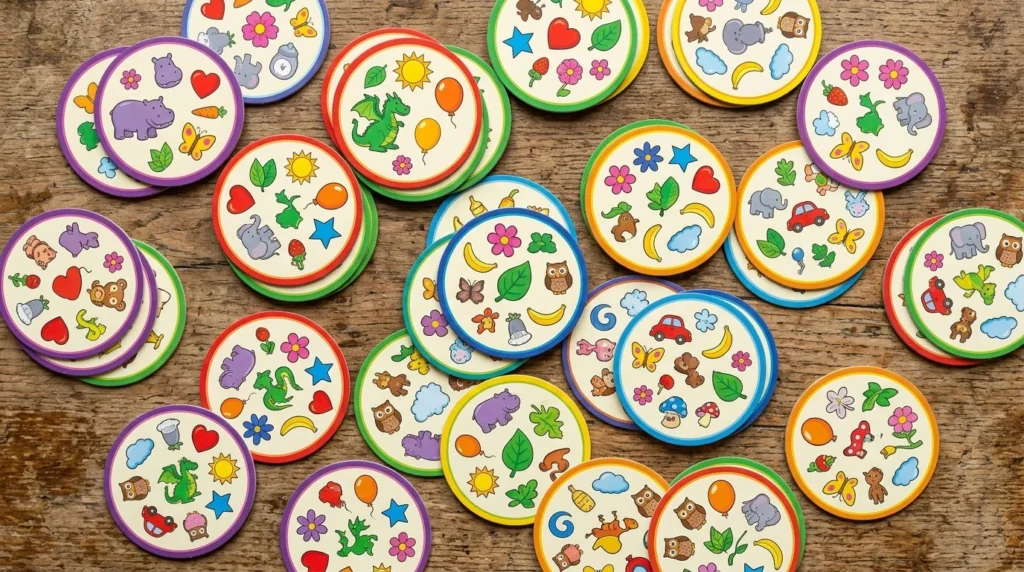
Also known as “Spot It!” in some regions, Dobble is the ultimate test of observation and reflexes. The game consists of a deck of circular cards, each featuring a set of symbols. Remarkably, any two cards in the deck have exactly one symbol in common. The goal across various mini-games is to be the first to spot and name the matching symbol.
Why Kids Love It: In this game, children often have a natural advantage over adults. Their eyes are frequently sharper and their reflexes faster, allowing them to beat their parents fair and square. It’s high-energy and incredibly loud.
Why Parents Love It: It requires zero setup and can be played anywhere—in a restaurant, on a plane, or at the beach. It’s a great “brain break” that improves visual perception and focus. Because rounds are so short, you can play for five minutes or an hour.
5. Sushi Go!
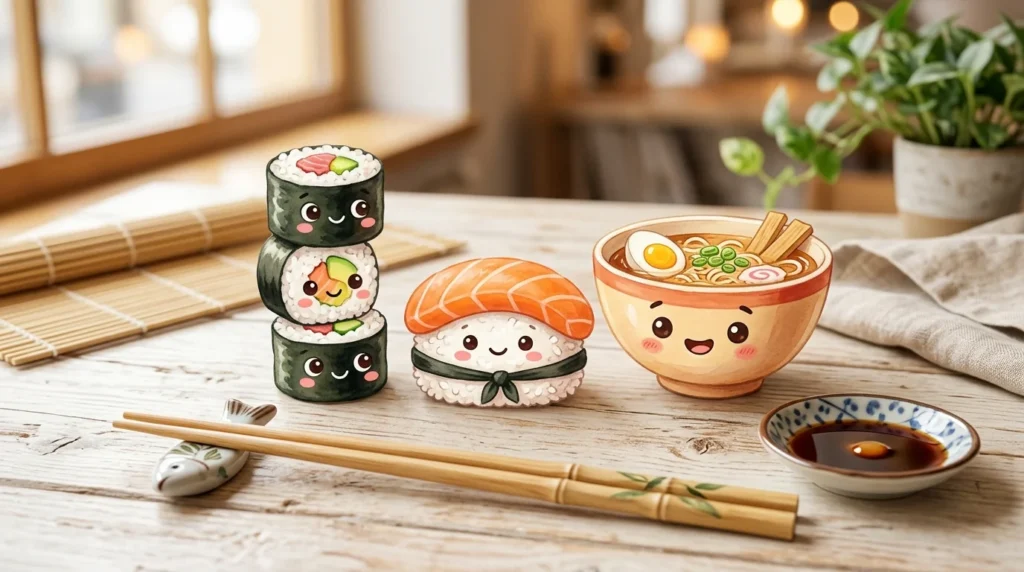
Sushi Go! is a “card-drafting” game where players try to grab the best combination of sushi dishes as they whiz by. You pick one card from your hand and then pass the rest of the cards to the player next to you. Each type of sushi scores differently—for example, collecting a set of three sashimi cards earns big points, while dipping a nigiri in wasabi triples its value.
Why Kids Love It: The “Kawaii” (cute) art style is universally appealing. The mechanic of passing cards around the table keeps everyone constantly engaged, so there is no “downtime” where a child might get bored waiting for their turn.
Why Parents Love It: It teaches basic probability and set collection. It’s a “painless” way to practice mental math as you tally up scores at the end of each round. The game is also quite compact, making it easy to store or travel with.
6. Carcassonne
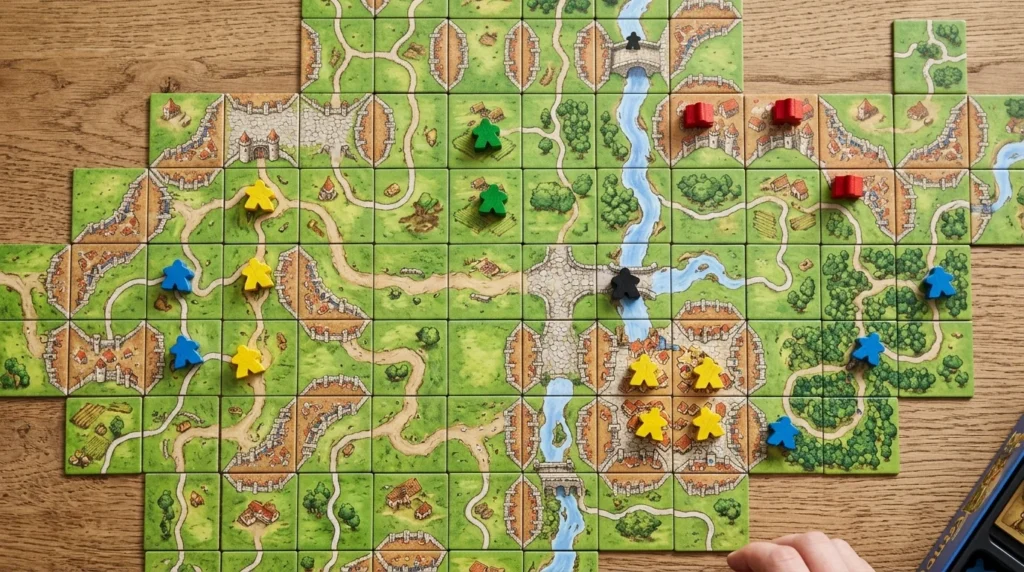
Carcassonne is a tile-laying game where players collectively build a medieval landscape of cities, roads, monasteries, and fields. When you place a tile, you can choose to put one of your “meeples” (little wooden people) on a feature to claim it. Once the feature is completed, you get your points and your meeple back.
Why Kids Love It: It’s like building a puzzle that is different every time you play. There is a great deal of satisfaction in “completing” a massive city or a long road. It feels more like a creative project than a cutthroat competition.
Why Parents Love It: The game grows with your family. You can play a simplified version with younger kids (ignoring the “farmers” rule) and add more complex expansions as they get older. It’s a peaceful, aesthetic game that encourages spatial reasoning.
7. Jenga

Sometimes, the old classics are still the best. Jenga is the ultimate game of physical skill and steady nerves. Players take turns removing one block from a 54-block tower and balancing it on top. As the game progresses, the tower becomes increasingly unstable until it inevitably crashes down.
Why Kids Love It: The “crash” is the best part! While the goal is to keep the tower standing, the dramatic moment of collapse provides a hilarious and exciting climax to every game. It’s a great way to develop fine motor skills and hand-eye coordination.
Why Parents Love It: There are no rules to explain, no cards to read, and no batteries required. It’s a universal language of tension and relief. It also serves as a great lesson in patience and taking things slow.
8. Sequence
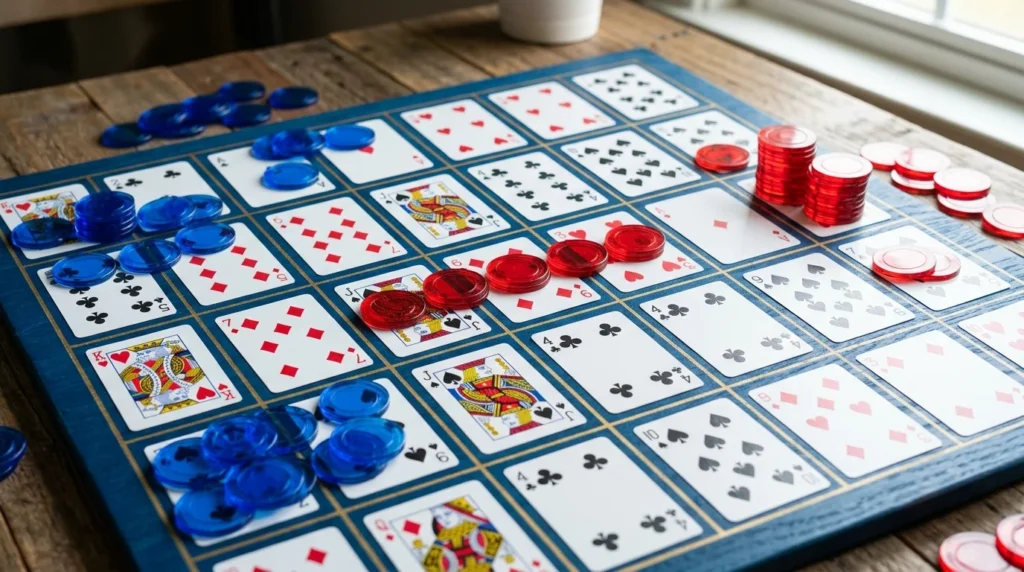
Sequence combines the luck of a card game with the strategy of a board game. Players hold a hand of cards and place a chip on the corresponding space on the board. The goal is to get a “sequence”—a row of five chips—before your opponents do. It can be played individually or in teams.
Why Kids Love It: The “Sequence for Kids” version uses animals instead of cards, making it accessible for preschoolers. For older kids, the standard version feels like a “grown-up” game, which they often enjoy. The excitement of blocking a parent’s row just before they win is unparalleled.
Why Parents Love It: It’s a fantastic team-building exercise. When playing in teams, you can’t talk to your partner about strategy, so you have to learn to “read” their moves. It’s a game of both offense and defense that stays interesting even after hundreds of plays.
9. Pictionary Air

Pictionary Air is a high-tech reimagining of the classic drawing game. Instead of drawing on paper, the “sketcher” draws in the air with a special light-up pen. Their drawings appear on a smartphone, tablet, or TV screen via a dedicated app. The catch is that the sketcher can’t see what they are drawing—only their teammates can see the screen.
Why Kids Love It: It involves technology and movement, which is a winning combination for most children. The drawings often end up looking hilariously distorted because the artist can’t see the “canvas,” leading to fits of laughter.
Why Parents Love It: It gets everyone off the couch and moving. It’s a great icebreaker for shy kids and encourages creativity and “acting out” your drawings. It also allows you to save videos of the funniest moments to watch later.
10. 5 Second Rule Junior
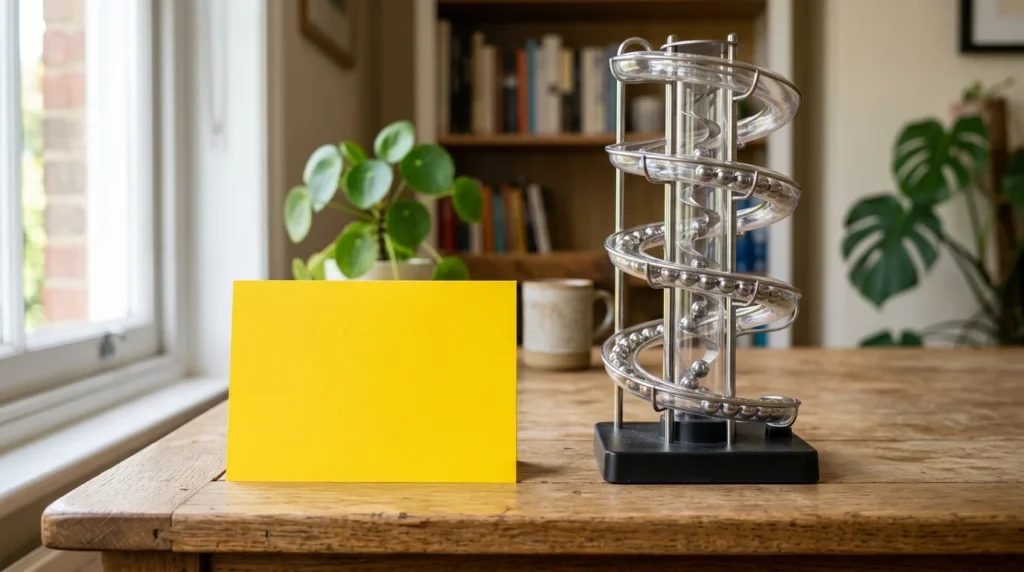
The premise is deceptively simple: can you name three things in a specific category in just five seconds? For example, “Name three things you shouldn’t put in your mouth” or “Name three superheroes.” The “Junior” version features categories that are specifically tailored to a child’s world.
Why Kids Love It: The “zooping” sound of the spiral timer adds a frantic, silly energy to the game. Under the pressure of the clock, kids (and adults) often blurt out the most ridiculous things, which leads to non-stop giggling.
Why Parents Love It: It’s a great way to encourage quick thinking and verbal fluency. It also levels the playing field because, under a five-second limit, even the smartest adult can find themselves unable to name three types of fruit. It’s fast, funny, and requires zero cleanup.