10 School Night Routine Tips for Happy Mornings
The sound of an alarm clock shouldn’t be the starting gun for a frantic race against time. For many families, the “morning rush” is a stressful whirlwind of lost shoes, forgotten homework, and lukewarm coffee. However, the secret to a peaceful, smiling morning doesn’t actually happen in the morning at all—it happens the night before.
By implementing a strategic school night routine, you can eliminate decision fatigue, minimize chaos, and ensure that everyone heads out the door feeling centered and ready to learn. Here are ten transformative tips to turn your evening prep into morning magic.
1. Outfits

One of the biggest time-wasters in the morning is the “closet stare” or the sudden realization that a favorite pair of pants is still in the laundry hamper. To avoid early morning wardrobe meltdowns, make outfit selection a non-negotiable part of the night routine.
Encourage your child to check the weather forecast first. This teaches them practical life skills and prevents the “but I want to wear shorts” argument when it’s freezing outside. Lay everything out—from underwear and socks to hair accessories and shoes. By having a “visual check” of the entire outfit, you ensure that nothing is missing when the clock is ticking the next day.
2. Lunches

Decision fatigue is real, and it hits hardest at 7:00 AM. Trying to assemble a nutritious lunch while simultaneously making breakfast and hunting for car keys is a recipe for stress. Instead, move the assembly line to the evening.
Prepare sandwiches, portion out snacks, and fill water bottles before bed. If your child is old enough, involve them in the process. This not only lightens your load but also gives them autonomy over what they eat, which often leads to less food being thrown away at school. Once packed, keep everything in a designated “launch zone” in the refrigerator so it can be grabbed in a single motion on the way out.
3. Backpacks
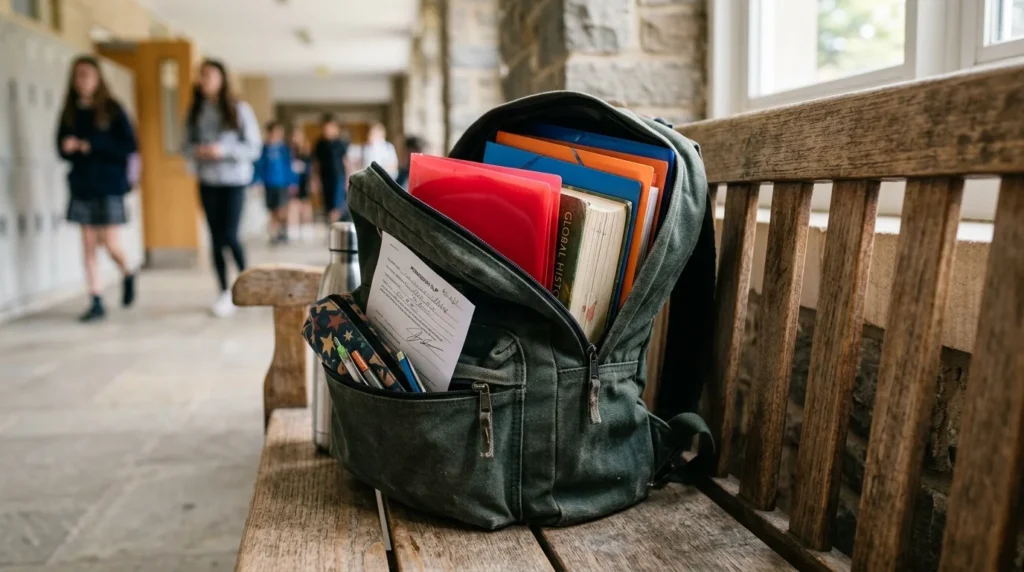
The “backpack scavenger hunt” is a classic morning stressor. Finding a crumpled permission slip or a half-finished math assignment at the very moment you should be leaving is preventable.
Establish a “Backpack Check” ritual. Have your child go through their folders, ensure all homework is completed and tucked away, and verify that any forms requiring a signature are signed and returned to the bag. Once the bag is zipped, place it in a consistent spot near the door. This “launchpad” method ensures that the physical act of leaving the house is seamless.
4. Charging

In today’s digital classroom, a dead tablet or laptop can derail a student’s entire day. Instead of scrambling to find a charging cable in the morning, create a centralized charging station in a common area like the kitchen or living room.
Make it a rule that all school-related electronics must be “put to bed” at a specific time. This ensures devices are at 100% battery by morning and, more importantly, keeps screens out of the bedroom. Keeping devices in a central location prevents late-night scrolling and helps the brain transition into sleep mode.
5. Bathing

While some people prefer a morning shower to wake up, for school-aged children, a nighttime bath or shower is often the superior choice. Not only does it wash away the literal dirt of the playground, but the warm water also serves as a physical cue to the body that it is time to wind down.
A nighttime hygiene routine saves precious minutes in the morning that can be redirected toward a calm breakfast. It also means you aren’t dealing with wet hair or “I don’t want to wash” battles when you’re already behind schedule. Use calming scents like lavender in the bath to further enhance the transition to sleep.
6. Screens

The blue light emitted by screens—phones, tablets, and televisions—interferes with the production of melatonin, the hormone responsible for sleep. To ensure a “happy morning,” you need a “rested night.”
Implement a “Digital Sunset” at least one hour before lights out. Collect all devices and turn off the TV. This period of disconnection allows the nervous system to settle. Use this screen-free hour for lower-stimulation activities that prepare the mind for deep, restorative rest, ensuring your child wakes up feeling refreshed rather than groggy.
7. Reading

Reading is perhaps the most effective bridge between the busyness of the day and the stillness of sleep. Whether it’s a parent reading aloud to a younger child or an older student reading independently, this habit fosters literacy while lowering heart rates.
This “quiet time” acts as a final emotional check-in for the day. It’s a moment of connection where children feel safe and secure, which reduces nighttime anxiety. A child who goes to sleep feeling connected and calm is much more likely to wake up with a positive attitude.
8. Ambience

The environment in which a child sleeps directly impacts the quality of their rest. As part of the night routine, perform a “room sweep” to create the ultimate sleep sanctuary.
Dim the lights 30 minutes before bed to signal the brain. Check the temperature; most people sleep better in a slightly cooler room (around 68°F or 20°C). Use white noise machines if the house is loud or if you live in a busy neighborhood. A predictable, comfortable environment minimizes middle-of-the-night wake-ups, leading to a much more cheerful demeanor when the sun comes up.
9. Breakfast

Breakfast is the fuel for the school day, but it often becomes a source of conflict when time is short. To avoid the “cereal vs. toast” debate at dawn, do the legwork the night before.
Set the table in the evening—put out the bowls, spoons, and boxes of cereal. If you prefer hot breakfasts, try “overnight oats” or prep a muffin tin of egg bites that only need a quick reheat. Knowing exactly what is for breakfast removes one more decision from your morning mental load, allowing the family to eat together in peace rather than in a rush.
10. Consistency
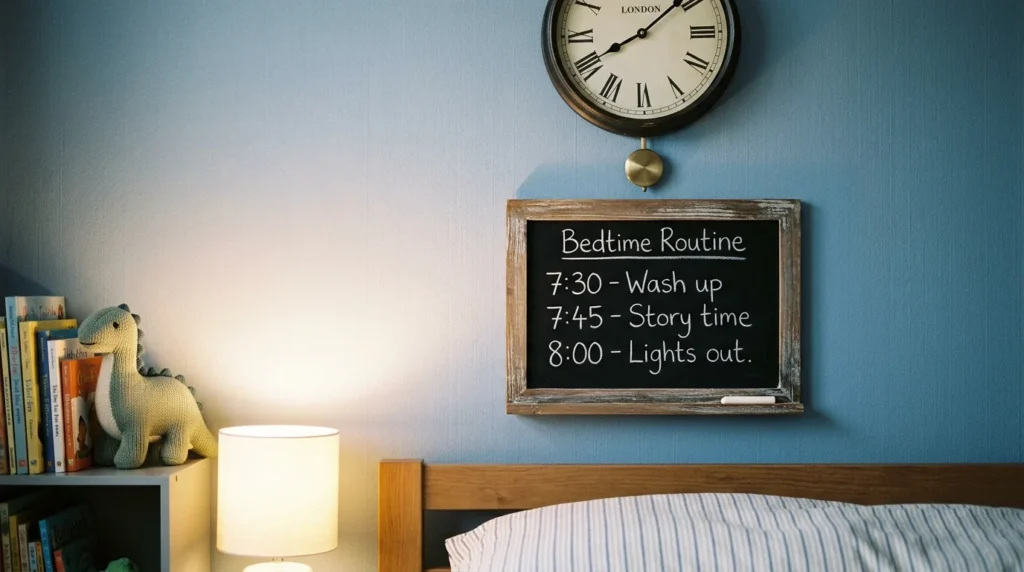
The final and most important tip is consistency. The human brain, especially a developing one, thrives on predictability. When a routine becomes a habit, the “resistance” to tasks like brushing teeth or packing bags disappears because the brain expects them.
Try to keep the same sequence and timing every night, even on Sundays. This regulates the body’s internal clock, making it easier for children to fall asleep and—crucially—easier for them to wake up naturally. A consistent night routine creates a sense of safety and order, which is the ultimate foundation for a happy, successful school morning.