9 Simple Ways Parents Can Encourage Good Behavior in Children
Parenting is a beautiful journey filled with countless joys and, let’s be honest, a few challenging moments. Every parent dreams of raising well-behaved, happy children, but navigating the world of tantrums, sibling squabbles, and boundary-testing can feel overwhelming. The good news is that encouraging good behavior doesn’t require complex strategies or strict discipline. Instead, it often comes down to simple, consistent approaches that foster a positive and understanding environment at home.
This guide will explore nine straightforward, empathetic ways you can gently steer your children towards making good choices and developing positive habits. These methods are designed to build strong relationships, boost your child’s self-esteem, and create a more harmonious family life. Let’s dive into practical, parent-friendly advice that truly makes a difference.
1. Focus on Positive Reinforcement

One of the most powerful tools in a parent’s toolkit is positive reinforcement. Instead of only reacting to misbehavior, make an effort to notice and acknowledge good behavior. When your child does something positive—like sharing a toy, helping with a chore, or using kind words—point it out specifically. Say, “I love how you shared your crayons with your sister; that was so thoughtful!” or “Thank you for helping me put away the groceries, you are such a great helper.”
This isn’t about giving lavish rewards for every little thing, but rather about genuine appreciation and specific praise. Children thrive on feeling seen and valued. Positive attention reinforces the behaviors you want to see more of, making them more likely to repeat those actions in the future. It builds their confidence and teaches them what acceptable behavior looks like.
2. Set Clear and Consistent Expectations
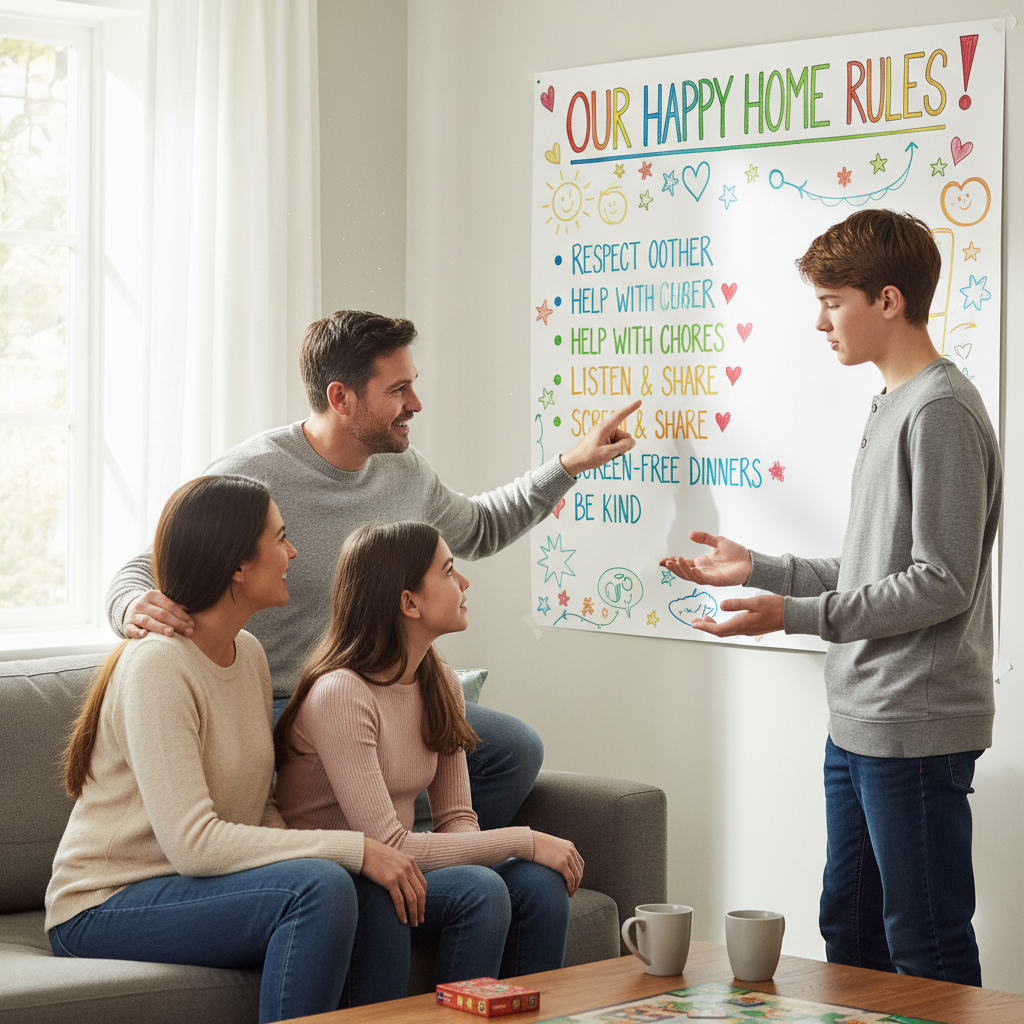
Children feel secure when they know what is expected of them. Establish clear, age-appropriate rules and boundaries for your family. Involve older children in the process of creating these rules so they feel a sense of ownership. For example, rules might include “We use kind words,” “We clean up our toys,” or “We listen when others are speaking.”
The key here is consistency. If a rule exists, it needs to be applied consistently by all caregivers. Inconsistency can confuse children and lead to them testing boundaries more frequently. When you consistently enforce expectations, children learn to trust the system and understand the consequences (or rewards) of their actions.
3. Model the Behavior You Want to See
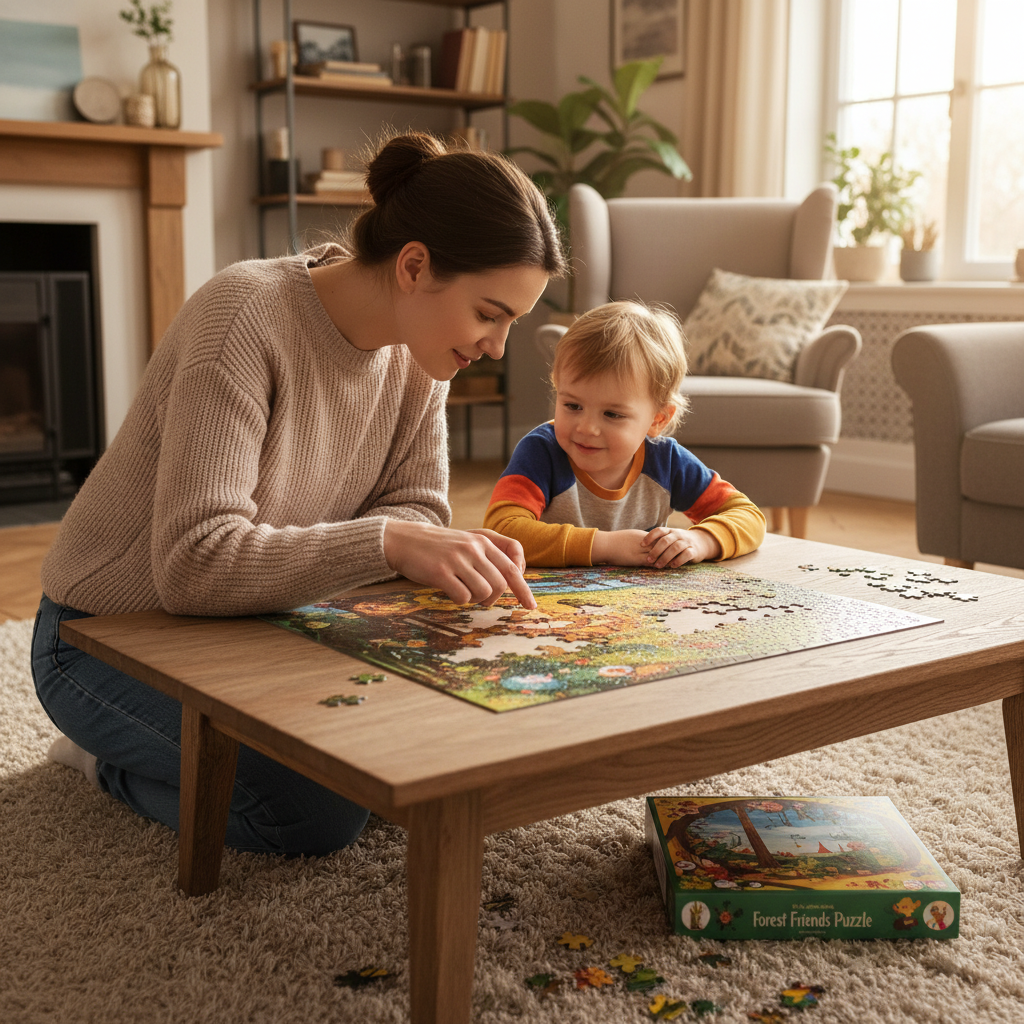
Children are incredible imitators. They watch everything we do and say. If you want your child to be kind, patient, respectful, or resilient, demonstrate those qualities yourself. For instance, if you want them to use polite language, make sure you consistently say “please” and “thank you.” If you want them to manage their emotions, show them how you cope with frustration in a healthy way.
Modeling good behavior isn’t about being perfect; it’s about showing them how to navigate life’s challenges with grace and integrity. When they see you apologizing for a mistake, showing empathy, or persevering through a difficult task, they learn valuable lessons that stick with them.
4. Provide Choices Within Limits

Giving children a sense of control can significantly reduce power struggles and encourage cooperation. Offer choices whenever possible, but make sure those choices are acceptable to you. For instance, instead of “Put on your shoes,” try “Do you want to wear your red shoes or your blue shoes today?” Or, “Would you like to read two books or three before bed?”
This strategy allows children to feel empowered and heard, fostering their independence while still guiding them towards appropriate actions. It shifts the dynamic from a command to a collaborative decision, often leading to less resistance and more willingness to comply.
5. Teach Empathy and Emotional Intelligence

Helping children understand and manage their emotions, and recognize the feelings of others, is crucial for good behavior. Talk about feelings openly. When a child is upset, help them label their emotion: “I see you’re feeling frustrated because your tower fell down.” Encourage them to think about how their actions affect others: “How do you think your friend felt when you grabbed their toy?”
Reading books about emotions, discussing characters’ feelings, and practicing problem-solving together can build strong emotional intelligence. A child who understands emotions is better equipped to navigate social situations and make kind, thoughtful choices.
6. Create a Predictable Routine
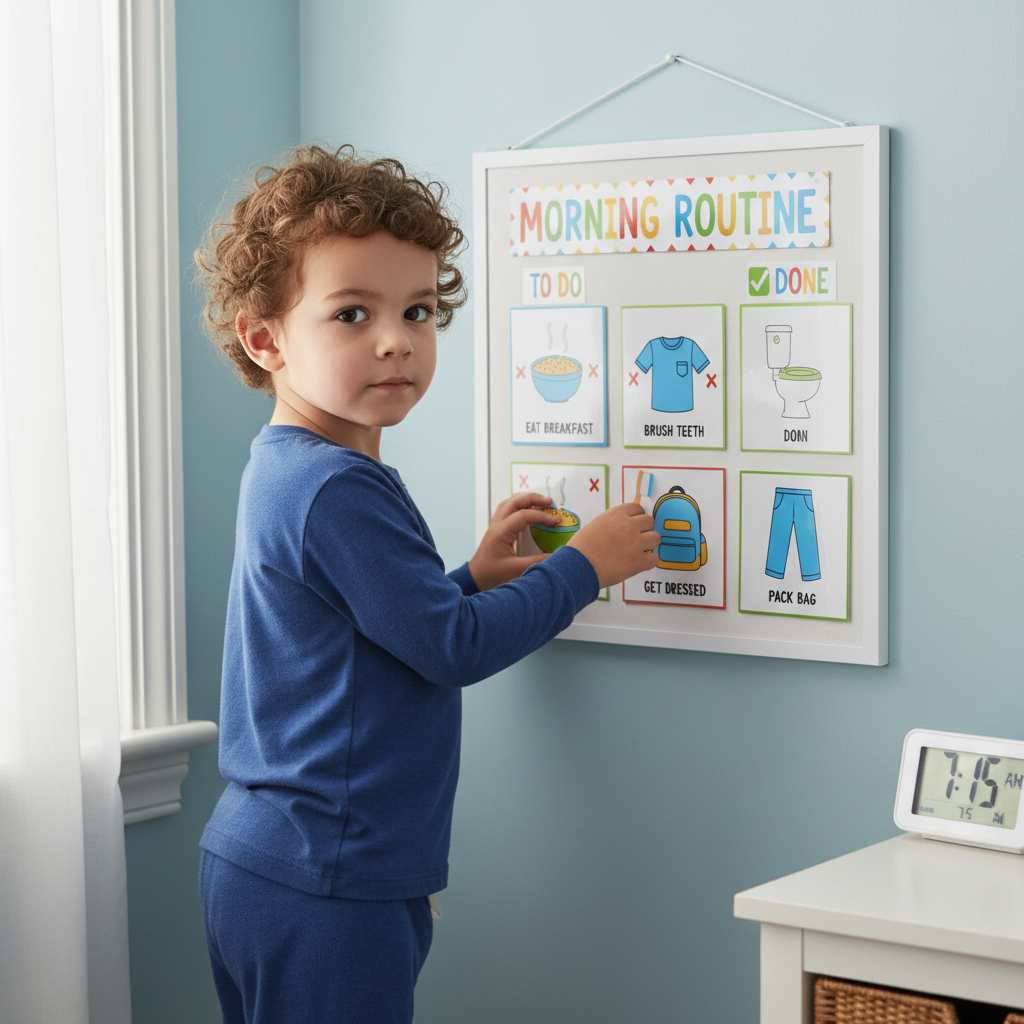
Children thrive on predictability. A consistent daily routine provides a sense of security and helps children know what comes next, reducing anxiety and behavioral challenges. This includes regular times for waking up, meals, playtime, homework, and bedtime.
While flexibility is important, a general framework for the day can make a huge difference. When children know that after dinner comes bath time, then story time, and finally bed, they are less likely to resist transitions. Visual schedules can be especially helpful for younger children to understand the flow of their day.
7. Use Logical Consequences

Instead of punishment, focus on logical consequences that are directly related to the misbehavior. A logical consequence teaches children to take responsibility for their actions and understand the natural outcomes. For example, if a child leaves their toys out, a logical consequence might be that the toys are put away for a short period, or they can’t play with them until they’ve tidied up. If they don’t eat their dinner, they might not get dessert.
The key is that the consequence should be reasonable, respectful, and related to the action. It’s not about shaming or hurting, but about guiding them to learn from their mistakes in a constructive way.
8. Dedicate Undivided Quality Time

Sometimes, challenging behavior is a child’s way of seeking attention. Dedicating even just 10-15 minutes of undivided, one-on-one quality time each day can significantly improve behavior. This means putting away your phone, turning off the TV, and fully engaging with your child in an activity they choose, whether it’s reading, playing a game, or simply talking.
This special time fills their “attention cup,” reducing their need to act out for attention. It strengthens your bond, makes them feel loved and important, and creates a positive foundation for communication and cooperation.
9. Practice Patience and Self-Compassion

Encouraging good behavior is a marathon, not a sprint. There will be good days and challenging days. It’s essential to practice patience with your children and, just as importantly, with yourself. No parent is perfect, and every child is unique. There will be moments when you feel frustrated or unsure.
Remember to take a deep breath, step back if needed, and give yourself grace. Parenting is a learning process for everyone involved. Your calm and consistent presence is the most powerful tool you have. Celebrate small victories, learn from setbacks, and keep nurturing that loving connection with your child.
Conclusion- Nurturing Goodness, One Step at a Time
Encouraging good behavior in children is about much more than just discipline; it’s about building a foundation of respect, understanding, and love. By focusing on positive reinforcement, setting clear expectations, modeling desired behaviors, and dedicating quality time, you’re not just managing your child’s actions—you’re shaping their character and fostering their emotional growth.
These nine simple strategies are designed to be integrated seamlessly into your daily family life, creating a home environment where children feel secure, understood, and motivated to make positive choices. Remember, every child is on their own unique journey of learning and growing. Your consistent love, patience, and guidance are the most powerful forces in helping them become the best versions of themselves. You’ve got this!