8 Things That Influence Your Baby’s Appearance
Bringing a new life into the world is an experience filled with wonder, and one of the first joys is getting to know your baby’s unique features. Parents often find themselves gazing at their little one, wondering, ‘Whose nose is that?’ or ‘Where did those eyes come from?’ It’s a beautiful mystery, but much of it can be explained by a fascinating interplay of genetics, development, and a touch of serendipity. Let’s explore the 8 key things that influence your baby’s appearance, offering a peek into the incredible journey of how your child comes to look exactly as they do.
The Genetic Symphony
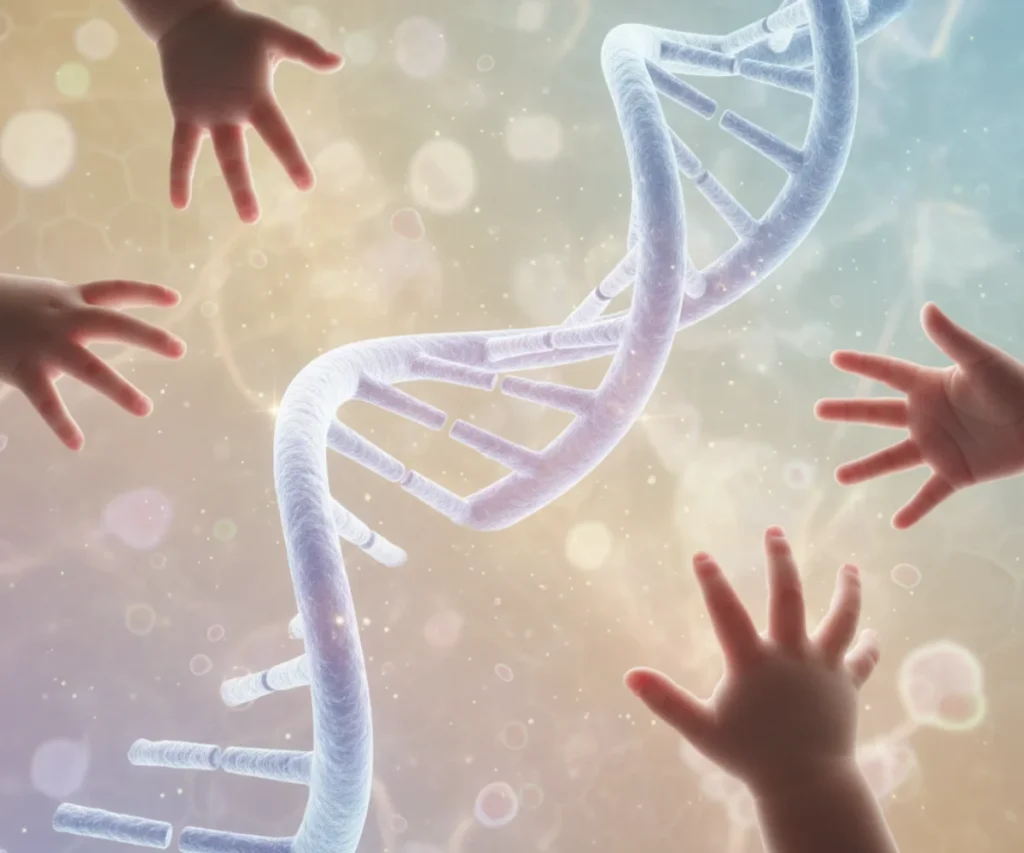
At the heart of your baby’s appearance is their genetic code, a unique blueprint passed down through generations. This is where the magic truly begins, combining traits from both sides of the family tree in countless ways.
1. Parental Genetics The DNA Blueprint

Every cell in your baby’s body contains DNA, a comprehensive instruction manual for everything from their height and build to the color of their hair and the shape of their ears. Half of this manual comes from you, and half from your partner. Think of it like a deck of cards, where each parent contributes a full hand. Your baby receives a unique shuffle and deal from both. This is why you might see a blend of features – perhaps your partner’s strong chin combined with your wavy hair, or your eye shape with your partner’s smile.
2. Dominant vs Recessive Genes The Trait Tug-of-War
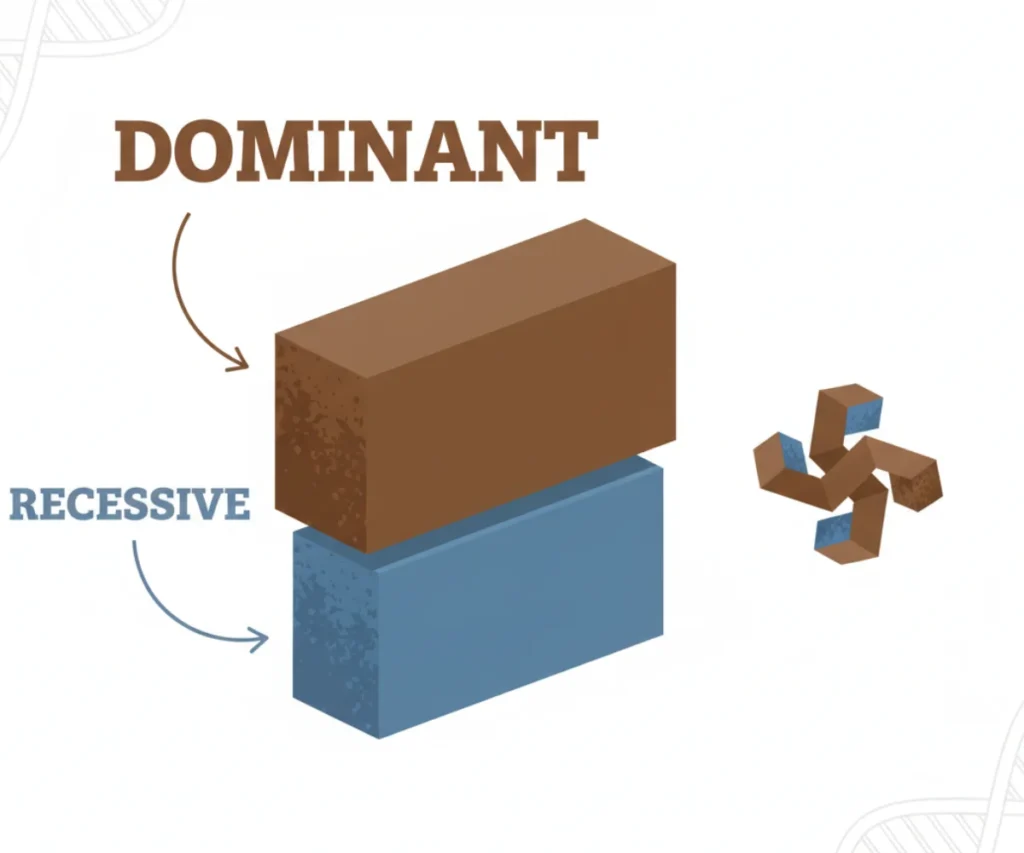
Not all genes are created equal in their expression. Some genes are ‘dominant,’ meaning they only need one copy to express their trait. Others are ‘recessive,’ requiring two copies (one from each parent) to show up. For example, brown eyes are generally dominant over blue eyes. If a baby inherits a brown eye gene from one parent and a blue eye gene from the other, they will likely have brown eyes. A baby will only have blue eyes if they inherit a blue eye gene from both parents. This genetic tug-of-war explains why some traits seem to ‘skip’ a generation or appear unexpectedly.
3. Polygenic Inheritance The Blended Look
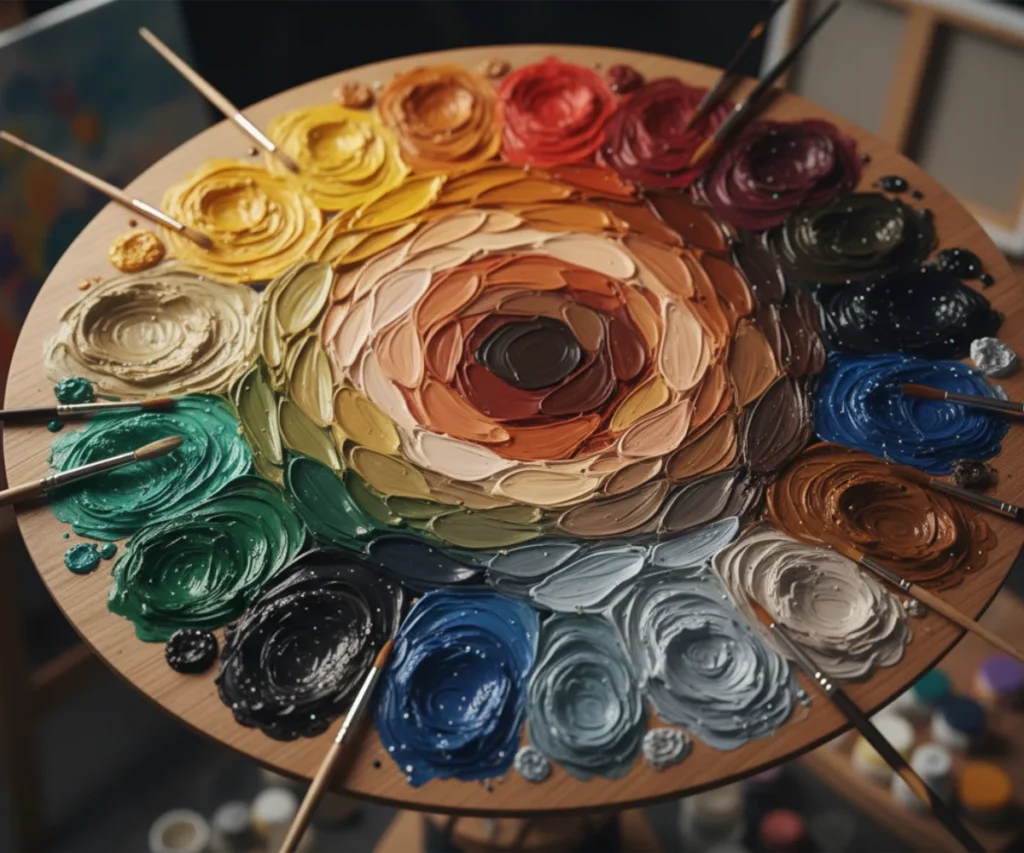
Many of your baby’s most noticeable features aren’t determined by just one gene, but by the combined action of multiple genes. This is called polygenic inheritance. Traits like skin color, height, and even the overall shape of the face are influenced by several different genes working together. This is why you often see a range of variations within families and populations. It’s not always a simple case of ‘this or that’; instead, it’s a beautiful spectrum, allowing for unique combinations that create a truly blended appearance that might be somewhere in between both parents, or a novel mix entirely.
4. Genetic Mutations and Random Chance Nature’s Surprises
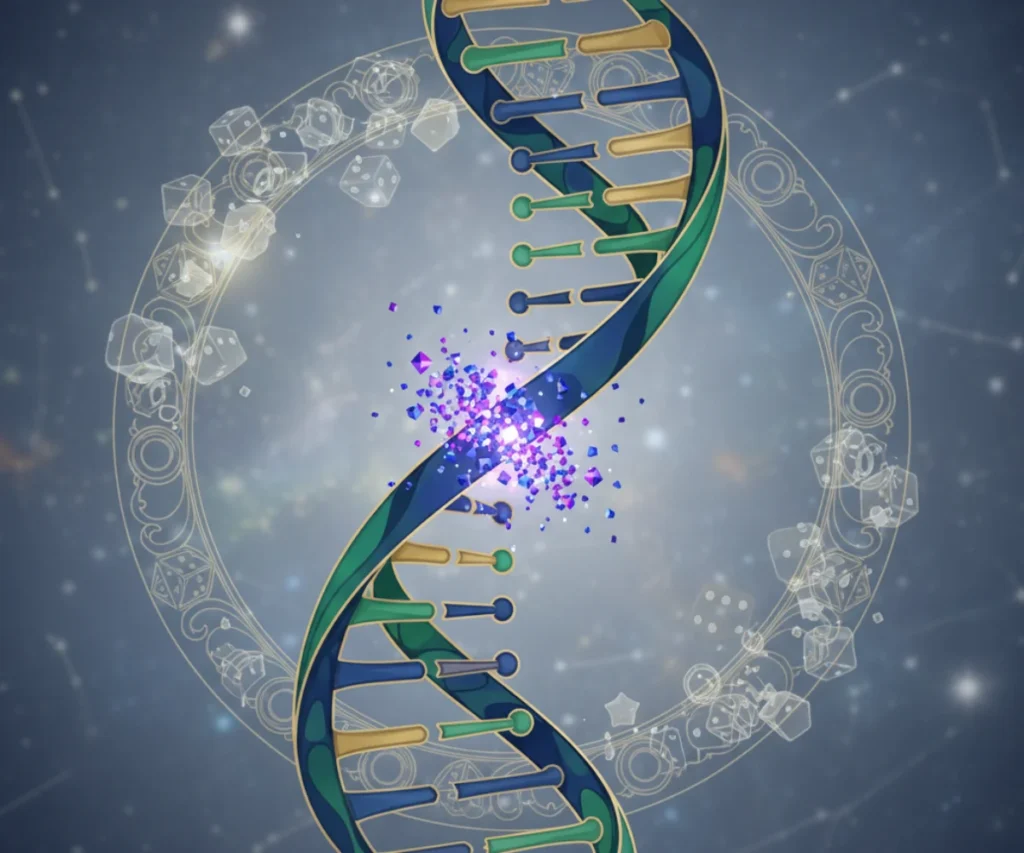
While genetics usually follows predictable patterns, sometimes nature throws in a delightful surprise. Occasionally, spontaneous genetic mutations can occur, leading to a unique feature not found in either parent or even in the wider family tree. These mutations are rare and often harmless, simply adding to the individuality of your child. Beyond mutations, the sheer random assortment of genes during conception means that even siblings born to the same parents can look remarkably different. It’s like a genetic lottery, where each baby gets a distinct winning combination.
Beyond the Genes
While genes lay the foundation, other factors also contribute to your baby’s overall appearance, from broad family history to the subtle cues from their early environment.
5. Ancestral Background Echoes of Heritage
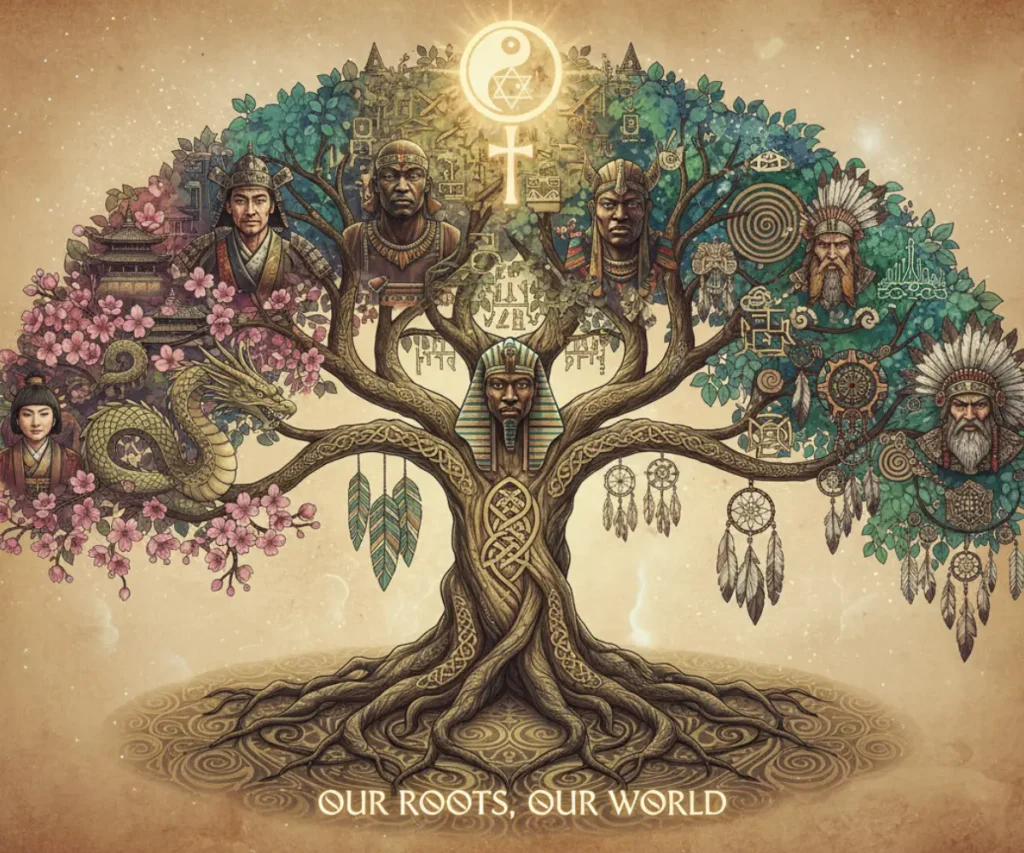
Your baby’s appearance carries echoes of a much wider family story – their ancestral background. Features commonly associated with certain ethnic or geographical groups, such as specific hair textures, eye shapes, skin undertones, or even predispositions to certain facial structures, are deeply rooted in the genetic pool of their heritage. This rich tapestry of ancestry means your baby’s features might beautifully reflect a blend of various cultures and regions, telling a story that spans generations and continents. It’s a connection to a long and diverse history.
6. Epigenetics Environment’s Gentle Nudge
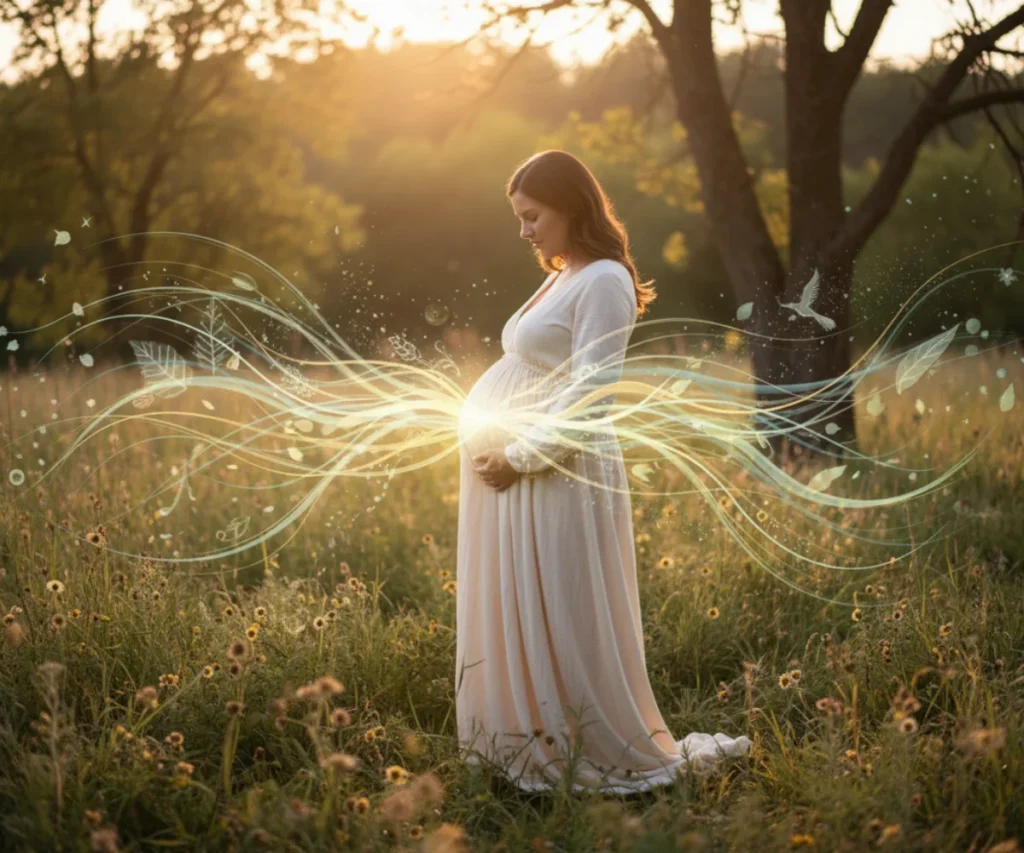
This is where it gets truly fascinating. Epigenetics refers to how environmental factors can influence how genes are expressed – essentially, turning genes ‘on’ or ‘off’ without changing the underlying DNA sequence. While it doesn’t alter your baby’s core genetic traits like eye color, factors during pregnancy such as maternal nutrition, stress levels, and exposure to certain environmental elements can subtly impact the baby’s development, overall health, and vigor. These influences can, in turn, manifest in appearance through things like general robustness, skin health, or even a predisposition to certain growth patterns. It’s a gentle reminder that even within the womb, the environment plays a role.
The Journey of Change
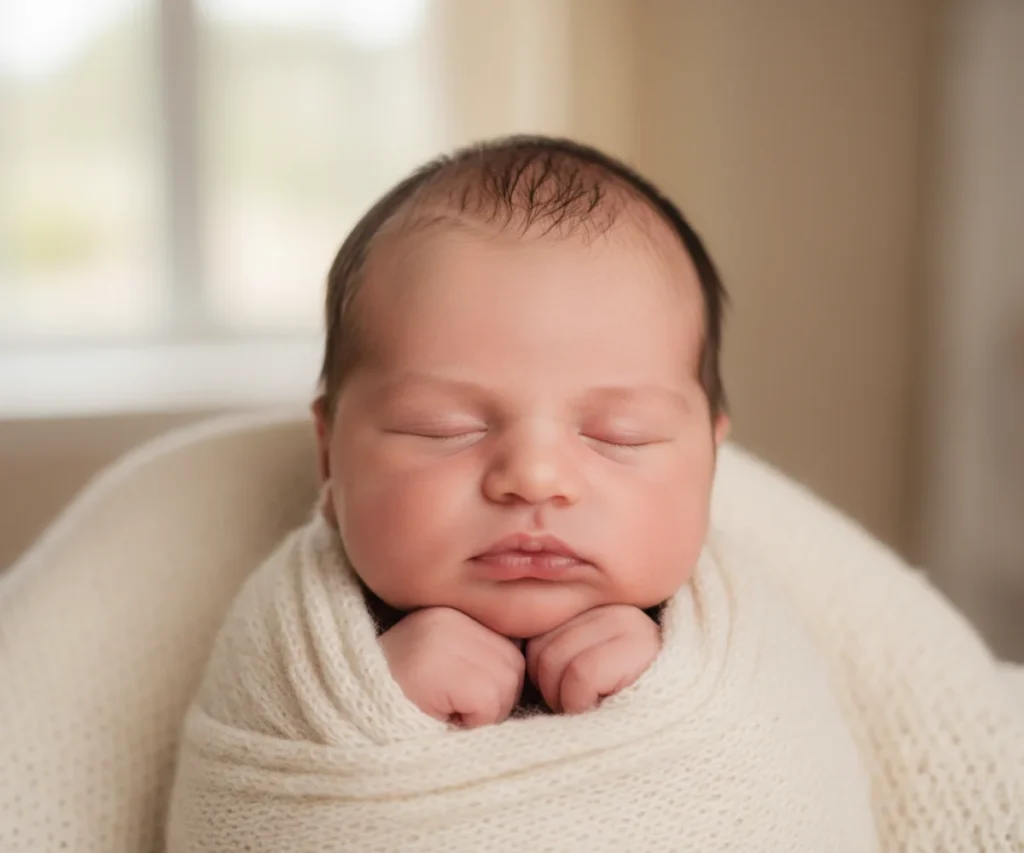
The baby you meet at birth is just the beginning! Many of their initial features are temporary, and their appearance will continue to evolve significantly in the months and years that follow.
7. Temporary Newborn Traits The First Few Weeks
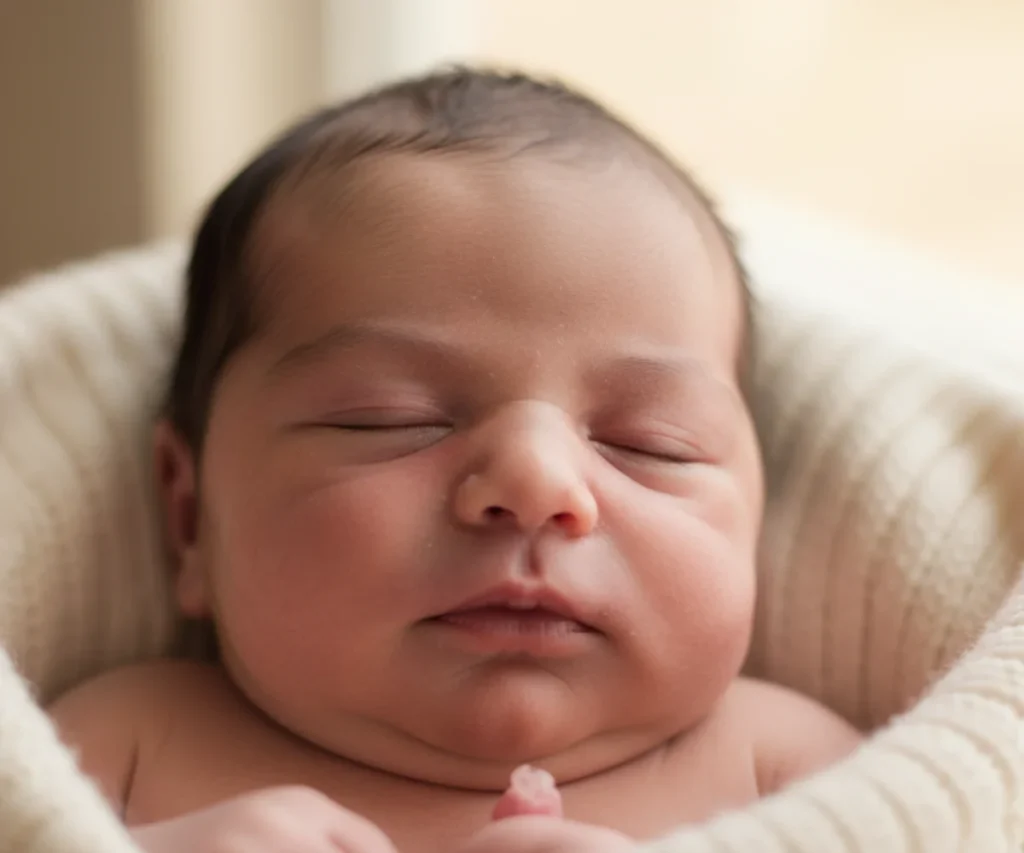
Newborns often have unique temporary traits that contribute to their initial appearance but quickly fade. Think of the soft, downy hair called lanugo that some babies are born with, or the slight swelling around their eyes and face from the birthing process. Jaundice, a common yellowing of the skin, can also temporarily alter their complexion. Even the shape of their head might be a bit cone-like after a vaginal delivery, but it quickly rounds out. These are all normal parts of adjusting to life outside the womb and shouldn’t be confused with their permanent features.
8. Post-Birth Development The Evolving Masterpiece
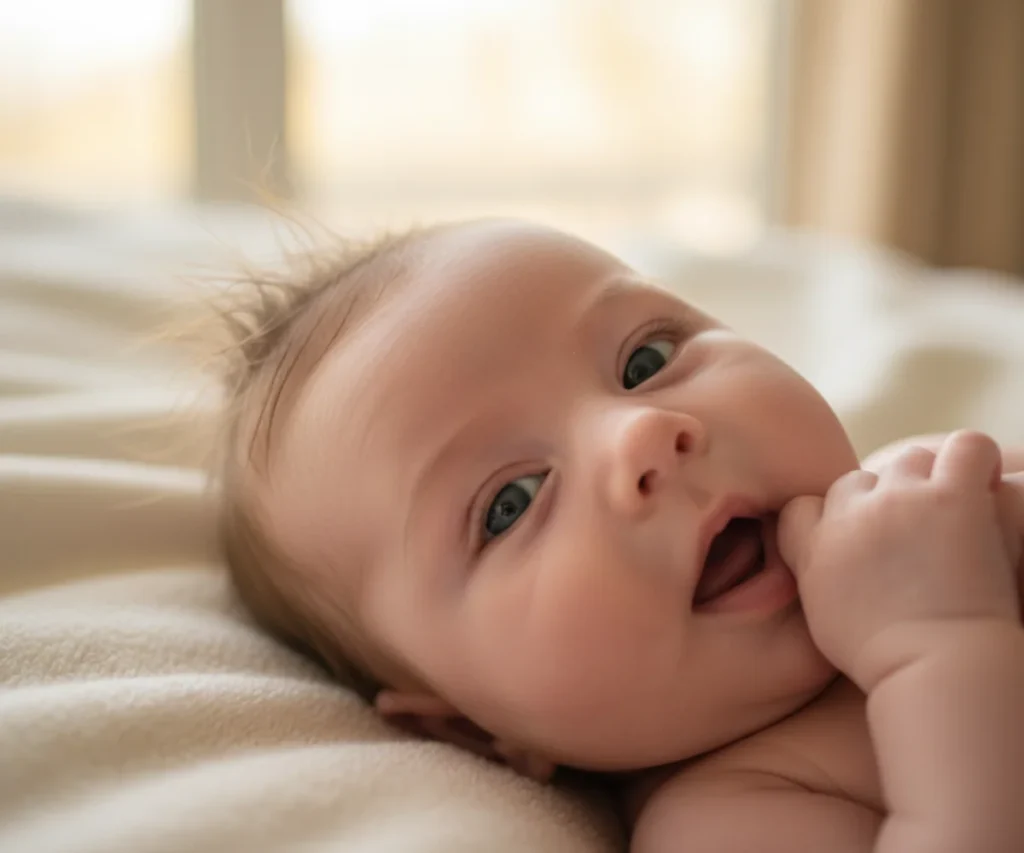
Your baby’s appearance isn’t set in stone at birth; it’s a dynamic, evolving masterpiece. Many parents are surprised when their blue-eyed newborn gradually develops brown eyes over the first few months or when their blonde locks turn darker. Hair color and texture can change dramatically, as can skin tone as they are exposed to sunlight and their melanin production matures. Facial features will also become more defined as baby fat redistributes, and bones grow. This ongoing development means that the little face you adore today will continue to mature and unfold, revealing new nuances as they grow.
Embracing Your Unique Little One
As you watch your baby grow and change, remember that their appearance is a wonderful testament to the incredible complexity of life. Whether they have your eyes, your partner’s smile, or a feature that’s uniquely their own, every aspect contributes to the beautiful individual they are. There’s no right or wrong way for a baby to look, and every baby is perfect just as they are.
Focus on nurturing their spirit, loving their journey, and celebrating all the little things that make them undeniably, beautifully yours. Their appearance is just one small, yet fascinating, part of the big picture.