Sleeping on Your Back During Pregnancy with 4 Risks to Know
Pregnancy is a journey filled with excitement, anticipation, and sometimes, a little anxiety about doing everything right for your growing baby. One common concern that often surfaces is about sleeping positions. As your belly grows, finding a comfortable and safe way to sleep can become a real challenge. You might have heard warnings about sleeping on your back, and if you’re a back sleeper by nature, this can feel like a significant hurdle. Let’s explore why your sleeping position truly matters during pregnancy and gently guide you toward safer, more comfortable nights.
Why Sleeping Position Matters During Pregnancy
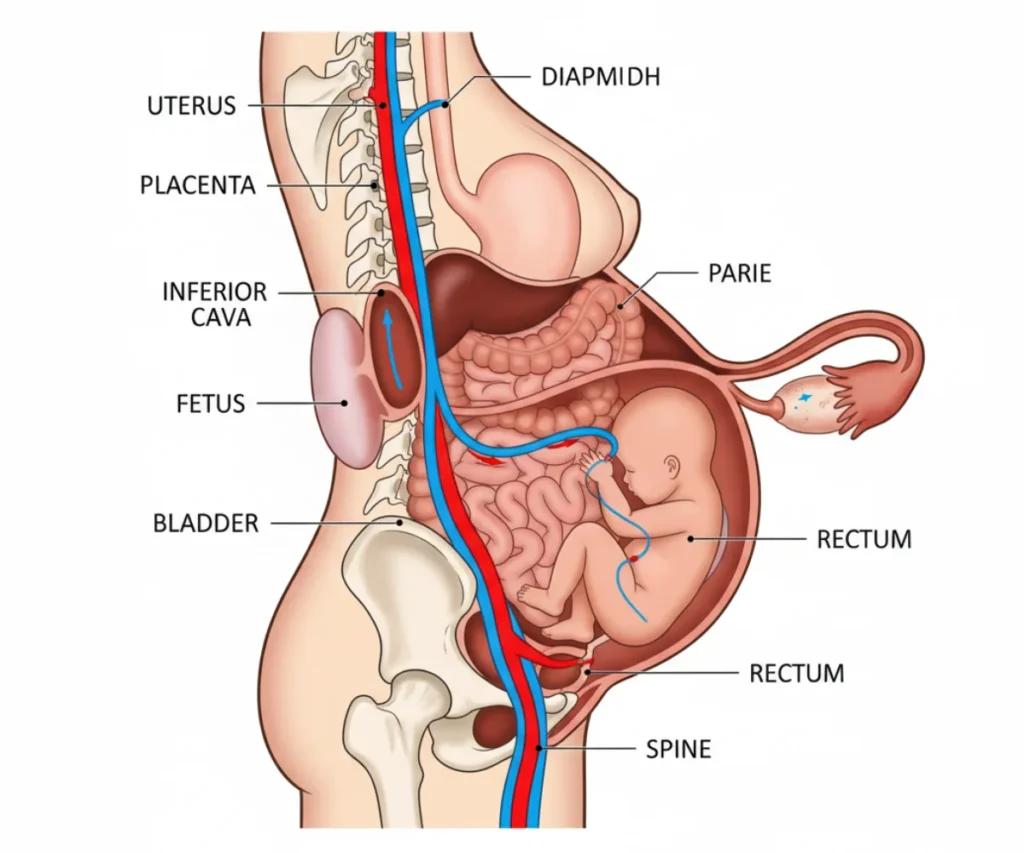
As your pregnancy progresses, your body undergoes incredible changes to accommodate your developing baby. These changes impact almost every system in your body, including how well you can rest. The way you lie down can affect blood flow, comfort, and even your baby’s well-being, which is why it’s important to be mindful of your sleeping posture.
The Importance of Blood Flow
Your circulatory system works overtime during pregnancy, pumping an increased volume of blood to support both you and your baby. A major vessel called the inferior vena cava (IVC) plays a crucial role. It’s a large vein that carries deoxygenated blood from the lower half of your body back to your heart. It runs along the right side of your spine.
Your Growing Uterus and Its Impact
As your uterus expands, especially from the second trimester onwards, it becomes quite heavy. This weight can put pressure on various internal structures. When you lie flat on your back, the entire weight of your uterus, baby, amniotic fluid, and placenta can press directly down on the IVC and even your aorta, another vital blood vessel.
The Four Key Risks of Back Sleeping in Pregnancy

While the occasional roll onto your back during the night is usually nothing to worry about, consistently sleeping flat on your back, particularly in the later stages of pregnancy, can pose several risks. Understanding these can help you make informed choices for a safer pregnancy.
Risk 1 Reduced Blood Flow to You and Baby
This is arguably the most significant concern. When your heavy uterus compresses the inferior vena cava, it can reduce the amount of blood returning to your heart. This, in turn, can decrease the amount of blood pumped by your heart, leading to a drop in blood pressure for you. For your baby, reduced maternal blood flow means less oxygen and fewer nutrients reaching them. While babies are resilient and often compensate, prolonged or severe compression can be a concern.
Symptoms you might notice include:
- Dizziness or lightheadedness
- Shortness of breath
- Nausea
- Heart palpitations
For your baby, consistent reduction in blood flow can, in rare cases, be associated with lower birth weight or other complications. Research, including studies cited by the American College of Obstetricians and Gynecologists (ACOG), suggests a link between supine sleeping (on your back) and an increased risk of stillbirth, particularly in the third trimester. While the absolute risk is still low, it’s a significant enough concern for healthcare providers to recommend avoiding back sleeping.
Risk 2 Back Pain and Discomfort
As your belly grows, your center of gravity shifts, and the ligaments in your pelvis loosen in preparation for childbirth. Sleeping on your back adds extra pressure to your spine, back muscles, and internal organs. This position doesn’t provide the necessary support for your changing body, often leading to increased back pain, hip pain, and general discomfort. Many expectant mothers find it increasingly difficult to get comfortable on their backs as pregnancy progresses due to this added strain.
Risk 3 Digestive Issues
The pressure from your uterus can also impact your digestive system. When you lie on your back, this pressure can slow down digestion and exacerbate common pregnancy discomforts like heartburn and indigestion. The weight can push stomach acids upwards into the esophagus, leading to that familiar burning sensation. Side sleeping, especially on your left, can help alleviate some of this pressure and promote better digestion.
Risk 4 Low Blood Pressure and Dizziness
As mentioned with reduced blood flow, compressing the vena cava can lead to a drop in your blood pressure. This can make you feel dizzy, lightheaded, or even cause you to faint when you try to stand up. These symptoms are your body’s way of telling you that blood flow is being compromised. While generally not life-threatening in the short term, experiencing dizziness can lead to falls, which are dangerous during pregnancy.
When Does Back Sleeping Become a Concern
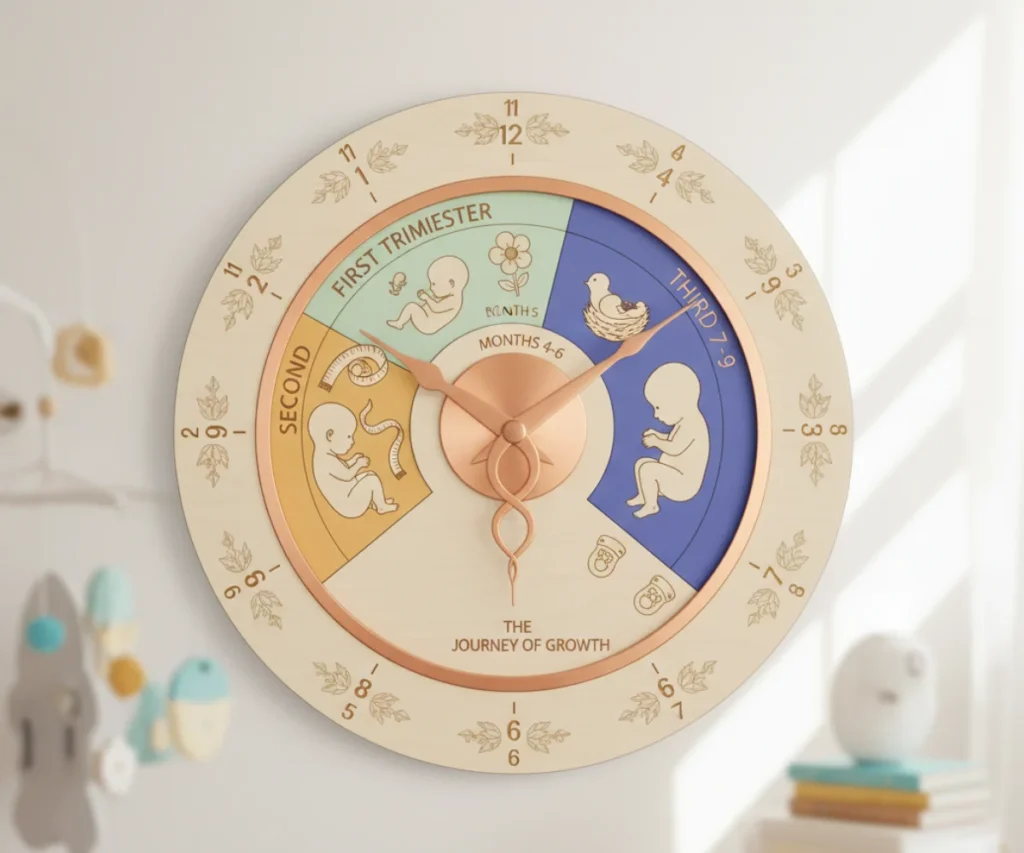
During your first trimester, your uterus is still relatively small and doesn’t exert enough pressure to cause significant issues with blood flow. So, if you’re an early pregnancy back sleeper, don’t fret too much. It’s generally considered safe to sleep in any position that feels comfortable during these initial weeks.
The Second and Third Trimesters
The advice to avoid back sleeping typically begins around the start of the second trimester, specifically from about 20 weeks onward. This is when your uterus has grown substantially and becomes heavy enough to compress the major blood vessels. The risk continues to increase as your pregnancy progresses into the third trimester when the baby and uterus reach their largest size.
The Best Sleeping Positions for Pregnancy

So, if back sleeping is out, what’s the best alternative? Fortunately, there’s a widely recommended and very effective position that offers comfort and safety for both you and your baby.
The Left Side is Your Best Friend
Healthcare professionals universally recommend sleeping on your side, particularly your left side. Here’s why:
- Optimized Blood Flow: Sleeping on your left side helps prevent your uterus from compressing the inferior vena cava, ensuring optimal blood flow to your heart, uterus, and baby. This means a steady supply of oxygen and nutrients for your little one.
- Better Kidney Function: It allows your kidneys to function more efficiently, which helps reduce swelling in your ankles, feet, and hands.
- Improved Digestion: This position can also aid digestion and reduce heartburn.
If you find yourself uncomfortable on your left side, sleeping on your right side is also generally considered safe and much better than sleeping on your back. The primary goal is to avoid direct supine compression.
The Role of Pillows
Pillows are your secret weapon for comfortable side sleeping during pregnancy. They can make all the difference in achieving a restful night’s sleep. Here’s how to use them:
- Between Your Knees: Place a pillow between your knees to keep your hips, pelvis, and spine aligned. This helps alleviate pressure on your lower back and hips.
- Under Your Belly: A small pillow or wedge tucked under your growing belly can provide crucial support, taking some weight off your back and preventing your belly from pulling forward uncomfortably.
- Behind Your Back: Position a pillow behind your back to prevent you from rolling onto your back during the night. Some women even use a firm rolled-up towel or a small pillow for this purpose.
- Full-Body Pregnancy Pillows: These C- or U-shaped pillows are designed specifically for pregnant women. They offer support for your head, neck, back, belly, and legs all at once, making side sleeping much more comfortable and stable.
Gentle Ways to Train Yourself to Side Sleep
If you’re a lifelong back sleeper, switching positions can feel unnatural at first. It takes time and patience, but with a few strategies, you can train your body to prefer side sleeping.
Pillow Power
As mentioned, pillows are key. Start by intentionally arranging your pillows before you even lie down. Build a ‘nest’ that encourages side sleeping and makes it difficult to roll onto your back. Experiment with different types and sizes to find what feels most supportive for your unique body shape.
The Tennis Ball Trick
This classic method can be surprisingly effective. Sew a tennis ball (or two) into the back of a tight-fitting pajama top or strap a small fanny pack with a tennis ball in it around your waist, positioning it at your lower back. If you start to roll onto your back, the discomfort from the tennis ball will gently nudge you to change position without fully waking you up.
Bed Adjustments
Consider slightly inclining the head of your bed. Even a slight elevation can make back sleeping less comfortable and encourage you to shift to your side. You can use extra pillows or a wedge pillow designed for acid reflux to achieve this subtle incline.
Relaxation Techniques
Sometimes, anxiety about sleeping can make it harder to fall asleep. Practice relaxation techniques before bed, such as deep breathing exercises, gentle stretching, or listening to calming music. A relaxed body is more likely to settle into a comfortable, safe position.
What if I Wake Up on My Back

It’s completely normal and very common to wake up on your back, especially if you’re used to that position. Don’t panic! A momentary lapse is highly unlikely to cause any harm. Your body is incredibly smart, and if blood flow were significantly compromised, you would likely wake up due to discomfort, breathlessness, or dizziness before any serious issues arise. The key is to simply notice your position, gently roll onto your side (preferably your left), and use your pillows to support yourself back into a comfortable side-sleeping posture. This isn’t about perfection; it’s about making a consistent effort and being mindful. Every time you consciously shift to your side, you’re doing something wonderful for yourself and your baby.
Listening to Your Body

More than any rule or recommendation, learning to listen to your body is one of the most powerful tools you have during pregnancy. Your body is constantly sending you signals. If a position feels uncomfortable, painful, or makes you feel dizzy, it’s a sign to change it. Trust your instincts. If you have persistent concerns or are struggling with sleep, always speak to your doctor or midwife. They can offer personalized advice and reassurance tailored to your specific pregnancy and needs. Remember, healthy sleep is vital for both your physical and emotional well-being during this special time.
Pregnancy is a marathon, not a sprint, and getting enough restorative sleep is a crucial part of preparing for motherhood. While concerns about sleeping positions are valid, arming yourself with knowledge and practical strategies can transform your nights. Embrace the side-sleeping position, lean on those supportive pillows, and remember that even small adjustments can make a big difference. You’re doing a wonderful job, and every effort you make contributes to a healthy, happy pregnancy journey for you and your little one.