Easy Child Safety at Home Guide for Peace of Mind
Keeping children safe at home is one of the biggest priorities for every parent. Whether your child is a newborn, toddler, preschooler, or school-age kid, your home should be a place where they can explore, learn, and play without unnecessary risks. Accidents can happen quickly, but with simple precautions and smart planning, you can create a safe environment that gives your child freedom — and gives you complete peace of mind.
This guide offers practical, easy-to-follow child safety tips for every room in your home.
1. Secure the Living Room
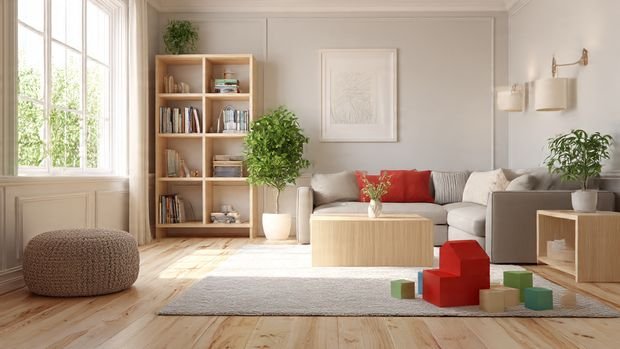
The living room is where kids spend most of their time, so safety here is essential.
Tips to keep the living room safe:
- Anchor heavy furniture like TV stands, shelves, and cabinets
- Use corner protectors on sharp edges
- Keep breakable items out of reach
- Secure rugs to prevent slips
- Cover electrical outlets
- Keep remote batteries and small objects away from toddlers
A clutter-free living space makes it easier for kids to play safely.
2. Make the Kitchen Child-Friendly
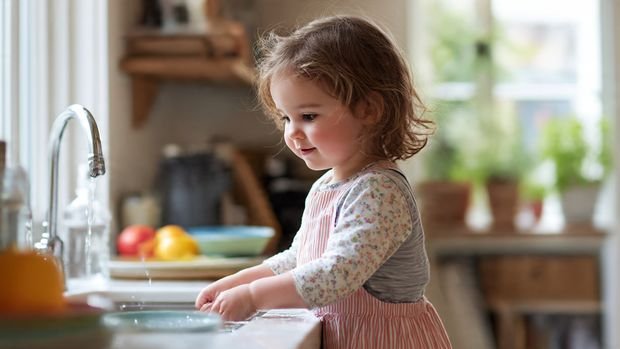
The kitchen is full of potential hazards — hot surfaces, sharp tools, cleaning supplies — but smart safety steps can help protect your child.
Helpful kitchen safety practices:
- Use stove guards and keep pot handles turned inward
- Store knives and scissors in locked drawers
- Keep cleaning products and chemicals in high or locked cabinets
- Never leave hot food or drinks on table edges
- Install child-proof latches on cabinets and drawers
- Keep choking hazards like nuts or small caps out of sight
Supervision is especially important in this area.
3. Bathroom Safety Essentials

Bathrooms can be slippery, and many items inside are unsafe for kids. A few simple precautions go a long way.
Bathroom safety tips:
- Always supervise bath time
- Use non-slip mats inside and outside the tub
- Keep shampoos, razors, and medicines in locked cabinets
- Set water heater temperature to a safe level
- Dry the floor immediately after spills
- Use toilet locks for curious toddlers
Never leave a child unattended near water — even for a few seconds.
4. Create a Safe Bedroom Environment
Kids spend a lot of time sleeping and playing in their rooms. Safety here means comfort and peace for parents.
Bedroom safety steps:
- Keep the crib free of pillows, stuffed toys, and loose blankets for infants
- Use window guards to prevent falls
- Anchor wardrobes and dressers
- Keep cords from blinds and curtains tied up
- Choose nightlights for visibility during the night
- Store toys properly to avoid tripping hazards
A well-organized bedroom supports both safety and restful sleep.
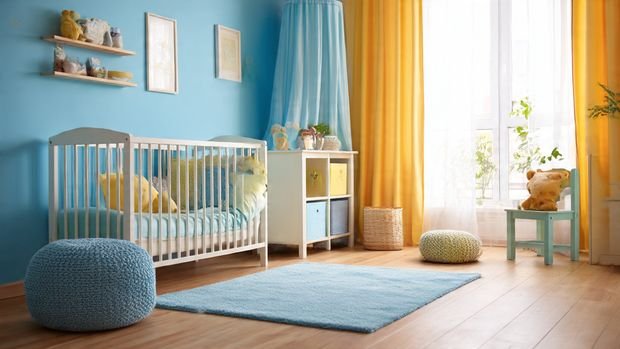
5. Nursery Safety for Babies
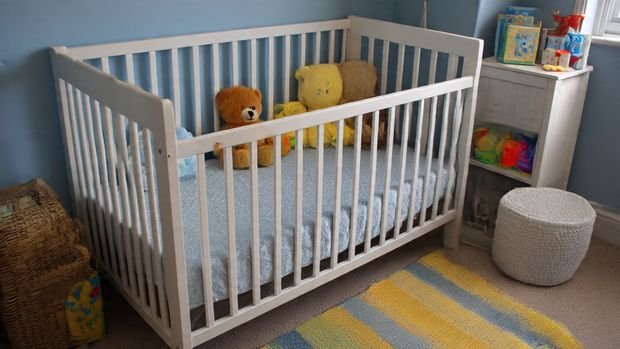
Baby nurseries should be designed with safety in mind from the beginning.
Nursery safety essentials:
- Choose a sturdy crib with proper spacing between bars
- Keep crib away from windows and hanging cords
- Use fitted sheets only
- Avoid bumpers, loose blankets, or stuffed toys
- Keep a baby monitor for supervision
- Place changing stations away from edges
Simple arrangements reduce stress for new parents.
6. Make Hallways and Staircases Secure

These areas are often overlooked but can be risky for small children.
How to keep hallways and stairs safe:
- Install safety gates at the top and bottom of stairs
- Keep floors free from toys and objects
- Use anti-slip stair treads
- Add nightlights for visibility
- Teach children to always hold the railing
Consistent habits prevent unnecessary accidents.
7. Outdoor and Balcony Safety

If you have a garden, patio, or balcony, extra precautions are important.
Outdoor safety ideas:
- Install secure balcony railings
- Keep furniture away from balcony edges
- Lock doors leading to outdoor areas
- Store garden tools out of reach
- Supervise outdoor water play
- Check for insects, sharp objects, or slippery surfaces
A safe outdoor environment encourages healthy play.
8. Electrical and Fire Safety
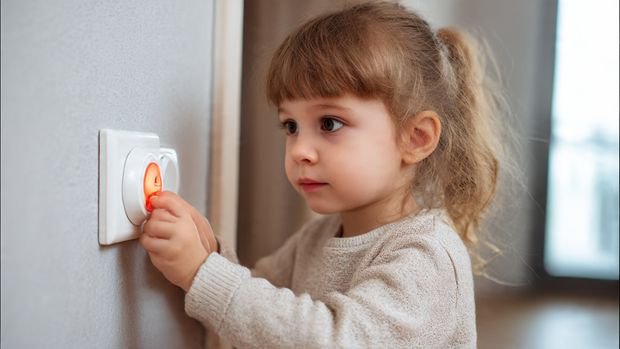
Fire and electrical hazards can be dangerous, but preventive steps make your home safer.
Safety tips include:
- Cover electrical outlets
- Keep cords hidden or tied
- Install smoke detectors and check batteries regularly
- Keep lighters and matches far out of reach
- Avoid overloading electrical outlets
- Teach children basic fire safety rules
Preparedness gives everyone peace of mind.
9. Store Hazardous Items Safely

Children are naturally curious. Anything dangerous should be stored safely.
Keep the following items out of reach:
- Medicines
- Cleaning supplies
- Cosmetics
- Tools
- Small objects that can be swallowed
- Plastic bags
- Batteries
Child-proof locks are simple but extremely effective.
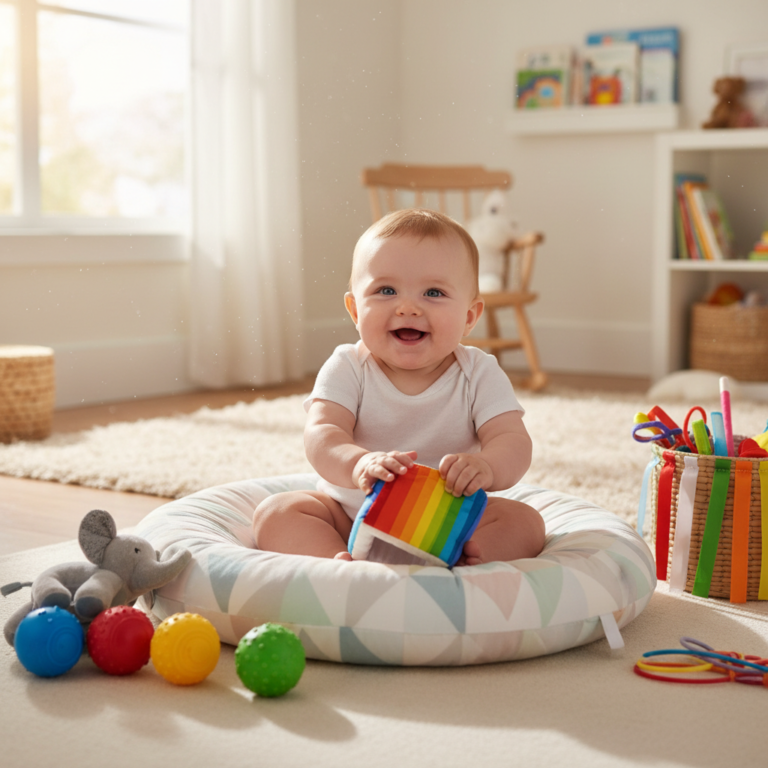
10. Safe Play Areas
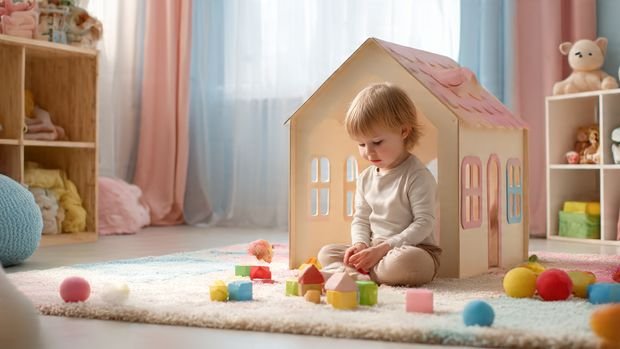
Kids need freedom to play — safely and creatively.
How to set up a safe play zone:
- Use soft mats or rugs
- Remove small toys that pose choking risks for toddlers
- Select age-appropriate toys
- Check toys regularly for damage
- Keep the area well-lit
- Teach children to tidy up after play
Safe play inspires confidence and independence.
11. Teach Kids About Safety (Age-Appropriate)
As children grow, teaching them about safety helps them develop responsibility.
Teach your child about:
- Not touching electrical outlets
- Staying away from hot surfaces
- Holding hands while walking on stairs
- Not running inside the house
- Proper toy use
- Being careful with water
Repetition helps children remember and follow rules.
12. Keep First Aid Supplies Handy
A well-stocked first aid kit is essential for every home.
Include items like:
- Bandages
- Antiseptic wipes
- Gauze pads
- Thermometer
- Child-safe ointment
- Cotton swabs
Know basic first aid and keep emergency numbers accessible.
13. Supervision Is the Ultimate Safety Tool
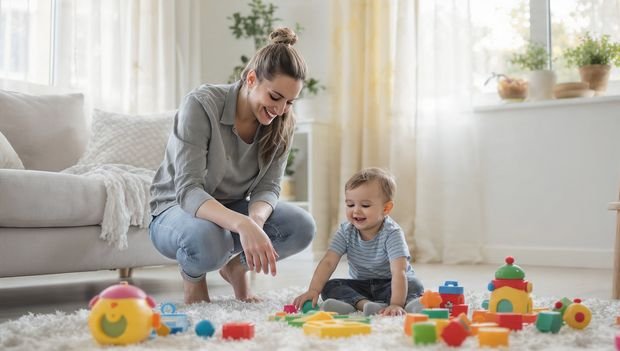
Even the safest home still requires active supervision. Nothing replaces a parent’s watchful eye.
Good supervision includes:
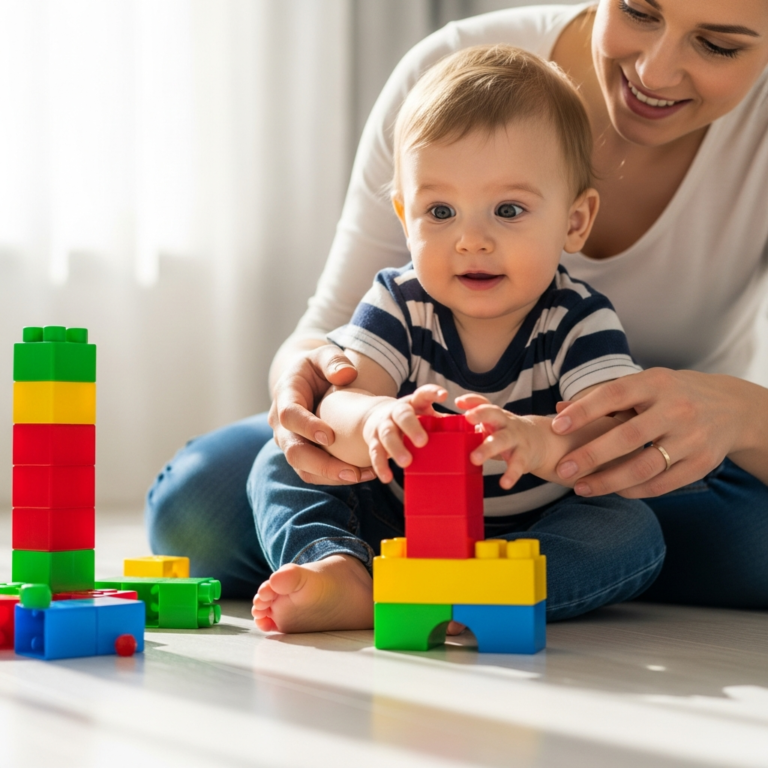
- Staying nearby during active play
- Keeping distractions away
- Watching children around water, stairs, and kitchen areas
- Being aware of what siblings are doing
Attentive supervision prevents most accidents before they happen.
Final Thoughts
Child safety at home doesn’t have to be stressful or complicated. Small habits — securing furniture, storing hazardous items properly, using safety gates, teaching simple rules, supervising carefully — can make your home a safe and peaceful place for children to grow.
Every precaution you take builds a safer environment and gives your family the peace of mind it deserves. With awareness, consistency, and a little preparation, you can let your child explore confidently while keeping them protected at every stage.