
Helpful Sleep Training Ideas for Babies
Helping your baby learn to fall asleep independently is a gradual process that takes patience and love. Sleep training doesn’t have to be stressful — with the right techniques, you can create a peaceful bedtime routine that works for both you and your baby. Here are some tried-and-true sleep training ideas to get you started.
1. Create a Consistent Bedtime Routine
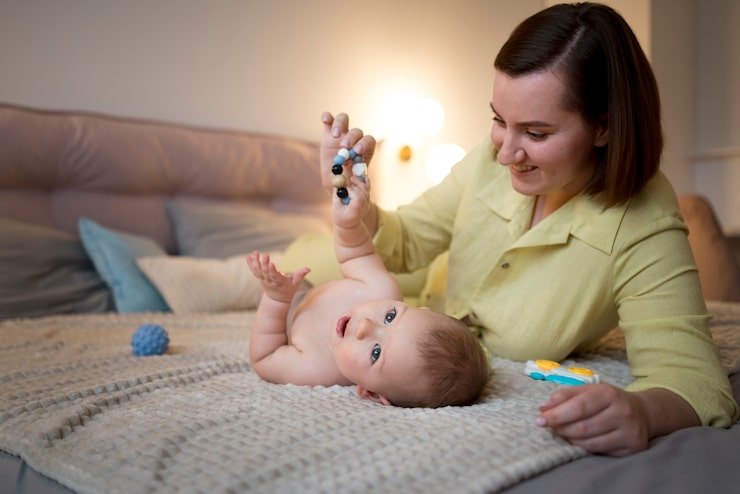
Babies thrive on predictability. Start a calming routine about 30 minutes before bed — a warm bath, gentle rocking, dim lights, and a lullaby can signal that it’s time to sleep.
2. Set a Regular Sleep Schedule
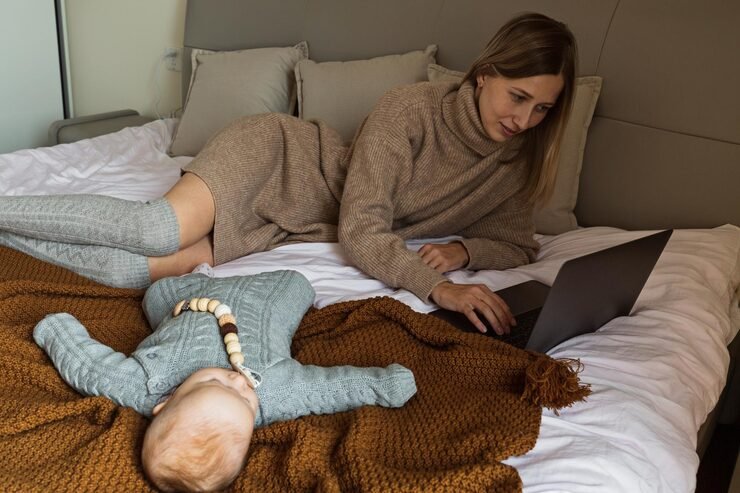
Try to put your baby to bed and wake them up around the same time each day. A consistent schedule helps regulate their internal clock and makes falling asleep easier.
3. Put Baby Down While Drowsy, Not Asleep
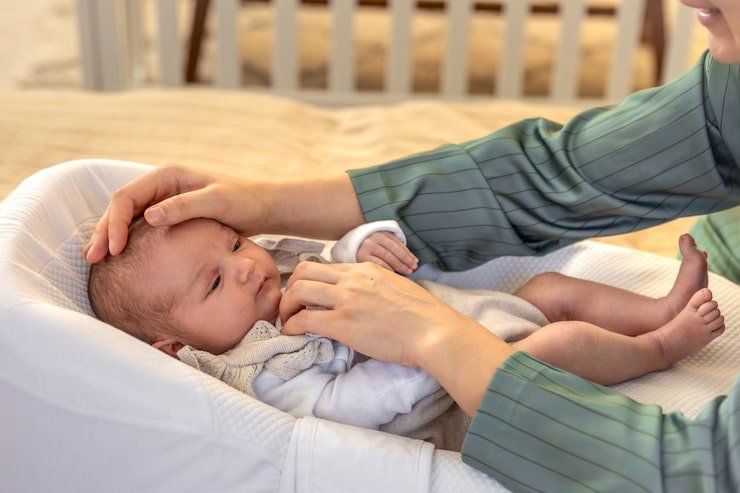
Allow your baby to learn how to drift off independently by placing them in the crib while they’re sleepy but still awake. This helps them associate the crib with falling asleep, not just being asleep.
4. Keep Nights Calm and Quiet
When feeding or changing your baby at night, keep lights dim and voices soft. This teaches your baby that nighttime is for sleeping, not playtime.
5. Try Gentle Soothing Methods

Instead of picking your baby up immediately when they fuss, try gentle patting, shushing, or using a soft lullaby to comfort them. Gradually reduce your involvement as they learn to self-soothe.
6. Use White Noise

A white noise machine can mimic the comforting sounds of the womb and block out household noises, helping your baby sleep longer and more soundly.
7. Watch for Sleep Cues
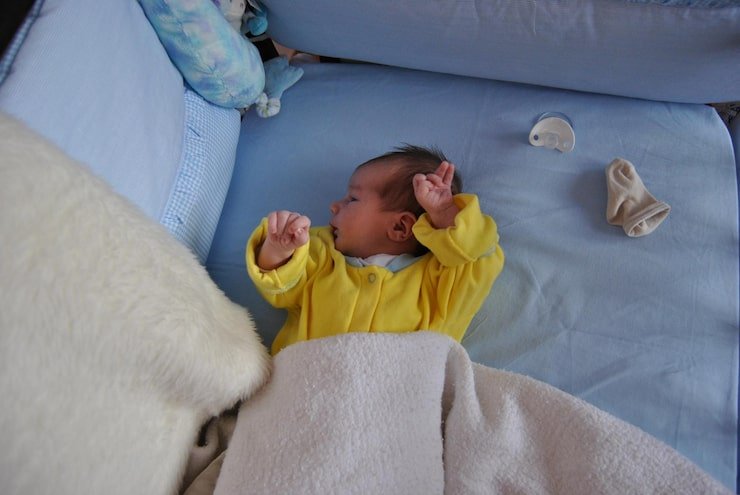
Learn to recognize early signs of tiredness — yawning, rubbing eyes, or slowing movements. Putting your baby to bed at the first cues prevents overtiredness and makes sleep training smoother.
8. Be Patient and Consistent

It’s normal for babies to resist change at first. Stick to your routine, stay calm, and give your baby time to adjust. Consistency is key to building strong sleep habits.
9. Create a Comfortable Sleep Environment

Keep the nursery cool, quiet, and dark. A firm mattress and cozy sleep sack (instead of loose blankets) ensure safety and comfort.
10. Avoid Sleep Associations
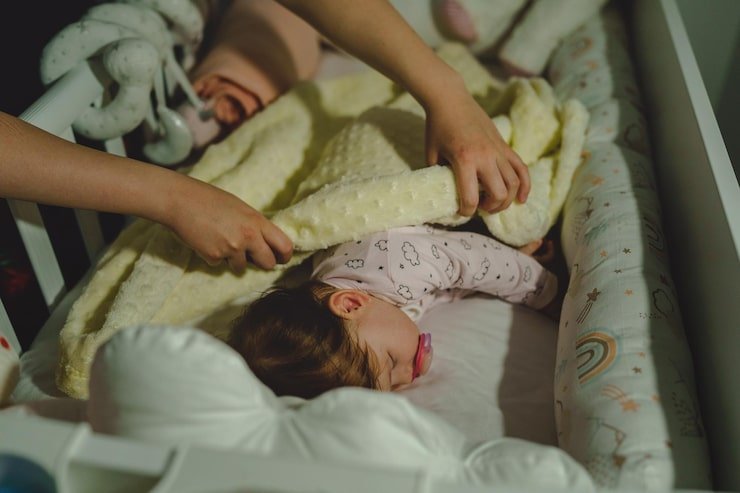
Try not to rely too heavily on rocking or feeding to get your baby to sleep. These habits can make it harder for them to fall back asleep on their own during night wakings.
Final Thoughts
Sleep training isn’t about strict schedules or letting your baby cry endlessly — it’s about teaching healthy sleep patterns with love and patience. Every baby is unique, so find a rhythm that fits your family. With consistency and gentle care, restful nights will come naturally over time.