How To Transition Baby to Solid Foods
Introducing solid foods is a big milestone for both you and your baby. It’s exciting, messy, and full of discovery. The key is to move slowly, stay patient, and make it a positive experience. Here’s a step-by-step guide to help your baby transition smoothly from milk to solids.
1. Know the Right Time to Start
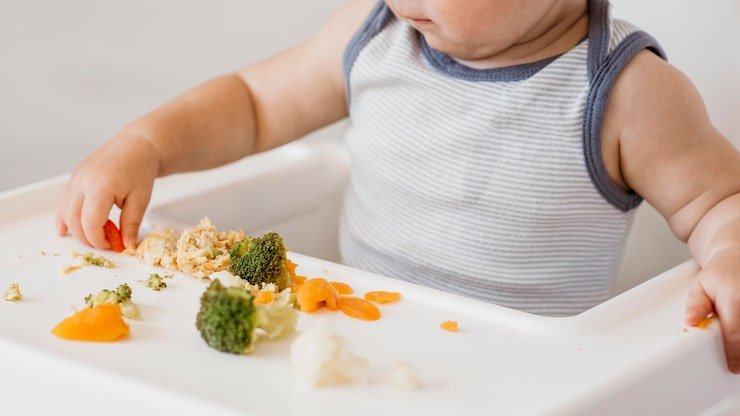
Most babies are ready for solids around 6 months old. Signs of readiness include sitting up with support, showing interest in food, and losing the tongue-thrust reflex (when babies push food out of their mouths).
2. Begin with Single-Ingredient Foods

Start simple — pureed fruits, vegetables, or iron-fortified baby cereals. Introduce one new food at a time and wait 3–5 days before adding another to check for allergies or sensitivities.
3. Focus on Texture Progression
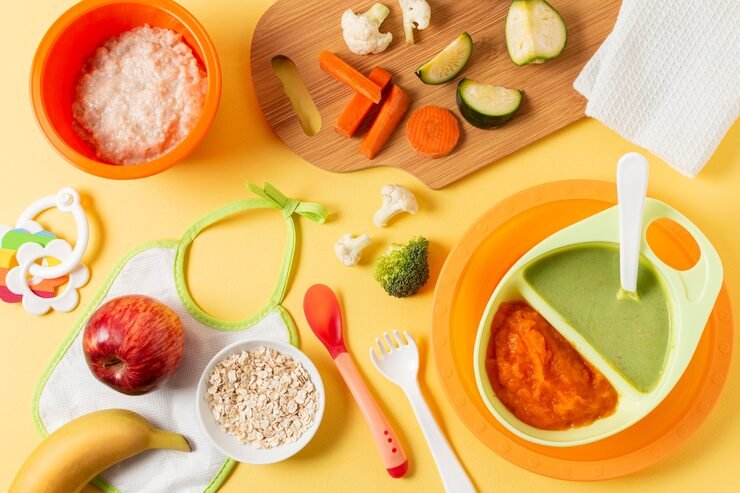
Begin with smooth purees, then move to mashed or soft foods as your baby learns to chew. By 9–12 months, you can offer finely chopped or finger foods to encourage self-feeding.
4. Include Iron-Rich Foods
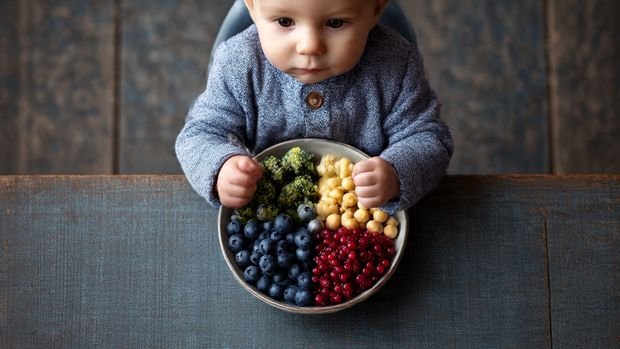
At 6 months, babies need more iron. Offer foods like pureed meats, lentils, eggs, and iron-fortified cereals to support healthy growth and development.
5. Encourage Self-Feeding
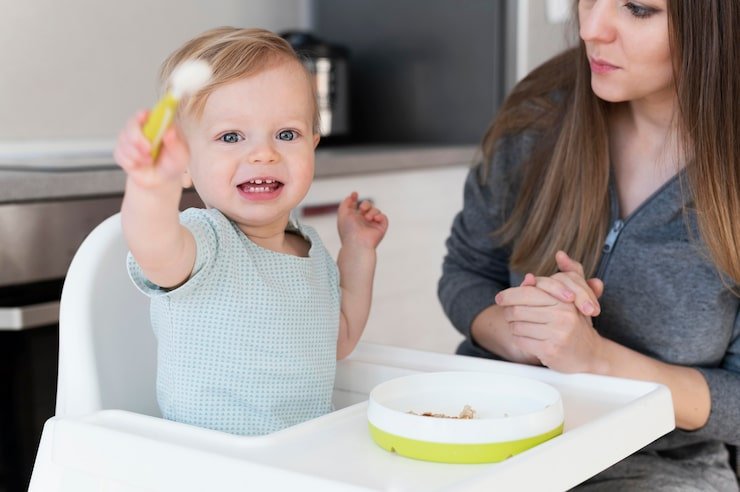
Let your baby explore food with their hands — it’s how they learn! Use soft finger foods like avocado, banana, or cooked sweet potato to promote independence and coordination.
6. Keep Mealtimes Calm and Consistent

Sit together as a family when possible. Babies learn by watching you eat. Create a calm environment, avoid rushing, and make mealtimes enjoyable.
7. Introduce Water Slowly

Offer small sips of water in a baby cup during meals once solids begin. It helps with digestion and teaches your baby to drink from a cup.
8. Avoid Common Choking Hazards
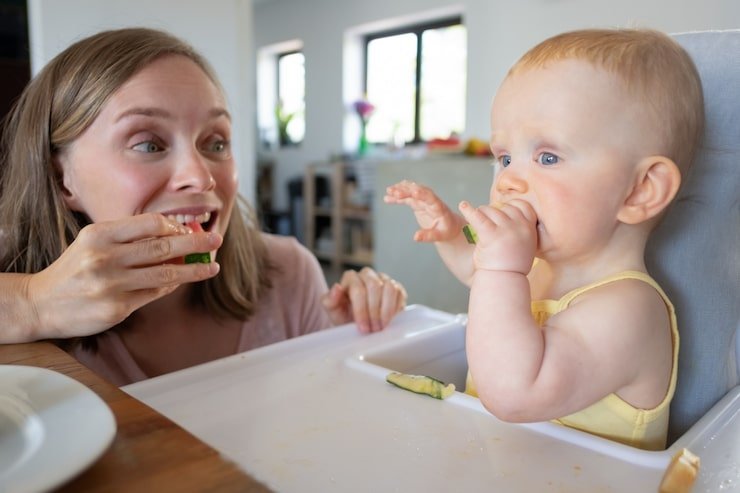
Stay away from nuts, popcorn, whole grapes, and hard chunks of food. Always supervise your baby while eating and make sure food is soft and easy to swallow.
9. Don’t Worry About Mess
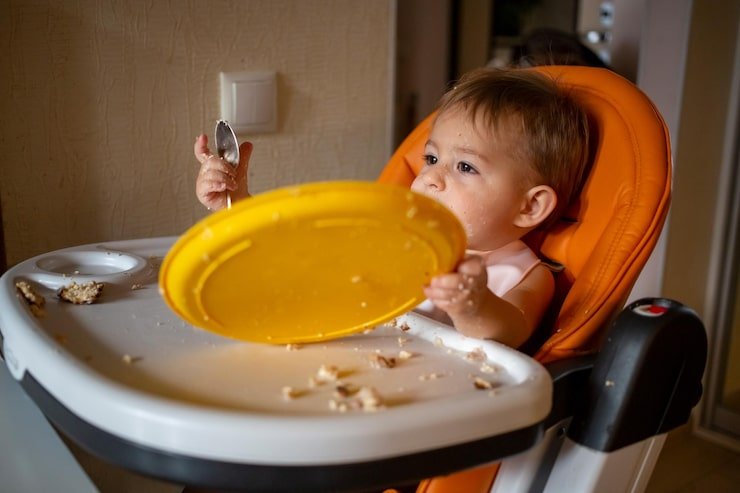
Exploration is part of learning! Allow your baby to touch, mash, and play with food — it builds sensory awareness and positive associations with eating.
10. Continue Breastfeeding or Formula

Solids complement, not replace, milk in the first year. Keep breastfeeding or offering formula alongside meals until your baby is at least 12 months old.
Final Thoughts
Transitioning to solids takes time and patience, but it’s also a joyful stage filled with new tastes and experiences. Follow your baby’s cues, introduce foods gradually, and focus on fun rather than perfection. Before long, your little one will be happily enjoying a variety of healthy, delicious foods.