17 Genius Baby Proofing Hacks You Need
As your infant transitions into a mobile toddler, your home transforms from a sanctuary into a landscape of potential hazards. While standard baby proofing kits are available, they can be expensive and sometimes difficult to install. For the modern parent seeking efficiency and safety, creative household hacks provide excellent alternatives to professional-grade equipment. This article details seventeen ingenious methods to secure your living space, ensuring your child can explore safely while giving you peace of mind. By repurposing common items, you can create a secure environment without compromising on the aesthetics or functionality of your home.
1. Pool Noodle Edge Guards
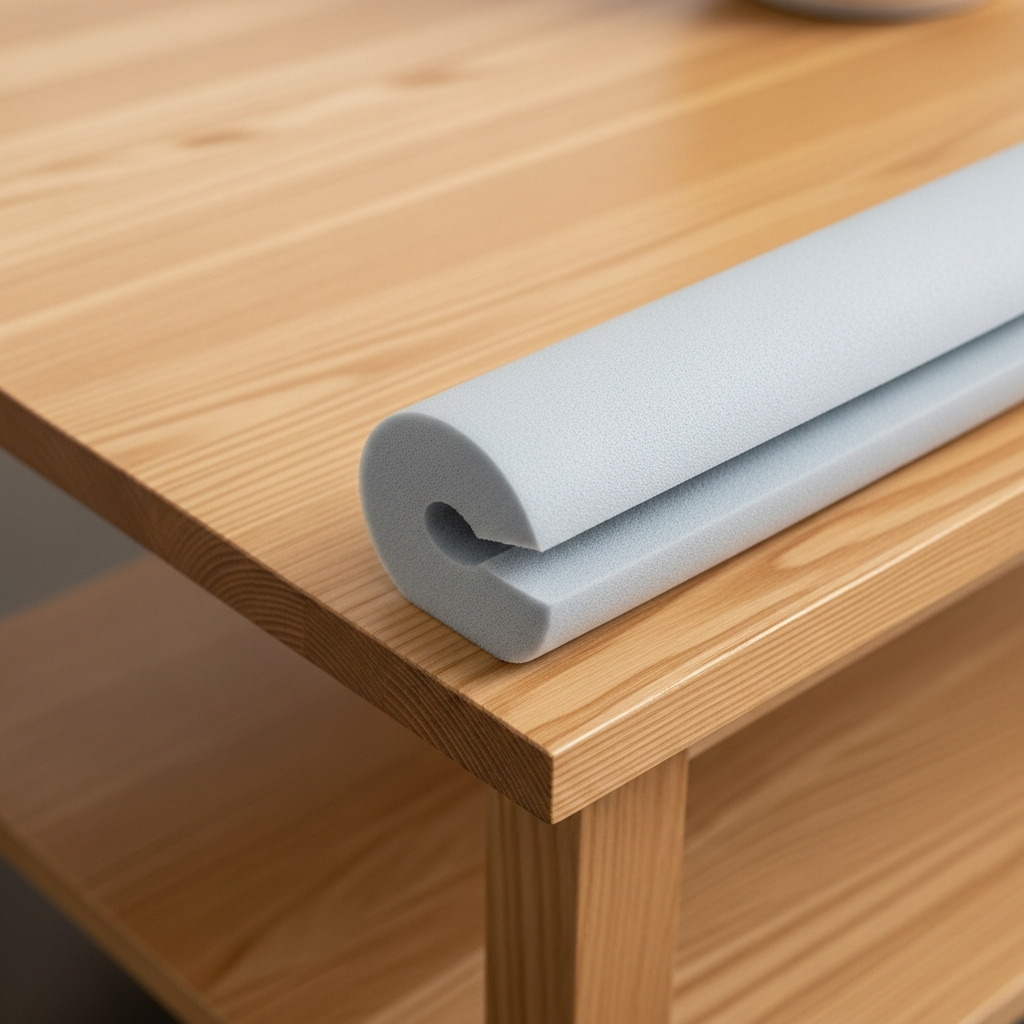
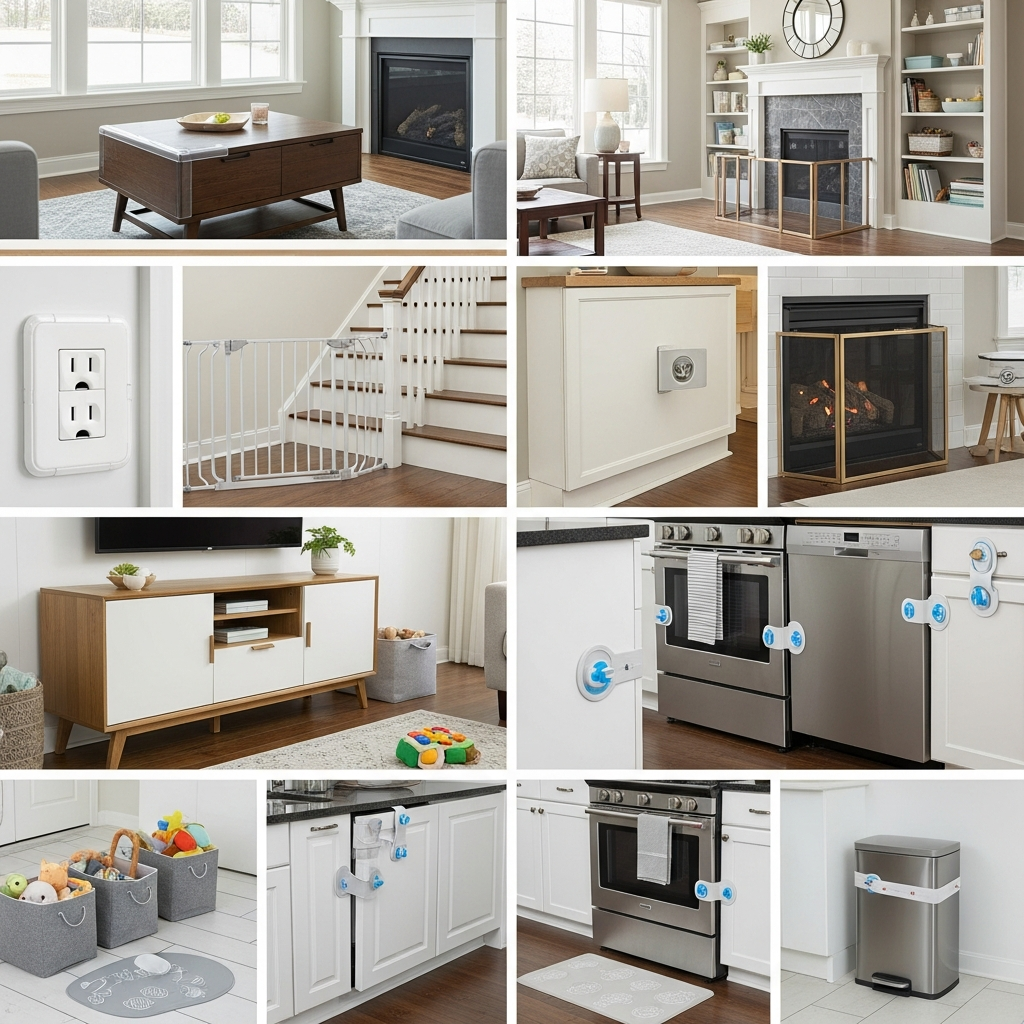
Sharp edges on coffee tables and television stands pose a significant risk to wobbly toddlers. By slicing a pool noodle lengthwise and sliding it over the edge of the furniture, you create a soft, cushioned barrier. This method is cost-effective and can be removed easily without leaving behind sticky residue or damaging the wood finish.
2. Rubber Band Cabinet Security
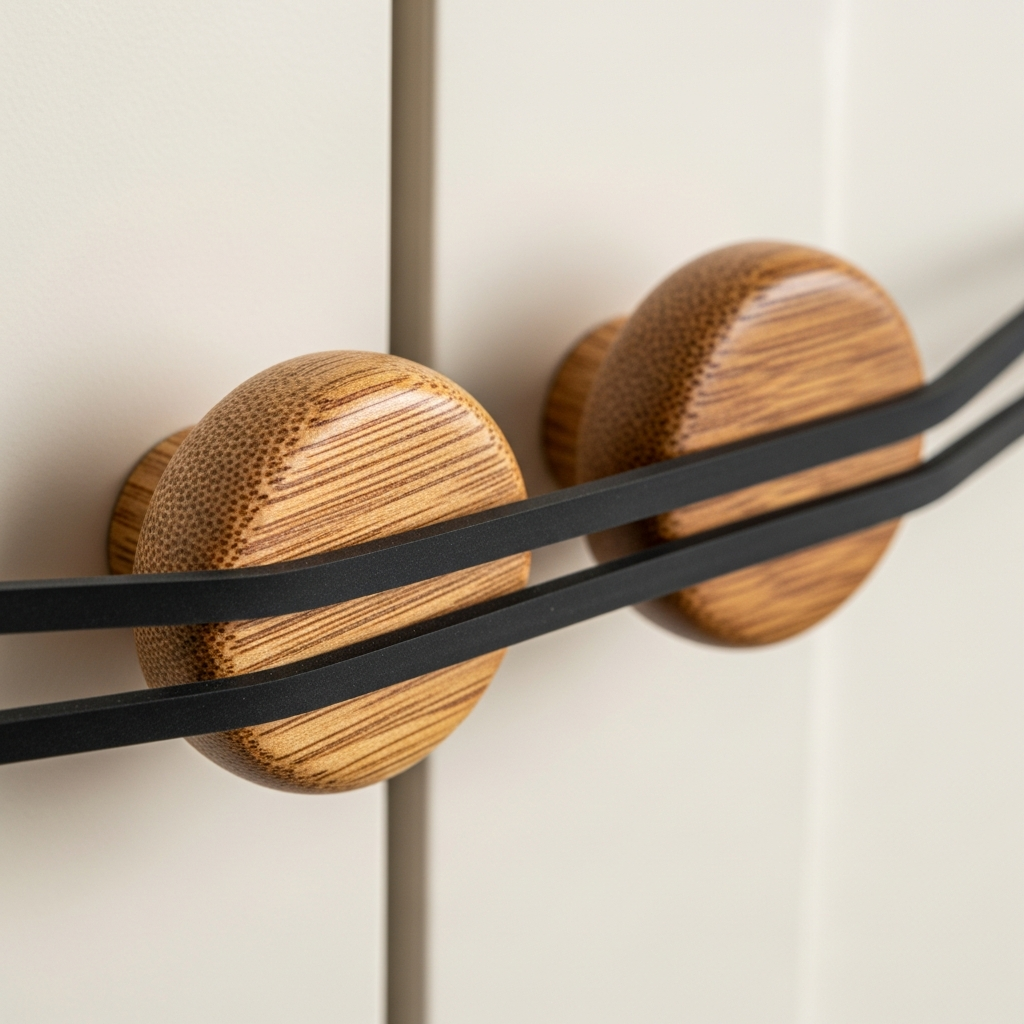
Kitchen cabinets often house cleaning supplies and heavy cookware. If you have cabinet knobs located side-by-side, you can use heavy-duty rubber bands or hair elastics to loop around them. This creates enough tension to prevent a small child from pulling the doors open, yet remains simple enough for an adult to operate one-handed.
3. Tennis Ball Corner Protection

The corners of dining tables are at the exact height of a toddler’s head. To prevent injuries, cut a small slit into a tennis ball and slide it over the corner. The dense felt and rubber provide superior impact absorption. For a more subtle look, you can find tennis balls in neutral colors or paint them to match your decor.
4. Painter’s Tape for Outlets
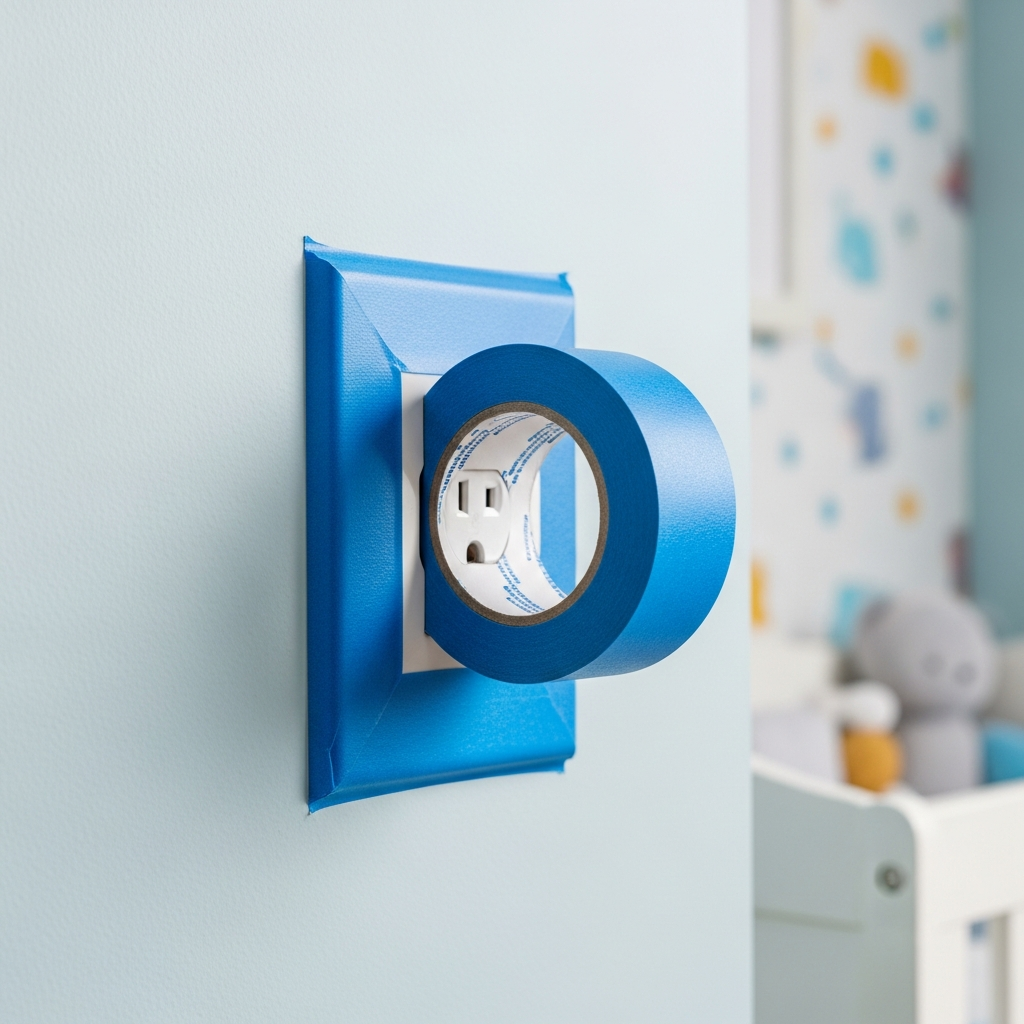
Unused electrical outlets are a magnet for curious fingers. If you are traveling or in a pinch, a piece of painter’s tape or masking tape over the outlet can deter a child from investigating the slots. While not a permanent solution, it serves as a great temporary fix that won’t peel the paint off your walls.
5. Zip Ties for Cable Control
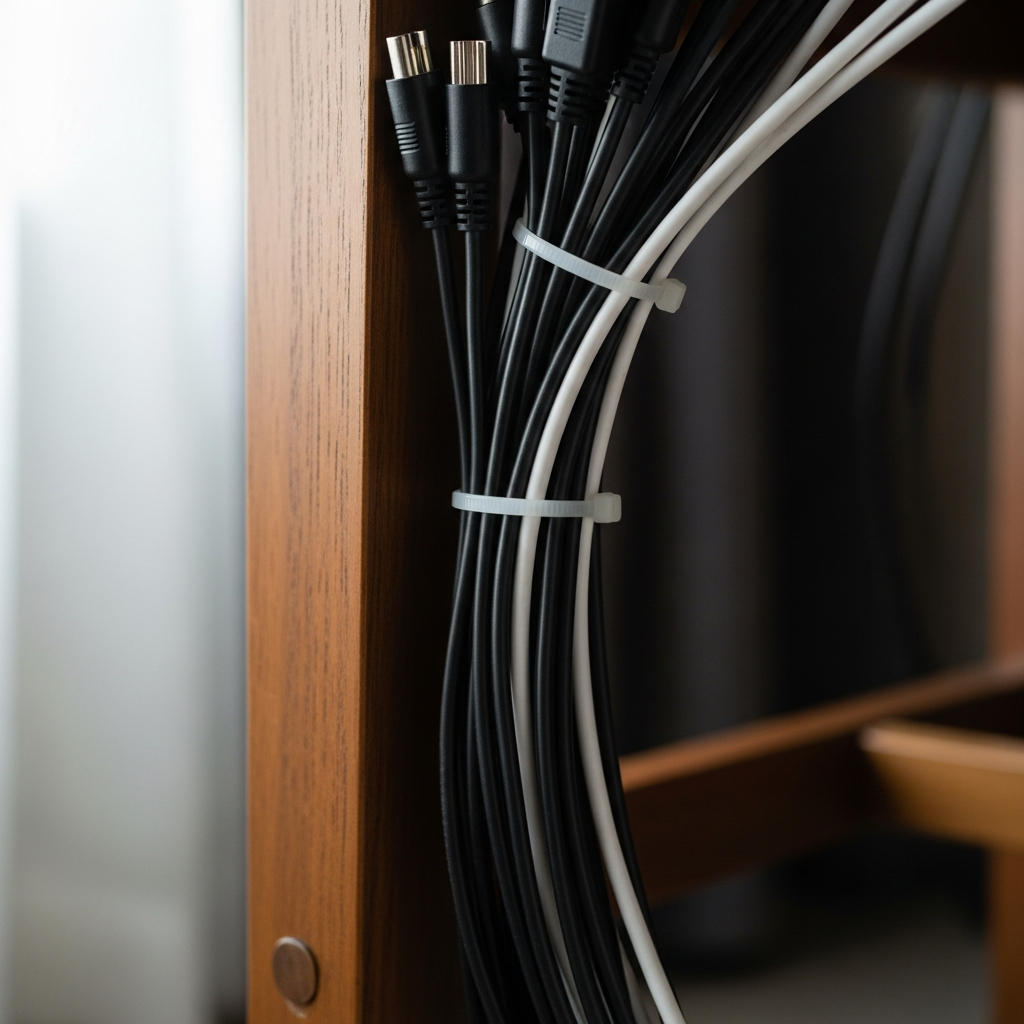
Loose electrical cords are both a tripping hazard and a strangulation risk. Use plastic zip ties to bundle loose cables together and secure them to the back of furniture legs. This keeps the cords taut and out of reach, ensuring that your child cannot pull heavy electronics down onto themselves.
6. High Placement with Adhesive Hooks
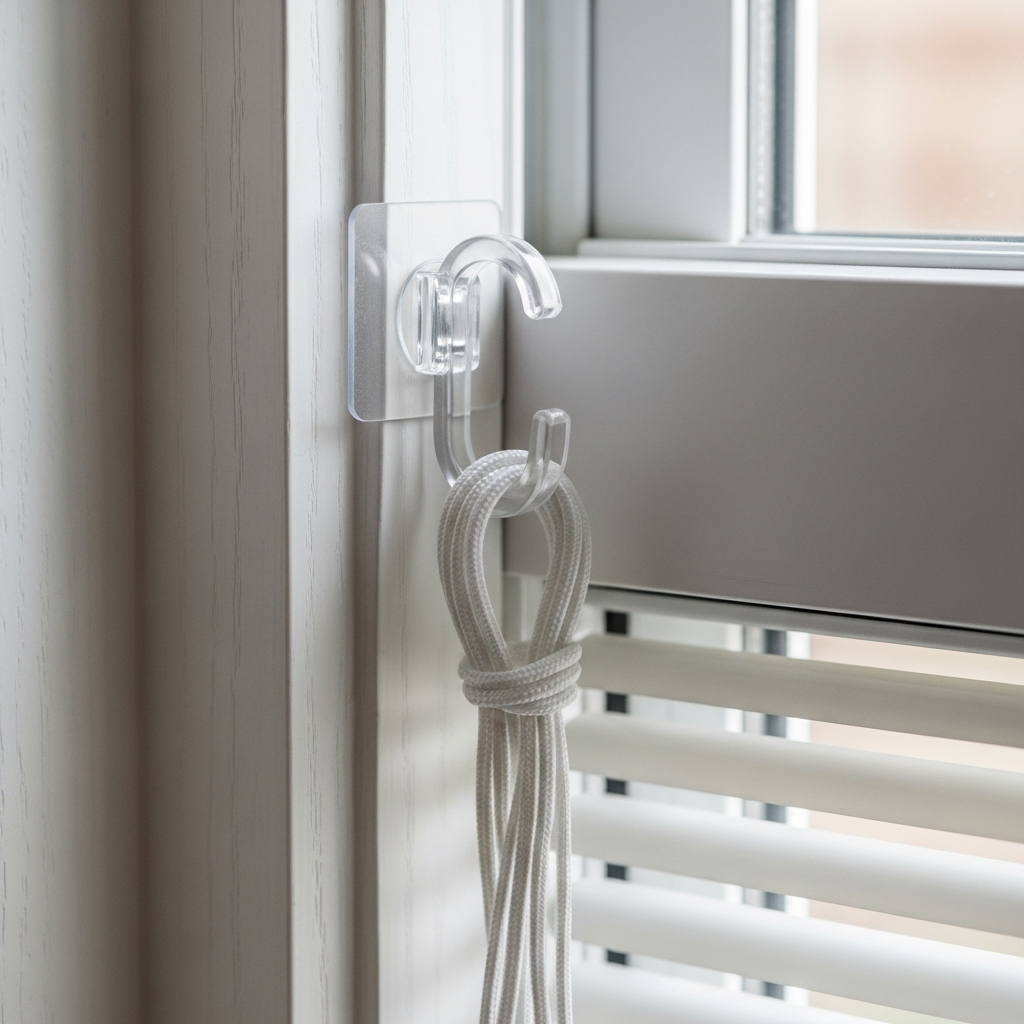
Cords for window blinds can be extremely dangerous. Use heavy-duty adhesive hooks placed high up on the window frame to wrap the excess cord around. This keeps the loop far out of reach of children and avoids the need for permanent drilling into your window casing.
7. Choking Hazard Roll Test
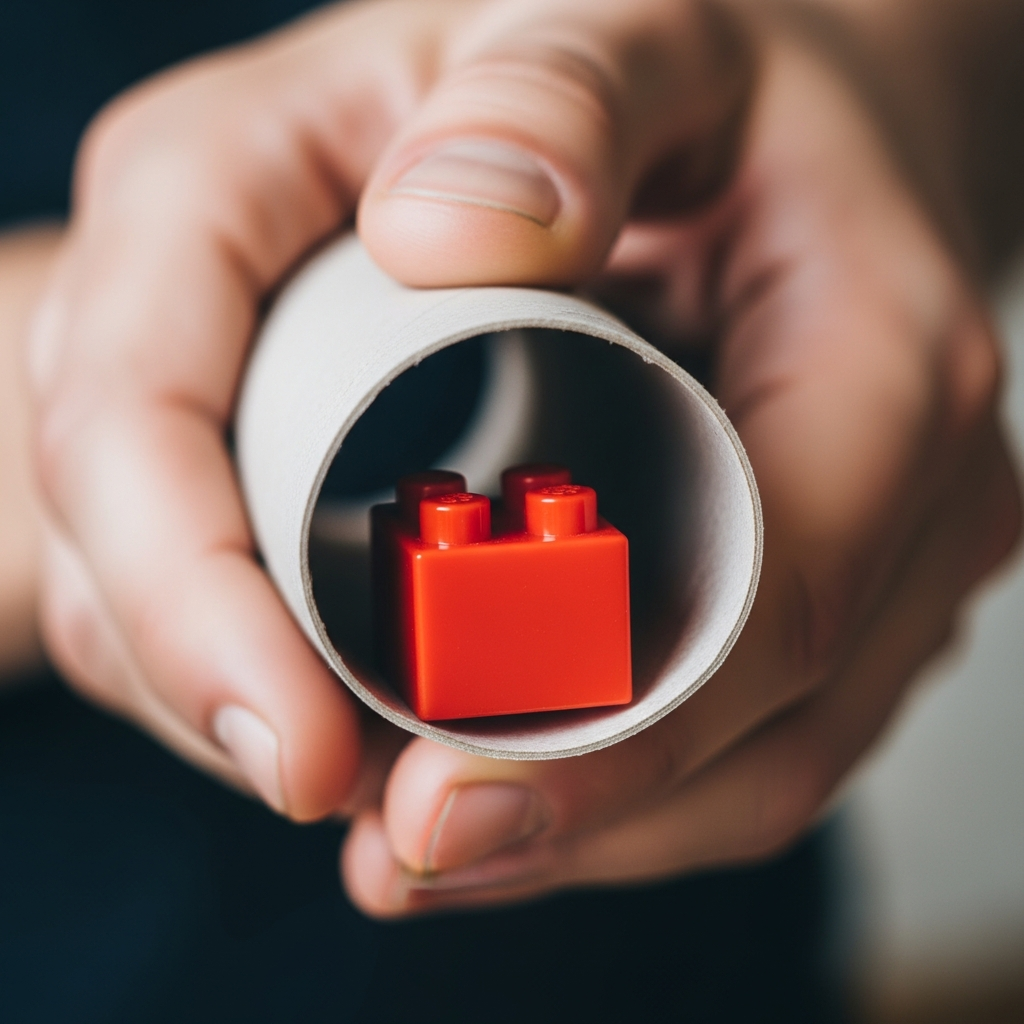
Determining if a toy is too small can be difficult. A simple rule of thumb is the toilet paper roll test. If an object fits through the cardboard center of a toilet paper roll, it is small enough for a child to choke on. Regularly use this hack to audit the toys in your child’s play area.
8. Pool Noodle Pinch Guards
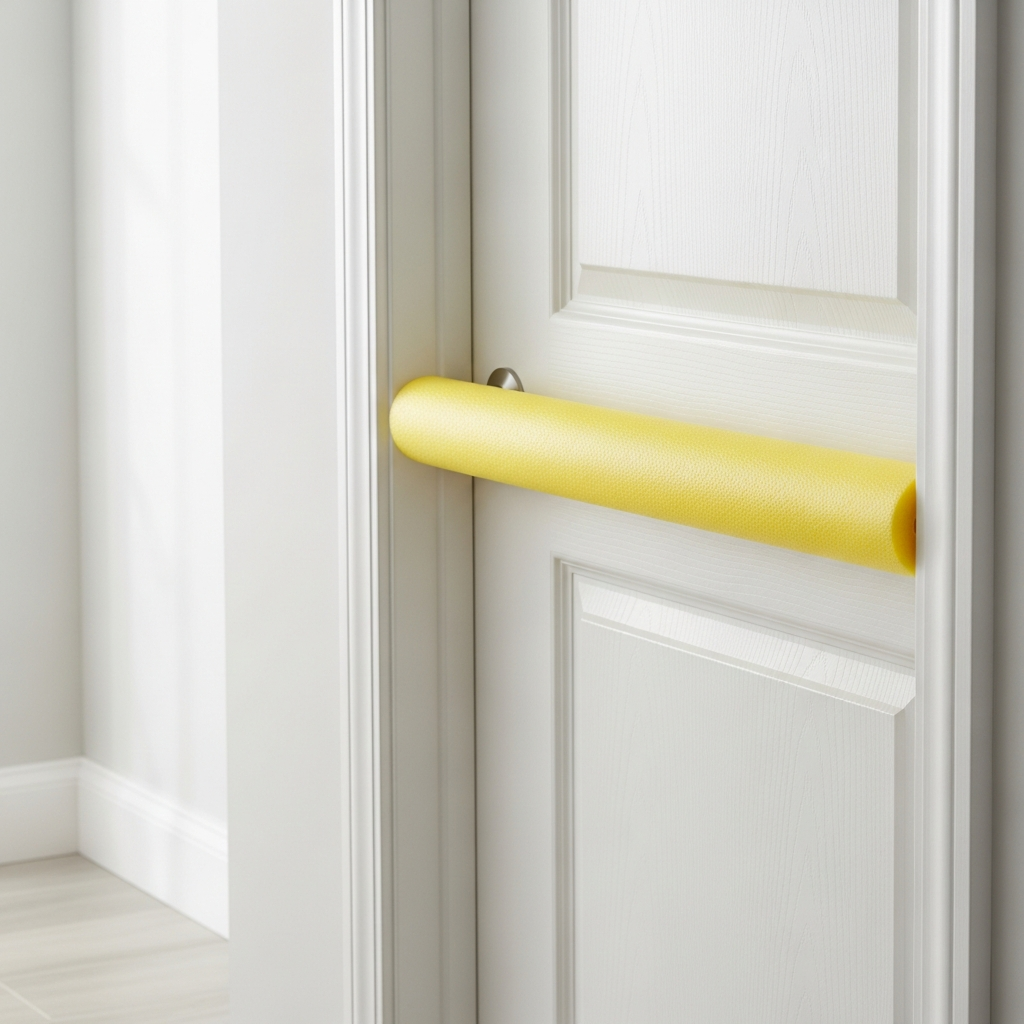
Doors slamming on small fingers is a common household accident. Cut a small piece of a pool noodle (about 6 inches) and slice it lengthwise. Place it high on the outer edge of the door. This prevents the door from closing completely, leaving a gap that protects little hands from being pinched in the frame.
9. Fabric Latches for Doors
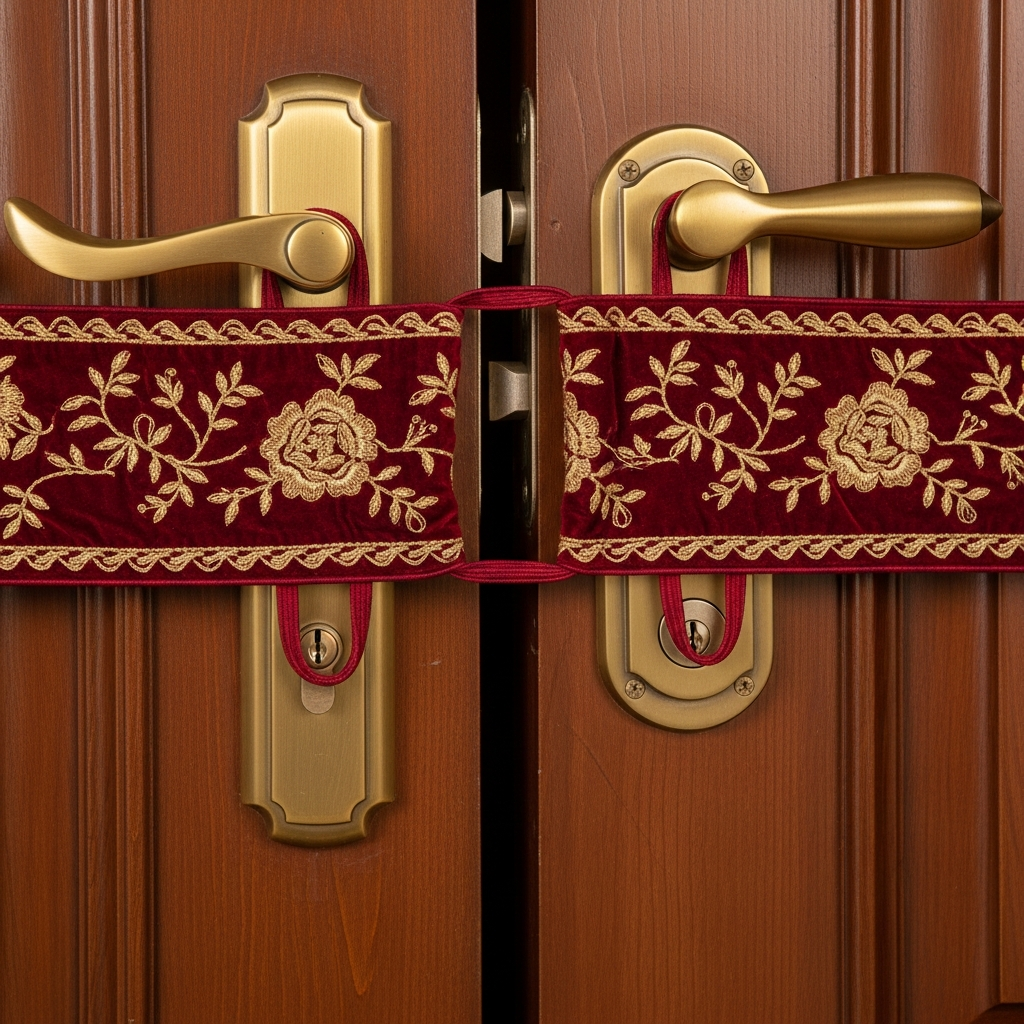
If you want to prevent a child from locking themselves in a room or making too much noise with a door latch, use a fabric muffler. Wrap a piece of fabric or a dedicated door silencer over the door handles so that it covers the latch. This keeps the door accessible and silent without allowing it to fully click shut.
10. Wall Anchors for Heavy Furniture
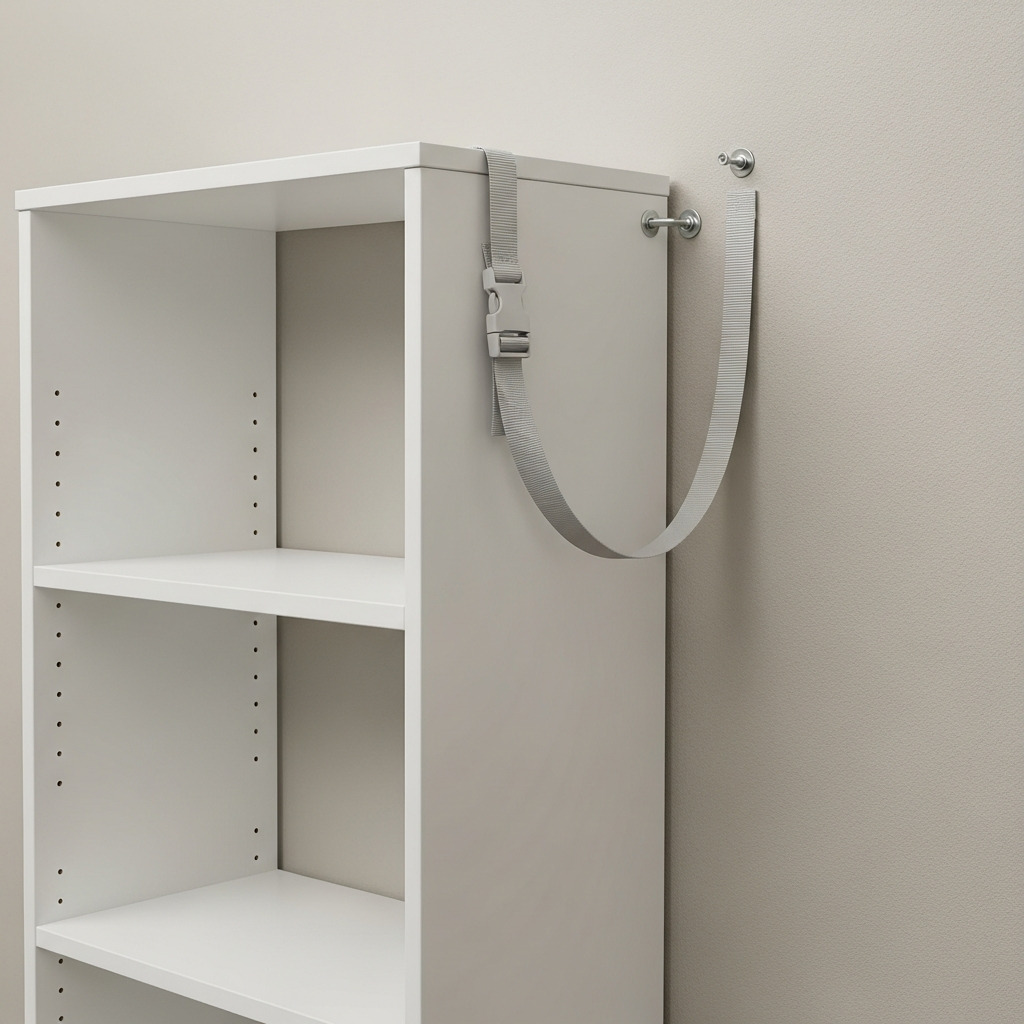
Tipping furniture is a leading cause of childhood injury. Use professional furniture straps or heavy-duty brackets to anchor dressers, bookshelves, and TV stands directly to the wall studs. This ensures that even if a child attempts to climb the drawers, the piece remains stable and upright.
11. Remote Control Velcro
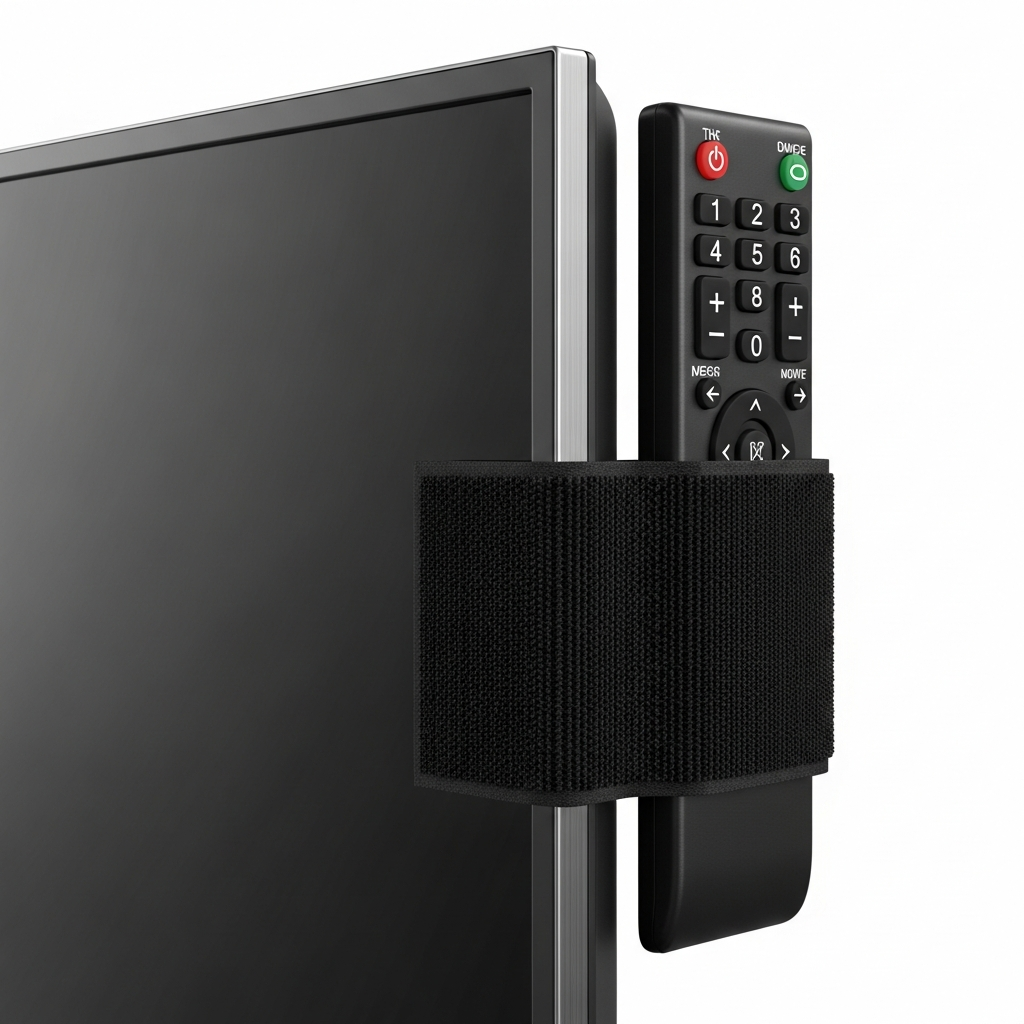
Remote controls contain small buttons and batteries that are hazardous if swallowed. Use adhesive Velcro strips to mount your remotes high on the side of your television or on a wall out of reach. This keeps them organized and prevents your child from using them as chew toys.
12. Magnetic Locking Systems
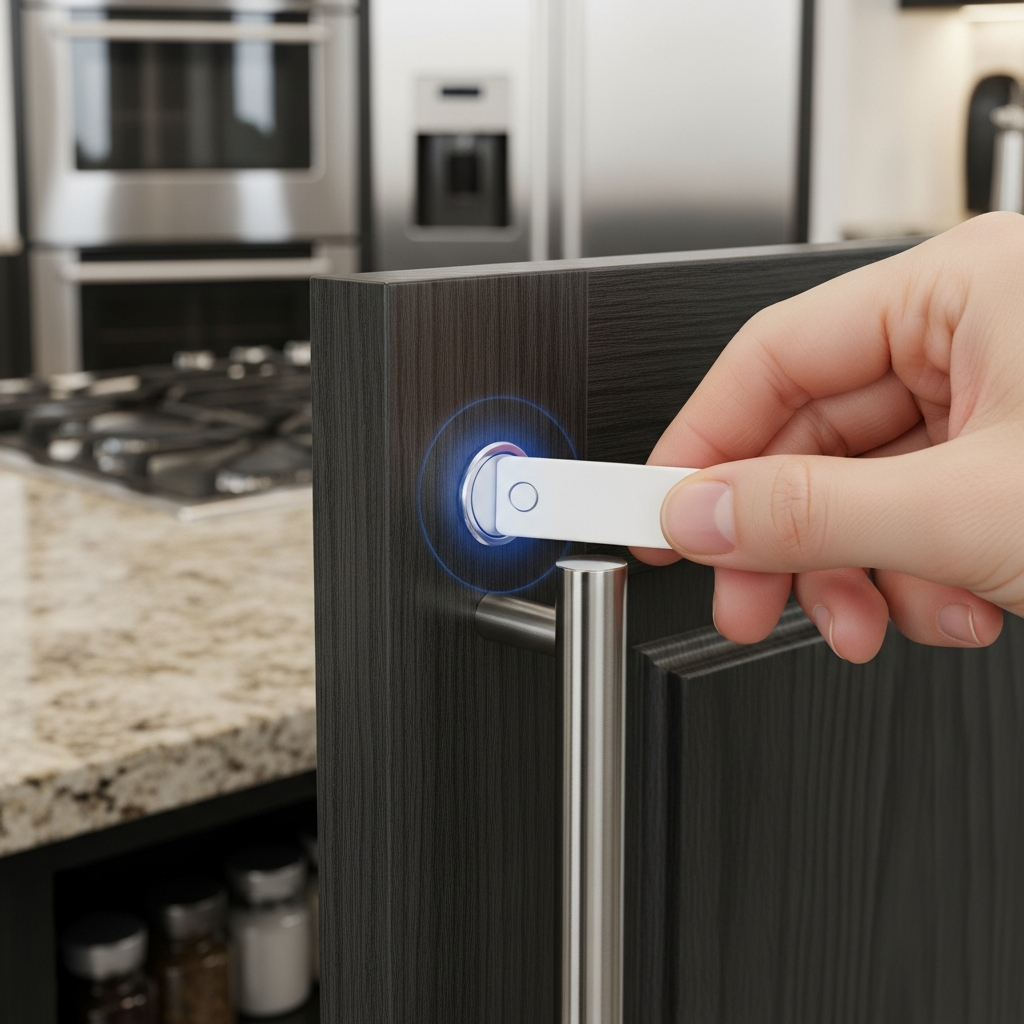
For a sleek look that doesn’t involve visible plastic latches, install magnetic cabinet locks. These are mounted on the inside of the cabinet and can only be opened with a special magnetic key. They are invisible from the outside, preserving the aesthetic of your kitchen while keeping dangerous items locked away.
13. Window Blind Cord Management
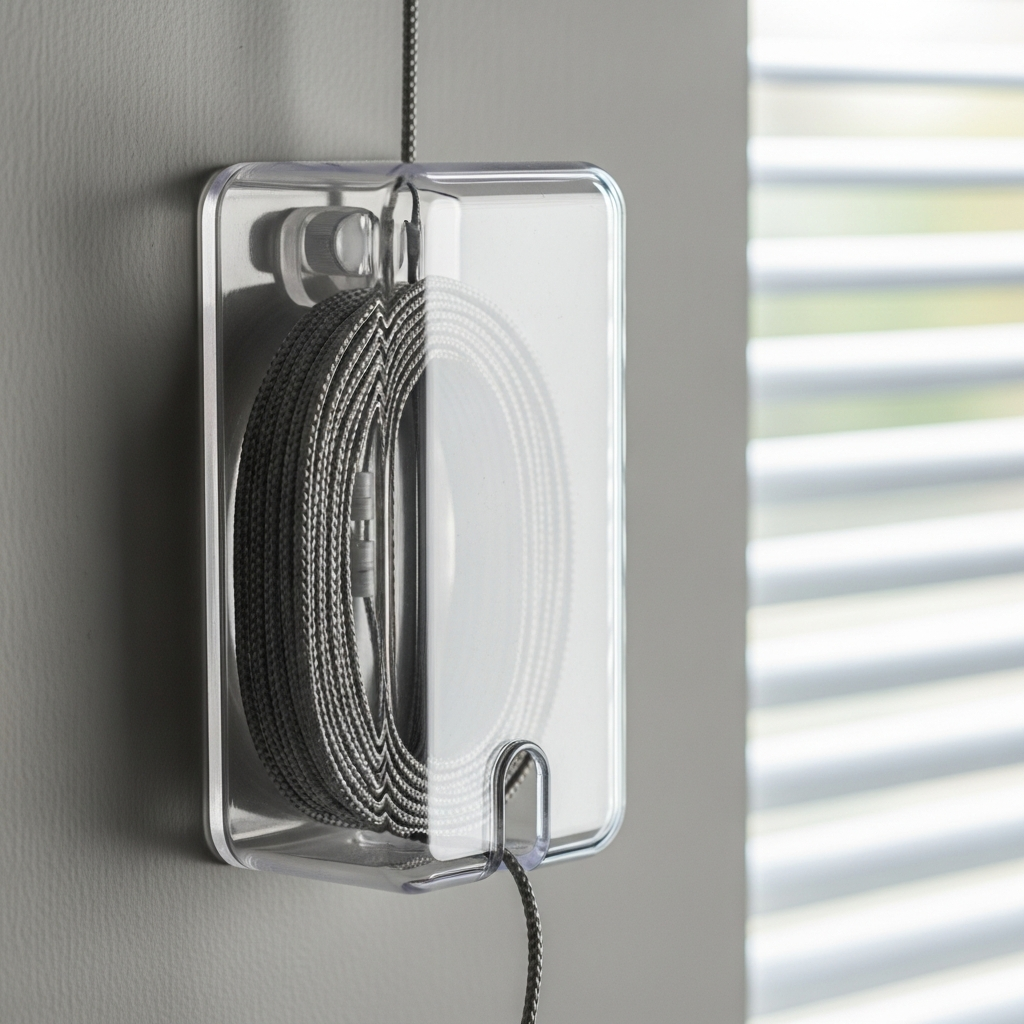
If you cannot use hooks, you can use small plastic Tupperware containers with a slit cut in the side to house the excess cord. Simply coil the cord inside the container and snap the lid shut. The weight keeps the cord hanging straight but prevents any loops from forming that a child could get caught in.
14. Appliance Safety Latches
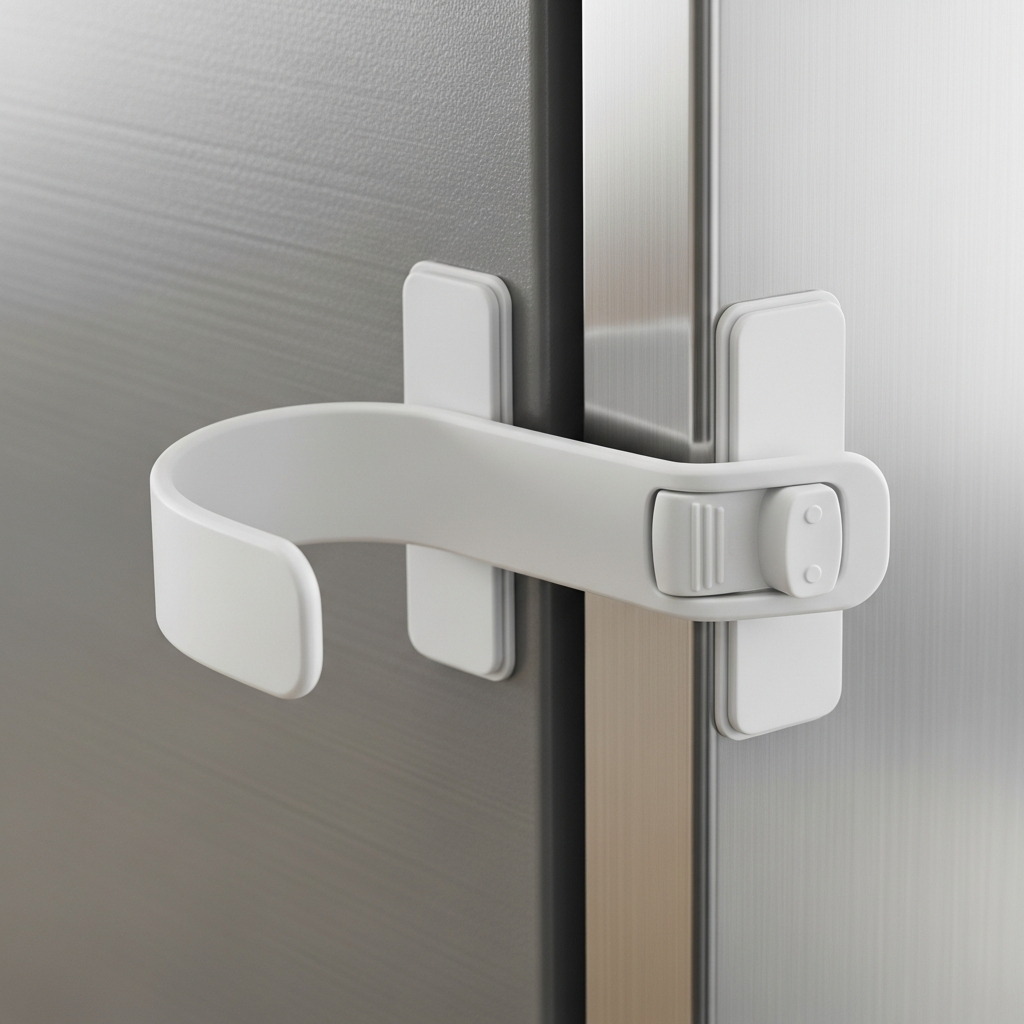
Appliances like dishwashers and refrigerators are fascinating to toddlers. Use adhesive-mounted multi-purpose straps to secure the doors. These flexible straps can go around corners and require a dual-button press to release, making it nearly impossible for a child to open the heavy doors themselves.
15. Stove Knob Covers
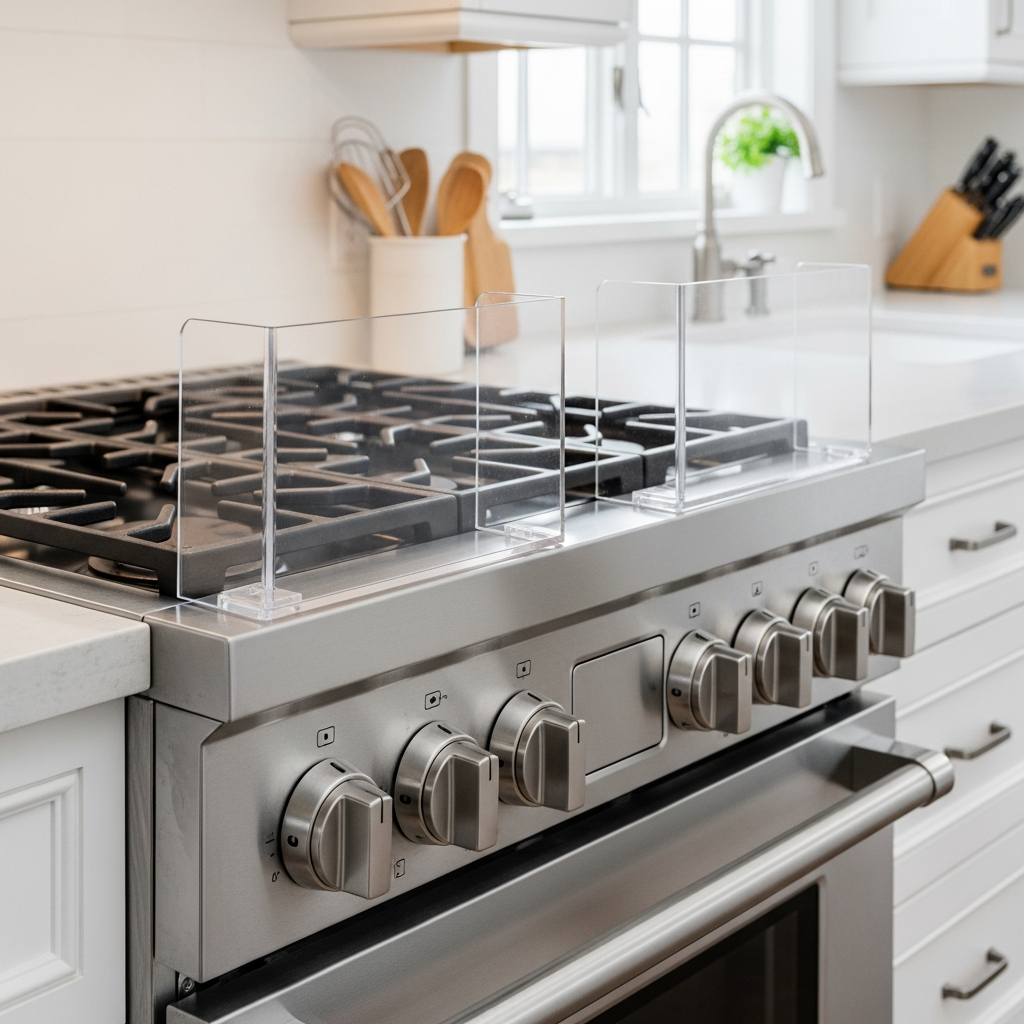
The kitchen is full of risks, but the stove is perhaps the most dangerous. Clear plastic knob covers prevent children from turning on the gas or heat. These covers flip open for adult use but remain locked in a closed position to prevent accidental ignition by curious hands.
16. Soft Flooring Solutions
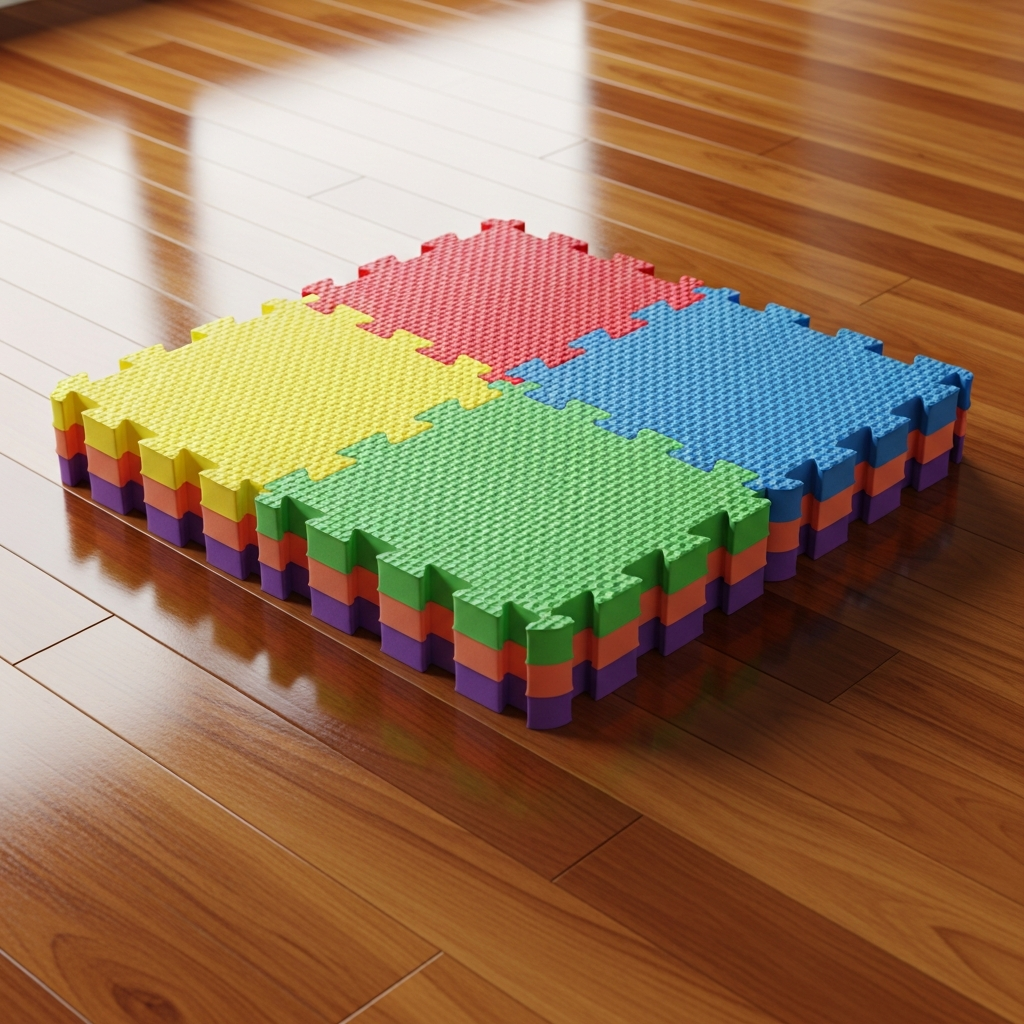
Hardwood and tile floors are unforgiving during the learning-to-walk phase. Use interlocking foam mats or thick area rugs with non-slip padding in high-traffic play zones. This provides a cushioned surface for the inevitable tumbles that occur as your child gains their balance and confidence.
17. Secure Stair Barriers
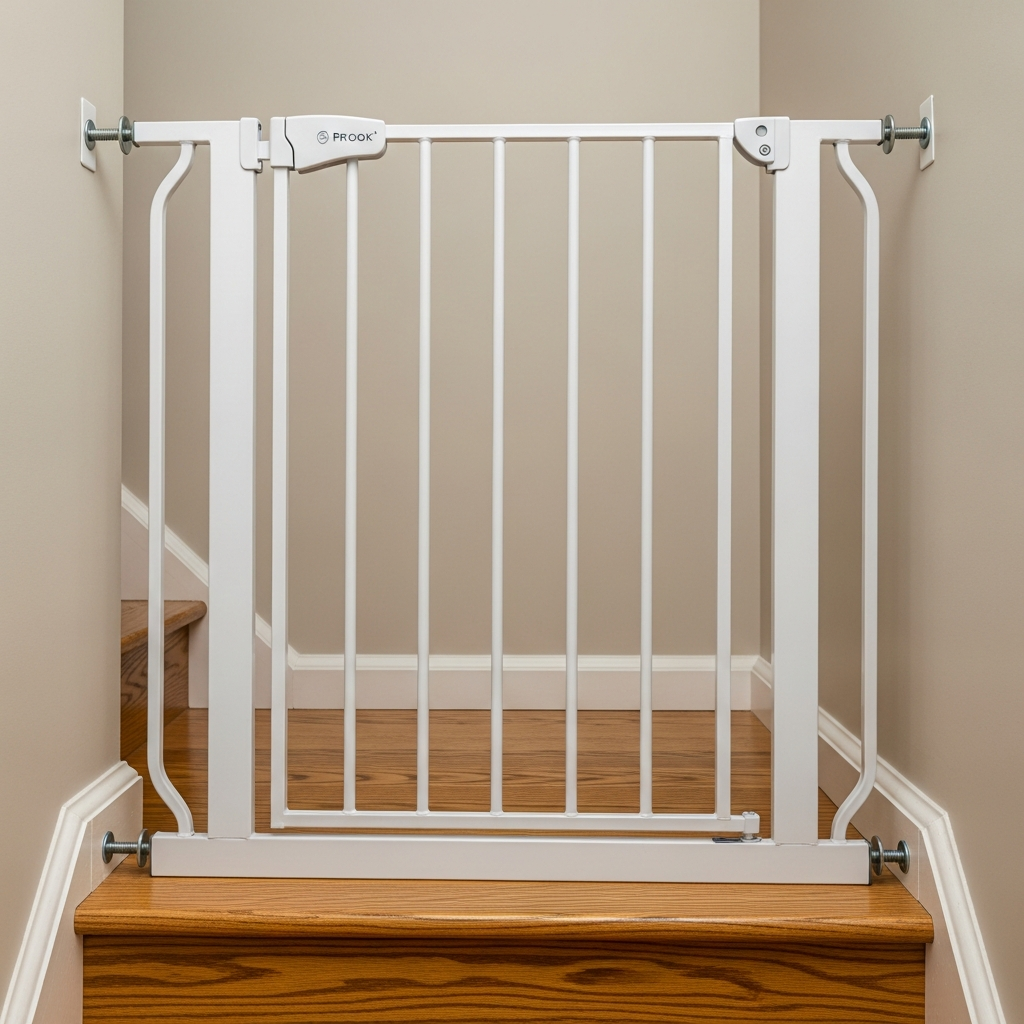
Stairs require the most robust safety measures. Always use hardware-mounted gates at the top of the stairs, as pressure-mounted gates can fail if a child leans on them. For the bottom of the stairs, a pressure gate is generally sufficient. Ensure the vertical slats are no more than 2.3 inches apart to prevent a child’s head from getting stuck.
Conclusion
Implementing these seventeen baby proofing hacks will significantly improve the safety of your home while allowing your child the freedom to learn and grow. While these DIY solutions and products are effective, they are never a total replacement for active adult supervision. Regularly inspect your home as your child reaches new milestones, as their ability to reach and manipulate objects will change rapidly. By staying proactive and creative, you can maintain a beautiful home that is also a safe haven for your family.