12 Backyard Play Ideas for Early Spring
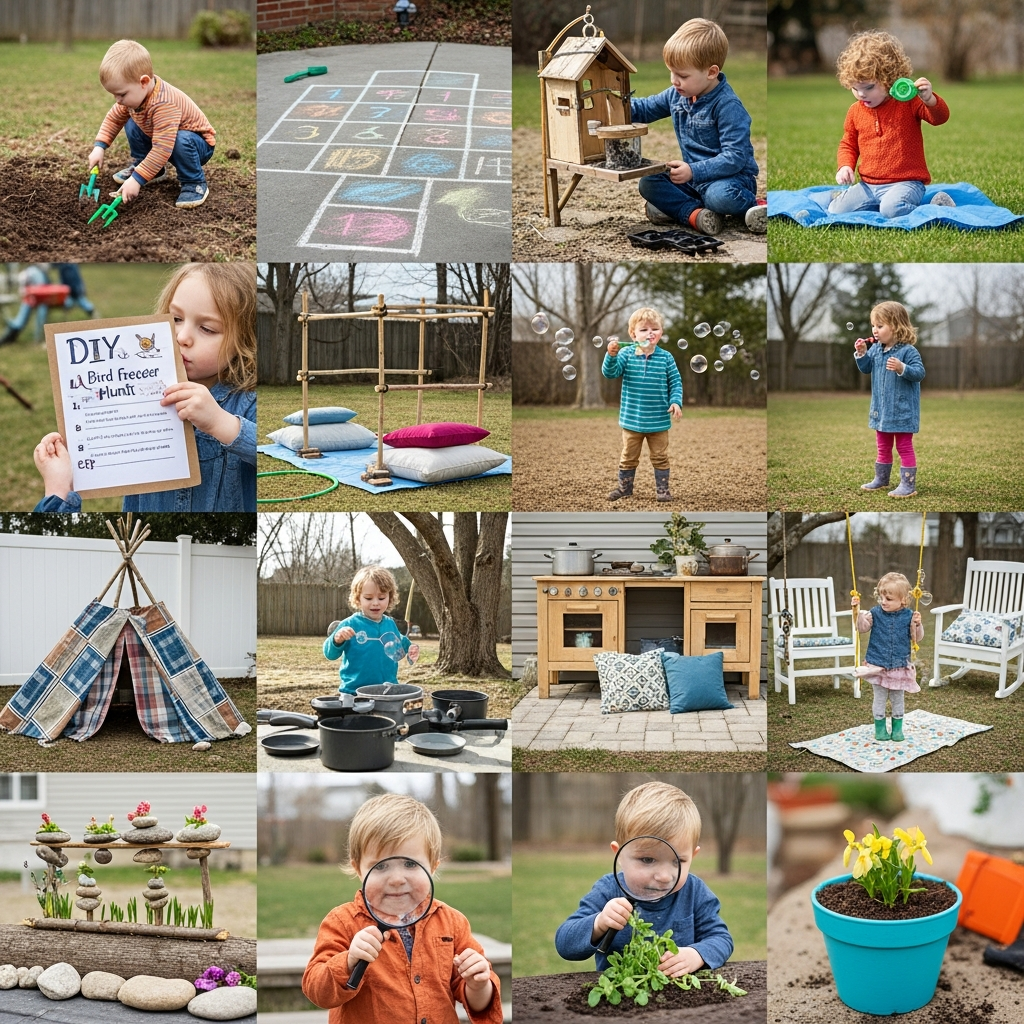
As the frost begins to melt and the first green shoots emerge from the soil, early spring offers a unique opportunity for children to reconnect with nature. Transitioning from indoor winter activities to the crisp outdoor air is essential for physical health and cognitive development. This season provides a sensory-rich environment where the world is literally coming back to life. In this guide, we explore twelve engaging backyard play ideas designed to stimulate creativity, encourage physical movement, and foster an appreciation for the changing environment during these initial weeks of the season.
1. Establish a Backyard Mud Kitchen
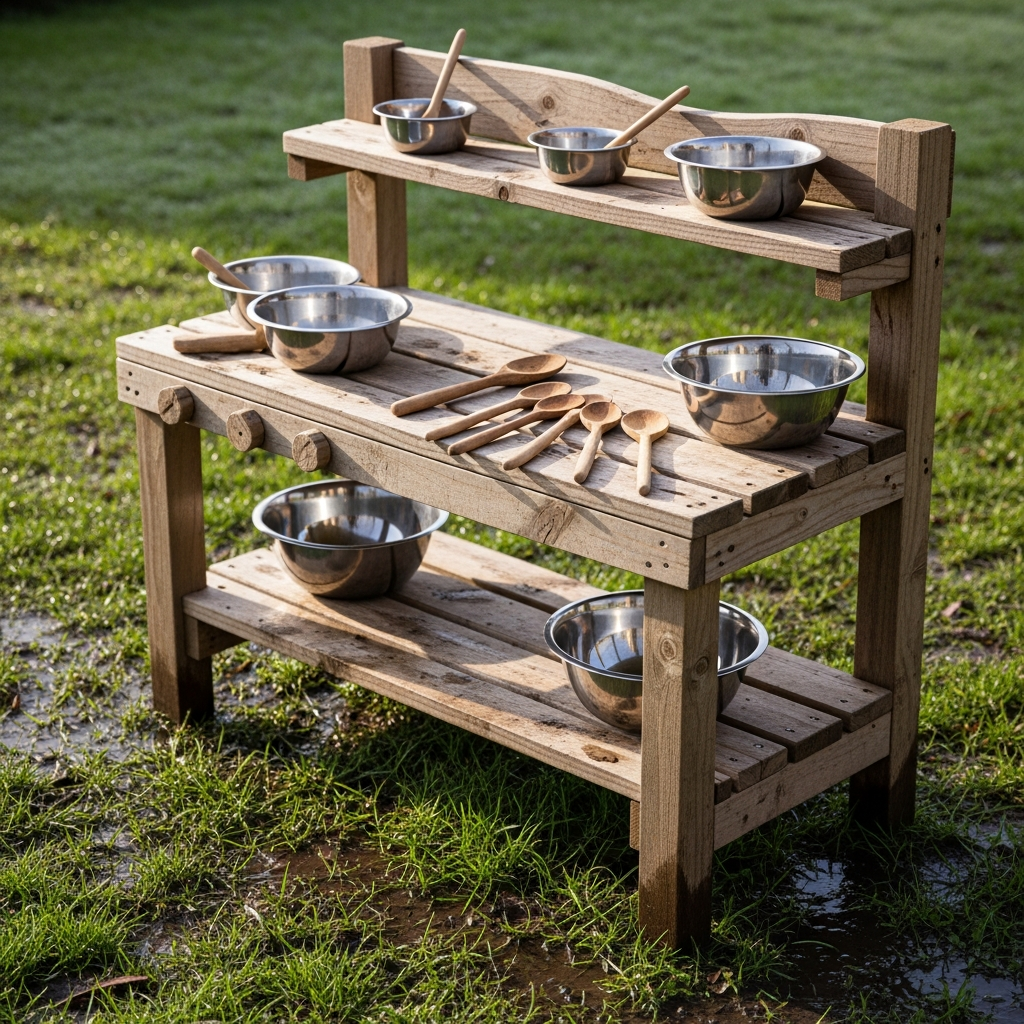
Early spring is often characterized by damp soil and melting snow, creating the perfect conditions for a mud kitchen. Set up a low table or use old wooden crates as a base. Provide discarded pots, pans, and spoons to encourage sensory play. Children can mix soil and water to create various textures, enhancing their fine motor skills and understanding of basic science concepts through messy, unstructured play.
2. Organize a Seasonal Scavenger Hunt
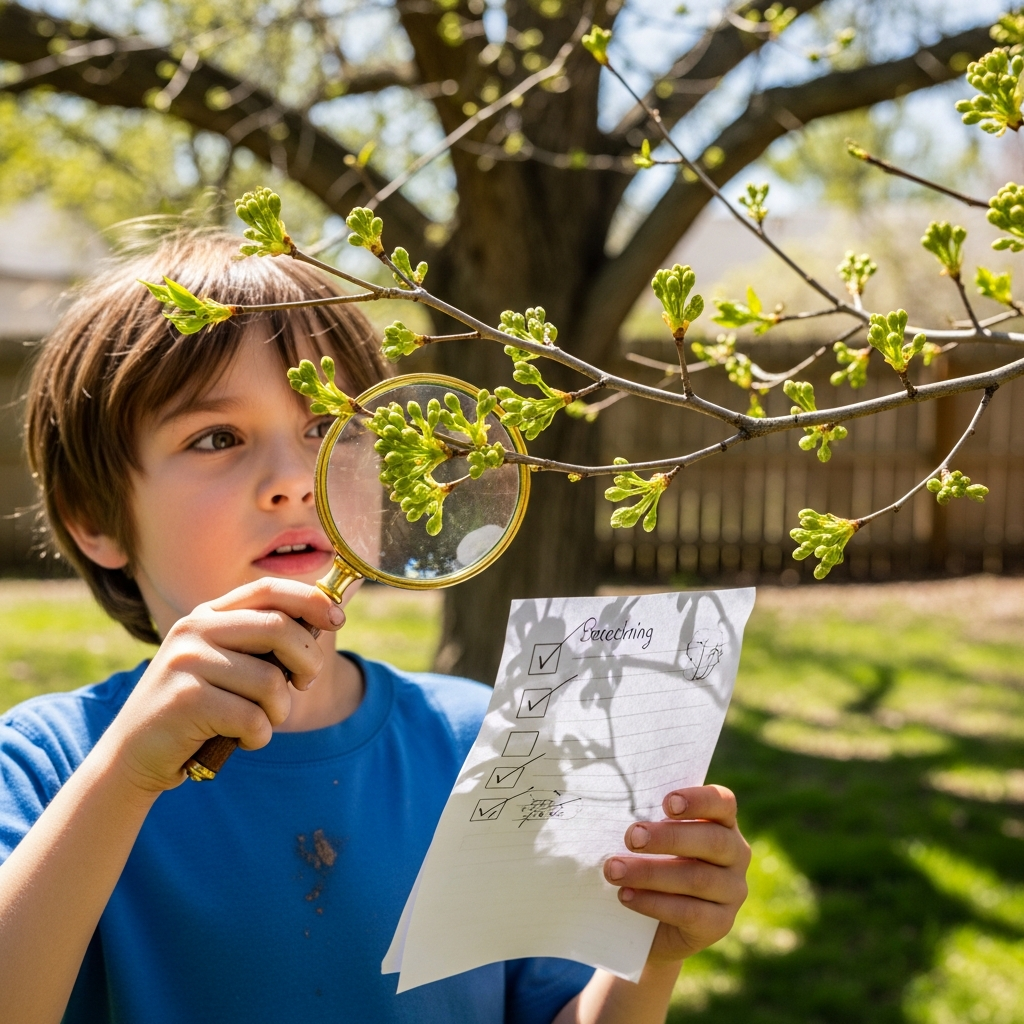
Create a checklist of items unique to early spring, such as tree buds, patches of moss, yellow dandelions, or a specific type of bird. This activity encourages observation and mindfulness as children scan the environment for subtle changes. It serves as an excellent introduction to botany and biology, turning a simple backyard walk into a structured educational expedition.
3. Construct DIY Bird Feeders
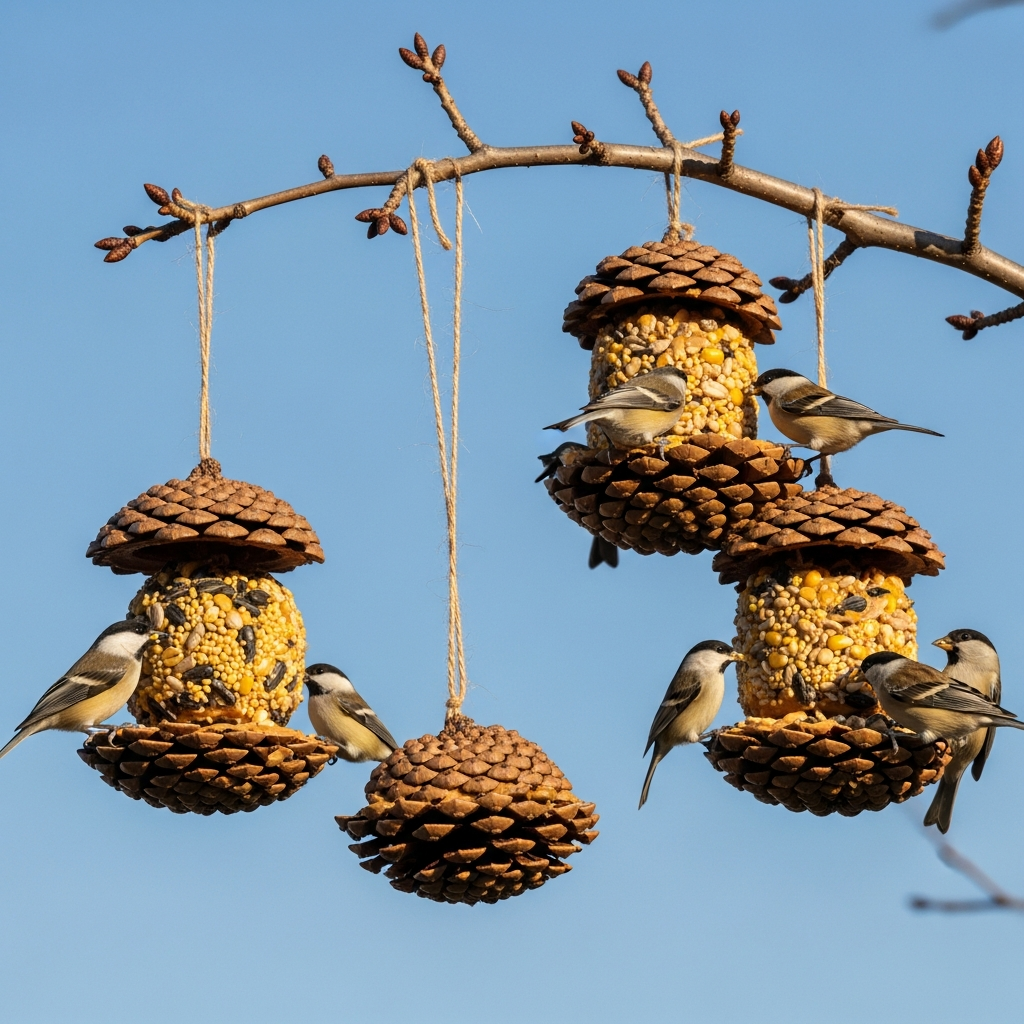
With migratory birds returning, providing a food source is a great way to welcome them back. Use pinecones coated in sunflower butter and birdseed, or hollowed-out orange halves filled with grain. Hanging these feeders in backyard trees allows children to practice bird watching and learn about different species and their ecological roles in the local ecosystem.
4. Embrace Puddle Jumping and Water Play
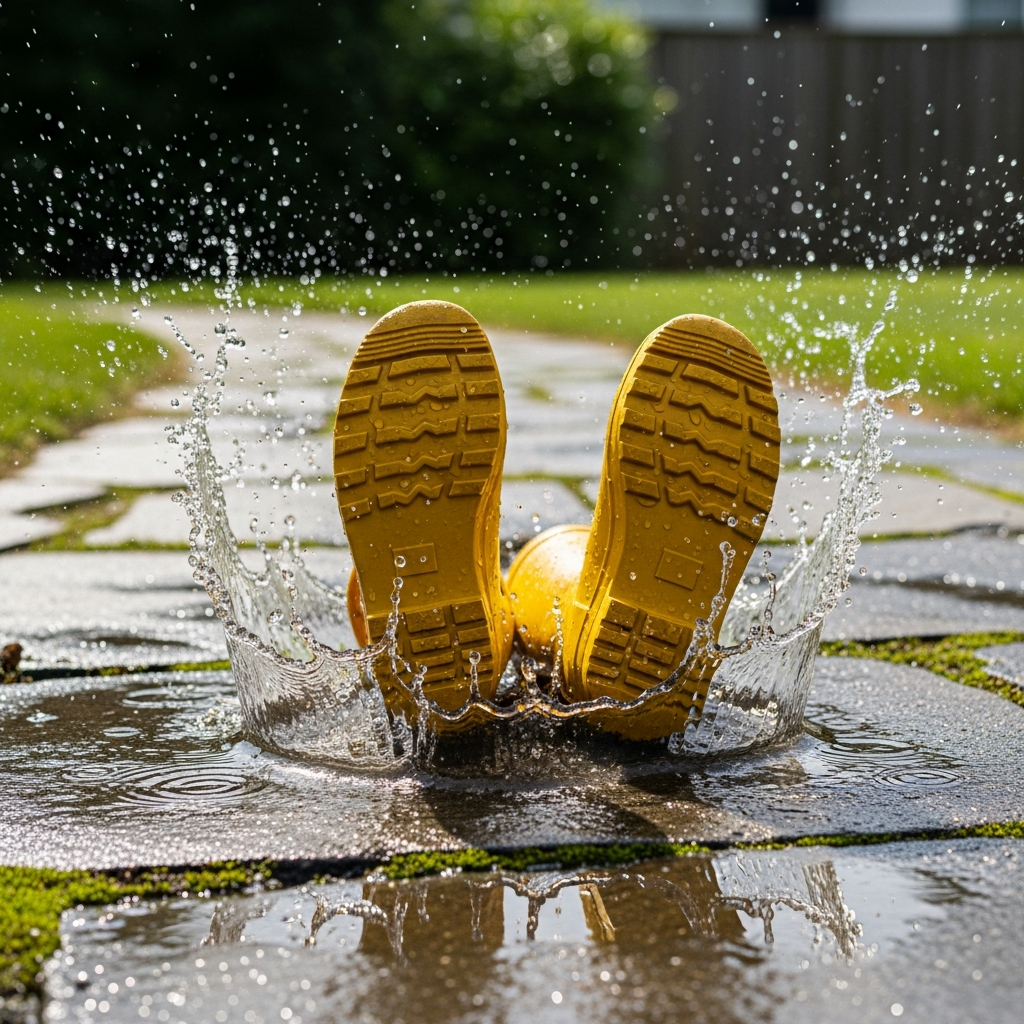
Instead of avoiding the rain, equip children with waterproof boots and coats for intentional puddle jumping. Water play in spring helps children understand cause and effect while improving gross motor coordination. You can also provide plastic boats or leaves to race in temporary backyard streams or large puddles created by spring showers.
5. Start a Cold Weather Vegetable Patch
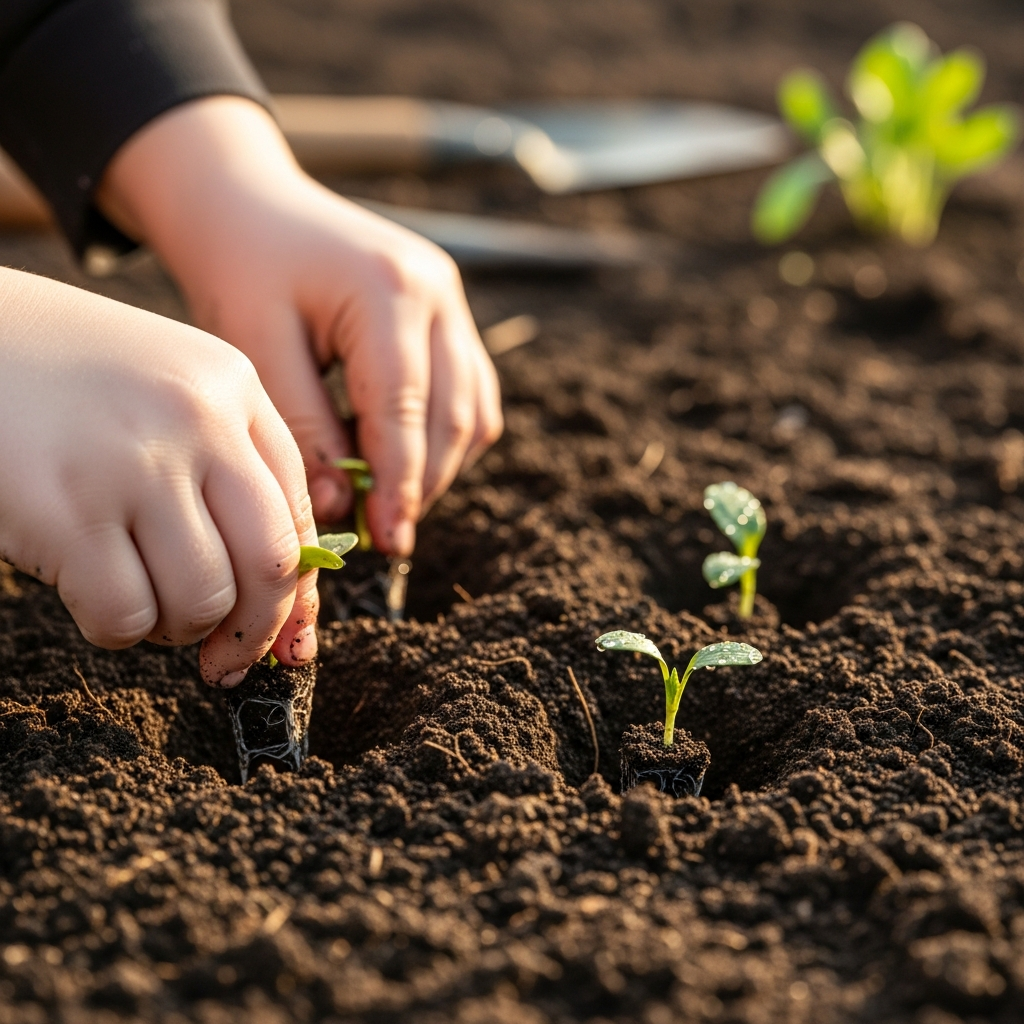
Early spring is the ideal time to plant cool-season crops like peas, spinach, and radishes. Involving children in the planting process teaches responsibility and the life cycle of plants. They can help dig small trenches, drop seeds, and gently cover them with soil. This hands-on experience builds a connection to the food they eat and encourages healthy habits.
6. Create Sidewalk Chalk Masterpieces
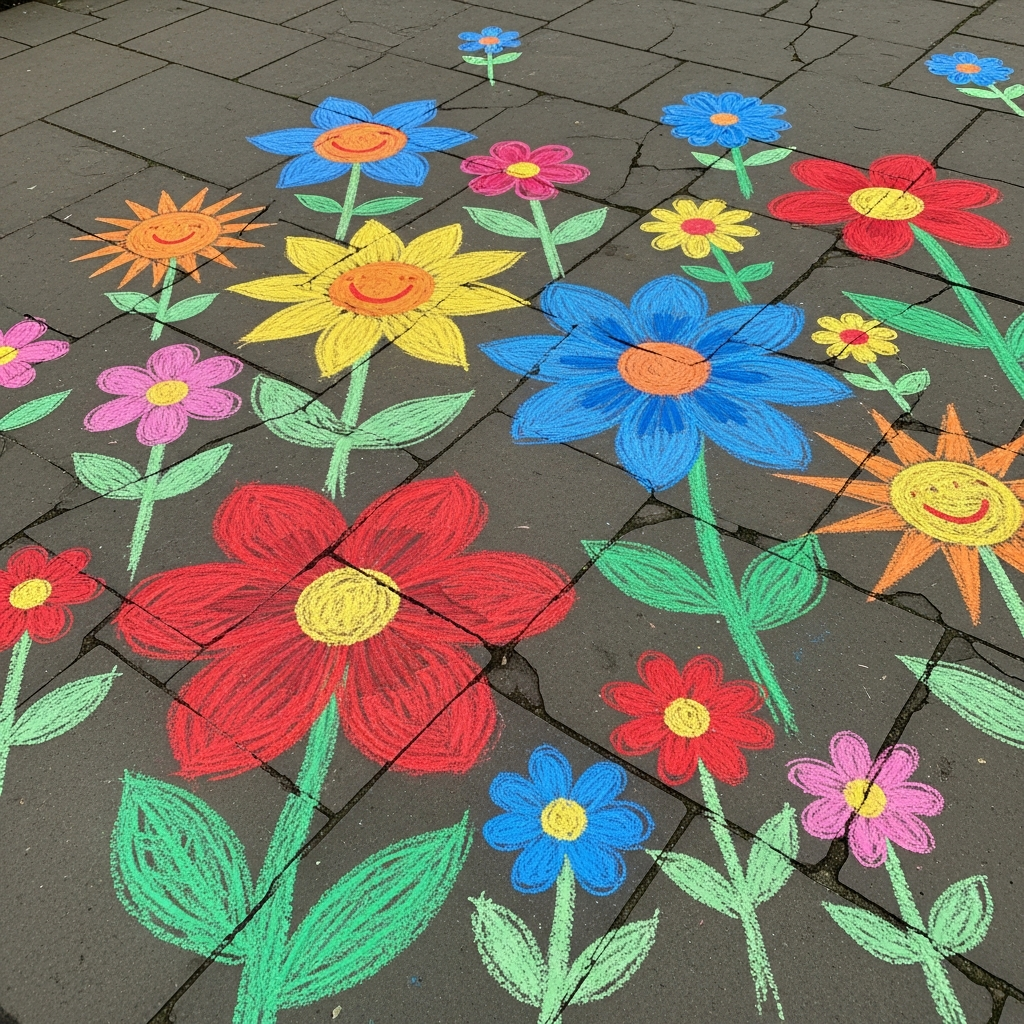
Once the patio or driveway is dry, use sidewalk chalk to bring vibrant color to the gray landscape. Encourage children to draw what they see in the spring garden or create hopscotch grids for physical exercise. Chalk art is an excellent way to develop artistic expression and can be easily washed away by the next spring rain, providing a fresh canvas.
7. Design a Natural Obstacle Course
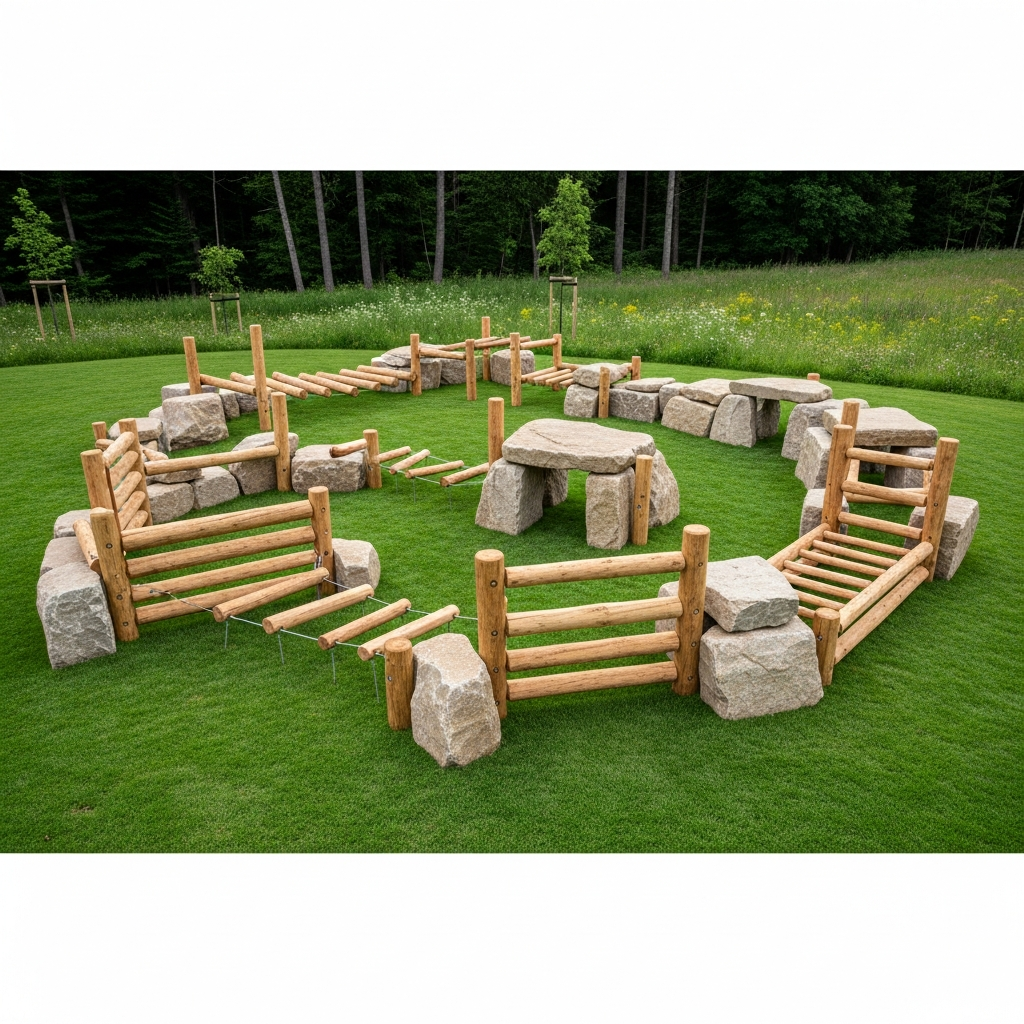
Utilize the natural features of your backyard to create an obstacle course. Use logs for balancing, stones for stepping, and low-hanging branches for ducking. This activity promotes agility, balance, and problem-solving. It can be timed to add a competitive element, making it a high-energy way to burn off steam after a long winter indoors.
8. Engage in Nature Collage Art
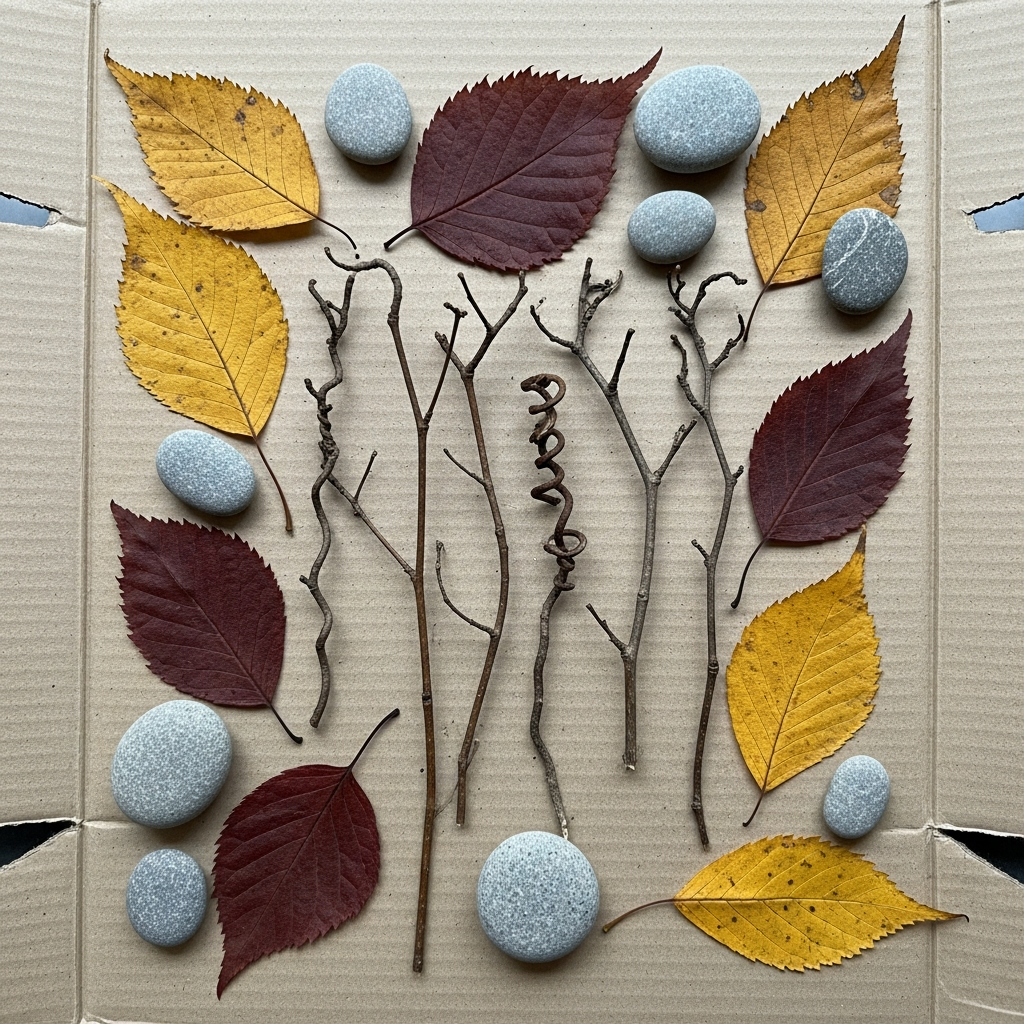
Collect fallen twigs, dry leaves, and small stones from around the yard to create nature collages. Provide a piece of cardboard and some non-toxic glue, and let children arrange their finds into patterns or scenes. This activity emphasizes the beauty of natural textures and colors, teaching children that art supplies can be found right outside their door.
9. Go on a Bug Hunting Expedition
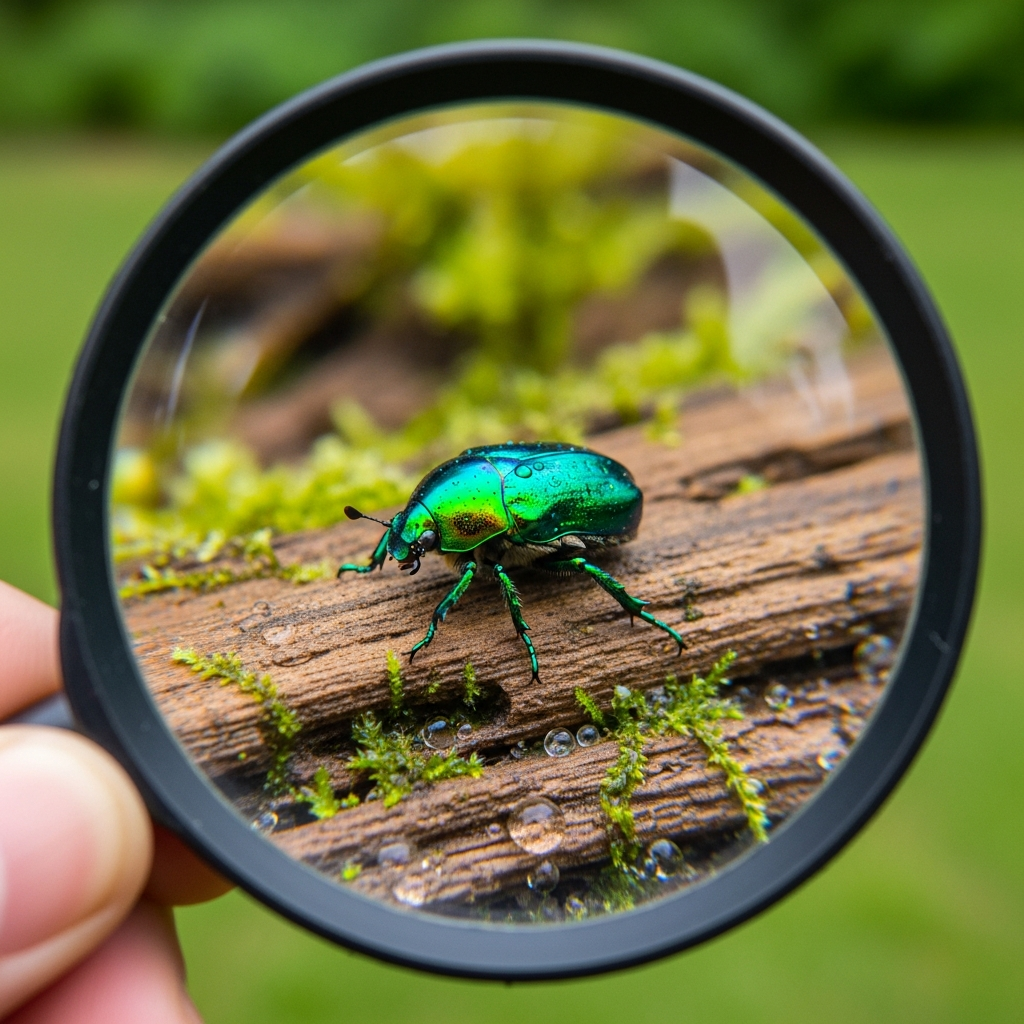
As temperatures rise, insects begin to emerge from their winter slumber. Give children a small container with air holes and a magnifying glass to explore the underside of rocks and logs. Observing beetles, worms, and ants fosters curiosity about the world of invertebrates and teaches the importance of being gentle with living creatures.
10. Fly Kites in the Spring Breeze

March and April are known for their gusty winds, making them perfect months for kite flying. This classic activity teaches children about aerodynamics and wind patterns. Running across the yard to catch the wind provides excellent aerobic exercise while seeing a kite soar high above offers a sense of accomplishment and wonder.
11. Experiment with Giant Bubbles
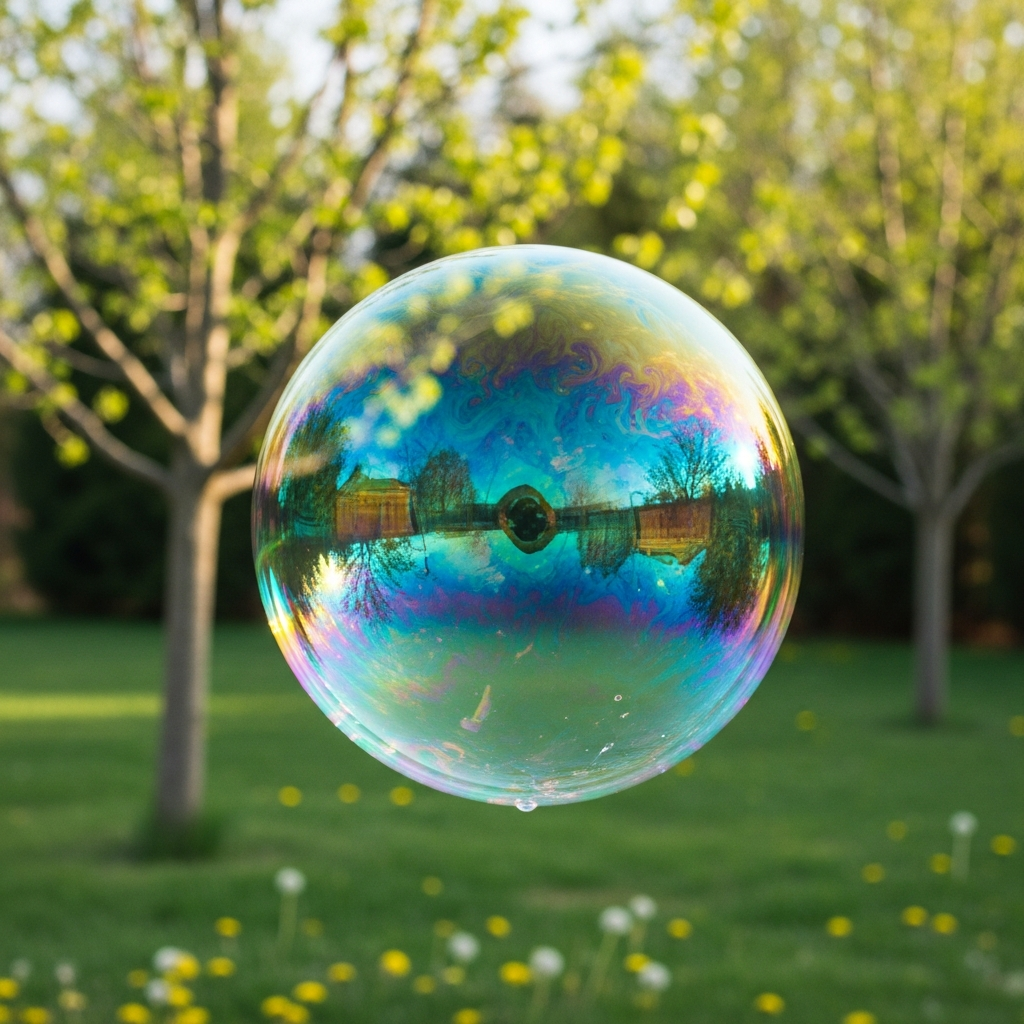
The cool, humid air of early spring helps bubbles last longer before popping. Mix a solution of dish soap, water, and a little glycerin or corn syrup to create giant, long-lasting bubbles. Use large loops made of string and sticks to pull massive shimmering spheres through the air, combining physics with outdoor fun.
12. Build a Twig Fairy House
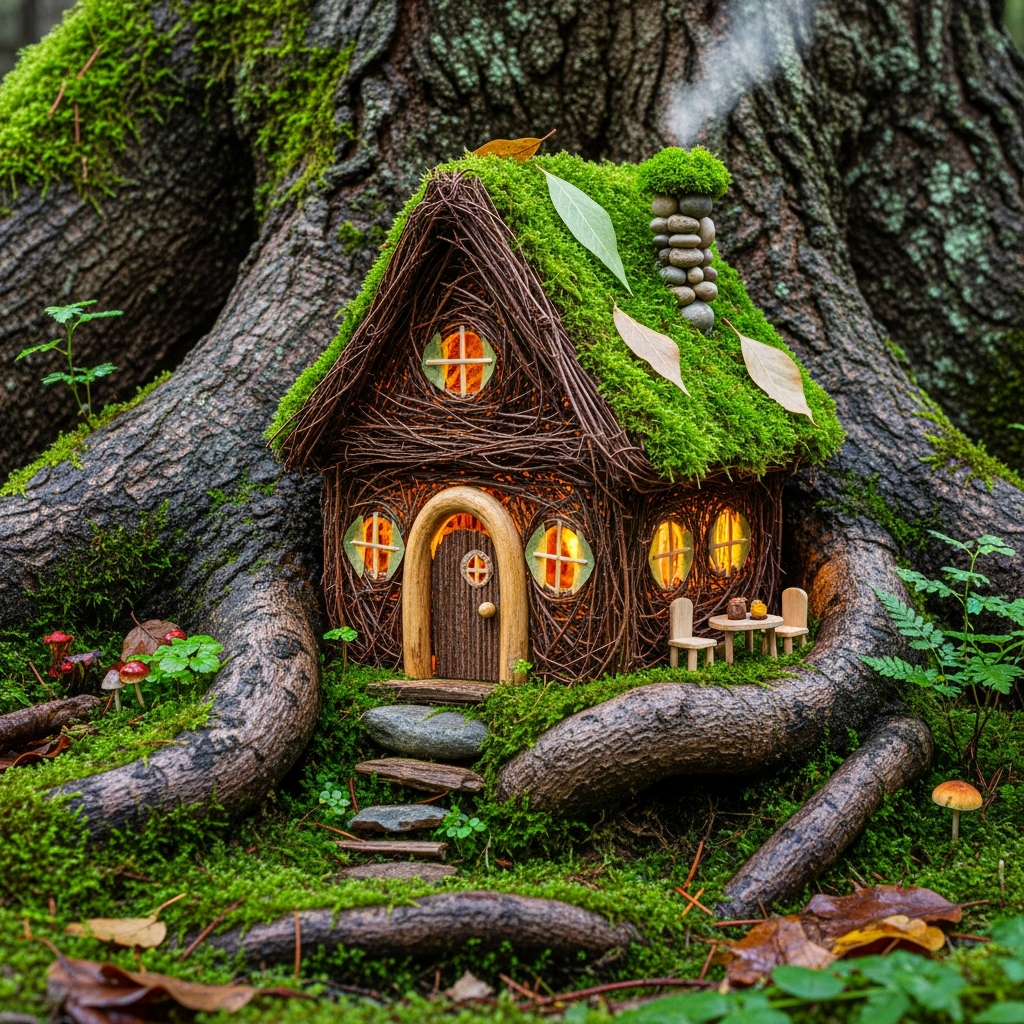
Gather small sticks, bark, and moss to build miniature structures at the base of a tree. This type of imaginative play encourages storytelling and fine motor precision. Children can design intricate rooms and gardens for their ‘fairy’ guests, utilizing the architectural potential of the debris found in the yard after winter winds.
Conclusion
Early spring is a fleeting but magical time that offers a wealth of developmental opportunities for children. By utilizing the unique characteristics of the season—from the mud and rain to the emerging wildlife—parents can provide enriching experiences that stimulate the mind and body. These twelve ideas serve as a foundation for a season filled with discovery, creativity, and joy. Whether they are planting seeds or chasing wind-blown kites, the backyard remains the ultimate classroom for the growing child.