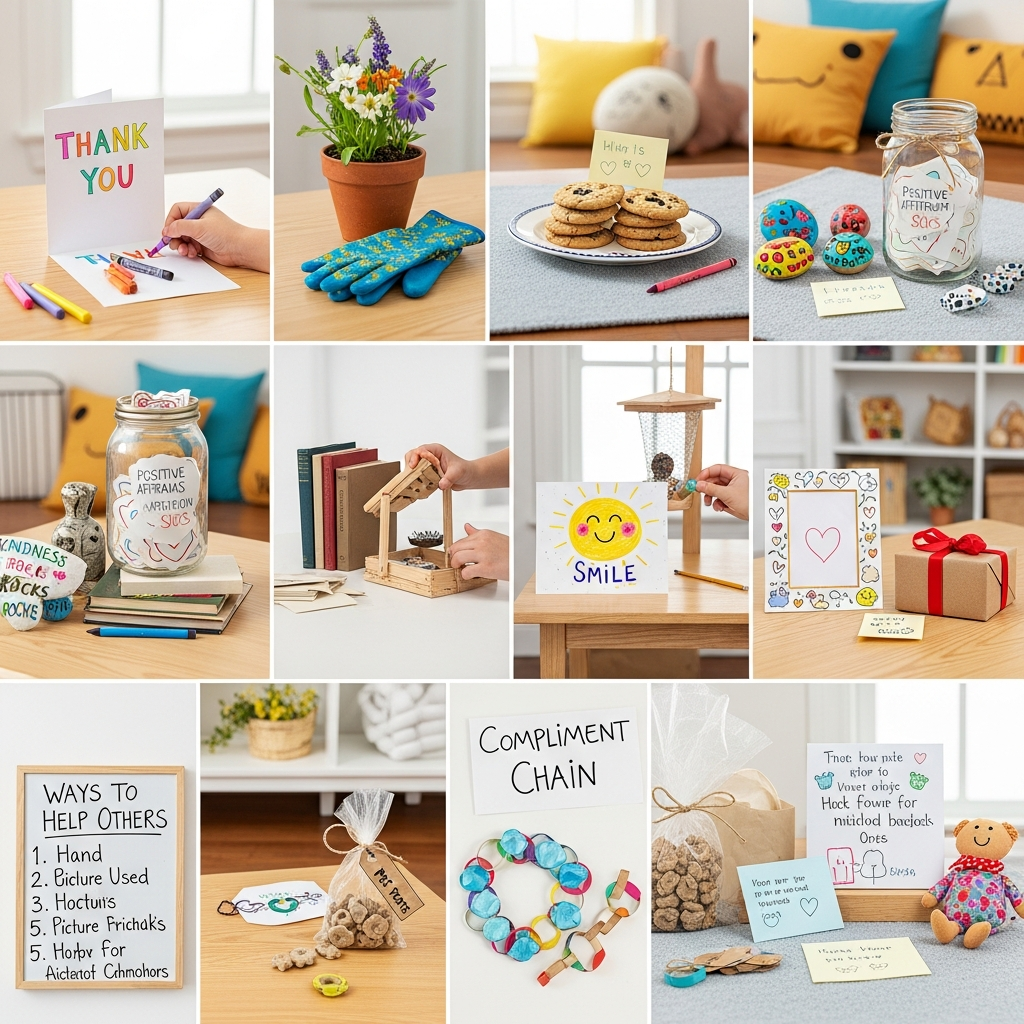
15 Kindness Activities for Kids
Fostering empathy and compassion in children is a fundamental aspect of emotional development. Engaging in structured kindness activities allows children to understand the weight of their actions and the positive influence they can have on their community. By practicing altruism from a young age, children develop stronger social bonds and a more profound sense of self-worth. This guide outlines fifteen practical and engaging activities designed to encourage kids to spread kindness in their daily lives.
1. Kindness Rocks
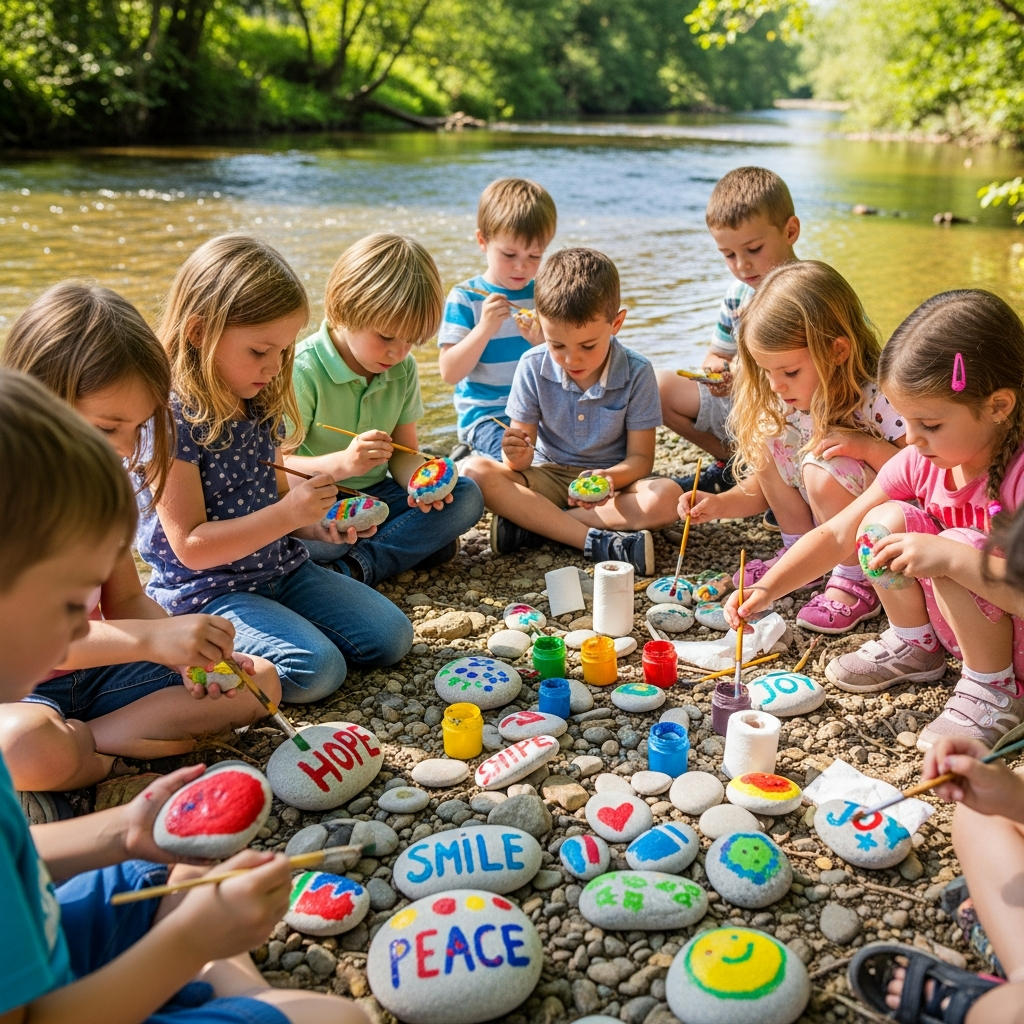
Painting rocks with vibrant colors and uplifting messages is a creative way to spread joy. Once the paint has dried, children can place these rocks in public spaces like parks, libraries, or community centers for others to discover. This activity teaches children that a simple gesture can brighten someone’s day unexpectedly.
2. Handmade Thank You Cards
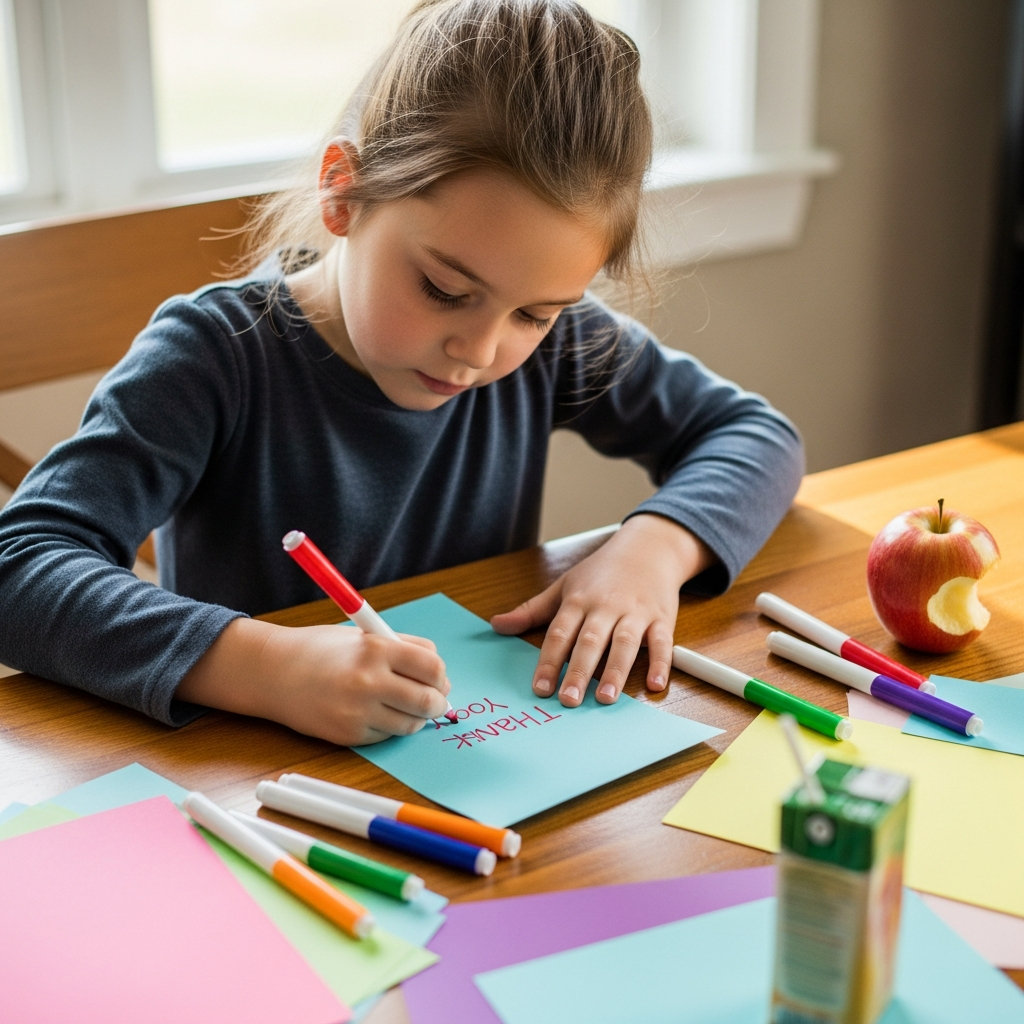
Encourage children to express gratitude by creating handmade cards for the unsung heroes in their lives. This could include mail carriers, sanitation workers, teachers, or healthcare professionals. Writing a personalized note helps children recognize and appreciate the hard work others do to support the community.
3. The Compliment Circle
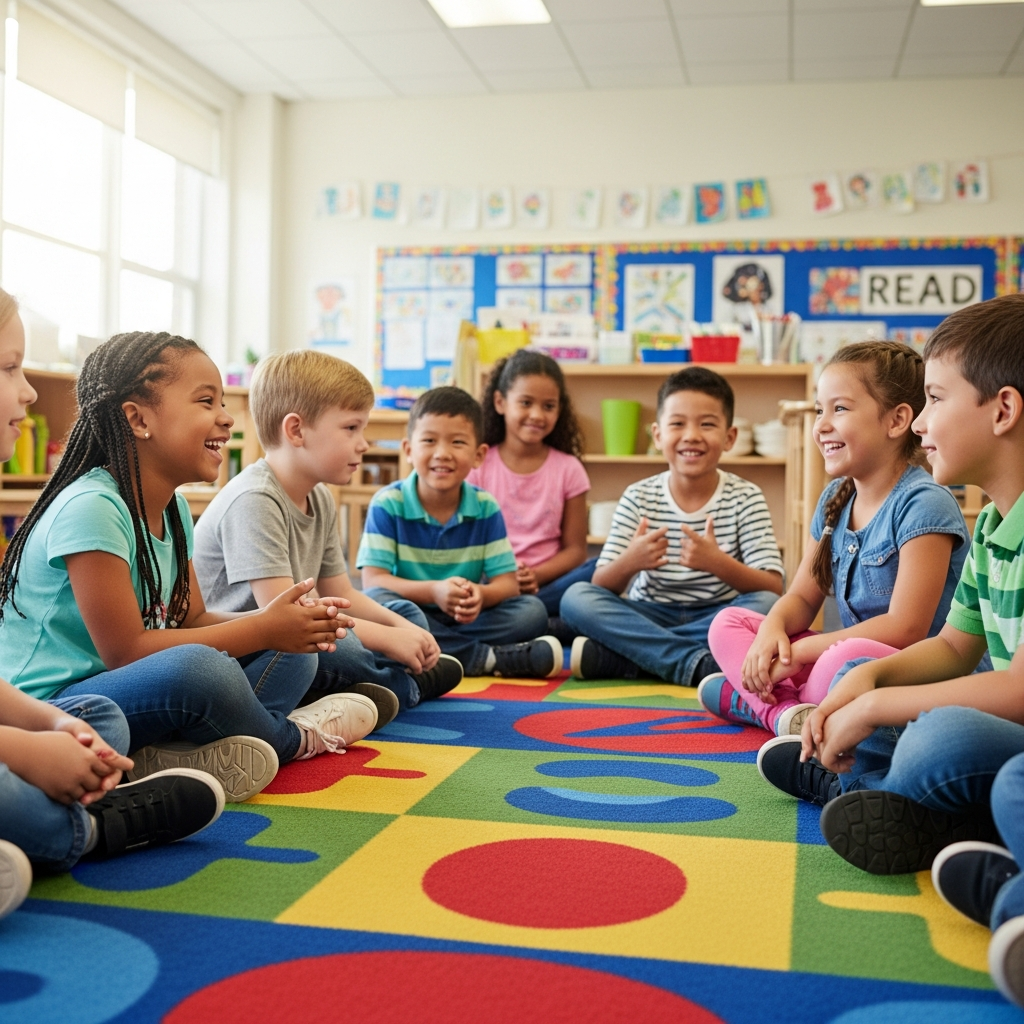
A compliment circle is an excellent activity for classrooms or families. Participants sit in a circle and take turns offering a genuine, specific compliment to the person sitting next to them. This practice builds self-esteem and teaches children how to look for the good in everyone they meet.
4. Neighborhood Service Projects
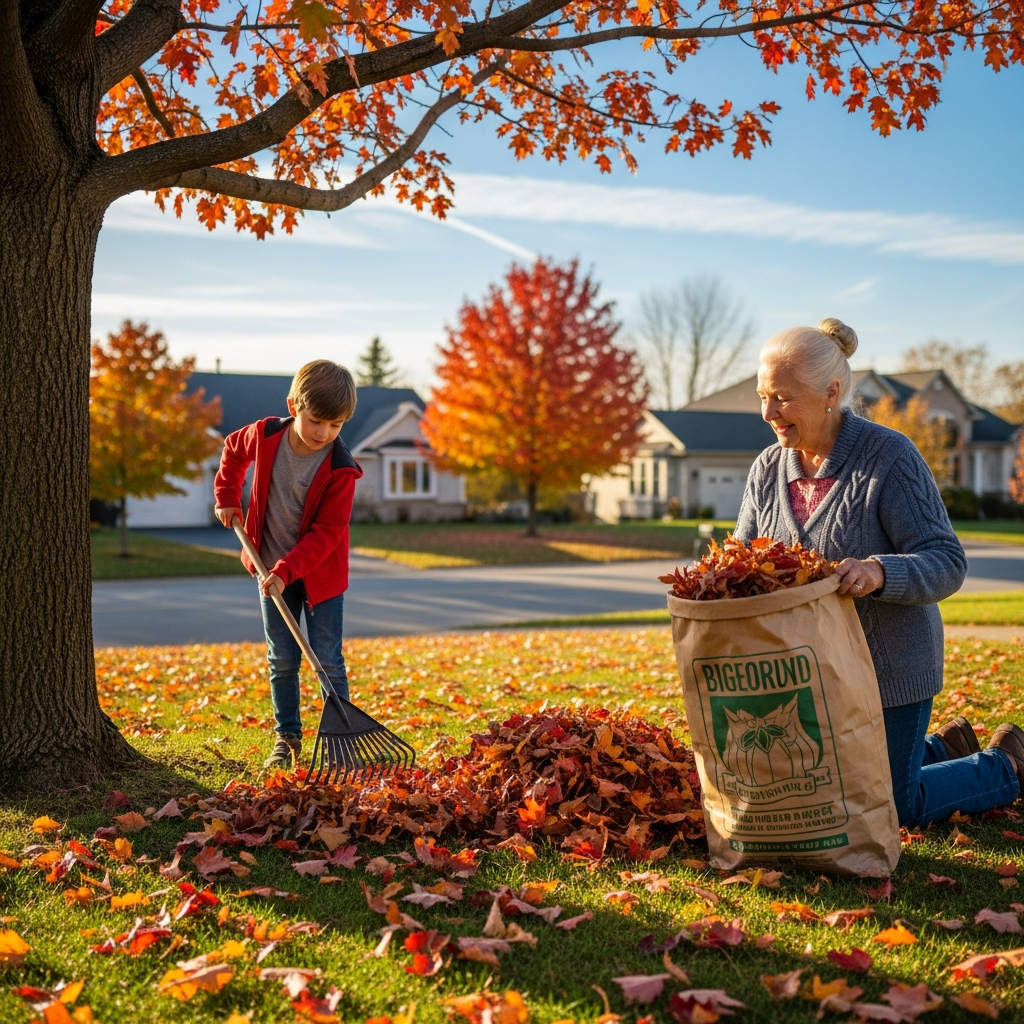
Small acts of service within the neighborhood can make a significant impact. Children can help by raking leaves for an elderly neighbor, bringing in a neighbor’s trash cans, or offering to walk a dog. These activities instill a sense of civic duty and help children connect with their immediate neighbors.
5. Care Packages for Shelters
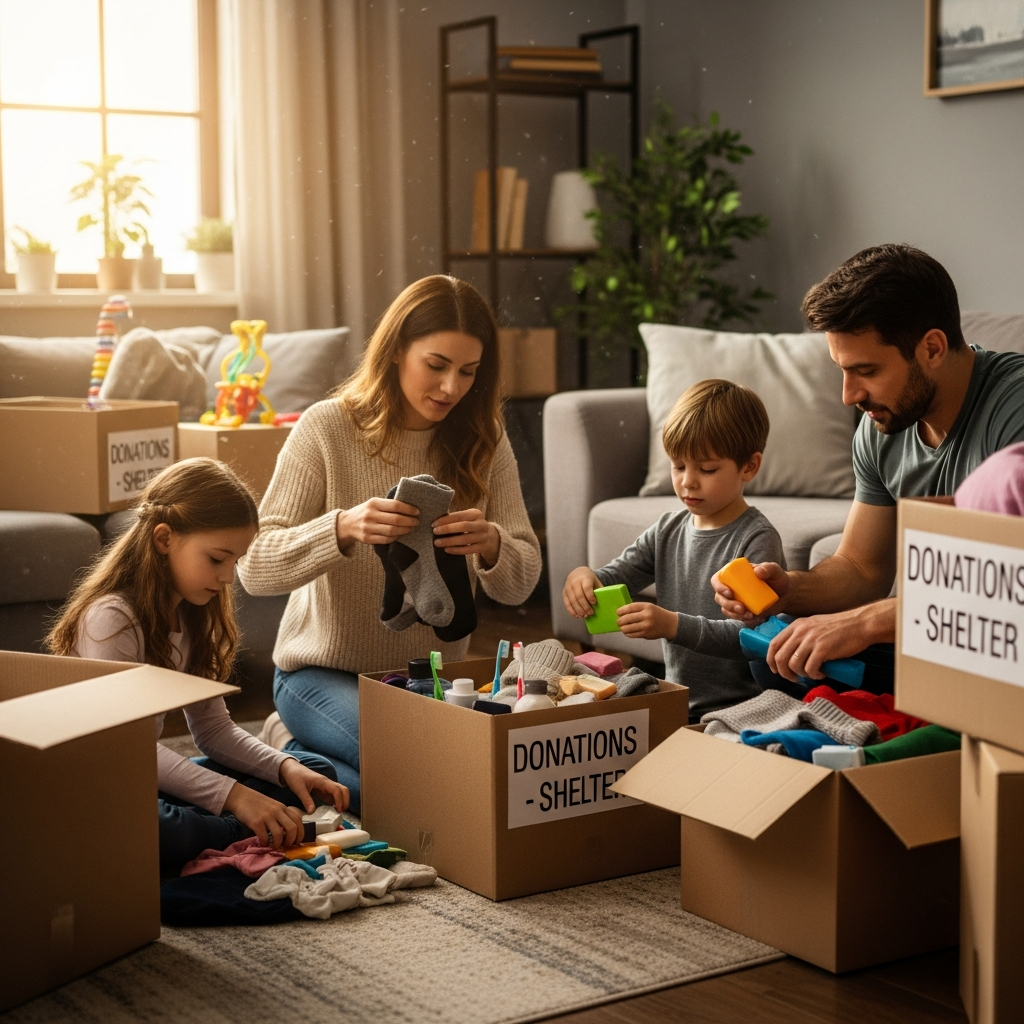
Assembling care packages for local homeless or animal shelters provides a tangible way for children to help those in need. Kids can help select essential items such as socks, toiletries, or pet treats. This activity provides an opportunity to discuss social issues and the importance of supporting vulnerable populations.
6. Planting a Community Garden
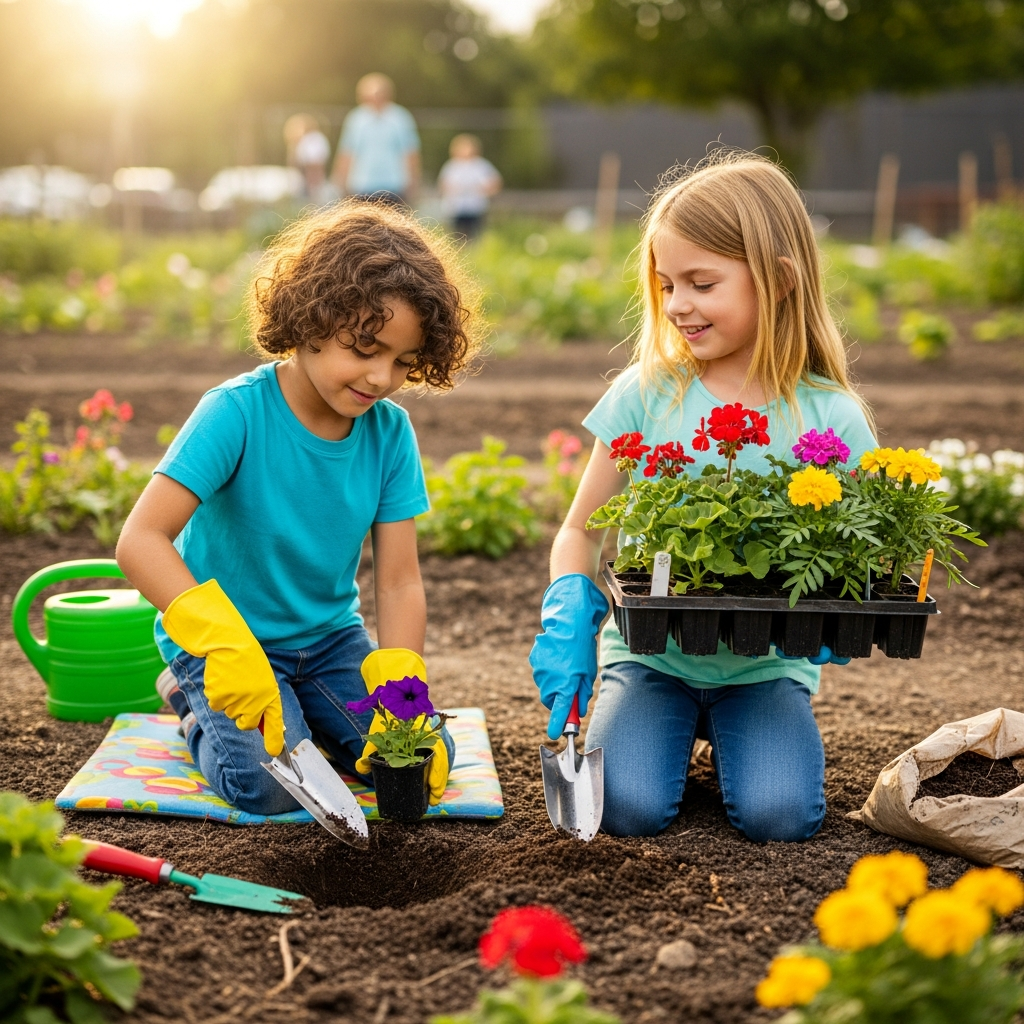
Gardening is a wonderful way to give back to the environment and the community. Children can participate in planting flowers or vegetables in a public space or a school garden. This teaches them about growth, patience, and the shared responsibility of maintaining communal resources.
7. Toy and Book Donations
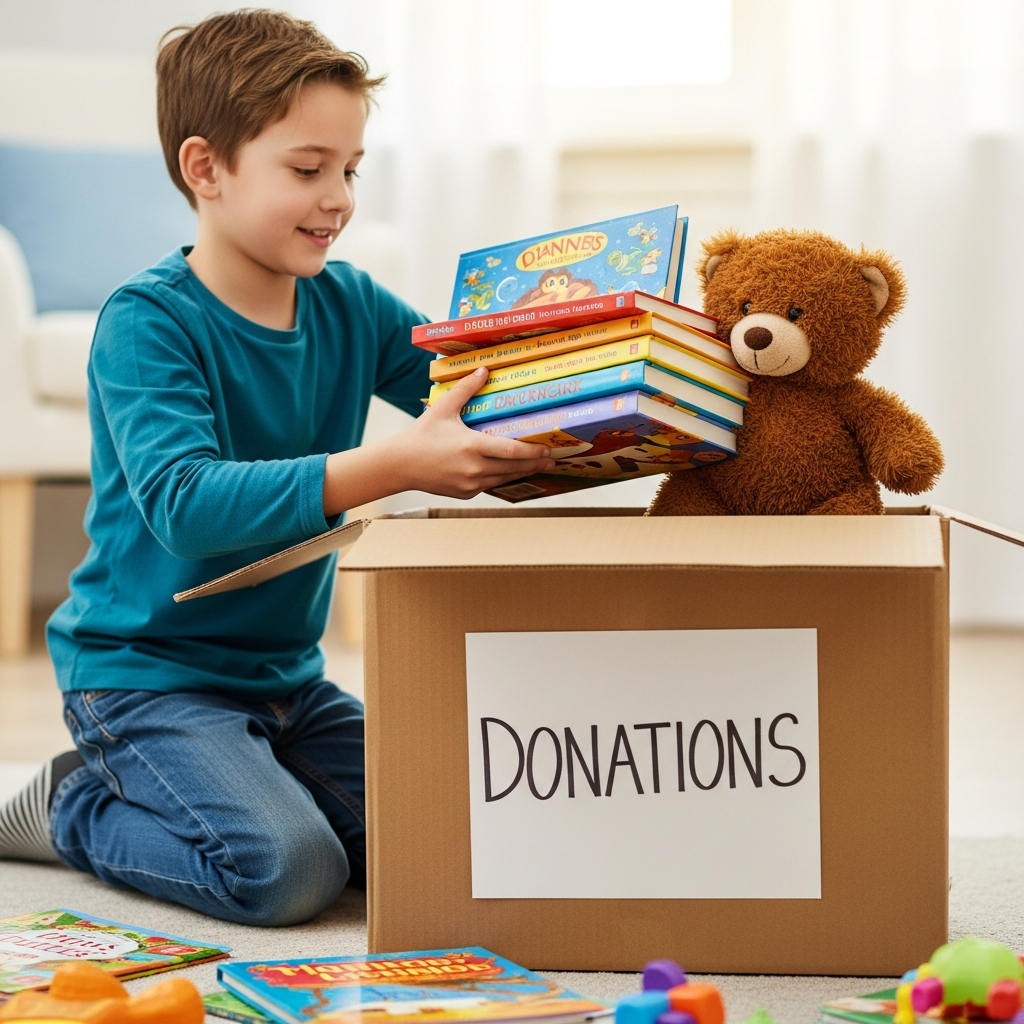
Teaching children to declutter and donate toys or books they no longer use is a powerful lesson in generosity. By choosing items to give to children who may not have many resources, they learn that their belongings can bring happiness to others even after they are done with them.
8. Baking for Friends and Family

Baking treats like cookies or muffins for others is a classic gesture of kindness. Children can be involved in the entire process, from mixing ingredients to delivering the final product. Sharing food is a universal sign of friendship and care that resonates with people of all ages.
9. Nature Clean-up Day
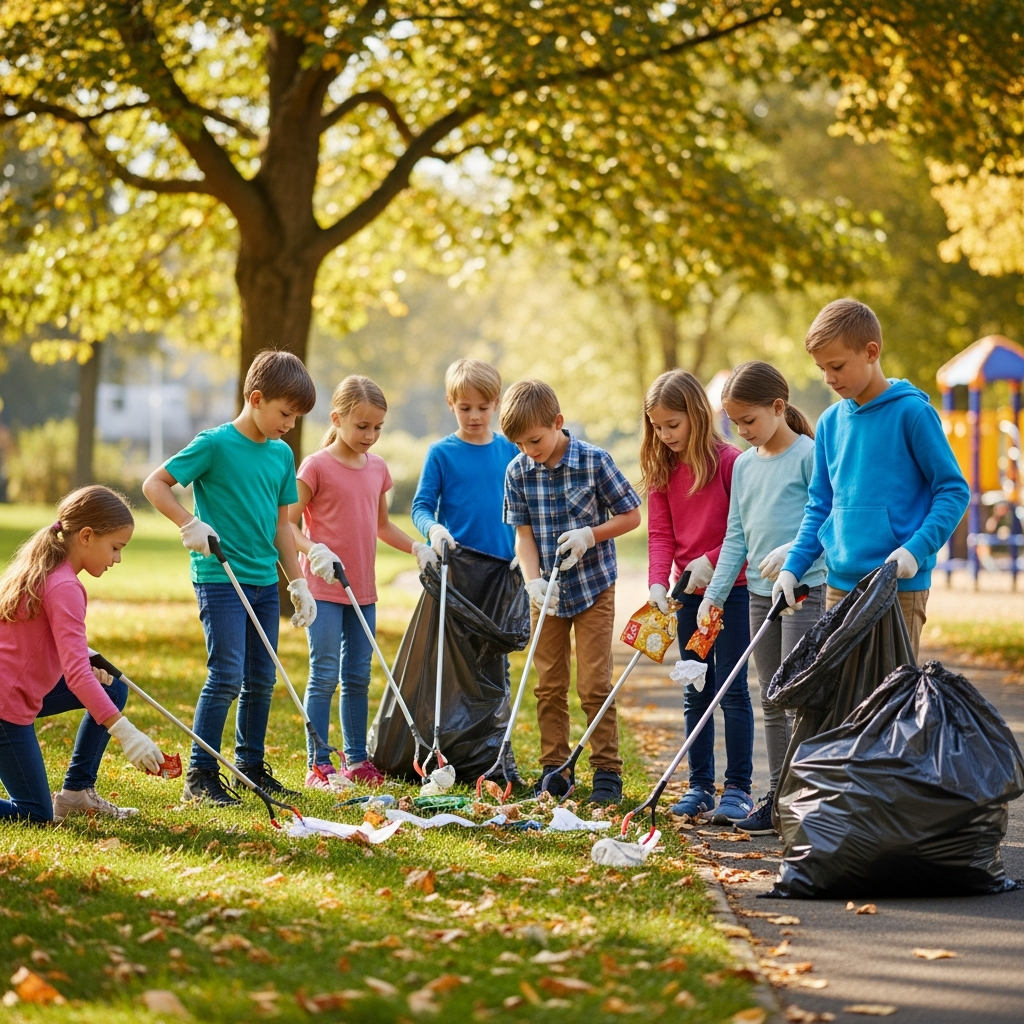
Organizing a small litter pick-up at a local park or beach teaches children to be kind to the planet. Equipped with gloves and bags, children can help remove trash that harms wildlife and spoils the beauty of nature. This activity highlights the importance of environmental stewardship.
10. The Smile Challenge

The smile challenge is a simple yet effective daily mission. Children are encouraged to make eye contact and smile at as many people as possible throughout their day. This activity demonstrates how positive energy is contagious and how easy it is to improve the atmosphere of a room.
11. Gratitude Jars
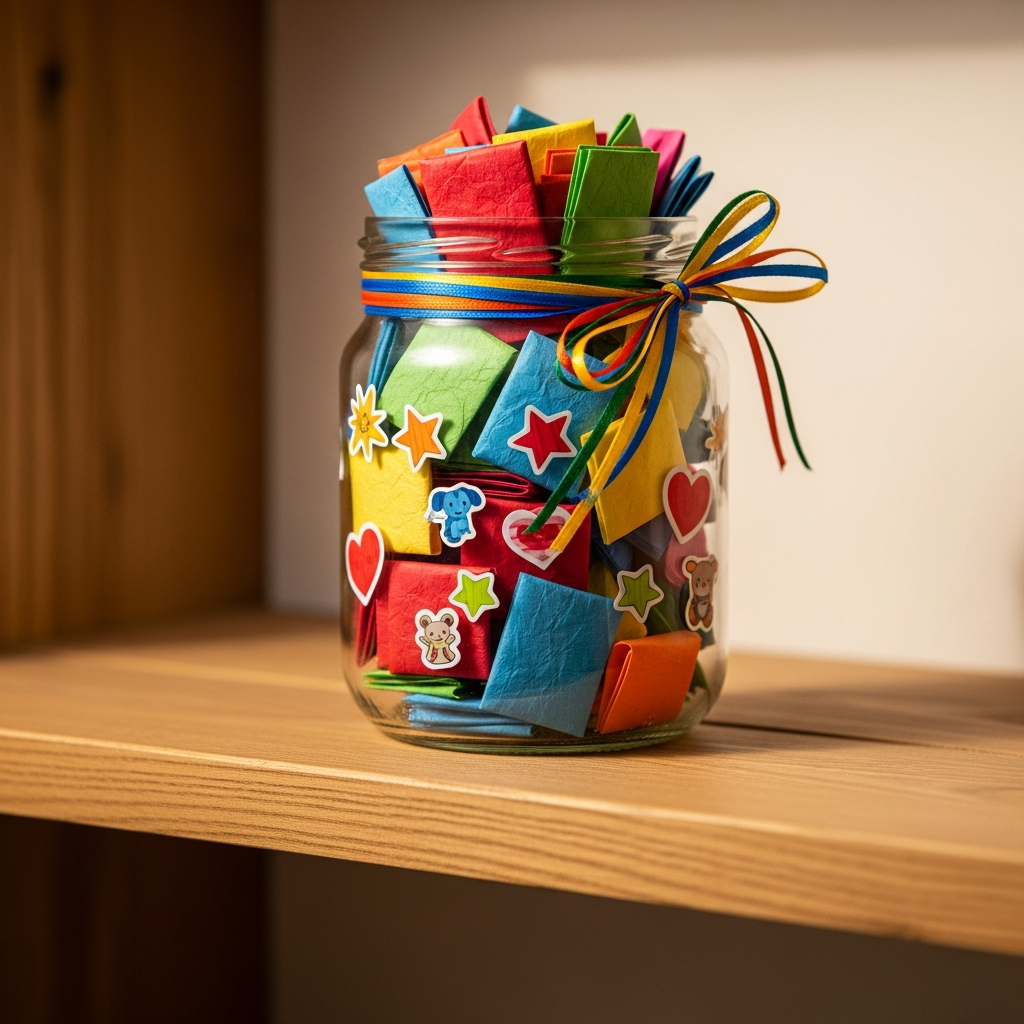
Creating a gratitude jar involves decorating a container and filling it with small slips of paper. Each day, children write down one thing they are grateful for or one kind act they witnessed. Periodically reading these notes helps maintain a positive mindset and a focus on the good in the world.
12. Secret Pal Notes
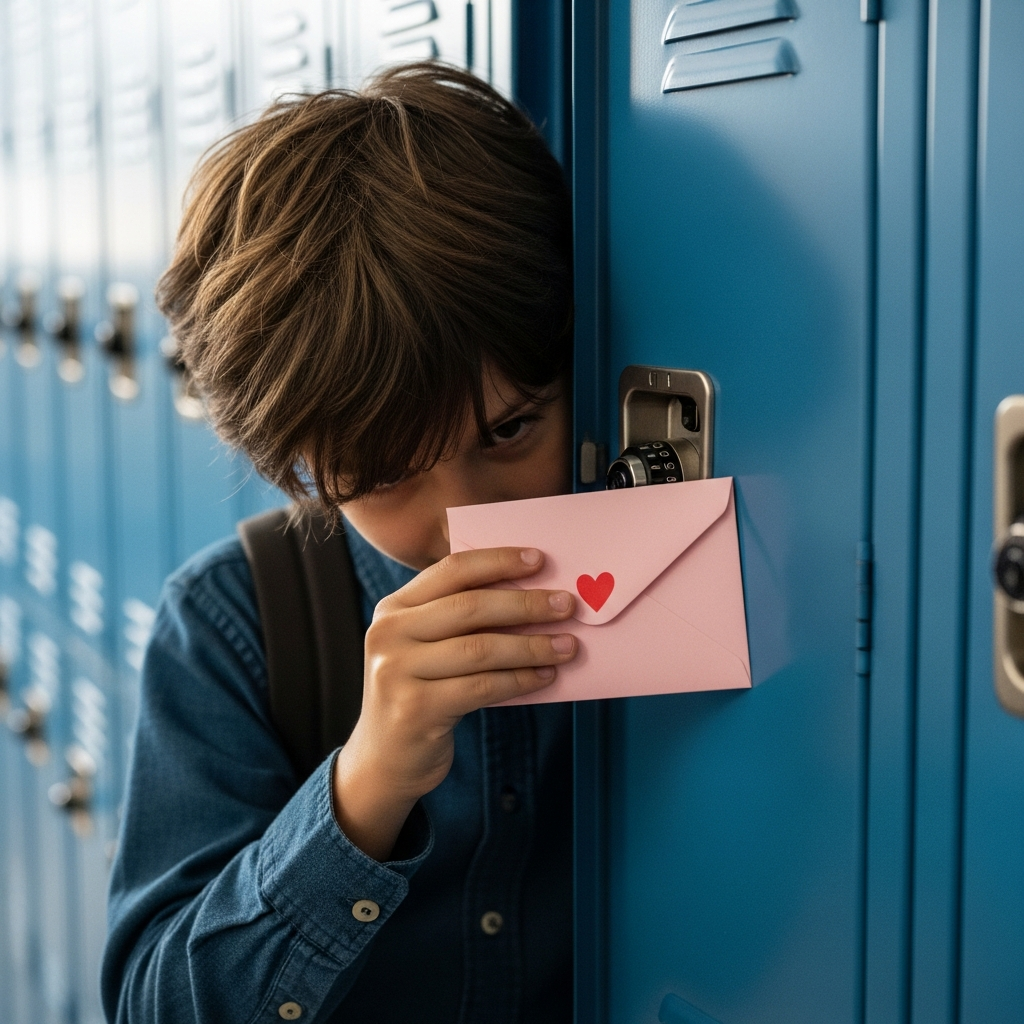
This activity involves leaving anonymous, encouraging notes for friends, classmates, or siblings. Children might hide a note in a sibling’s backpack or a friend’s locker. The anonymity adds an element of fun and emphasizes that kindness does not always need to be acknowledged to be meaningful.
13. Visiting a Nursing Home
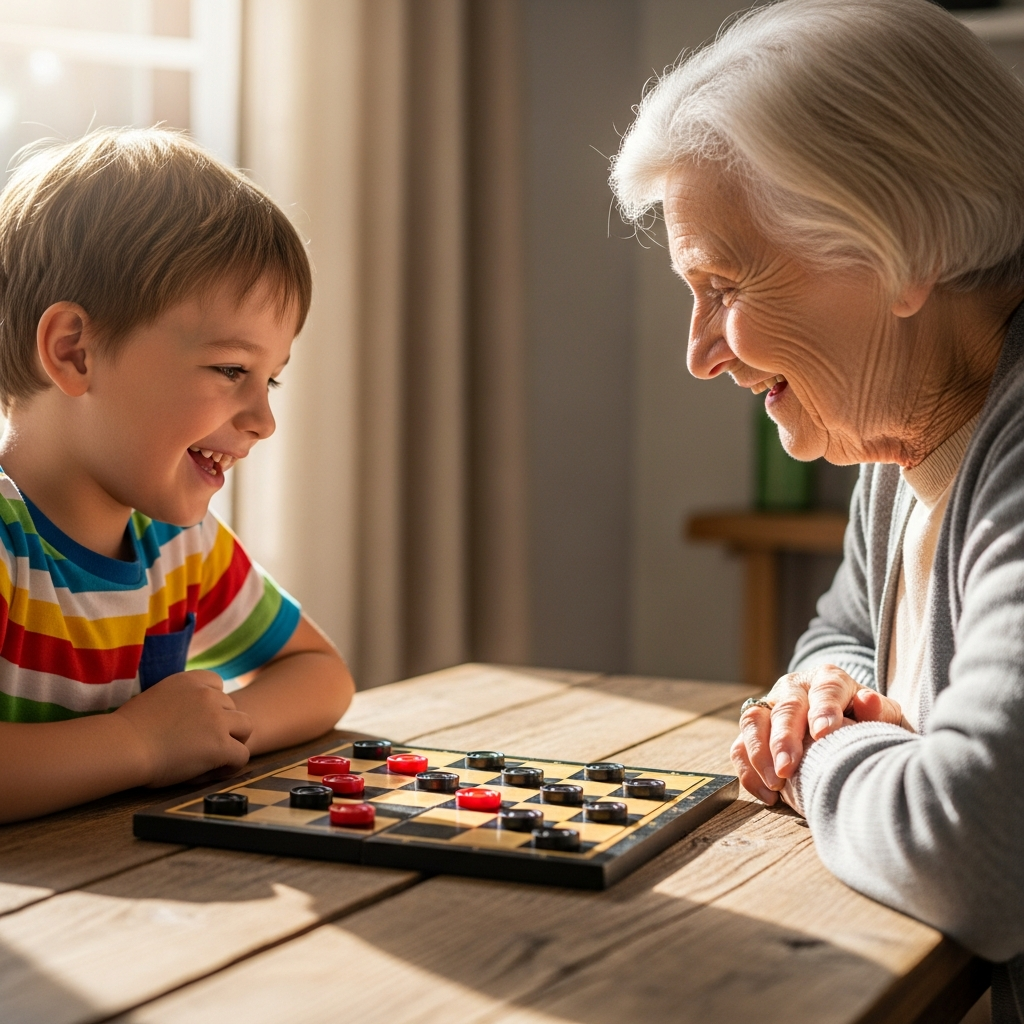
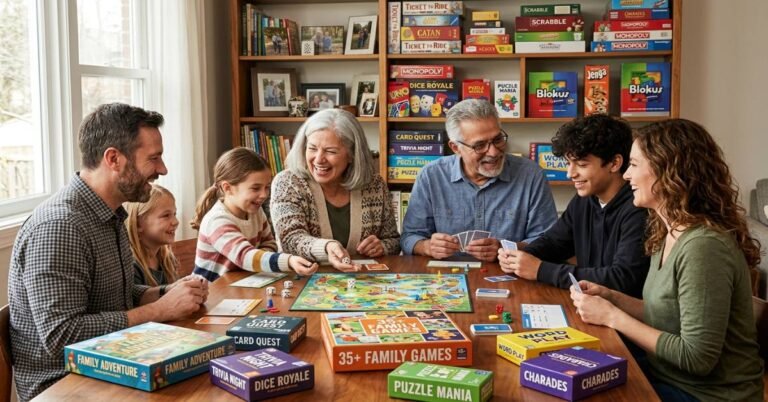
Intergenerational interaction is incredibly beneficial for both children and seniors. Children can visit a local nursing home to share a story, play a board game, or simply chat with the residents. This fosters empathy for the elderly and provides companionship to those who may feel lonely.
14. Classroom Helpers

Encouraging children to volunteer for extra tasks in the classroom helps them understand the value of a supportive environment. Whether it is helping a classmate with a difficult problem or staying behind to organize supplies, these acts of service strengthen the school community.
15. Participating in a Charity Walk
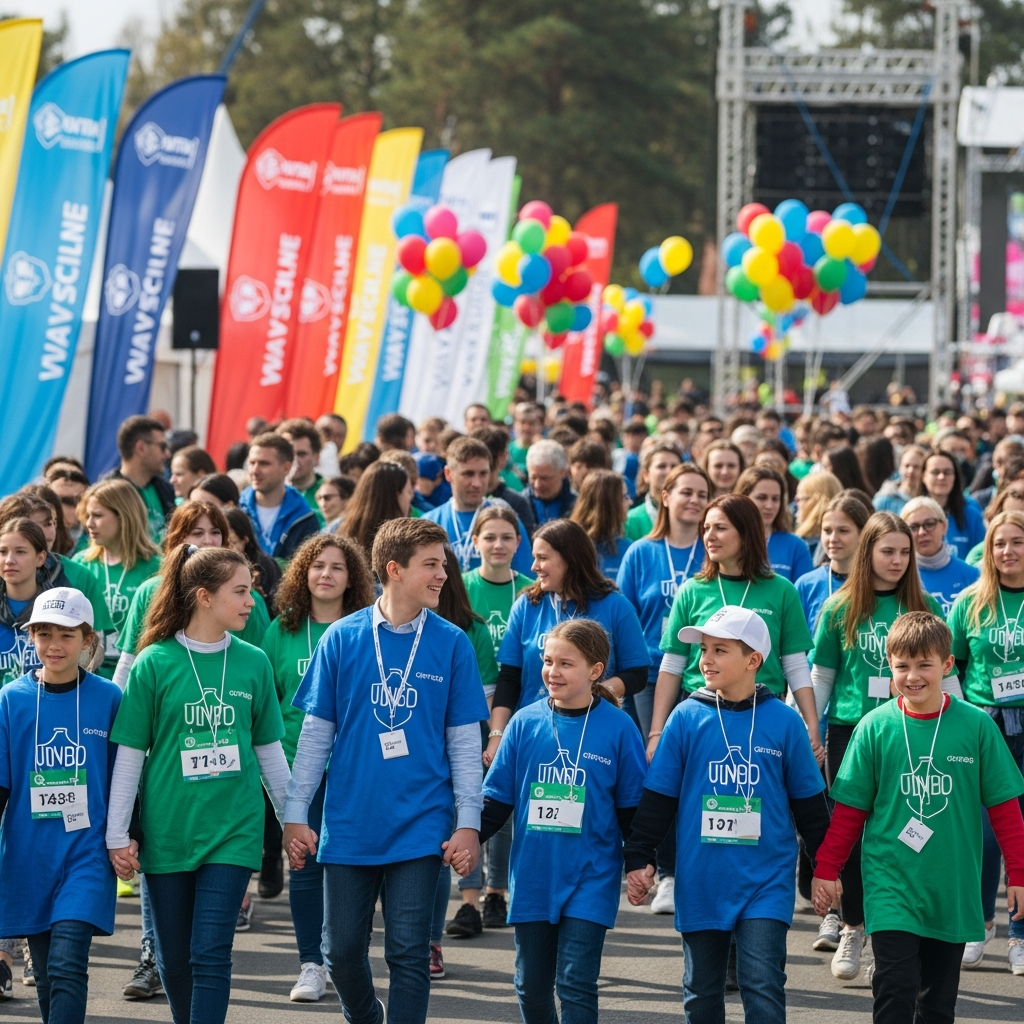
Involving children in community events like charity walks or fun runs introduces them to the concept of fundraising for a cause. It shows them that their physical efforts can contribute to larger societal goals, such as medical research or disaster relief, building a sense of global citizenship.
Conclusion
Incorporating kindness activities into a child’s routine is a proactive way to build character and community awareness. These fifteen activities provide a diverse range of opportunities for children to practice empathy, from small individual gestures to larger group efforts. By making kindness a consistent practice, we empower the next generation to create a more compassionate and connected world. Ultimately, the lessons learned through these activities will stay with children long into adulthood, shaping them into thoughtful and responsible members of society.