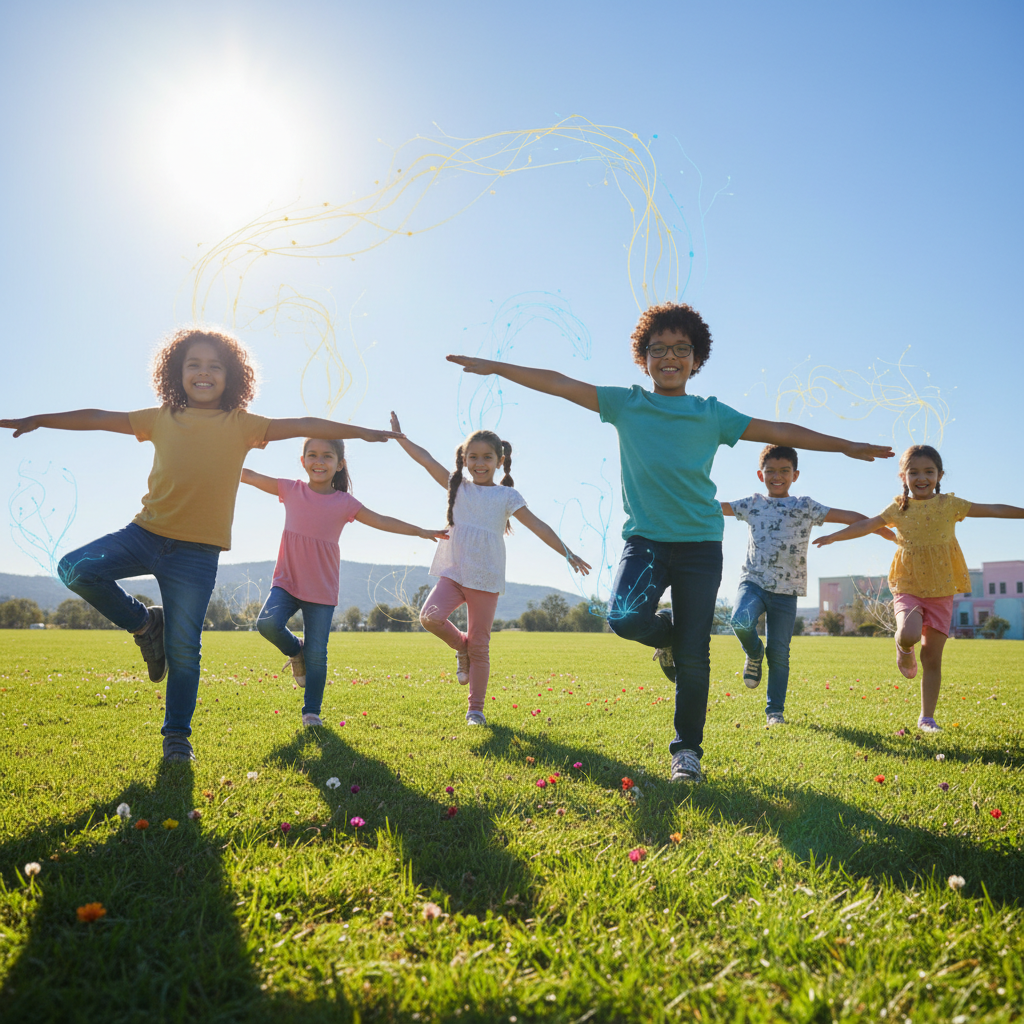
As parents, we all want our children to thrive, not just academically but in every aspect of their development. Sometimes, we see our little ones struggling with focus, coordination, or even expressing themselves, and we wonder how we can best support them. What if there was a simple, playful way to unlock their full learning potential and help them navigate daily challenges with more ease?
Enter Brain Gym—a series of simple, targeted movements designed to integrate the brain and body, making learning more accessible and enjoyable for kids. These activities aren’t just fun; they are powerful tools that can significantly boost your child’s cognitive skills, emotional balance, and overall well-being. Let’s explore why these movements are so beneficial and how you can easily incorporate them into your family’s routine.
Understanding Brain Gym Basics
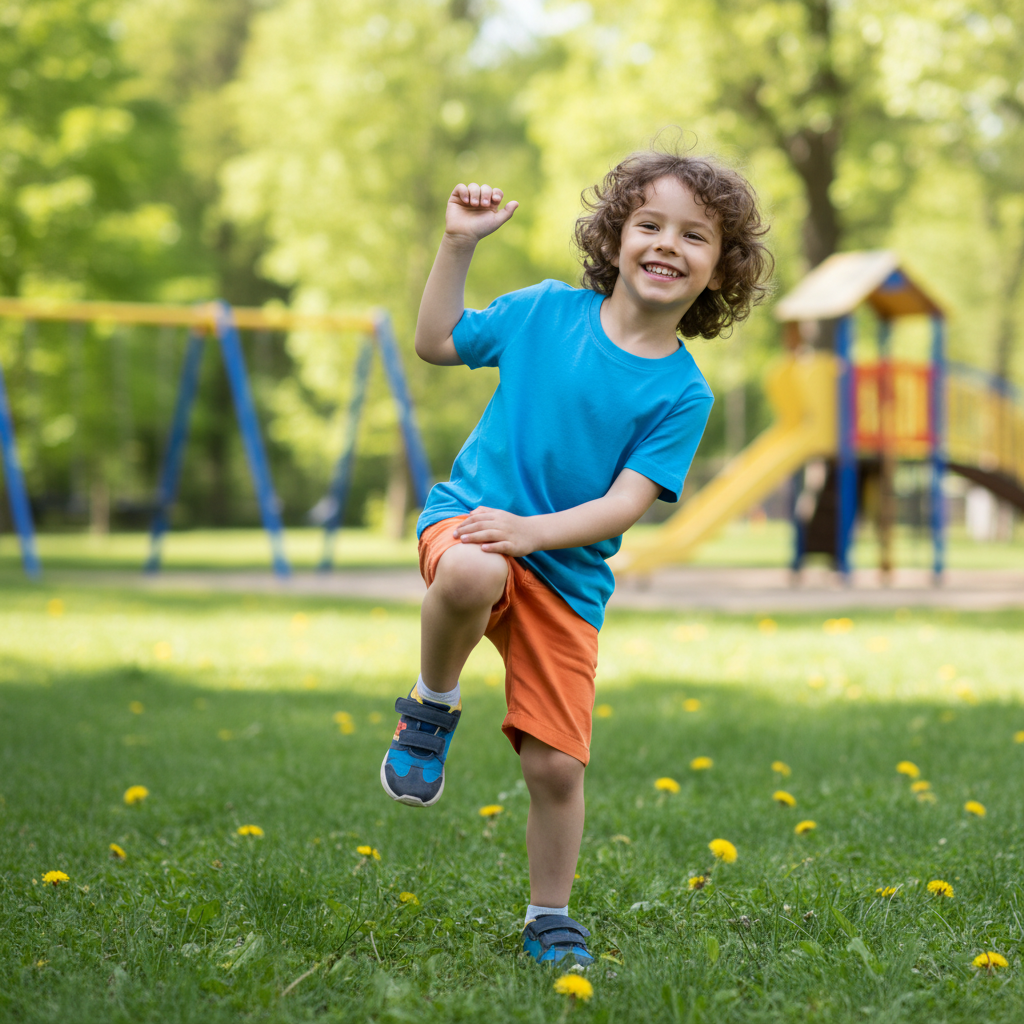
Brain Gym is a program developed by educational kinesiologist Dr. Paul Dennison in the 1980s. It’s based on the understanding that physical movement is crucial for optimal brain function. The program consists of 26 specific movements, often referred to as ‘Brain Gym movements’ or ‘Edu-K activities,’ which are designed to enhance whole-brain learning.
These movements are easy to learn and can be done by children of all ages, and even adults! They aim to improve various aspects of learning and performance by stimulating different parts of the brain and strengthening the neural connections between them. Think of it as a gentle ‘warm-up’ for the brain, preparing it for new challenges and information.
The Science Behind Brain Gym’s Impact
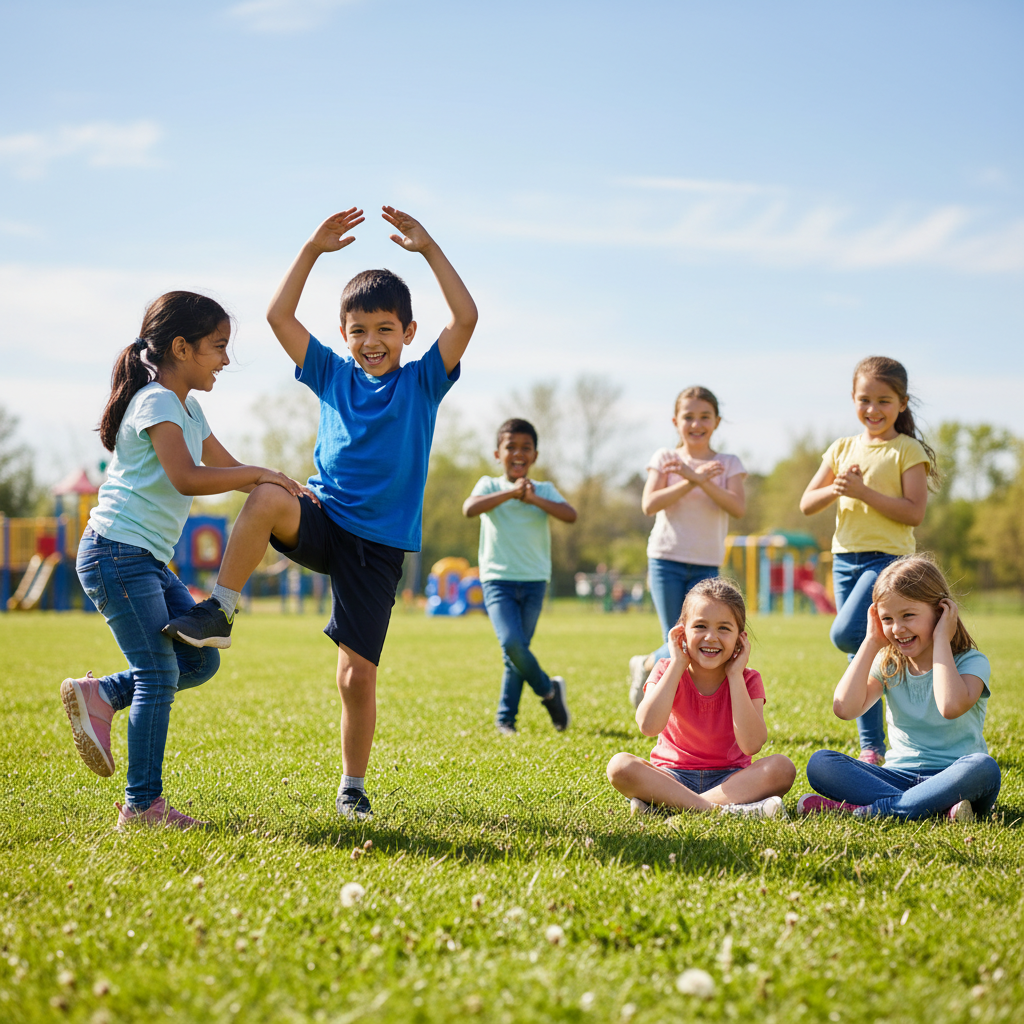
At its core, Brain Gym helps children integrate their brain hemispheres. Our brain has two main halves—the left hemisphere, often associated with logic and language, and the right hemisphere, linked to creativity and spatial awareness. For optimal learning, these two sides need to communicate effectively.
Brain Gym activities facilitate this communication by encouraging cross-lateral movements—actions that cross the midline of the body. When a child performs these movements, both sides of the brain are activated and work together. This enhanced communication can lead to:
- Improved Focus and Concentration: By reducing mental clutter and stress, children can pay better attention.
- Enhanced Coordination: Better connection between brain and body leads to improved fine and gross motor skills.
- Reduced Stress and Anxiety: Physical movement can be a powerful stress reliever, helping children feel calmer and more ready to learn.
- Better Memory and Comprehension: When the brain is balanced, it can process and retain information more efficiently.
- Boosted Creativity and Problem-Solving Skills: Accessing both hemispheres sparks more innovative thinking.
Key Brain Gym Activities for Learning
Here are a few foundational Brain Gym activities you can easily try with your child. Remember, the key is gentle, rhythmic movement.
Cross Crawl
This simple exercise helps coordinate the left and right hemispheres of the brain. It’s fantastic for improving reading, writing, and overall coordination.
- Stand or sit comfortably.
- Touch your right hand to your left knee as you lift it.
- Then, touch your left hand to your right knee.
- Repeat slowly and rhythmically for several repetitions, like marching in place.
Lazy Eights
Drawing imaginary eights on their side (the infinity symbol) can improve eye-tracking, peripheral vision, and handwriting. It’s also great for relaxing the eyes and neck.
- Extend one arm straight out in front of you.
- Make a large, horizontal figure-eight in the air with your thumb, keeping your head still and following your thumb with your eyes.
- Repeat several times, then switch arms.
- You can also do this with both hands clasped together.
Brain Buttons
This activity helps improve blood flow to the brain, enhancing focus and alertness. It’s like turning on the brain’s ‘on switch’.
- Place one hand over your navel.
- With the thumb and forefinger of your other hand, gently massage the soft tissue just below your collarbone on either side of your sternum.
- Rub for 20-30 seconds while taking deep breaths.
Hook-ups
A wonderful activity for reducing stress and emotional overwhelm, helping children feel more centered and calm. It’s often used before tests or challenging tasks.
- Stand or sit. Cross your ankles.
- Extend your arms straight out, cross your wrists, and interlace your fingers.
- Bring your clasped hands in towards your chest, resting them there.
- Close your eyes and breathe deeply for a minute or two.
Benefits Beyond the Classroom

While Brain Gym is renowned for its academic benefits, its positive effects extend far beyond schoolwork. Parents often observe improvements in:
- Emotional Regulation: Children may become less prone to meltdowns, better able to manage frustration, and more resilient.
- Self-Confidence: As they master new movements and feel more capable, their self-esteem naturally grows.
- Physical Dexterity: Improved coordination benefits sports, art, and everyday tasks like tying shoes or buttoning clothes.
- Social Skills: A calmer, more focused child can engage more effectively with peers and adults.
- Reduced Screen Time Reliance: Engaging in physical activities can naturally shift focus away from digital devices.
These holistic benefits contribute to a child’s overall happiness and ability to navigate their world with greater ease and joy.
Integrating Brain Gym into Daily Life
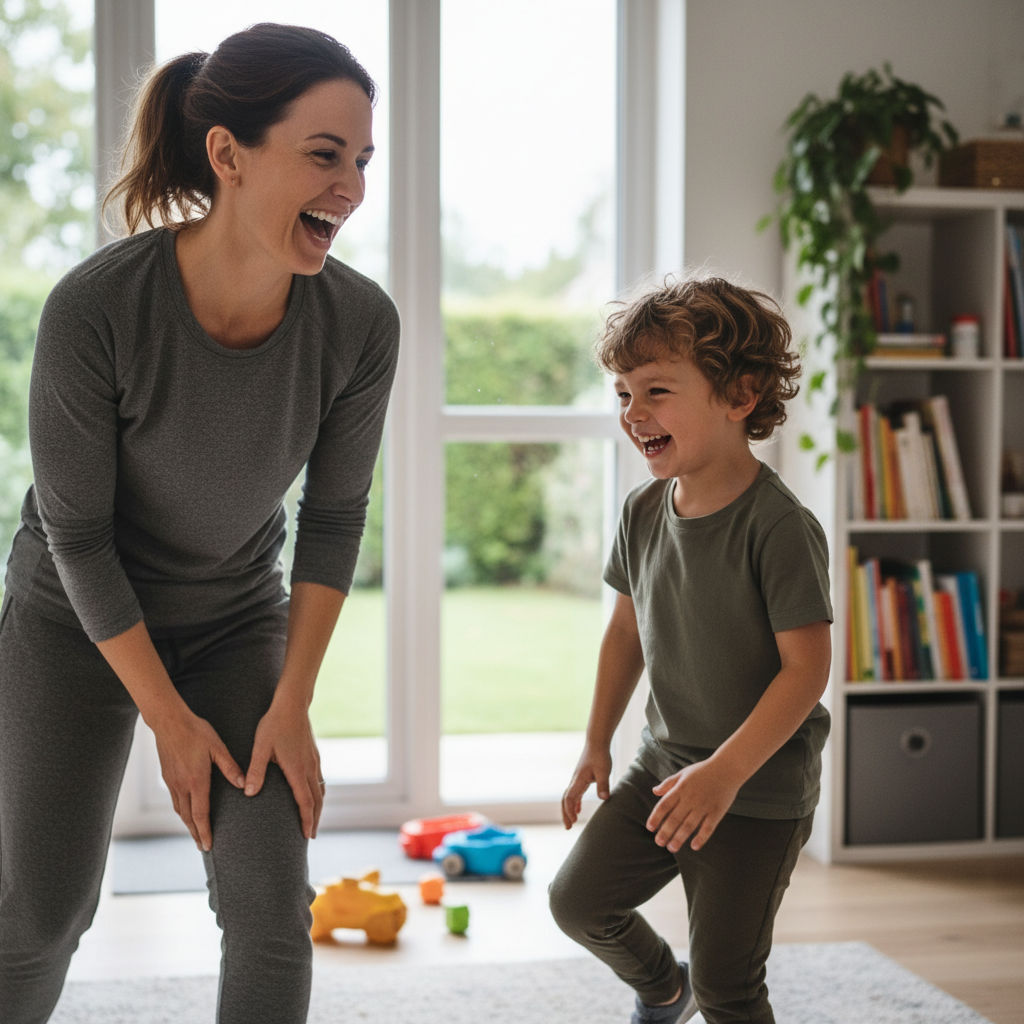
The beauty of Brain Gym is its simplicity. You don’t need special equipment or a dedicated space. Here are some tips for making it a regular part of your family’s routine:
- Morning Warm-up: Start the day with a few minutes of Cross Crawls or Brain Buttons to get brains ready for school.
- Study Breaks: Incorporate Lazy Eights during homework sessions to refresh focus.
- Pre-Test Prep: A quick Hook-up can help calm nerves before a big exam or presentation.
- Before Bedtime: Gentle movements can help wind down and improve sleep quality.
- Make it Playful: Call them ‘brain games’ or ‘superhero moves’ to keep kids engaged.
- Lead by Example: Do the movements with your children. They love to mimic, and you might find benefits for yourself too!
Even five to ten minutes a day can make a noticeable difference in your child’s ability to learn, focus, and feel balanced.
A Supportive Path to Learning Success
Brain Gym activities offer a wonderful, gentle, and effective way to support your child’s learning journey. By integrating simple movements into their daily lives, you’re not just helping them with academics; you’re nurturing their cognitive, emotional, and physical development in a profound way. It’s about empowering them to feel more capable, focused, and joyful in their learning and in their world.
Give these activities a try, observe the positive changes, and celebrate your child’s growing confidence and abilities. You’re giving them a gift that will last a lifetime—the gift of an integrated, ready-to-learn brain.