40 Fun Brain Games That Improve Kids’ Mental Skills
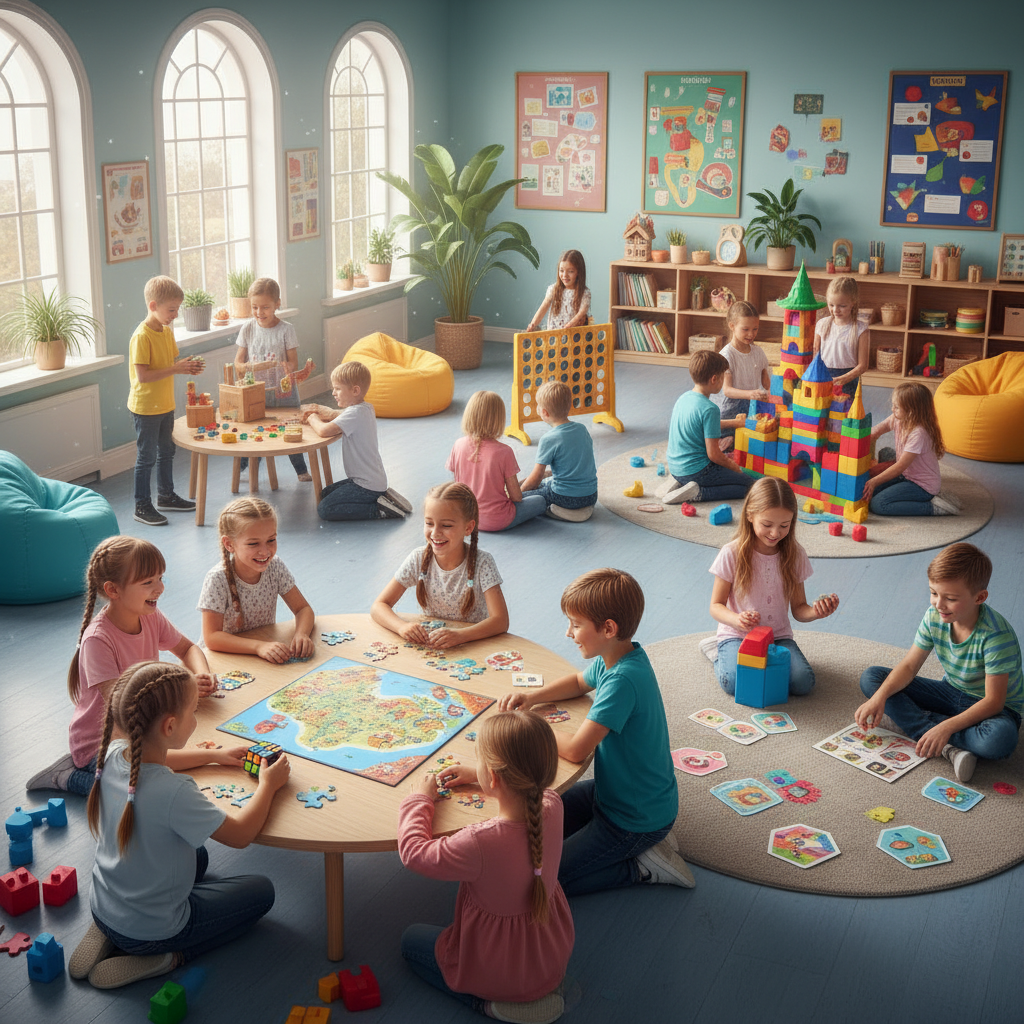
Engaging children in brain games is a powerful way to foster cognitive development while maintaining a high level of enjoyment. These activities stimulate critical thinking, memory, and problem-solving skills, providing a solid foundation for academic success and lifelong learning. By integrating play with mental exercise, parents and educators can help children build neural pathways and improve focus in a natural, stress-free environment.
1. The Classic Memory Match
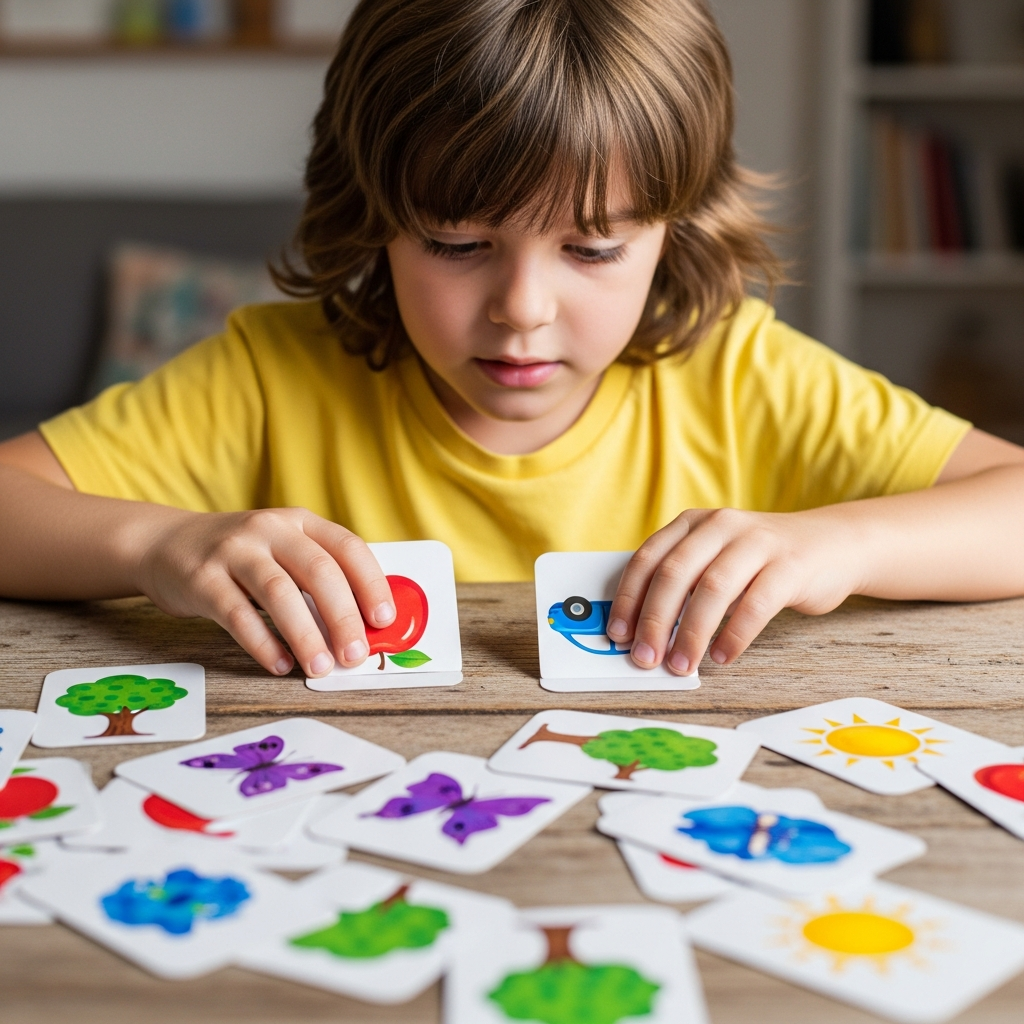
This game involves laying cards face down and having children flip two at a time to find pairs. It enhances short-term memory and visual recognition skills. Constant practice helps children learn to create mental maps of the layout.
2. Simon Says for Executive Function

Simon Says requires children to follow instructions only when preceded by a specific phrase. This improves impulse control and active listening, as the child must inhibit their reaction if the command is not valid.
3. Kid Friendly Sudoku Puzzles
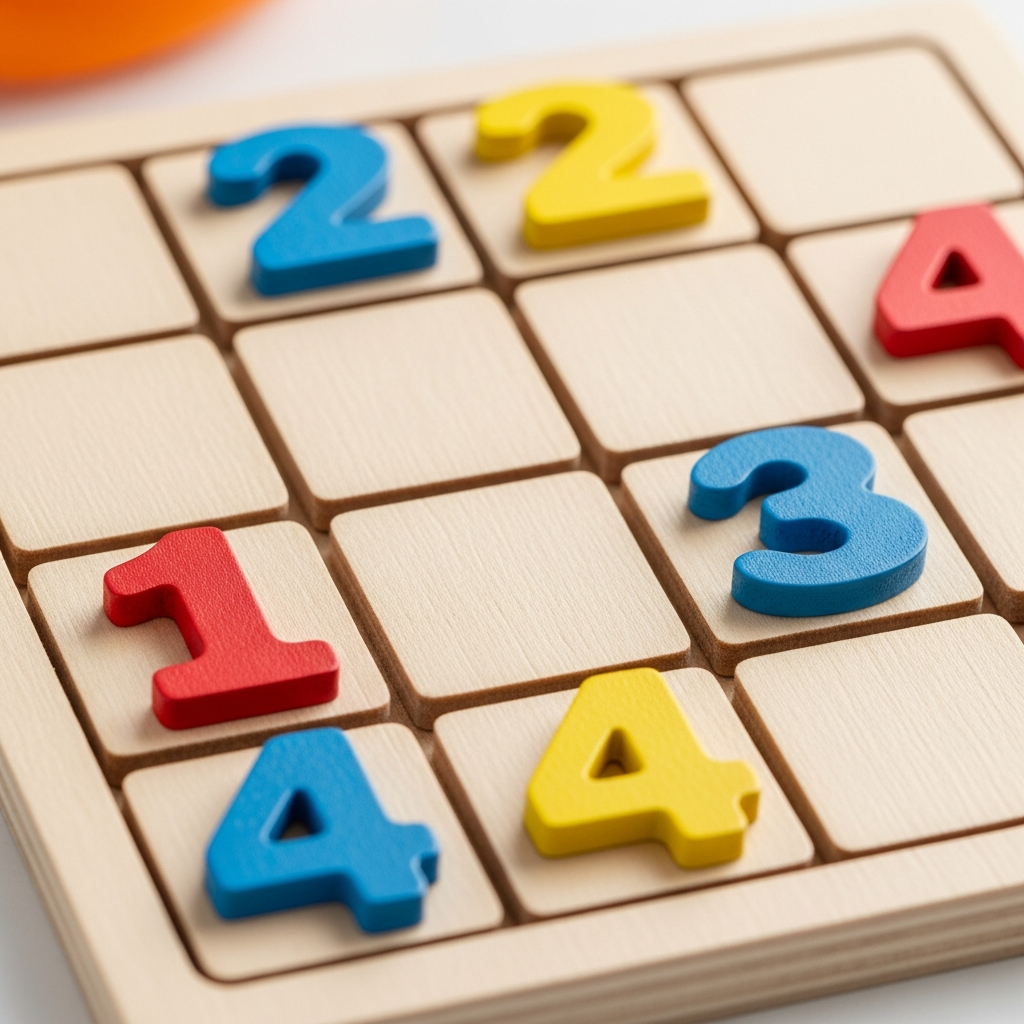
Sudoku uses logic and deduction rather than arithmetic. For children, starting with four by four grids helps them understand patterns and the process of elimination without feeling overwhelmed.
4. Jigsaw Puzzles for Spatial Awareness
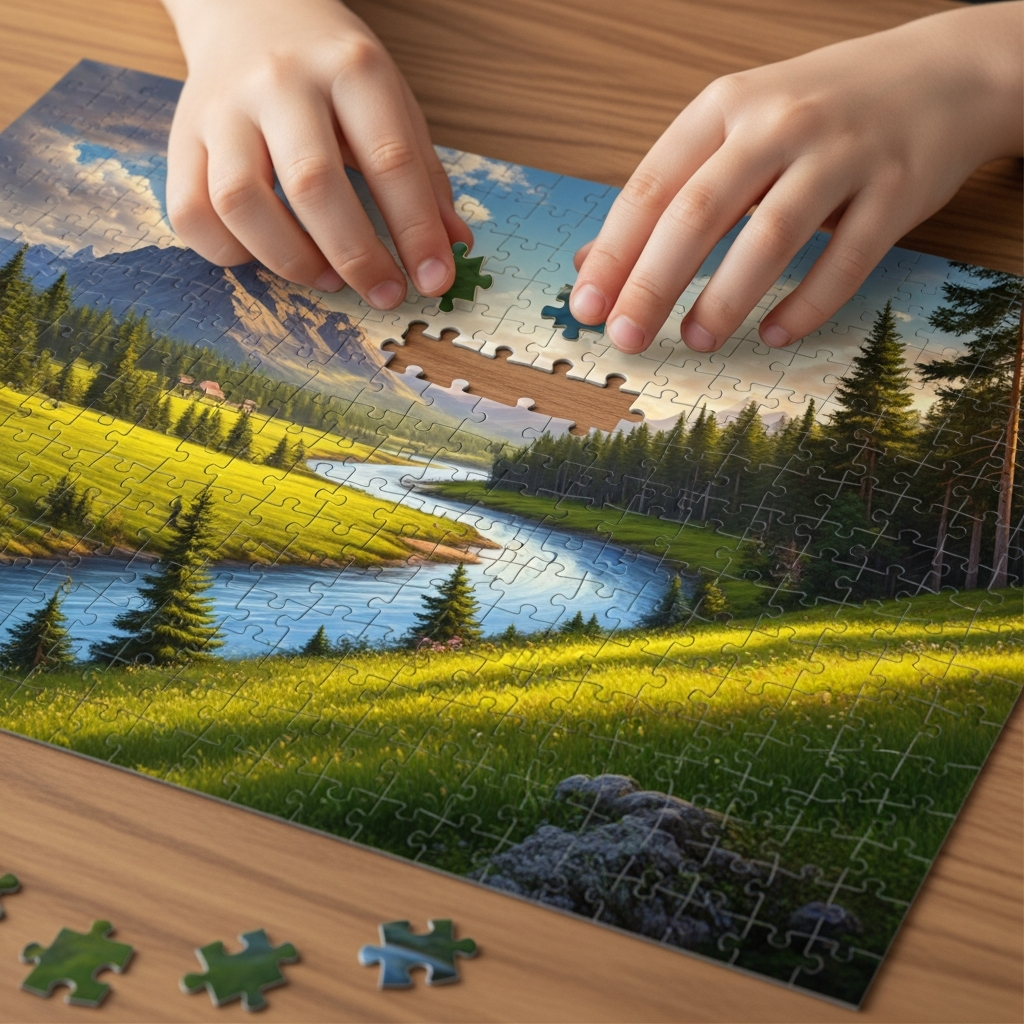
Fitting pieces together requires a deep understanding of shapes and spatial relationships. It also builds patience and persistence as children work toward a visual goal.
5. The Strategic Game of Chess
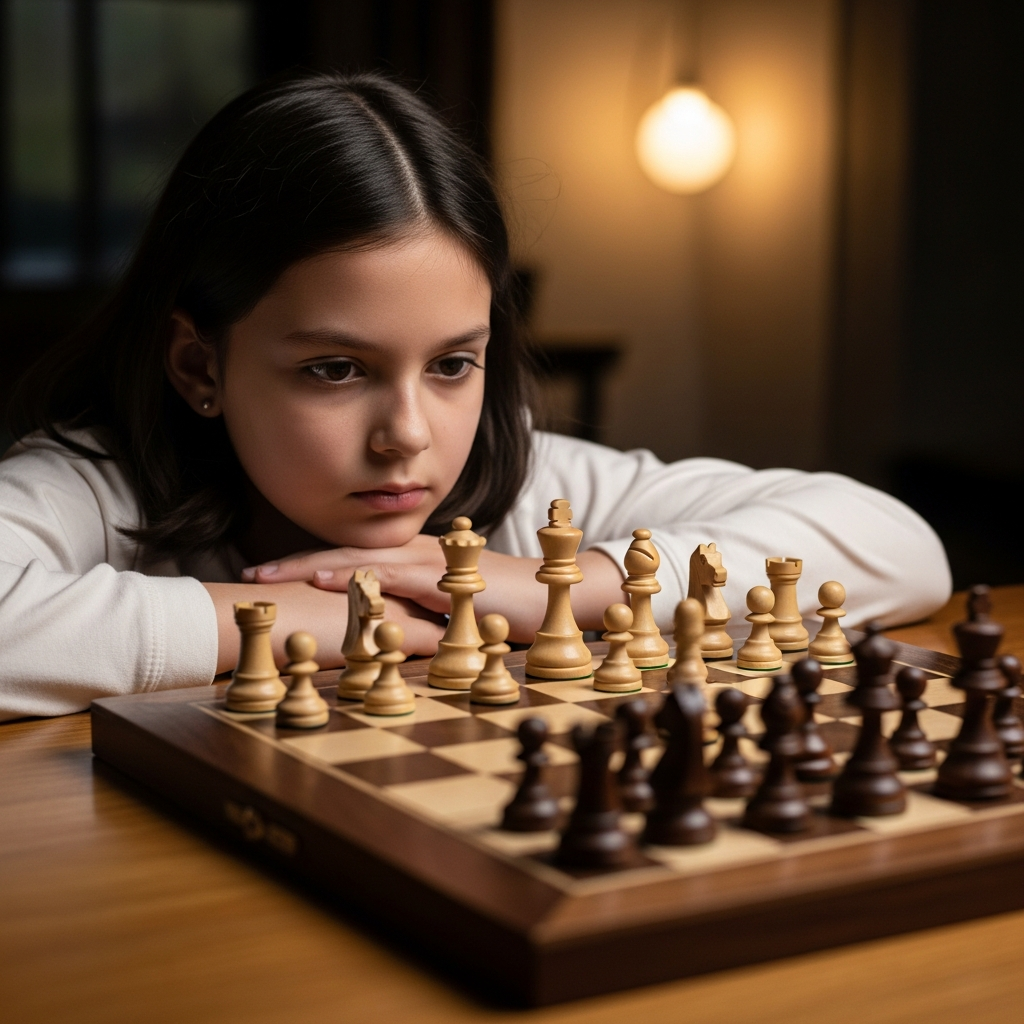
Chess is the ultimate game for teaching foresight and strategic planning. It encourages children to think several steps ahead and evaluate the consequences of every move.
6. Checkers for Tactical Thinking
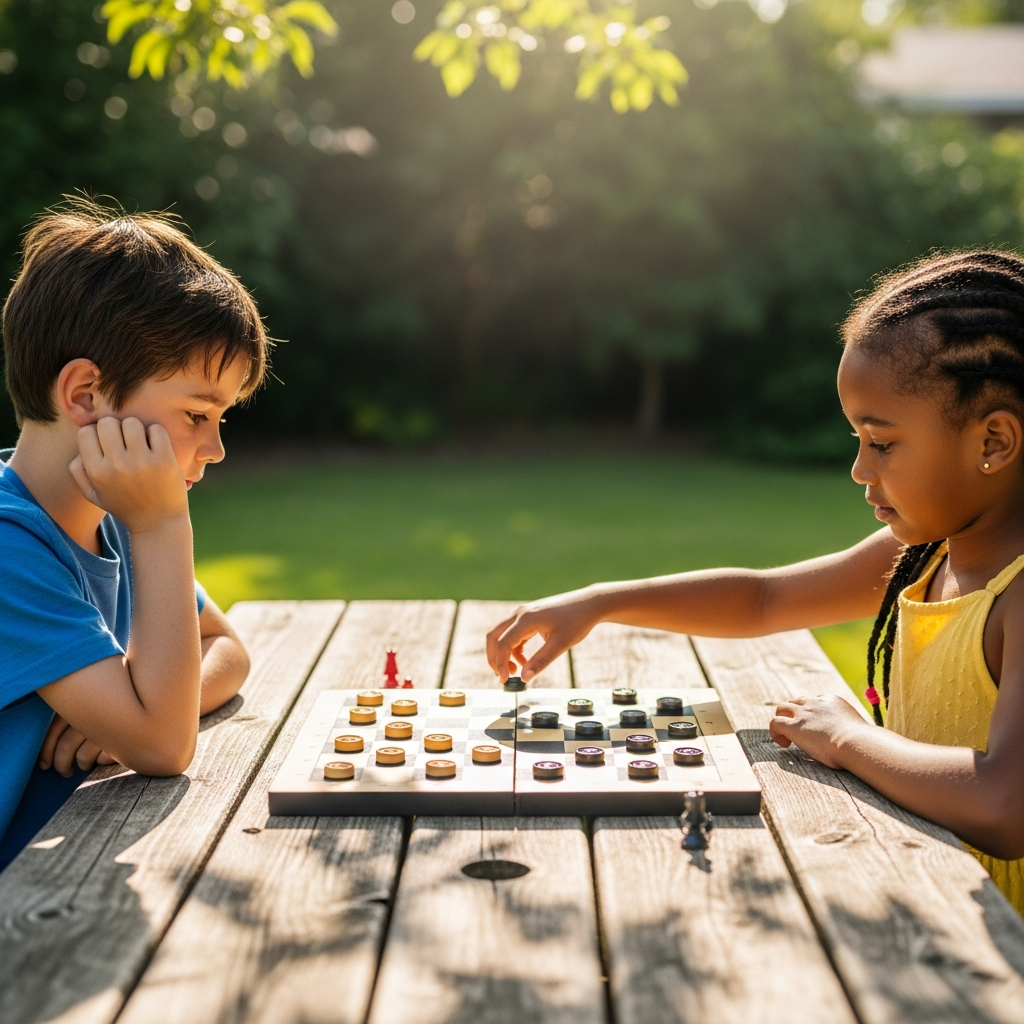
While simpler than chess, checkers introduces children to basic tactics and the concept of sacrifice for long-term gain. It is an excellent entry point into strategy games.
7. I Spy for Visual Scanning
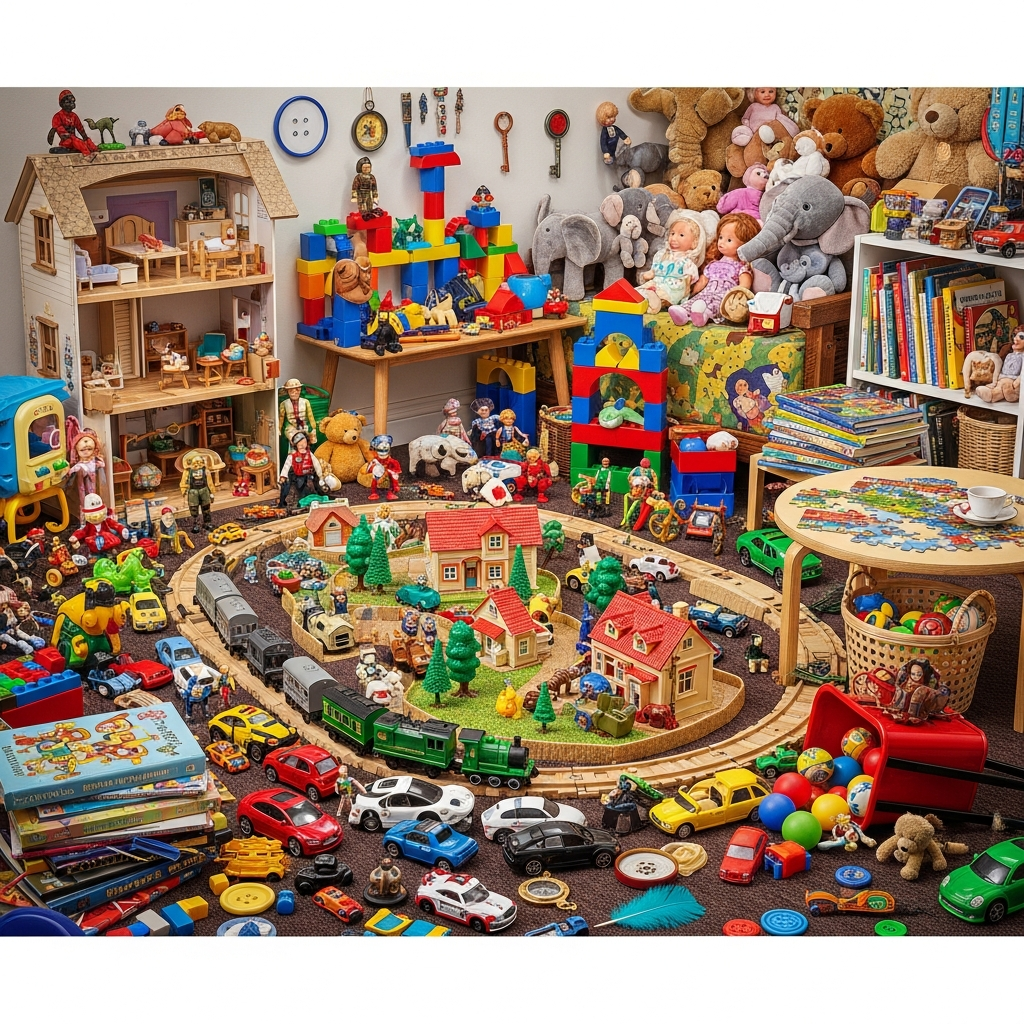
I Spy challenges children to find specific objects in a cluttered environment. This sharpens visual discrimination and helps them filter out distractions to find a target.
8. Indoor Scavenger Hunts
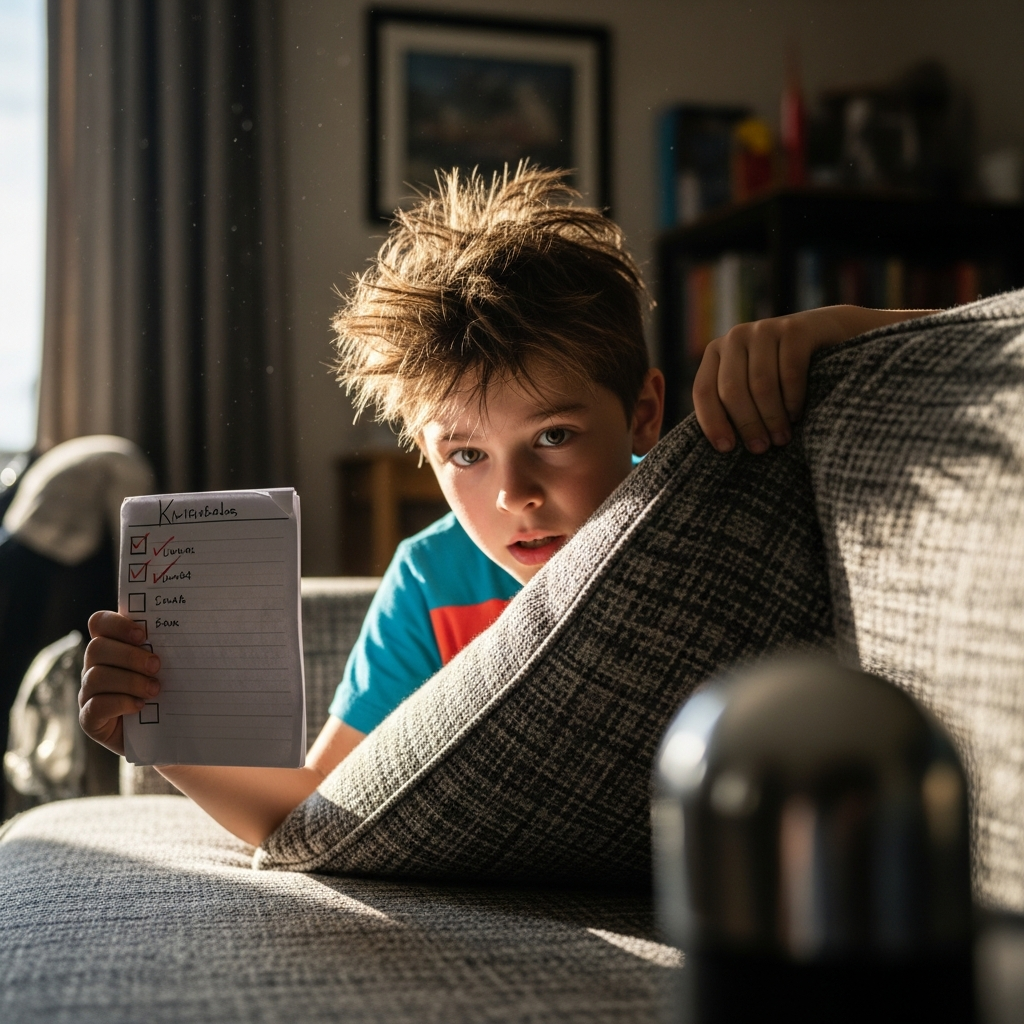
Creating a list of items for children to find involves following multi-step directions and problem-solving. It keeps both the mind and body active.
9. Crossword Puzzles for Vocabulary
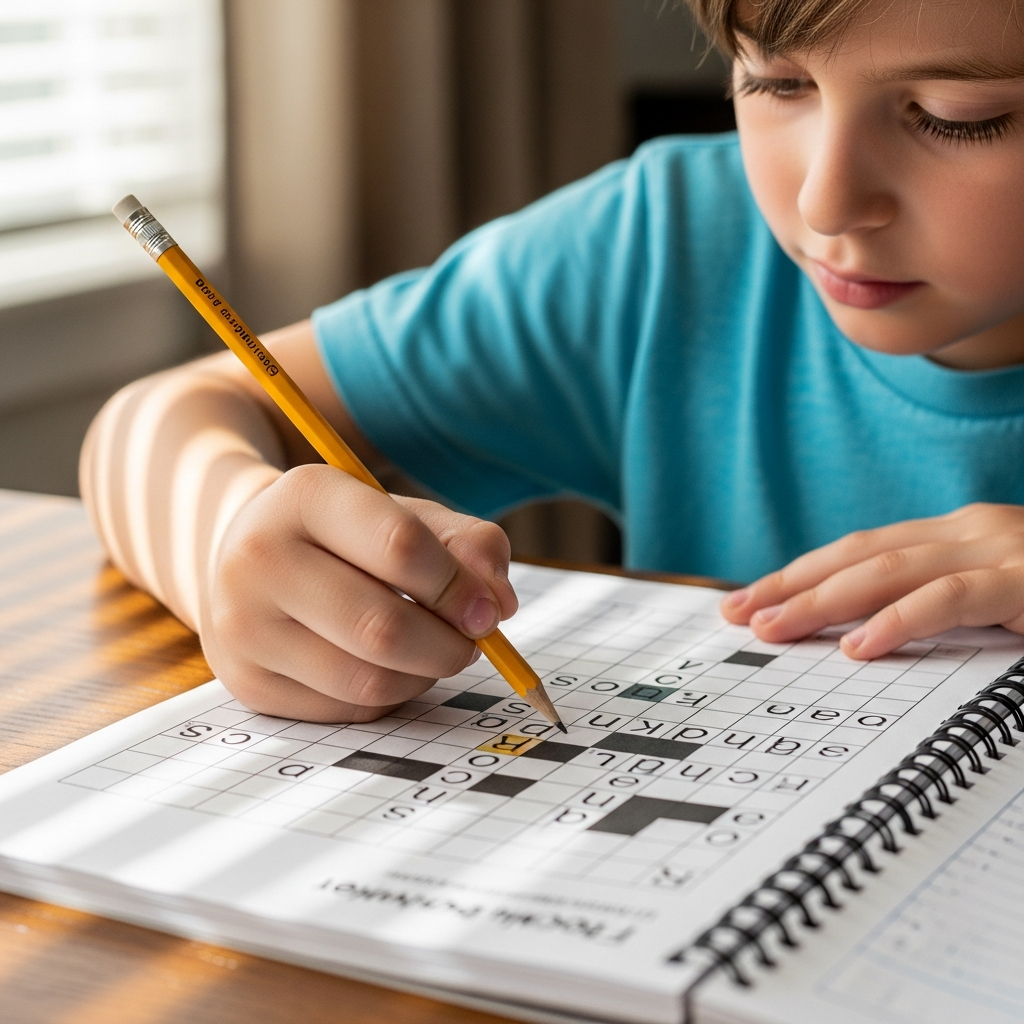
Solving crosswords requires children to recall word meanings and spellings. This expands their vocabulary and improves linguistic connections in the brain.
10. Word Search Challenges
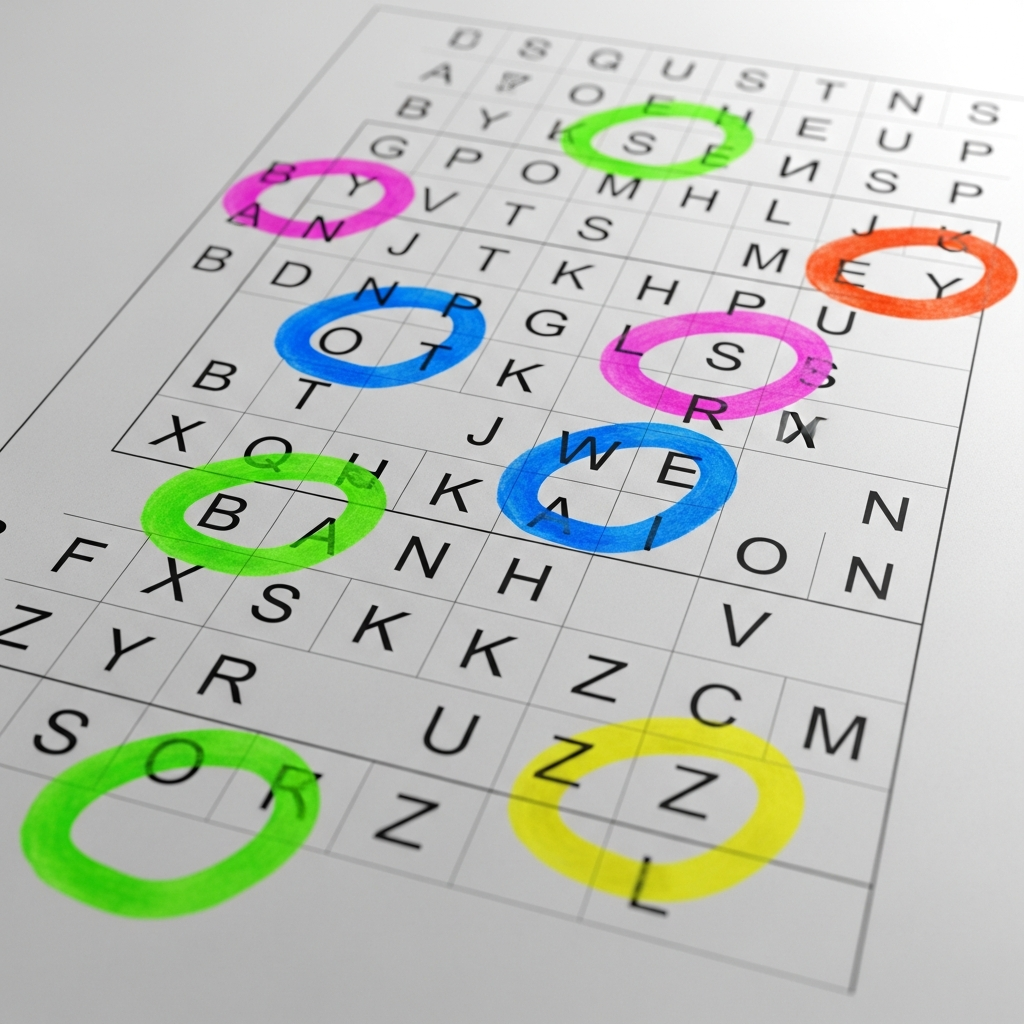
Word searches help children recognize letter patterns and improve their scanning speed. It is a relaxing yet effective way to build literacy skills.
11. The Rubiks Cube Challenge
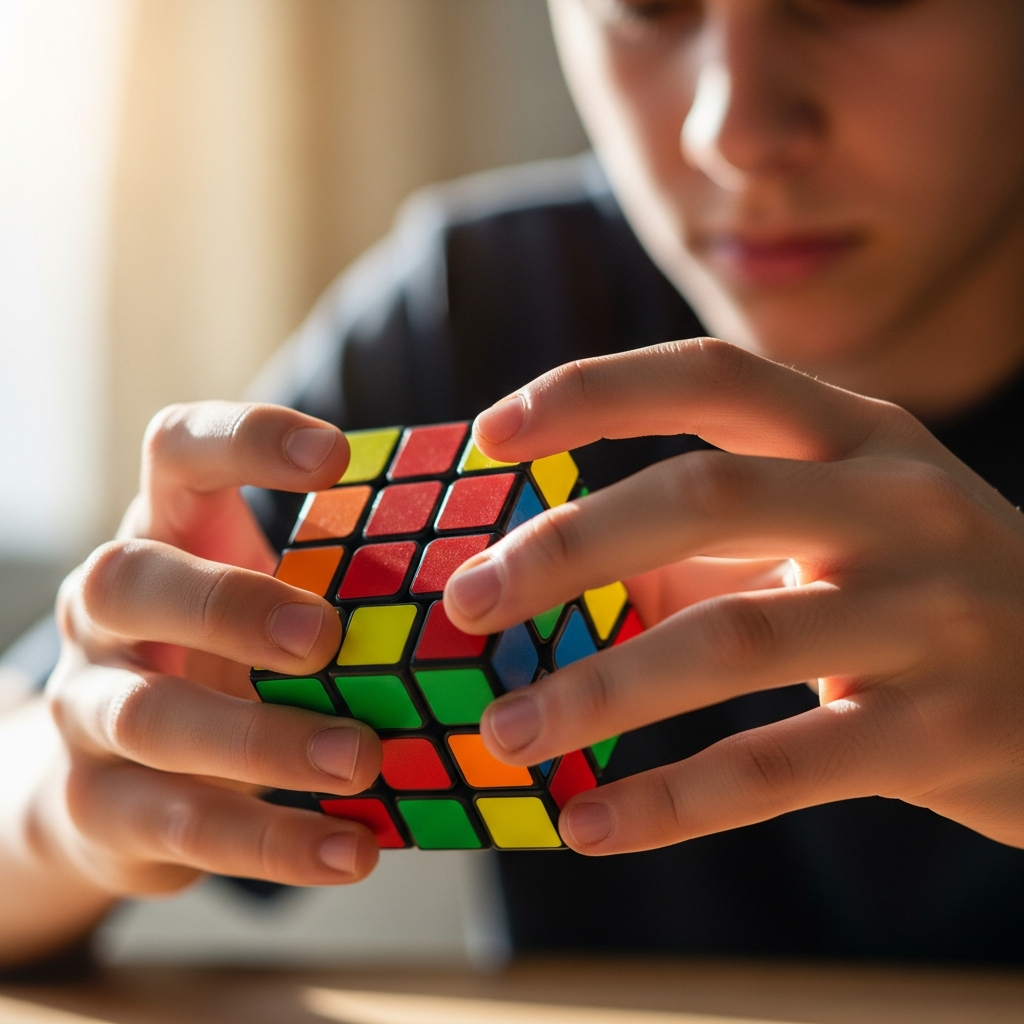
Solving a 3D puzzle like the Rubiks Cube develops spatial reasoning and algorithmic thinking. It requires high levels of concentration and motor coordination.
12. Tangram Geometry Play
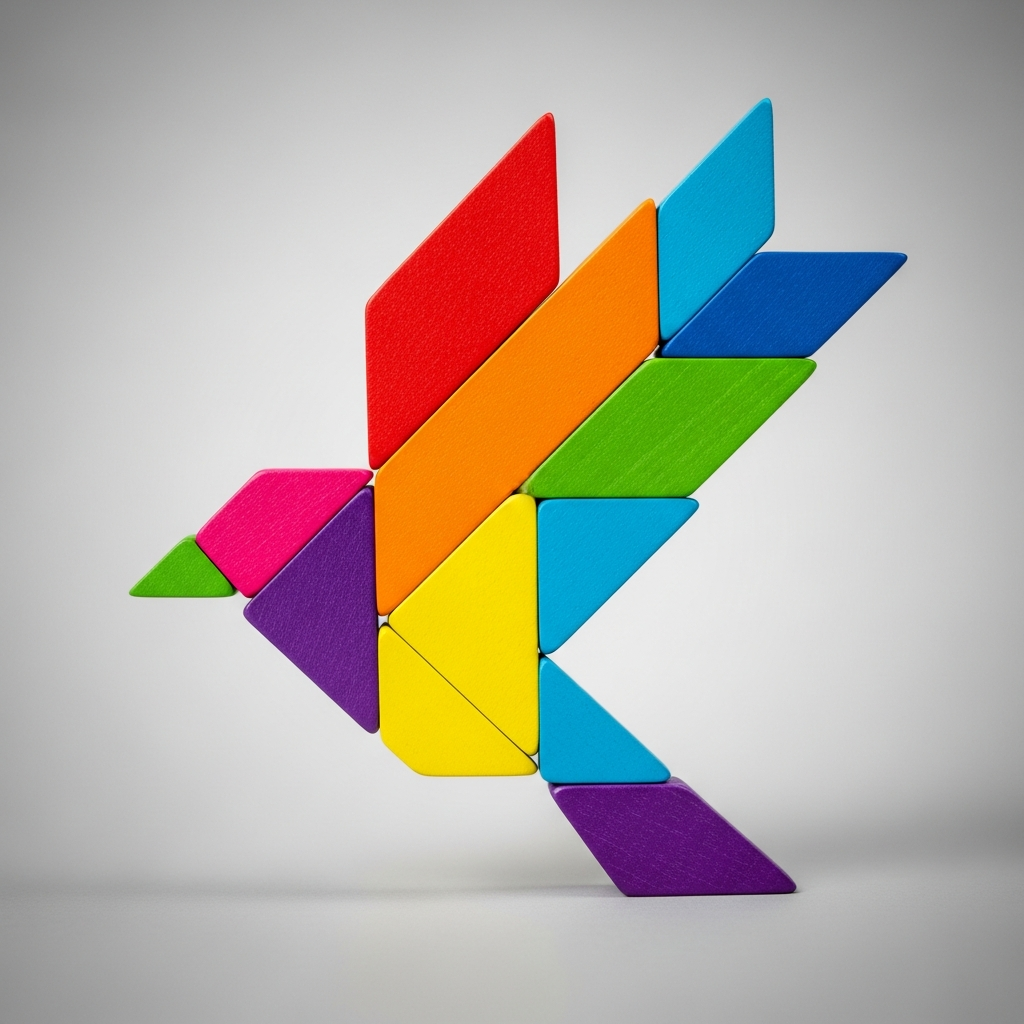
Tangrams are ancient Chinese puzzles consisting of seven flat shapes. Children must arrange them to form specific silhouettes, boosting their geometric understanding.
13. Collaborative Storytelling
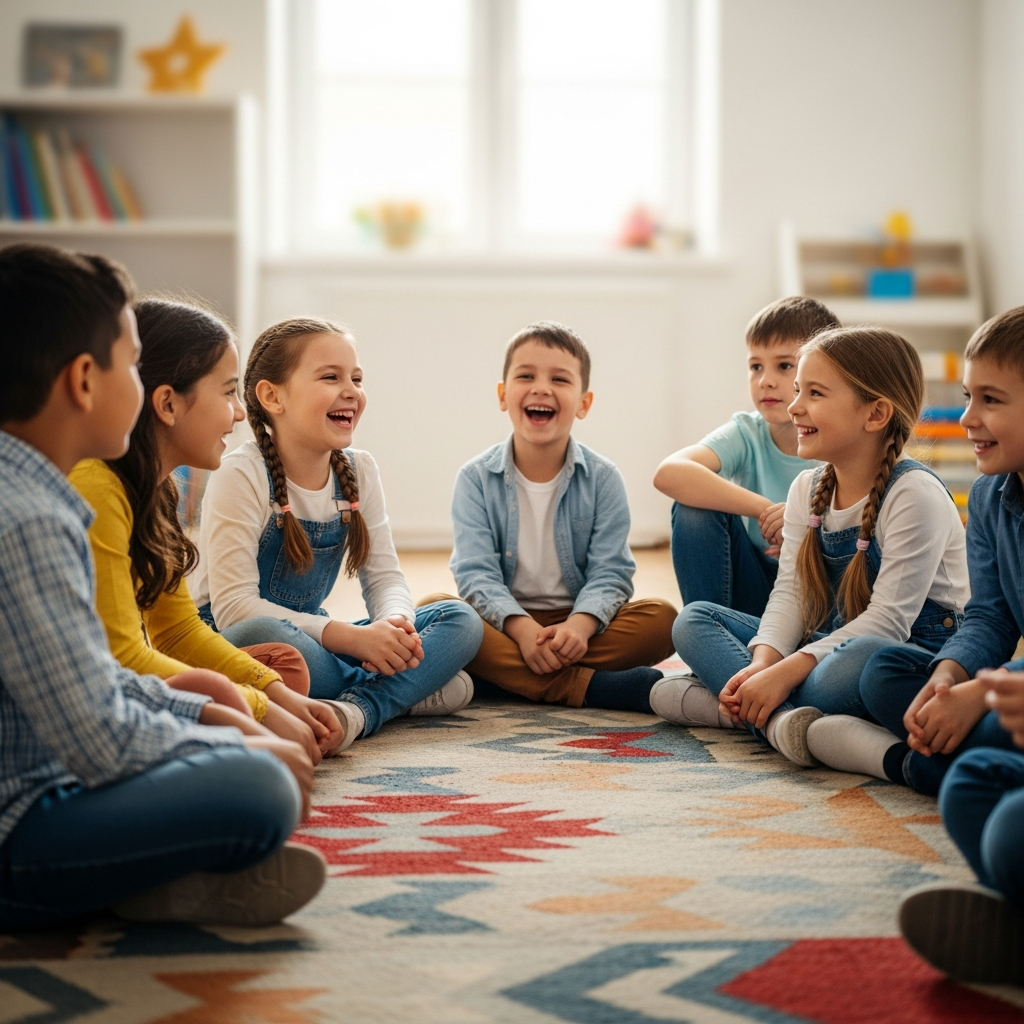
In this game, one person starts a story and others add one sentence at a time. This fosters creativity, narrative logic, and verbal expression.
14. Rhyming Games for Phonemic Awareness

Asking children to find words that rhyme with a target word builds phonological awareness. This is a critical building block for reading and language development.
15. Twenty Questions

This game teaches children how to narrow down possibilities using logical questions. It improves their ability to categorize information and think critically.
16. Hangman for Spelling Mastery

Hangman encourages children to think about letter frequency and word structure. It is an engaging way to reinforce spelling rules and deductive reasoning.
17. Scrabble Junior
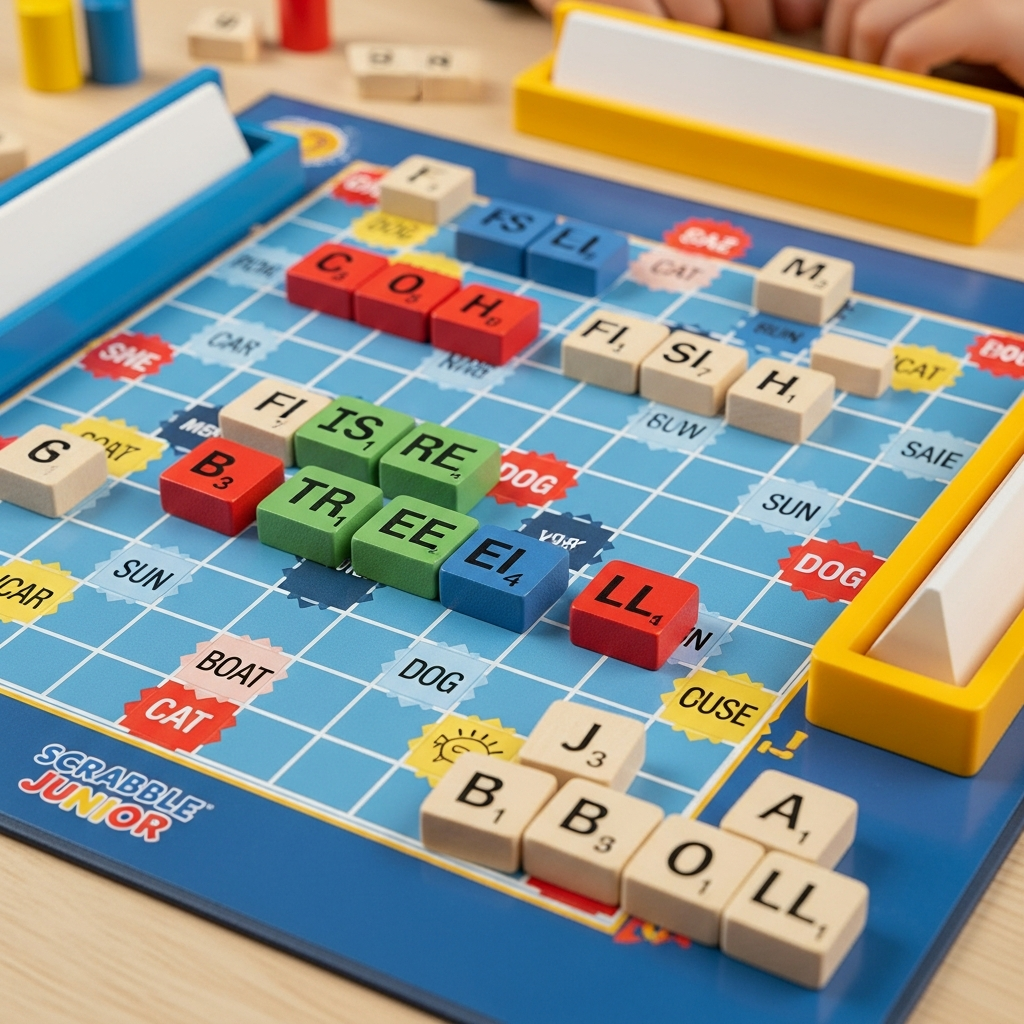
Board games that involve word building help children visualize how letters combine. It encourages the use of longer words and enhances their mental dictionary.
18. Boggle for Quick Word Recognition
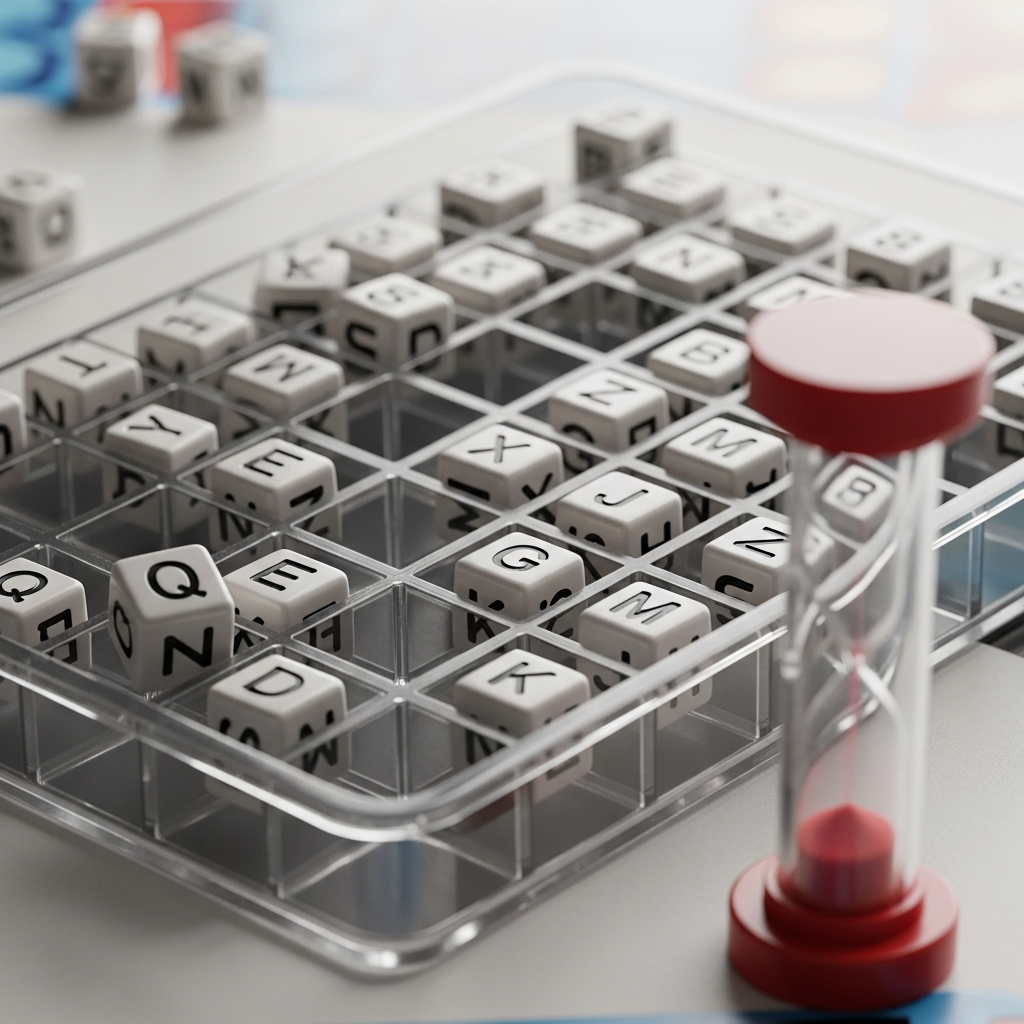
Boggle challenges children to find as many words as possible in a grid of letters within a time limit. This improves mental agility and pattern recognition.
19. Exploring Optical Illusions

Looking at optical illusions teaches children that perception is not always reality. It encourages them to question what they see and think about how the brain processes images.
20. Maze Solving and Pathfinding

Solving paper or physical mazes requires planning and the ability to visualize paths. It improves fine motor control and teaches the importance of trial and error.
21. Lego Building Challenges
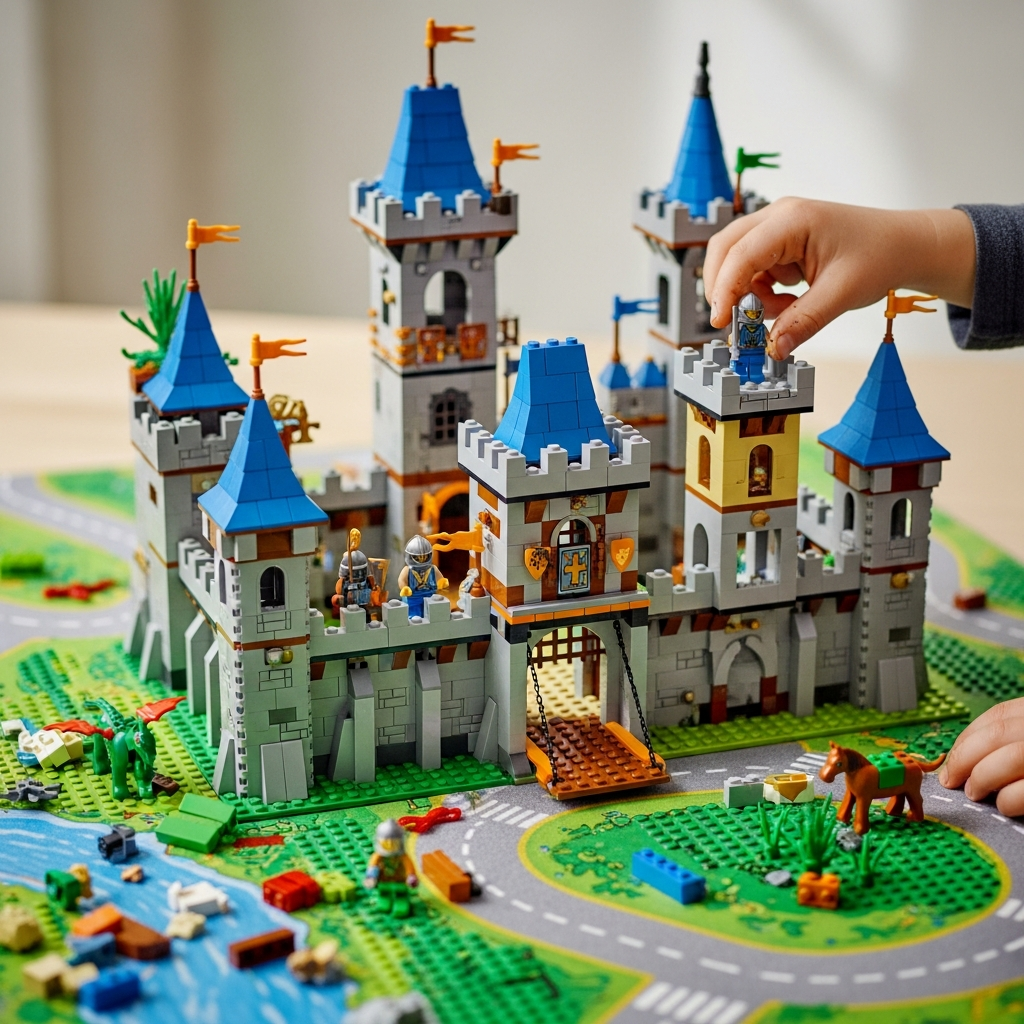
Building structures from blocks helps children understand engineering concepts and spatial design. It encourages creativity and helps them visualize three-dimensional objects.
22. Basic Coding Games
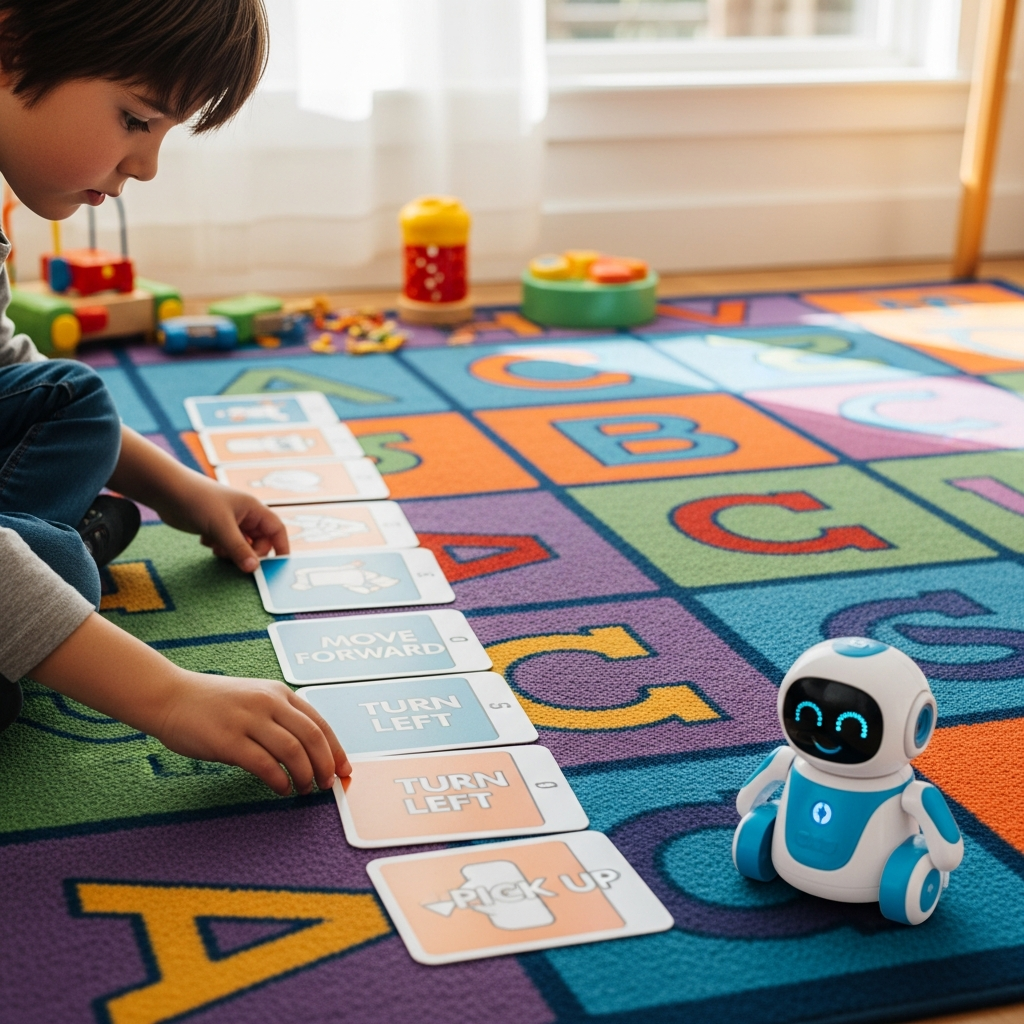
Screen-free coding games use physical commands to teach the basics of sequences and loops. This introduces computational thinking at an early age.
23. Math Bingo
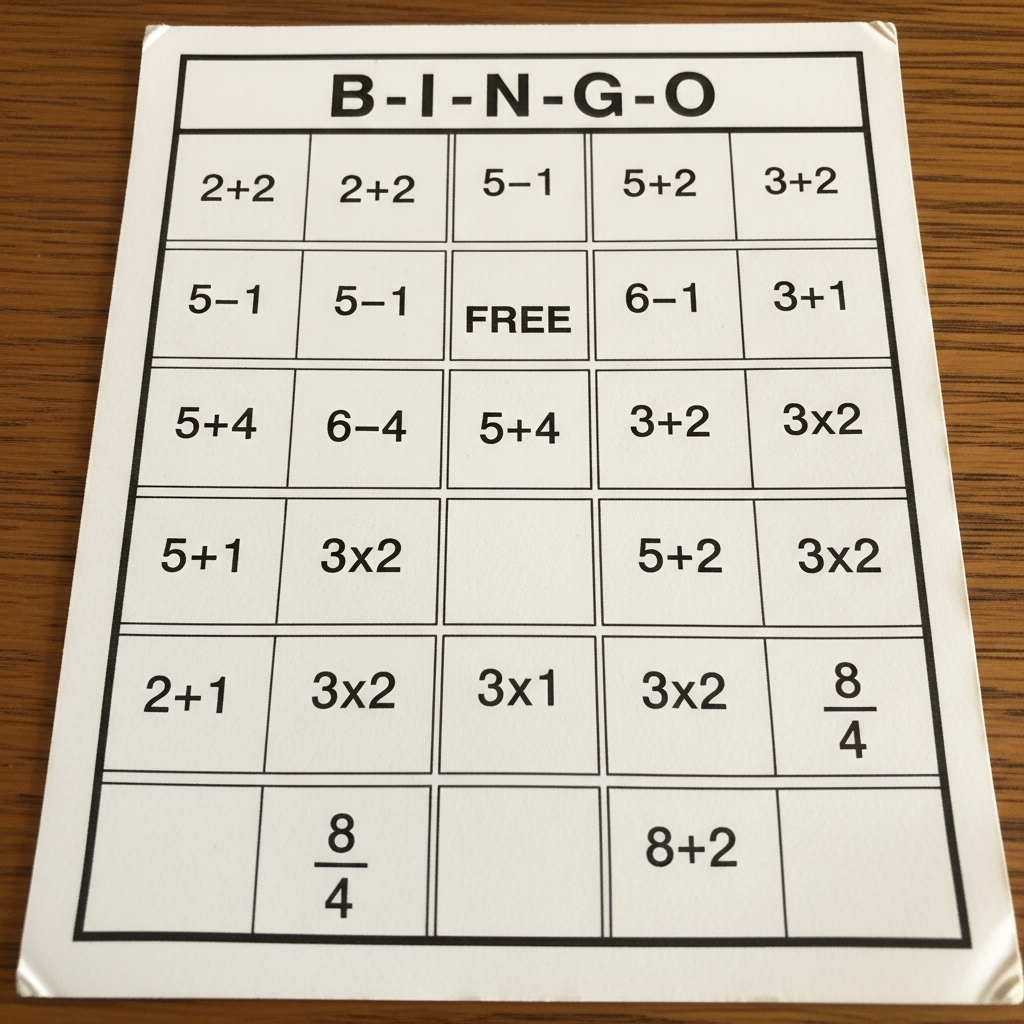
Replacing numbers with math problems makes Bingo a mental math exercise. Children must solve the equation quickly to see if they have the answer on their board.
24. Concentration Card Games
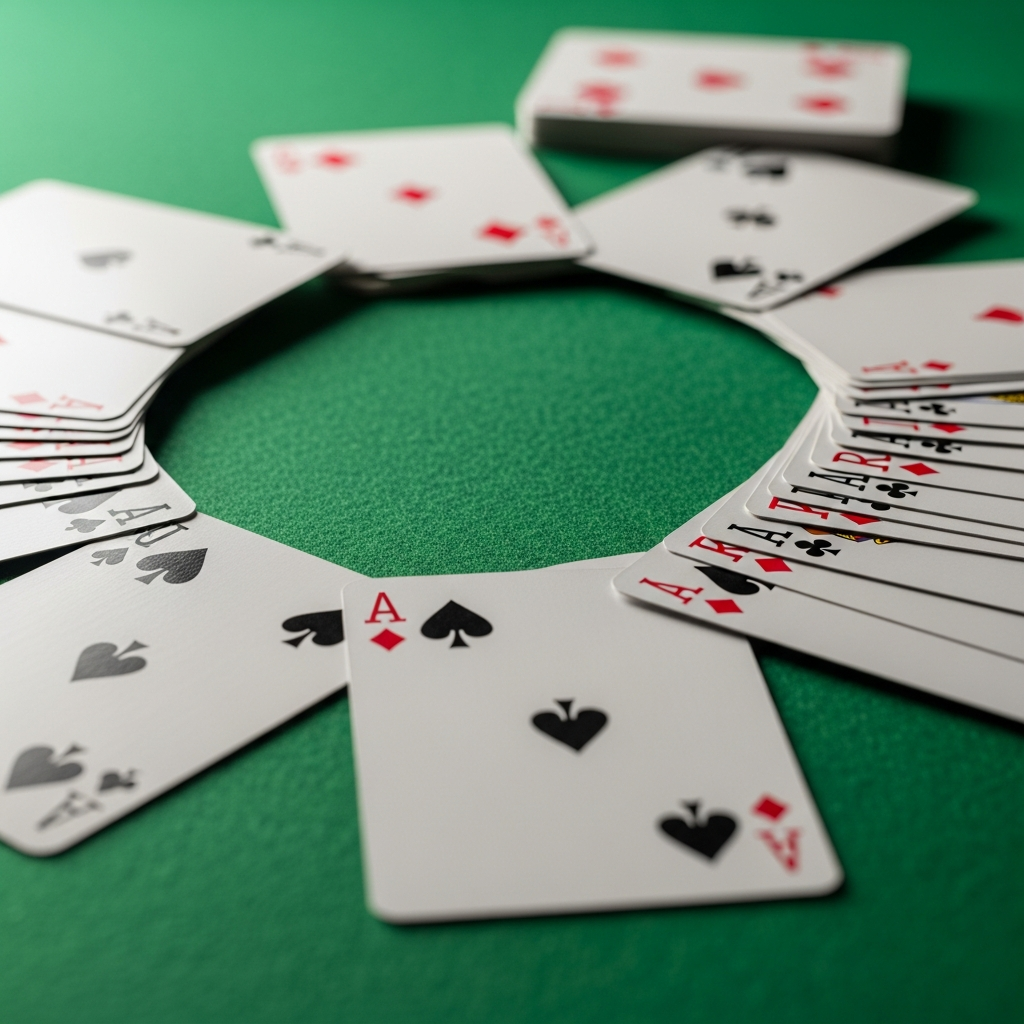
Similar to memory match but using standard playing cards, this game challenges children to remember ranks and suits, improving focus and detail orientation.
25. Red Light Green Light
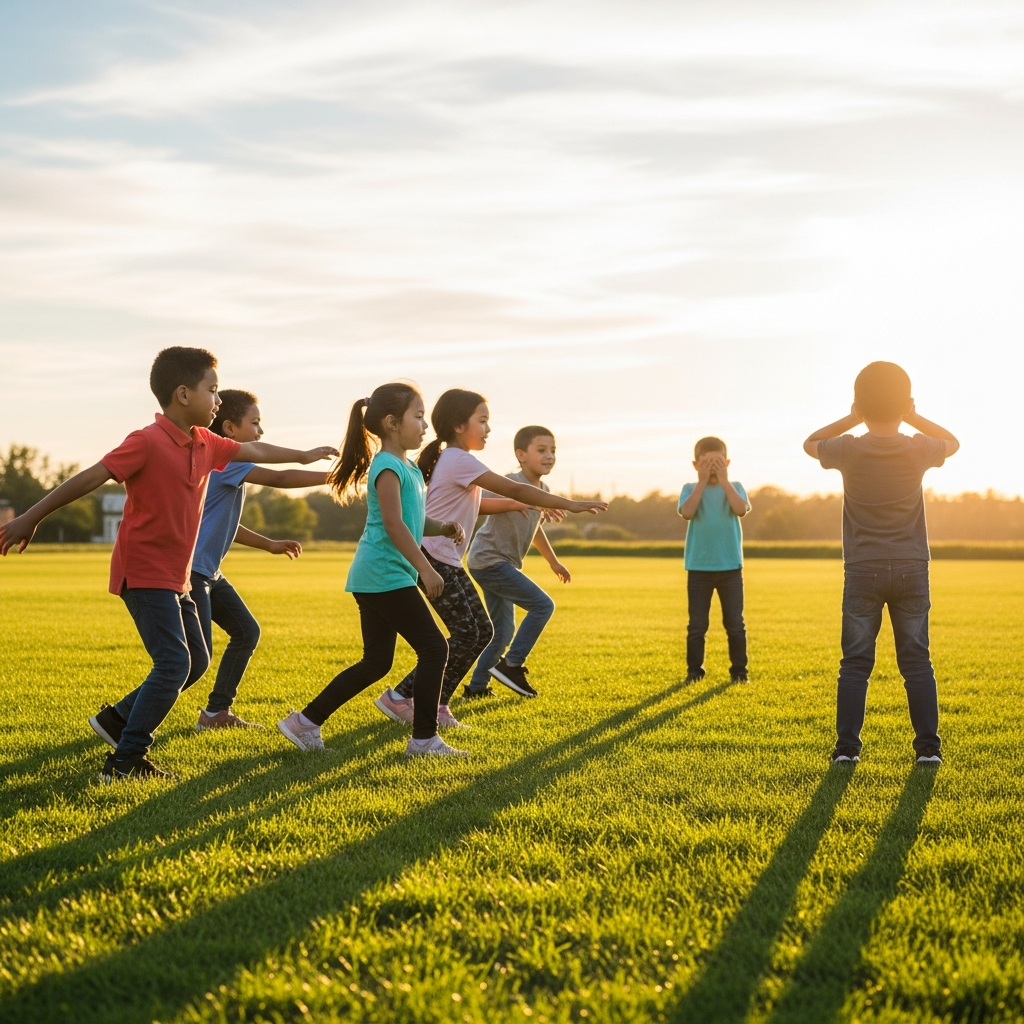
This physical game requires children to stop and start on command. It is excellent for developing inhibitory control and the ability to switch tasks quickly.
26. Follow the Leader

Following a sequence of actions from a leader improves observational skills and the ability to replicate complex movements or patterns.
27. Building Obstacle Courses
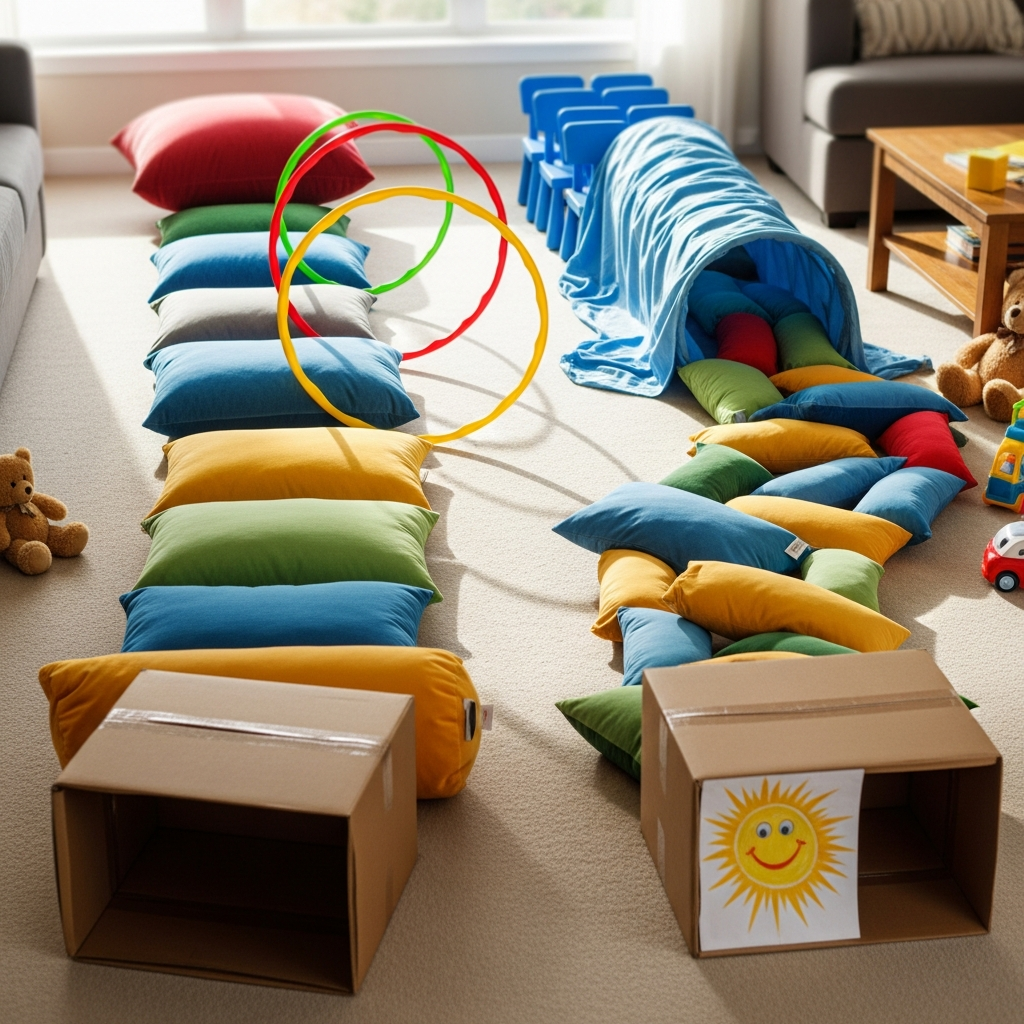
Designing and navigating an obstacle course requires planning and physical coordination. It challenges the brain to map out a route and execute it.
28. Charades for Non Verbal Communication

Acting out words without speaking builds creativity and helps children understand body language and non-verbal cues. It also encourages abstract thinking.
29. Pictionary for Visual Expression

Drawing a concept for others to guess requires the child to distill an idea into its most recognizable visual form. This boosts symbolic thinking.
30. Categorization Sorting Games
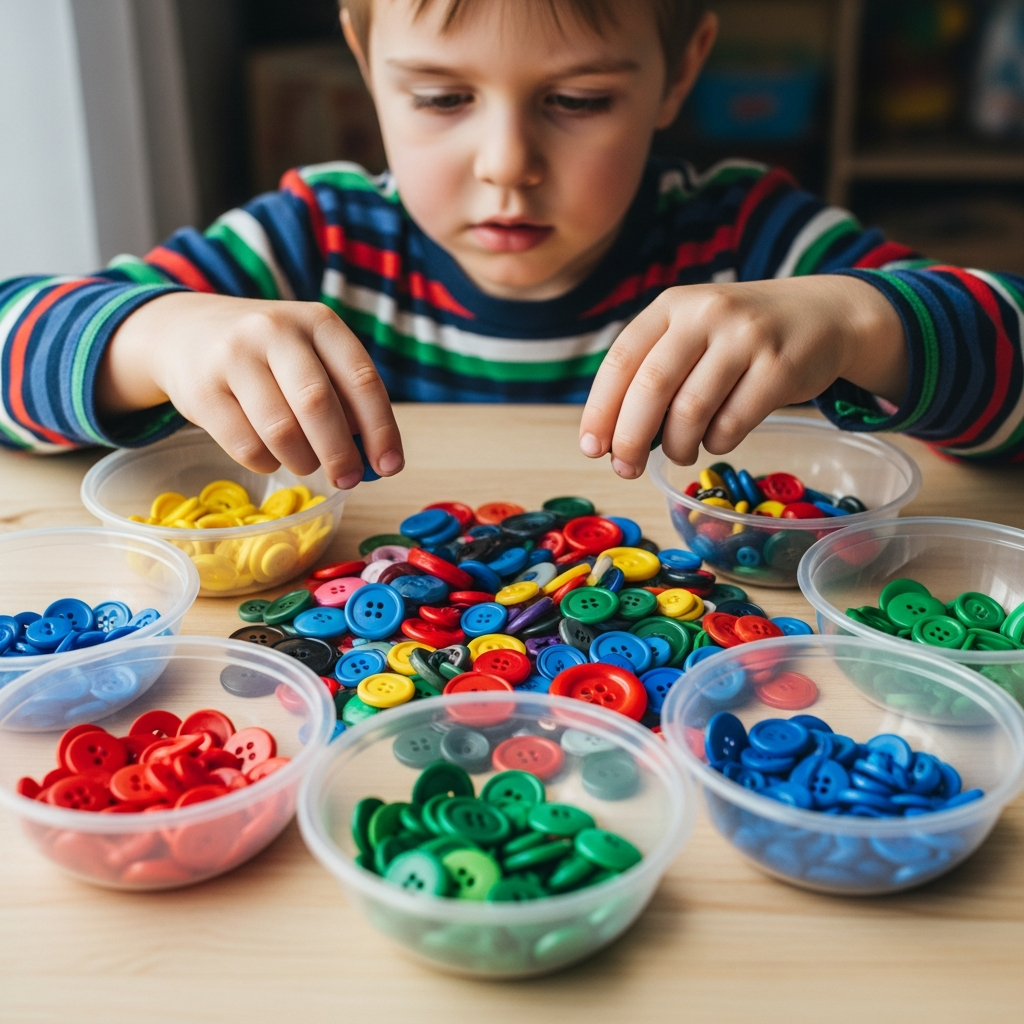
Asking children to sort objects by color, size, or type helps them understand hierarchy and classification. This is a fundamental logical skill.
31. Odd One Out Games

Identifying which item does not belong in a group requires children to find common traits and anomalies. This strengthens analytical reasoning.
32. The Mirror Game

Two children face each other and one mimics the movements of the other. This requires intense focus and improves empathy and motor synchronization.
33. Freeze Dance for Auditory Processing
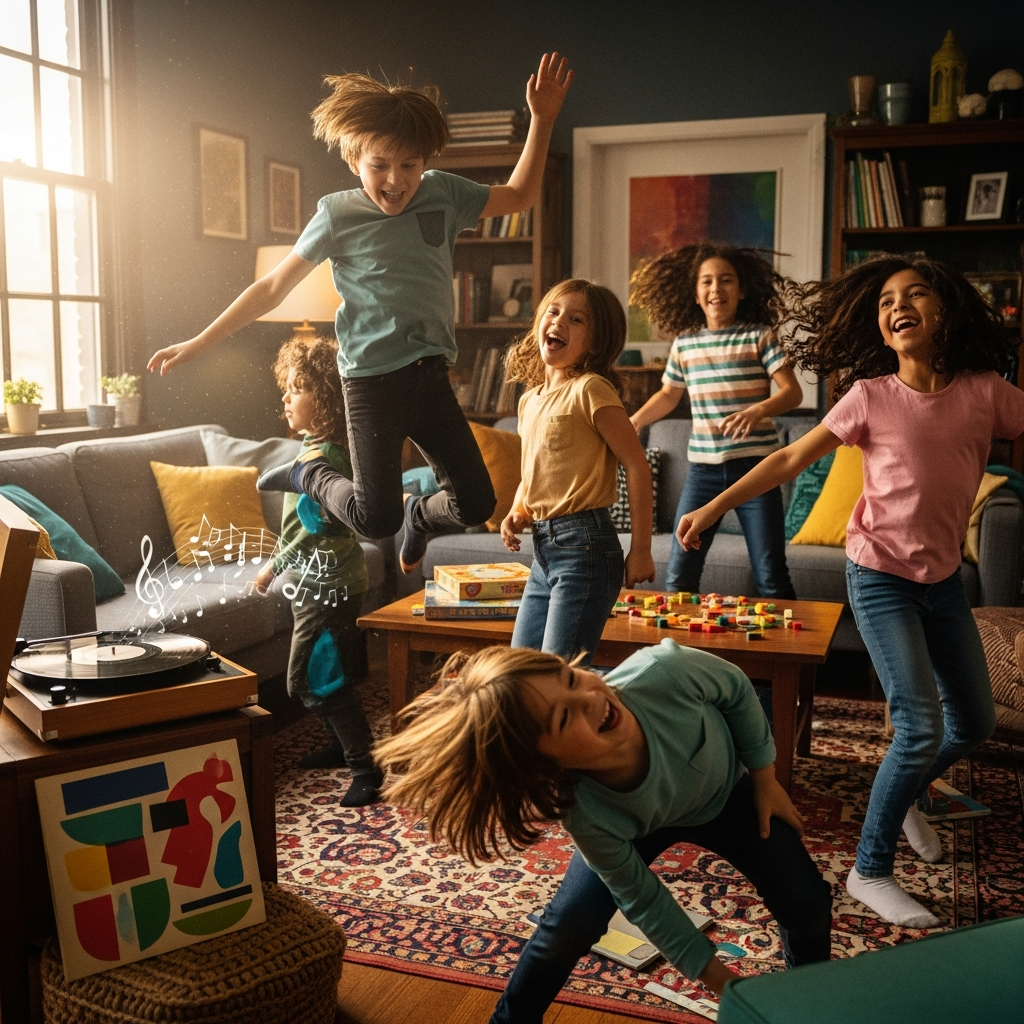
Dancing and stopping exactly when the music ends trains the brain to process auditory cues and react instantly. It builds better self-regulation.
34. Pattern Recognition with Beads

Creating patterns with colored beads helps children understand sequences and predictive logic. It is a foundational skill for mathematics.
35. Solving Riddles

Riddles require lateral thinking and the ability to look at language from different perspectives. They are fun ways to boost verbal intelligence.
36. Cup Shuffling Shell Game

Hiding a ball under one of three cups and shuffling them tests visual tracking and focus. Children must maintain attention on a moving target.
37. Strategic Card Games like Uno
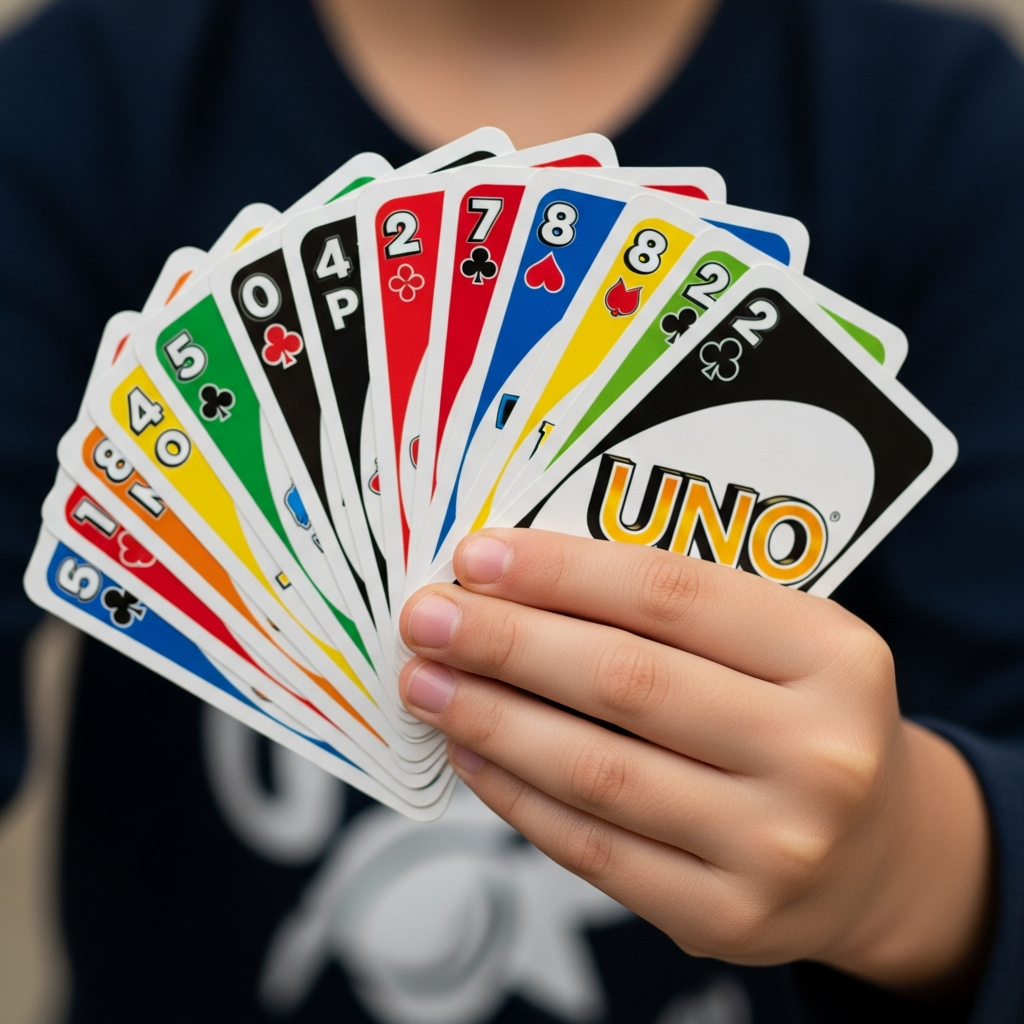
Games like Uno teach children to match colors and numbers while using action cards to change the game flow. This builds flexibility and tactical planning.
38. Connect Four Logic
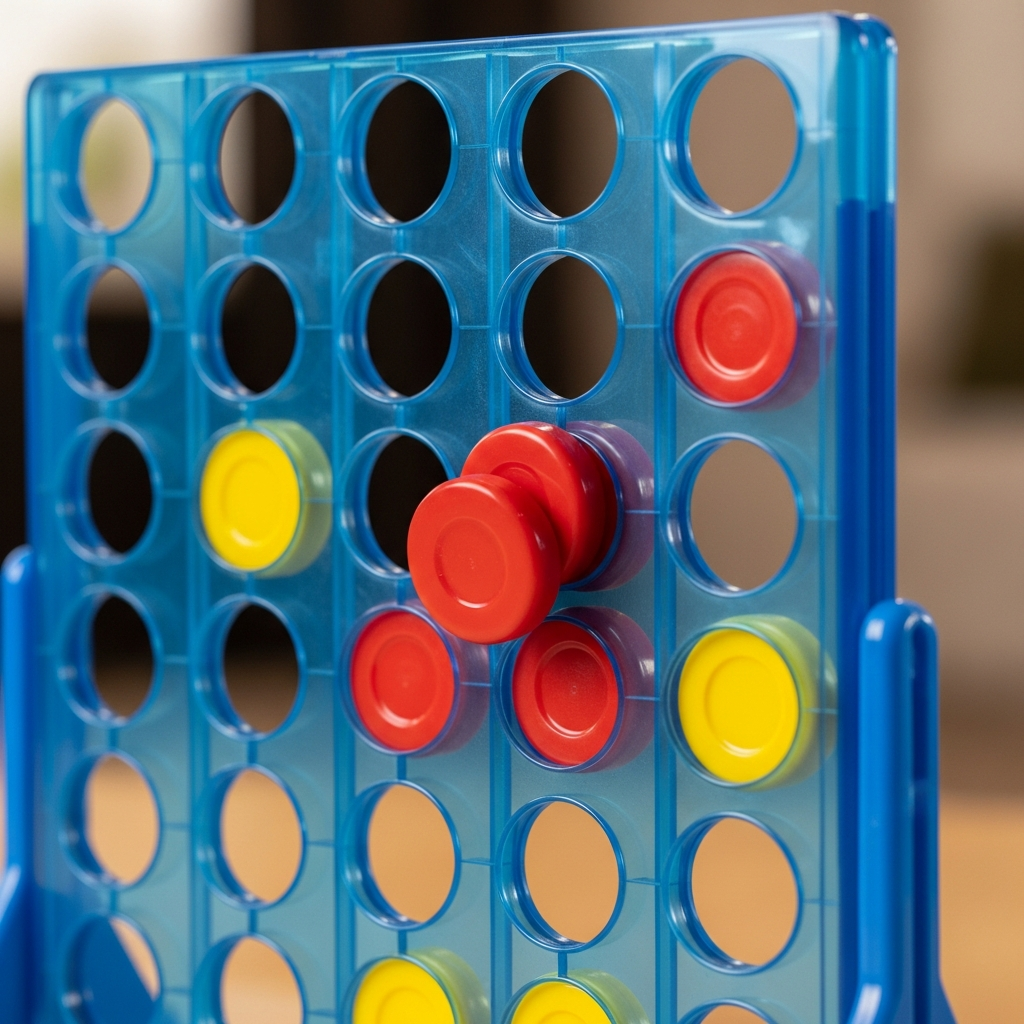
This game requires children to block their opponent while building their own line. It teaches spatial awareness and anticipating the opponent’s strategy.
39. Battleship for Coordinate Grids
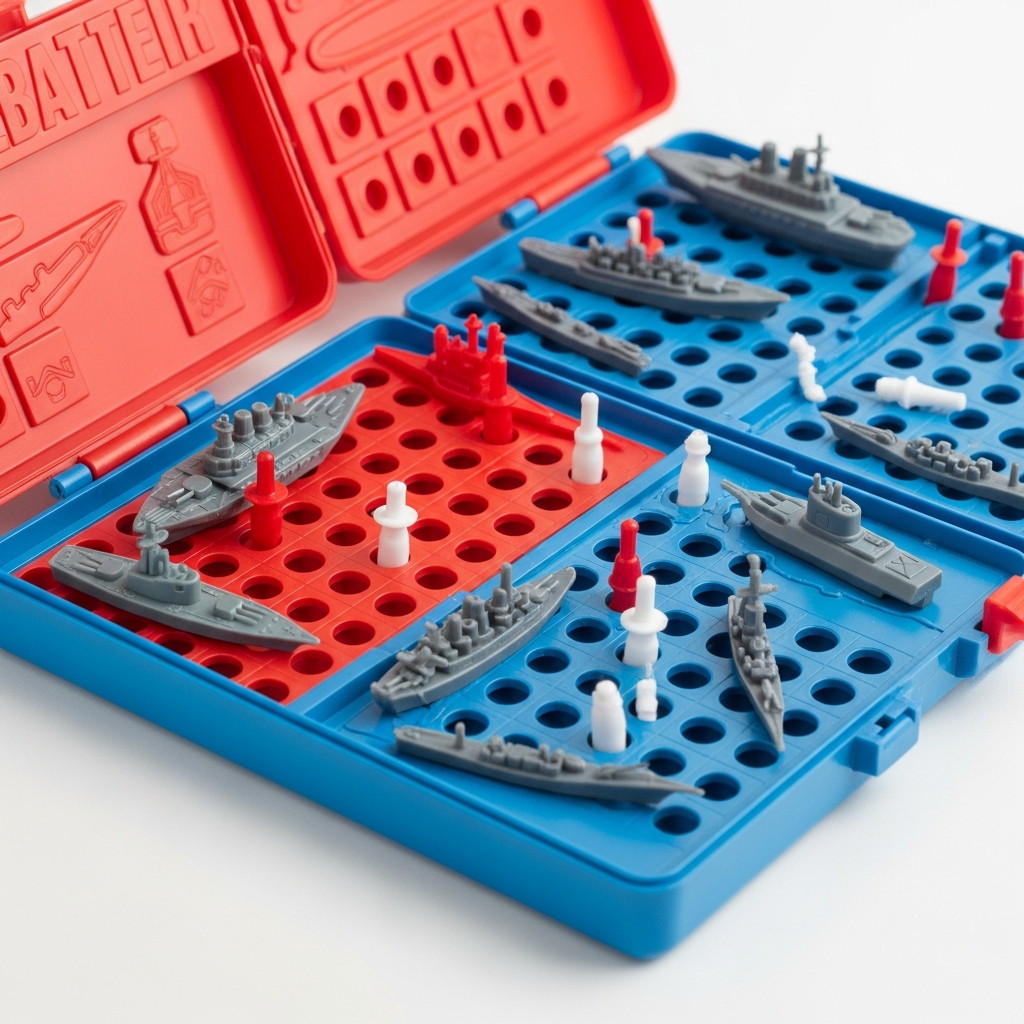
Battleship introduces children to the concept of coordinates. It also involves logic and probability as they try to locate hidden ships.
40. Blindfolded Guessing Game
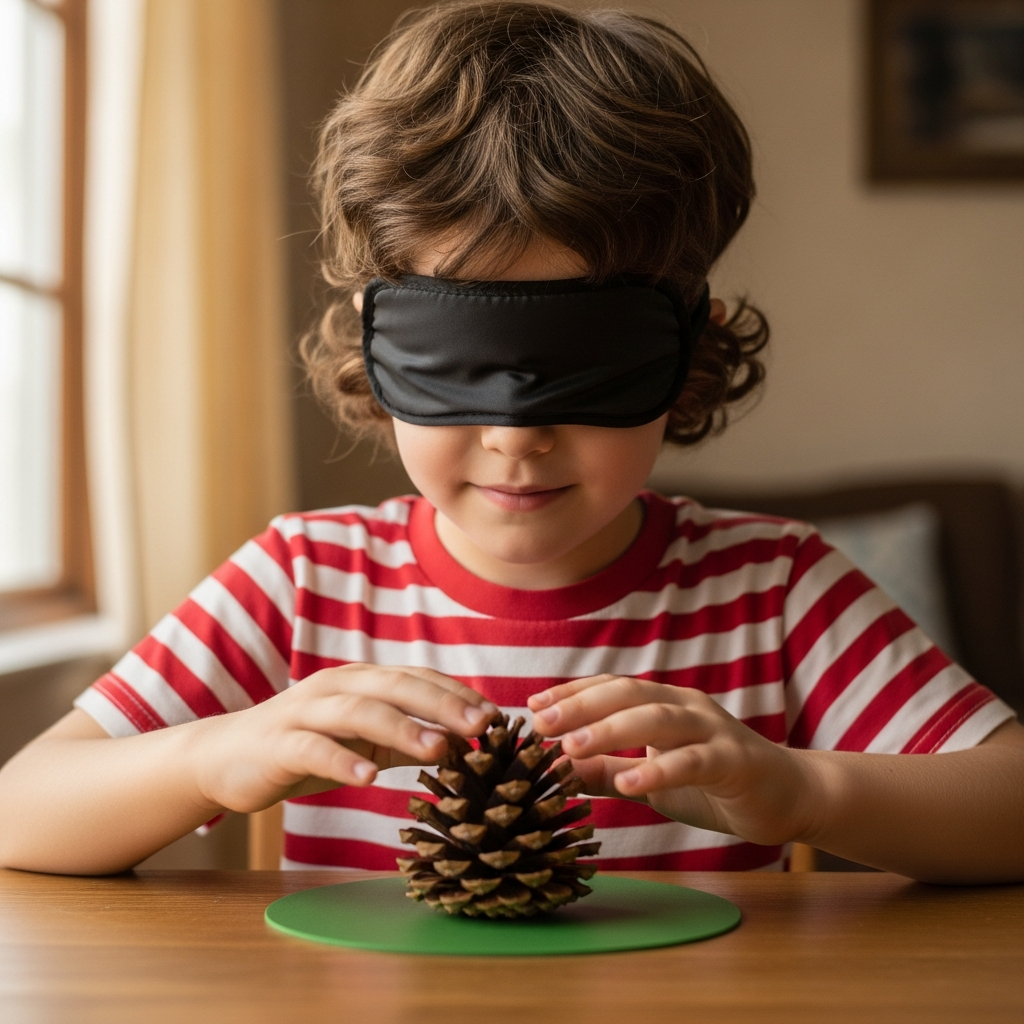
By removing sight, children must rely on touch, smell, or sound to identify objects. This sensory play strengthens the brain’s processing of other senses.
Conclusion
Incorporating these forty brain games into a child’s routine can significantly enhance their mental agility and cognitive skills. Beyond the educational benefits, these activities provide valuable bonding time and a sense of achievement for children. By making mental exercise a fun and regular part of life, you empower the next generation with the tools they need for logical thinking and creative problem-solving.