
Understanding ADHD in Children: Key Signs & Everyday Support Tips
Attention-Deficit/Hyperactivity Disorder (ADHD) is a common neurodevelopmental condition that affects how children focus, manage impulses, and control their energy levels. Every child with ADHD is unique — some struggle with attention, others are very energetic, and many experience a mix of both. Understanding ADHD helps parents support their child with patience, confidence, and compassion.
This simple, parent-friendly guide explains the key signs of ADHD and practical everyday support tips you can use at home and school.
What Is ADHD in Simple Words?
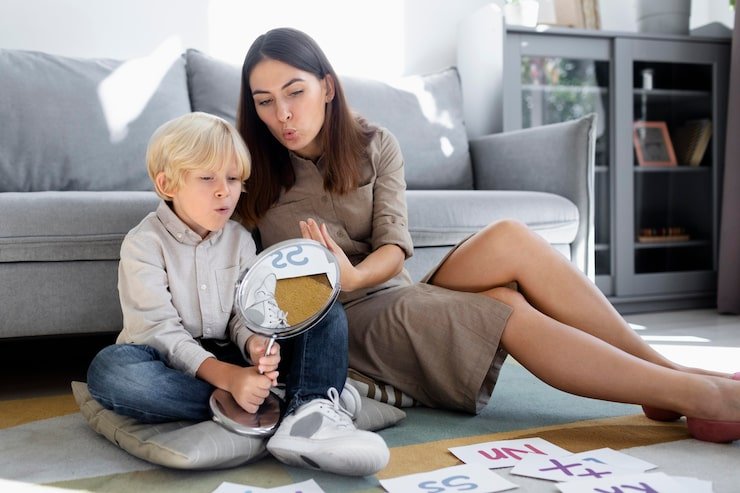
ADHD affects how the brain manages attention, movement, and impulse control.
It is not caused by bad parenting, too much screen time, or lack of discipline.
Kids with ADHD usually have strengths like:
- Creativity
- Curiosity
- Big imagination
- High energy
- Strong problem-solving skills
With the right support, children with ADHD can thrive.
Key Signs of ADHD in Children
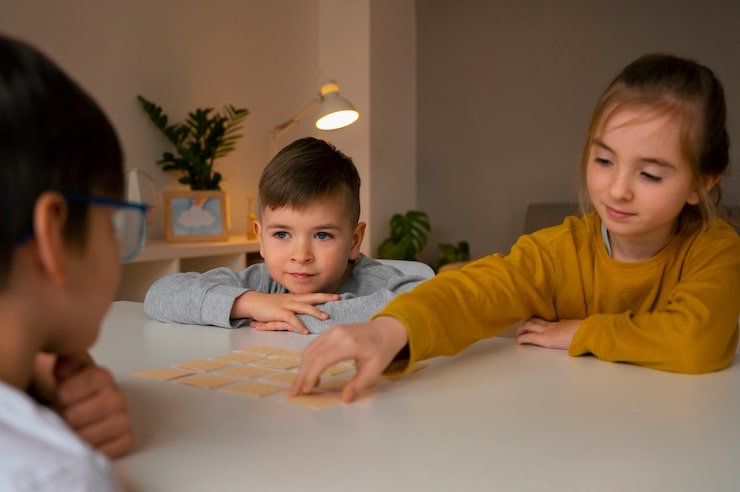
Children may show different signs depending on the type of ADHD they have.
Here are common patterns to look for:
Signs of Inattention
Kids may:
- Get easily distracted
- Forget school tasks or daily routines
- Lose items like pencils, toys, books
- Have trouble following multi-step instructions
- Make “careless” mistakes even when trying
- Struggle to stay focused on schoolwork
- Daydream often
They’re not being lazy — their brain works differently.
Signs of Hyperactivity
Kids may:
- Move constantly
- Fidget or tap hands and feet
- Climb or run in inappropriate places
- Talk excessively
- Have trouble sitting still during meals or class
Their body has more energy than most.
Signs of Impulsivity
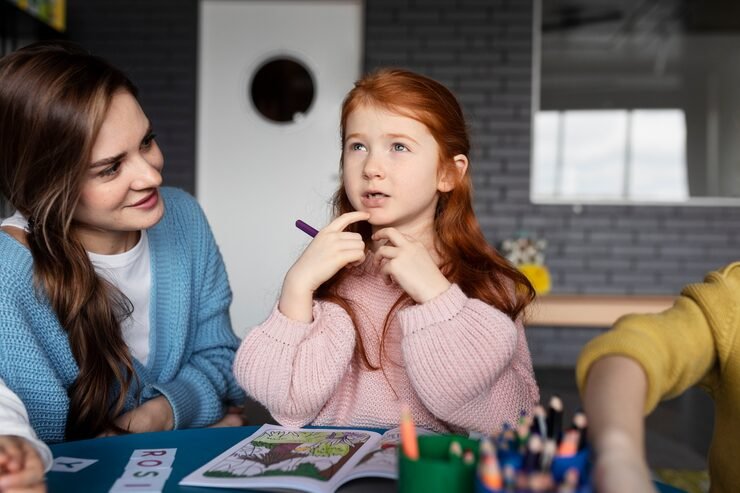
Kids may:
- Interrupt conversations
- Act without thinking
- Have trouble waiting their turn
- Grab toys or respond too quickly
- React emotionally without control
Impulsivity is part of how ADHD affects self-control.
Important Note for Parents
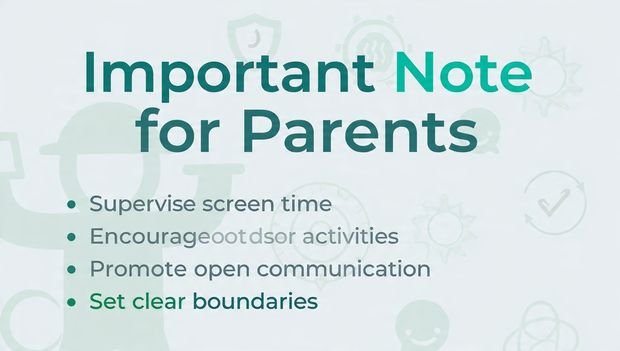
Seeing some of these signs does not automatically mean a child has ADHD.
All kids show these behaviors occasionally.
A diagnosis can only be made by a qualified healthcare professional.
Everyday Support Tips for Parents

Supporting a child with ADHD doesn’t require perfection — just simple strategies used consistently.
Create Clear, Simple Routines

Daily routines help kids feel secure and organized.
Try:
- Morning checklist
- After-school routine
- Bedtime steps (bath, brush, story, sleep)
Visual charts work especially well for ADHD kids.
Use Short, Simple Instructions
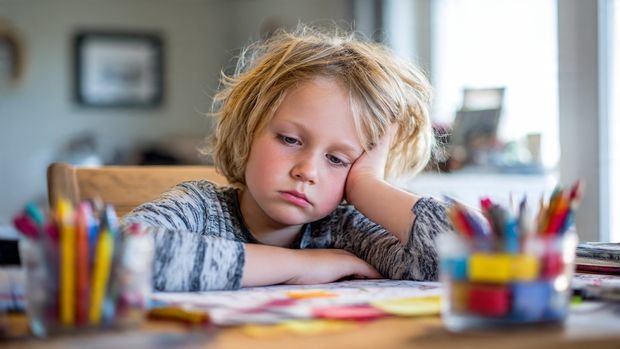
Break tasks into small steps.
Instead of:
“Clean your room,” try:
“Put toys in the box. Then put clothes in the hamper.”
Small steps reduce overwhelm.
Give Positive, Specific Praise
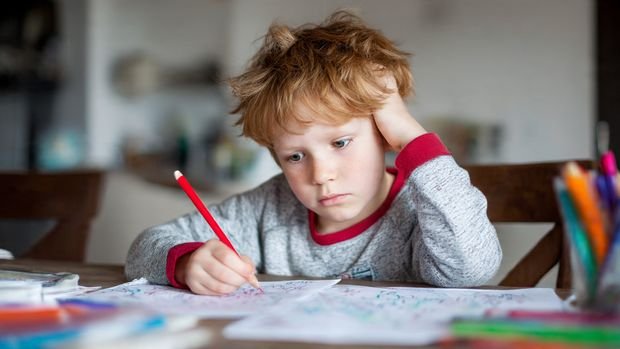
Kids with ADHD hear “no” very often.
Praise boosts confidence and motivation.
Examples:
- “I love how you started your homework right away.”
- “Great job waiting your turn!”
- “You cleaned up so fast!”
Positive reinforcement works better than punishment.
Provide Movement Breaks

Short bursts of movement help kids refocus.
Try:
- Jumping jacks
- Stretching
- Dancing
- A quick run
- 2-minute wiggle break
Movement helps their brain reset.
Create an ADHD-Friendly Homework Space
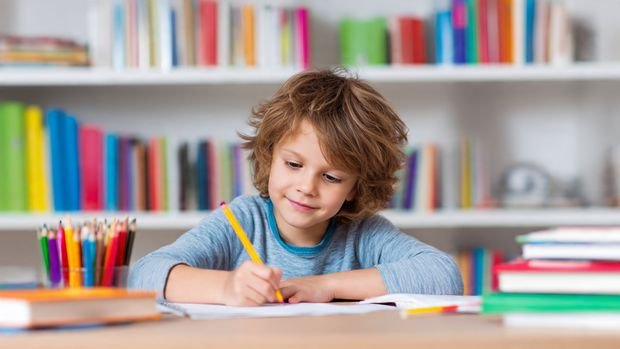
A good learning spot is:
- Quiet
- Clutter-free
- Well-lit
- Away from screens
Use timers for short work periods (10–15 minutes) followed by breaks.
Offer Choices to Reduce Power Struggles

Choices give kids a sense of control.
Try:
- “Do you want to do math or reading first?”
- “Red cup or blue cup?”
- “Should we clean for 5 or 7 minutes?”
Small choices build cooperation.
Use Tools That Help Focus

Some kids focus better with:
- Fidget toys
- Stress balls
- Weighted lap pads
- Chewable jewelry
- Headphones
- Visual timers
These tools support emotional and sensory regulation.
Break Big Tasks Into Mini Tasks

Large tasks feel impossible. Mini tasks feel achievable.
Example:
Homework → 1 page reading + 5 minutes break + 1 page writing.
Success builds momentum.
Be Patient With Emotional Ups and Downs

Kids with ADHD may feel emotions more strongly.
Help by:
- Staying calm
- Offering hugs
- Naming feelings (“You’re frustrated, I understand.”)
- Giving space when needed
Emotional support helps children learn self-control.
Work With Teachers

Teachers can help by using:
- Seating support
- Breaks between tasks
- Visual instructions
- Extra reminders
- Positive reinforcement
Teamwork creates the best environment for learning.
When to Consider Professional Help

If your child’s behavior affects school, friendships, or home life, you may consider talking to:
- A pediatrician
- A child psychologist
- A child psychiatrist
- An occupational therapist
They can offer personalized strategies, assessments, and support.
Final Thoughts
Children with ADHD are full of potential. With understanding, patience, and the right everyday strategies, they can thrive at home, school, and in relationships. Your support helps them build confidence, independence, and emotional strength.
Remember: your child is not difficult — their brain just works differently, and that difference comes with unique strengths. With love, structure, and positive guidance, you can help them navigate challenges and shine brightly.