Why Fathers Play a Bigger Role in Toddler Development Than We Think
Why Fathers Play a Bigger Role in Toddler Development Than We Think
In the beautiful, often chaotic world of toddlerhood, we frequently focus on the primary caregiver, traditionally the mother. While a mother’s bond is undeniable and crucial, the unique and significant role fathers play in shaping their toddler’s development is often underestimated. Dads are not just ‘helpers’ or ‘secondary parents’—they are essential architects of their children’s future, contributing in ways that profoundly impact cognitive, emotional, social, and physical growth. It’s time to shine a light on the incredible influence fathers wield during these formative years.
Beyond the Stereotype – What Fatherly Play Looks Like
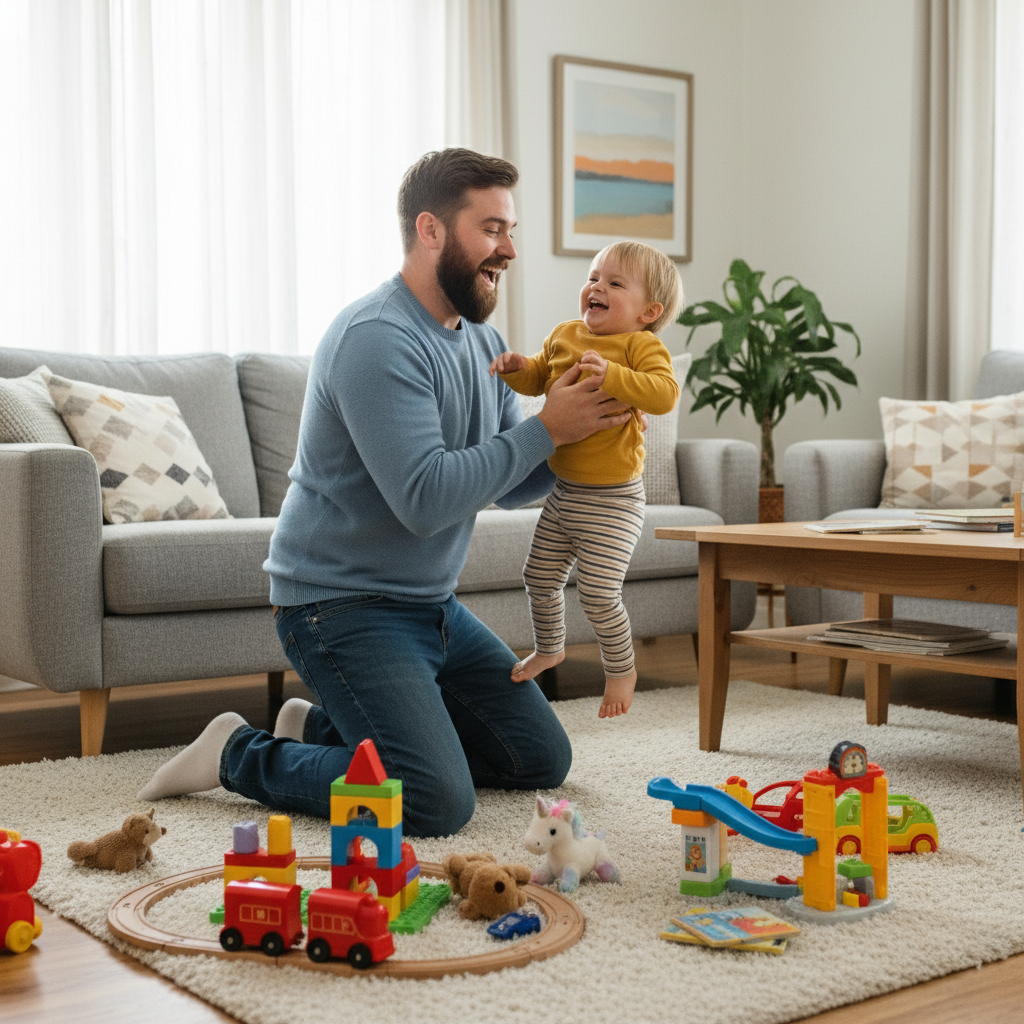
When we think of fathers and toddlers, often images of rough-and-tumble play come to mind. And while this energetic interaction is incredibly valuable, a father’s engagement goes much deeper. Dads often bring a different dynamic to playtime, encouraging exploration, risk-taking within safe boundaries, and problem-solving. This isn’t about being ‘better’ or ‘worse’ than mothers, but simply different, offering a complementary set of experiences that broaden a toddler’s world.
Unique Play Styles and Their Benefits
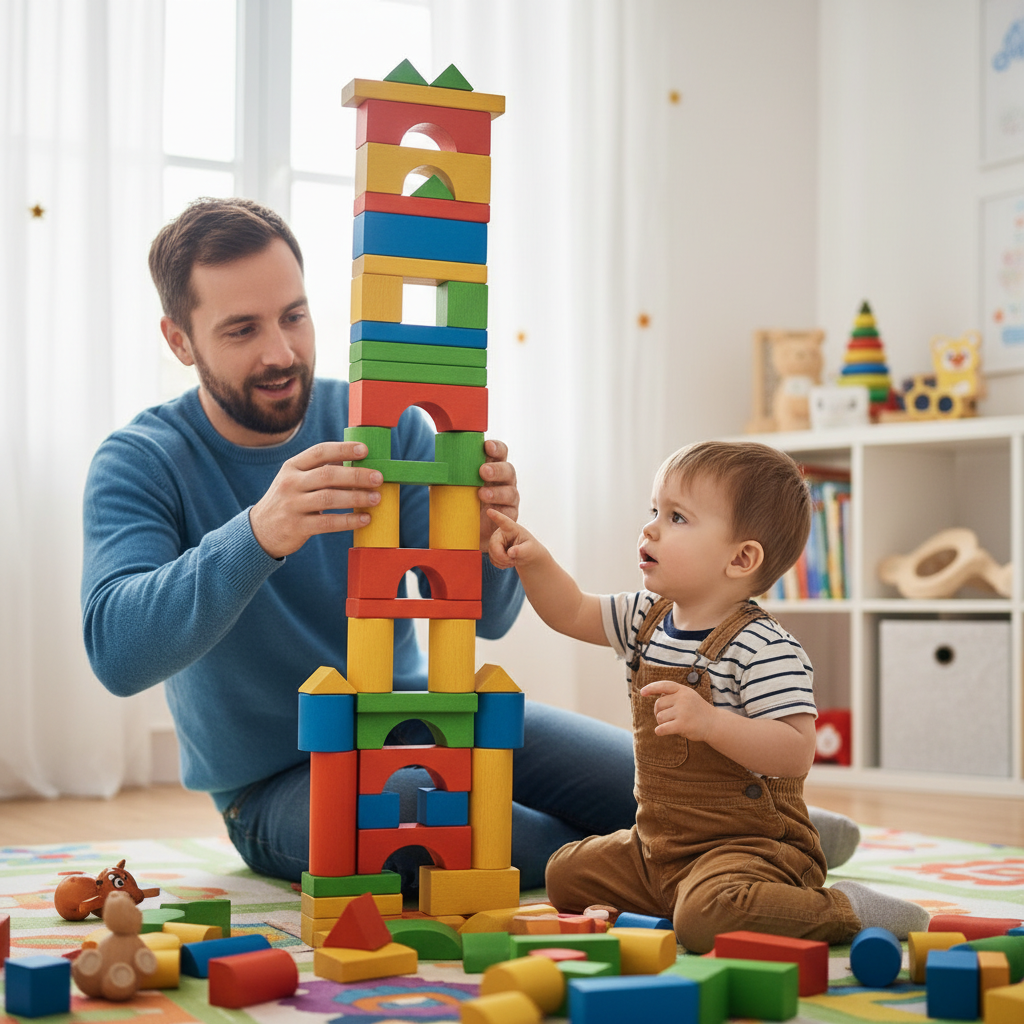
- Rough-and-Tumble Play This type of play, characterized by wrestling, chasing, and tickling, helps toddlers learn about physical boundaries, self-control, and how to manage strong emotions. It’s a safe space to test limits.
- Problem-Solving Focus Fathers often challenge toddlers to figure things out independently, offering guidance rather than immediate solutions. This fosters resilience and critical thinking.
- Exploration and Adventure Dads might encourage climbing higher on playground equipment or venturing further on a walk, promoting confidence and a sense of adventure.
Cognitive Growth – A Father’s Unique Contribution
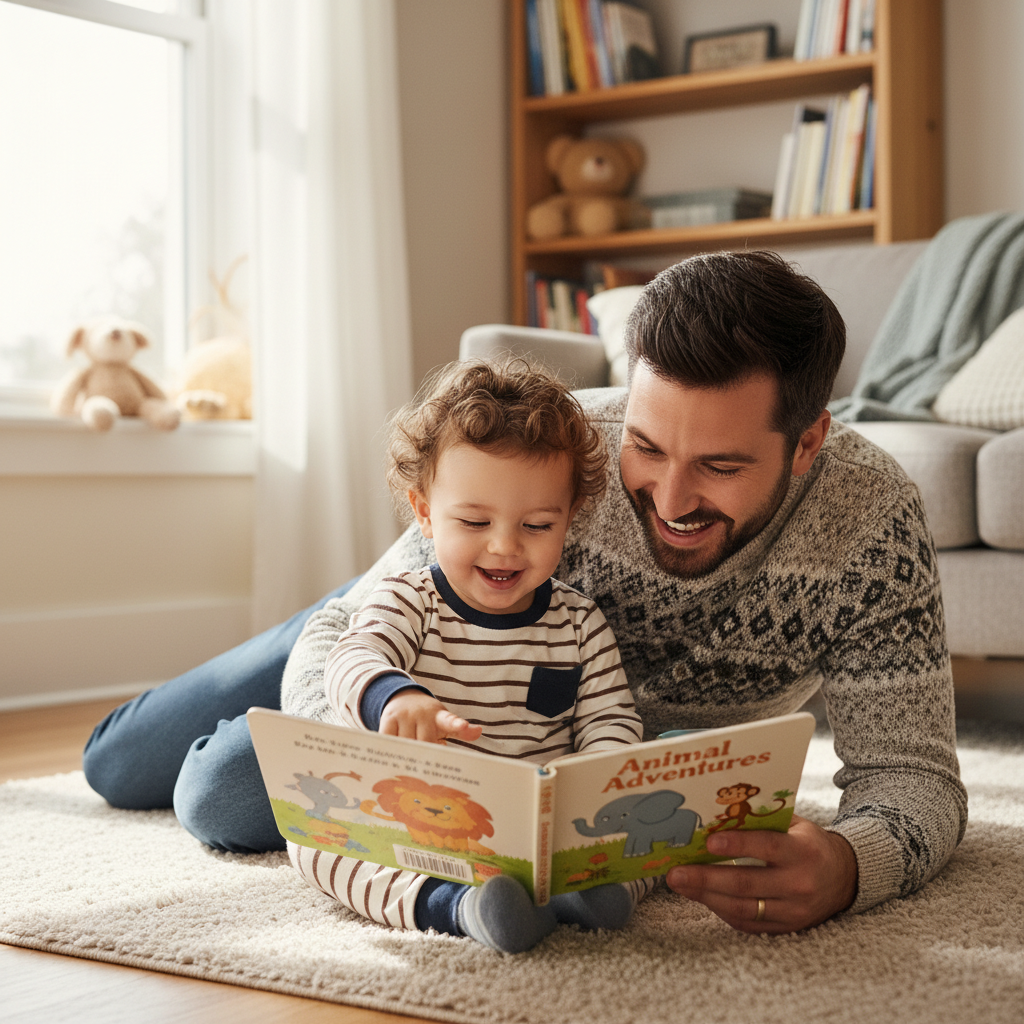
A father’s involvement can significantly boost a toddler’s cognitive development. Research suggests that children with highly engaged fathers often perform better in school and demonstrate stronger problem-solving skills. Fathers tend to use more varied language, introducing new words and concepts, which enriches a child’s vocabulary and understanding of the world.
Encouraging Curiosity and Learning
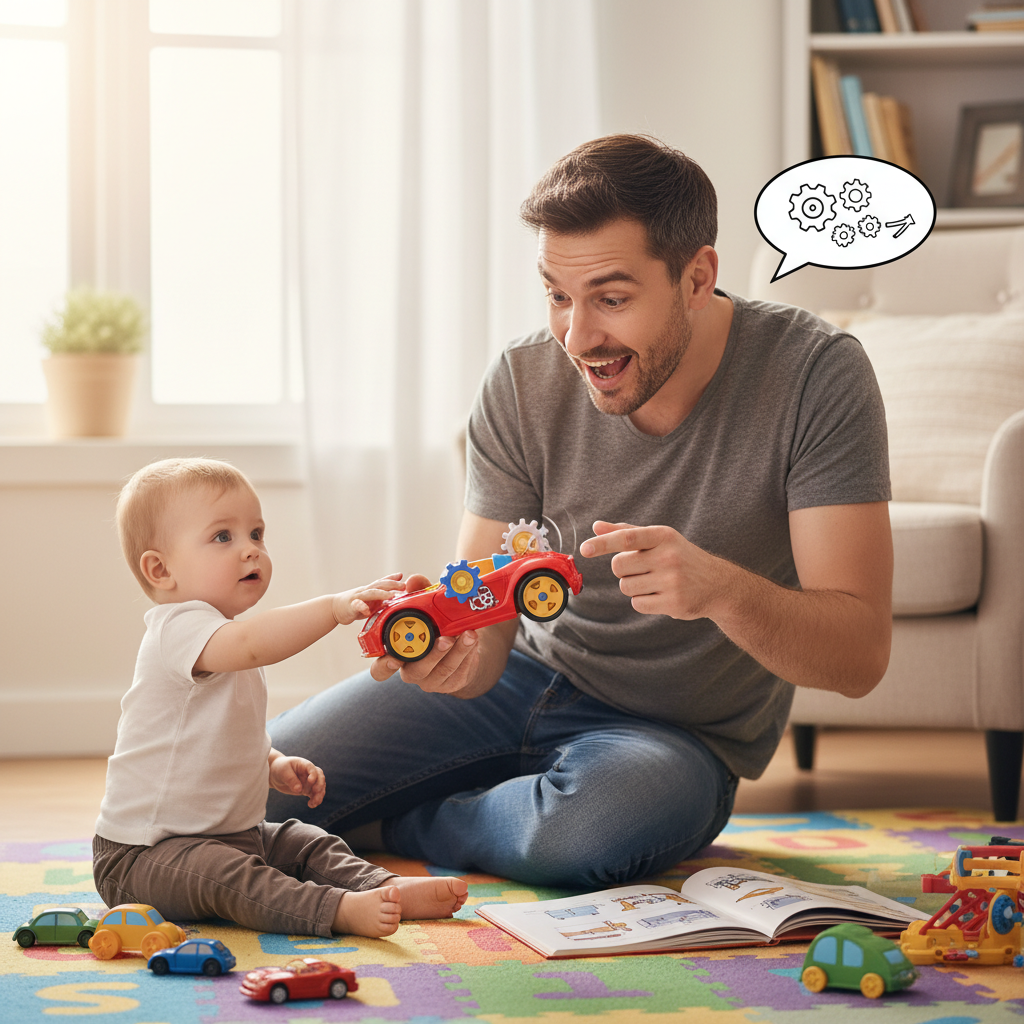
The way fathers interact can spark a deeper curiosity. By asking “what if” questions or encouraging a toddler to experiment, dads help build foundational scientific thinking. This isn’t about formal lessons, but about making everyday interactions an opportunity for discovery. For instance, explaining why a ball rolls down a ramp or how a toy works can be incredibly stimulating for a young mind.
Emotional Intelligence – Building a Secure Foundation

Beyond cognitive benefits, fathers play a pivotal role in a toddler’s emotional development. A strong, positive relationship with their father helps toddlers develop a secure attachment, which is crucial for emotional regulation and resilience. When fathers express affection, listen actively, and validate feelings, they teach their children invaluable lessons about emotional expression and empathy.
Teaching Emotional Regulation

Fathers often model different ways of handling emotions. Through their reactions to stress, joy, or frustration, toddlers learn how to process their own feelings. A dad who can calmly navigate a toddler tantrum, offering comfort and understanding, provides a powerful example of emotional control and compassion. This consistent, loving presence builds a sense of security and trust.
Social Skills – Navigating the World Together

A father’s influence extends significantly to a toddler’s social development. Dads often act as a bridge to the wider world, helping children learn how to interact with others, understand social cues, and develop a sense of self within a group. This is particularly evident in how fathers encourage independence and social exploration.
Learning Boundaries and Respect
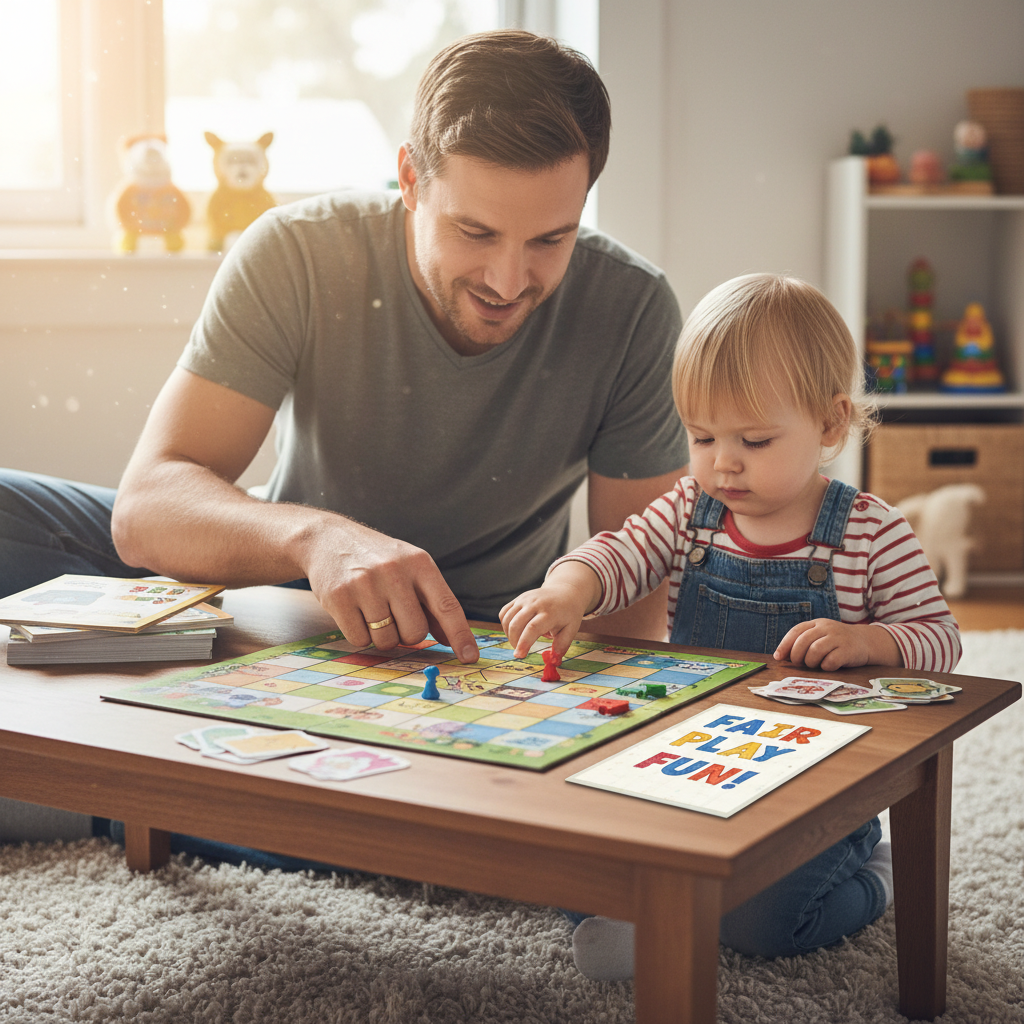
Through interactions with their father, toddlers learn about boundaries, respect, and negotiation. Playtime with dad often involves more explicit rules or challenges, which helps children understand cause and effect in social situations. This early exposure to different social dynamics prepares them for interactions with peers and other adults.
Physical Development – Encouraging Adventure and Gross Motor Skills

The physical play style often associated with fathers has direct benefits for a toddler’s gross motor skills and physical confidence. From hoisting them onto shoulders to chasing them around the yard, these activities build strength, coordination, and balance. This encouragement of physical exploration helps toddlers feel more competent and adventurous in their bodies.
Building Confidence Through Movement
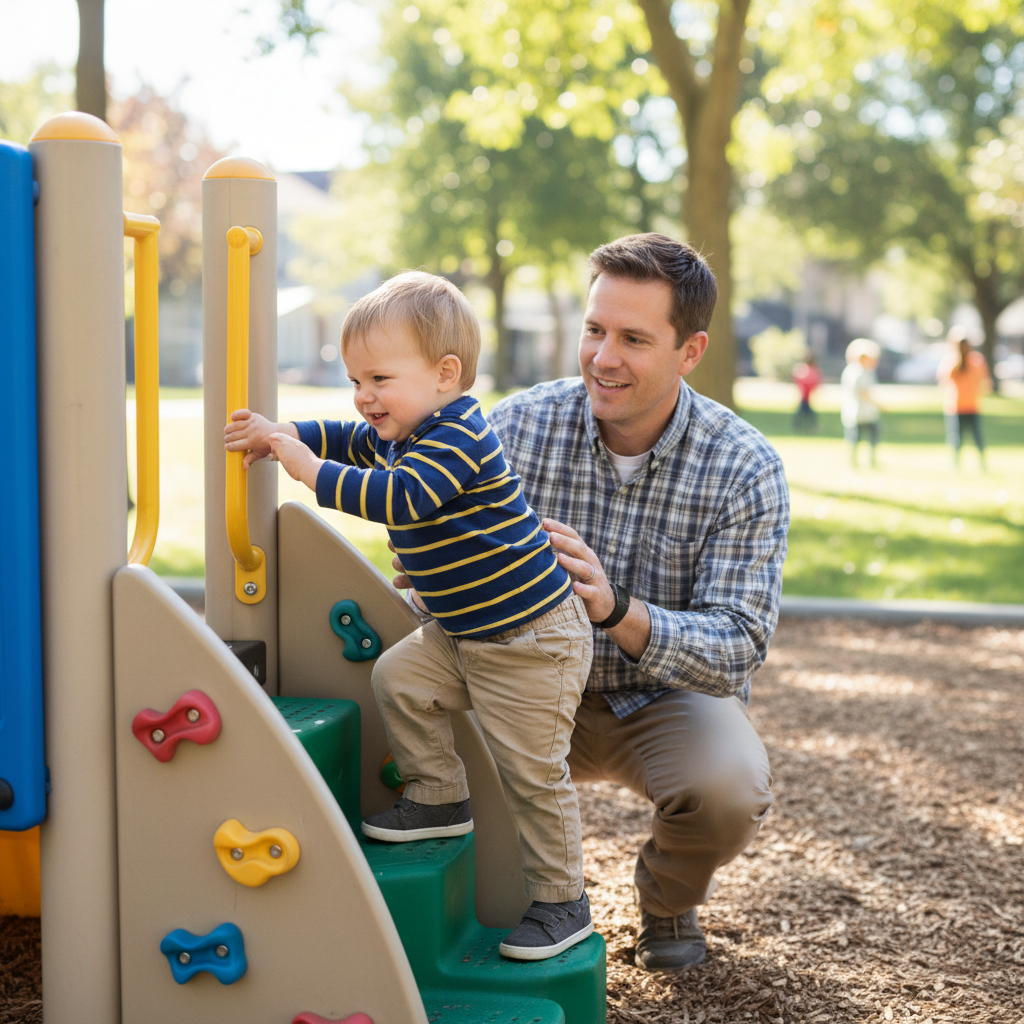
When dads encourage toddlers to try new physical challenges, like climbing a small slide or balancing on a low beam, they foster a sense of bravery and physical competence. The reassurance and presence of a father can give a toddler the confidence to push their physical limits safely, leading to better motor skill development and a healthier, more active lifestyle.
Practical Ways Dads Can Engage with Their Toddlers

It doesn’t take grand gestures to make a difference. Consistent, loving engagement in everyday moments is what truly counts. Here are some simple, yet powerful ways fathers can connect with their toddlers:
- Daily Routines Be present during bath time, meal times, or bedtime stories. These predictable moments offer rich opportunities for connection and conversation.
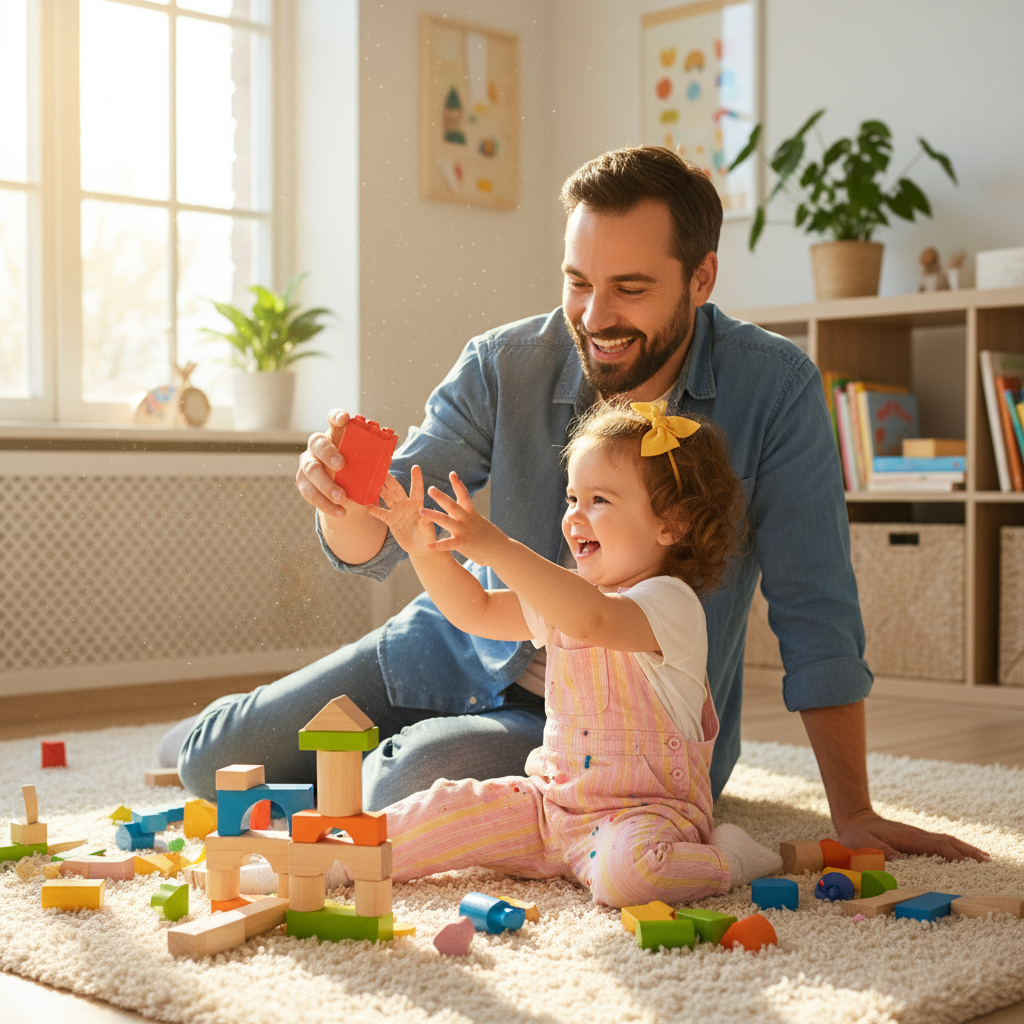
- Dedicated Play Time Even 15-20 minutes of focused, uninterrupted play where the toddler leads can make a huge impact. Get down on their level and enter their world.
- Outdoor Adventures Explore parks, go for walks, or simply play in the backyard. Nature provides endless opportunities for discovery and bonding.
- Reading Together Snuggle up with books. Reading not only boosts language skills but also creates a cherished, calm bonding experience.
- Help Around the House Involve your toddler in simple chores. They love to “help,” and it teaches them responsibility while spending time with you.
Overcoming Challenges – Support for Dads

Being an engaged father isn’t without its challenges. Time constraints, work pressures, and even societal expectations can make it difficult. Remember, you don’t have to be perfect. Small, consistent efforts add up. Communicate with your co-parent about shared responsibilities and make intentional time for your toddler. Seek out fatherhood groups or resources if you need support or ideas.
Conclusion
The impact of a father’s presence and engagement in a toddler’s life is truly profound and multifaceted. From fostering cognitive growth and emotional intelligence to building social skills and physical confidence, dads offer a unique and indispensable contribution to their children’s development. Every cuddle, every game, every shared moment builds a stronger foundation for a well-rounded, resilient, and happy child. Fathers, your role is not just important—it’s transformative. Embrace it, enjoy it, and know that you are making an incredible difference.