Why Annoying Toddler Behavior Is Actually a Sign of Growth
Why Annoying Toddler Behavior Is Actually a Sign of Growth
As parents, we’ve all been there- standing in the grocery aisle, a toddler mid-meltdown, or patiently explaining for the tenth time why we can’t eat sand. These moments can feel utterly exhausting and, let’s be honest, a little annoying. It’s easy to get caught up in the frustration, wondering if our sweet little ones have suddenly turned into tiny, defiant dictators. But what if we told you that these challenging behaviors aren’t just random acts of chaos? What if they’re actually brilliant, albeit messy, signs of incredible growth and development?
In the whirlwind world of toddlerhood, every “no,” every boundary push, and every intense emotion is a stepping stone. These seemingly frustrating actions are crucial milestones, signaling that your child is actively exploring their world, asserting their independence, and building the foundations for their future self. By reframing our perspective, we can transform moments of exasperation into opportunities for understanding, connection, and even celebration. Let’s dive into why your toddler’s “annoying” behaviors are actually proof they’re thriving.
Beyond the Frustration- Understanding Toddler Development
It’s easy to label a toddler’s challenging actions as “misbehavior.” However, viewing these moments through the lens of child development offers a much more compassionate and accurate picture. Toddlers are undergoing an explosion of growth in every area- cognitive, emotional, social, and physical. Their brains are rapidly forming connections, their language skills are blossoming, and their understanding of the world is expanding at an astonishing rate. This intense period of development naturally comes with some bumps in the road.
Many of the behaviors we find challenging are simply toddlers experimenting with their newfound abilities and trying to make sense of their environment. They’re not trying to be difficult; they’re trying to learn. Understanding this fundamental truth can help us shift our response from frustration to empathy, allowing us to support their growth more effectively.
The Quest for Independence- Boundary Testing

One of the most common “annoying” toddler behaviors is boundary testing. This might look like running away when called, climbing on furniture despite being told not to, or refusing to sit still. While it can feel like a direct challenge to your authority, it’s actually a vital step in your toddler’s journey toward independence.
Toddlers are discovering they are separate individuals with their own will. They are testing the limits of their environment and their caregivers to understand where they fit in and how much control they have. This exploration is essential for developing self-awareness and autonomy. When they push boundaries, they’re not being naughty; they’re gathering information about their world and their place within it.
Practical Tips for Boundary Testing
- Set Clear and Consistent Limits– Use simple language and follow through.
- Offer Safe Exploration– Provide opportunities for them to test physical limits in a secure environment, like a playground.
- Choose Your Battles– Not every boundary needs a firm “no.” Sometimes, redirection or a gentle explanation is enough.
The Power of “No”- Asserting Selfhood

The infamous “no” phase! It can feel like every request is met with a firm shake of the head or a shouted “NO!” from your little one. While it can be incredibly frustrating, this is a powerful sign that your toddler is developing a strong sense of self and an understanding of their own desires.
Saying “no” is a toddler’s way of asserting their budding autonomy. It’s how they practice having a voice and making choices, even if those choices seem illogical to us. This ability to express dissent is a critical social-emotional skill that will serve them well throughout life. They are learning that they have agency, and that’s a huge step forward.
Navigating the “No” Phase
- Offer Limited Choices– Instead of “Do you want to put on your shoes?” try “Do you want the red shoes or the blue shoes?”
- Acknowledge Their Feelings– “I hear you don’t want to leave the park. It’s hard to go when you’re having fun.”
- Stay Calm and Firm When Necessary– For non-negotiable situations (safety, health), gently but firmly guide them without getting into a power struggle.
Emotional Rollercoasters- Learning to Cope

Tantrums are perhaps the most universally dreaded toddler behavior. The sudden, intense outburst of crying, screaming, or even throwing themselves on the floor can be overwhelming for everyone involved. But here’s the truth- tantrums are not manipulative; they are a sign of overwhelming emotions and underdeveloped coping skills.
Toddlers experience big feelings (joy, anger, frustration, sadness) just like adults, but they lack the language and emotional regulation tools to express them appropriately. A tantrum is often a communication breakdown, a desperate plea for help when their little brains can’t process or articulate what they’re feeling. It’s a developmental phase where they’re learning to manage their emotions, and they need our calm guidance.
Supporting Emotional Regulation
- Stay Present and Calm– Your calm presence is their anchor in the storm.
- Validate Their Feelings– “I see you’re very angry that the block tower fell down.”
- Offer Comfort and Connection– A hug, a gentle touch, or simply sitting near them can help them feel safe.
- Teach Emotion Words– Help them label what they’re feeling as they grow.
Repetitive Play and Obsessions- Mastering New Skills
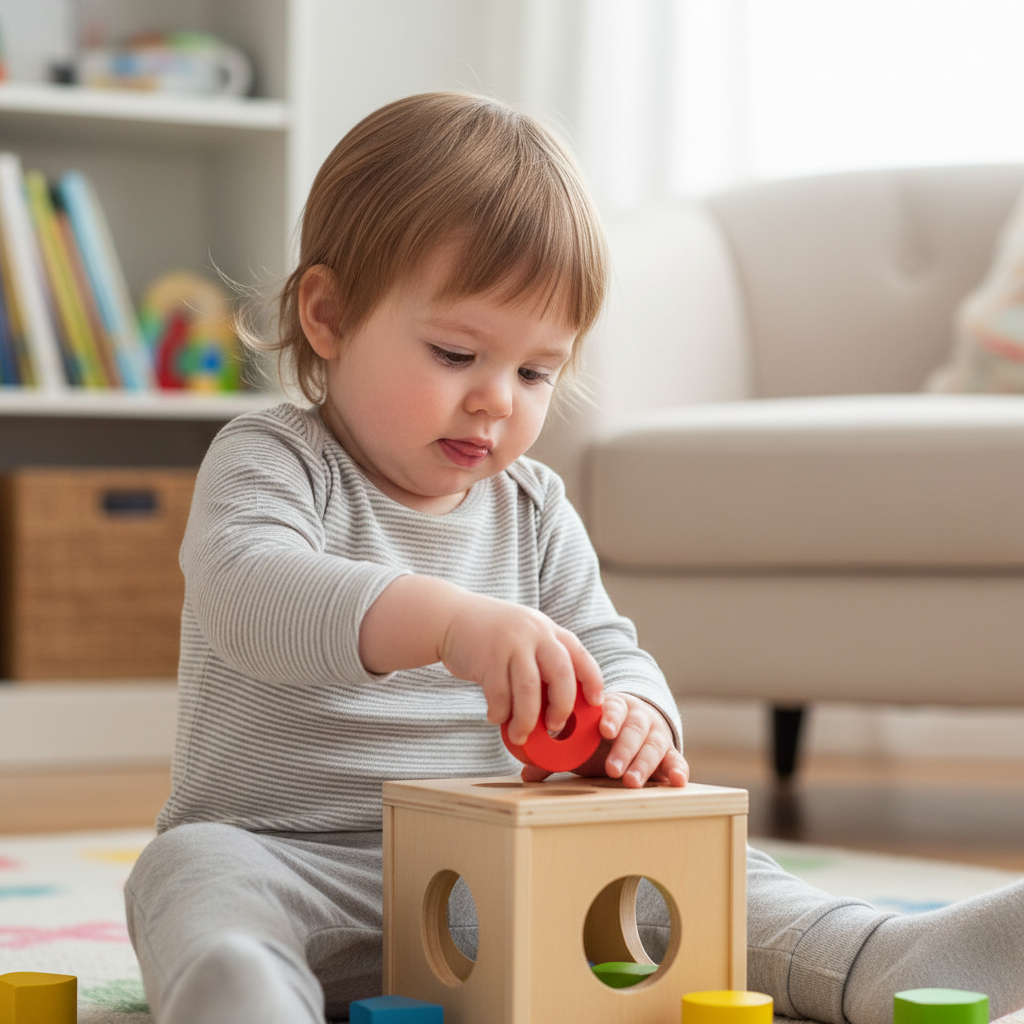
Does your toddler want to read the same book ten times in a row? Or play with the same toy for what feels like an eternity? This repetitive behavior, while sometimes tedious for parents, is a crucial part of cognitive development. Toddlers learn through repetition. Each time they engage in an activity, they are reinforcing neural pathways, solidifying their understanding, and mastering new skills.
Whether it’s stacking blocks over and over, pushing a car back and forth, or asking for the same song, this focused repetition helps them understand cause and effect, develop problem-solving abilities, and build confidence in their growing capabilities. It’s how they practice and perfect, turning new challenges into familiar triumphs.
Supporting Their Growth- Practical Parenting Tips
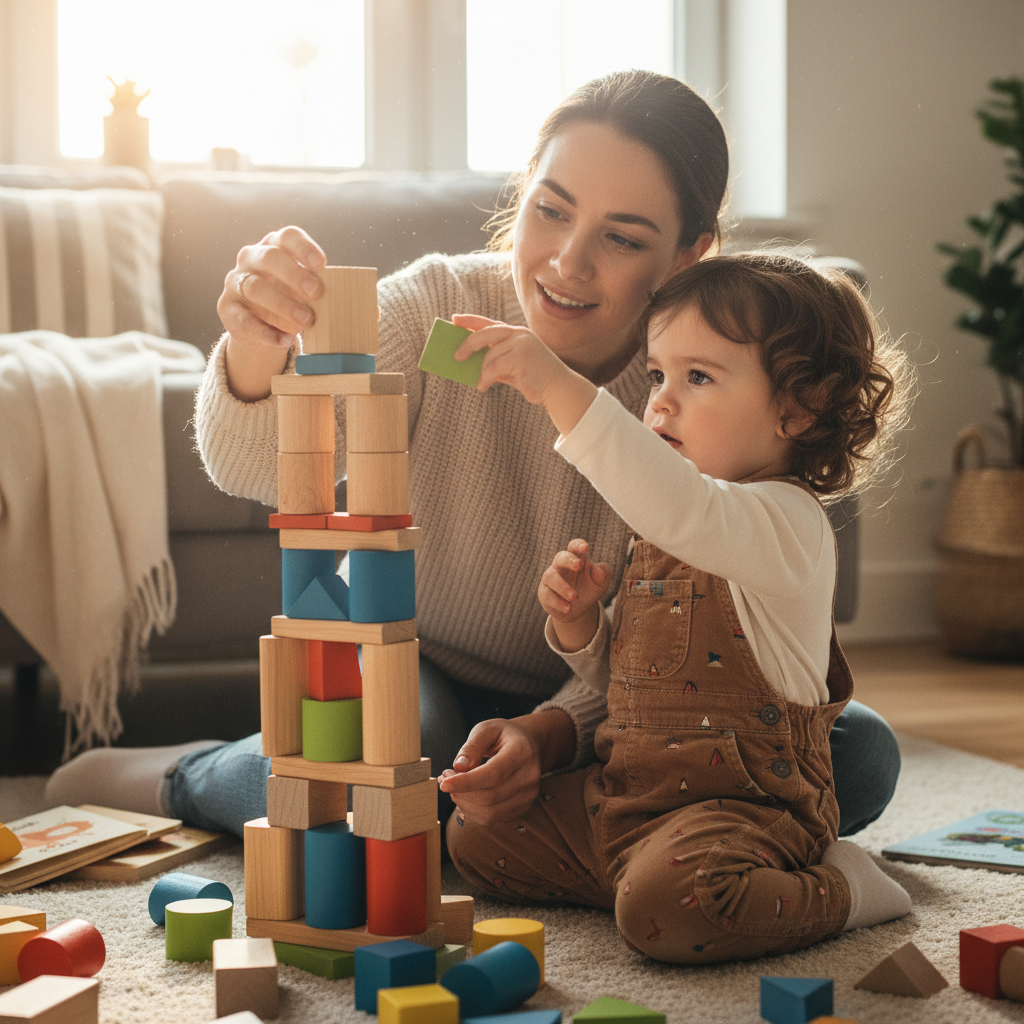
Understanding that “annoying” behavior is a sign of growth is the first step. The next is knowing how to respond in a way that nurtures that growth while maintaining your sanity. Here are some practical tips:
- Embrace Their Curiosity– Create a safe environment where they can explore, touch, and experiment without constant “no’s.”
- Prioritize Connection– Spend quality time engaging with them on their level. Play, read, and simply be present.
- Model Calm Responses– Your reactions teach them how to handle big emotions. Take a deep breath before responding.
- Be Consistent– Clear, predictable routines and boundaries help toddlers feel secure and understand expectations.
- Celebrate Small Wins– Acknowledge their efforts and achievements, no matter how small. “You tried so hard to put your shoes on!”
- Practice Patience– Toddlerhood is a phase. It’s intense, but it’s also temporary. Lean into the understanding that this too shall pass.
A Gentle Reminder- You’re Doing Great

Parenting a toddler is a marathon, not a sprint, filled with moments of immense joy and profound challenge. It’s easy to feel overwhelmed, frustrated, and sometimes, just plain tired. But remember, every challenging behavior your toddler exhibits is a testament to their incredible drive to learn, grow, and become their own person. You are guiding a tiny human through one of the most dynamic periods of their life, and that’s an extraordinary feat.
By shifting your perspective, you can see past the immediate “annoyance” and recognize the powerful developmental leaps happening right before your eyes. Embrace the chaos, celebrate the small victories, and most importantly, be kind to yourself. You’re not alone, and you’re doing an amazing job raising a thriving, independent little human.