Fun Play-Based Activities for Toddlers Aged 12–18 Months
Watching your toddler grow and explore the world is one of parenting’s greatest joys. Between 12 and 18 months, your little one is a whirlwind of discovery, rapidly developing new skills and a budding personality. This isn’t just a time for cute milestones; it’s a critical period for learning through play. Play isn’t just fun; it’s how toddlers make sense of their surroundings, develop crucial cognitive abilities, refine motor skills, and begin to express themselves.
As parents, we often wonder how best to support this incredible growth. The good news is, you don’t need fancy gadgets or expensive toys. Simple, engaging, play-based activities, often using everyday items, can provide a rich learning environment right in your home. This guide will walk you through a variety of fun, easy, and effective play ideas designed specifically for your 12-18 month old, helping you nurture their development and strengthen your bond.
Understanding Your 12-18 Month Old Toddler
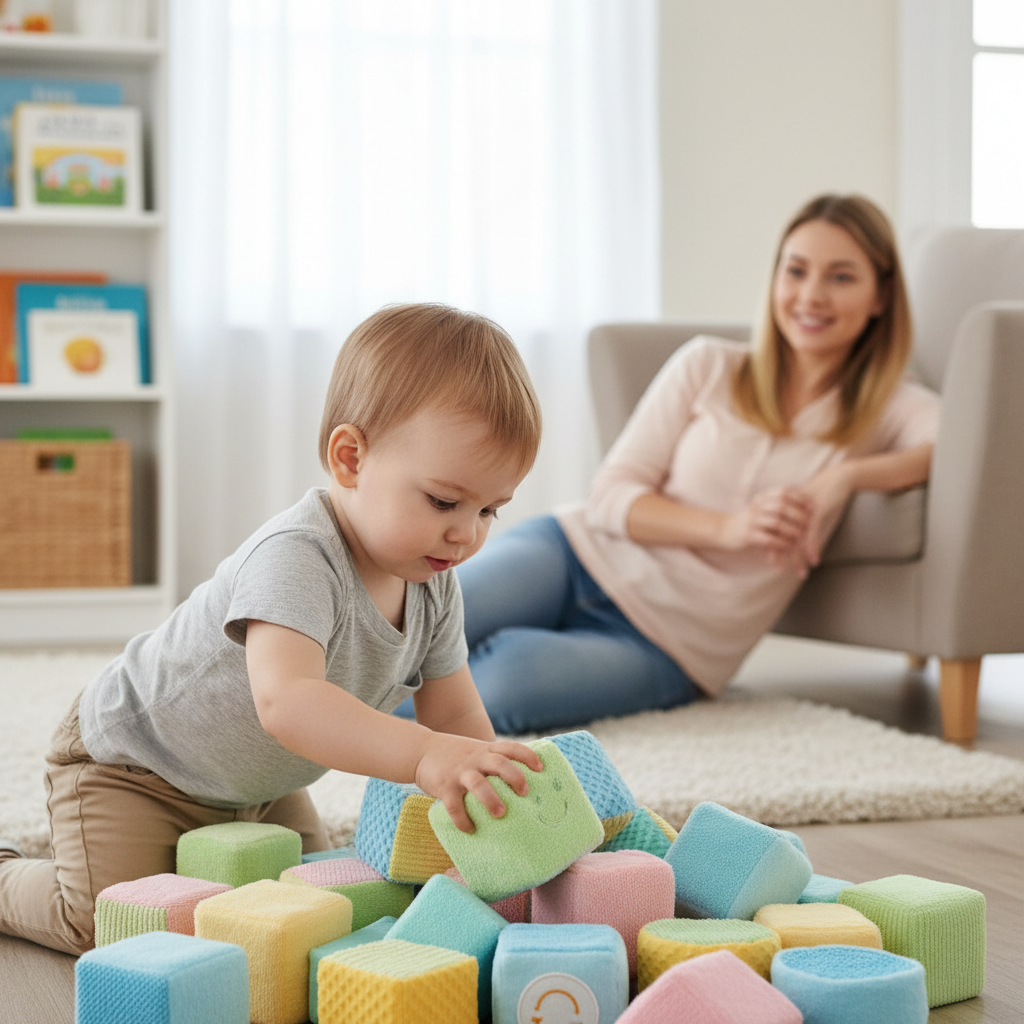
At this age, your toddler is undergoing incredible transformations. They are transitioning from babyhood to toddlerhood, a time marked by increasing independence and a hunger for exploration. Understanding their developmental stage is key to offering the most beneficial play experiences.
- Physical Development Many toddlers at this age are taking their first wobbly steps or have already become confident walkers. They are refining their balance, coordination, and gross motor skills, enjoying activities like pushing, pulling, and climbing. Fine motor skills are also progressing, with improved pincer grasp and the ability to manipulate small objects.
- Cognitive Development Your toddler is a little scientist, constantly experimenting and observing. They are starting to understand cause and effect, object permanence, and can follow simple instructions. Their memory is improving, and they are beginning to imitate actions they see.
- Social-Emotional Growth Attachment figures remain central, but toddlers are also beginning to show more independence. They might enjoy parallel play, playing alongside other children without direct interaction, and are learning to express a wider range of emotions. Separation anxiety can be common as they test boundaries.
- Language Development This is an exciting time for language! Toddlers typically begin to say their first words, understand many more, and might start stringing together two-word phrases. They respond to their name, point to desired objects, and enjoy interactive books.
Play is the vehicle for all these developments. It allows them a safe space to practice new skills, test theories, and build confidence at their own pace.
The Power of Play-Based Learning
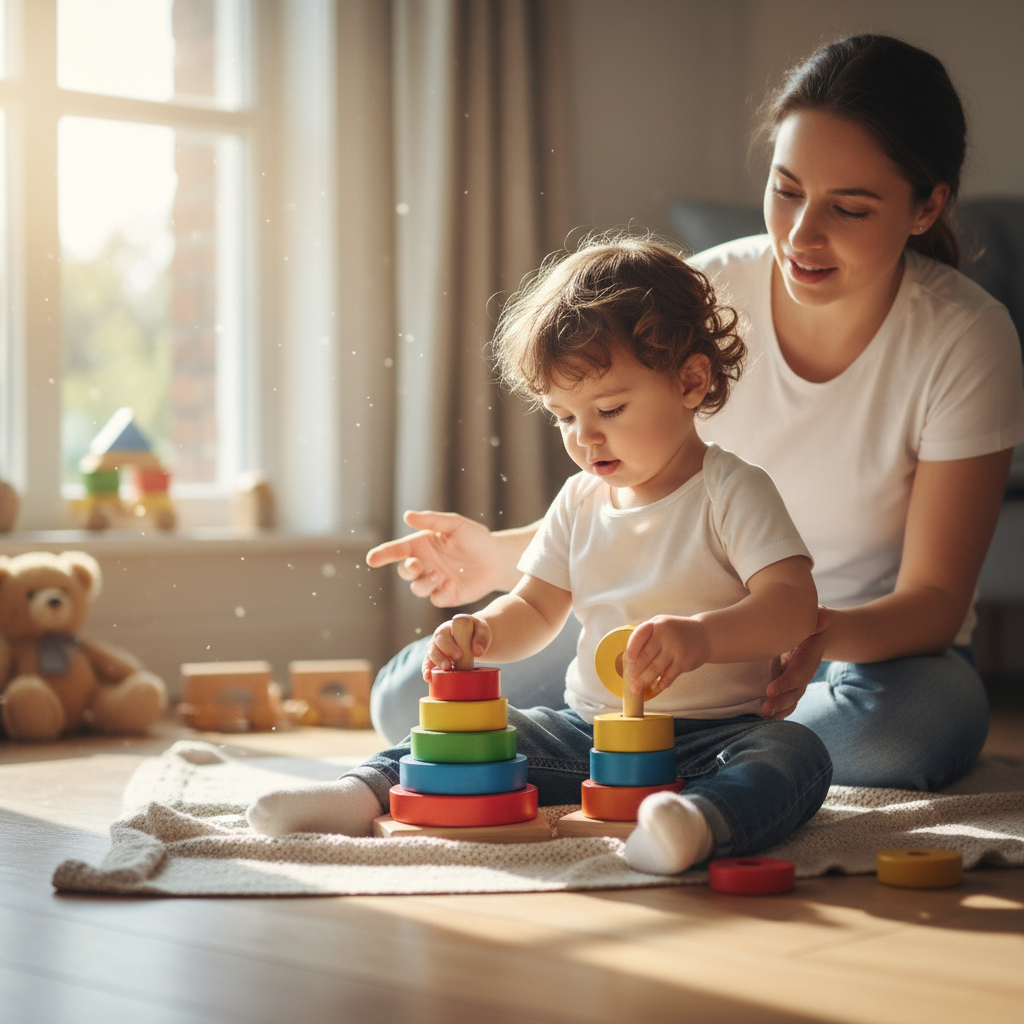
Play-based learning isn’t just a buzzword; it’s a fundamental approach to early childhood education that recognizes play as a child’s natural way of learning. For toddlers, it’s particularly vital because it engages multiple senses and encourages active participation, rather than passive reception of information.
Through play, your toddler is:
- Developing Problem-Solving Skills Trying to fit a shape into a sorter or figuring out how to open a container fosters early problem-solving.
- Boosting Creativity and Imagination Pretend play, even simple actions like feeding a doll, sparks imagination and helps them understand the world around them.
- Enhancing Language and Communication Narrating their play, singing songs, and responding to your questions during playtime significantly boosts their vocabulary and comprehension.
- Refining Motor Skills Stacking blocks, rolling a ball, or scribbling with a crayon all contribute to the development of both gross and fine motor skills.
- Learning Social-Emotional Cues While often playing independently, even simple interactions during play teach them about sharing, taking turns (eventually!), and understanding emotions.
Your role as a parent is to be a facilitator—providing a safe environment, offering engaging materials, and participating when invited, all while allowing your child the freedom to explore and lead the play.
Sensory Exploration Activities
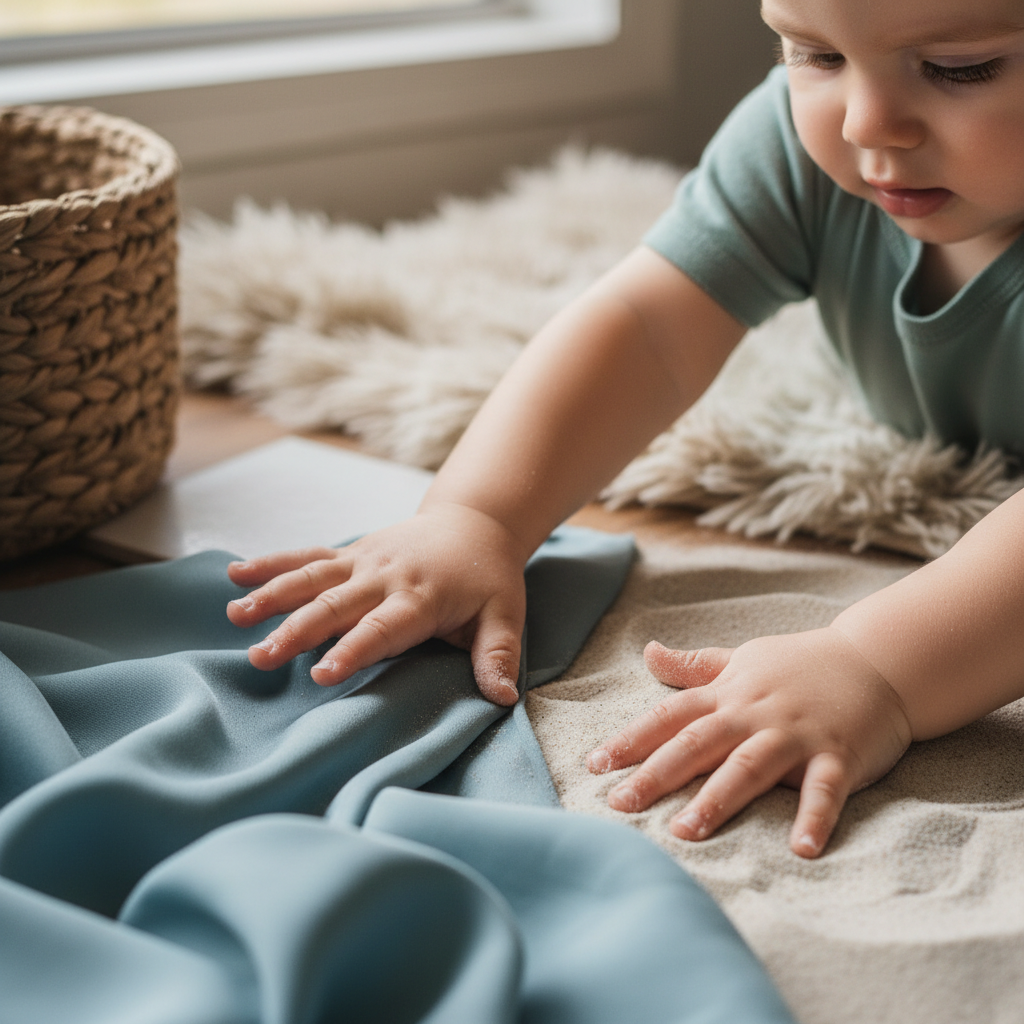
Sensory play is fundamental for toddlers. It helps them process and understand the world through touch, sight, sound, smell, and even taste (safely!).
Touch and Texture Fun
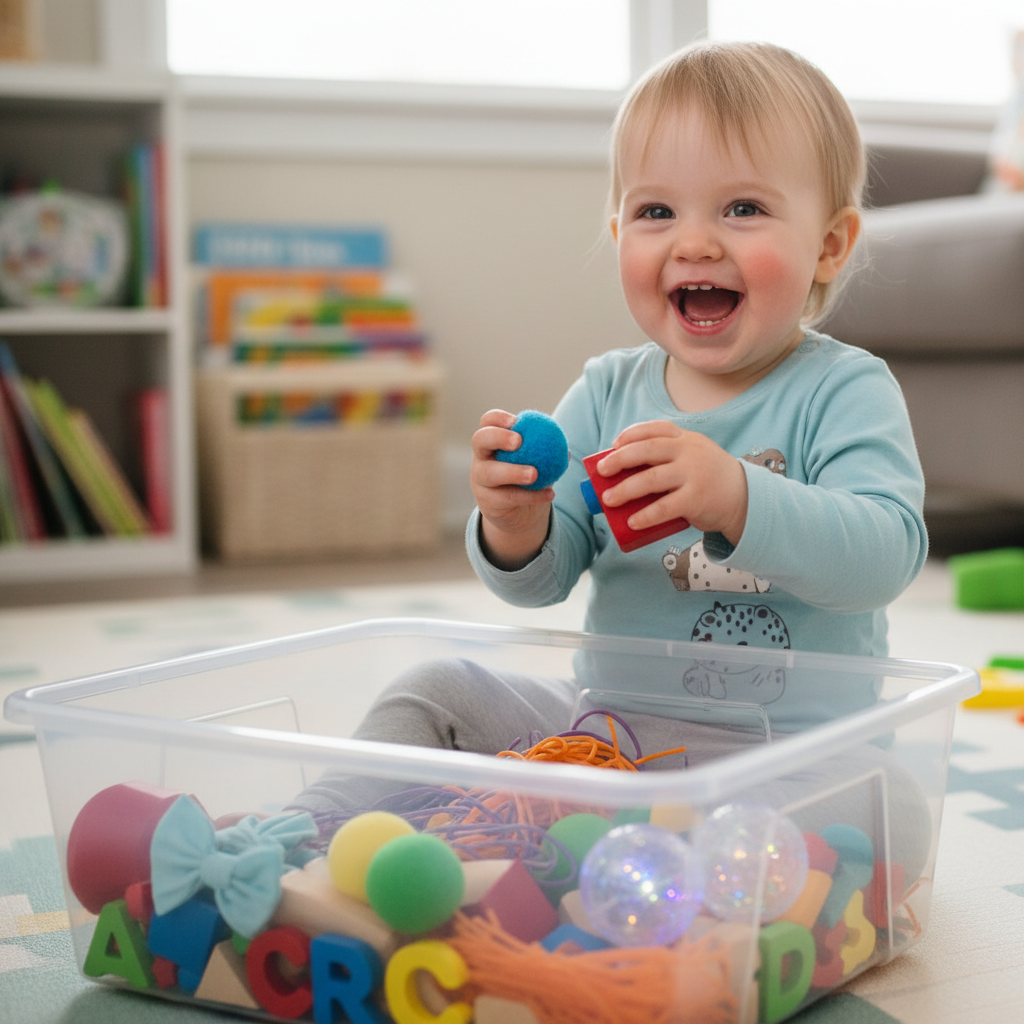
- Sensory Bins Fill a shallow bin with safe, edible, or large non-choking hazard items like cooked pasta (cooled), dry cereal, large beans (under supervision), or shredded paper. Add scoops, cups, and small toys. Always supervise closely.
- Fabric Play Gather different textured fabrics—silk, velvet, fleece, cotton, corduroy. Let your toddler feel them, scrunch them, and hide small toys underneath. Describe the textures as they play.
- Water Play A shallow basin of water with some plastic cups, spoons, and floating toys provides endless fun. Do this outdoors or with towels spread indoors.
Sound and Sight Discoveries
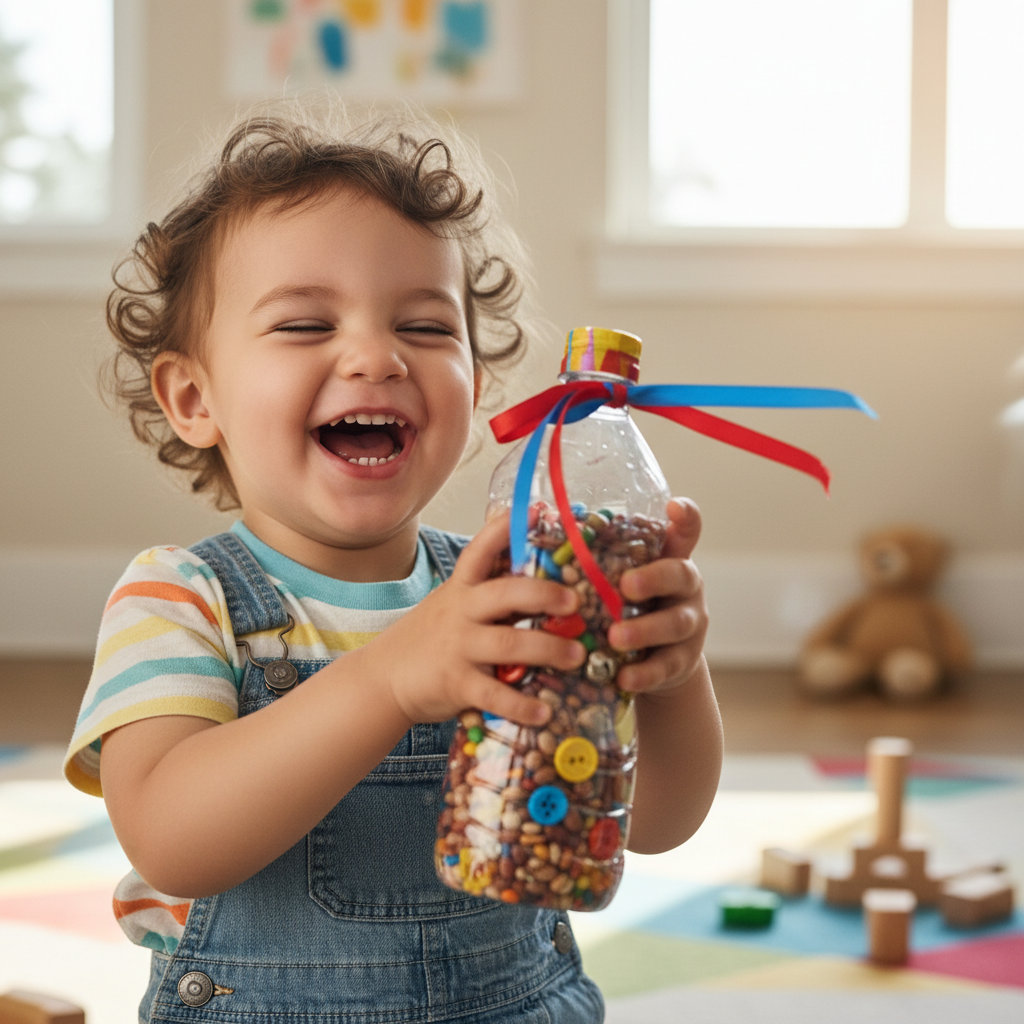
- Homemade Musical Instruments Fill plastic bottles with rice, beans, or pasta to create shakers. Tap on pots and pans with wooden spoons. Sing songs and encourage them to make their own rhythms.
- Light Play Use a flashlight to make shadows on the wall or ceiling. Point out different objects and watch your toddler’s fascination. Supervise closely to ensure they don’t look directly into the light.
- Mirror Play A baby-safe mirror is a wonderful tool for self-recognition and making funny faces. Encourage them to point to their nose, eyes, and mouth.
Gross Motor Skill Builders
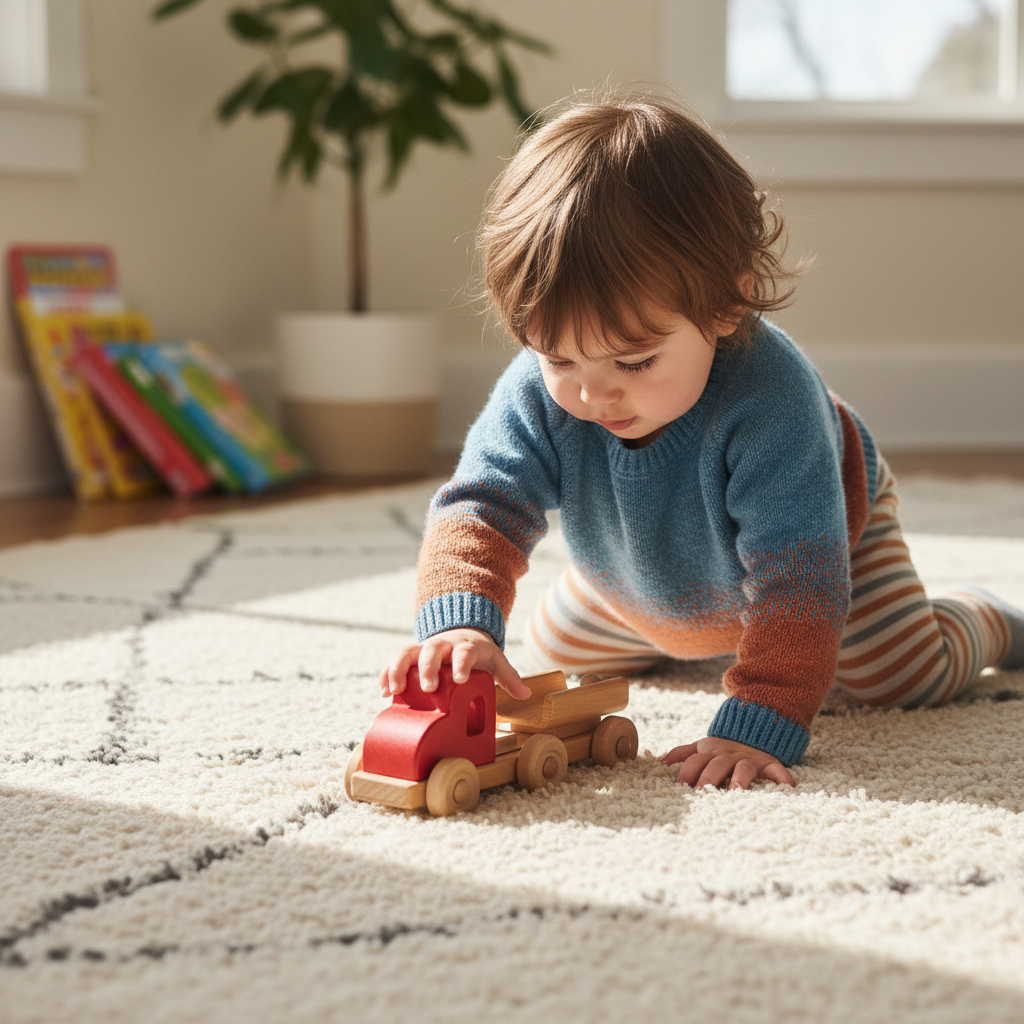
Gross motor skills involve the large muscles of the body and are crucial for balance, coordination, and movement. Toddlers at this age are eager to move!
Crawling and Walking Games
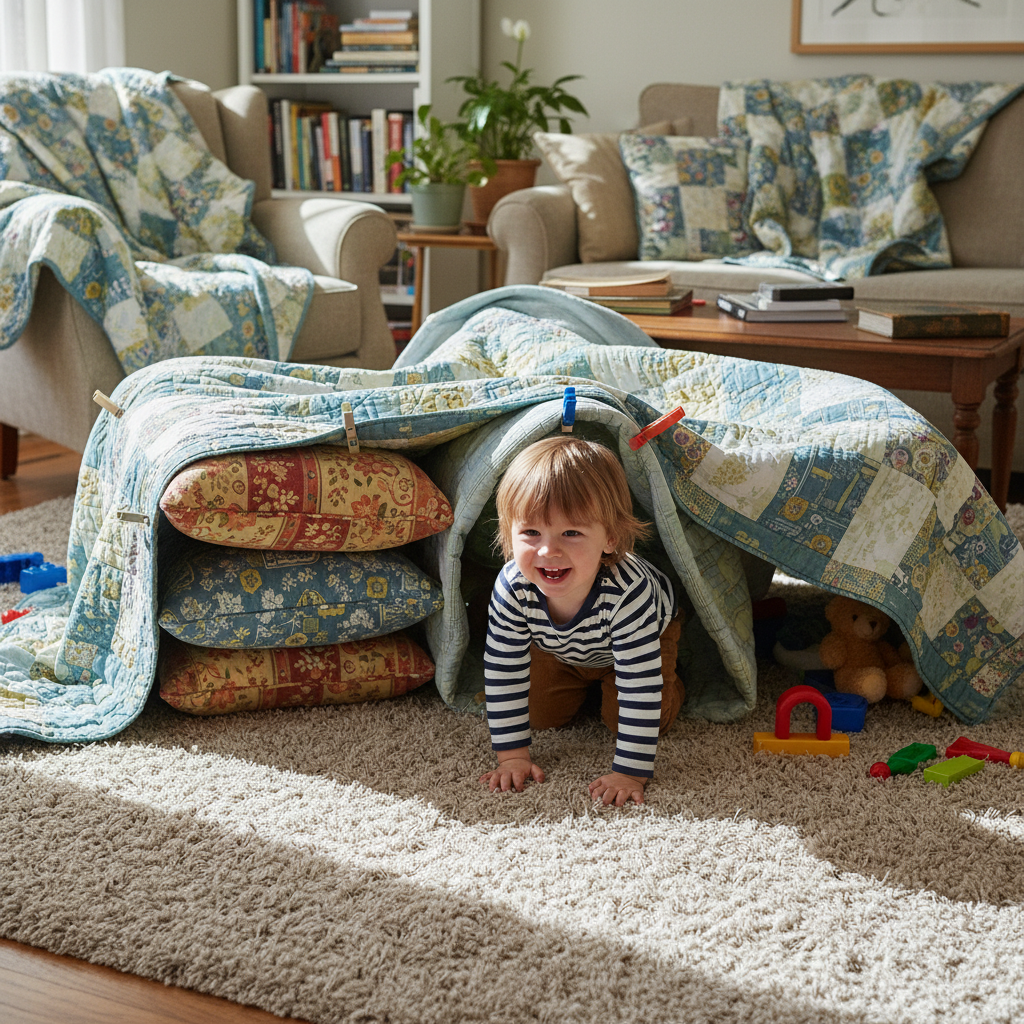
- Obstacle Course Create a simple obstacle course using couch cushions to climb over, pillows to step on, and blankets to crawl under. Encourage them to navigate through it.
- Ball Play Roll a soft ball back and forth. Encourage them to kick it gently. This helps with coordination and teaches turn-taking.
- Push and Pull Toys Toys with handles that toddlers can push or pull (like a toy shopping cart or a wagon) are excellent for developing balance and strengthening leg muscles.
Climbing and Exploring
- Safe Climbing Provide safe, low-level climbing opportunities like sturdy steps, a large beanbag chair, or carefully arranged couch cushions. Always spot them to prevent falls.
- Outdoor Adventures Trips to the park are fantastic. Let them explore different textures underfoot, climb small slopes, and enjoy the open space. Supervise playground equipment closely.
- Dance Party Put on some music and dance together! Encourage them to clap, stomp, and sway. This is a joyful way to develop rhythm and coordination.
Fine Motor Skill and Cognitive Development
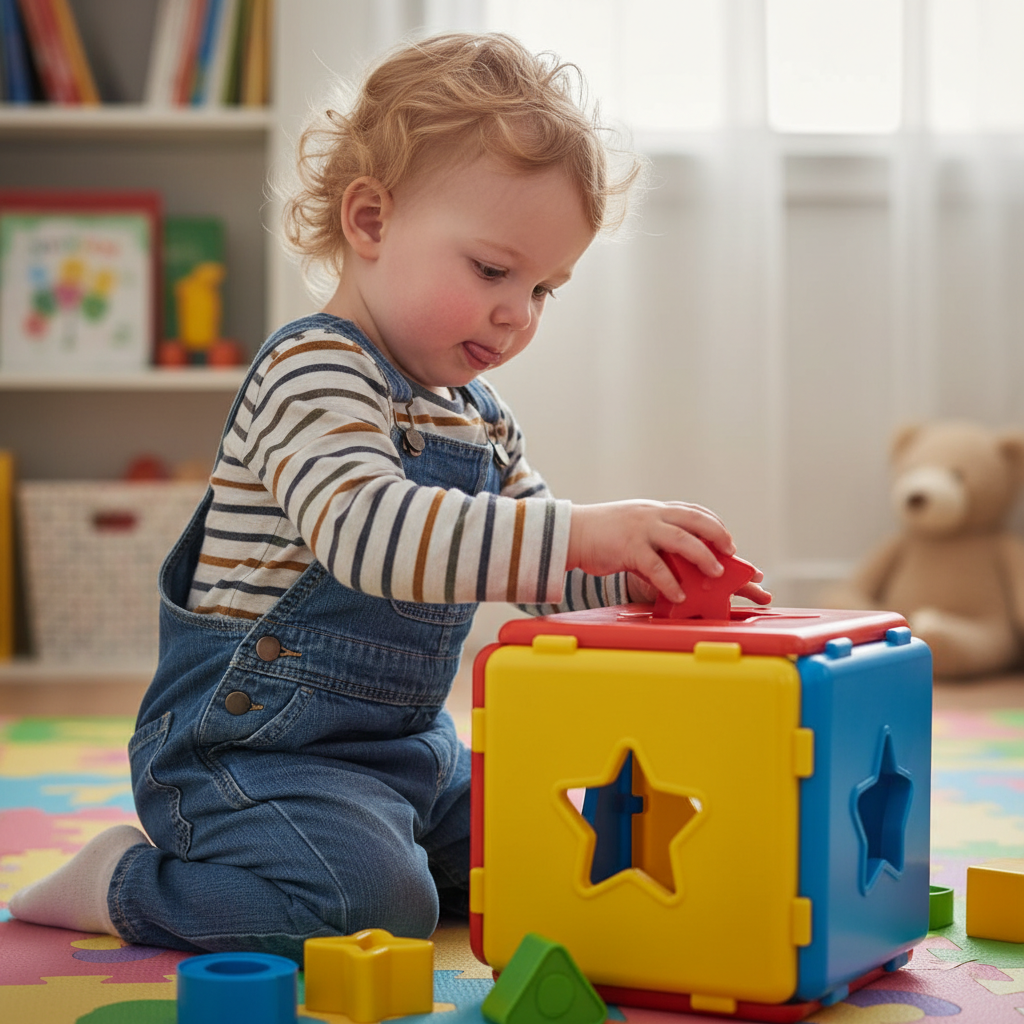
Fine motor skills involve the small muscles in the hands and fingers, essential for tasks like eating, dressing, and writing later on. Cognitive development goes hand-in-hand, as they learn to manipulate objects and solve simple puzzles.
Stacking and Sorting
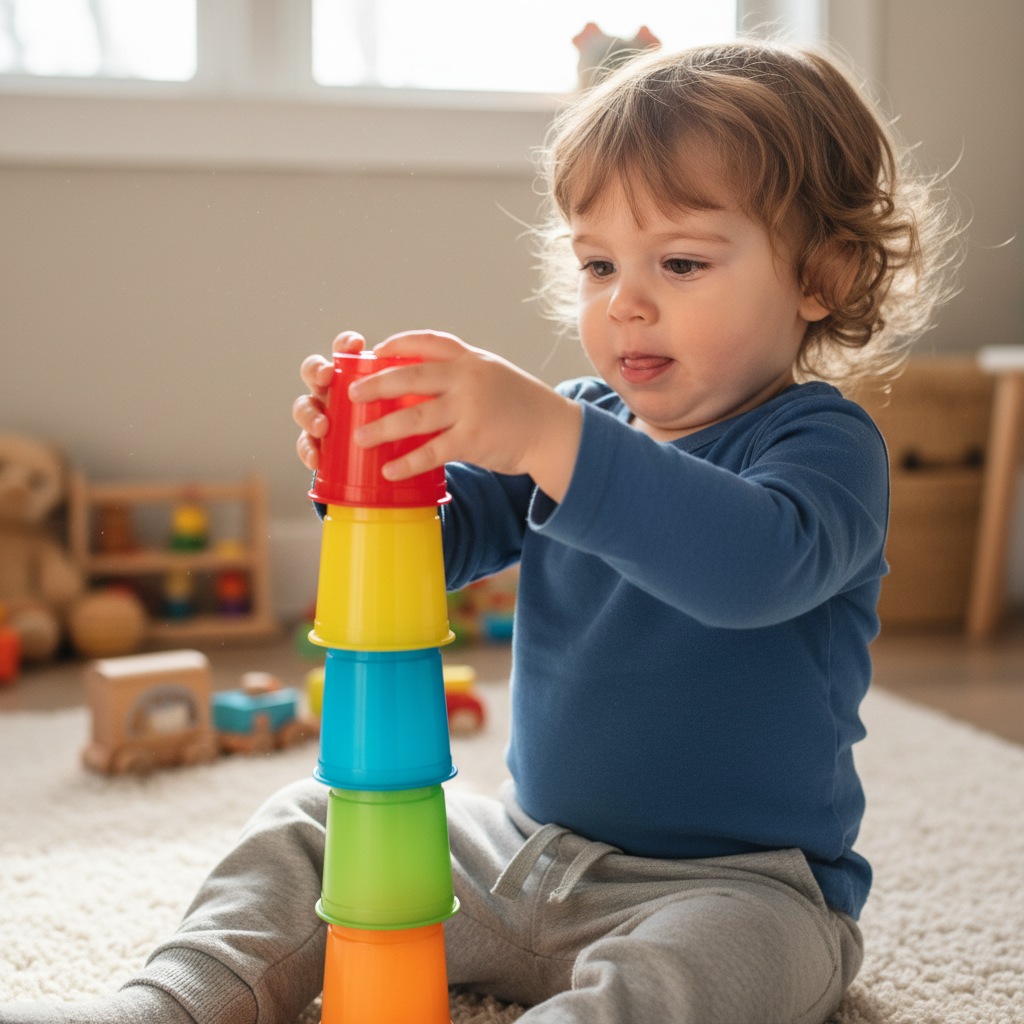
- Building Blocks Large, lightweight blocks (wooden or soft) are perfect for stacking. Encourage them to build towers and then delight in knocking them down.
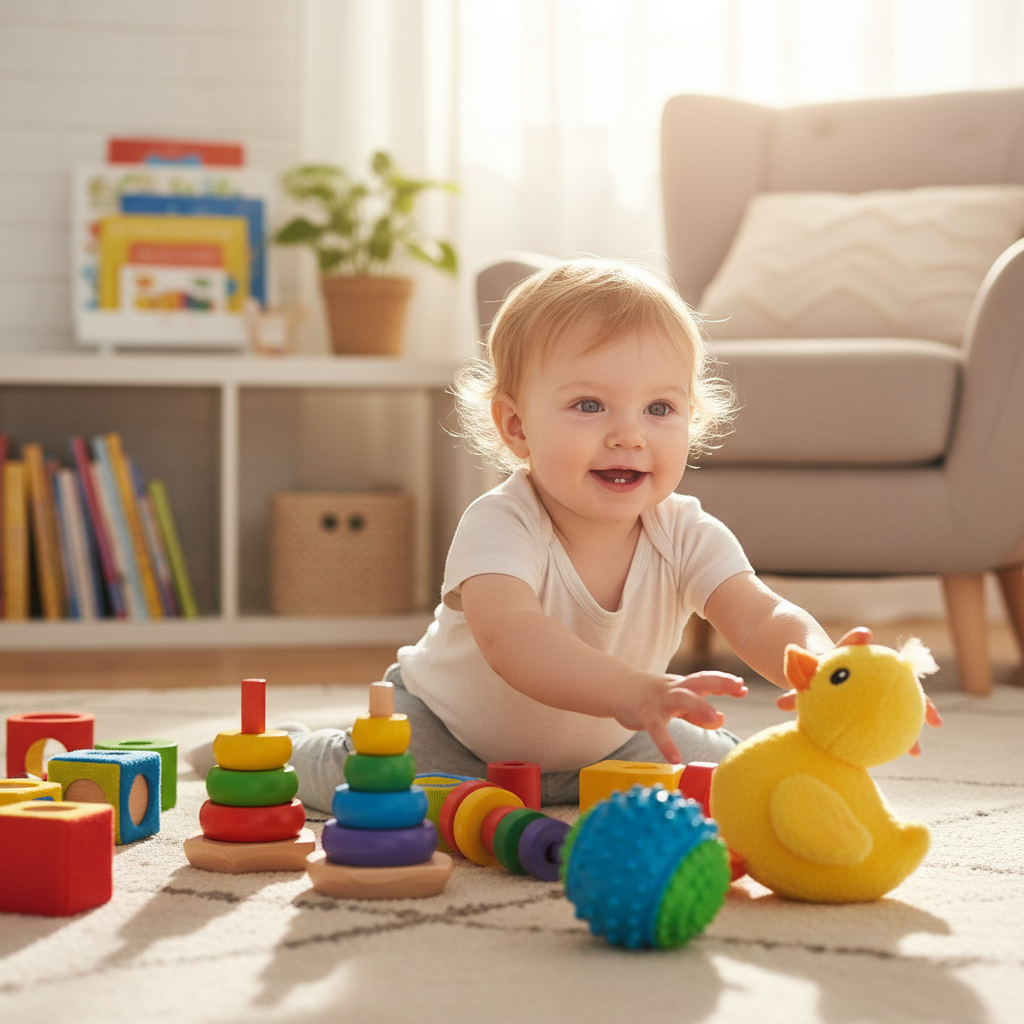
- Stacking Rings and Nesting Cups These classic toys are excellent for hand-eye coordination, understanding size relationships, and problem-solving.
- Shape Sorters Introduce simple shape sorters with only a few distinct shapes. Guide their hand initially, then let them try independently.
Puzzles and Manipulatives
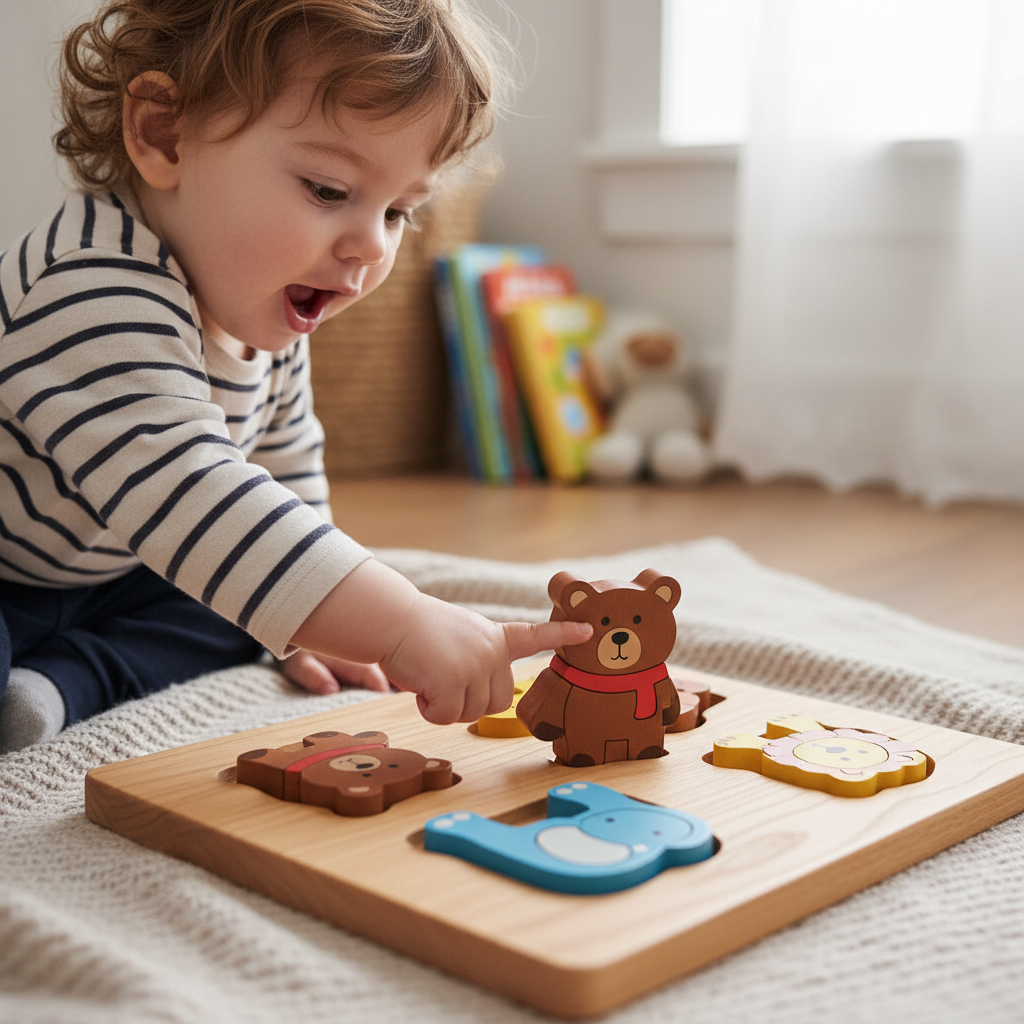
- Chunky Puzzles Start with simple wooden puzzles with large knobs or pegs and only 2-4 pieces. Focus on matching shapes and pictures.
- Board Books with Flaps Lift-the-flap books are fantastic for developing fine motor skills as they grasp and lift the flaps, and also for fostering curiosity and language.
- Container Play Provide various containers with lids (safe ones!) and objects to put inside and take out. This simple activity is a great exercise in problem-solving and fine motor control.
Language and Social Emotional Growth Through Play
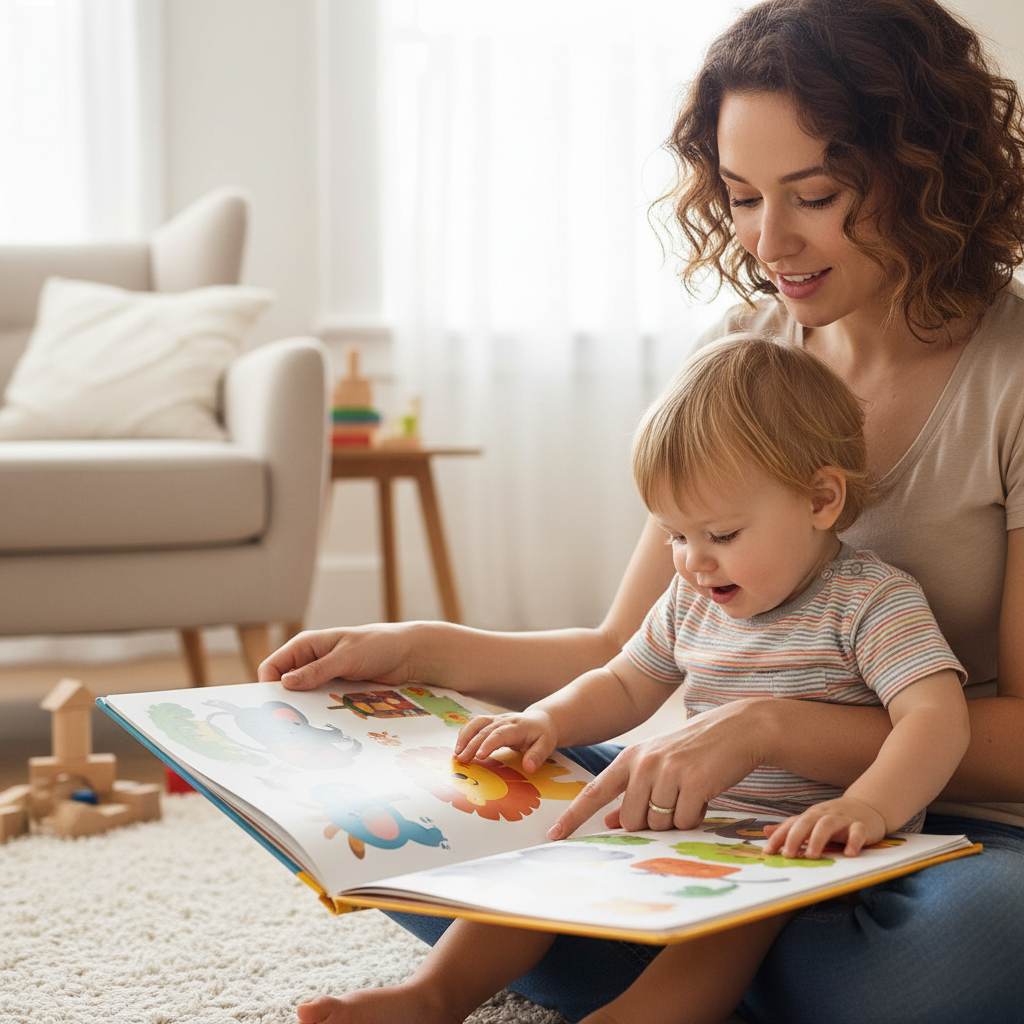
Play is a rich environment for language acquisition and understanding emotions. By engaging with your toddler, you provide context and opportunities for communication.
Reading and Storytelling
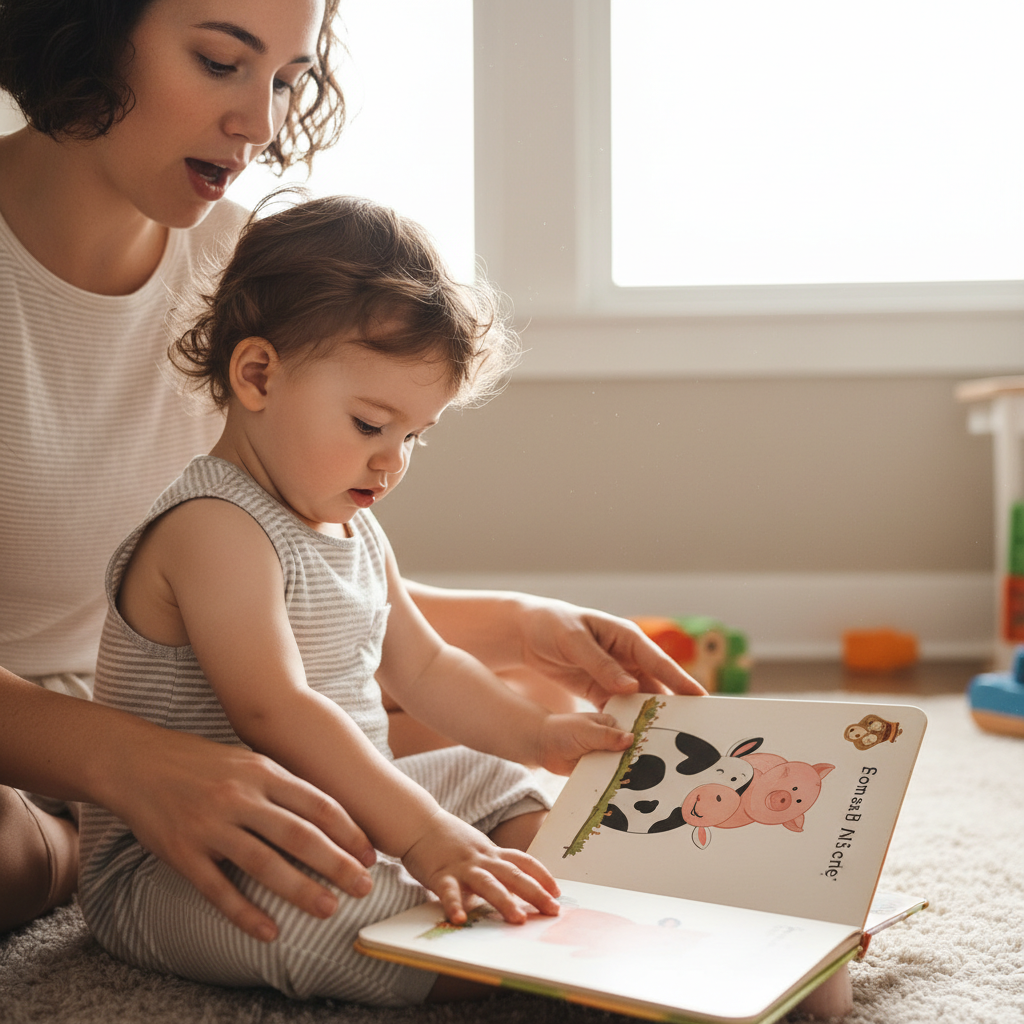
- Interactive Reading Don’t just read; engage! Point to pictures, ask questions like ‘Where’s the dog?’, make animal sounds, and let them turn the pages.
- Puppet Play Simple hand puppets can bring stories to life. Use different voices and have the puppets ‘talk’ to your toddler. This encourages imitation and imaginative play.
- Singing Songs and Rhymes Songs with actions (like ‘Itsy Bitsy Spider’ or ‘Wheels on the Bus’) are wonderful for language development and motor skills.
Imaginative Play Starters
Toddler pretending to feed a toy doll with a small plastic spoon.
- Pretend Play Offer simple props like a toy phone, a small blanket for a ‘baby,’ or plastic food. Imitate their actions and encourage them to mimic yours.
- Dressing Up Provide oversized t-shirts, scarves, or hats. Toddlers love to experiment with putting things on and taking them off, fostering independence and imagination.
- Mirroring Actions Sit facing your toddler and imitate their gestures, sounds, and facial expressions. Then, do a simple action and see if they imitate you. This is a foundational social skill.
Creating a Safe and Engaging Play Environment
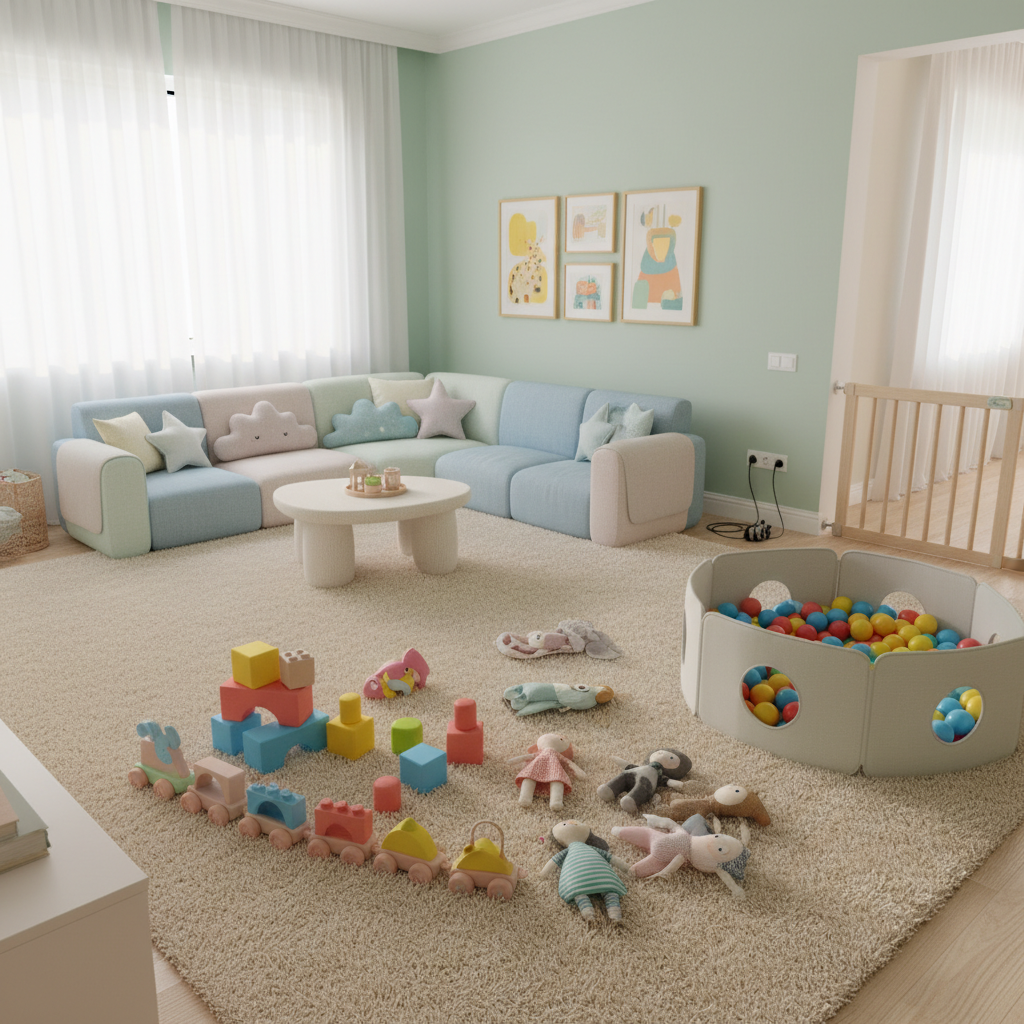
A safe and stimulating environment is the foundation for successful play. Before your toddler starts exploring, ensure their play space is secure.
- Childproofing Essentials Cover electrical outlets, secure furniture to walls, block off stairs, and remove any small objects that could be choking hazards. Keep cleaning supplies and medications locked away.
- Toy Rotation You don’t need a mountain of toys. Rotate toys every week or two to keep things fresh and interesting. This prevents overstimulation and encourages deeper engagement with fewer items.
- Designated Play Zones While toddlers often play wherever you are, having a designated, safe play area can be beneficial. A soft rug, a few baskets of toys, and open space are ideal.
- Parental Involvement While independent play is important, your presence and occasional interaction are invaluable. Sit nearby, offer encouragement, and join in when invited. Your attention is the best toy.
Tips for Successful Playtime with Your Toddler
Painting pixels…
Making playtime enjoyable and beneficial for both of you can sometimes feel like a challenge. Here are some gentle reminders:
- Follow Their Lead Observe what your toddler is interested in. If they keep going back to the blocks, engage with blocks. Forcing an activity can lead to frustration.
- Keep It Simple The simplest activities are often the most profound. A cardboard box can be a car, a house, or a secret hiding spot.
- Embrace Repetition Toddlers learn through repetition. They might want to do the same activity or read the same book over and over. This is how they master skills and build confidence.
- Be Present Put away your phone, get down on their level, and truly engage. Your undivided attention is a powerful motivator for learning and bonding.
- Don’t Force It If your toddler isn’t interested in an activity, it’s okay. Try again another time or offer something else. Play should be joyful, not a chore.
- Celebrate Small Victories Clap when they stack a block, cheer when they take a step, acknowledge their efforts. Positive reinforcement builds self-esteem.
Remember, every child develops at their own pace. The goal isn’t to rush milestones but to provide a loving, stimulating environment where your toddler feels safe to explore, learn, and grow. These play-based activities are not just about teaching them skills; they’re about creating beautiful memories and strengthening the incredible bond you share.
Embrace the chaos, celebrate the small moments, and enjoy this magical age of discovery with your little one