12 Weekend With Kids Fun Ideas
Weekends are the golden windows of childhood. They are the moments when the rush of school runs and work deadlines fades into the background, leaving room for laughter, discovery, and deep connection. However, the recurring question of “What should we do today?” can often lead to the default setting of screen time. Breaking that cycle doesn’t require a massive budget or a trip to a theme park; it simply requires a bit of imagination and a willingness to get a little messy.
Whether you are looking to burn off energy, spark curiosity, or simply cuddle up for some quiet bonding, these twelve ideas are designed to transform your standard Saturday and Sunday into a legendary family adventure.
1. Backyard Camping
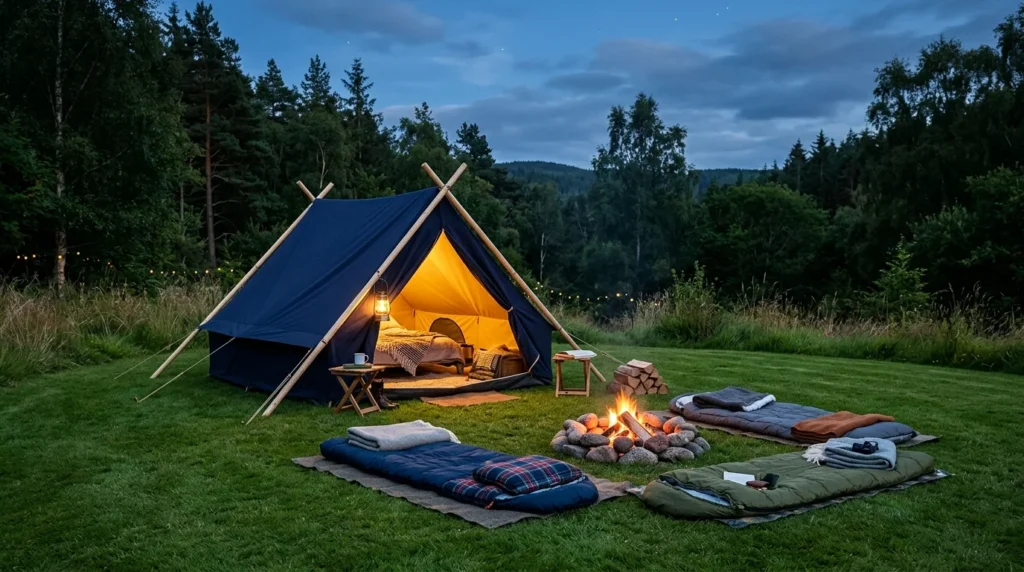
You don’t need to drive for hours to a national park to experience the magic of the great outdoors. Transforming your backyard into a temporary campsite provides all the thrills of the wilderness with the convenience of a nearby bathroom. Start by pitching the tent together—teaching the kids how the poles connect is a great lesson in teamwork.
As the sun sets, ditch the overhead lights for lanterns and flashlights. The highlight of any camping trip is the food; if you have a fire pit, roasting marshmallows for s’mores is a must. If not, a portable grill or even a thermos of hot cocoa works wonders. Spend the evening telling “gentle” ghost stories or using a star-map app to identify the constellations above. The best part? If a sudden rainstorm hits or someone gets cold feet, your warm beds are only a few yards away.
2. Science Lab

Turn your kitchen into a hub of discovery with a DIY science day. Children are natural scientists, driven by an insatiable “why,” and hands-on experiments are the perfect way to answer those questions. Start with the classic baking soda and vinegar volcano—it’s a rite of passage for every child. To make it more exciting, add food coloring and dish soap to create a “lava” that flows and bubbles over.
Move on to making “Oobleck,” a non-Newtonian fluid made of cornstarch and water that acts like a solid when you squeeze it but flows like a liquid when you let go. You can also explore the wonders of surface tension by dropping food coloring into milk and watching it “dance” when touched with a cotton swab dipped in dish soap. These activities aren’t just fun; they foster a lifelong love for STEM and critical thinking.
3. Scavenger Hunt
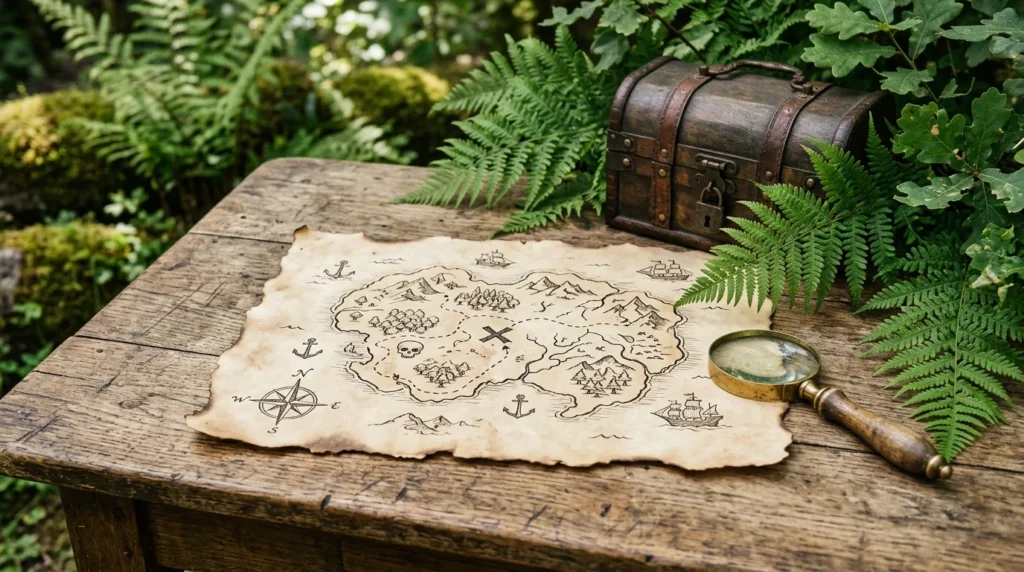
A scavenger hunt is one of the most versatile tools in a parent’s arsenal. It can be adapted for any age, any location, and any weather. For younger children, create a “color hunt” where they have to find items in the house or garden that match specific hues. For older kids, create riddles that lead them from one location to the next.
To make it truly engaging, give them “explorer kits” consisting of a magnifying glass, a small bag for collecting treasures, and a clipboard. If you’re outdoors, look for specific types of leaves, flat stones, or even different insects. Indoors, you can hide “clues” in envelopes that eventually lead to a “treasure”—perhaps a new book or a special weekend treat. The thrill of the hunt keeps them moving and thinking for hours.
4. Indoor Fort
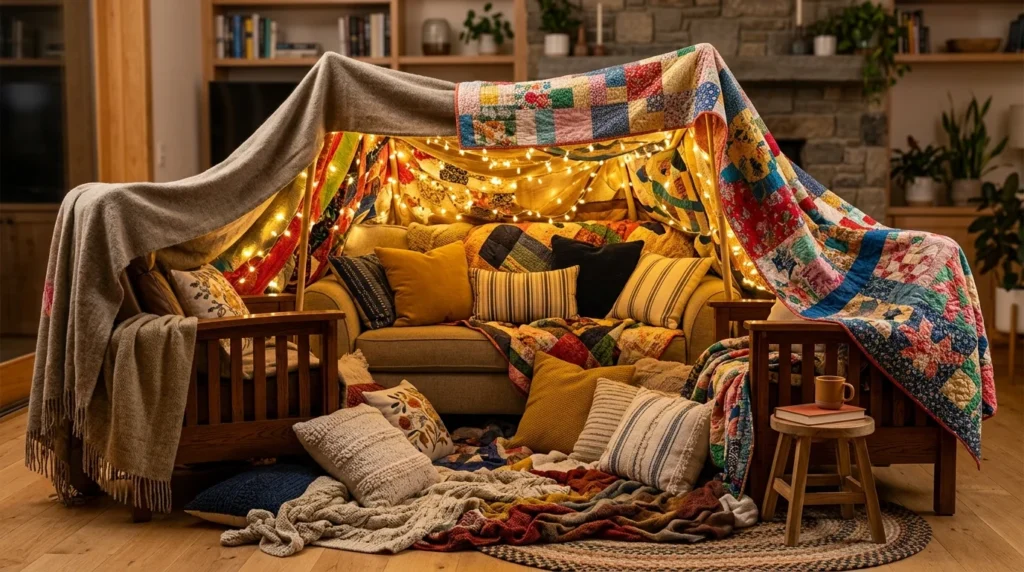
When the weather refuses to cooperate, the indoor fort is the ultimate sanctuary. Forget simple sheet-over-the-chairs setups; think “architectural marvel.” Use every pillow, cushion, and clothespin in the house to create a multi-roomed cavern. Drape fairy lights over the top to create a magical, starry ambiance inside.
Once the structure is complete, the fort becomes the headquarters for the day. It’s the perfect place for “secret” meetings, reading books by flashlight, or even having an indoor picnic. There’s something about the enclosed, cozy space that makes children feel safe and sparks their imaginative play. They might be “explorers in a cave” or “royalty in a castle,” and you get to join in on the magic.
5. Home Cinema
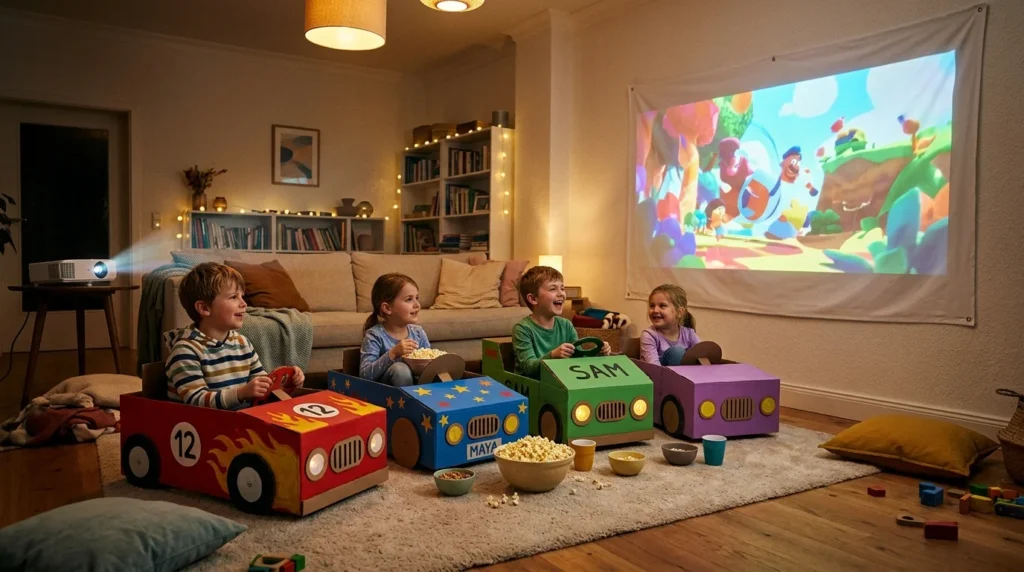
Elevate your movie watching into a full-blown cinema experience. Start the “event” in the afternoon by having the kids design and draw tickets to hand out to “customers” (family members). Set up a concession stand with different types of popcorn—sweet, salty, and maybe some chocolate-covered treats.
To make it extra special, use a projector if you have one, or simply dim the lights and arrange the seating to feel like a theater. If your kids are younger, you can build “drive-in” cars out of cardboard boxes, complete with paper plate wheels and cushions inside. Choose a family classic or a new release, and enjoy the collective gasps and laughs that only a “big screen” experience can provide.
6. Pizza Night
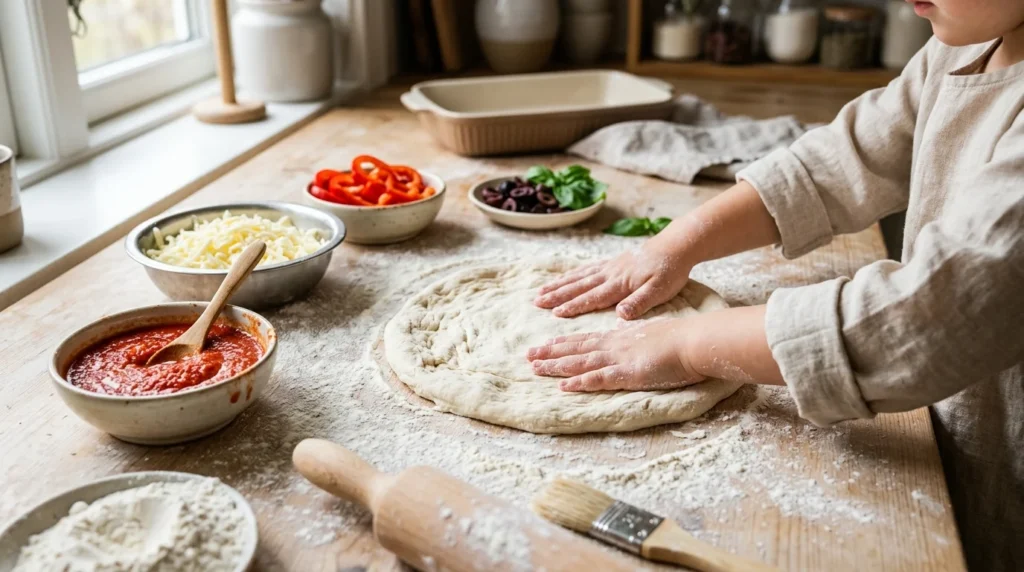
Cooking with kids can be messy, but the memories (and the food) are worth every spilled flour grain. Pizza making is the ideal kid-friendly culinary project because it allows for total customization and sensory play. Let the kids help knead the dough—it’s like edible Play-Doh!
Set up a “topping station” with various bowls of cheese, pepperoni, olives, bell peppers, and pineapple. Encourage them to make “pizza art” by creating faces or patterns with the vegetables. While the pizzas bake, the kitchen fills with an incredible aroma, and there is a genuine sense of pride when they finally get to eat something they built from scratch. It teaches them about measurements, temperatures, and the joy of sharing a meal.
7. Nature Walk
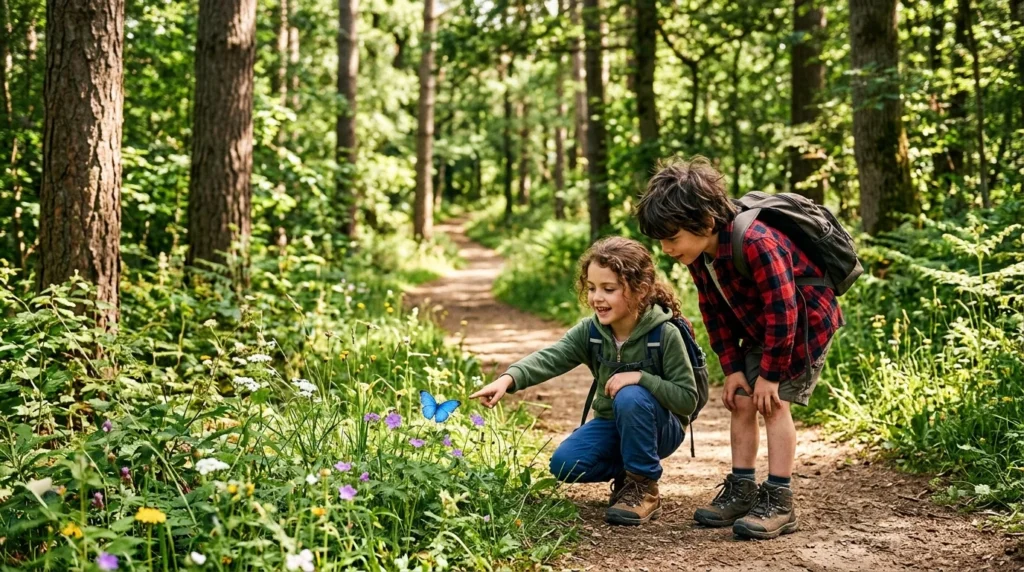
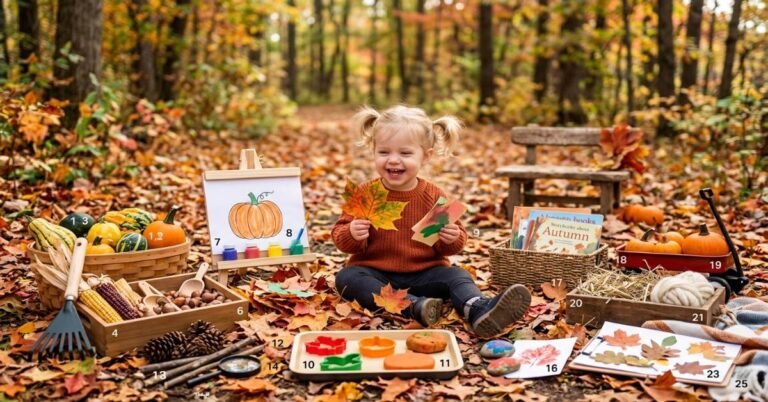
A nature walk is more than just a stroll; it’s a sensory exploration of the world. Head to a local park, a wooded trail, or even a nearby beach. The goal isn’t distance; it’s observation. Encourage your kids to use their senses: “What do you hear?” (birds, rustling leaves), “What do you smell?” (pine needles, damp earth), and “What do you see?”
Bring along a small notebook and some crayons so they can do “leaf rubbings” or sketch the interesting things they find. You can also turn it into a “collecting” mission—gathering unique rocks or fallen twigs to use for a later craft project. Connecting with nature is proven to reduce stress for both adults and children, making it the perfect way to reset after a busy week.
8. Obstacle Course
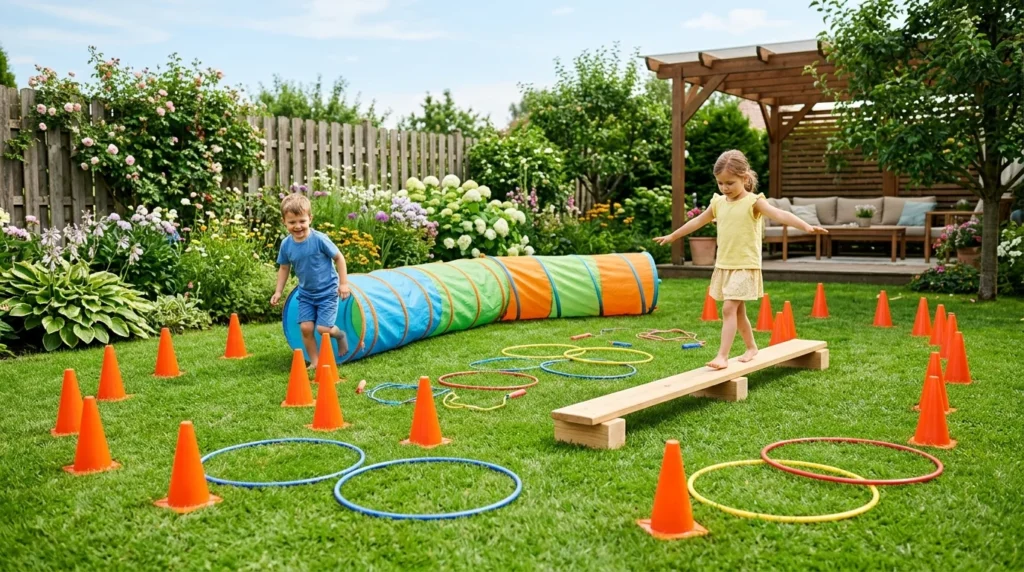
If the kids have extra energy to burn, an obstacle course is the answer. Use whatever you have on hand: hula hoops to jump through, a garden hose to crawl under, chairs to weave around, and a “finish line” made of toilet paper or ribbon.
You can time the participants with a stopwatch to see who can beat their own “personal best,” or create a relay race where teamwork is the key. To add an extra layer of fun, give the course a theme—perhaps they are “ninjas in training” or “superheroes on a mission.” It’s a fantastic way to improve motor skills, balance, and coordination while ensuring everyone is exhausted enough for a good night’s sleep.
9. Museum Trip
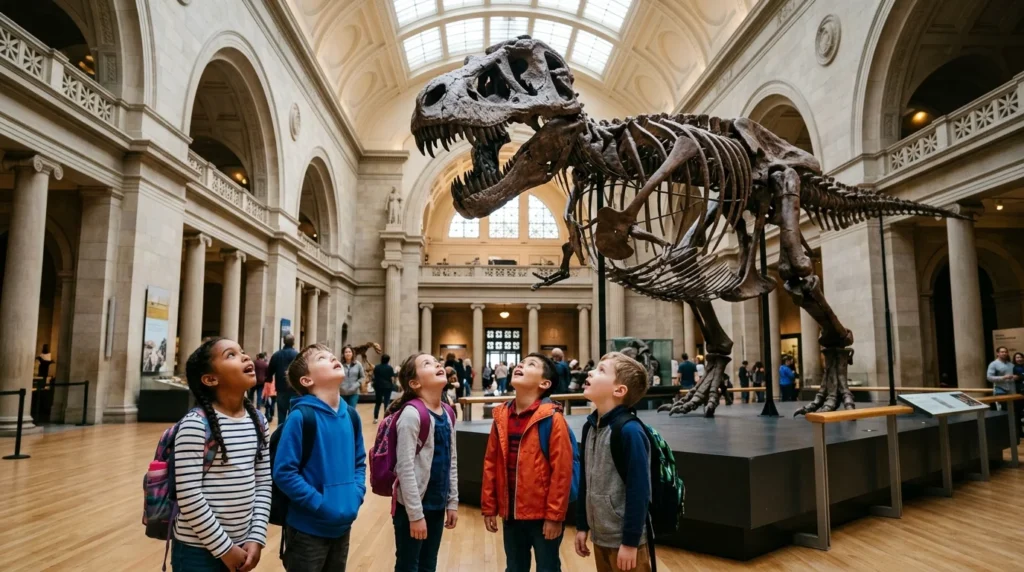
Local museums often have incredible interactive sections specifically designed for children. Whether it’s a science center with touchable exhibits, a natural history museum with towering dinosaur bones, or a local art gallery with a “kids’ corner,” these outings provide a wealth of inspiration.
To keep them engaged, turn the visit into a game. Ask them to find a specific painting, an animal with wings, or a rock that looks like a heart. Many museums also offer weekend workshops or storytelling sessions. It’s a wonderful way to expand their world, expose them to different cultures and histories, and spark conversations that continue long after you’ve left the building.
10. Gardening Projects
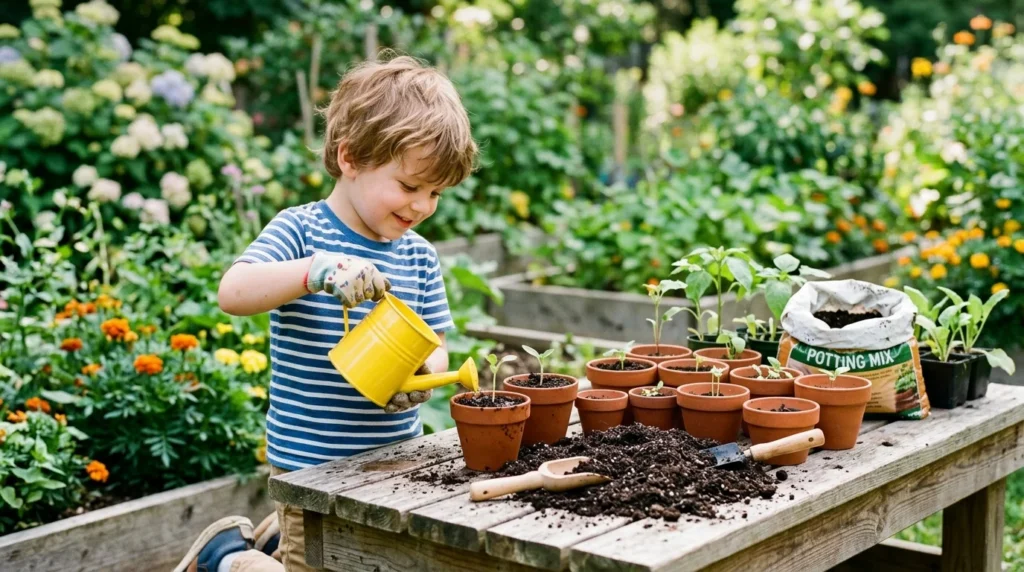
Gardening is a lesson in patience, care, and the cycles of life. Even if you don’t have a large backyard, you can start a “windowsill garden.” Give each child their own pot and let them choose what to grow—sunflowers, cherry tomatoes, and herbs like mint or basil are great choices because they grow relatively quickly.
Let them get their hands dirty by filling the pots with soil, poking holes for the seeds, and giving the plants their first drink of water. Decorating the pots with waterproof markers or paint adds an extra layer of personalization. Over the coming weeks, checking on the “growth” becomes a daily ritual that fosters a sense of responsibility and a connection to the environment.
11. Crafting Workshop
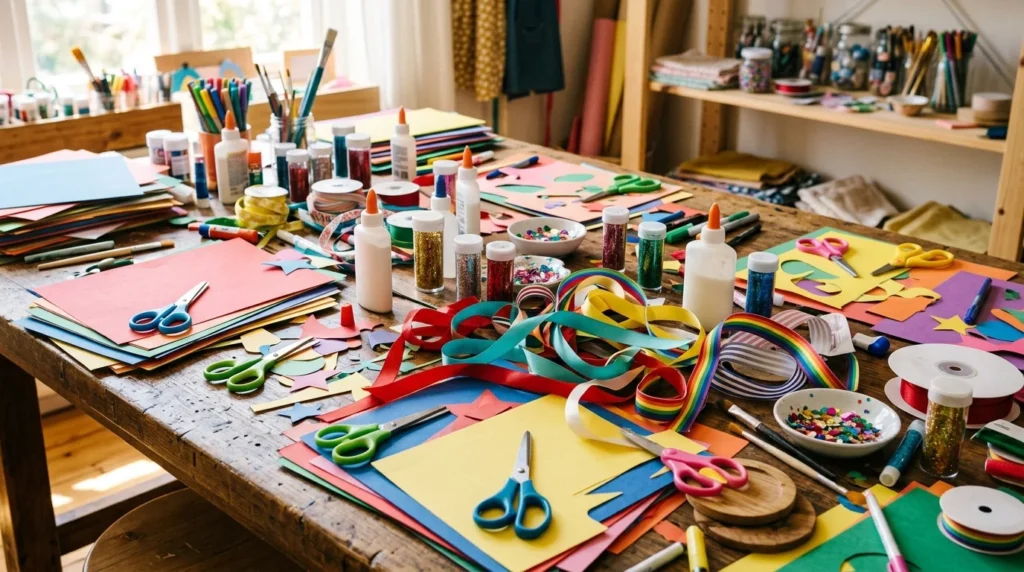
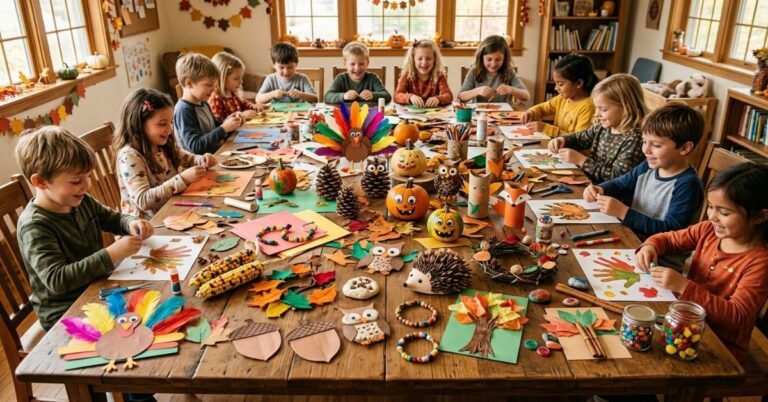
Dedicate a few hours to “unstructured” creativity. Instead of a specific project, lay out a variety of materials: cardboard tubes, egg cartons, pipe cleaners, beads, and old magazines for collaging. The beauty of a crafting workshop is that there are no rules.
You might suggest a broad theme, like “build a city from the year 3000” or “create a new species of animal,” but let their imagination take the lead. This type of open-ended play is vital for cognitive development. When they’re finished, set up a “gallery” on the dining table or the fridge to showcase their masterpieces. It’s a wonderful way to celebrate their unique perspective and artistic voice.
12. Stargazing Session

End your weekend on a high note by looking up. Stargazing is a serene, awe-inspiring activity that puts the world into perspective. Lay a thick blanket out on the grass or a deck, lie on your backs, and just look up. If you live in an area with a lot of light pollution, you might see the brightest planets or the moon, but if you can get somewhere dark, the view is spectacular.
Use a simple star-gazing app to help identify the North Star, Orion’s Belt, or the Big Dipper. Talk about the legends and myths ancient cultures created for the constellations. If there’s a meteor shower or a lunar eclipse scheduled, make it a late-night “event” with blankets and hot tea. It’s a quiet, reflective way to wrap up a weekend of fun, leaving the kids with a sense of wonder about the vast universe they inhabit.