16 Genius Toy Organization Hacks That Work
Maintaining a tidy home with children can feel like an impossible task, but the right organization strategy can transform chaos into a functional living space. Managing toy clutter is not just about aesthetics; it is about creating an environment where children can play independently and learn the responsibility of cleaning up. By implementing professional organization techniques, you can reclaim your floor space and reduce the daily stress of navigating piles of plastic and plush. These sixteen hacks offer practical, scalable solutions for every room in your home.
1. Implement a Toy Rotation System
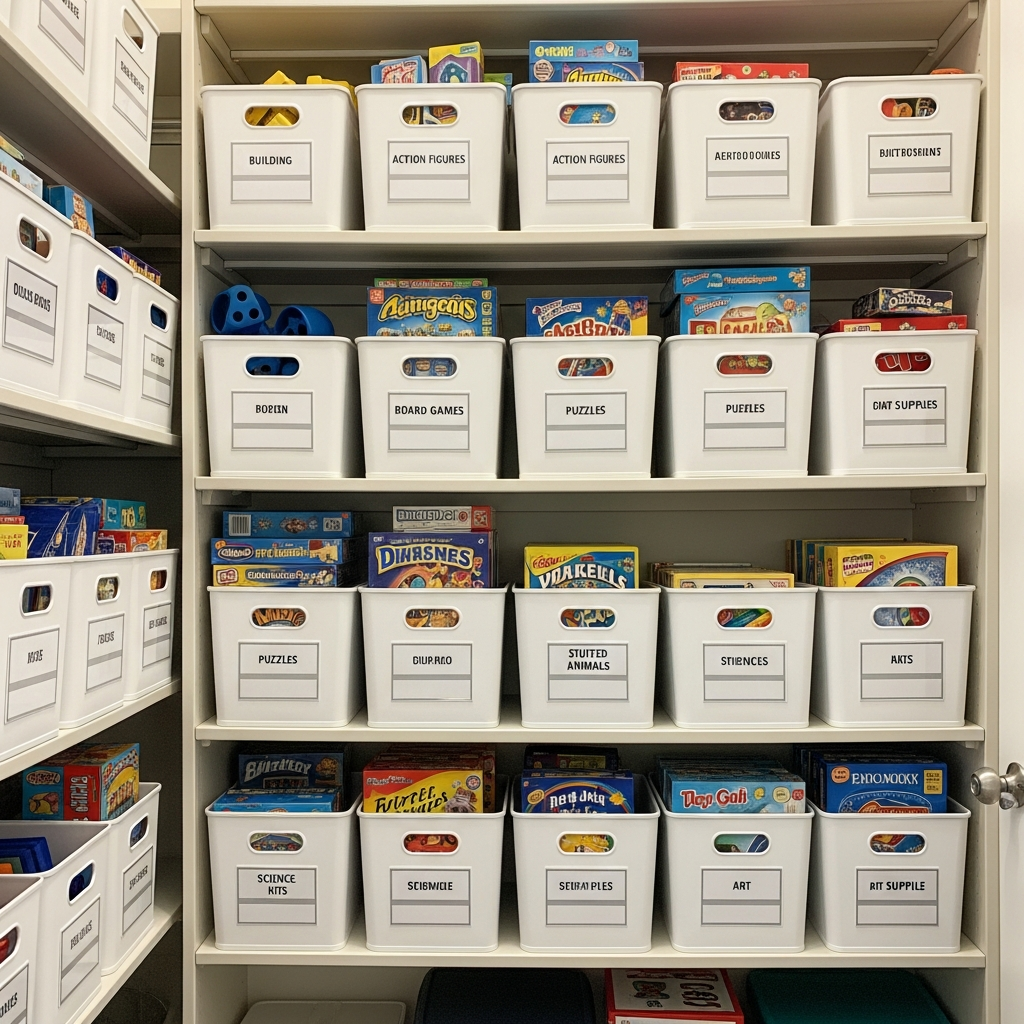
One of the most effective ways to manage an abundance of toys is to limit the number of items available at any given time. By storing a portion of the collection in a closet or attic and rotating them every few weeks, you keep the play experience fresh for your children while significantly reducing the potential for a massive mess. This approach encourages deeper focus on specific toys rather than overwhelming them with too many choices.
2. Utilize Clear Plastic Bins
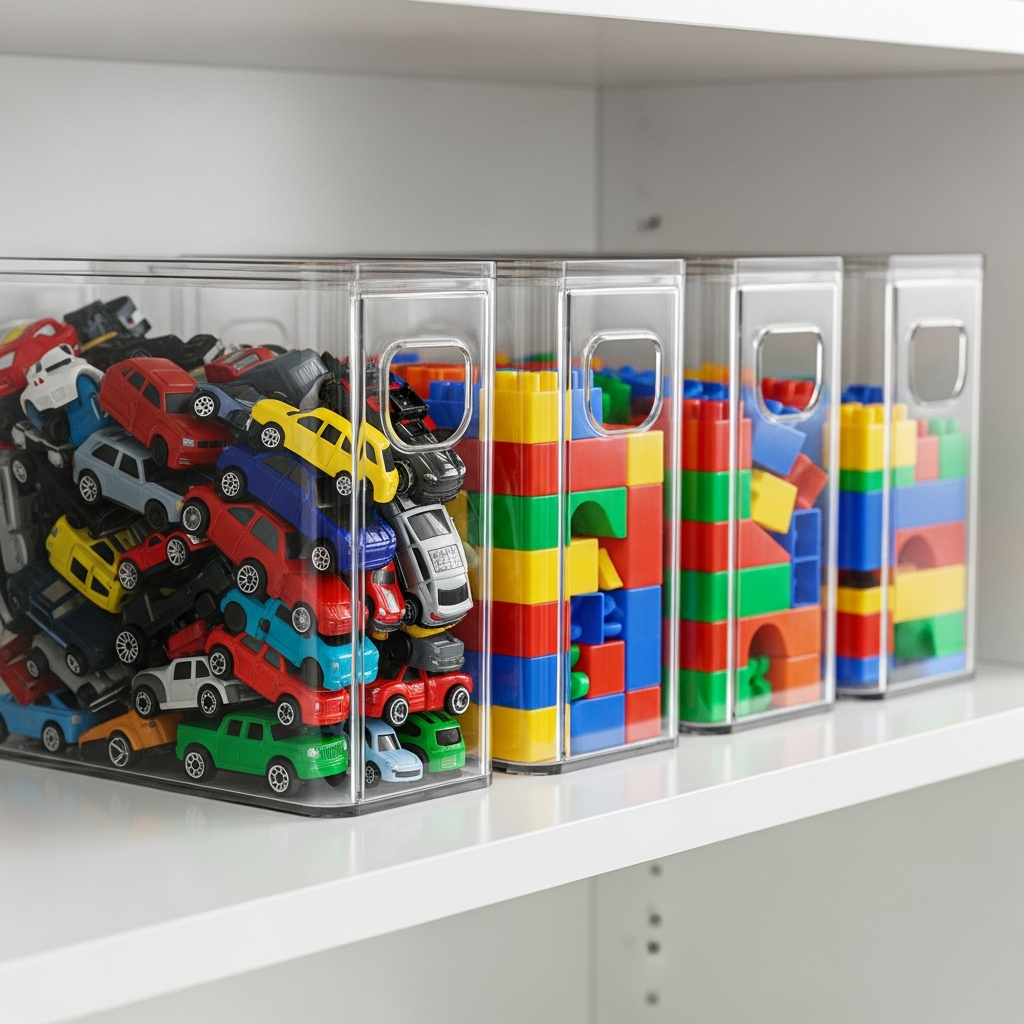
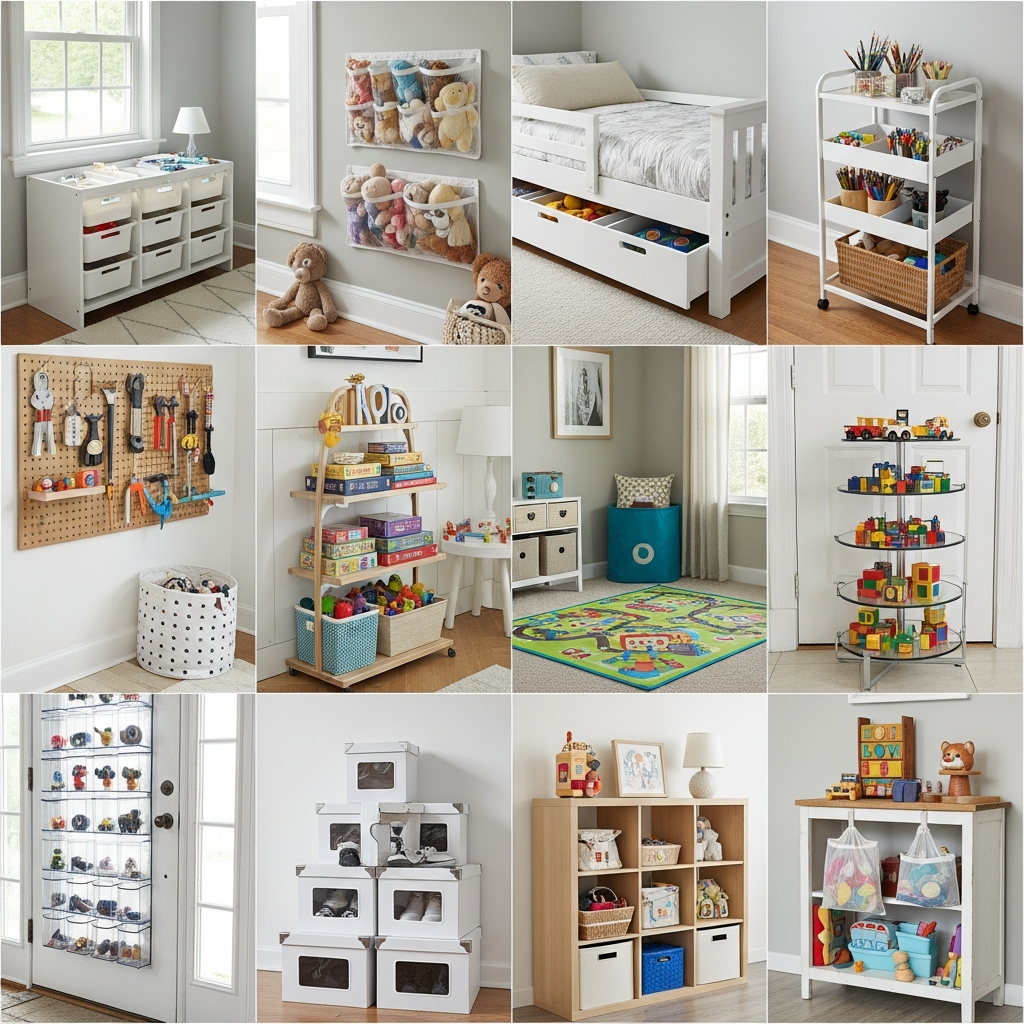
Visual access is critical for children when it comes to both finding toys and putting them away. Transparent storage bins allow kids to identify the contents without dumping the entire container on the floor. For a professional look, choose a consistent style of bin across your shelving units to create a cohesive and streamlined appearance.
3. Maximized Vertical Wall Space
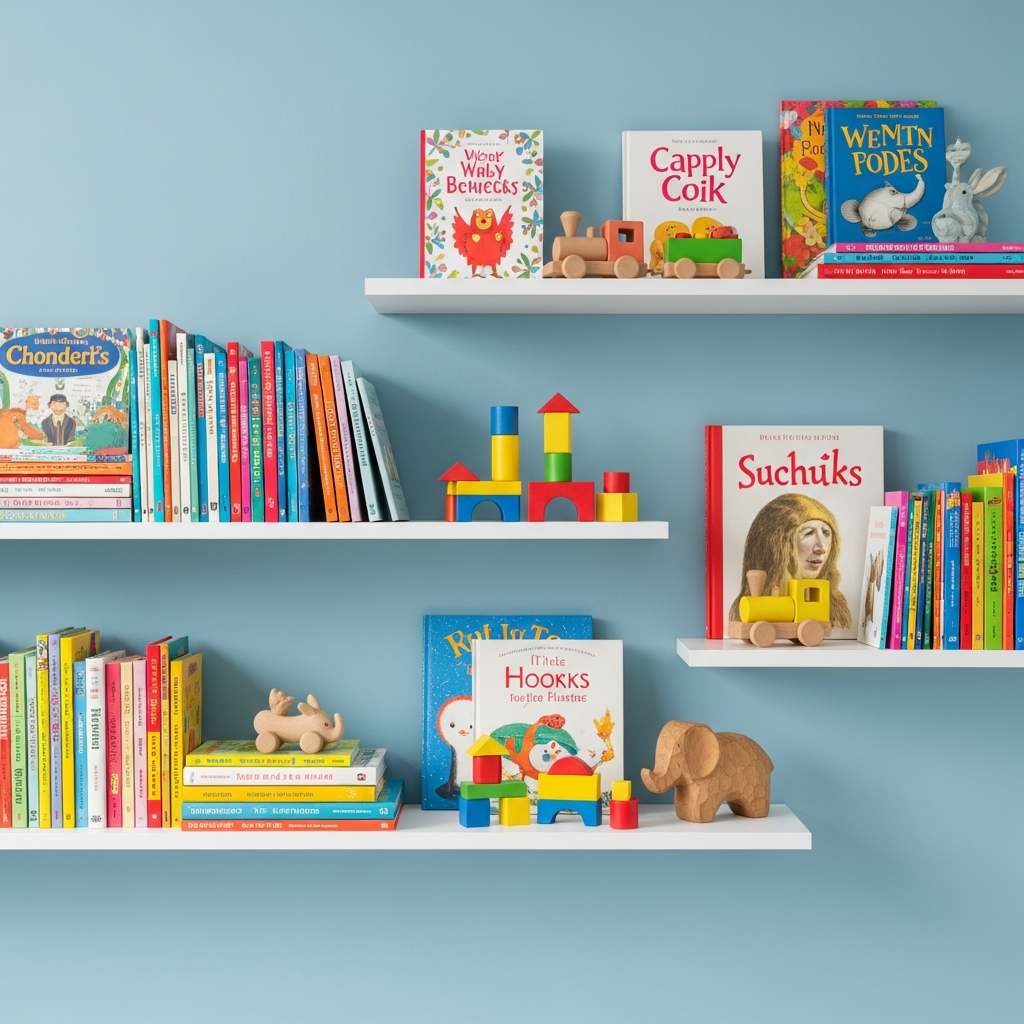
When floor space is at a premium, look to your walls. Installing floating shelves or wall-mounted baskets can keep frequently used items within reach while keeping the ground clear. This is particularly useful for books, action figures, or display-worthy toys that add a decorative element to the room.
4. Install Over-the-Door Organizers
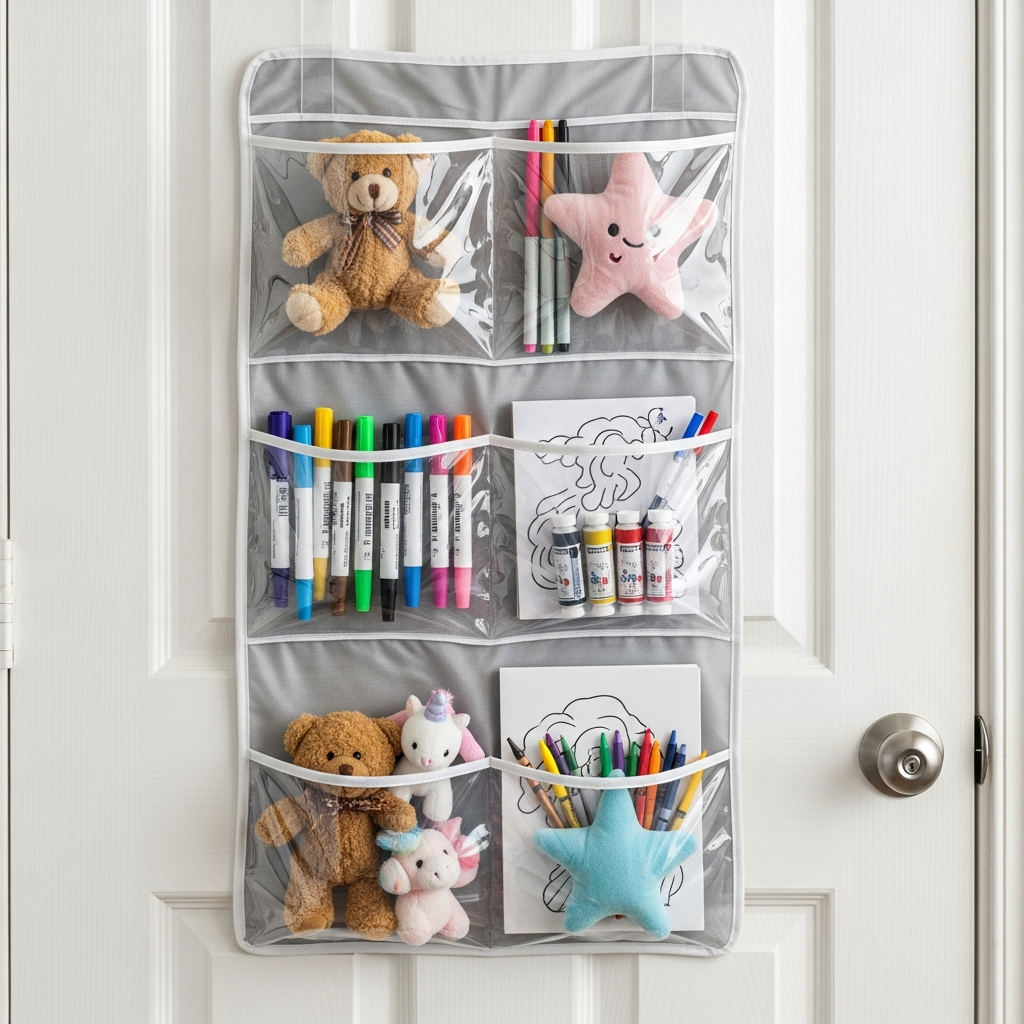
The back of a door is often overlooked real estate. Clear pocket organizers originally designed for shoes are perfect for storing smaller items like dolls, craft supplies, or stuffed animals. This method keeps small parts off the floor and utilizes space that would otherwise go to waste.
5. Create a Dedicated LEGO Zone
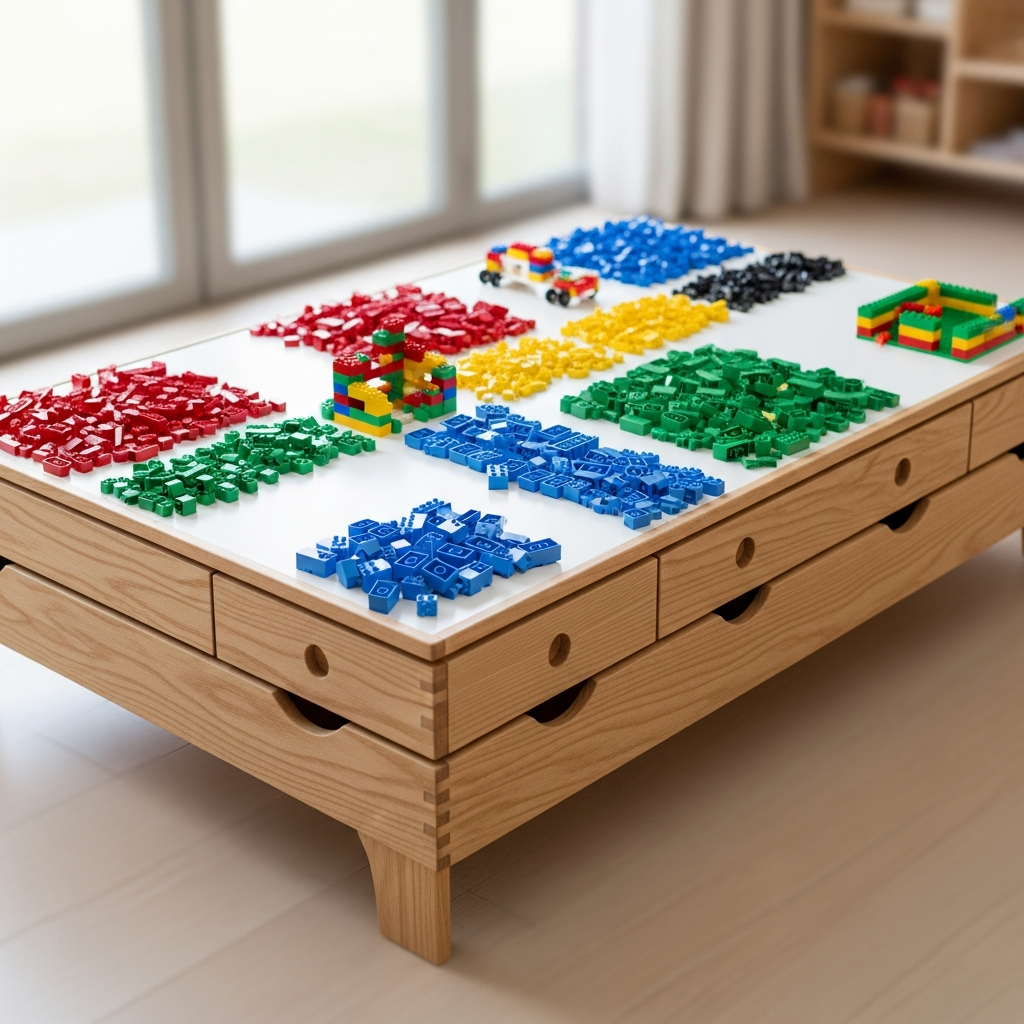
Small building pieces are notorious for creating clutter and safety hazards. A dedicated table with a raised edge or built-in storage drawers can contain these small parts. Use specialized sorting trays for different colors or sizes to make the building process more efficient for older children.
6. Use Magnetic Strips for Metal Cars
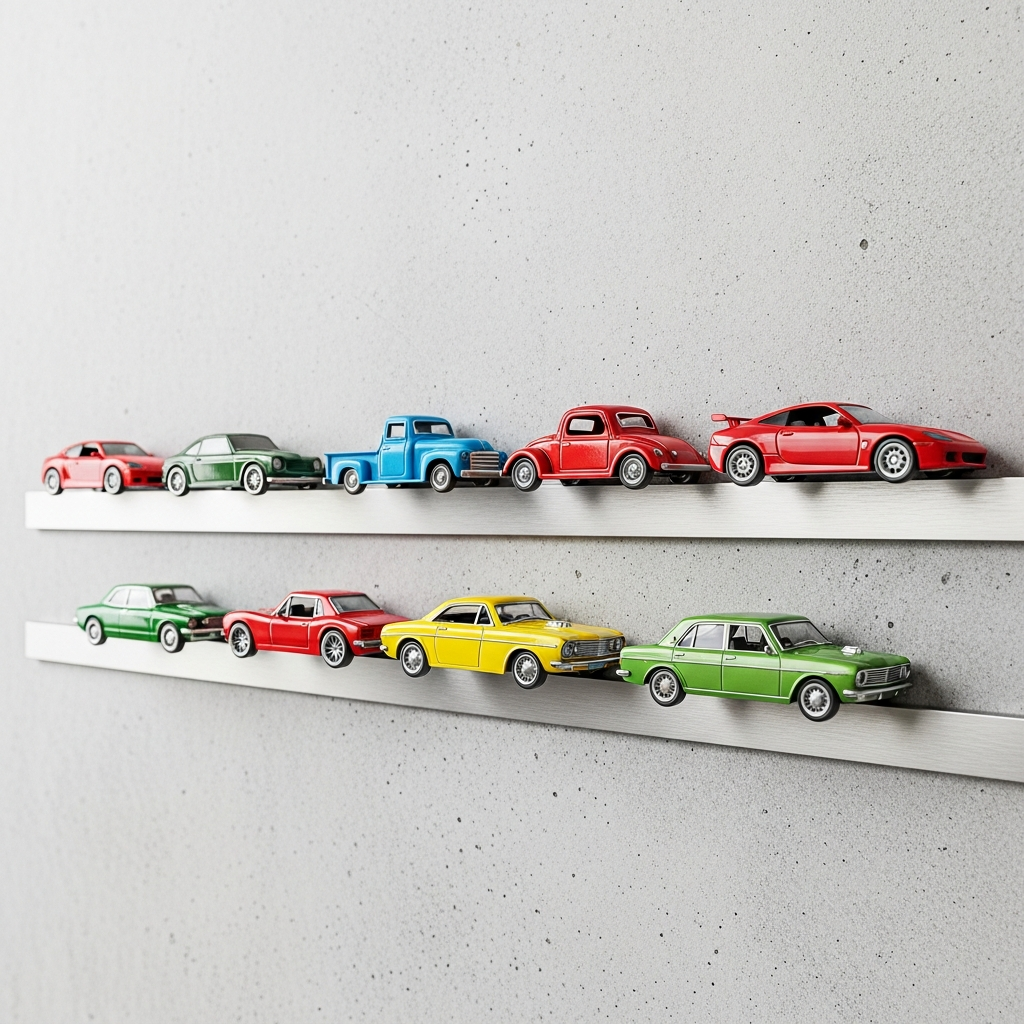
For collections of die-cast metal cars, magnetic knife strips offer a brilliant storage solution. Mounting these strips at a child-friendly height allows them to easily ‘park’ their cars. This not only organizes the collection but also turns the toys into a unique wall art feature.
7. Repurpose Hanging Fruit Baskets
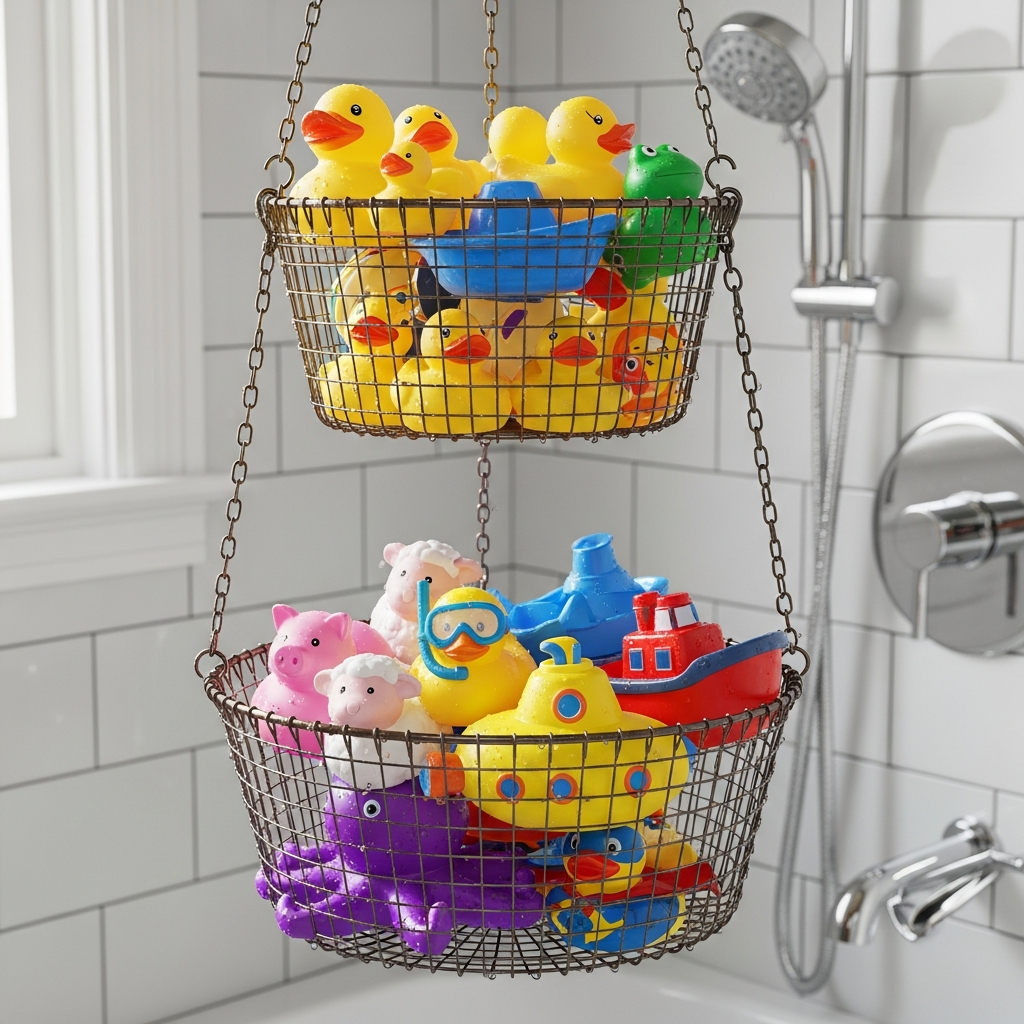
Tiered wire fruit baskets are excellent for bath toys or lightweight plush items. Because they are mesh or wire, they allow for air circulation, which is essential for drying out toys used in the water. They can be hung from a shower rod or a ceiling hook to free up corner space.
8. Invest in Multi-Functional Furniture
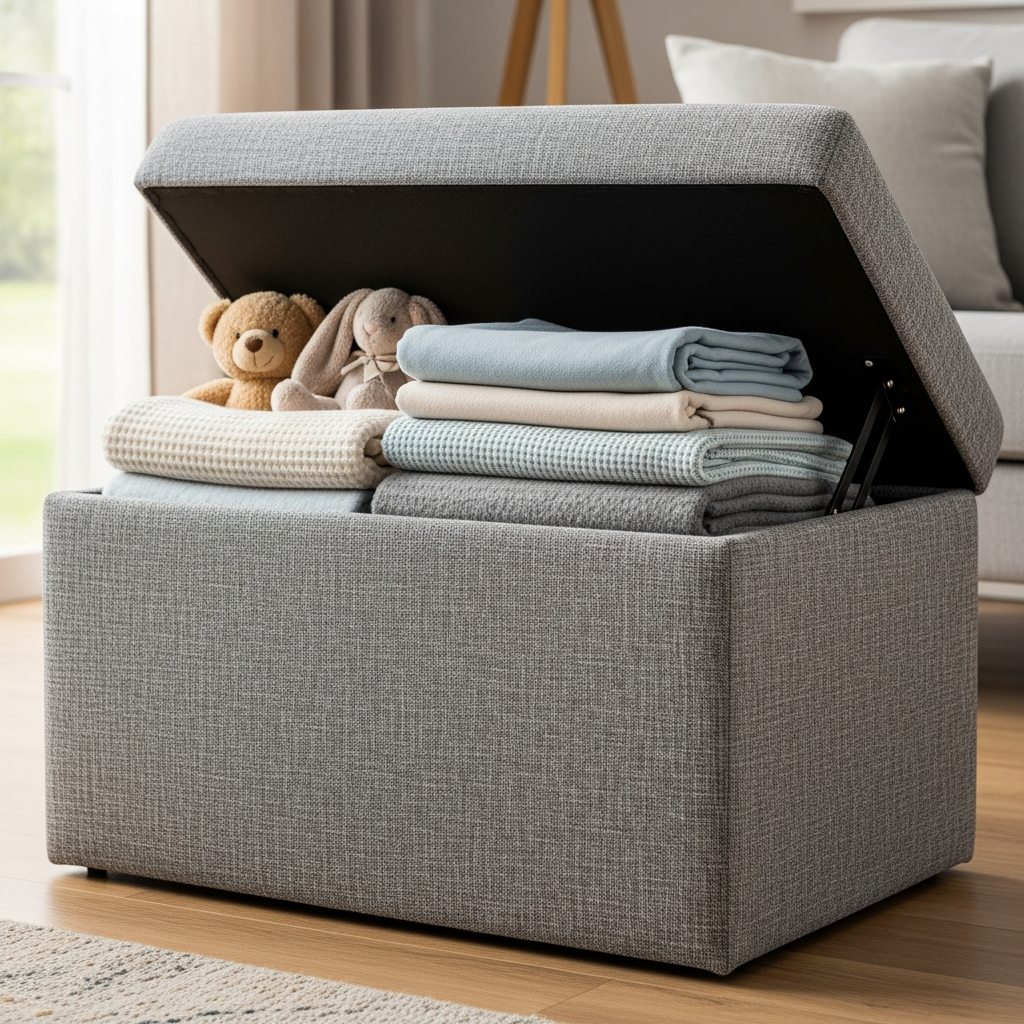
Choose furniture that serves a dual purpose, such as storage ottomans or benches with built-in cubbies. These pieces provide seating or a surface area while hiding toys in plain sight. This is an ideal solution for living rooms or shared spaces where you want to maintain a more adult-centric decor.
9. Build a Stuffed Animal Zoo
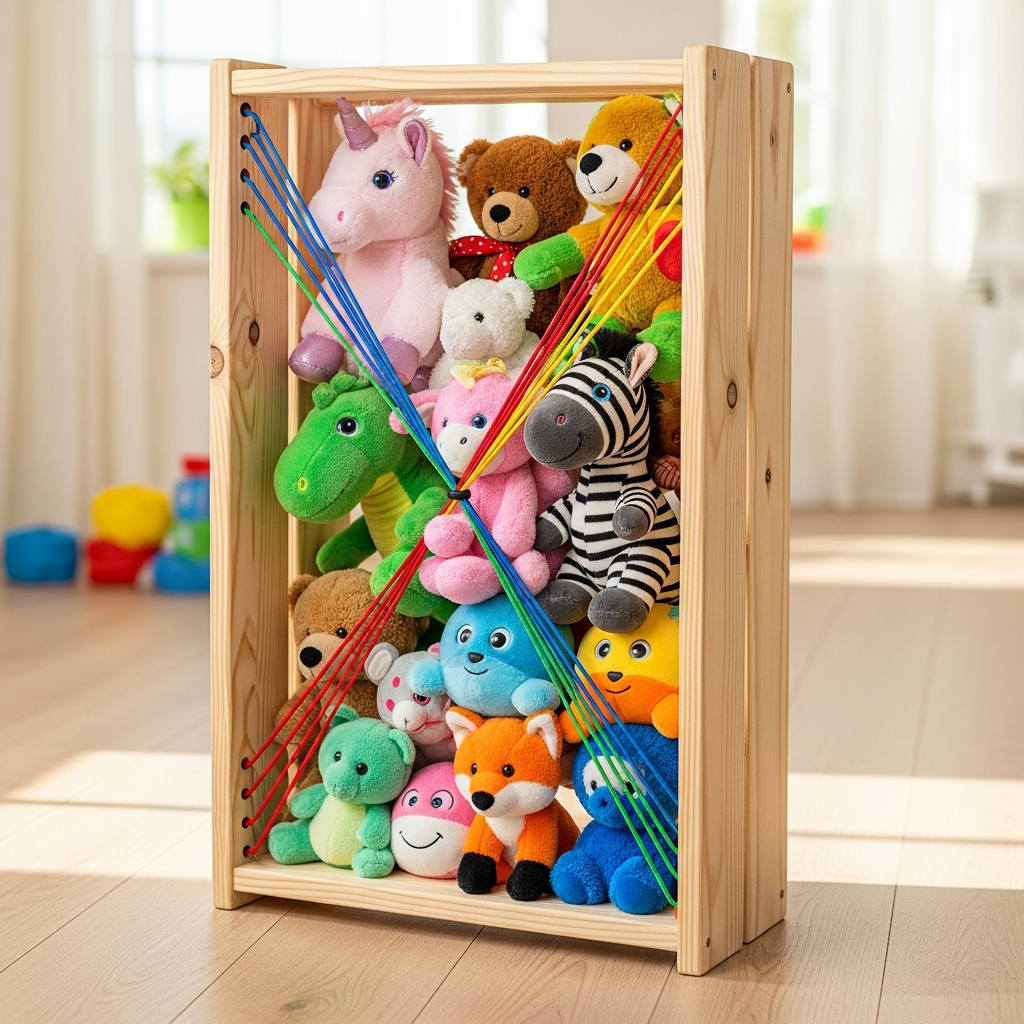
Large collections of stuffed animals can be difficult to manage. A ‘zoo’ structure made of wood and elastic cords allows children to easily pull out the toy they want and shove it back in when they are finished. This keeps the plushies contained while still being visible.
10. Label Bins with Photos
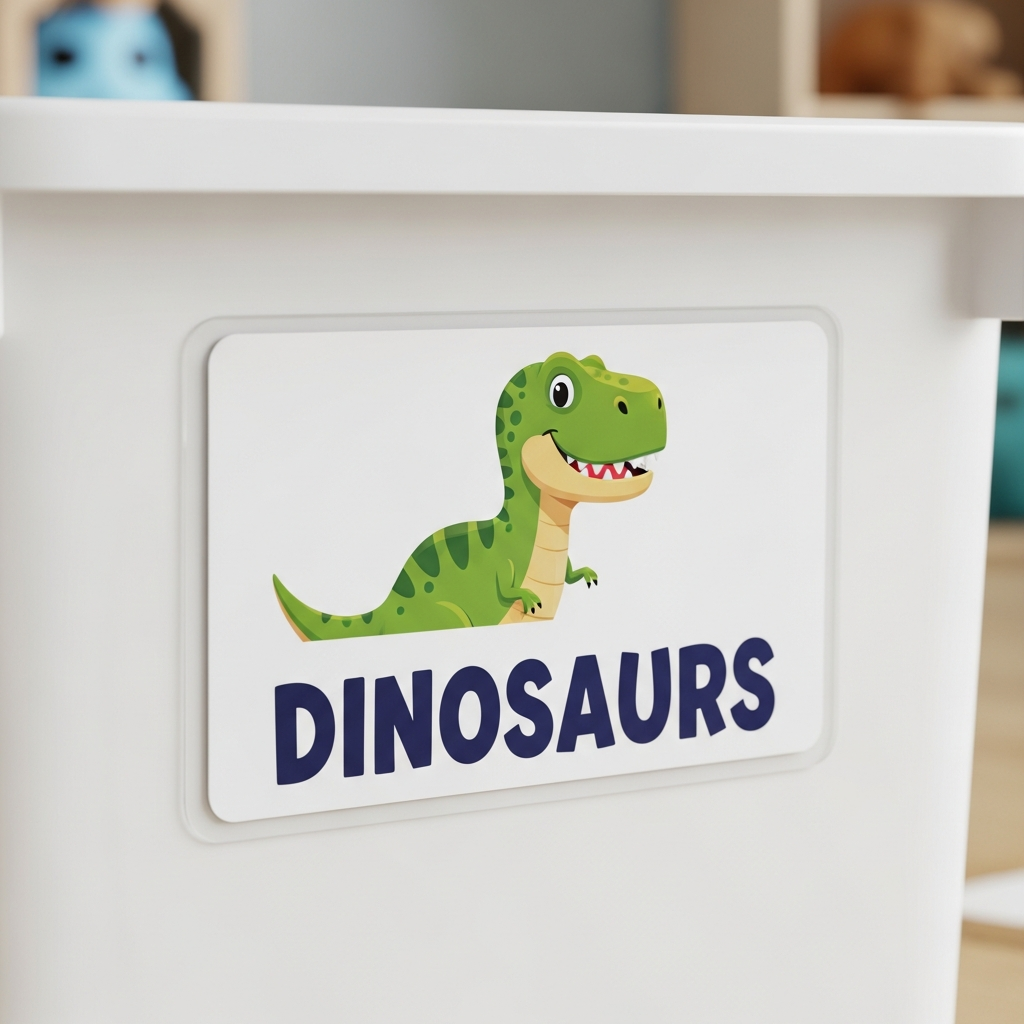
For younger children who cannot yet read, labels featuring a photo or icon of the toy type are game-changers. This empowers toddlers to assist in the cleanup process because they can visually identify where each item belongs. Use a high-quality label maker or printed photos for a professional finish.
11. Deploy Under-Bed Rolling Trays
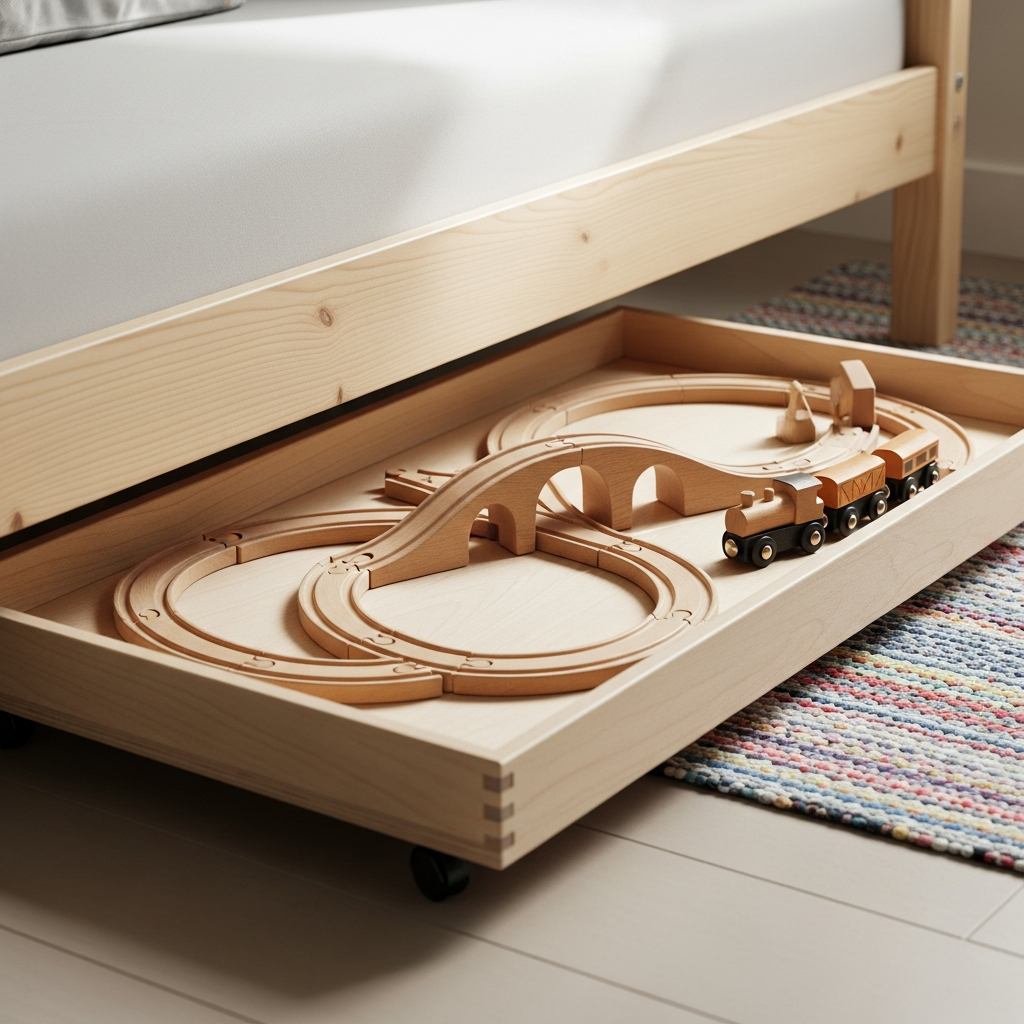
The space beneath the bed is perfect for large, flat items like train tracks or puzzles. Rolling wooden trays or shallow plastic bins make it easy for children to slide their toys out for play and tuck them away when the day is done.
12. Designate an Art Station
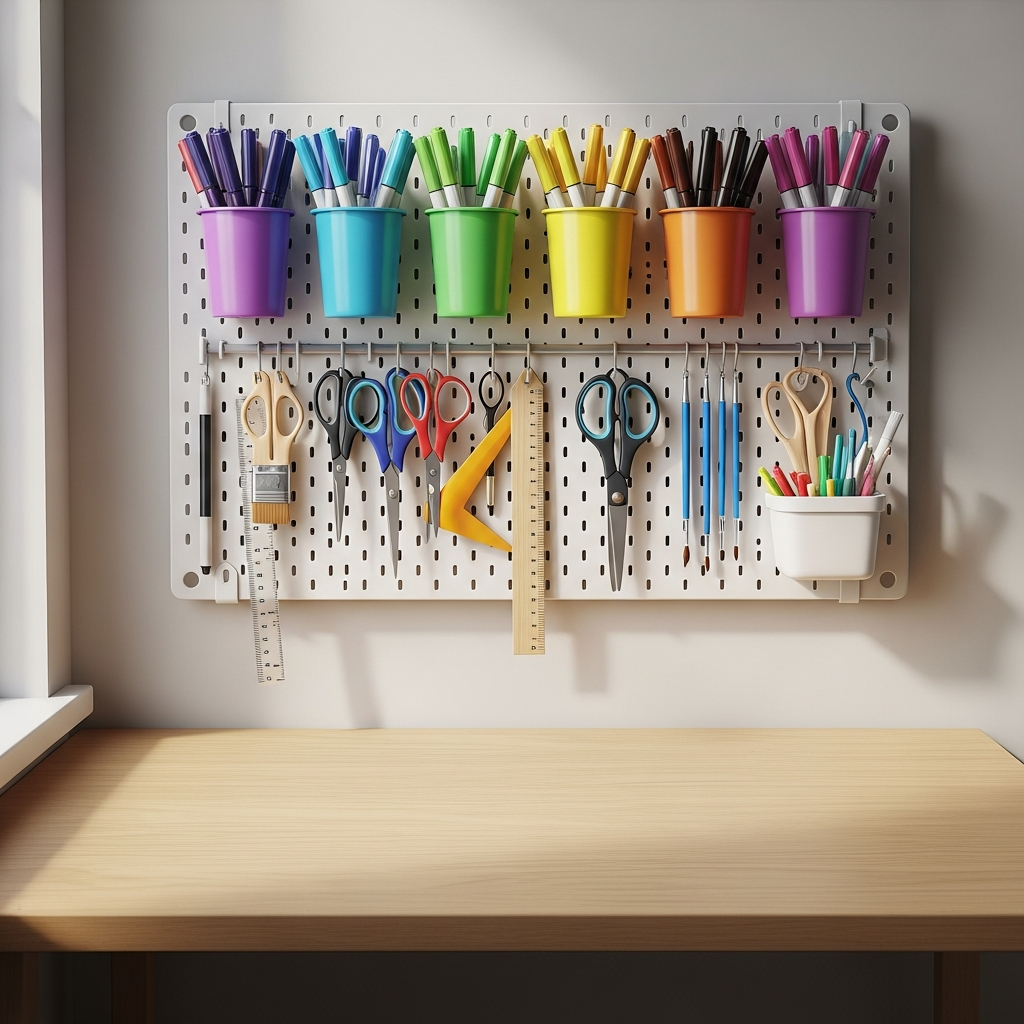
Keep creative chaos contained by designating a specific area for arts and crafts. Use a pegboard to hang scissors, tape, and brushes, and use jars for markers and crayons. Having a specific zone prevents glitter and glue from migrating to other parts of the home.
13. Use Soft Baskets for Quick Cleanup
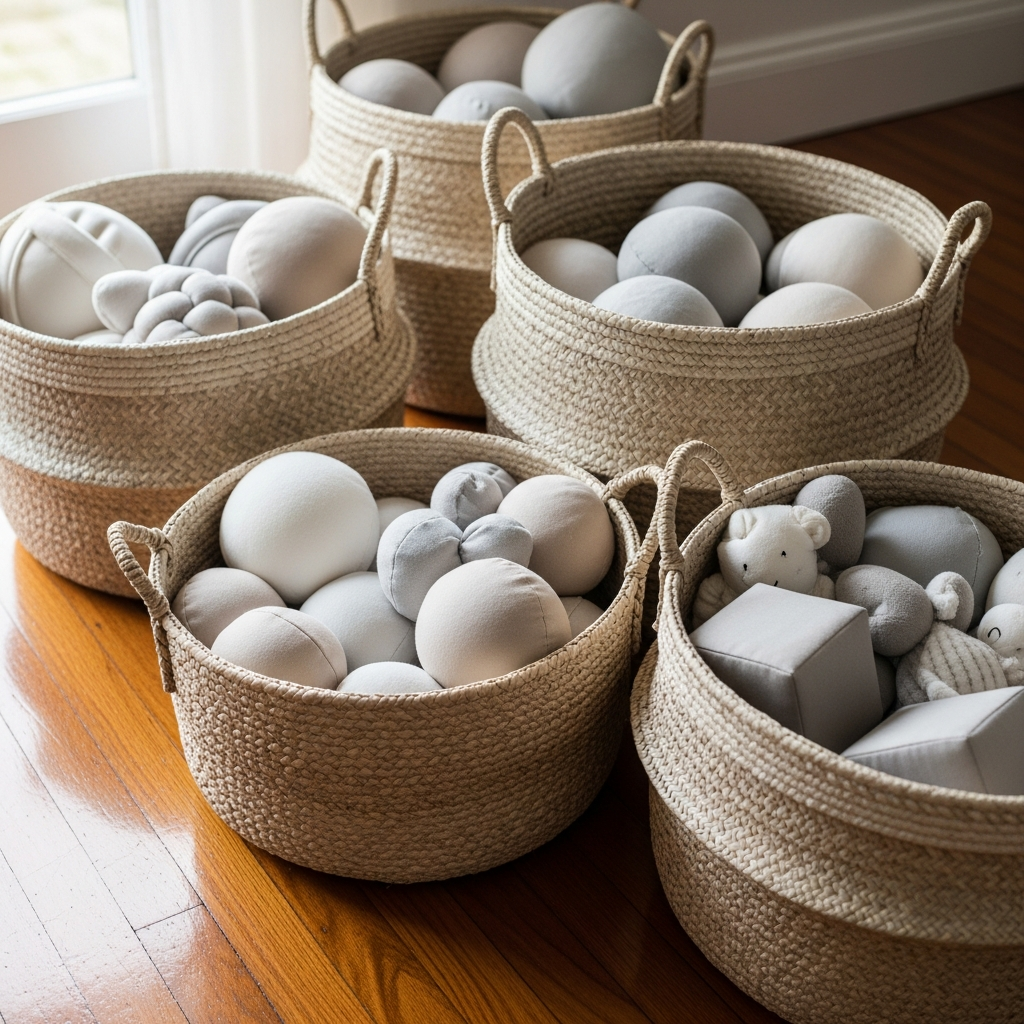
Woven or fabric baskets are perfect for quick evening sweeps. They are lightweight, safe for kids to handle, and look attractive in any room. Use these for larger items like balls or musical instruments that do not fit well in rigid bins.
14. Adopt the One-In One-Out Rule
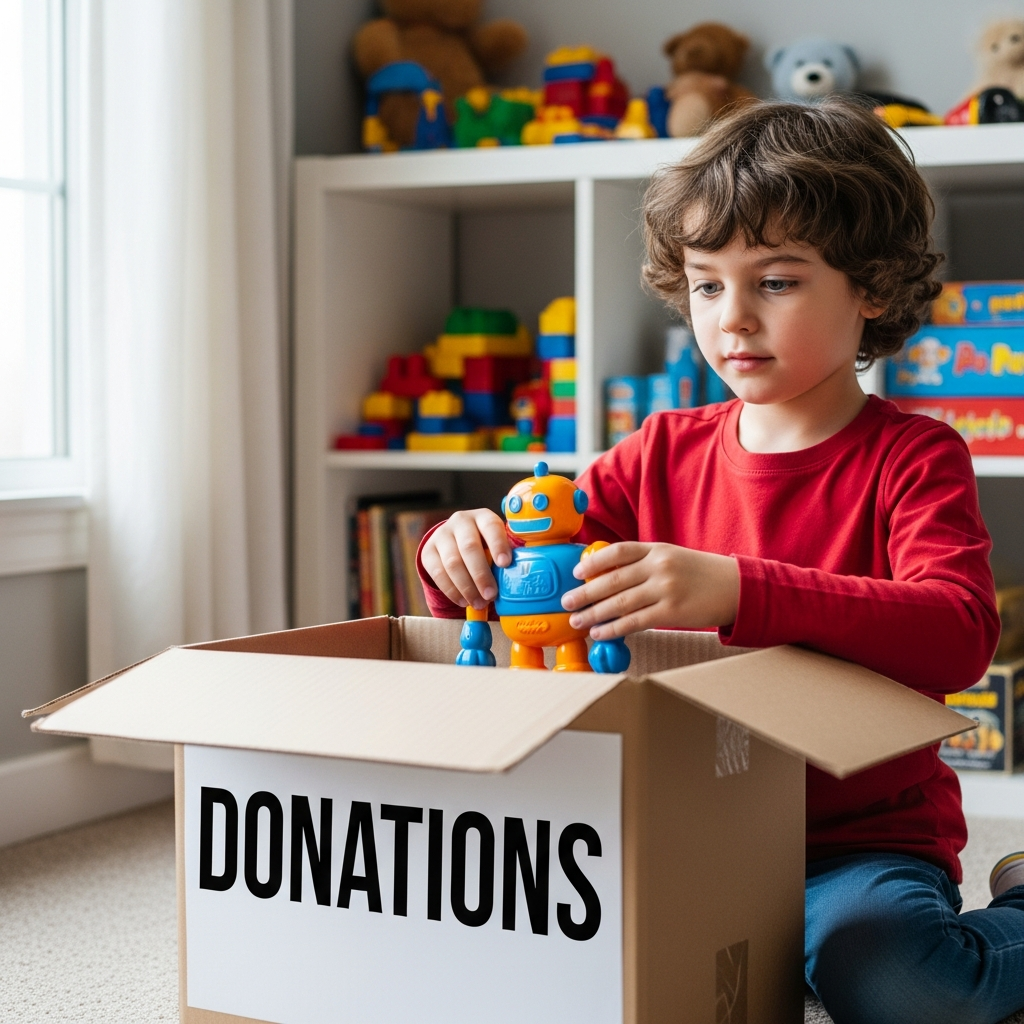
To prevent toy creep, implement a policy where every new toy brought into the house necessitates the donation or disposal of an old one. This teaches children the value of their belongings and helps maintain a manageable volume of items throughout the year.
15. Organize Puzzles in Zip Pouches
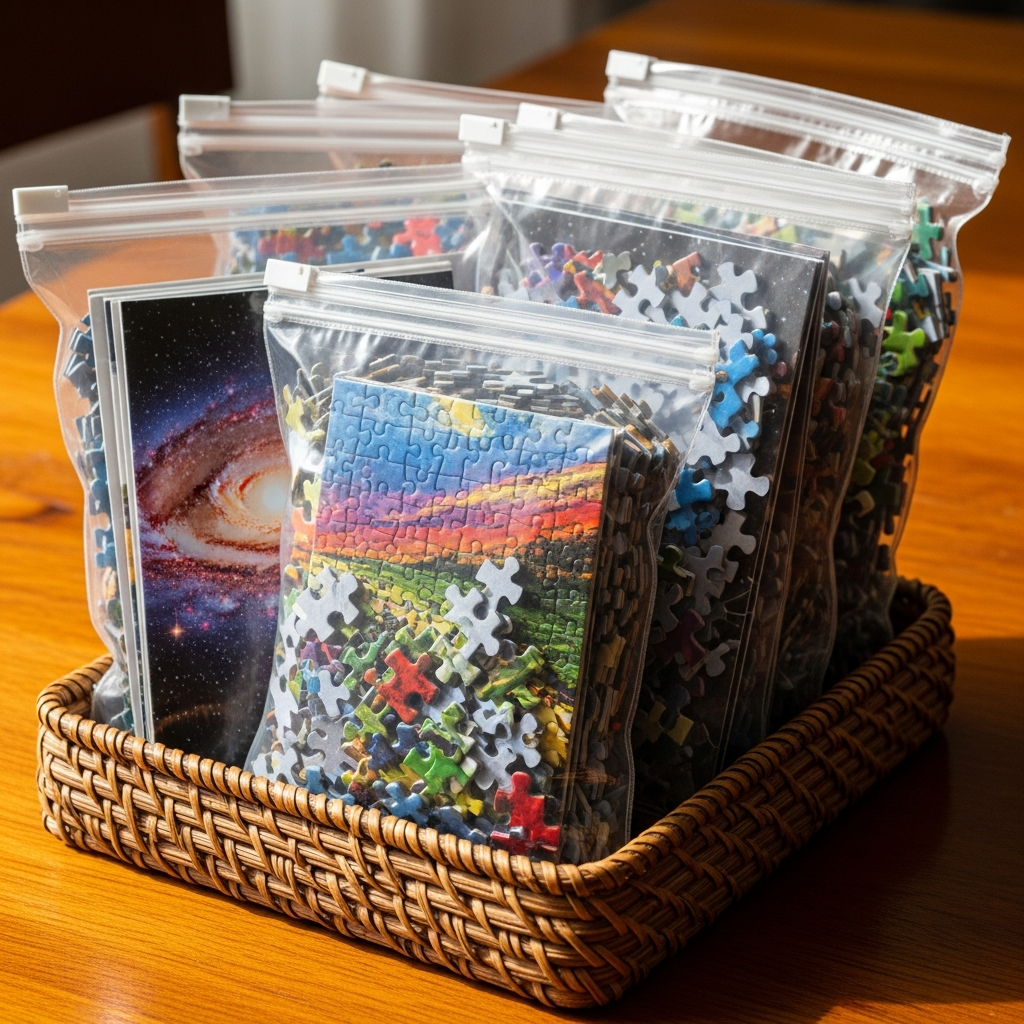
Cardboard puzzle boxes are bulky and prone to breaking. Instead, store individual puzzles in clear mesh zip pouches. Include the picture from the original box in the pouch so the child knows what they are building. These pouches can then be filed in a basket like records.
16. Establish a Tidy-Up Routine
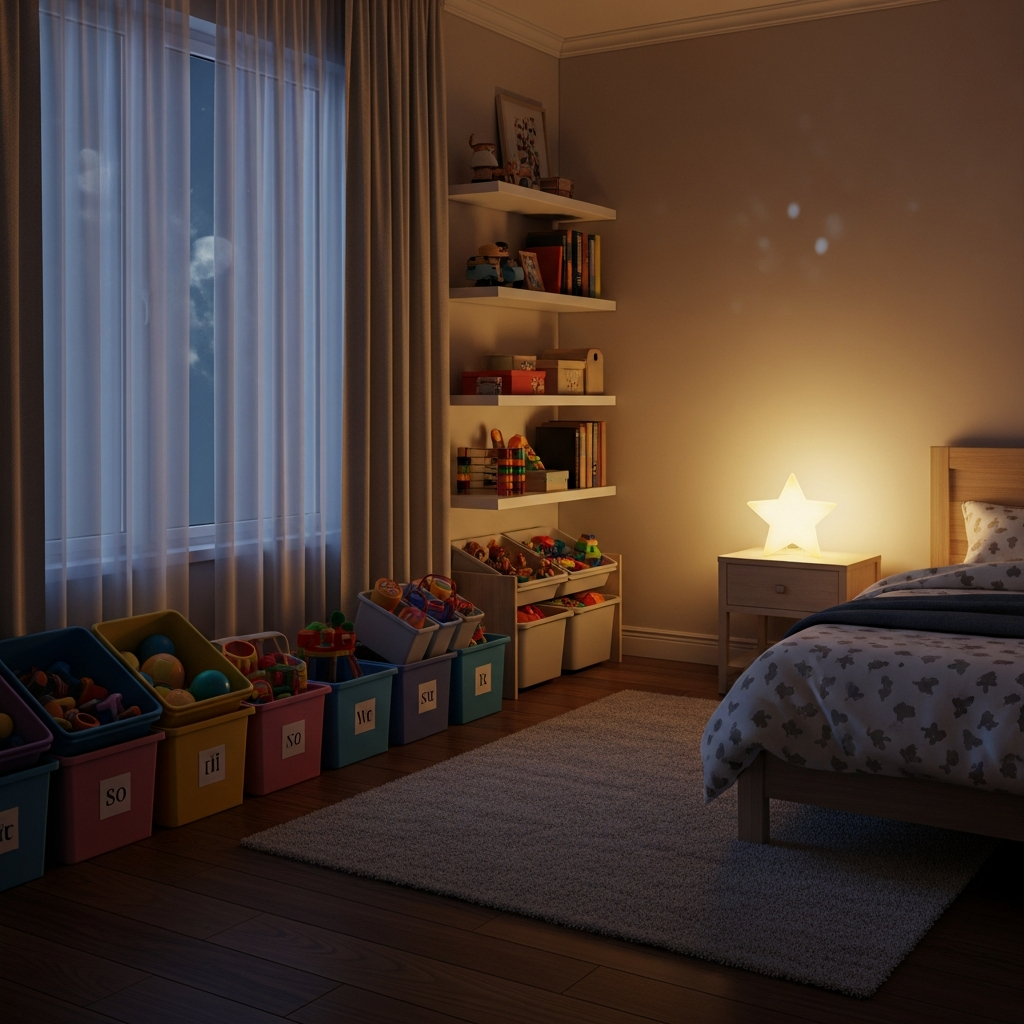
No organization system works without a consistent habit. Spend ten minutes at the end of each day performing a family cleanup. When everything has a designated home, this process becomes a quick and stress-free way to reset the house for the following morning.
Conclusion
Organizing toys is an ongoing process rather than a one-time event. By utilizing these sixteen genius hacks, you can create a system that grows with your child and maintains the integrity of your home’s design. The key to success lies in consistency and choosing the methods that best fit your family’s lifestyle. With a bit of planning and the right tools, you can ensure that your home remains a place of both play and peace.