Safe and Practical Montessori Indoor Shoes for Toddlers
Safe and Practical Montessori Indoor Shoes for Toddlers
As parents, we constantly seek the best for our little ones, especially when it comes to their development and comfort. From their first wobbly steps to confident strides, a toddler’s feet are undergoing incredible changes. While the world outside often demands sturdy outdoor shoes, what about indoors? This is where the wisdom of Montessori principles shines, guiding us towards choices that support natural growth and exploration.
Traditional, rigid indoor shoes can sometimes hinder the very development we wish to foster. They might restrict natural foot movement, limit sensory feedback, and even affect balance. But going barefoot isn’t always practical or safe, especially on certain surfaces or in colder climates. The solution lies in understanding and choosing Montessori-inspired indoor shoes—footwear designed to protect while mimicking the freedom and benefits of being barefoot.
In this guide, we’ll explore why Montessori indoor shoes are a game-changer for your toddler’s development, what features to look for, and how to choose the perfect pair that supports their journey towards independence and confident movement.
Understanding Montessori Principles for Footwear
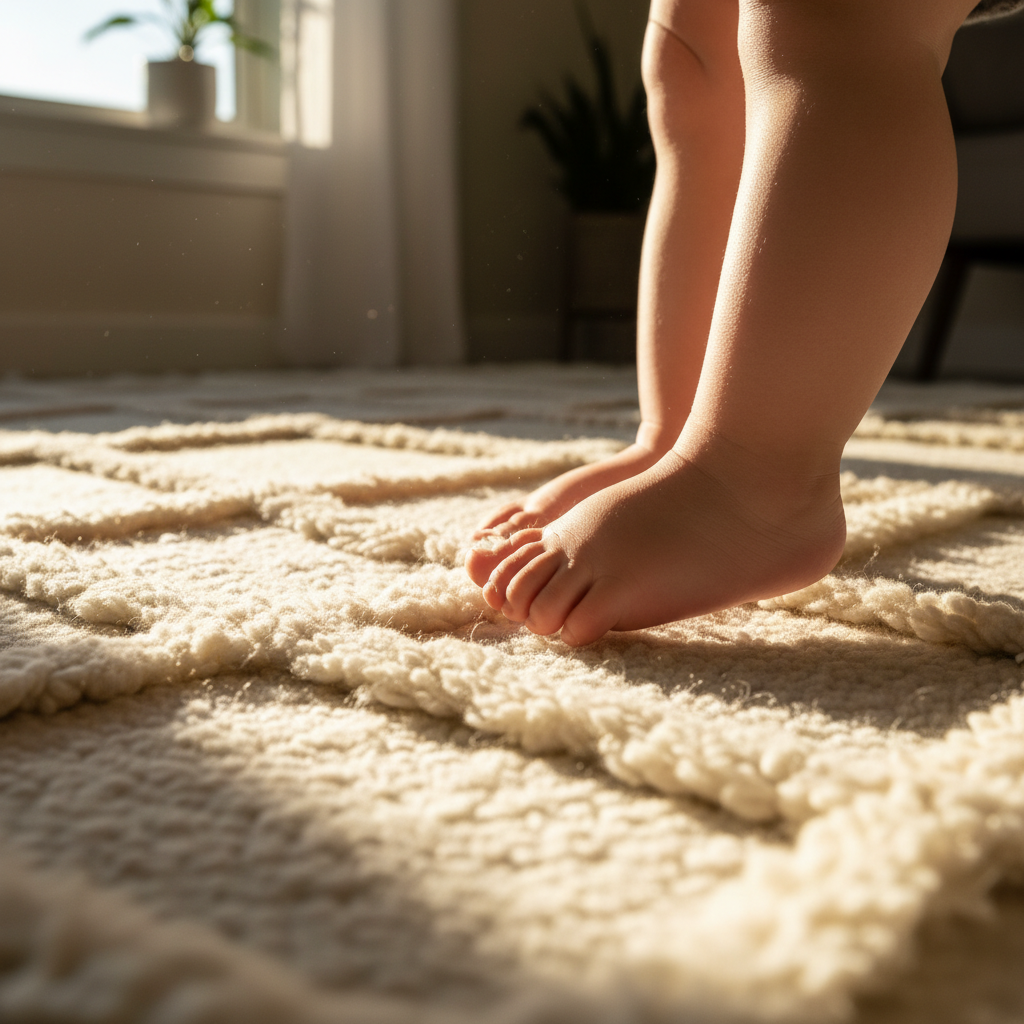
The Montessori philosophy emphasizes fostering a child’s natural development and independence. When it comes to feet, this means allowing them to move as freely and naturally as possible. Think about how a baby’s hands explore the world—their feet are no different. They are packed with nerve endings, providing crucial sensory input that helps with balance, coordination, and proprioception (awareness of their body in space).
For optimal development, experts often recommend barefoot time whenever safe and practical. Being barefoot allows the foot muscles to strengthen naturally, the toes to spread, and the arches to form correctly. It also gives children direct sensory feedback from the ground, which is vital for developing balance and spatial awareness.
However, indoor environments aren’t always ideal for bare feet. Cold floors, slippery surfaces, or the occasional sharp toy can pose risks. This is where Montessori-friendly indoor shoes step in. They offer a protective layer without compromising the natural mechanics of the foot, acting as a “second skin” rather than a rigid encasement.
What Makes a Shoe Montessori-Friendly?
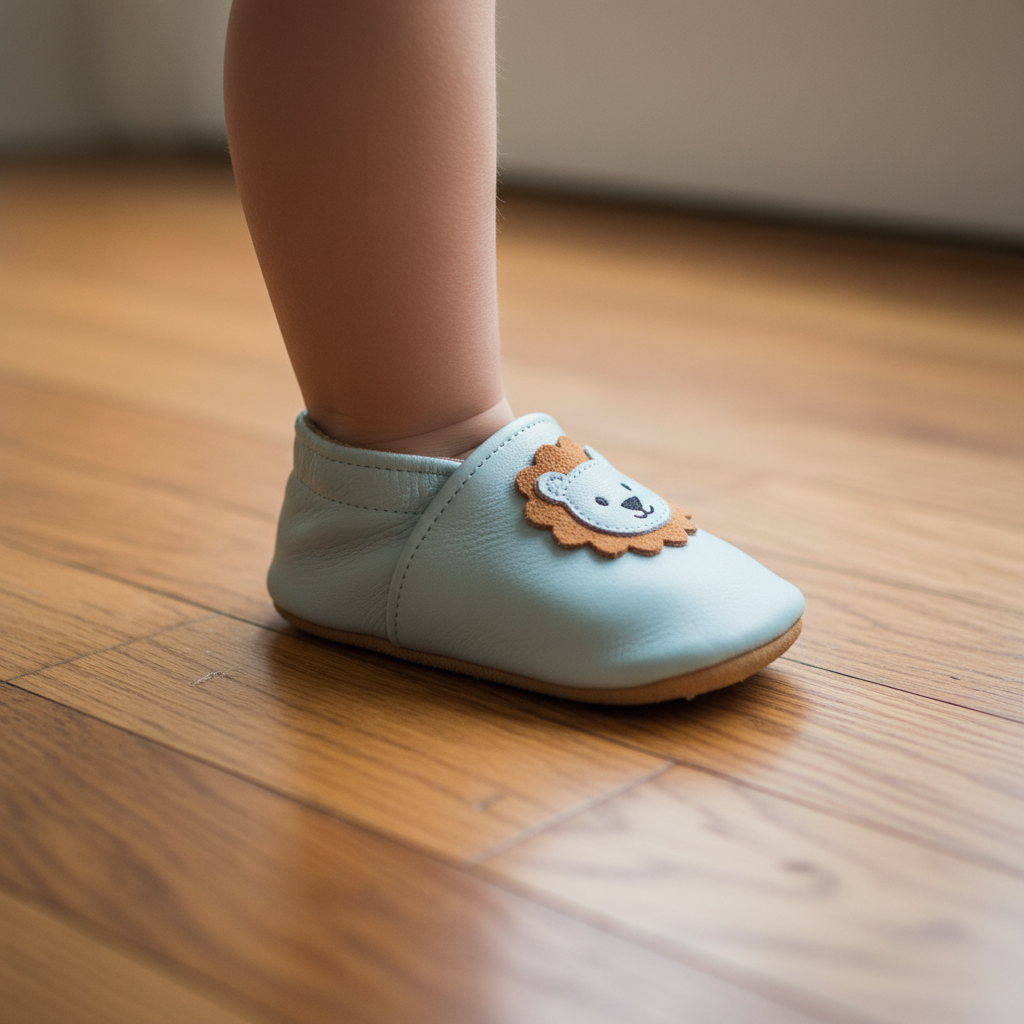
Identifying a truly Montessori-friendly indoor shoe means looking beyond typical children’s footwear. The key is to find shoes that support, rather than restrict, natural foot function. Here are the essential characteristics to consider:
- Flexible, Thin Soles– The sole should be thin enough to allow the child to feel the ground beneath them, providing crucial sensory feedback. It should also be extremely flexible, easily bending and twisting in all directions, mimicking the natural movement of a bare foot.
- Wide Toe Box– Toddlers’ toes need room to spread and grip, which is vital for balance and developing strong foot muscles. A wide toe box ensures there’s no compression or squishing of the toes.
- Lightweight Materials– Heavy shoes can be cumbersome and tiring for little legs. Montessori-inspired shoes are typically made from lightweight materials that don’t add unnecessary bulk, allowing for effortless movement.
- Breathability– Toddler feet can get sweaty! Breathable materials like natural leather, cotton, or wool help regulate temperature and keep feet comfortable, reducing the risk of fungal issues.
- Easy On and Off– A cornerstone of Montessori is fostering independence. Shoes that toddlers can easily put on and take off themselves (or with minimal help) empower them and build confidence. Think elasticated openings, simple Velcro straps, or slip-on designs.
- Non-Slip Sole– Safety is paramount. The sole should have a good grip to prevent slips and falls on various indoor surfaces like hardwood, tile, or laminate.
Benefits of Montessori Indoor Shoes for Toddlers
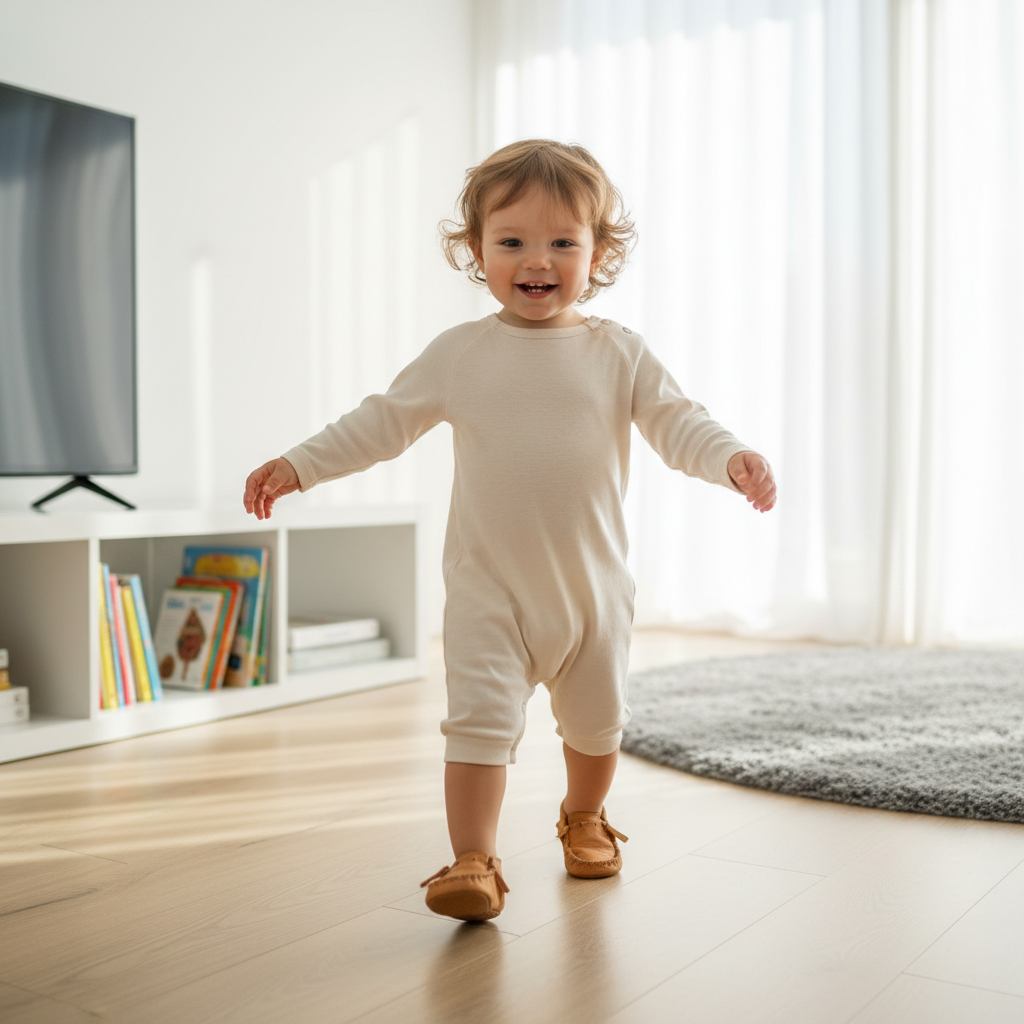
The thoughtful design of Montessori indoor shoes offers a multitude of benefits for your growing toddler:
- Promotes Natural Foot Development– By allowing the foot to move and flex naturally, these shoes help strengthen muscles, ligaments, and tendons, supporting the proper formation of arches and overall foot structure.
- Enhances Balance and Coordination– The sensory feedback from thin soles helps children develop a better sense of where their body is in space, leading to improved balance and coordination as they learn to walk and run.
- Encourages Independence– The ease of putting on and taking off these shoes empowers toddlers to manage their own footwear, fostering a sense of capability and self-reliance.
- Provides Protection Without Restriction– They offer a necessary barrier against cold, dirt, and minor bumps, all while allowing the foot to function almost as if it were bare.
- Optimizes Sensory Feedback– The direct connection to the ground through a thin sole provides rich sensory input, crucial for brain development and motor skill refinement.
Choosing the Right Pair- A Practical Guide
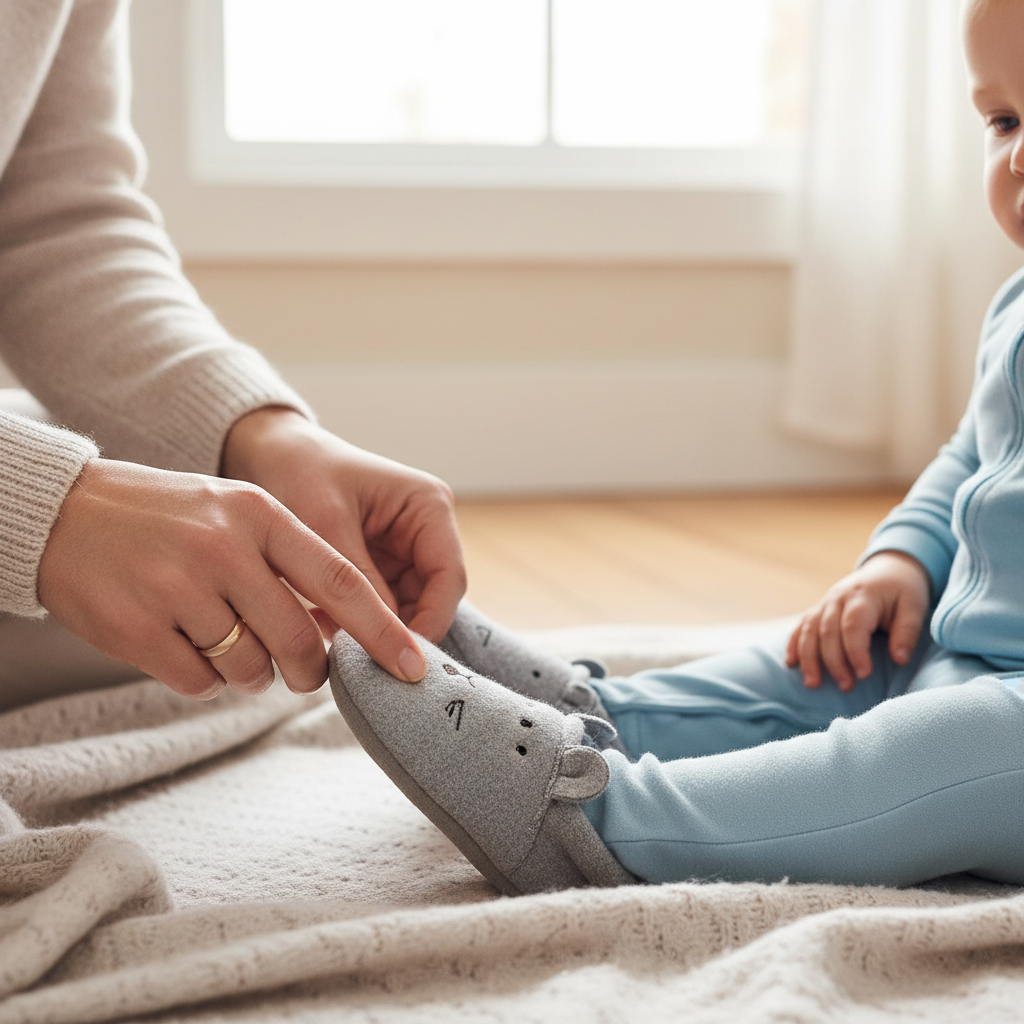
With so many options available, how do you pick the perfect Montessori-friendly indoor shoe? Here’s a practical guide:
- Material Matters– Opt for natural, breathable materials. Soft leather is a popular choice for its durability and flexibility. Organic cotton or wool can also be excellent, especially for sensitive skin or colder environments. Avoid synthetic materials that don’t breathe well.
- The Fit is Fundamental– The shoe should fit snugly around the ankle to stay on, but never be tight or restrictive. There should be ample room for toes to wiggle and spread. Always measure your child’s feet and check sizing charts carefully. Remember, toddlers’ feet grow quickly, so re-measure every few months.
- Sole Check– Bend the shoe in your hands. It should be incredibly flexible, able to roll up and twist easily. The sole should also be non-slip but not overly thick or rigid.
- Toddler-Friendly Fastenings– Consider how easily your child can manage the shoe. Elasticated ankles are great for slip-on styles. Simple Velcro straps or snaps can also work well, promoting self-dressing skills.
- Durability and Maintenance– Toddlers are active! Choose shoes that can withstand daily wear and tear. Check cleaning instructions—many soft leather shoes require gentle wiping, while fabric ones might be machine washable.
When and Where to Use Them
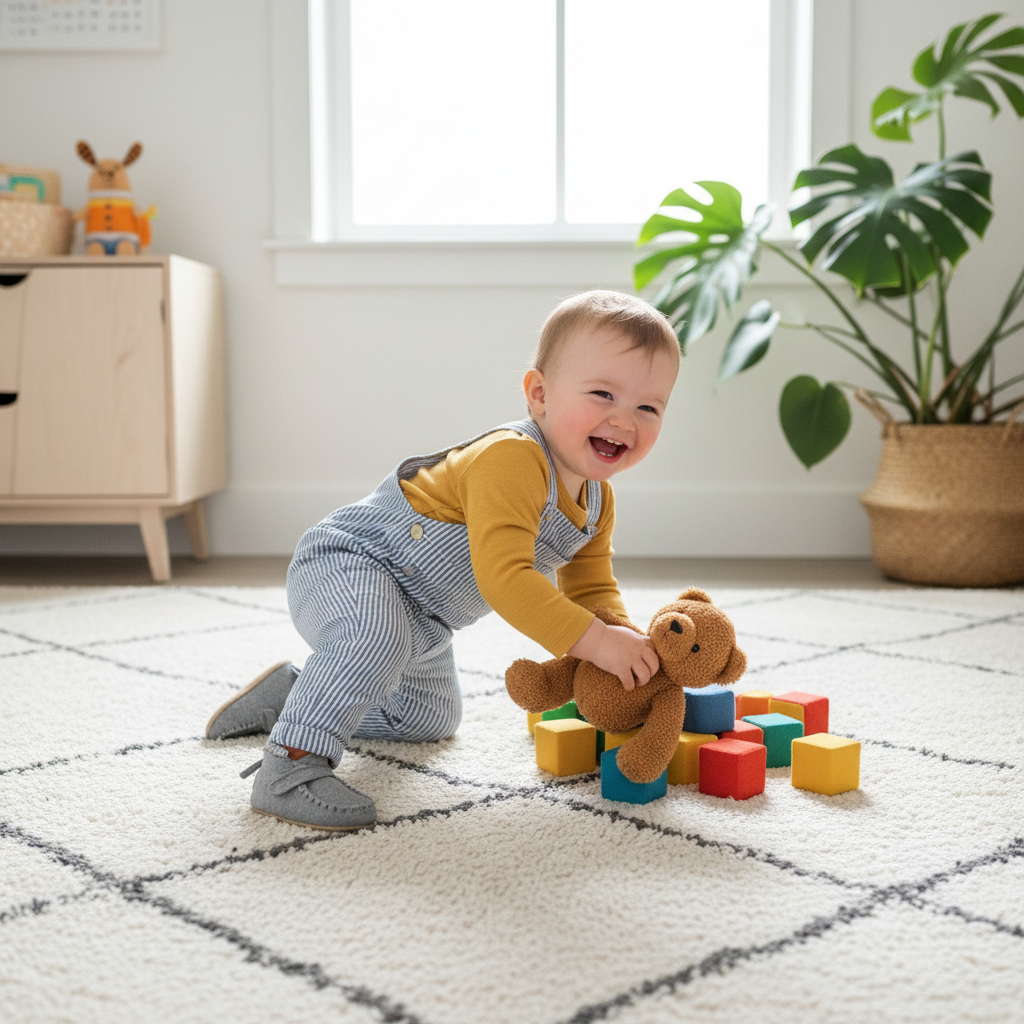
Montessori indoor shoes are incredibly versatile and suitable for various settings:
- At Home– Ideal for protecting feet on hardwood, tile, or laminate floors, especially during colder months. They provide grip and warmth without hindering natural movement.
- Daycare or Preschool– Many early learning environments require indoor shoes. These are a perfect choice, ensuring comfort and promoting healthy foot development throughout the day.
- Visiting Friends and Family– A polite and practical option when visiting others’ homes, offering protection and hygiene while maintaining your child’s comfort.
- Travel– Lightweight and easy to pack, they are great for hotel rooms or other indoor spaces when traveling.
Common Misconceptions About Toddler Footwear
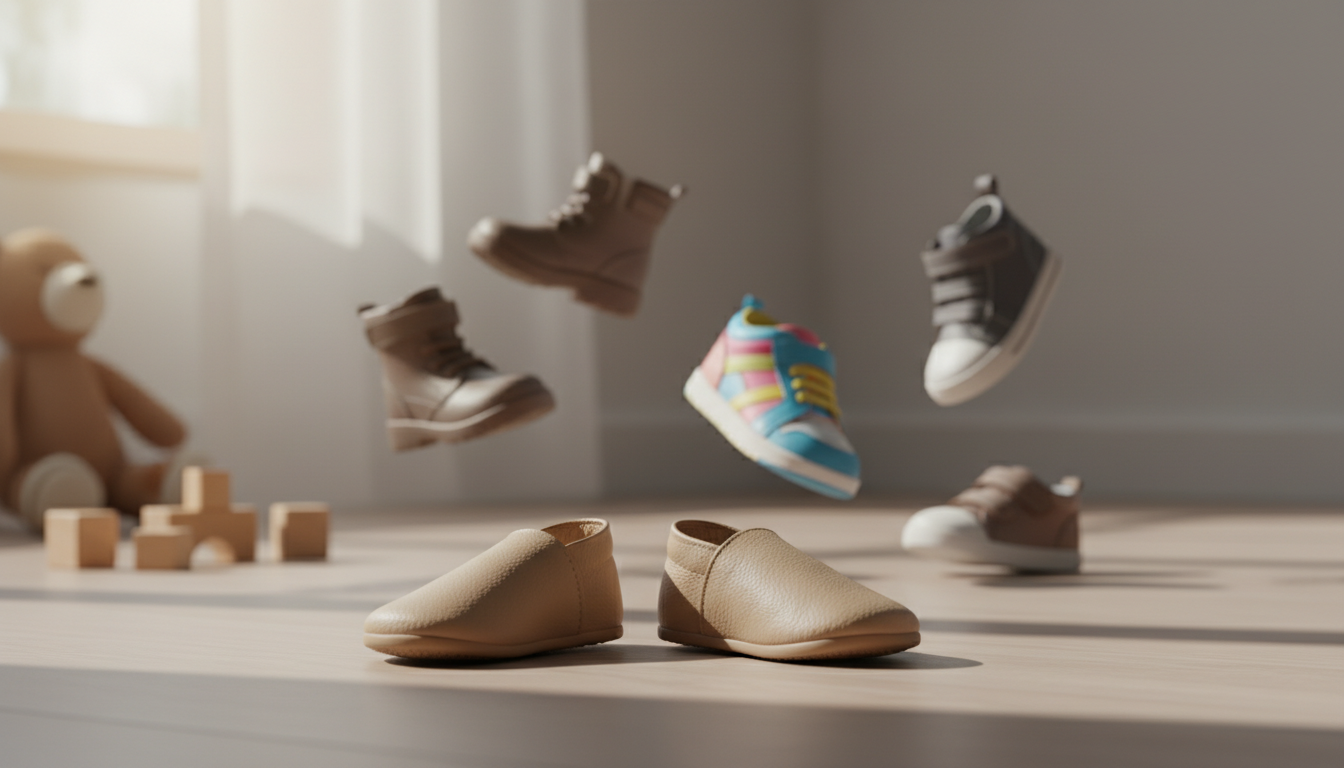
It’s easy to get caught up in marketing or outdated advice when it comes to toddler shoes. Let’s clear up a few common myths:
- Myth- Super Supportive Shoes are Always Best– While arch support is crucial for adults with certain conditions, for developing toddlers, excessive arch support or rigid ankle support can actually hinder natural foot muscle development. Their feet are meant to be flexible and strengthen through natural movement.
- Myth- Stiff Soles Protect Better– A very stiff sole might seem protective, but it prevents the foot from flexing, gripping, and feeling the ground. This can impair balance and proprioception, potentially leading to more stumbles, not fewer. The goal is protection without sacrificing natural function.
- Myth- Bigger is Always Better for Growth– While you don’t want shoes that are too small, buying shoes that are significantly too large can cause tripping and affect gait. A fit that allows for natural growth but is not oversized is key.
Conclusion
Choosing the right indoor footwear for your toddler is a small but significant step in supporting their overall development and independence. By embracing Montessori principles, we opt for shoes that respect the natural design of the human foot—flexible, sensory-rich, and free to move. These aren’t just shoes; they’re tools that empower your child to explore their world with confidence, balance, and joy, one natural step at a time.
Empower your little explorer by choosing indoor shoes that celebrate their natural movement and burgeoning independence. Their happy, healthy feet will thank you!