Easy Brain Gym Activities That Boost Learning in Kids
As parents, we all want to see our children thrive, not just in school but in every aspect of their lives. We cheer for their successes, comfort them through challenges, and constantly seek ways to support their growth. Sometimes, though, kids face hurdles like difficulty focusing, struggles with coordination, or feeling overwhelmed by learning tasks. It’s a common experience, and it can leave both children and parents feeling a bit stuck.
What if there was a simple, fun, and effective way to help your child overcome these learning barriers? Enter Brain Gym – a series of easy, engaging movements designed to integrate brain and body, unlocking your child’s full learning potential. These activities aren’t just for academic improvement; they foster better concentration, reduce stress, enhance coordination, and build confidence. And the best part? They are incredibly simple to incorporate into your daily routine, transforming learning into an exciting adventure.
What is Brain Gym- Bridging Body and Brain for Better Learning
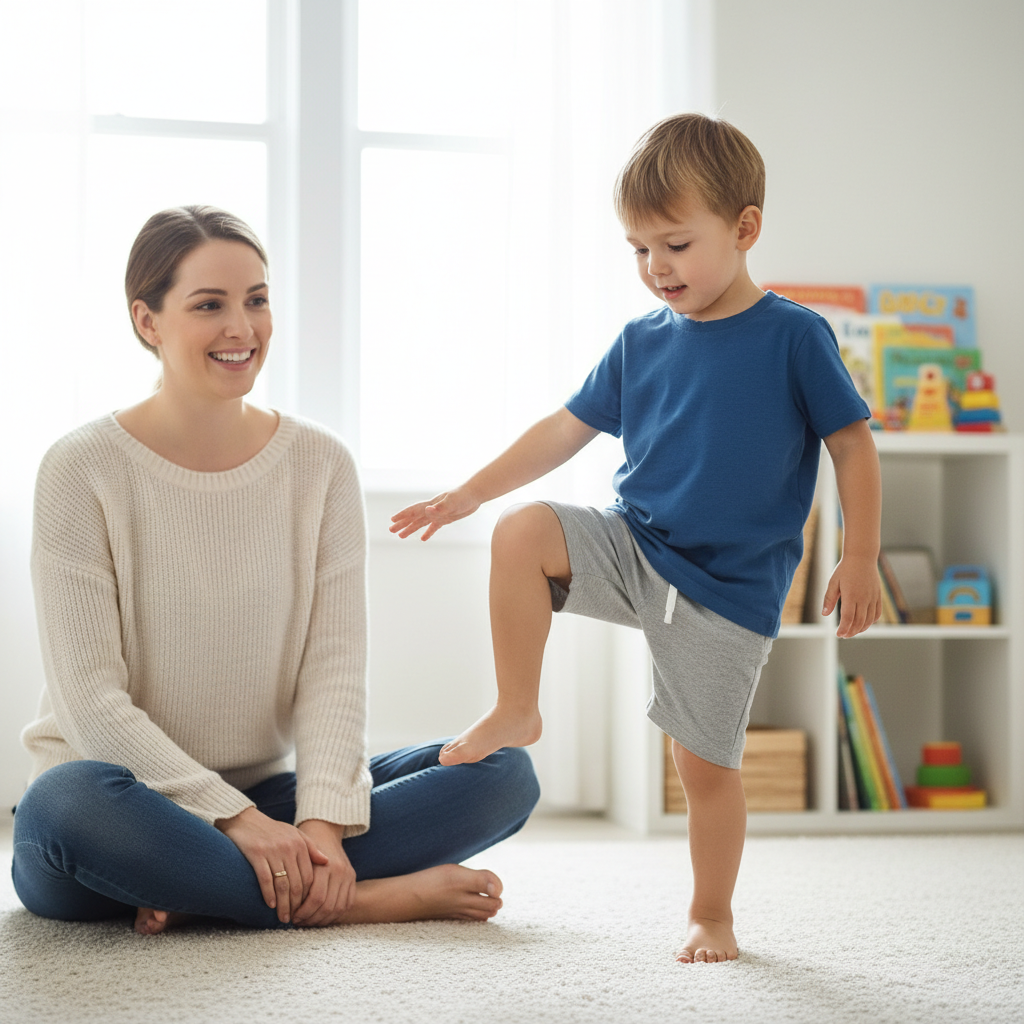
Brain Gym, developed by educational kinesiologist Dr. Paul Dennison, is a program built around 26 simple, targeted physical activities. The core idea is that movement is fundamental to learning. When children struggle with tasks like reading, writing, or focusing, it’s often because different parts of their brain aren’t communicating as effectively as they could be.
These specific movements are designed to ‘wake up’ the brain, improve neural connections, and prepare the body for optimal learning. Think of it like a warm-up exercise for the brain. Just as an athlete stretches before a game, a child can engage in Brain Gym activities to get their brain ready for concentration, problem-solving, and creative thinking. It’s not about complex exercises; it’s about simple, intentional movements that bring about profound changes in how a child processes information and responds to their environment.
The Benefits of Brain Gym for Kids- More Than Just Academics
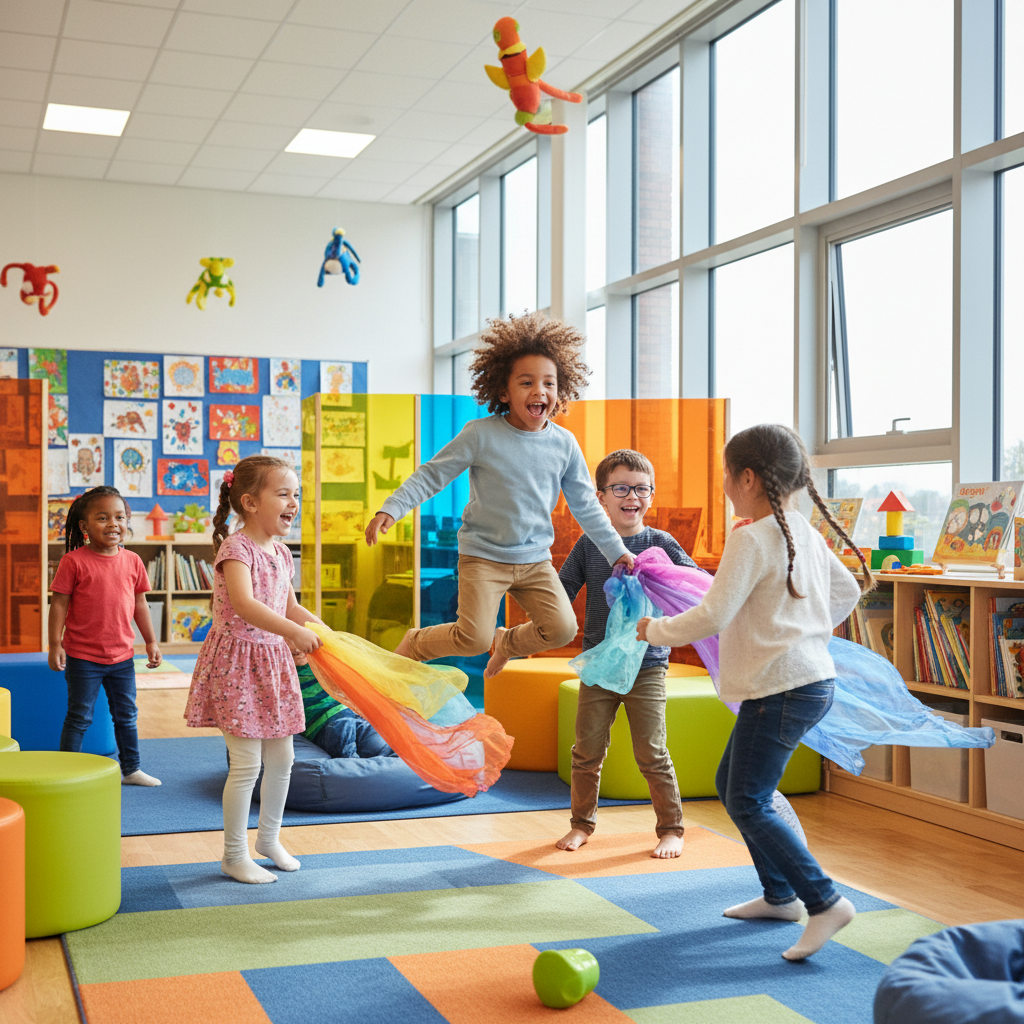
The impact of Brain Gym extends far beyond the classroom. While improved academic performance is a wonderful outcome, these activities nurture a child’s overall well-being and development. Here are some key benefits you might observe in your child:
Enhanced Focus and Concentration
Many children struggle with maintaining attention, especially with today’s distractions. Brain Gym activities help children become more aware of their bodies and minds, leading to better self-regulation and an increased ability to concentrate on tasks. This can be a game-changer for homework time or quiet reading.
Improved Coordination and Motor Skills
From writing neatly to catching a ball, good coordination is vital. Brain Gym movements often involve crossing the midline of the body, which helps integrate the left and right hemispheres of the brain. This integration is crucial for developing fine and gross motor skills, balance, and spatial awareness.
Stress Reduction and Emotional Balance
Learning can be stressful, and stress can hinder a child’s ability to learn. Brain Gym provides simple tools to release tension, calm the nervous system, and foster a sense of emotional equilibrium. This can lead to fewer meltdowns, greater resilience, and a more positive outlook.
Better Academic Performance
When children can focus better, reduce stress, and improve coordination, their academic performance naturally improves. Brain Gym can directly impact skills like reading comprehension, writing fluidity, mathematical understanding, and memory retention.
Core Brain Gym Activities- Simple Moves for Big Impact

These activities are easy to learn and don’t require any special equipment. Encourage your child to try them out, and even do them with them! Remember, the goal is playful movement, not perfection.
PACE Activities for Optimal Brain Readiness
PACE stands for Positive, Active, Clear, and Energetic – four states that are ideal for learning. These four foundational activities are often done together as a warm-up.
- Brain Buttons: Helps improve blood flow to the brain, enhancing focus.
- Place one hand over your navel.
- With the thumb and first two fingers of the other hand, gently massage the soft tissue just under your collarbone, between the first and second ribs.
- Do this for 30-60 seconds, then switch hands.
- Cross Crawl: Integrates left and right brain hemispheres, improving coordination and reading skills.
- Stand or sit comfortably.
- Touch your right hand to your left knee, then your left hand to your right knee.
- Repeat slowly, alternating sides, as if marching in place. Aim for 8-10 repetitions per side.
- Hook-Ups: Calms the nervous system, reduces stress, and improves focus.
- Stand or sit. Cross your ankles.
- Extend your arms straight out in front of you, cross your wrists, turn your palms together, interlace your fingers, and then bring your clasped hands up and in towards your chest.
- Rest your tongue on the roof of your mouth. Breathe deeply for 1-2 minutes.
- Then, uncross everything, place your fingertips together, and breathe deeply for another minute.
- Water: Hydration is crucial for brain function.
- Encourage your child to drink a glass of water before starting any learning activity.
- Explain that water helps their brain think clearly.
Other Fun and Effective Movements

- The Owl: Releases tension in the neck and shoulders, improving listening skills and attention.
- Place one hand on the shoulder of the opposite arm.
- Turn your head towards that shoulder.
- Inhale, then slowly exhale as you gently turn your head back to the center, then to the other side.
- Repeat 2-3 times on each side.
- The Energizer: Stimulates the brain and body, increasing alertness.
- Sit comfortably. Place your elbows on the table.
- Rest your chin in your hands.
- Gently press your elbows into the table, feeling the energy flow up through your arms to your head.
- Hold for a few seconds, then relax. Repeat a few times.
- Thinking Cap: Improves hearing, peripheral vision, and short-term memory.
- Gently unroll the outer rim of each ear with your thumb and forefinger, starting from the top and moving down to the earlobe.
- Do this 3-5 times on each ear.
Integrating Brain Gym into Your Child’s Day- Making it a Habit

The beauty of Brain Gym is its flexibility. You don’t need a dedicated hour; even a few minutes can make a significant difference. Here are some ideas for weaving these activities into your family’s routine:
- Morning Routine Boost: Start the day with a quick PACE sequence. It’s a wonderful way to wake up the brain and set a positive tone for school.
- Homework Helper: Before tackling homework, have your child do a few Cross Crawls or Hook-Ups. It can help them transition from play to focus and reduce frustration.
- Playtime Power-Up: Incorporate Brain Gym moves into active play. Turn Cross Crawl into a fun dance, or make Brain Buttons part of a ‘superhero warm-up.’
- Before Bed Relaxation: Hook-Ups can be incredibly calming, helping children unwind and prepare for a restful night’s sleep.
- Transition Times: Use a quick Brain Gym activity when moving from one activity to another, like from screen time to dinner, to help your child re-center.
Tips for Parents- Making Brain Gym Fun and Engaging

Your attitude towards Brain Gym will significantly influence your child’s willingness to participate. Keep it light, positive, and always remember these tips:
- Keep it Playful: Frame Brain Gym as a game or a special ‘brain power’ activity. Avoid making it feel like another chore. Use silly names or stories to make the movements more appealing.
- Be a Role Model: Do the activities with your child! They are more likely to engage if they see you participating and enjoying it. It’s also a great way for you to de-stress.
- Consistency is Key: A few minutes daily is more effective than a long session once a week. Make it a regular part of your routine.
- Listen to Your Child: Pay attention to which activities your child enjoys most or seems to benefit from. Encourage those and introduce others gradually. Don’t force it if they’re resistant.
- Celebrate Small Victories: Acknowledge improvements in focus, mood, or coordination. Positive reinforcement encourages continued participation.
- Explain the ‘Why’ in Simple Terms: Tell your child, ‘This helps your brain get ready for reading’ or ‘This helps you feel calm when you’re frustrated.’
Empowering Your Child’s Learning Journey
Brain Gym activities offer a simple yet powerful pathway to support your child’s holistic development. By integrating these fun movements into their daily life, you’re not just boosting their academic potential; you’re nurturing their confidence, emotional resilience, and overall well-being. It’s a gentle, parent-to-parent approach to empowering your child to become a more focused, coordinated, and joyful learner. Remember, every small step you take together is a giant leap for their growing mind. Embrace the movement, embrace the learning, and enjoy watching your child flourish!