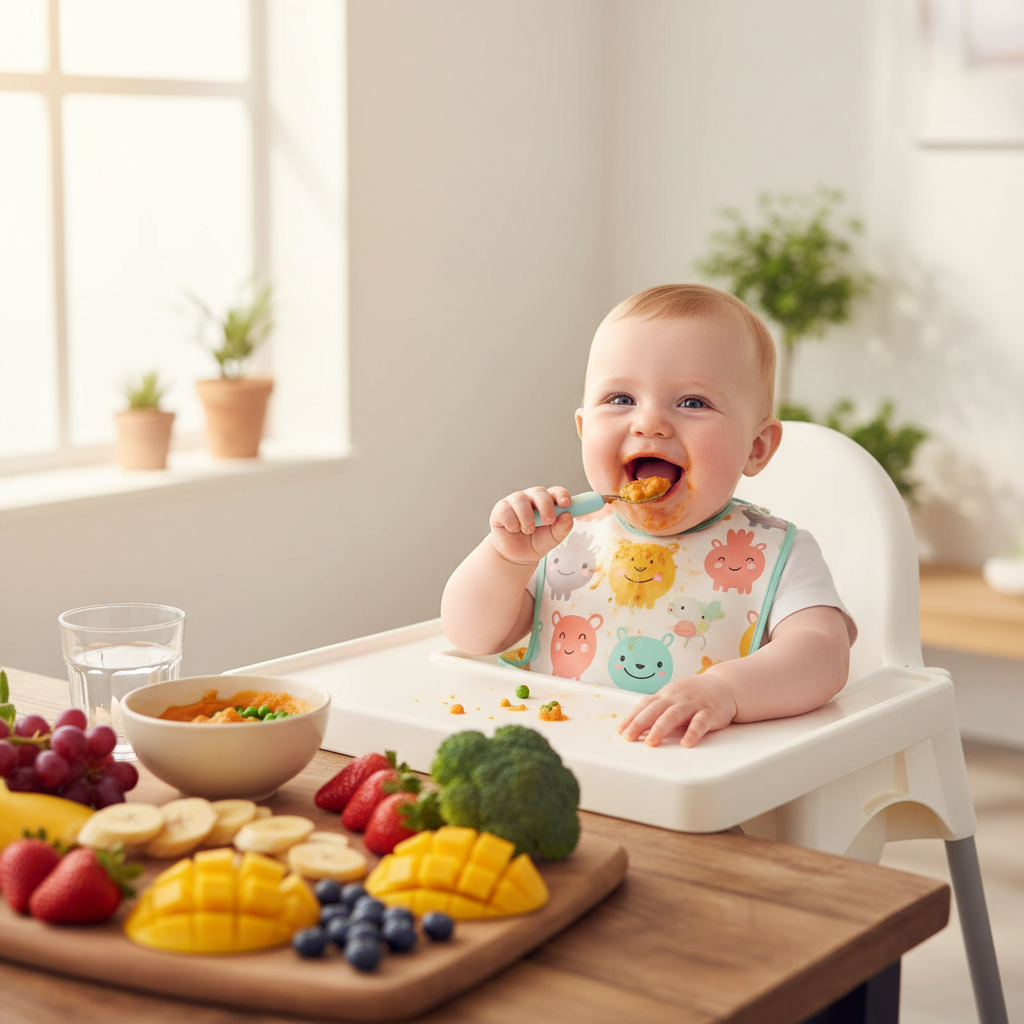
13 Best Baby Food Recipes That Support 7-Month-Old Growth
Watching your baby explore new tastes and textures is one of the most exciting milestones in their first year. By 7 months, many babies are ready to dive deeper into the world of solid foods, moving beyond single-ingredient purees to more complex and nutrient-rich combinations. This stage is crucial for their rapid growth and development, making nutritious homemade meals more important than ever. As a parent, you want to ensure every spoonful contributes to their well-being, but finding time and inspiration can be a challenge. We’re here to help!
This guide offers 13 fantastic, easy-to-make baby food recipes designed specifically to support your 7-month-old’s evolving nutritional needs. These recipes are packed with essential vitamins, minerals, and healthy fats, ensuring your little one gets the best start possible. Get ready to transform mealtime into a delightful adventure for both of you!
Why Homemade Baby Food is a Wonderful Choice

When you prepare baby food at home, you gain complete control over the ingredients, ensuring your little one receives wholesome, unprocessed goodness. This means no hidden sugars, salts, or preservatives often found in store-bought options. Homemade food is also incredibly cost-effective and allows you to introduce a wider variety of flavors and textures, encouraging adventurous eating habits from an early age. It’s a loving way to connect with your baby and contribute directly to their health.
Essential Nutrients for Your Growing 7-Month-Old
At 7 months, your baby is undergoing significant development, requiring a steady supply of key nutrients. Here are some of the most important ones to focus on:
- Iron Essential for healthy blood and brain development. Babies’ iron stores begin to deplete around 6 months, making iron-rich solids crucial.
- Healthy Fats Critical for brain development and overall energy. Think avocados, olive oil, and full-fat dairy (if introduced).
- Protein Supports muscle growth and repair. Sources include lentils, beans, chicken, and yogurt.
- Vitamins and Minerals A wide array of fruits and vegetables provide vitamins A, C, K, folate, potassium, and more, all vital for immunity and growth.
Safety First- Tips for Introducing New Solids

Before diving into recipes, always remember these crucial safety tips:
- Texture Matters At 7 months, purees are still primary, but you can start introducing slightly thicker, mashed textures. Ensure no large chunks that could be choking hazards.
- One New Food at a Time Introduce new ingredients one at a time, waiting 3-5 days before introducing another, to monitor for any allergic reactions.
- Allergen Awareness Consult your pediatrician about introducing common allergens like peanuts, eggs, and dairy. Many guidelines now suggest early introduction.
- Check Temperature Always test the food’s temperature before serving.
- Supervise Meals Never leave your baby unattended while eating.
1. Sweet Potato Puree
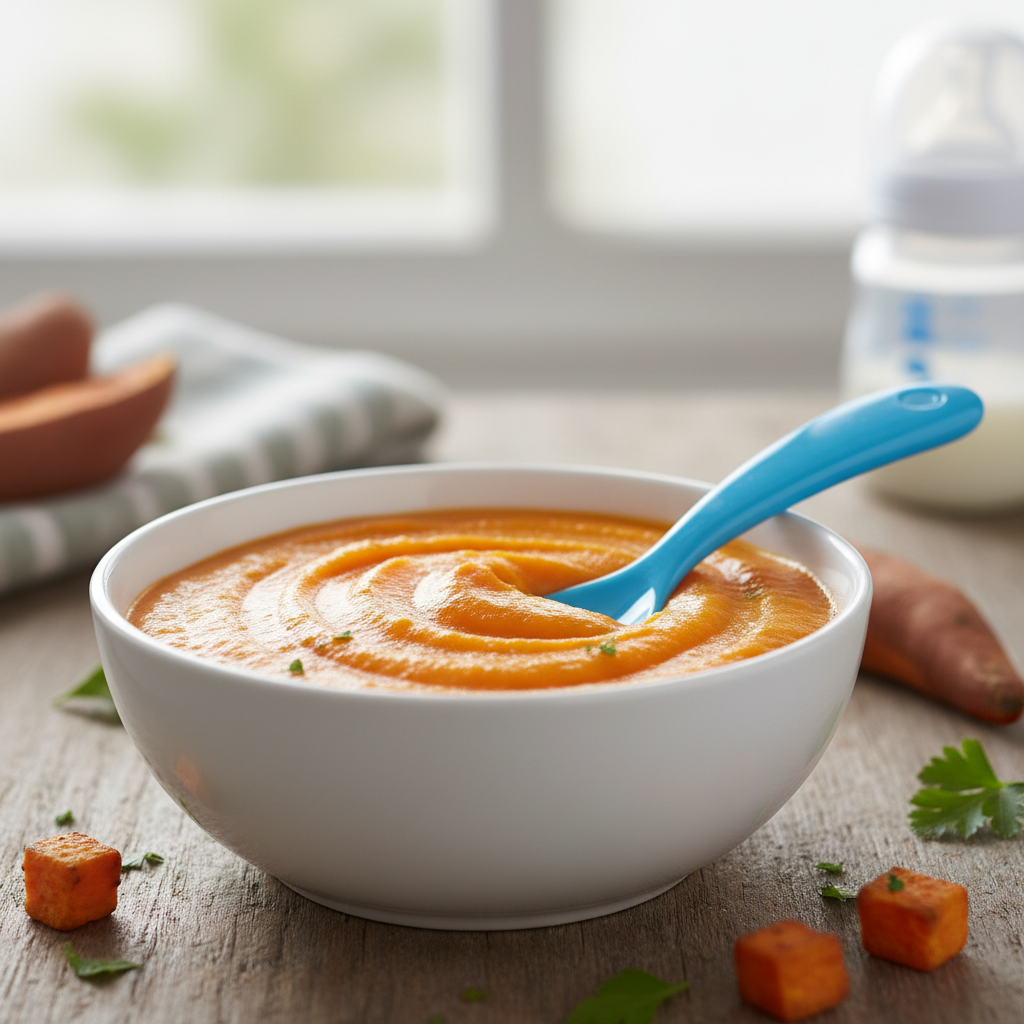
Sweet potatoes are packed with Vitamin A, supporting vision and immune health. They’re naturally sweet and smooth.
2. Avocado Mash
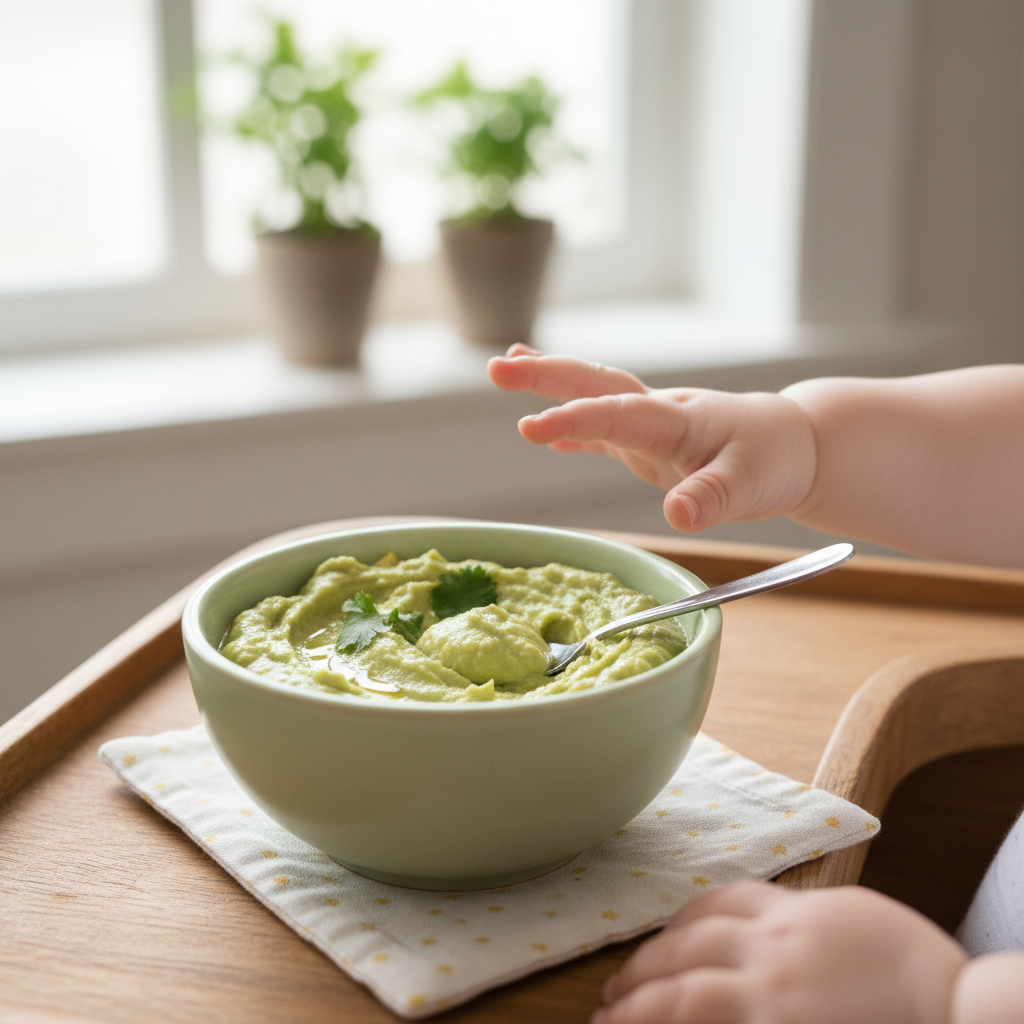
A powerhouse of healthy fats, crucial for brain development. Simply mash ripe avocado with a fork until smooth.
3. Pea Puree with a Hint of Mint
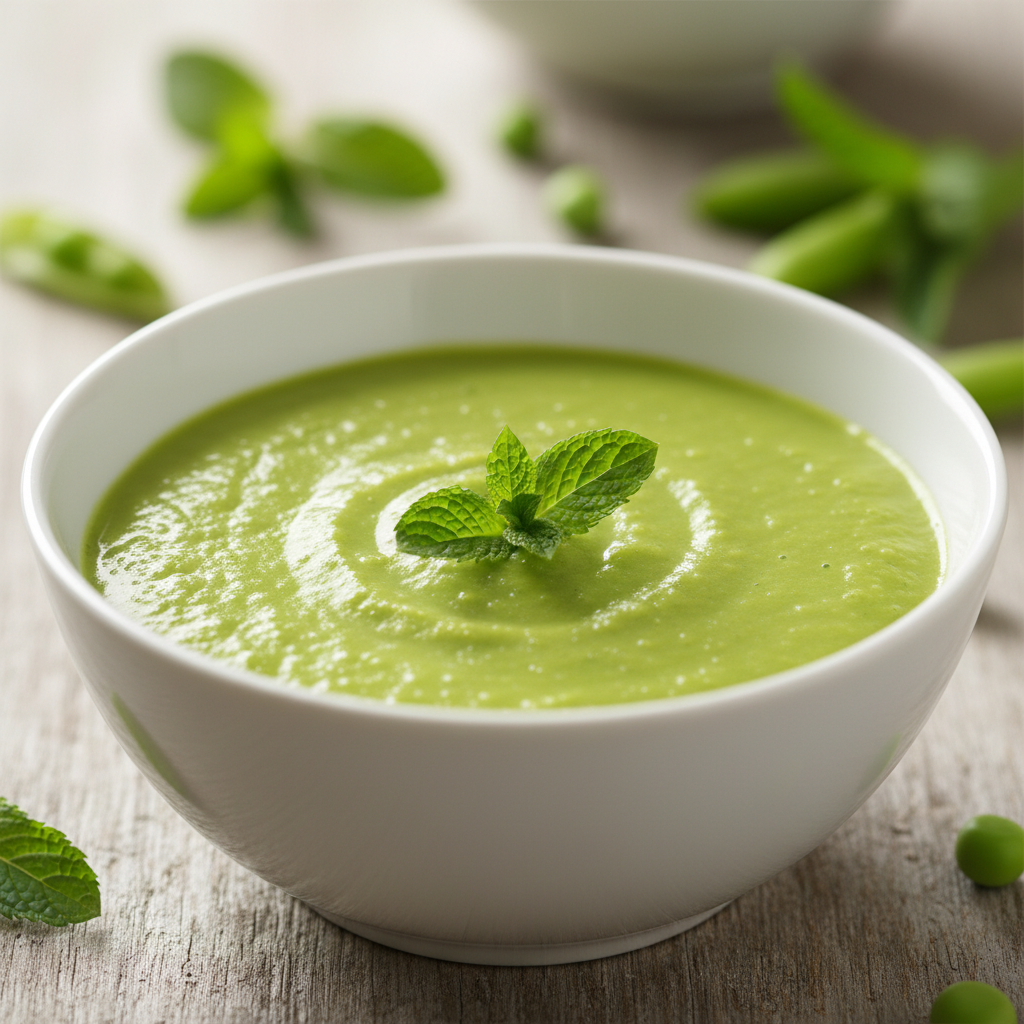
Peas offer vitamins K and C. A tiny touch of fresh mint can introduce a new, refreshing flavor profile.
4. Banana and Breastmilk or Formula Mash
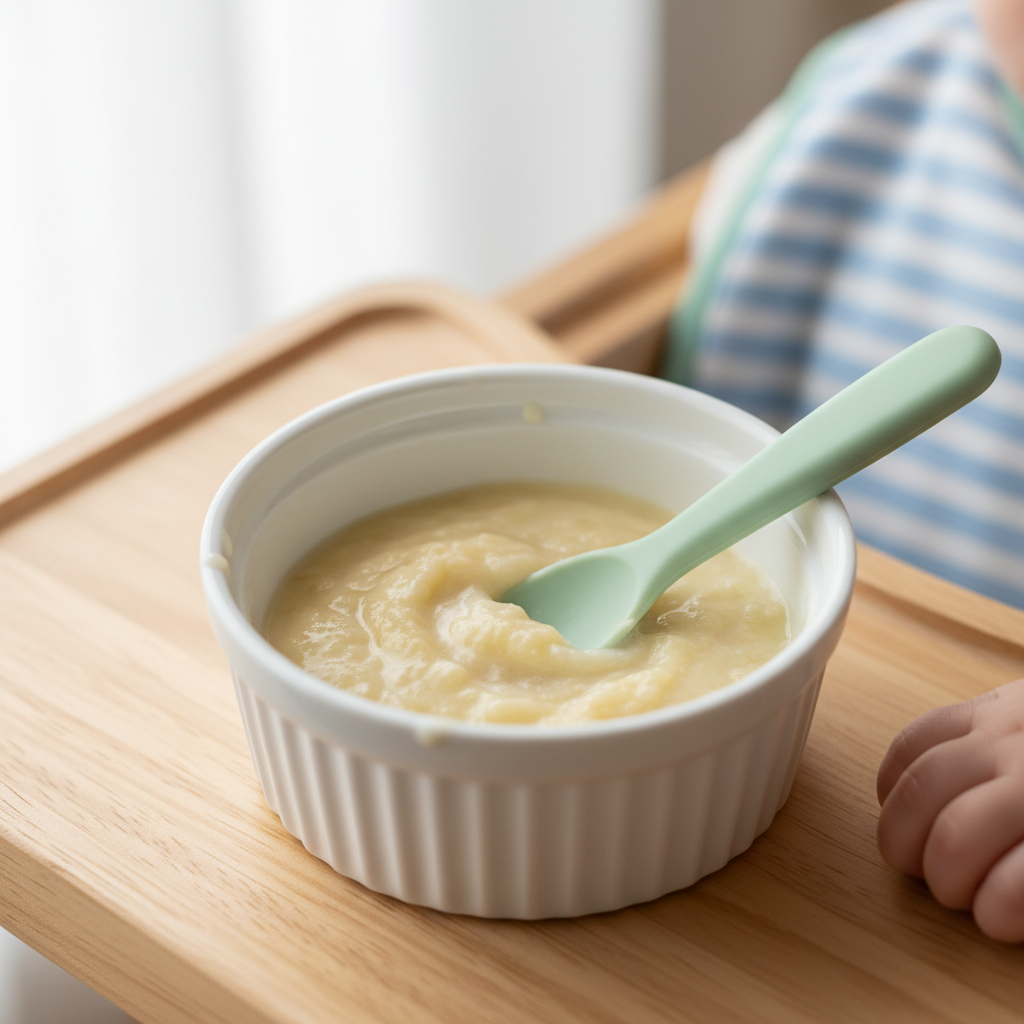
Bananas are rich in potassium and easy to digest. Mixing with breastmilk or formula provides familiarity and extra nutrients.
5. Apple and Pear Puree
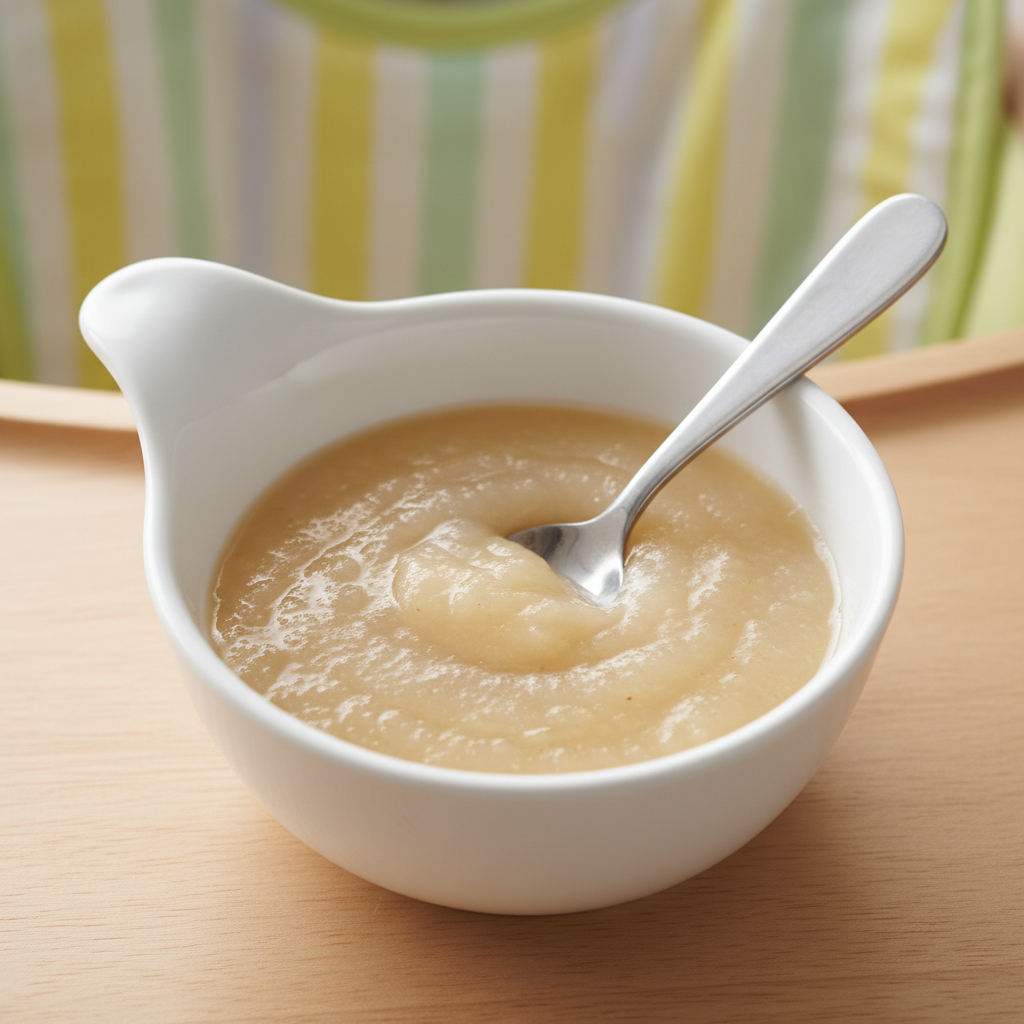
This classic combination is full of fiber and vitamins. Steam and blend until silky smooth.
6. Carrot and Butternut Squash Puree
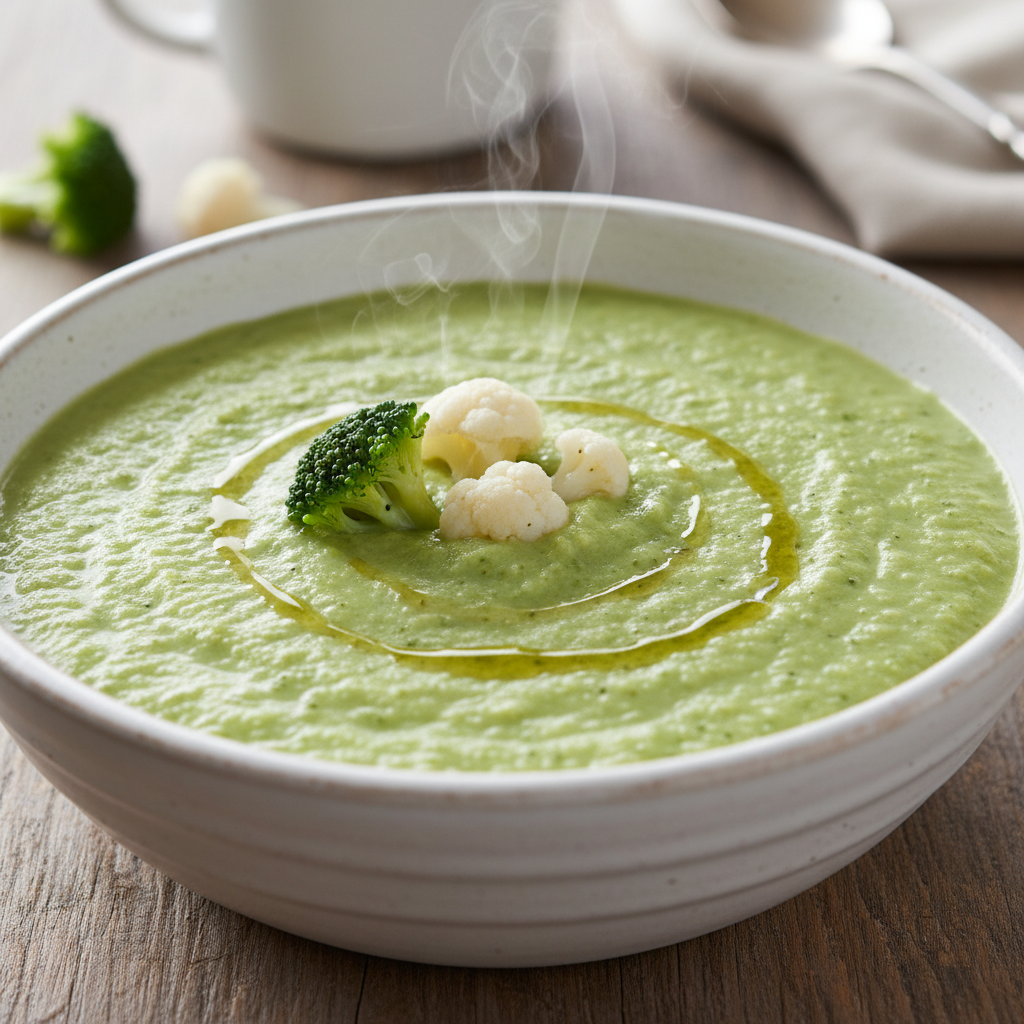
A sweet and savory blend, bursting with Vitamin A and antioxidants. Roasting or steaming both vegetables before blending enhances their flavor.
7. Lentil Puree
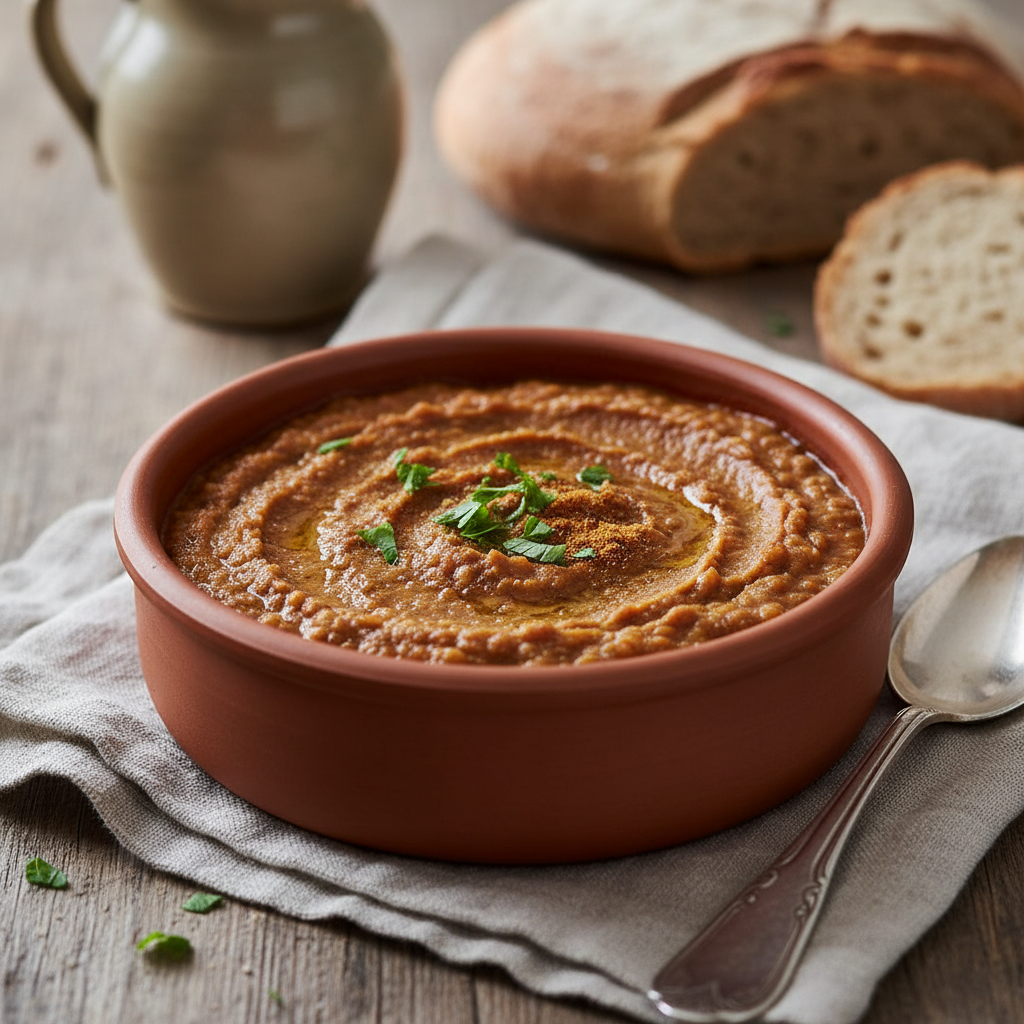
An excellent plant-based source of iron and protein. Cook lentils until very soft, then blend with a little water or broth.
8. Chicken and Sweet Potato Puree
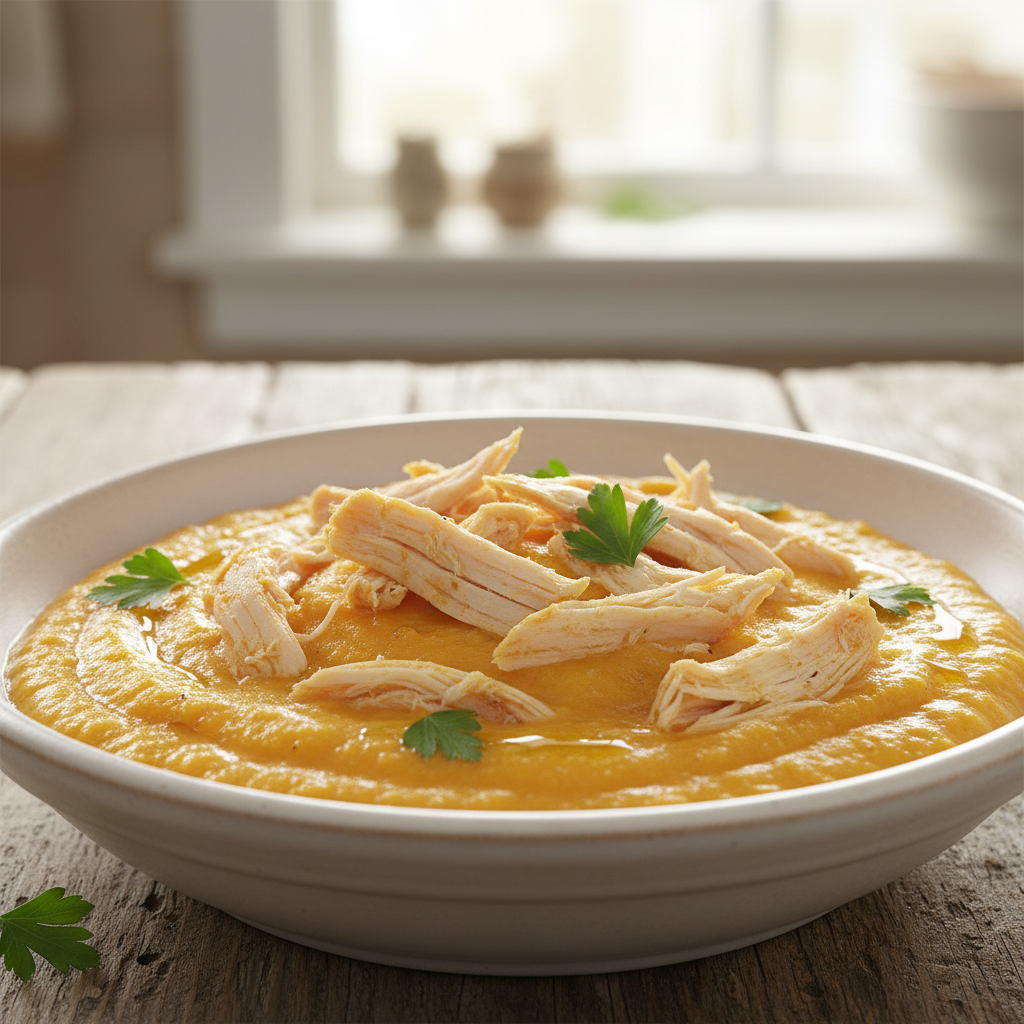
Combines lean protein from chicken with the vitamins of sweet potato. Ensure chicken is thoroughly cooked and blended smoothly.
9. Oatmeal with Mashed Berries
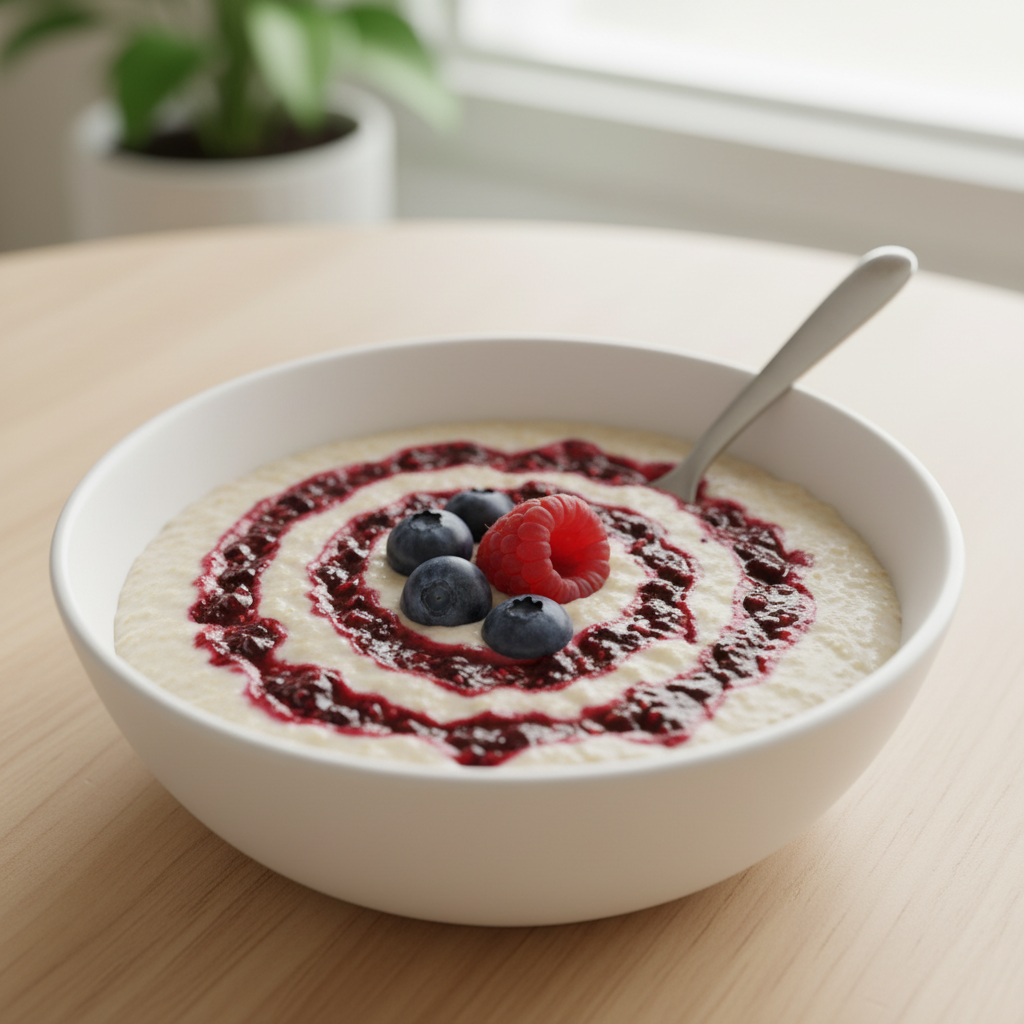
Iron-fortified oatmeal provides energy, while mashed berries (strawberries, blueberries) add antioxidants and natural sweetness. Always check for whole berries that could be a choking hazard.
10. Yogurt with Peach Puree
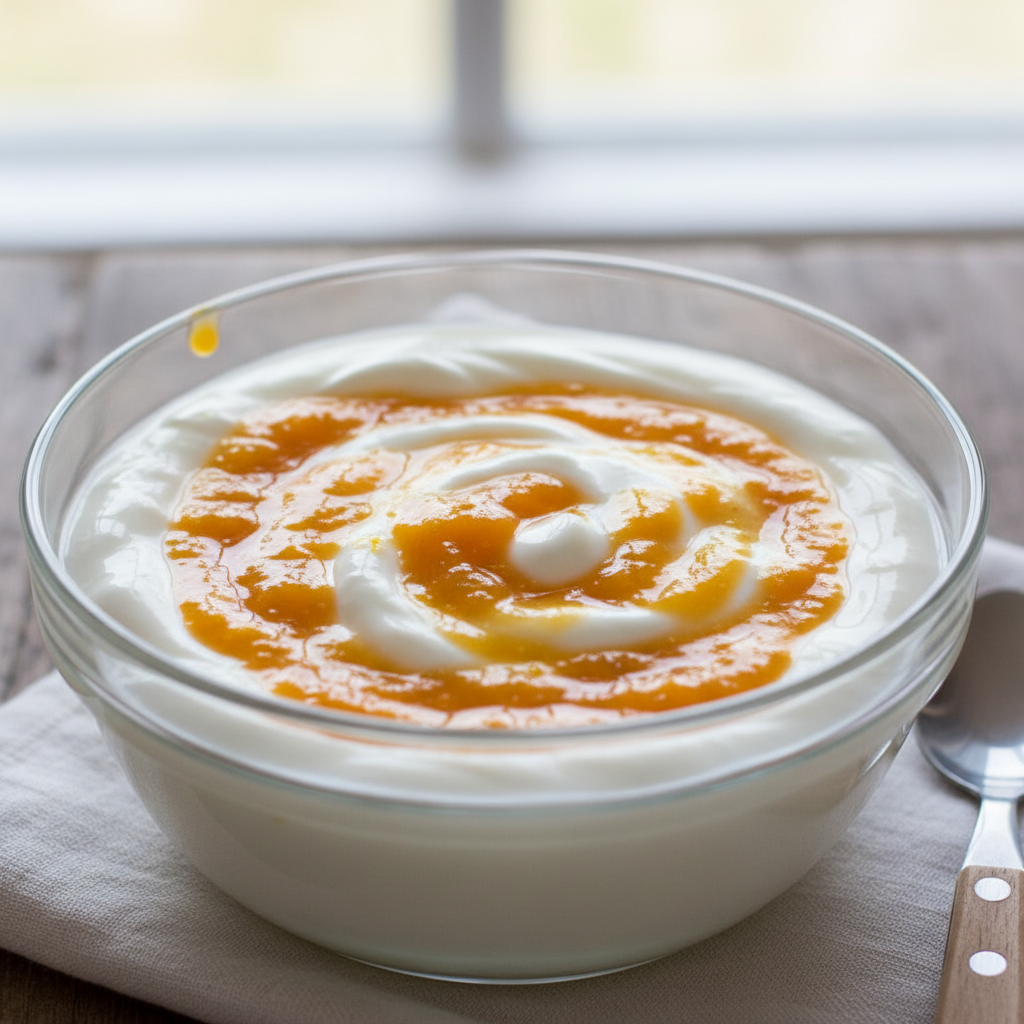
Full-fat plain yogurt is a great source of calcium and probiotics. Combine with smooth peach puree for a delicious and gut-friendly meal.
11. Broccoli and Cauliflower Puree
These cruciferous vegetables offer a wealth of vitamins and fiber. Steam until very soft, then blend to a smooth consistency.
12. Zucchini and Green Bean Puree
A gentle, nutrient-rich blend. Zucchini is mild, and green beans provide fiber and Vitamin K. Steam and puree.
13. Mango Puree
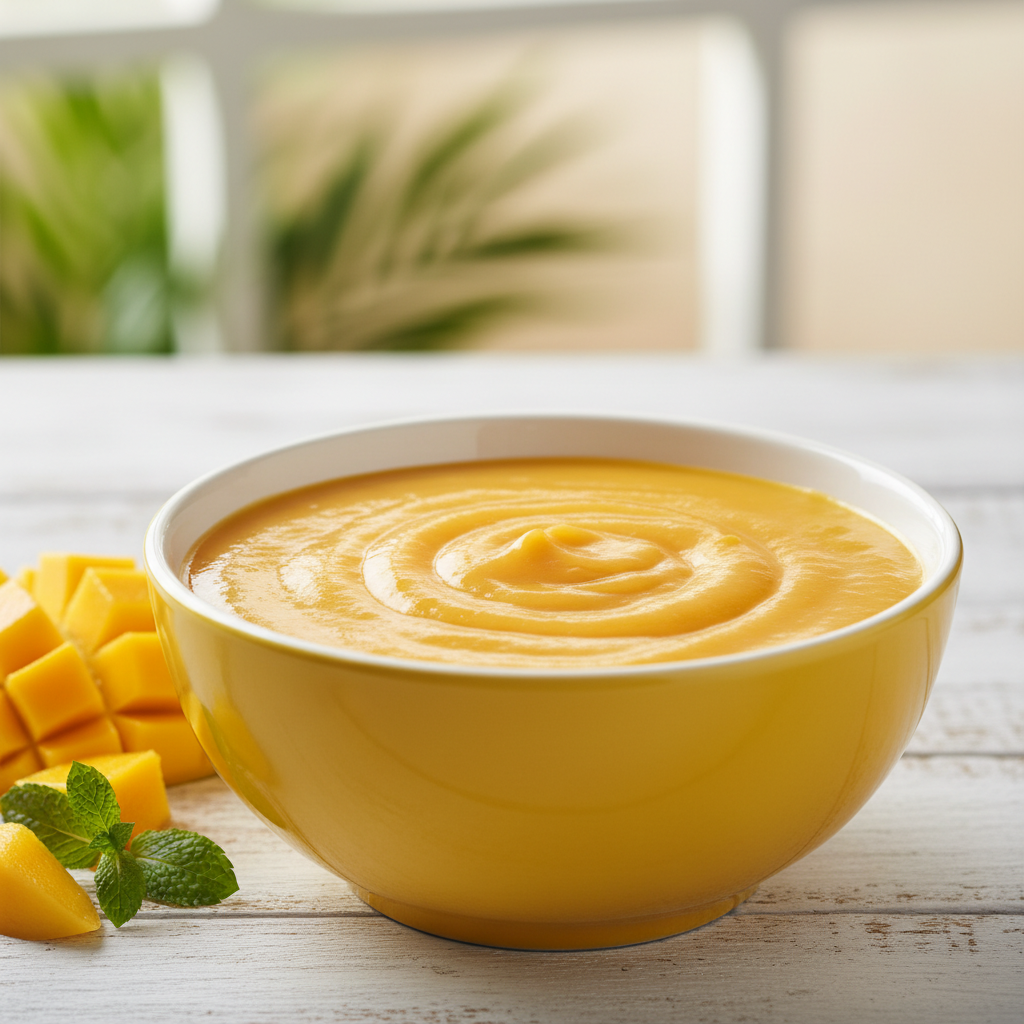
Sweet, tropical, and rich in Vitamin C and A. A simple, delicious, and immune-boosting treat for your little one.
Making Mealtime Fun and Stress-Free
Introducing solids is a journey, not a race. Here are a few tips to make it enjoyable:
- Follow Baby’s Cues Let your baby guide the pace. Don’t force them to eat if they’re not interested.
- Experiment with Textures As they get older, gradually introduce slightly chunkier textures to encourage chewing.
- Eat Together Let your baby watch you eat. They learn by imitation!
- Embrace the Mess It’s part of the learning process. Bibs and floor mats are your best friends.
- Stay Hydrated Offer sips of water in an open cup or sippy cup during meals.
A Supportive Takeaway
Feeding your 7-month-old is an incredible adventure filled with discovery and growth. Remember that every baby is unique, and what works for one might not work for another. Be patient, be flexible, and most importantly, enjoy these precious moments of nourishing your little one. You’re doing a wonderful job, and with these nutritious recipes, you’re setting them up for a lifetime of healthy eating habits. Happy feeding!