Pregnancy is a transformative journey, bringing with it immense joy, anticipation, and a host of physical changes. As your body adapts to nurture new life, finding ways to support its evolving needs becomes paramount. Exercise, when done safely and thoughtfully, is a powerful tool for enhancing well-being during this special time. Among the most popular and beneficial choices for expectant mothers are yoga and Pilates. Both offer unique advantages, helping you build strength, improve flexibility, and find moments of calm amidst the beautiful chaos of pregnancy.
This comprehensive guide will walk you through everything you need to know about incorporating yoga and Pilates into your prenatal routine. We’ll explore their specific benefits, essential safety precautions, modifications for each trimester, and how to choose the right practice for you, ensuring a healthier and more comfortable pregnancy journey.
Embracing the Benefits of Prenatal Yoga

Prenatal yoga is more than just stretching; it’s a holistic practice designed to support the physical, mental, and emotional changes that occur during pregnancy. It emphasizes gentle movements, deep breathing, and mindfulness, creating a harmonious environment for both mother and baby.
Physical Advantages
Engaging in prenatal yoga can significantly alleviate common pregnancy discomforts and prepare your body for childbirth:
- Improved Flexibility and Strength: Gentle stretches help maintain joint mobility and muscle elasticity, crucial as ligaments soften. Building strength, particularly in the legs, back, and core, supports good posture and reduces strain from your growing belly.
- Reduced Back Pain: Strengthening core muscles and improving posture can provide significant relief from lower back pain, a frequent complaint among pregnant women.
- Better Balance: As your center of gravity shifts, yoga poses can help you adapt and maintain better balance, reducing the risk of falls.
- Enhanced Circulation: Poses that involve gentle inversions or leg elevation can help improve blood flow, reducing swelling in the hands and feet.
- Preparation for Childbirth: Yoga teaches controlled breathing techniques (pranayama) and focuses on pelvic opening, which can be invaluable during labor.
Mental and Emotional Well-being
Beyond the physical, prenatal yoga nurtures your emotional landscape:
- Stress Reduction: The emphasis on breathwork and mindfulness helps calm the nervous system, reducing anxiety and promoting a sense of peace.
- Improved Sleep: Regular practice can lead to better sleep quality, combating fatigue and insomnia often experienced in pregnancy.
- Connection with Baby: The quiet, meditative aspect of yoga provides dedicated time to connect with your baby, fostering a deeper bond.
- Community Support: Many prenatal yoga classes offer a chance to connect with other expectant mothers, creating a supportive network.
Exploring the Power of Prenatal Pilates

Pilates, developed by Joseph Pilates, is a system of exercises focused on strengthening the body’s core. Prenatal Pilates specifically adapts these exercises to be safe and effective for pregnant women, emphasizing controlled movements, breath, and precision.
Core Strength and Stability
The core in Pilates refers not just to the abdominal muscles but also the back, pelvic floor, and diaphragm. Strengthening these areas is profoundly beneficial during pregnancy and postpartum:
- Pelvic Floor Health: Pilates uniquely targets the pelvic floor muscles, which are vital for supporting the uterus, bladder, and bowel. Strengthening these muscles can prevent incontinence, support the birthing process, and aid in postpartum recovery.
- Stronger Abdominal Muscles: Gentle core work helps maintain abdominal strength, which supports the spine and can reduce diastasis recti (abdominal separation) both during and after pregnancy.
- Back Pain Relief: Similar to yoga, Pilates’ focus on core stability and proper alignment can significantly alleviate lower back pain and improve posture.
- Improved Body Awareness: Pilates teaches you to move with intention and control, enhancing your proprioception – your body’s awareness of its position in space.
Controlled Movement and Breathing
Pilates’ principles are perfectly suited for the pregnant body:
- Gentle and Low-Impact: Most Pilates exercises are performed on a mat or with specialized equipment, making them gentle on joints and ligaments.
- Focused Breathing: Pilates breathwork helps engage the deep core muscles and promotes relaxation, useful during labor contractions.
- Preparation for Labor: The controlled movements and emphasis on engaging deep abdominal muscles can translate into better control and endurance during childbirth.
Yoga vs Pilates Choosing Your Prenatal Path

While both yoga and Pilates offer excellent prenatal benefits, they have distinct focuses. Understanding these differences can help you decide which practice, or combination, is best for you.
Key Distinctions
- Yoga: Often emphasizes flexibility, balance, mindfulness, and spiritual connection. It includes a wider range of static poses (asanas) and breathwork (pranayama) aimed at holistic well-being. Classes can vary widely in intensity and style.
- Pilates: Focuses primarily on strengthening the deep core muscles, improving posture, and enhancing body control through precise, repetitive movements. It’s often more structured and linear in its exercise progression.
Which One is Right for You?
Consider your personal goals and preferences:
- For Flexibility and Relaxation: If you’re looking to improve flexibility, reduce stress, and connect deeply with your mind and body, prenatal yoga might be your primary choice.
- For Core Strength and Stability: If your main goal is to strengthen your core, support your back, and focus on pelvic floor health, prenatal Pilates could be more appealing.
- Why Not Both? Many expectant mothers find tremendous benefit from incorporating both practices. Yoga can offer the calming and stretching benefits, while Pilates provides targeted core and stability work. A balanced approach can give you the best of both worlds.
Ultimately, the best choice is the one you enjoy and can commit to regularly. Listen to your body and try different classes if possible to see what resonates most.
Safety First Essential Guidelines for Prenatal Exercise
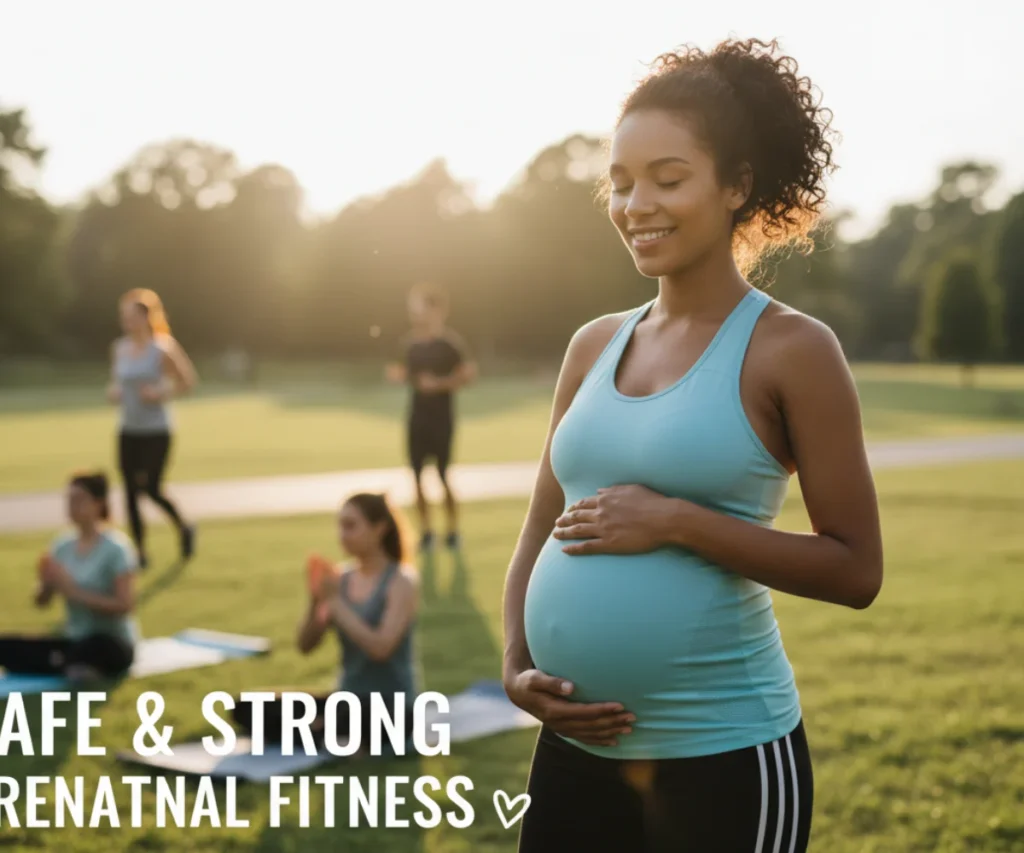
Your safety and your baby’s well-being are always the top priority. Before starting any new exercise regimen during pregnancy, it is crucial to consult your healthcare provider. They can offer personalized advice based on your medical history and current health status.
Always Listen to Your Body
Pregnancy is not the time to push yourself to your limits. Pay close attention to your body’s signals and stop if you feel any discomfort or pain.
- Avoid Overstretching: Hormones like relaxin increase joint laxity, making you more flexible but also more prone to injury. Stretch gently and within your comfortable range.
- Stay Hydrated: Drink plenty of water before, during, and after exercise.
- Avoid Overheating: Your body temperature rises more easily during pregnancy. Exercise in a cool, well-ventilated space and avoid hot yoga or Pilates.
- Pace Yourself: It’s okay to take breaks and modify movements as needed. Your energy levels will fluctuate throughout pregnancy.
Specific Movements to Modify or Avoid
- Lying Flat on Your Back (Supine Position): After the first trimester, avoid exercises that require you to lie flat on your back for extended periods. This can compress the vena cava, reducing blood flow to you and your baby. Use props to elevate your upper body or opt for side-lying positions.
- Deep Twists: Avoid deep, closed twists that compress your abdomen. Open twists, where you twist away from your front leg, are generally safer.
- Inversions: While some experienced practitioners continue inversions, it’s generally recommended to avoid them during pregnancy, especially if you haven’t done them before or if there are any complications.
- High-Impact or Jerky Movements: Stick to low-impact, controlled movements to protect your joints and prevent injury.
- Jump and Hops: Generally avoid any jumping or hopping exercises common in some power yoga or advanced Pilates.
- Pressure on Abdomen: Avoid any poses or exercises that put direct pressure on your belly.
Modifications for Each Trimester
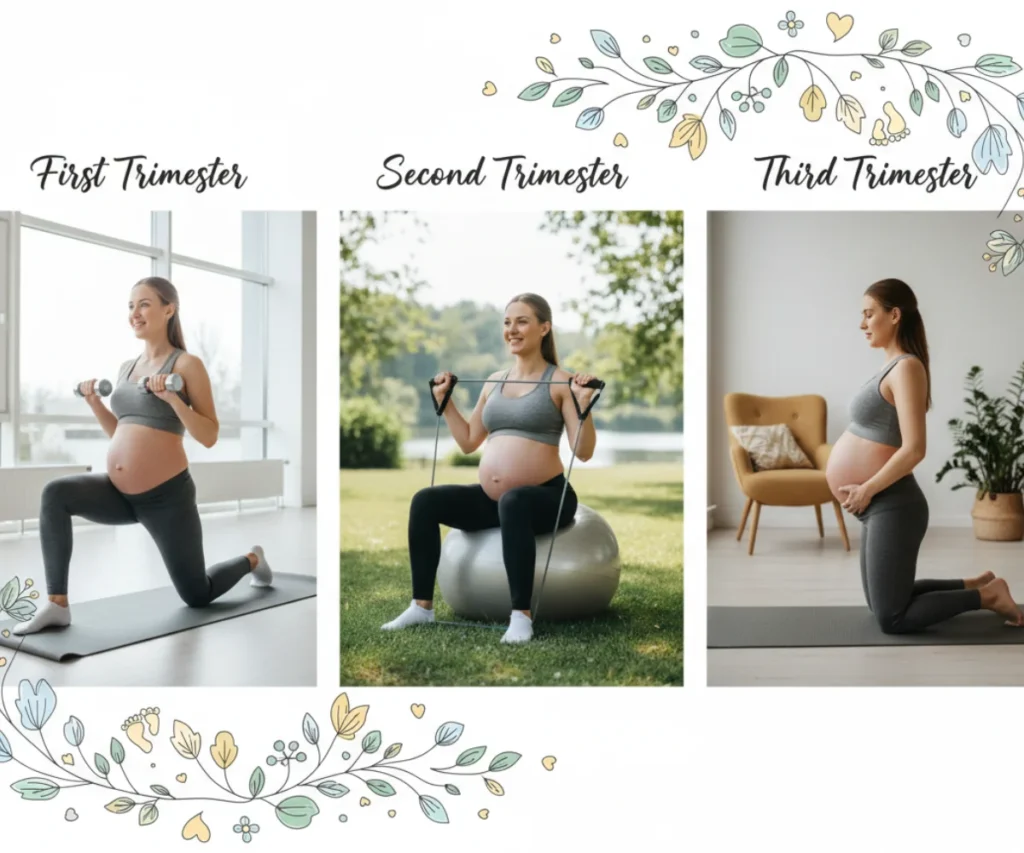
As your pregnancy progresses, your body undergoes significant changes, requiring different modifications to your yoga and Pilates practice.
First Trimester (Weeks 1-13)
You might experience fatigue, nausea, and breast tenderness. The focus here is gentle movement and energy conservation.
- Prioritize Rest: Don’t feel guilty about resting when you need to.
- Gentle Movements: Continue with your regular practice but reduce intensity. Listen for nausea triggers.
- Hydration: Crucial, especially if experiencing morning sickness.
- Avoid Heat: Stay away from hot yoga or Pilates.
Second Trimester (Weeks 14-27)
Often called the ‘golden trimester,’ energy usually returns, and your belly starts to show. This is a good time to establish a consistent routine.
- No Lying Flat on Back: Begin modifying supine positions, using wedges or pillows to elevate your upper body.
- Widen Your Stance: As your belly grows, widen your feet in standing poses for better balance.
- Open Twists Only: Avoid deep, closed twists.
- Focus on Core and Pelvic Floor: Continue to gently engage these areas.
Third Trimester (Weeks 28-40)
Your body is preparing for birth, and discomforts might return. The focus shifts to comfort, relaxation, and gentle preparation for labor.
- Extreme Modifications: Be prepared to modify almost every pose or movement. Use props generously (blocks, bolsters, pillows).
- Pelvic Opening Poses: Focus on poses that create space in the pelvis, like supported squats, butterfly pose, and gentle lunges.
- Relaxation and Breathing: Dedicate more time to relaxation techniques and labor-focused breathing.
- Avoid Overbalancing: Your center of gravity is significantly altered; move slowly and use support if needed.
- Listen to Pelvic Pain: If you experience symphysis pubis dysfunction (SPD) or other pelvic pain, avoid exercises that involve single-leg stands or wide leg openings.
Finding the Right Class or Instructor
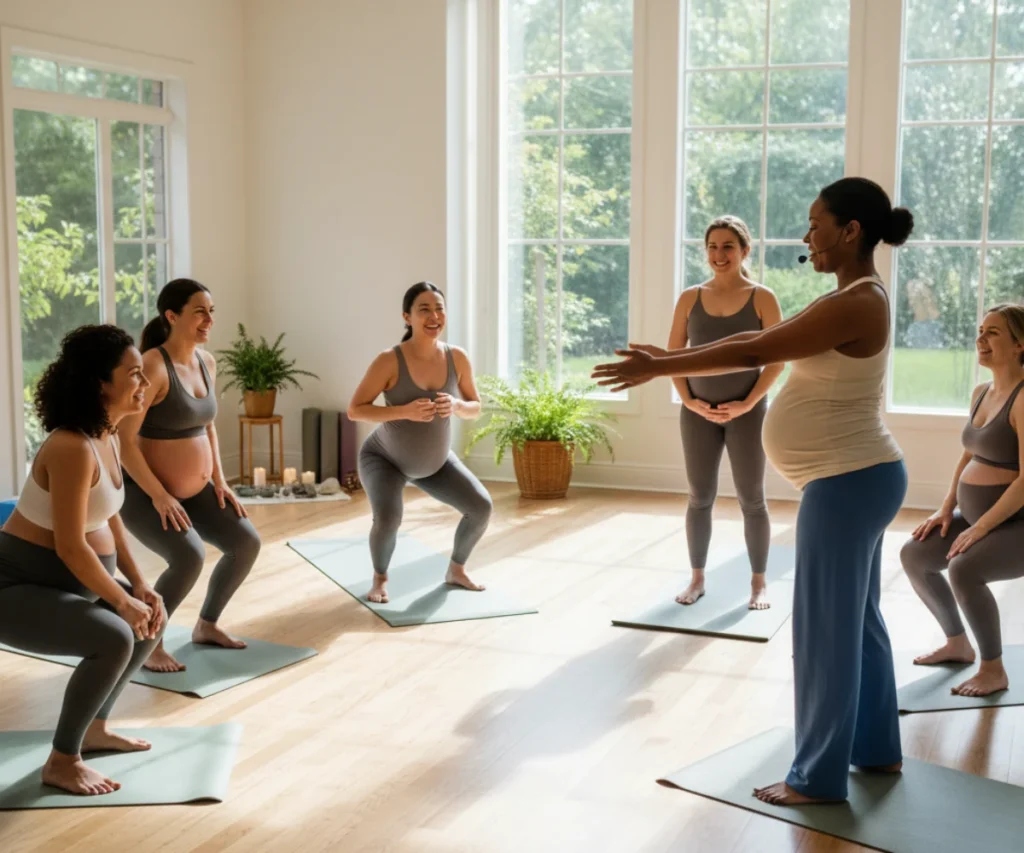
The quality of instruction can make a significant difference in your prenatal exercise experience. It’s essential to find an instructor who understands the unique needs of pregnant bodies.
- Look for Prenatal Certified Instructors: Ensure your instructor has specific certifications in prenatal yoga or Pilates. This guarantees they have specialized knowledge of anatomy, common pregnancy ailments, and safe modifications.
- Specialized Prenatal Classes: Opt for classes specifically designed for expectant mothers rather than general yoga or Pilates classes. While general classes can be adapted, a prenatal class will inherently be safer and more tailored.
- Ask Questions: Don’t hesitate to inquire about their experience, modifications, and philosophy.
- Online vs. In-Person: Both options have merits. In-person classes offer community and direct feedback, while online classes provide flexibility. If practicing online, ensure the instructor is highly reputable and offers clear guidance.
- Trial Classes: Many studios offer a trial class. Take advantage of this to assess the instructor’s style and the class environment.
Incorporating Yoga and Pilates into Your Routine
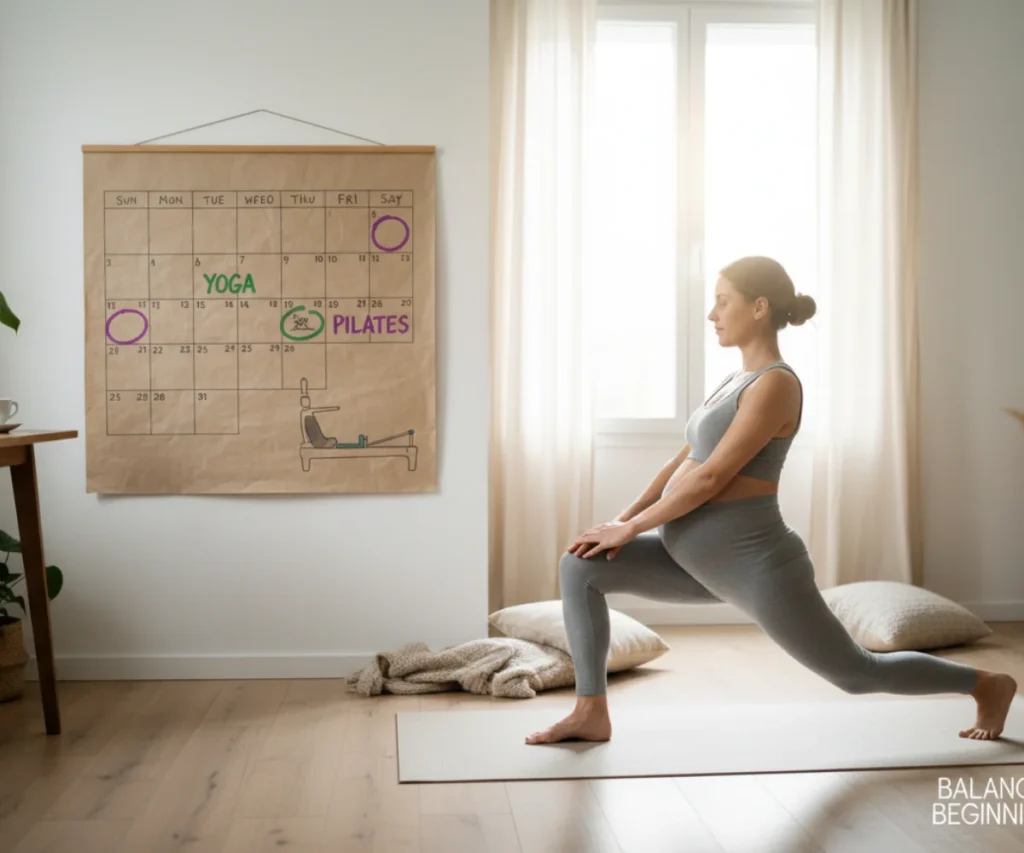
Consistency is key to reaping the full benefits of prenatal yoga and Pilates. Aim for regular practice, even if it’s just short sessions.
- Frequency and Duration: Aim for at least 2-3 sessions per week. Each session can be anywhere from 20-60 minutes, depending on your energy levels and time.
- Morning vs. Evening: Experiment to see when you feel most energetic. Some prefer mornings to start the day energized, others prefer evenings for relaxation before sleep.
- Home Practice: Even short 15-minute home practices can be incredibly beneficial. Focus on simple stretches, breathing exercises, and gentle core work. Online resources can be a great guide.
- Listen to Your Energy: There will be days you feel more tired. On those days, opt for restorative poses or simply focus on breathwork.
Beyond Pregnancy Postnatal Benefits

The benefits of yoga and Pilates extend far beyond delivery day. These practices can be instrumental in your postpartum recovery journey, helping you regain strength, restore your core, and manage the stresses of new parenthood.
- Postpartum Recovery: Postnatal yoga and Pilates focus on gently rehabilitating the pelvic floor and deep abdominal muscles, which are crucial after childbirth. They can help with diastasis recti recovery and strengthen areas weakened by pregnancy and birth.
- Stress and Anxiety Reduction: The mindfulness and breathing techniques learned during pregnancy can be powerful tools for coping with sleep deprivation and the emotional roller coaster of the postpartum period.
- Energy Boost: Gentle exercise can improve energy levels, helping you feel more resilient as you care for your newborn.
- Physical Reintegration: Slowly and safely rebuilding strength and flexibility helps you adapt to the new physical demands of lifting, carrying, and bending to care for your baby.
Always consult your healthcare provider before resuming any exercise postpartum, typically waiting 6 weeks after a vaginal birth and longer after a C-section.
Conclusion
Embarking on a journey with prenatal yoga or Pilates is a wonderful gift you can give yourself and your baby during pregnancy. These practices offer a unique blend of physical conditioning, mental clarity, and emotional support, helping you navigate the profound changes with grace and strength. By listening to your body, practicing safely, and finding expert guidance, you can cultivate a sense of well-being that will empower you through labor, birth, and into the beautiful adventure of parenthood. Remember, every movement you make with intention and care is a step towards a healthier, more peaceful experience for both you and your little one.