Starting your baby on solid foods is a significant milestone that brings excitement and discovery. However, the transition from breast milk or formula to table foods requires careful attention to safety and nutritional needs. During the first year of life, a baby’s digestive system and immune system are still developing, making them vulnerable to certain bacteria and choking hazards. Ensuring a safe feeding environment involves knowing which foods to avoid until your child is older and better equipped to handle diverse textures and ingredients. This guide outlines seventeen foods that should be excluded from an infant’s diet to prioritize their health and safety.
1. Honey
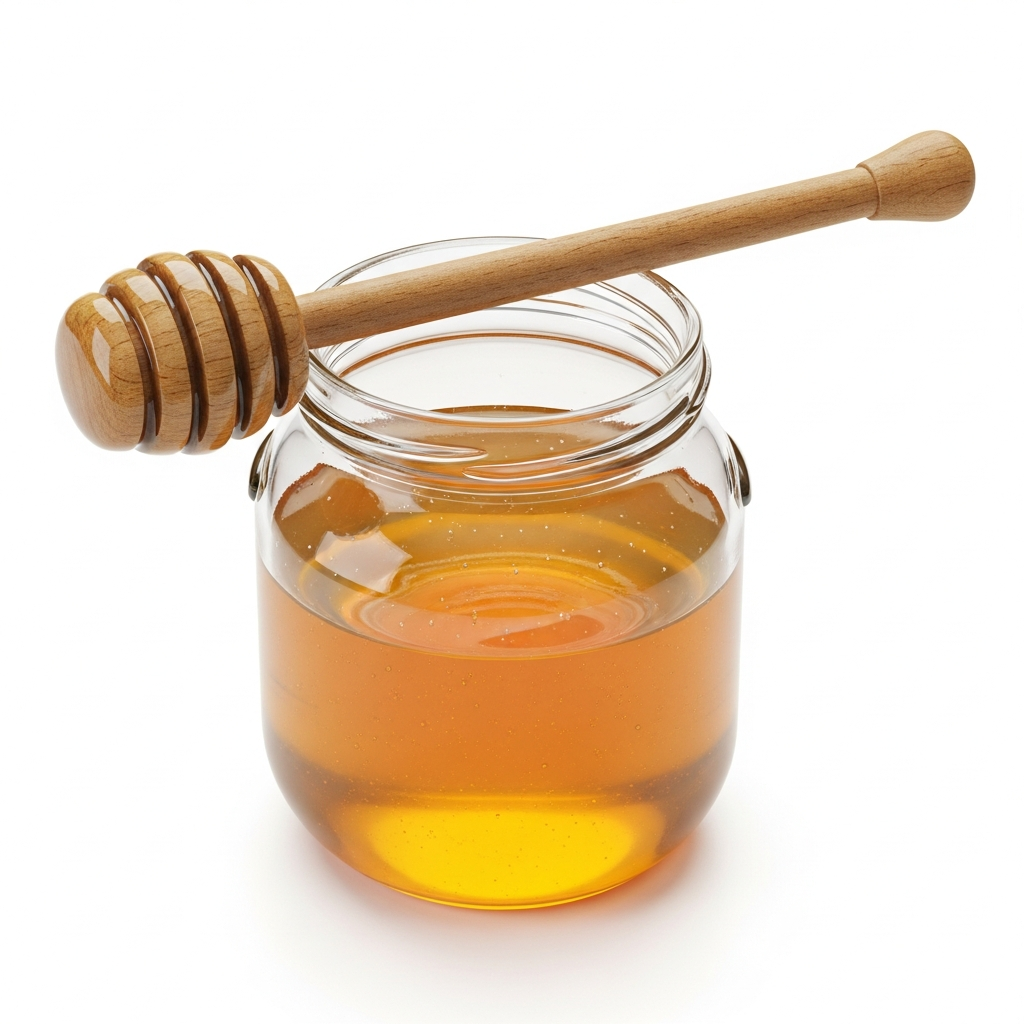
Honey is strictly prohibited for infants under twelve months of age due to the risk of infant botulism. This rare but serious illness is caused by Clostridium botulinum spores, which can thrive in a baby’s immature digestive tract. Even processed or cooked honey can contain these spores, leading to muscle weakness and breathing difficulties.
2. Whole Grapes
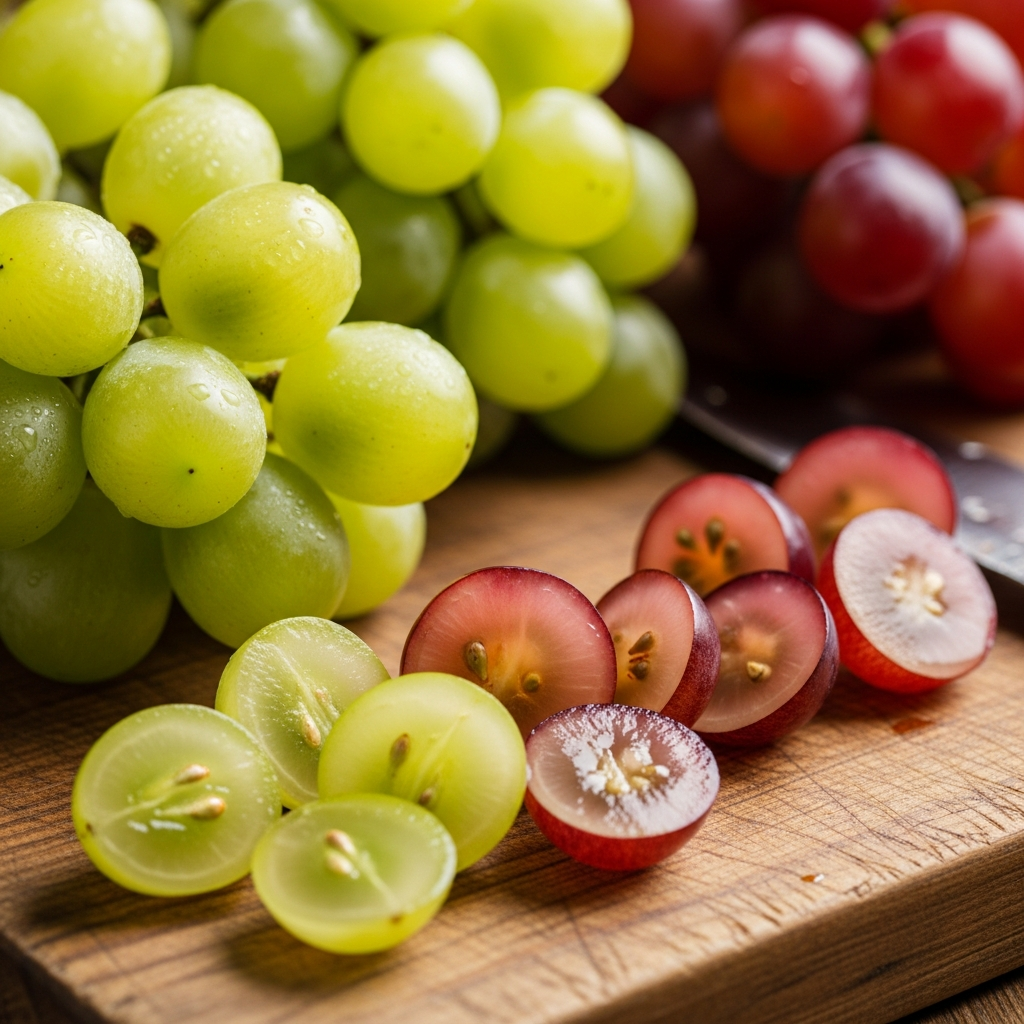
Whole grapes are a major choking hazard because their size and shape can perfectly block a baby’s narrow airway. The skin of the grape also makes it difficult for an infant to gum or chew. If serving grapes to older babies, they must always be sliced lengthwise into quarters to reduce the risk of obstruction.
3. Popcorn
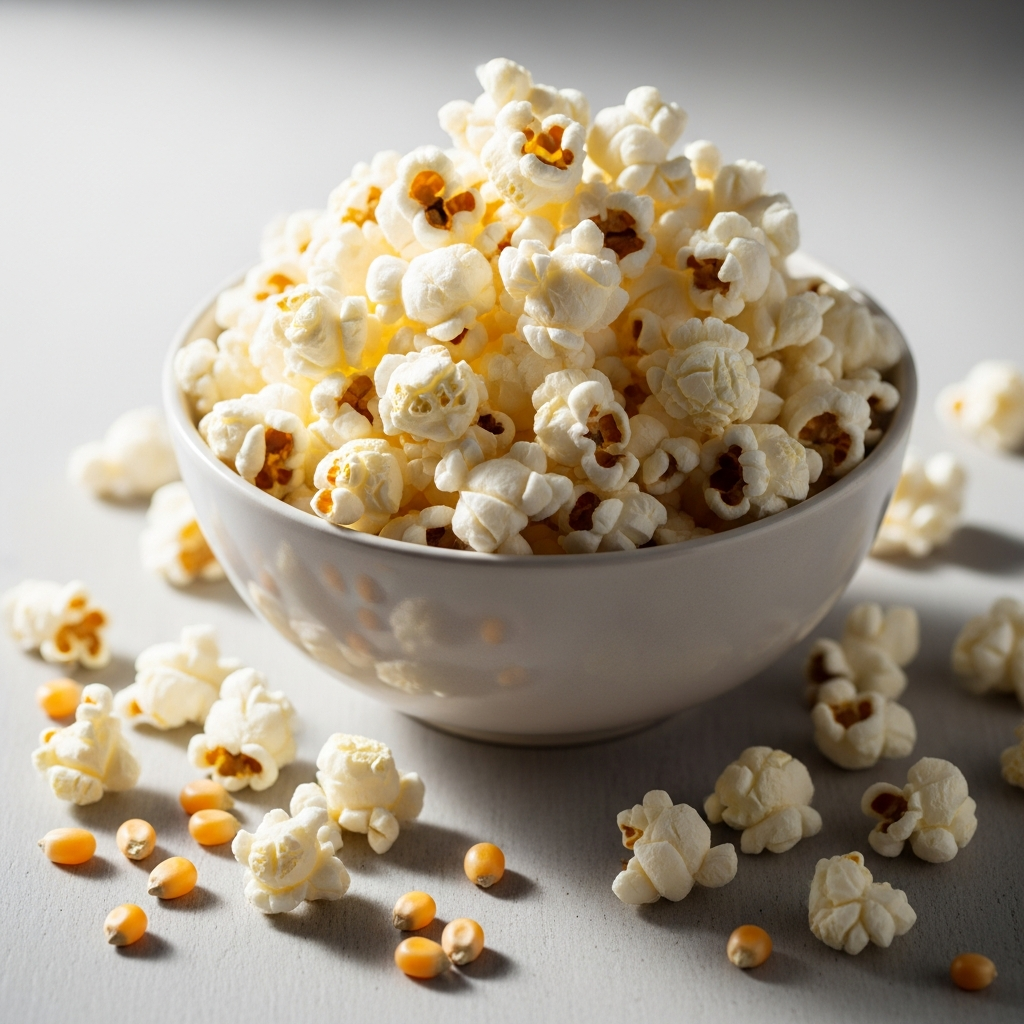
Popcorn is a dangerous food for infants and toddlers because it is light, airy, and easily inhaled into the lungs. The kernels are hard and can easily become lodged in the throat. Most pediatric experts recommend waiting until at least age four before introducing popcorn into a child’s diet.
4. Hard Candies
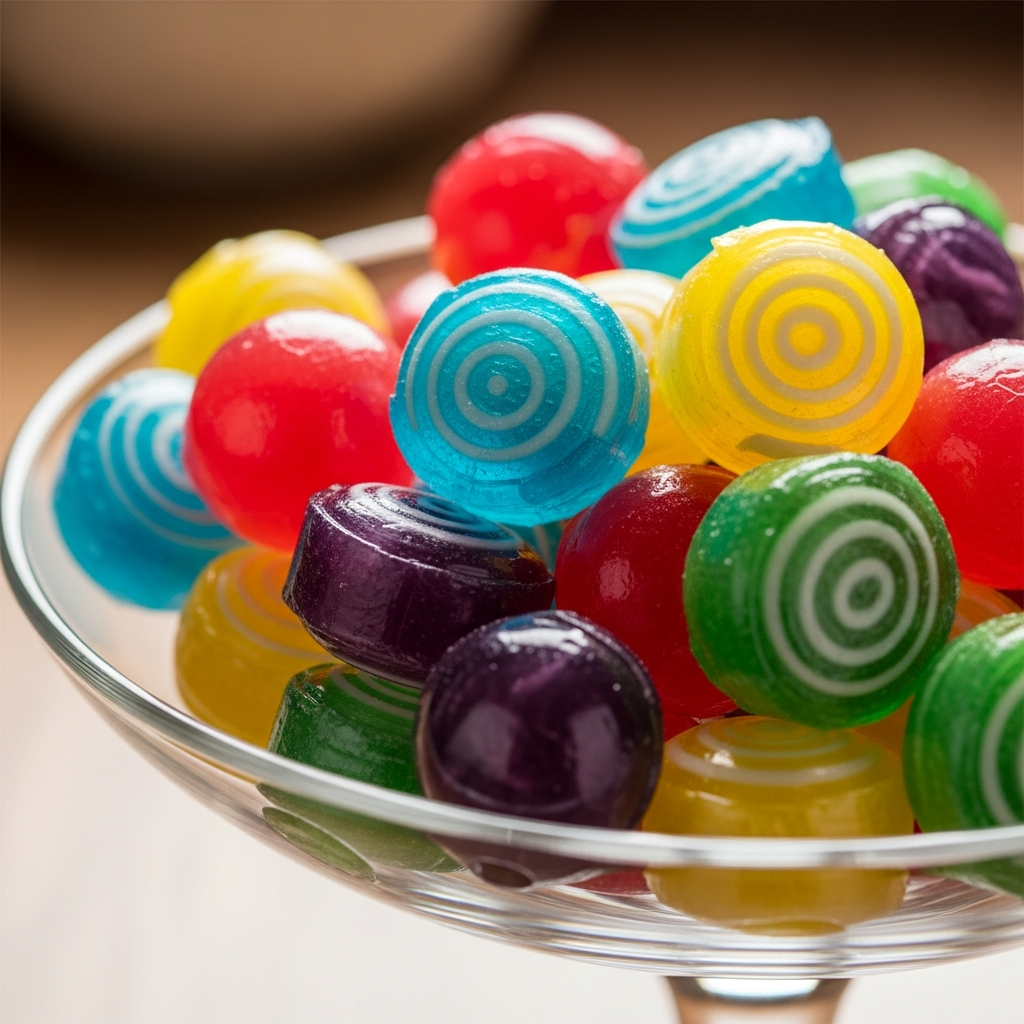
Hard candies and cough drops present a significant choking risk. They do not dissolve quickly enough in the mouth and can easily slide into the windpipe if a baby gasps or swallows prematurely. Additionally, the high sugar content is detrimental to developing primary teeth.
5. Raw Carrots
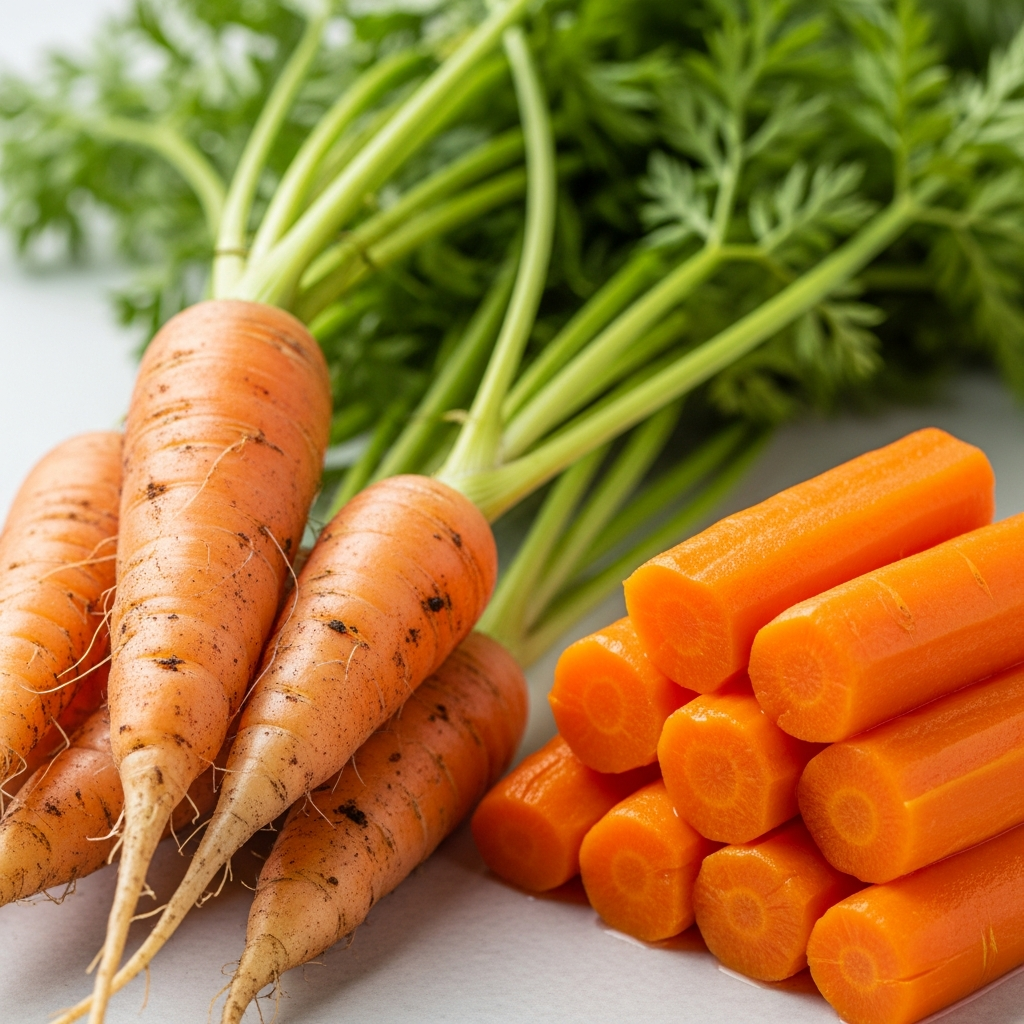
While carrots are nutritious, raw carrot sticks or rounds are too hard for a baby to break down without molars. They can easily snap into sharp, hard pieces that pose a choking threat. Carrots should always be steamed or roasted until they are soft enough to be mashed between two fingers.
6. Whole Nuts and Large Seeds
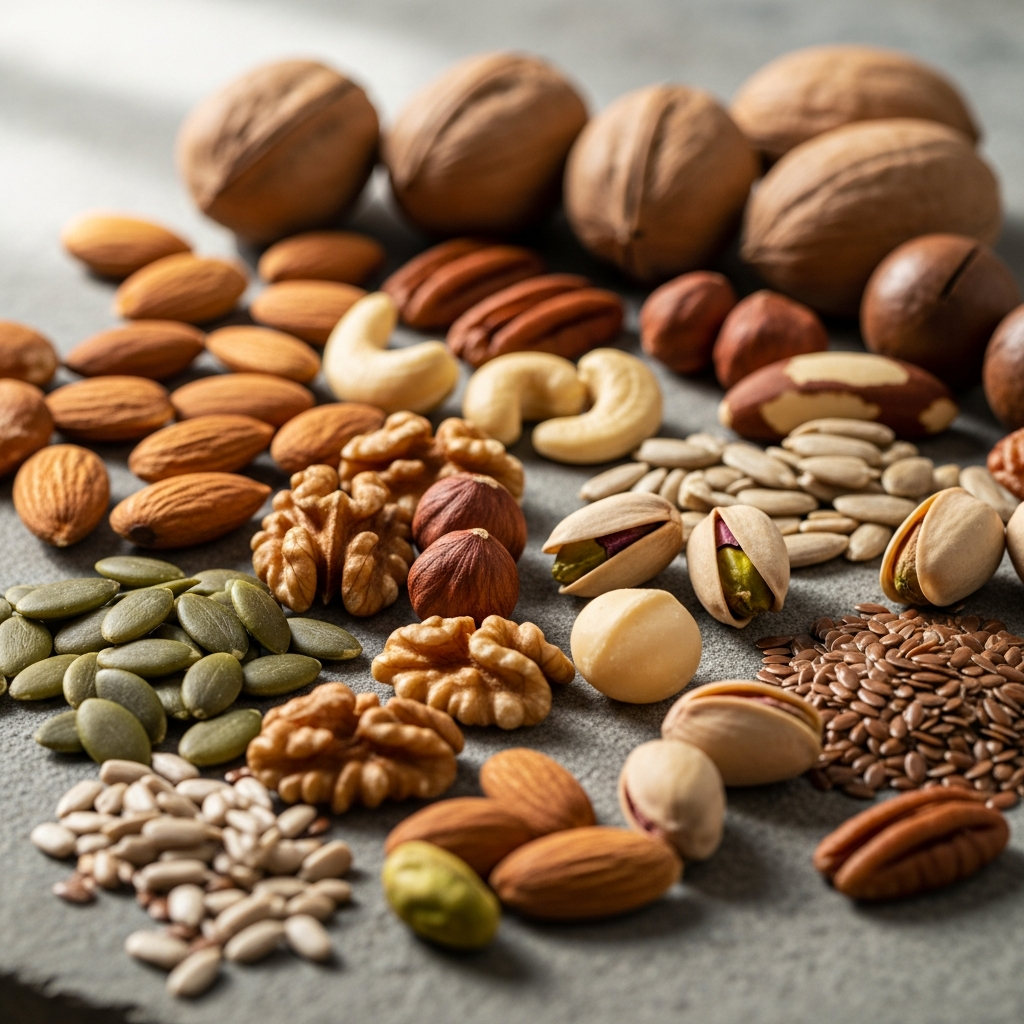
Whole nuts like peanuts, almonds, and cashews, along with large seeds, are difficult to chew and are the perfect size to block a child’s airway. These should be avoided entirely for infants. Finely ground nuts or smooth nut butters thinned with water or puree are safer alternatives for introducing allergens.
7. Sticky Peanut Butter
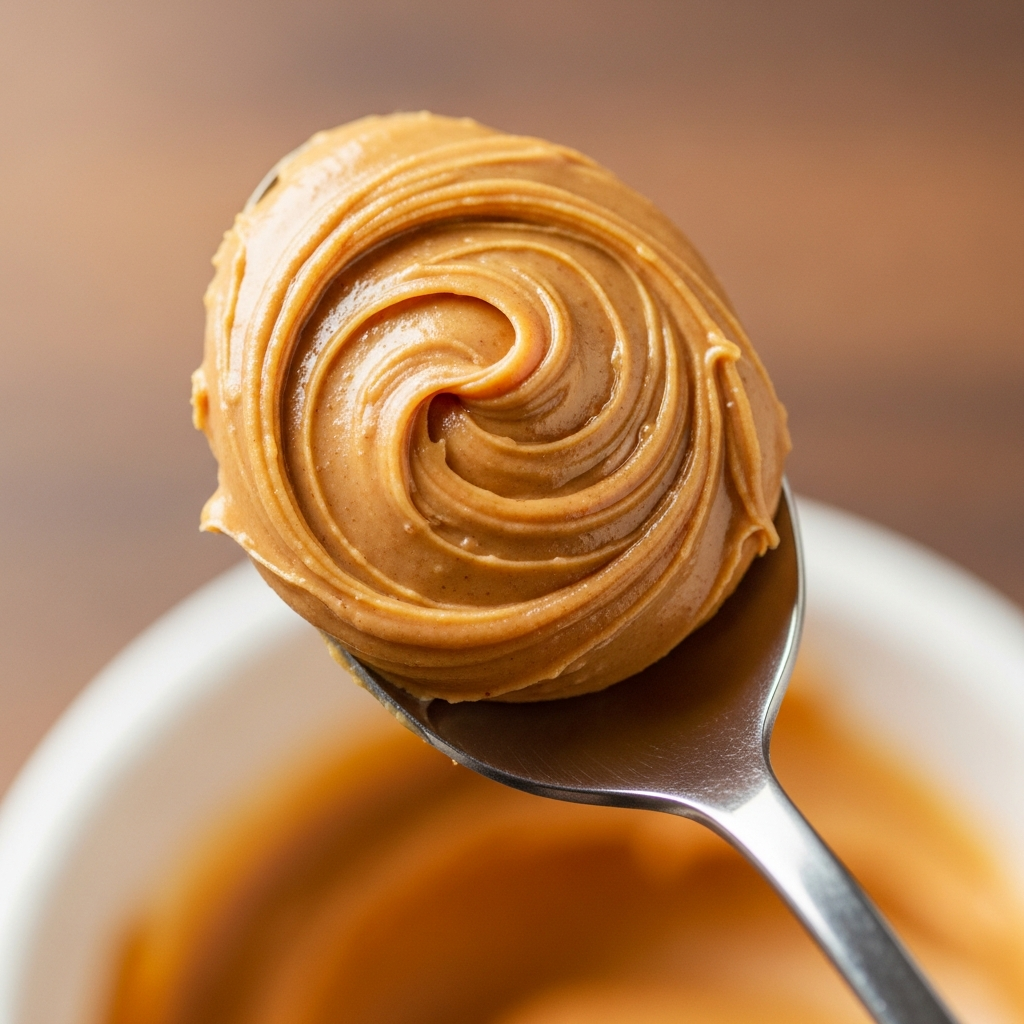
Thick, sticky globs of peanut butter can get stuck in a baby’s throat, making it difficult for them to swallow or breathe. When introducing peanut products, ensure the butter is spread very thinly on a cracker or diluted into a puree to prevent it from forming a suction-like seal in the mouth.
8. Cow’s Milk as a Beverage
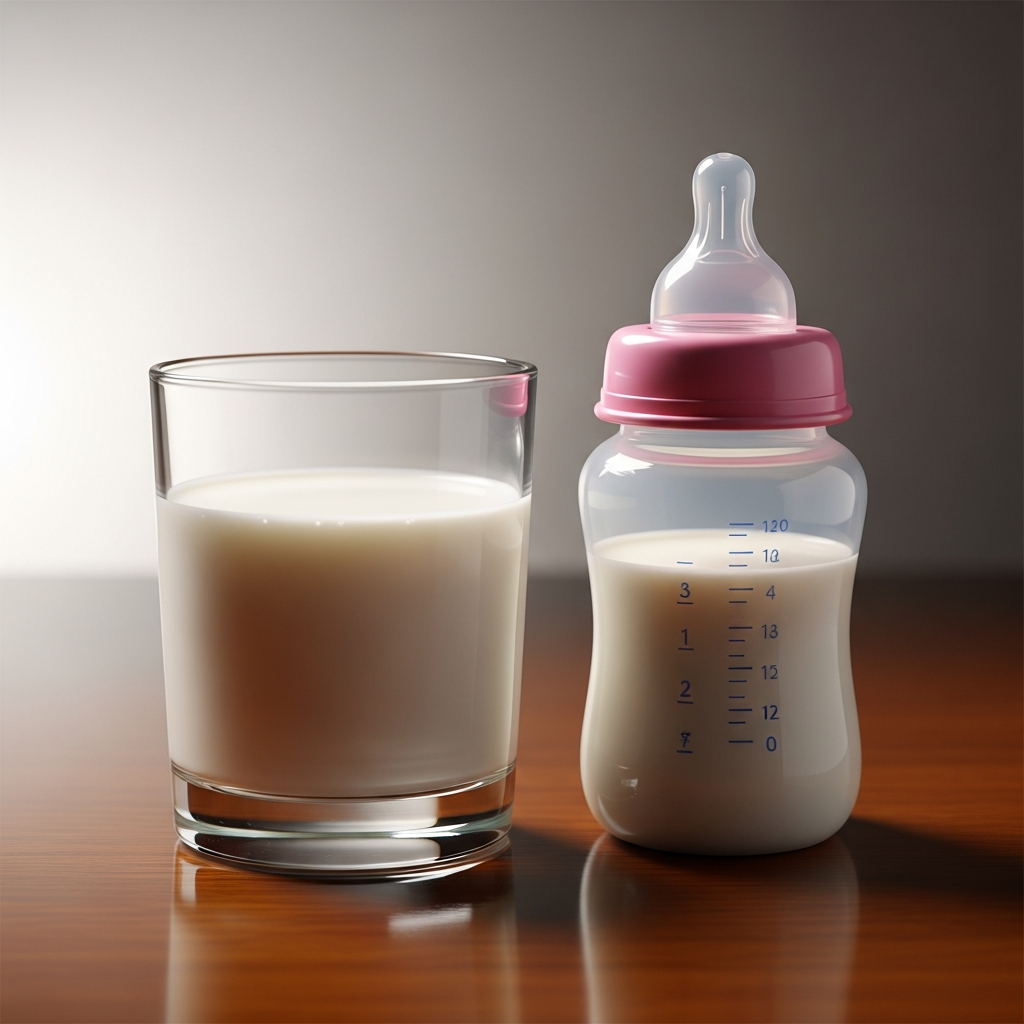
Infants cannot digest the high concentrations of proteins and minerals found in cow’s milk as easily as breast milk or formula. It also lacks the necessary iron and vitamins required for healthy growth during the first year. Small amounts of cow’s milk used as an ingredient in cooking are generally acceptable, but it should never replace primary feedings.
9. Fruit Juices
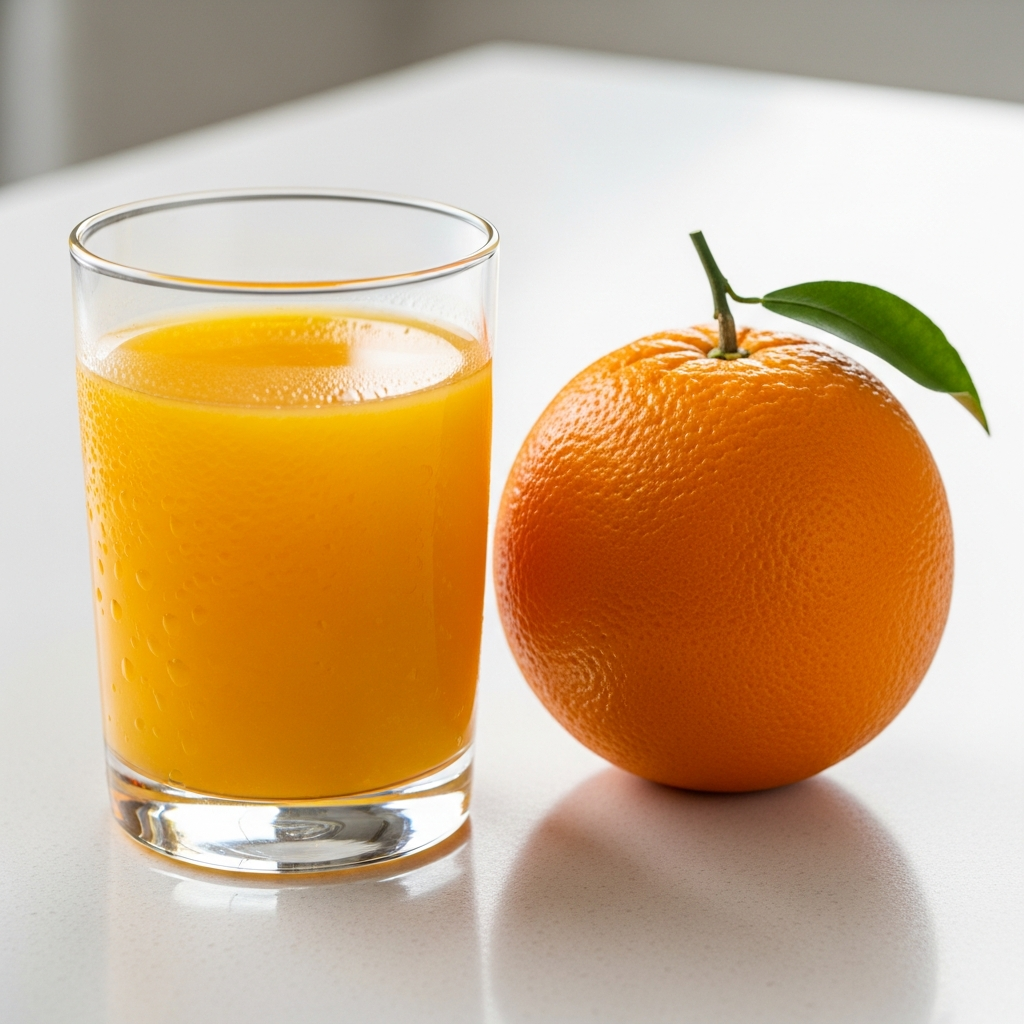
Fruit juices offer very little nutritional value compared to whole fruit and are high in sugar. Giving juice to babies can lead to excessive weight gain and tooth decay, while also displacing the intake of essential breast milk or formula. The American Academy of Pediatrics recommends avoiding juice entirely for babies under one year.
10. Salt and Salty Foods
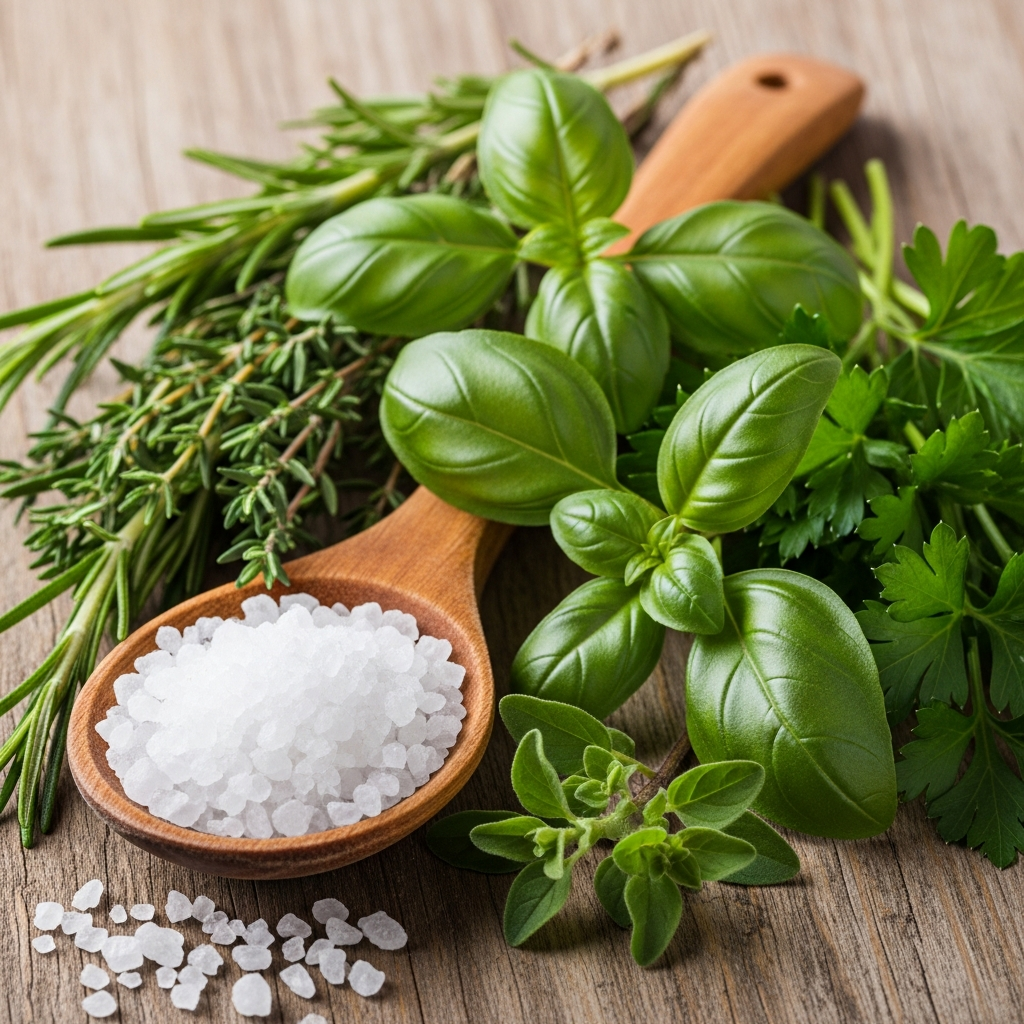
A baby’s kidneys are not mature enough to process large amounts of sodium. Adding salt to baby food or feeding them processed snacks like chips and crackers can put unnecessary strain on their renal system. Focus on using herbs and spices for flavor rather than sodium.
11. Added Sugars
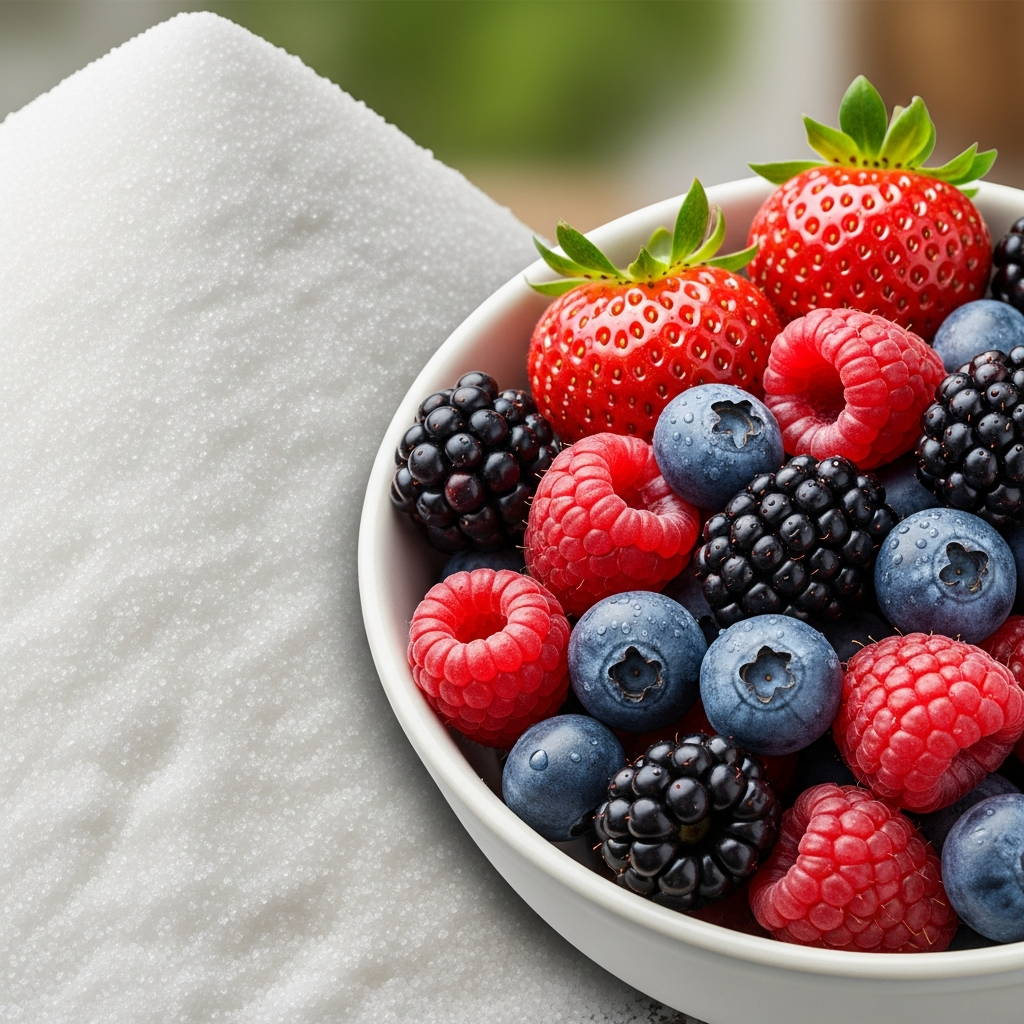
Foods with added sugars, such as sweetened yogurts, puddings, and baked goods, should be avoided. Early exposure to sugar can create a preference for sweet foods and increase the risk of obesity and dental issues later in life. Stick to the natural sugars found in whole fruits.
12. Unpasteurized Dairy
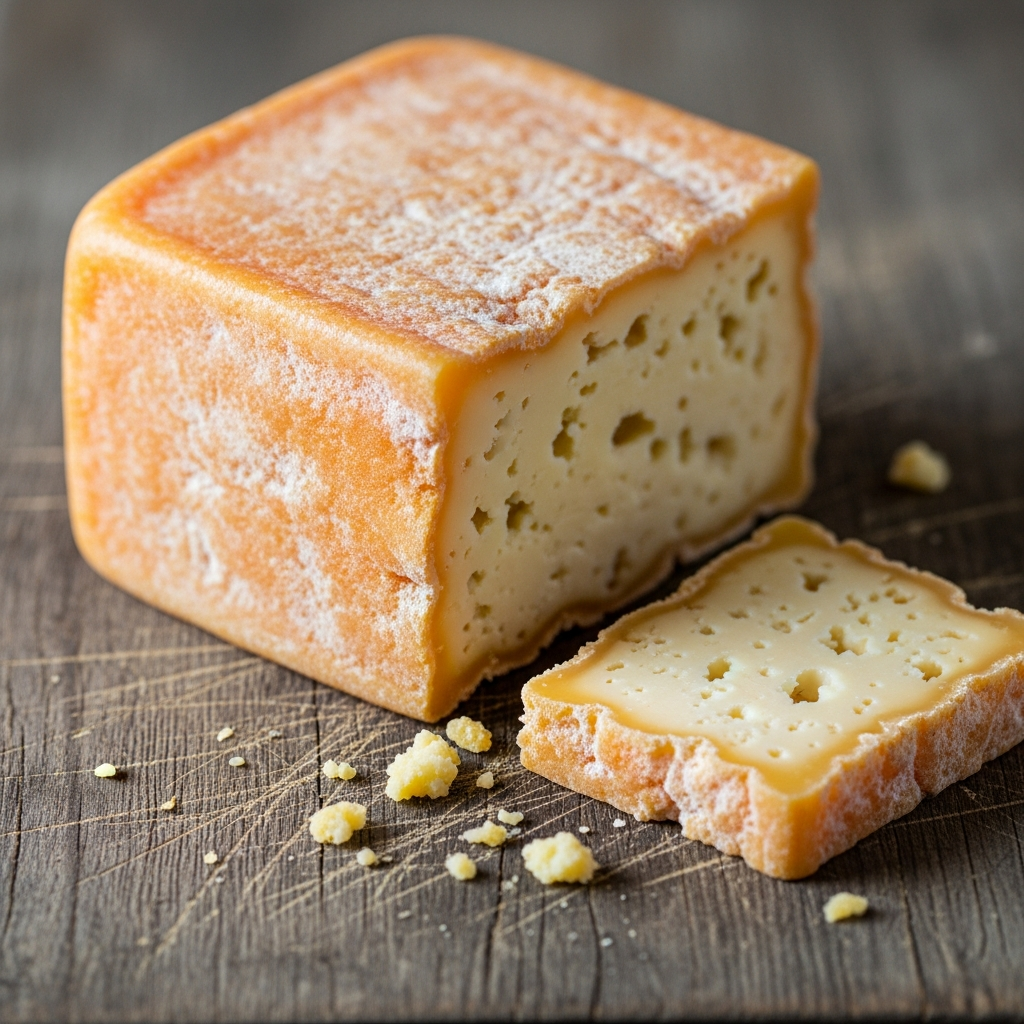
Unpasteurized milk or cheeses, often referred to as raw dairy, may contain harmful bacteria like Listeria or E. coli. These pathogens can cause severe foodborne illnesses in infants whose immune systems are not yet fully equipped to fight off infections. Always check labels for the word pasteurized.
13. High-Mercury Fish
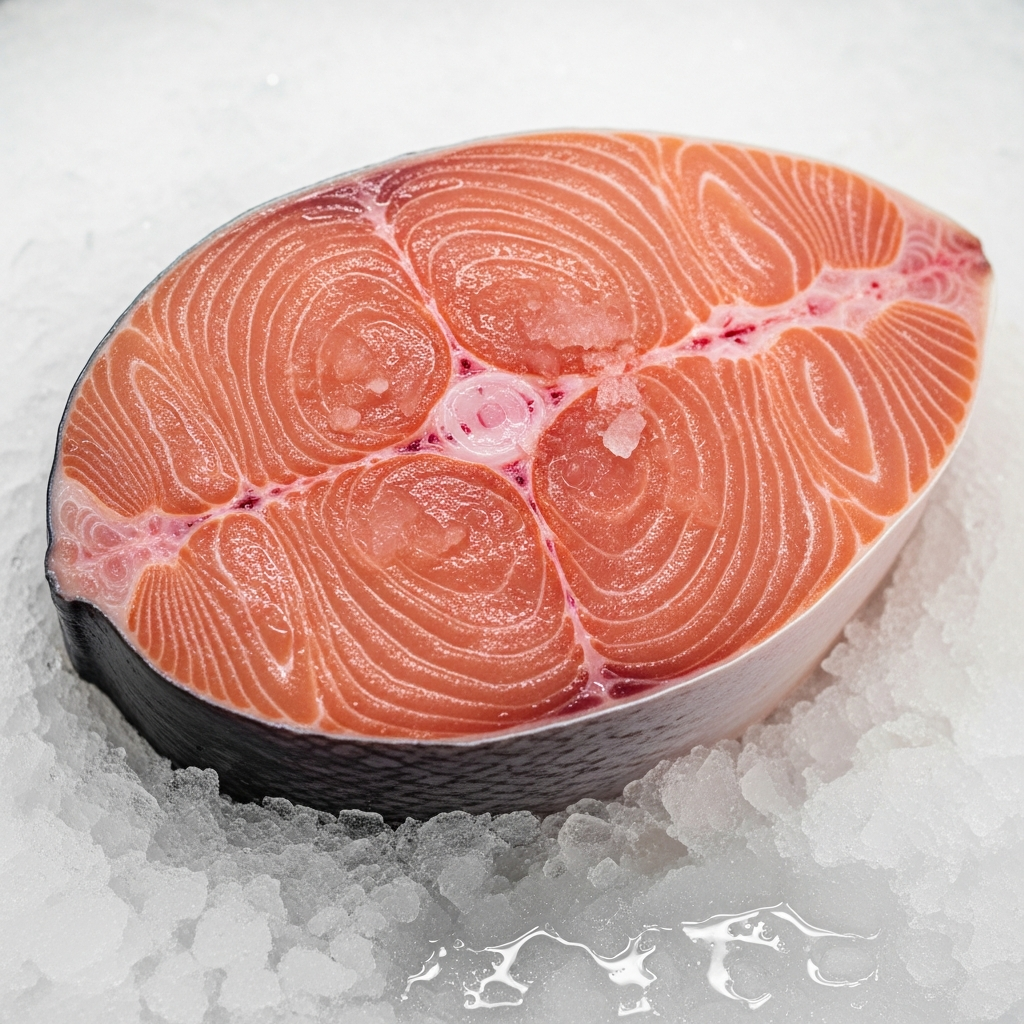
Certain types of fish, such as swordfish, shark, king mackerel, and tilefish, contain high levels of methylmercury. Mercury is a neurotoxin that can interfere with a baby’s developing brain and nervous system. Opt for low-mercury options like salmon, cod, or light canned tuna in limited quantities.
14. Undercooked Eggs
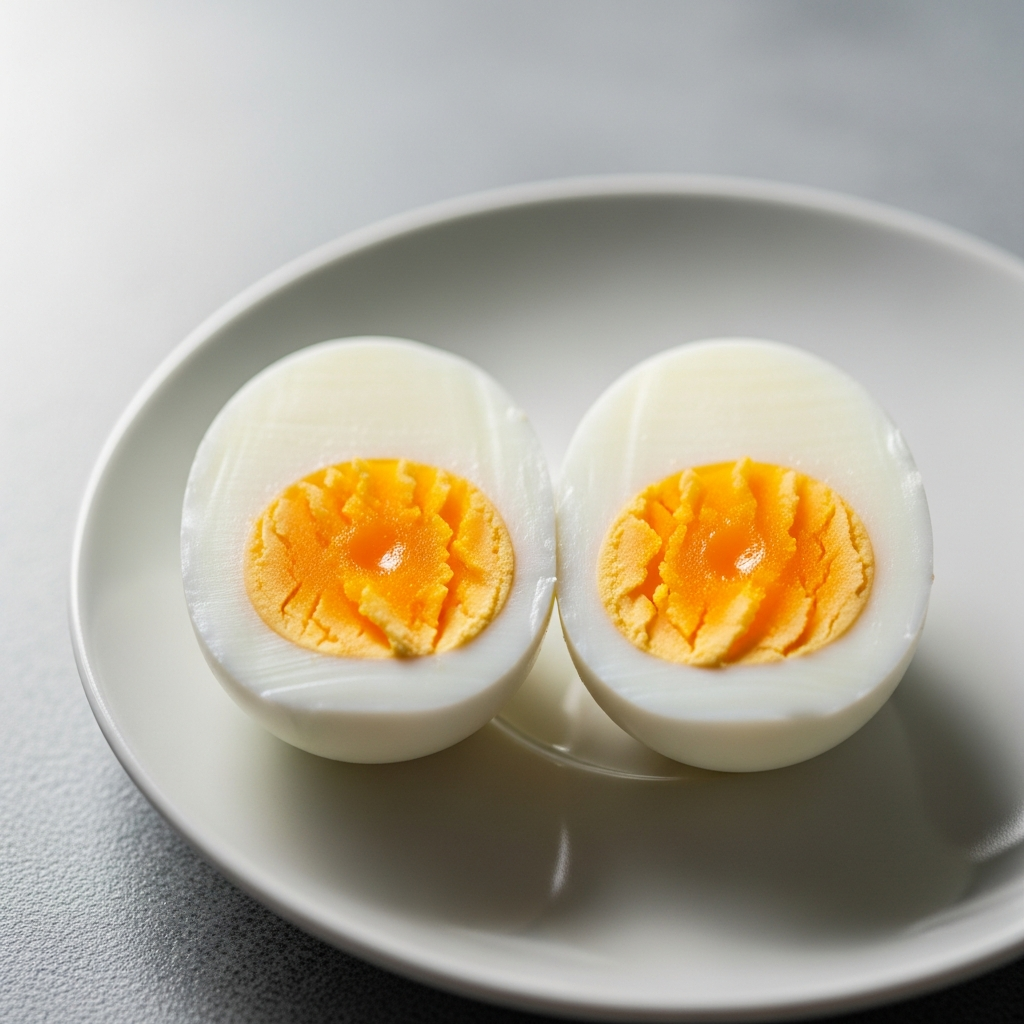
Eggs are a fantastic source of protein, but they must be cooked until both the yolk and white are firm. Raw or runny eggs carry a risk of Salmonella poisoning. Avoid homemade mayonnaise or desserts that use raw eggs when preparing food for your baby.
15. Caffeinated Beverages

Caffeine is a stimulant that can cause irritability, sleep disturbances, and an increased heart rate in infants. Tea, coffee, and many soft drinks contain caffeine and should be kept away from babies. Furthermore, the tannins in tea can interfere with the absorption of iron.
16. Smoked and Processed Meats
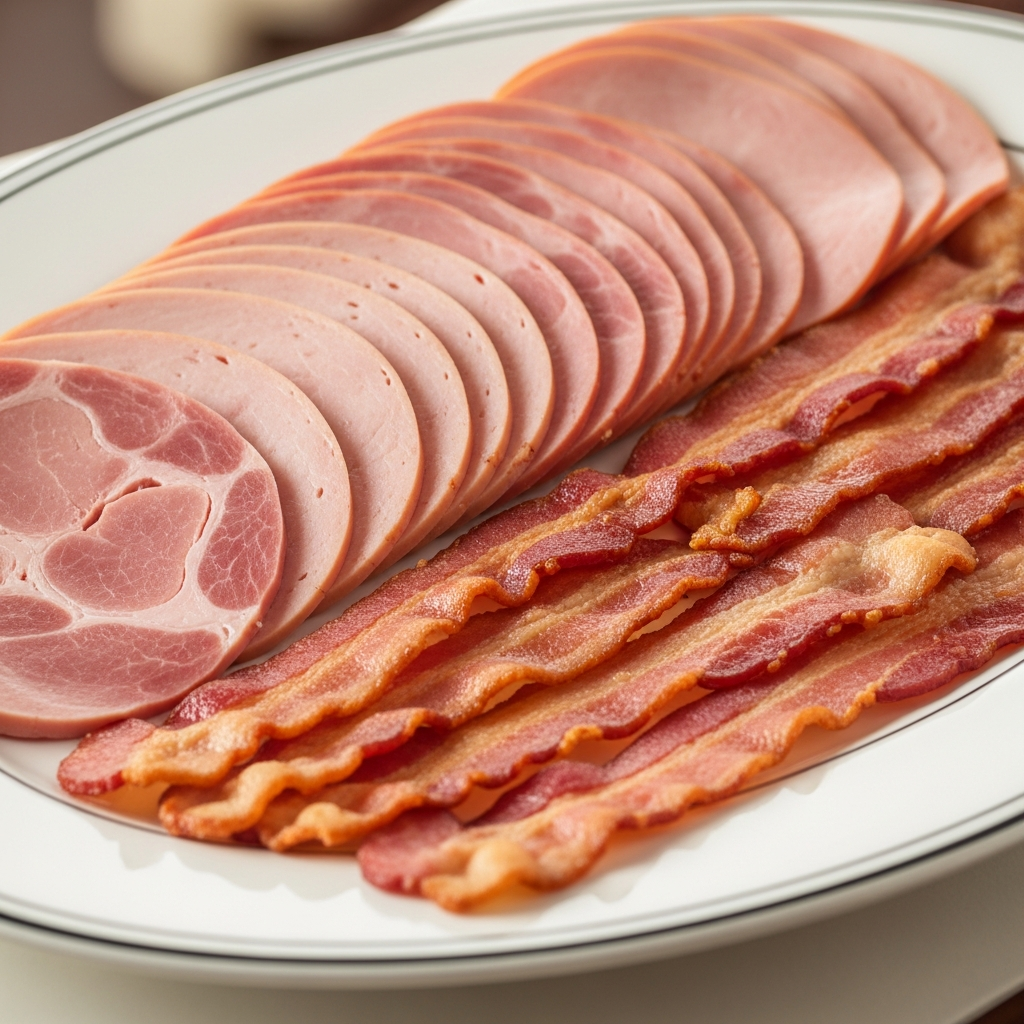
Meats like hot dogs, bacon, and deli meats are often high in nitrates and sodium, which are not suitable for an infant’s diet. Additionally, the casing on hot dogs can be a significant choking hazard unless the meat is peeled and cut into very small, non-circular pieces.
17. Large Seeds and Pits
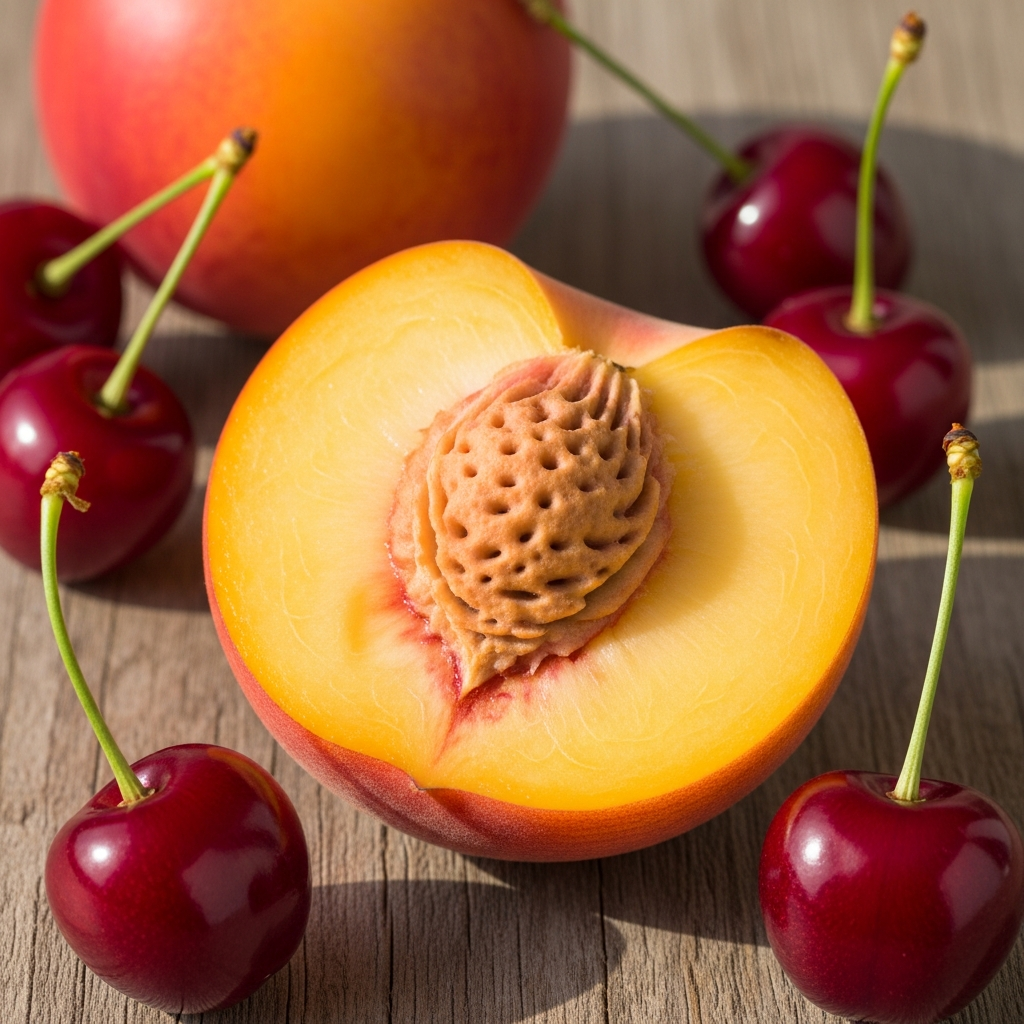
Fruits with large pits or seeds, such as cherries, plums, and peaches, must be carefully prepared. The pits are a choking hazard and some contain trace amounts of cyanide compounds. Always remove pits and seeds and slice the fruit into manageable, soft pieces before serving.
Conclusion
Prioritizing food safety during the first year of life sets a healthy foundation for your child’s future eating habits. By avoiding these seventeen high-risk foods, you protect your baby from potential choking incidents and foodborne illnesses. Always supervise your baby during mealtime, ensure they are sitting upright, and introduce new foods one at a time to monitor for allergic reactions. When in doubt, consult with your pediatrician to ensure your baby’s nutritional plan is safe and age-appropriate.