Bringing your baby to the table for their first tastes of solid food is such an exciting milestone. It’s a time filled with anticipation, adorable messy faces, and new discoveries. As a parent, you want to make sure every bite is safe, healthy, and nurturing for your little one.
While the world of purees and baby-friendly finger foods opens up, it’s natural to feel a bit overwhelmed. You might wonder which foods are perfect and which ones are best to avoid. Don’t worry, you’re not alone in these thoughts. To help make this journey smoother and safer, we’ve put together a guide on 17 specific foods that are not suitable for babies just starting their solid food adventure. Knowing what to steer clear of is just as important as knowing what to offer.
The Golden Rules of Starting Solids
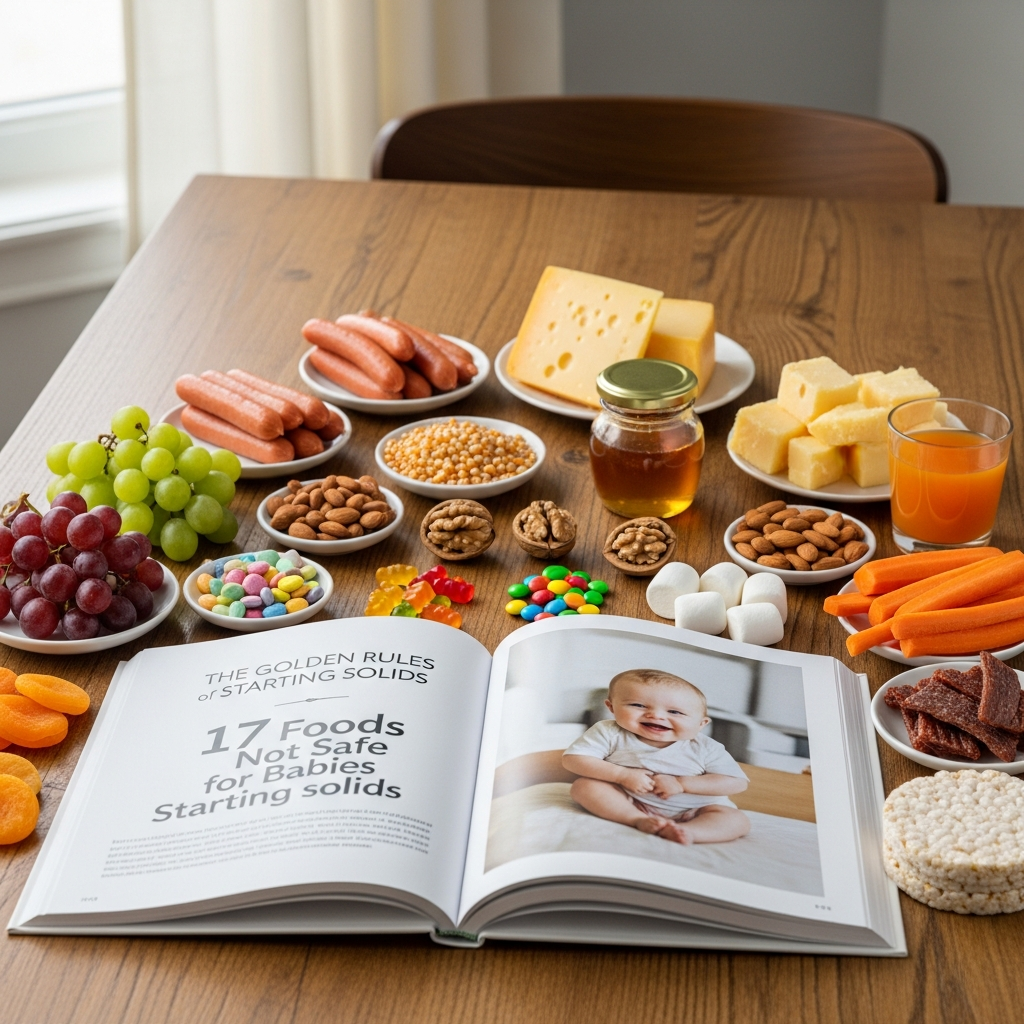
Before diving into the list of foods to avoid, let’s quickly remember a few core principles. Babies are ready for solids typically around 6 months old, when they can sit up with support, have good head control, and show interest in food. Always supervise your baby while they eat, and make sure food is prepared in a safe, age-appropriate way. This usually means pureed, mashed, or cut into tiny, soft pieces.
Common Dangers: Choking Hazards, Allergies, and More
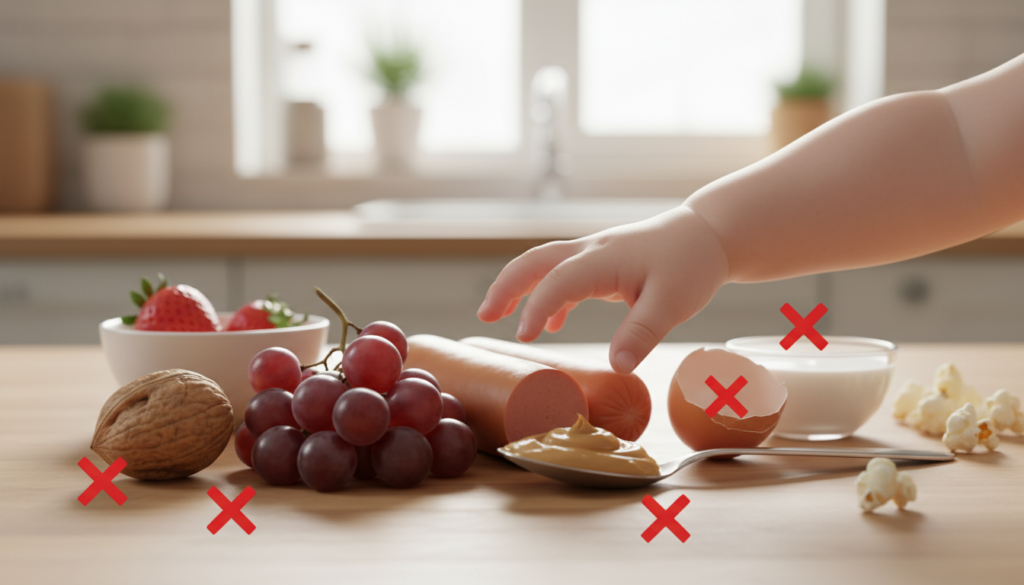
Understanding *why* certain foods are unsafe can help you make informed choices. The main concerns for babies starting solids fall into a few categories:
Choking Hazards
A baby’s airway is small, and their chewing and swallowing skills are still developing. Foods that are round, coin-shaped, hard, sticky, or difficult to chew can easily get stuck. This is why proper food preparation is crucial for all foods, not just those on our “avoid” list.
Potential Allergens
While we won’t go into detail about *introducing* allergens safely, it’s worth noting that any new food has the potential to cause an allergic reaction. This article focuses on foods that are generally unsafe for *all* babies, regardless of allergy risk.
Digestive Issues & Toxins
A baby’s digestive system is immature and delicate. Certain foods can be too harsh, difficult to process, or even contain substances that are harmful to their developing bodies. What’s fine for an adult stomach might be a big problem for a tiny tummy.
The 17 Foods to Avoid When Your Baby Starts Solids
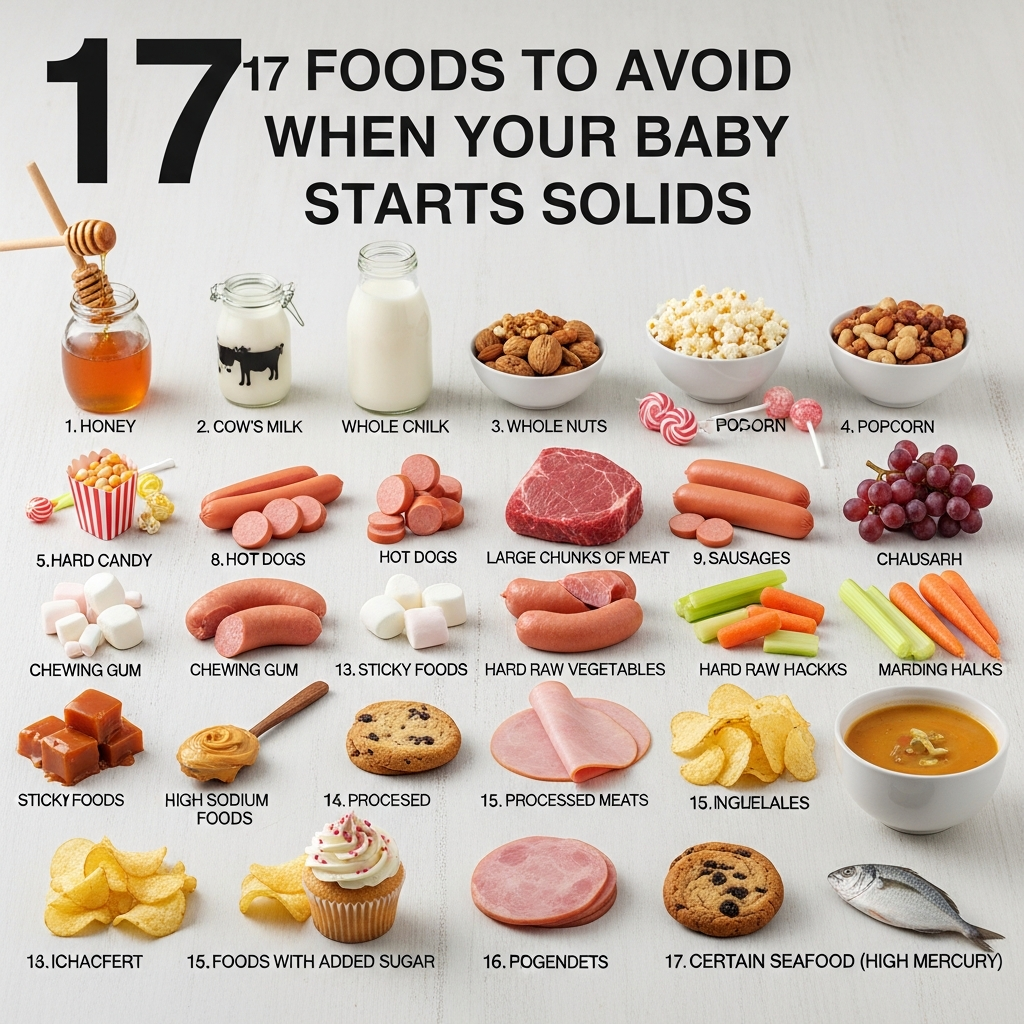
Here is a detailed look at the foods that should be kept off your baby’s plate during their first year.
1. Honey
Why it’s unsafe:
Honey, even pasteurized honey, can contain spores of Clostridium botulinum bacteria. While harmless to older children and adults, a baby’s immature digestive system cannot fight off these spores, leading to infant botulism, a serious and potentially fatal illness.
What to offer instead:
There’s no need to add sweeteners to baby food. For natural sweetness, offer pureed fruits like bananas, apples, or sweet potatoes.
2. Whole Nuts and Seeds
Why it’s unsafe:
Whole nuts and seeds are a major choking hazard for babies and young children because of their size and hardness. They are also common allergens. While nut butter can be introduced in a thin, spread-out layer (once cleared by your pediatrician), whole nuts are a definite no-go.
What to offer instead:
If there are no allergy concerns and your pediatrician approves, smooth, thinned nut butter can be spread thinly on toast strips or mixed into yogurt.
3. Large Chunks of Meat or Poultry
Why it’s unsafe:
Babies are not equipped to chew and swallow large, tough pieces of meat. These can easily get lodged in their throat, causing choking. Even small, tough pieces can be problematic.
What to offer instead:
Offer finely pureed or mashed cooked meats like chicken, turkey, or beef, mixed with breast milk, formula, or vegetable puree. Soft, shredded meat can be introduced later when chewing skills improve.
4. Whole Grapes, Cherry Tomatoes, Cherries
Why it’s unsafe:
These small, round fruits and vegetables are perfectly sized to block a baby’s airway. Their slippery skins also make them particularly dangerous.
What to offer instead:
Always cut grapes, cherry tomatoes, and cherries into quarters lengthwise. Remove any pits from cherries before offering them in small, cut pieces.
5. Hot Dogs, Sausages, and Round Slices of Meat
Why it’s unsafe:
Hot dogs and sausages are a leading cause of choking in young children. Their cylindrical shape and compressible texture make them easily sucked into the airway, forming a perfect plug. Round slices of pepperoni or other deli meats pose a similar risk.
What to offer instead:
Avoid these processed meats for babies. If offering other meats, make sure they are very finely shredded or pureed.
6. Hard Candies, Gummy Candies, and Chewing Gum
Why it’s unsafe:
These items are not only choking hazards due to their size and consistency but also offer no nutritional value. Hard candies can get stuck, and gummy candies are difficult to chew and can mold to a baby’s airway. Chewing gum is also a choking risk and obviously not meant to be swallowed.
What to offer instead:
For a sweet treat, stick to fruits. There’s no need to introduce candy to babies.
7. Popcorn
Why it’s unsafe:
The irregular shape, small size, and hard kernels of popcorn make it a significant choking hazard. Kernels can be easily inhaled, leading to aspiration or airway blockage.
What to offer instead:
There are many other safe snack options like soft fruit pieces, cooked vegetable sticks, or baby-friendly crackers.
8. Large Chunks of Raw, Hard Vegetables or Fruits
Why it’s unsafe:
Foods like raw carrots, apples, celery sticks, or bell peppers are too hard and crunchy for a baby to safely chew and swallow. Large pieces can break off and cause choking.
What to offer instead:
Steam or boil hard vegetables until they are very soft and mashable or cut into very small, thin sticks (the size and shape of a pinky finger) if you’re doing baby-led weaning. Apples can be offered finely grated or cooked until soft.
9. Sticky Foods (Marshmallows, Large Dollops of Nut Butter, Dried Fruit)
Why it’s unsafe:
Foods that are very sticky, like marshmallows or large spoonfuls of peanut butter, can mold to the roof of a baby’s mouth or throat, making them extremely difficult to swallow and posing a choking risk. Dried fruits, while healthy for older children, are dense, chewy, and can be tough for babies to manage.
What to offer instead:
If introducing nut butter (and cleared by your pediatrician), spread a thin layer on a piece of toast or mix it into a puree. Opt for fresh or cooked soft fruits over dried varieties.
10. Cow’s Milk as a Primary Drink (before 12 months)
Why it’s unsafe:
While cow’s milk can be used in small amounts in cooking or mixed with cereal after 6 months, it should not be given as a primary drink before a baby’s first birthday. It lacks the essential nutrients that breast milk or formula provides, and its proteins and minerals can be difficult for a baby’s kidneys to process, potentially leading to iron deficiency.
What to offer instead:
Continue to offer breast milk or formula as your baby’s main drink until 12 months. Water can be offered in small sips with meals once solids are introduced.
11. Unpasteurized Dairy or Juice
Why it’s unsafe:
Unpasteurized products, such as raw milk, certain soft cheeses, or unpasteurized juices, can contain harmful bacteria like E. coli, Salmonella, and Listeria. These can cause severe food poisoning, which is particularly dangerous for babies with their developing immune systems.
What to offer instead:
Always choose pasteurized dairy products and juices.
12. Raw or Undercooked Eggs
Why it’s unsafe:
Raw or undercooked eggs can contain Salmonella bacteria, which can cause severe food poisoning. Babies are very susceptible to such infections.
What to offer instead:
Ensure all eggs are thoroughly cooked until the yolk and white are firm. Scrambled eggs or hard-boiled eggs mashed into small pieces are great options for babies.
13. Fish High in Mercury
Why it’s unsafe:
Certain types of fish, such as swordfish, king mackerel, shark, and tilefish, contain high levels of mercury. Mercury can be harmful to a baby’s developing brain and nervous system.
What to offer instead:
Opt for fish that are low in mercury and rich in omega-3s, like salmon, cod, or light tuna (canned, in water). Always ensure fish is thoroughly cooked and deboned.
14. Added Sugar and Foods High in Sugar
Why it’s unsafe:
Foods and drinks with added sugar (sweets, cookies, sugary cereals, sodas) offer no nutritional benefit to babies. They can contribute to dental decay, displace more nutritious foods, and encourage a preference for sweet tastes, leading to unhealthy eating habits later on.
What to offer instead:
Let your baby enjoy the natural sweetness of fruits and vegetables. Their palate is developing, and there’s no need for added sugars.
15. Added Salt and Salty Processed Foods
Why it’s unsafe:
A baby’s kidneys are not fully developed and can struggle to process too much salt. Foods high in added salt, like many processed snacks, canned soups, and deli meats, can put a strain on their tiny kidneys and are not suitable for infants.
What to offer instead:
Prepare baby food at home without added salt. Season with herbs and spices (in moderation) rather than salt. Always check food labels for sodium content when buying pre-made items.
16. Caffeine
Why it’s unsafe:
Caffeine is a stimulant found in coffee, tea, energy drinks, and even chocolate. It can interfere with a baby’s sleep, cause jitters, irritability, and potentially affect their heart rate. A baby’s body is not equipped to process caffeine.
What to offer instead:
Water, breast milk, or formula are the only appropriate drinks for babies.
17. Refined Grains/White Bread in Large, Unmodified Pieces
Why it’s unsafe:
While not inherently toxic, white bread and refined grain products offer less nutritional value compared to whole grains. Large, plain pieces of white bread, especially if gummy when wet, can form a sticky ball and become a choking hazard.
What to offer instead:
Offer whole-grain bread or toast, cut into small, manageable strips. You can also toast it lightly to make it less gummy. Introduce other whole grains like oats, brown rice, or quinoa for better nutrition.
General Tips for Safe Solid Feeding

Starting solids is an adventure, and a bit of caution goes a long way.
* Always supervise: Never leave your baby unattended while they are eating.
* Cut food appropriately: Foods should be mashed, pureed, or cut into very small, soft pieces. For finger foods, think pieces no larger than a pea or thin strips the length of your pinky finger.
* Introduce new foods one at a time: This helps you identify any potential allergic reactions or sensitivities.
* Trust your instincts: If a food feels risky, it probably is. Wait until your baby is older and more skilled at eating.
* Consult your pediatrician: If you have any concerns about food introduction, allergies, or choking hazards, always speak to your doctor.
A Supportive Takeaway

Welcoming your baby to the world of solid foods is a wonderful and memorable journey. By knowing which foods to avoid and why, you’re building a strong foundation for safe and healthy eating habits. Remember, every baby develops at their own pace, and it’s okay to take things slow. Enjoy these precious mealtimes, embrace the mess, and celebrate each new taste your little one discovers. You’re doing a great job!