The Truth About Toddler Tantrums
If you’re a parent navigating the toddler years, you’ve likely encountered the full force of a tantrum. It might be in the grocery aisle, at home over a broken cracker, or even because the sky is blue. These outbursts can feel overwhelming, embarrassing, and utterly exhausting. But here’s a comforting thought: you are absolutely not alone, and these challenging moments are a normal, even healthy, part of your child’s development.
This article is about uncovering the real reasons behind toddler tantrums, moving beyond the frustration to a place of understanding. We’ll explore why they happen, what they look like, and most importantly, how we can respond with patience and wisdom. Think of it as a guide to helping both you and your little one through this stormy, yet temporary, phase.
What Exactly Are Toddler Tantrums?

At their heart, toddler tantrums are an explosion of strong emotions that your child isn’t yet equipped to handle in a calmer way. They’re not a sign of bad parenting or a “naughty” child, but rather a normal, expected part of growing up.
These intense displays can include crying, screaming, hitting, kicking, throwing things, or even flopping to the ground. They typically start around 12-18 months of age, peak between ages two and three, and then gradually decrease as children develop better communication and coping skills. Every child is different, of course, but the experience is universal to toddlerhood.
Why Do Toddlers Have Tantrums? Unpacking the Core Reasons

Understanding the “why” behind tantrums is the first step towards managing them more effectively. When we see a tantrum, it’s not just a child being difficult; it’s a child struggling with something fundamental.
Immature Brain Development
Toddlers’ brains are still very much under construction. The part of the brain responsible for reasoning, impulse control, and emotional regulation – the prefrontal cortex – isn’t fully developed yet.
This means your toddler genuinely doesn’t have the tools to pause, think logically, or calmly express their intense feelings. They react purely on emotion, often without filtering. They live completely in the present moment, making it hard for them to understand “later” or “no.”
Limited Language Skills
Imagine having a big thought or a strong feeling but not having the words to express it. This is a daily reality for toddlers. They understand more than they can say.
When they can’t communicate their needs, wants, or frustrations effectively, it often boils over into an outburst. A tantrum can sometimes be their only way to “speak” when words fail them.
A Bid for Independence and Control
Toddlerhood is a period of immense growth and self-discovery. Your little one is realizing they are a separate person from you, with their own desires and will. This is a crucial step towards independence.
They want to do things “myself!” and make their own choices. When their burgeoning independence clashes with adult rules or limitations, a tantrum often results. It’s their way of testing boundaries and asserting themselves.
Overwhelm and Fatigue
Just like adults, toddlers can get worn out, hungry, or overstimulated. These basic needs, when not met, can drastically lower their tolerance for frustration.
A busy environment, too many new experiences, a lack of sleep, or even a slight dip in blood sugar can turn a calm child into a tantruming one in an instant. Sometimes, a tantrum is simply their little body saying, “I’m done!”
Seeking Attention (Sometimes)
While not always the primary reason, some tantrums can be a bid for attention. Toddlers learn quickly which behaviors get a reaction.
If a tantrum consistently gets a big reaction, even if it’s negative attention, they might repeat the behavior. It’s important to differentiate this from genuine distress, but also to recognize that all attention can feel good to a toddler.
Unmet Needs
Beyond just fatigue or hunger, sometimes a tantrum signals another unmet need. Are they feeling unwell? Is something bothering them physically? Are they feeling left out?
It’s always worth a quick check-in to see if there’s a practical, underlying need that can be easily addressed, even if it doesn’t immediately stop the tantrum.
Types of Tantrums: Are They All the Same?

While all tantrums are expressions of big emotions, they can stem from different places. Understanding the subtle differences can help us tailor our responses.
Frustration Tantrums
These happen when a toddler can’t accomplish a task, like building a tower that keeps falling, or can’t have something they desperately want, like a specific toy at the store. The emotion is pure frustration at their own limitations or external boundaries.
Fatigue/Hunger Tantrums
These are often the easiest to spot and sometimes prevent. The child is visibly tired or “hangry” and melts down over something small, like a shoe not fitting right or a toy rolling under the couch. Their reserves for coping are simply depleted.
Attention-Seeking Tantrums
When a tantrum seems to escalate the more you try to ignore it, or if it immediately stops when you engage, it might be an attention-seeking tantrum. The child might have learned that an outburst is a reliable way to get your focus.
Power/Control Tantrums
“No!” or “Mine!” or “I do it!” are often precursors to these. Your toddler is asserting their will and gets upset when they can’t have their way or aren’t allowed to be fully independent. This is often seen when they refuse to get dressed, eat certain foods, or leave the park.
How to Respond: Navigating the Storm

Responding to a tantrum effectively requires a blend of patience, calm, and consistency. It’s not about “winning” but about teaching and guiding.
During the Tantrum
When the storm hits, your immediate goal is to keep everyone safe and help your child feel heard, while gently guiding them through the big emotions.
Stay Calm
This is easier said than done, but crucial. Take a deep breath yourself. Your calm demeanor can sometimes act as a mirror, helping your child regulate their own emotions eventually. Raising your voice or showing extreme frustration often just fuels their fire.
Acknowledge Feelings
Even if you can’t give them what they want, you can acknowledge how they feel. “I see you’re really mad that we can’t have more candy.” or “It looks like you’re very sad that it’s time to leave the park.” Validating their emotions helps them feel understood.
Set Clear Boundaries (if applicable)
If the tantrum is about a boundary you’ve set, stand firm but gently. “I know you want to watch more TV, but TV time is over now.” Avoid lengthy explanations; short and clear is best.
Ensure Safety
If your child is hitting, kicking, or throwing things, gently move them to a safe space. This might be a quiet corner of the room or simply away from anything breakable. Physically blocking their attempts to hurt themselves or others is important.
Ignore Minor Attempts at Attention-Seeking
If you suspect the tantrum is purely for attention and isn’t harmful, sometimes the best response is a controlled ignore. Stay nearby, maintain a calm presence, but don’t engage in a power struggle or give in to demands. Once they start to calm, you can reconnect.
Offer Comfort (if they accept it)
Some children want to be held during a tantrum; others need space. Offer a hug or a comforting touch, but don’t force it. Let them know you’re there for them when they’re ready.
After the Tantrum
The time immediately following a tantrum is a valuable opportunity for connection and learning.
Reconnect
Once the storm has passed, offer a hug, a gentle word, or simply sit quietly with them. This reassures them that your love isn’t conditional on their behavior.
Review Briefly (Age-Appropriate)
When they are calm, you can briefly revisit what happened. “It was hard when you couldn’t have the toy, wasn’t it?” This helps them start to connect their big feelings with the situation. Keep it short and simple.
Move On
Don’t dwell on the tantrum. Once it’s over, it’s over. Shaming or lecturing them won’t help and can damage your connection. Redirect to a positive activity and enjoy the calm after the storm.
Strategies for Prevention: Building a Happier Environment
While you can’t prevent every tantrum, many can be avoided by creating a supportive and predictable environment.
Prioritize Basic Needs
This is perhaps the most fundamental strategy.
* Regular Sleep: Ensure consistent bedtimes and adequate naps. An overtired child is a tantrum waiting to happen.
* Meals and Snacks: Keep blood sugar levels stable with regular, nutritious meals and snacks.
* Avoid Over-Scheduling: Give your toddler plenty of downtime. Too many activities can lead to overstimulation and exhaustion.
Offer Choices (Limited and Age-Appropriate)
Giving a toddler a sense of control can greatly reduce power struggles.
* Instead of “Put on your shoes,” try “Do you want to wear your blue shoes or your red shoes?”
* “Would you like an apple or a banana for a snack?”
* Limit choices to two or three to avoid overwhelming them.
Teach Emotion Words
Help your child build their emotional vocabulary from an early age.
* “You look angry.”
* “Are you feeling frustrated?”
* “I know you’re sad.”
* This helps them learn to label what they feel, making it easier to express themselves without a tantrum.
Prepare for Transitions
Toddlers thrive on predictability and often struggle with sudden changes.
* Give warnings: “In five minutes, we’re going to clean up.” or “After this book, it’s time for bed.”
* Use visual timers or songs to mark transitions.
* Allow for a “final hug” or “one more swing” before leaving.
Create a Predictable Routine
A consistent daily routine provides security and helps toddlers know what to expect.
* Predictable meal times, play times, and sleep schedules reduce anxiety.
* Knowing “what comes next” helps them feel more in control of their world.
Positive Attention and Connection
Fill your child’s “attention cup” when they are behaving well.
* Engage in special playtime, read books together, or simply have focused, one-on-one time.
* Children often seek attention, and it’s better they get it for positive behaviors than for negative ones.
Setting Clear Expectations and Boundaries
Consistency is the cornerstone of effective parenting.
* Be clear about rules and expectations.
* Follow through on consequences (e.g., if a toy is thrown, it gets put away for a short time).
* Avoid making empty threats or giving in to demands after you’ve said no.
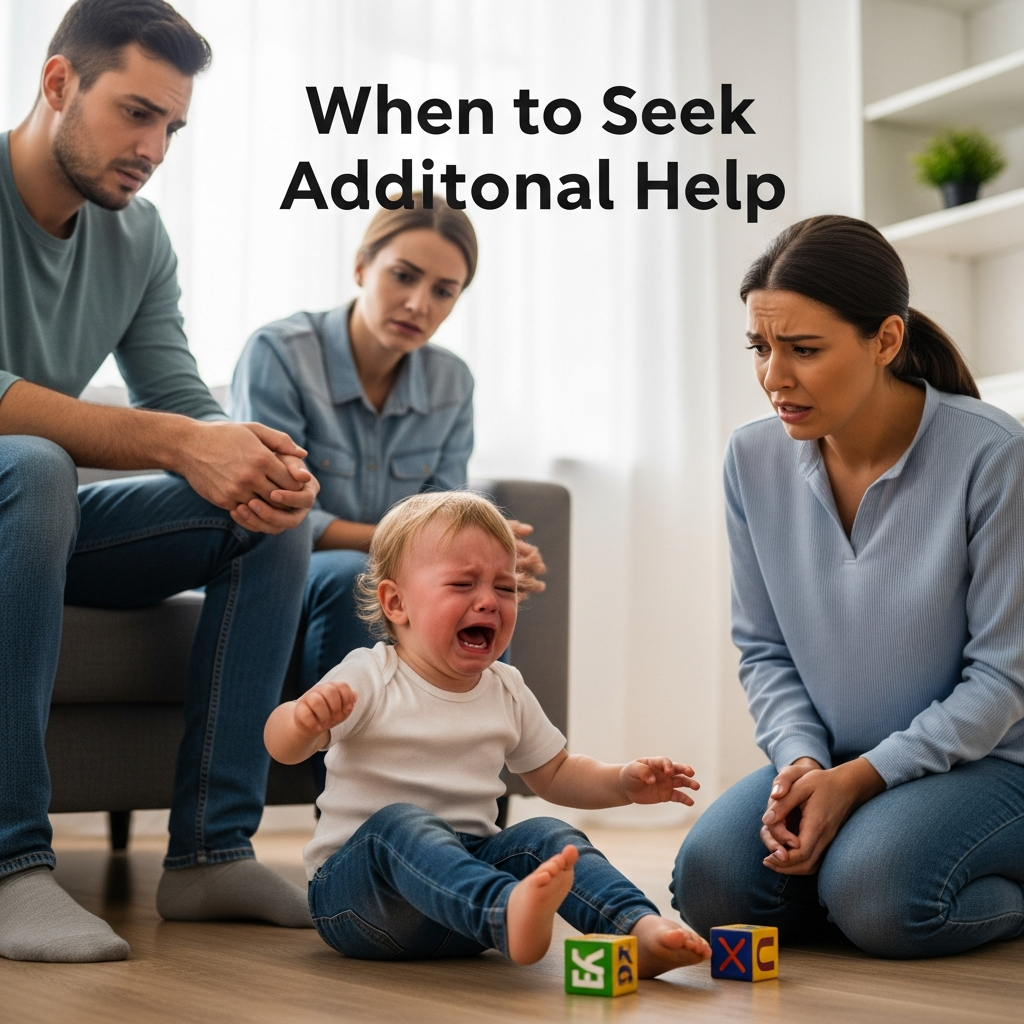
When to Seek Additional Help

While tantrums are a normal part of development, there are times when they might signal something more. If you notice any of the following, it might be helpful to reach out to your pediatrician or a child development specialist:
* Tantrums persisting beyond age four or five with no signs of decreasing.
* Your child frequently hurting themselves or others during tantrums.
* They hold their breath until they pass out (though this is often more alarming than dangerous).
* Tantrums occur many times a day, every day, without obvious triggers.
* There’s a regression in other areas of development, like toilet training or language skills.
* Your own stress levels are consistently overwhelming and impacting your well-being.
Your pediatrician can offer reassurance, suggest strategies, or refer you to specialists who can provide targeted support for both you and your child.
Toddler tantrums are indeed a challenging rite of passage, for both the child experiencing them and the parent trying to manage them. But remember, they are not a personal failing on your part, nor are they a sign that your child is being purposefully difficult. They are a temporary phase, driven by rapid development and a limited ability to cope with big feelings.
By understanding the underlying reasons, responding with calm and empathy, and implementing proactive strategies, you can navigate these storms more effectively. You’re teaching your child invaluable lessons in emotional regulation, even when they’re screaming on the floor. Be patient with your little one, but most importantly, be patient and kind to yourself. You’re doing a wonderful job.