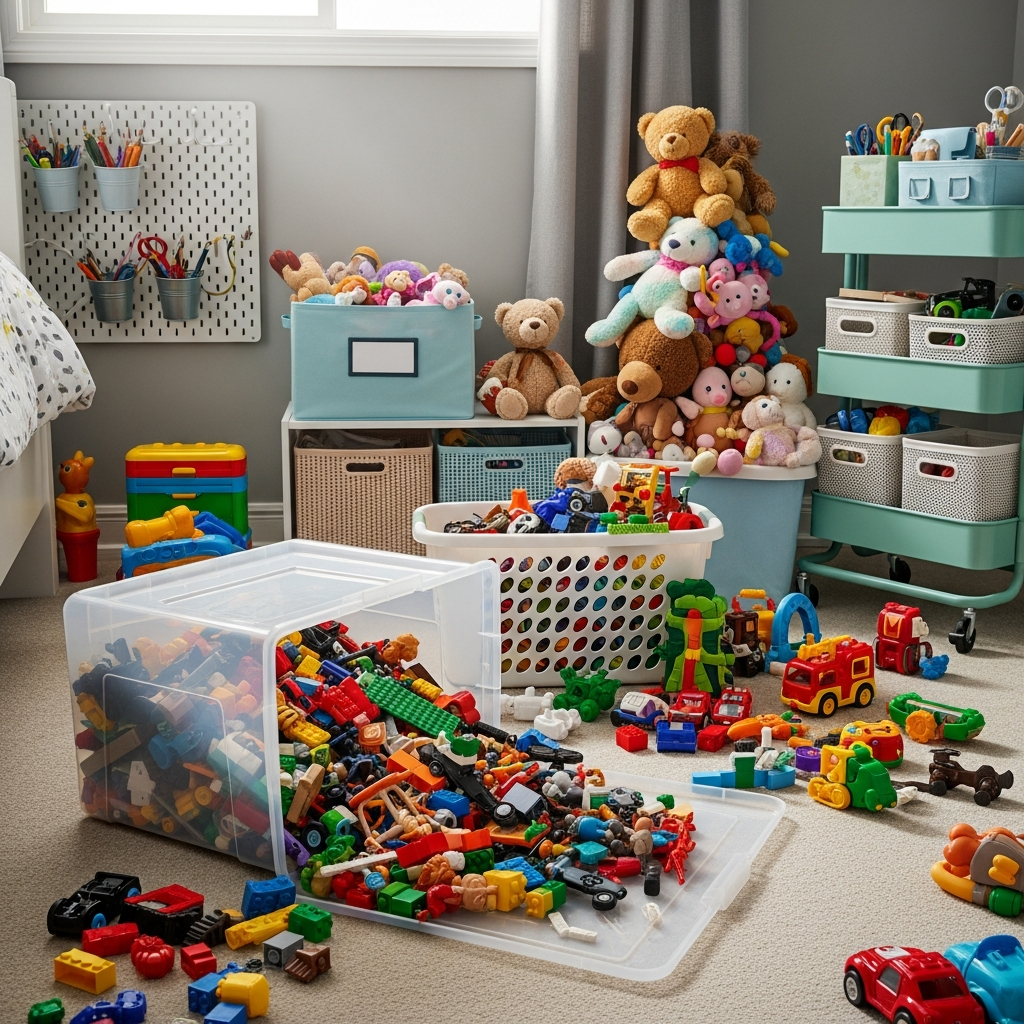
As parents, we’ve all been there: stepping on a rogue LEGO brick, tripping over a stuffed animal, or feeling completely overwhelmed by the sheer volume of toys that seem to multiply overnight. Keeping toys organized often feels like an impossible task, a never-ending battle against clutter.
But what if it didn’t have to be this way? What if there were simple, effective strategies that could bring order to the chaos and make cleanup a little less daunting for everyone? Good news! There are. We’re here to share 16 genius toy organization hacks that truly work, helping you create a calmer, more functional play space for your family.
Understanding the Toy Tsunami
Before diving into the solutions, let’s briefly touch on why toy organization feels like such a challenge. It’s not just you; it’s a common parental experience.
Why Toys Take Over
Children’s toys accumulate quickly, whether from gifts, impulse buys, or hand-me-downs. Each new addition adds to the existing collection, and without a system in place, they can quickly spill from designated areas into every corner of your home. This leads to visual clutter, stress, and difficulty for children to find what they want to play with.
The Benefits of an Organized Play Space
An organized space isn’t just about looking tidy; it offers real benefits. When toys have a home, children can more easily engage in play, learn to put things away, and develop a sense of responsibility. It also reduces parental stress and makes everyday life feel a little smoother. A clear space often leads to a clearer mind for everyone in the family.
The 16 Genius Toy Organization Hacks

Ready to reclaim your home? Let’s explore these practical strategies to bring order to your toy collection.
Hack 1: Embrace the Toy Rotation Method
One of the most effective ways to manage toy clutter is by not having all toys out at once. Divide your child’s toys into a few batches. Keep one batch accessible and store the others away.
Periodically, perhaps every few weeks or months, swap out the stored toys for the ones that have been out. This makes old toys feel new again, keeps play fresh, and drastically reduces the amount of stuff you need to organize on a daily basis.
Hack 2: Label, Label, Label Everything
Labels are your best friend in toy organization. For younger children who can’t read, use picture labels (photos or drawn images) on bins and shelves. For older kids, word labels work perfectly.
This simple step helps children know exactly where each toy belongs, empowering them to participate in cleanup and reducing guesswork. It also ensures that family members and caregivers know where to put things back.
Hack 3: Go Vertical with Shelves and Wall Storage
When floor space is limited, look up! Wall-mounted shelves, floating shelves, or even sturdy bookcases can provide significant storage. You can place bins on shelves or use wall pockets for smaller items.
Utilizing vertical space keeps toys off the floor, making rooms feel larger and easier to clean. Just be sure to secure all wall-mounted furniture properly to prevent tipping.
Hack 4: The Power of Clear Storage Bins
Opaque bins hide clutter, but clear bins let you see exactly what’s inside without rummaging. This is incredibly helpful for both kids and parents.
Clear bins are ideal for smaller collections like LEGO bricks, craft supplies, or toy cars. They come in various sizes and can stack, making them versatile for different types of toys and spaces.
Hack 5: Create Dedicated Play Zones
Instead of a free-for-all, designate specific areas for different types of play. You might have a “reading nook” with books, an “art station” with supplies, or a “building zone” for blocks.
When toys have a specific home related to their function, it’s easier for children to understand where they belong. This structure also helps children focus on one type of play at a time, leading to deeper engagement.
Hack 6: Utilize Easy-Access Baskets and Tubs
Sometimes, the simplest solutions are the best. Large, open baskets or fabric tubs are perfect for quick cleanup of bulky items like stuffed animals, dress-up clothes, or larger blocks.
Kids can simply toss items into these containers, making tidying up less intimidating. Place them in key play areas for immediate access.
Hack 7: Harness Over-the-Door Organizers
The back of a door is often overlooked storage real estate. Over-the-door shoe organizers with clear pockets are fantastic for small toys like action figures, dolls, art supplies, or even tiny board games.
This hack frees up drawer and shelf space and keeps small items visible and easily accessible without taking up any floor space.
Hack 8: Hang Loose with Mesh Laundry Bags
Mesh laundry bags are not just for dirty clothes. They are excellent for bath toys, small outdoor toys that need to dry, or even soft, squishy items like small stuffed animals.
The mesh allows for airflow, preventing mildew, especially important for bath toys. They can be hung on hooks in the bathroom or play area.
Hack 9: Divide and Conquer Drawers and Trays
For small parts that tend to get lost, like LEGO pieces, puzzle parts, or play kitchen accessories, use drawer dividers, small trays, or compartmentalized craft boxes.
Sorting these tiny pieces into categories makes play more enjoyable and cleanup much less frustrating. You can often find affordable dividers at dollar stores or home goods stores.
Hack 10: Invest in Cube Storage Units
Cube storage units, like those popular IKEA Kallax or similar systems, are highly versatile. They offer individual compartments that can hold fabric bins, baskets, or simply open shelving.
These units are sturdy, come in various sizes, and can be customized with different inserts, making them adaptable as your child’s toy collection changes over time. They are great for categorizing toys.
Hack 11: Implement a Regular Decluttering System
Organization isn’t a one-time event; it’s an ongoing process. Schedule regular decluttering sessions, perhaps quarterly or before birthdays and holidays.
Encourage your child to help decide which toys they no longer play with. Create “donate,” “keep,” and “store” piles. This prevents toy overload and ensures that only loved, played-with toys remain in the active rotation.
Hack 12: Make Storage Kid-Friendly
If cleanup is going to work, it needs to be easy for your children to do themselves. Place toy storage at their height, using bins they can easily open and close.
Avoid heavy lids or complex latches. The easier it is for them to put things away, the more likely they are to actually do it, fostering independence and good habits.
Hack 13: Roll In Portable Carts
Rolling carts with multiple tiers are wonderful for organizing art supplies, small blocks, or even specific themed play items like doctor’s kits. They can be moved from room to room, bringing the toys to where the play is happening.
When playtime is over, the cart can simply be rolled back to its designated spot, keeping everything contained and off the floor.
Hack 14: Maximize Under-Bed Space
Under-bed storage containers are perfect for larger items, seasonal toys (like snow toys in summer), or toy sets that aren’t played with daily but are still loved.
Look for containers with wheels or handles for easy access. This utilizes often-wasted space and keeps less frequently used items out of sight but still available.
Hack 15: Pegboards and Wall Hooks for Display and Storage
A pegboard can be a creative and functional addition to a play space. Hooks and small bins can be attached to store art supplies, dress-up accessories, toy tools, or even display favorite cars and figures.
Wall hooks are also excellent for hanging costumes, bags, or sports equipment. This keeps items off the floor and makes them easy to grab and put away.
Hack 16: Use Zippered Pouches for Small Sets
For toy sets with many small parts that belong together, like a specific LEGO set, a collection of Polly Pockets, or a magnetic tile set, zippered pouches or small drawstring bags are invaluable.
They keep all the pieces of one set together, prevent them from getting mixed up with other toys, and are easy to grab when your child wants to play with that specific item.
Making It Stick: Tips for Long-Term Success

Implementing these hacks is a great start, but maintaining an organized play space requires ongoing effort.
Involve Your Children
Children are more likely to respect and maintain an organized system if they have a hand in creating it. Talk to them about why organization is helpful and let them help with sorting and labeling. Make cleanup a shared activity, turning it into a game if possible.
Be Patient and Consistent
Rome wasn’t built in a day, and an organized toy room won’t be either. It’s okay if things get messy sometimes; that’s part of play. The key is consistency in putting systems back into place. Gentle reminders and regular tidying routines will reinforce the habits over time.
Adapt as They Grow
Children’s interests change rapidly, and so will their toy collections. Be prepared to adapt your organization system as they outgrow certain toys or develop new hobbies. What works for a toddler won’t necessarily work for a school-aged child. Stay flexible and open to evolving your strategies.
Bringing Peace to Playtime
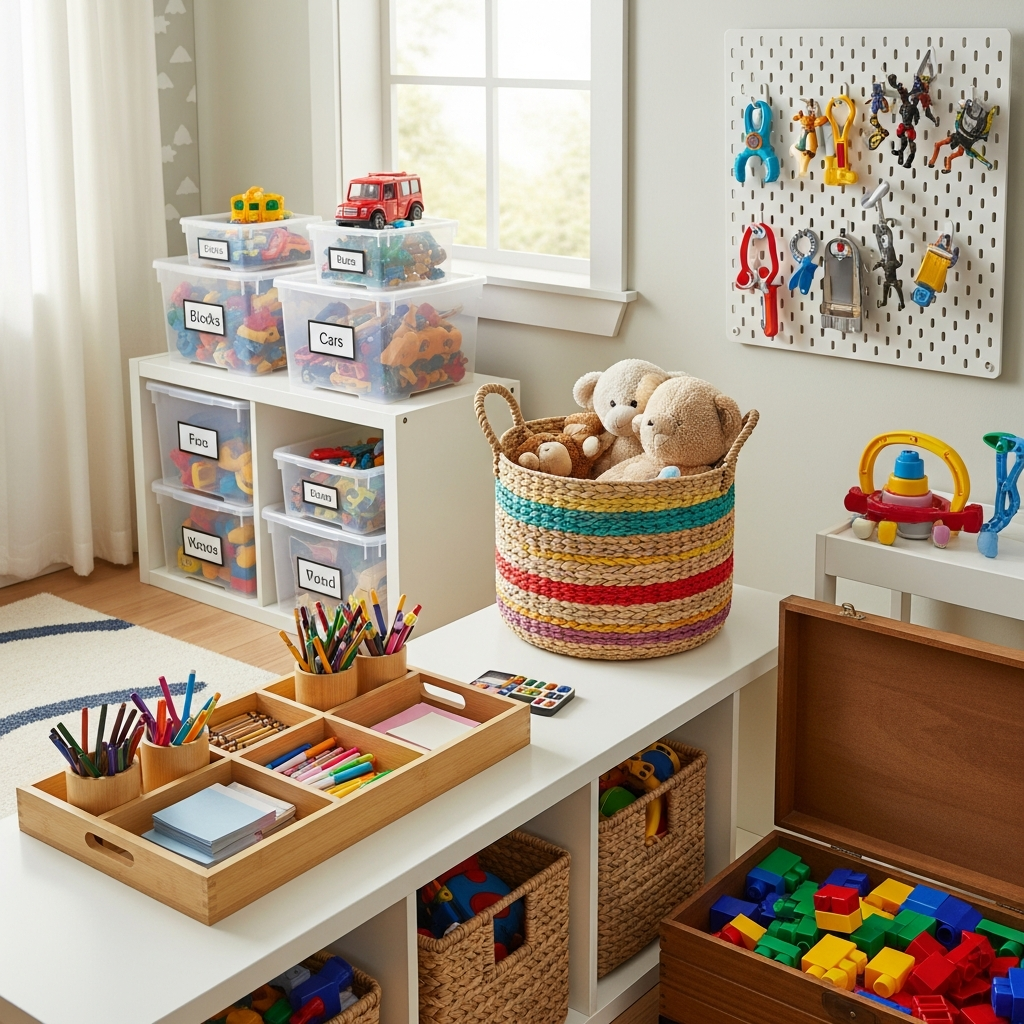
Tackling toy clutter can feel overwhelming, but by implementing these 16 genius organization hacks, you can create a more peaceful, functional, and enjoyable play environment for your children and a calmer home for your entire family. Start with just one or two hacks that resonate with you, and build from there. You’ve got this, and a tidier playtime awaits!