How to Set Up a Toddler Toilet Learning Space at Home
How to Set Up a Toddler Toilet Learning Space at Home
The journey to toilet learning is a big milestone for both toddlers and parents. It’s a time of exciting growth, new independence, and, let’s be honest, a few messes along the way. But with a thoughtfully prepared space, you can set your little one up for success and make the process smoother and more positive for everyone. Think of it as creating a dedicated ‘learning lab’ where your child feels comfortable, confident, and ready to explore this new skill.
This guide will walk you through everything you need to know, from choosing the right equipment to creating an inviting atmosphere, ensuring your home is perfectly prepared for this next big step. Let’s make toilet learning a positive adventure!
Understanding Readiness- The First Step
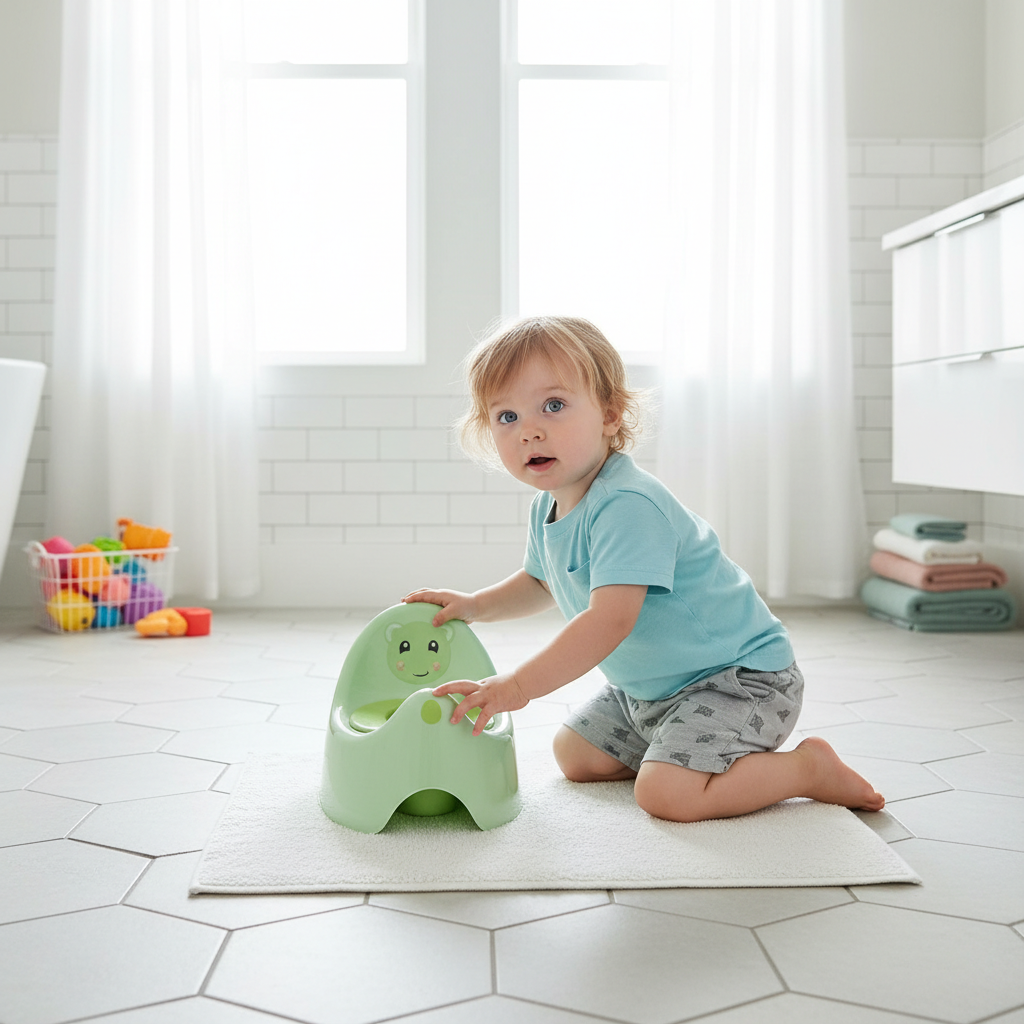
Before you even think about setting up the space, it’s crucial to understand if your toddler is truly ready. Pushing them before they’re developmentally prepared can lead to frustration and setbacks. Look for these common signs of readiness:
- Physical Readiness Your child can walk to and sit on a potty, has dry diapers for longer stretches (at least 2 hours), and has predictable bowel movements.
- Cognitive Readiness They can understand and follow simple instructions, communicate their needs, and show an interest in the toilet.
- Emotional Readiness They show curiosity about the toilet, express a desire to wear underwear, and dislike the feeling of a wet or dirty diaper.
Remember, every child is different. Some toddlers show signs earlier, some later. The average age is between 18 months and 3 years, but there’s no ‘right’ age. Patience and observation are your best tools here.
Choosing the Right Potty Gear
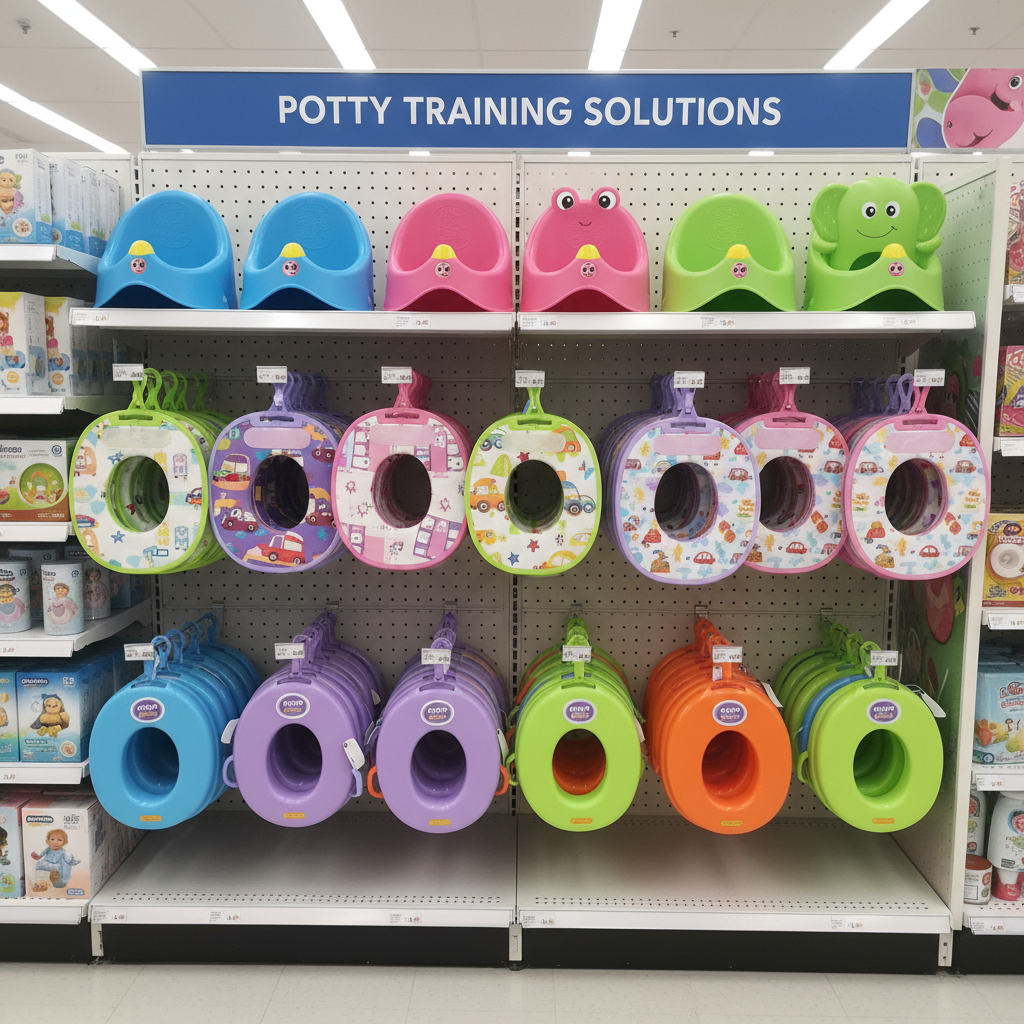
The market is flooded with options, but choosing the right gear doesn’t have to be complicated. The goal is comfort, stability, and ease of use for your little one.
Potty Chairs
A standalone potty chair is often the best starting point. Why?
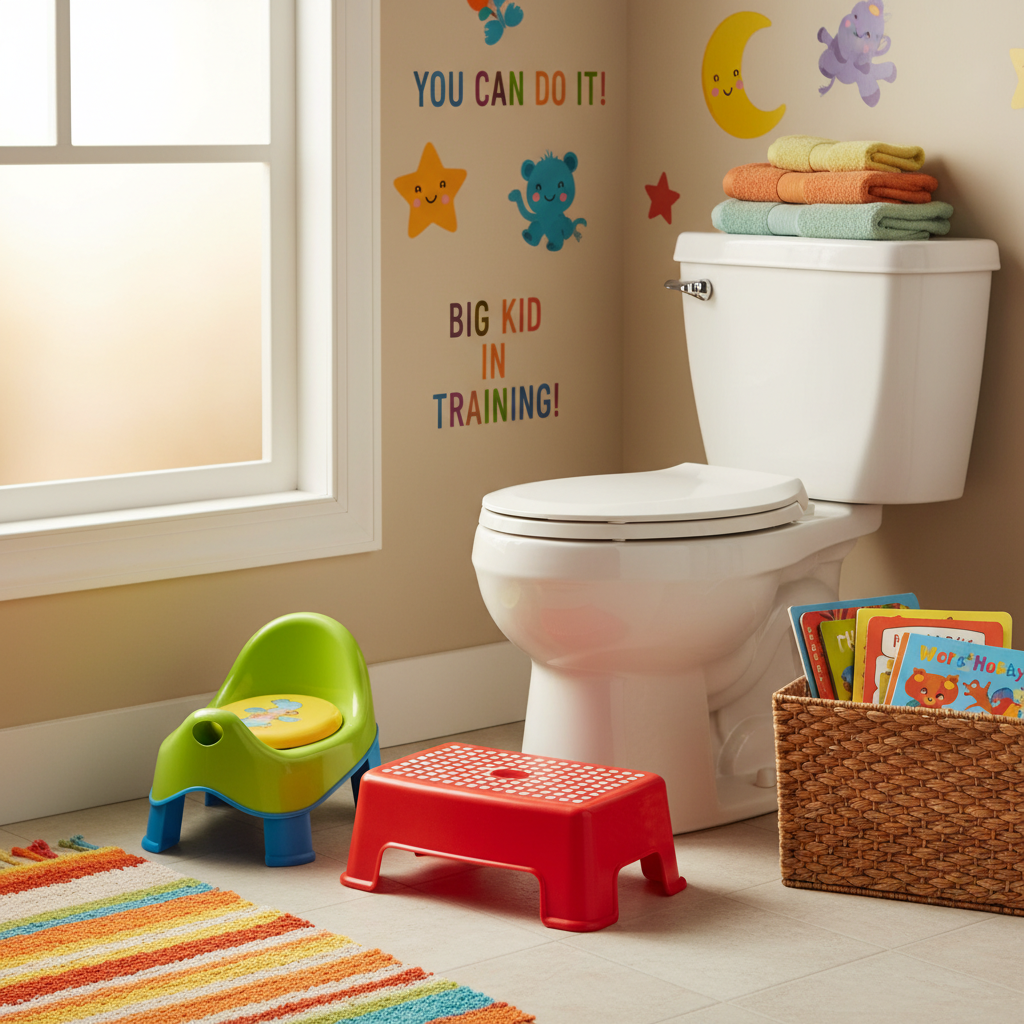
- Child-sized They are built low to the ground, allowing your toddler to sit comfortably with their feet flat, providing stability and a sense of security.
- Portability You can place it in different rooms initially, making it easily accessible, especially during the early stages.
- Easy to empty Most have removable bowls for quick and simple cleaning.
Look for a potty chair that is sturdy, easy to clean, and doesn’t have too many distracting bells and whistles. Simple is often best.
Toilet Seat Inserts
Once your child is comfortable with the concept, or if they prefer to use the ‘big toilet’ from the start, a toilet seat insert is a great option. These sit on top of your existing toilet seat, making the opening smaller and more secure for a toddler.
- Security Prevents your child from falling in.
- Familiarity Gets them used to the family toilet.
- Space-saving No extra potty to store on the floor.
Pair a toilet seat insert with a sturdy step stool so your child can climb up independently and rest their feet comfortably. Dangling feet can make it harder to relax and ‘go’.
Designing an Inviting and Accessible Space
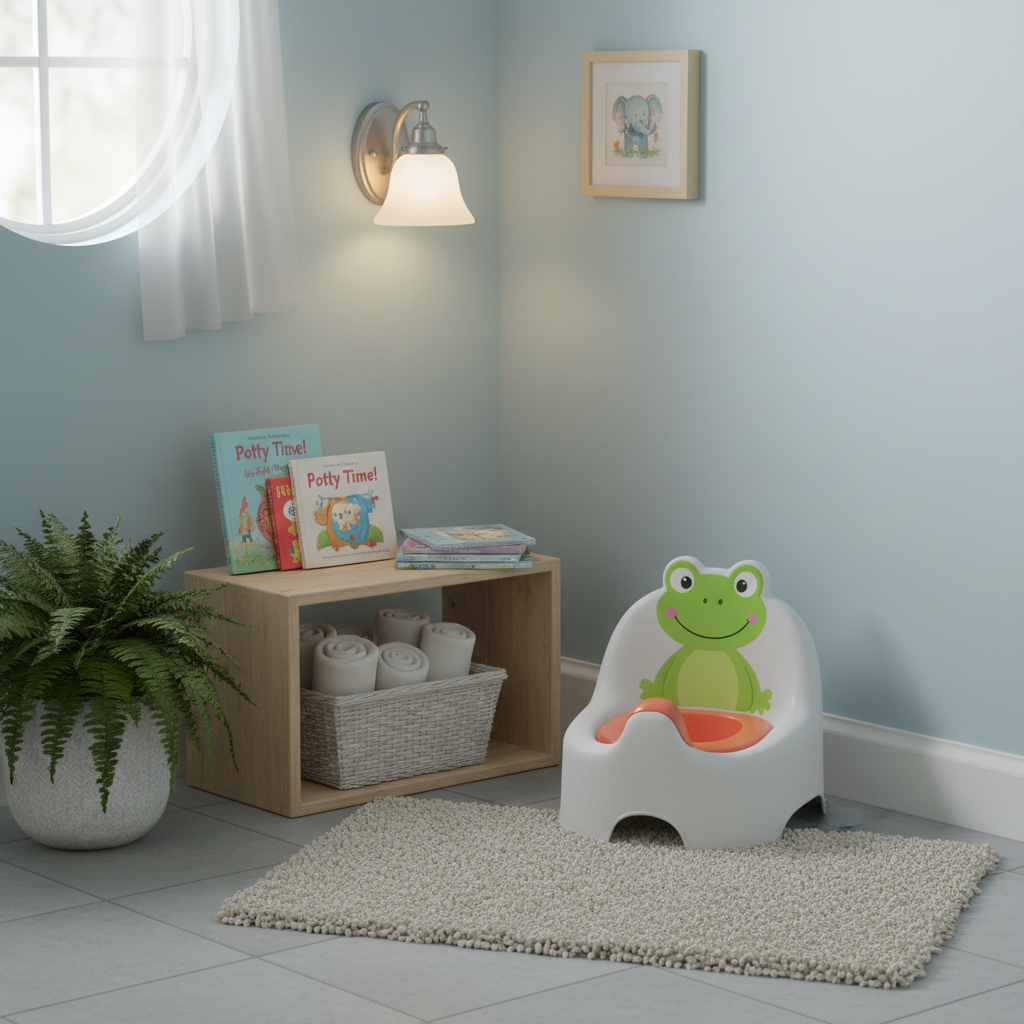
The environment plays a huge role in successful toilet learning. It should be a place your child feels safe, happy, and in control.
Location Matters
Initially, you might want to place the potty chair in an easily accessible spot, like the living room or playroom, especially if your child is new to the idea. This reduces the distance they have to travel when the urge strikes. As they become more consistent, you can gradually move it to the bathroom, its permanent home.
When it’s in the bathroom, ensure it’s not tucked away in a corner where they feel isolated. It should be visible and easy to get to.
Decor and Comfort
Make the space appealing to your toddler:
- Bright and clean A clean, well-lit space is more inviting.
- Personal touches Let your child help pick out a fun step stool or a small bathroom rug.
- Comfortable temperature Ensure the bathroom isn’t too cold, especially if they’re sitting for a while.
Stocking Your Potty Learning Station
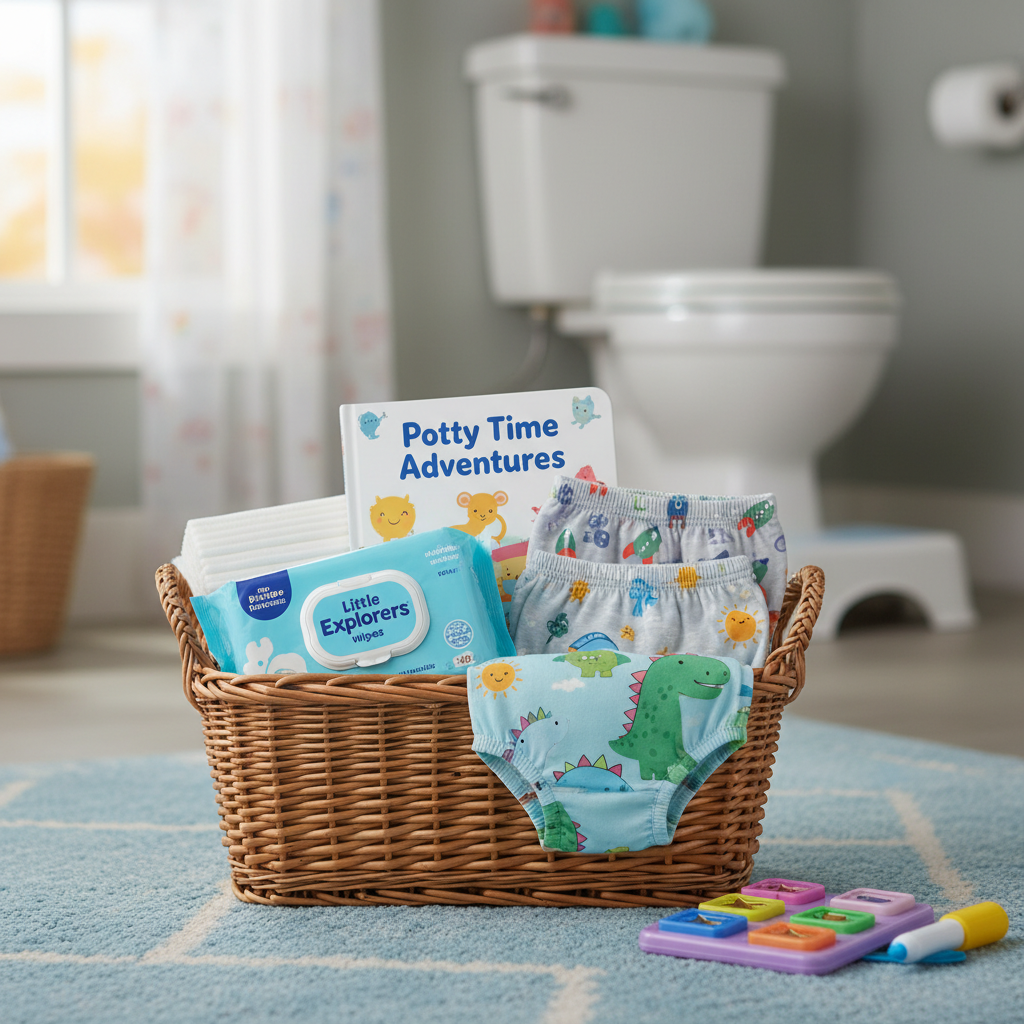
Having everything you need within arm’s reach makes the process less stressful for both of you.
Essentials List
- Wipes Child-friendly, flushable wipes are often easier for little hands than toilet paper initially.
- Spare underwear/training pants Accidents happen! Keep a few pairs nearby for quick changes.
- Change of clothes A full outfit change is a lifesaver for bigger accidents.
- Small towel For quick clean-ups.
- Hand soap Gentle, child-friendly soap for proper handwashing afterwards.
Entertainment and Rewards
- Potty books Keep a small basket of engaging, toilet-learning-themed books next to the potty. Reading together can make the time on the potty more enjoyable and less intimidating.
- Small, non-food rewards A sticker chart, a small toy, or a special song can be great motivators for initial successes.
Making it Safe and Independent
Safety is paramount, and fostering independence will build your child’s confidence.
- Stable step stool If using a toilet seat insert, ensure the step stool is non-slip and sturdy, allowing them to get on and off safely.
- Easy access to sink Position a step stool so they can reach the faucet and soap dispenser for handwashing.
- Clear pathways Ensure the path to the potty is always clear of toys or obstacles.
Involving Your Little Learner
Make your child a partner in this process. Let them choose their potty chair (within reason!), help set up the space, and even help clean up small messes. This sense of ownership can be incredibly empowering.
Patience and Positive Reinforcement
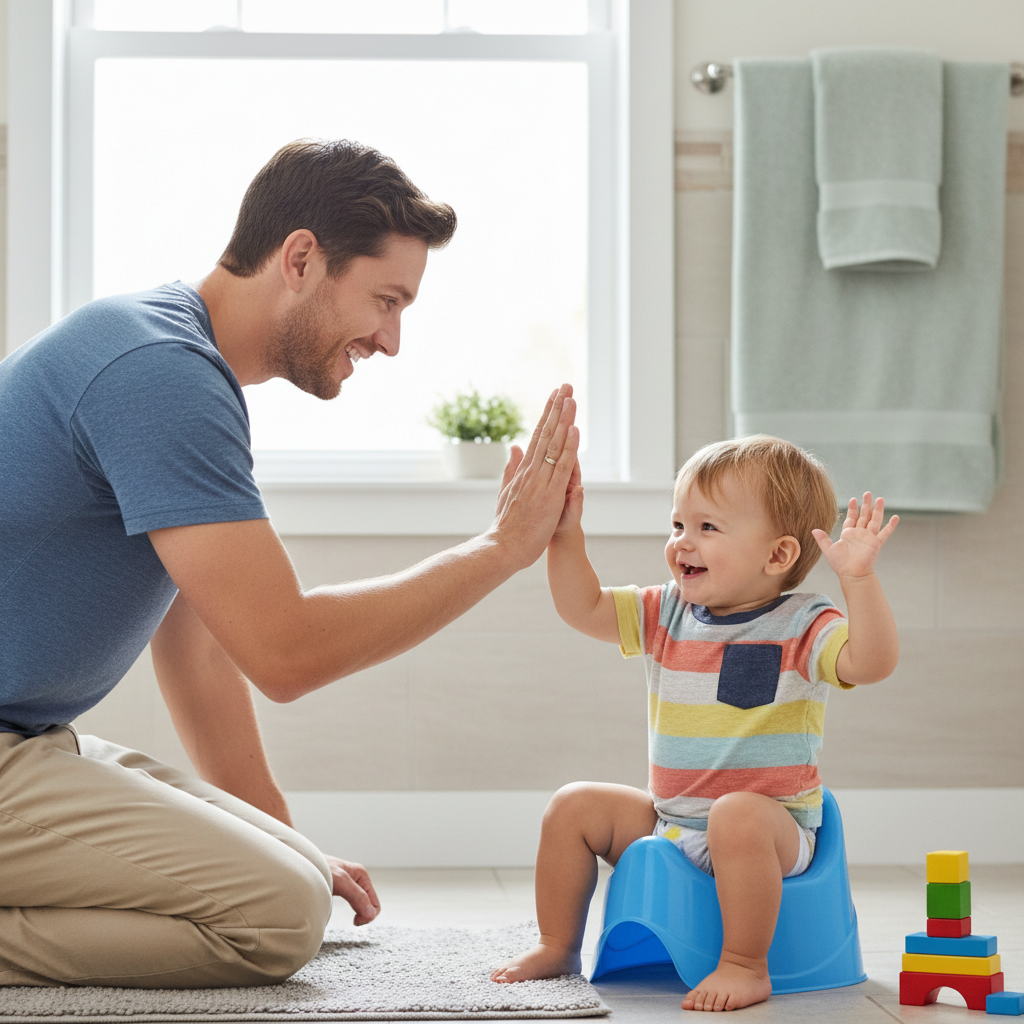
Toilet learning takes time, patience, and a lot of positive reinforcement. Celebrate every success, no matter how small. Acknowledge their effort, not just the outcome. Accidents are a normal part of learning; respond with calm reassurance, not anger or disappointment. Your calm demeanor will help your child feel secure enough to keep trying.
Conclusion
Setting up a dedicated toilet learning space at home is a thoughtful step that can significantly contribute to your child’s success and confidence. By creating an environment that is comfortable, accessible, and positive, you’re not just teaching a skill—you’re nurturing their independence and building a foundation of trust. Remember to follow your child’s lead, celebrate their efforts, and approach this journey with a warm, patient heart. You’ve got this, and so do they!