20 Play-Based Activities for Toddlers That Support Learning
The early years of a child’s life are foundational for cognitive, physical, and emotional development. For toddlers, play is not merely a pastime but a critical mechanism for learning about the world. Play-based learning encourages curiosity, problem-solving, and the development of motor skills through hands-on exploration. By engaging in structured yet flexible activities, parents and educators can facilitate a rich environment where toddlers thrive. This article explores twenty evidence-based activities designed to support developmental milestones while ensuring the experience remains enjoyable and engaging for young learners.
1. Sensory Bin Exploration
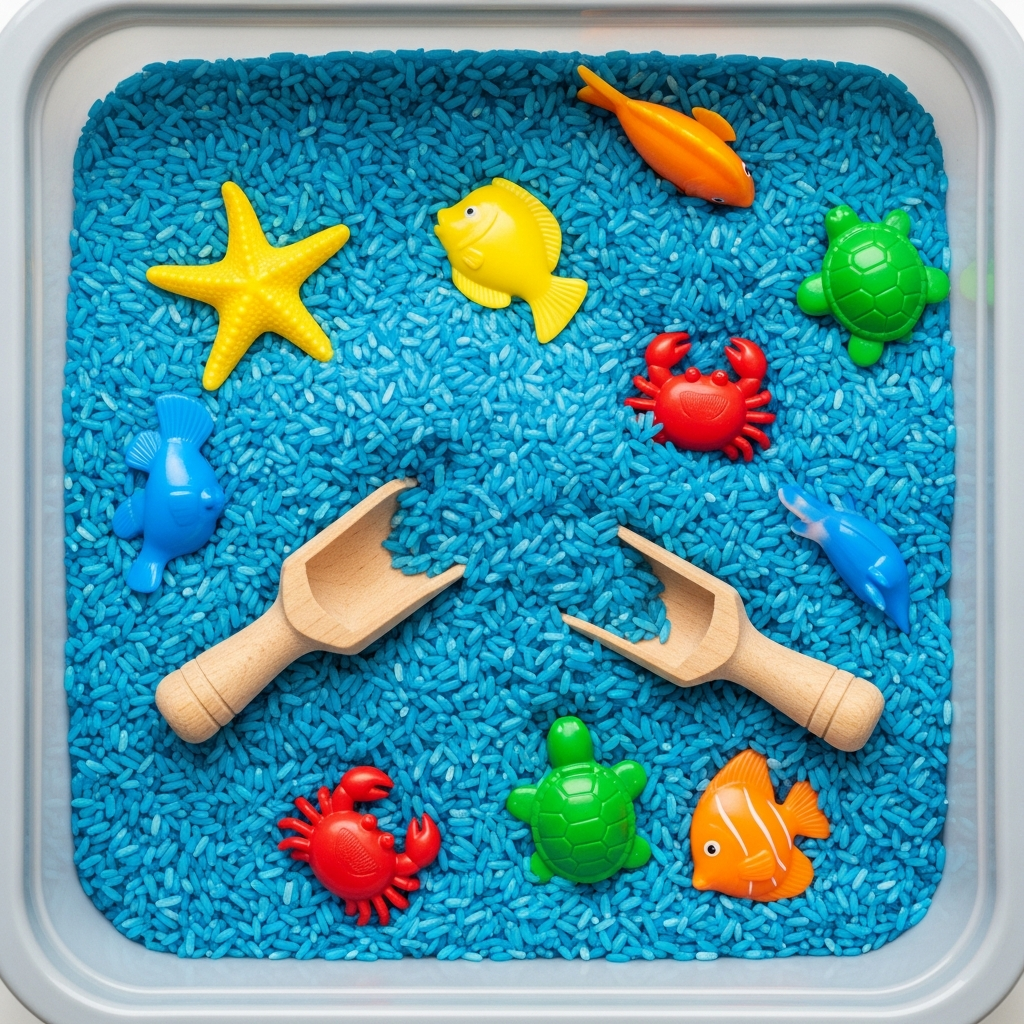
Sensory bins are a staple of early childhood education because they engage multiple senses simultaneously. By filling a container with materials like rice, dried beans, or sand, and hiding small objects inside, you encourage toddlers to explore textures and improve their fine motor skills. This activity supports tactile processing and language development as children describe the sensations and identify the hidden treasures.
2. Color Sorting with Household Items
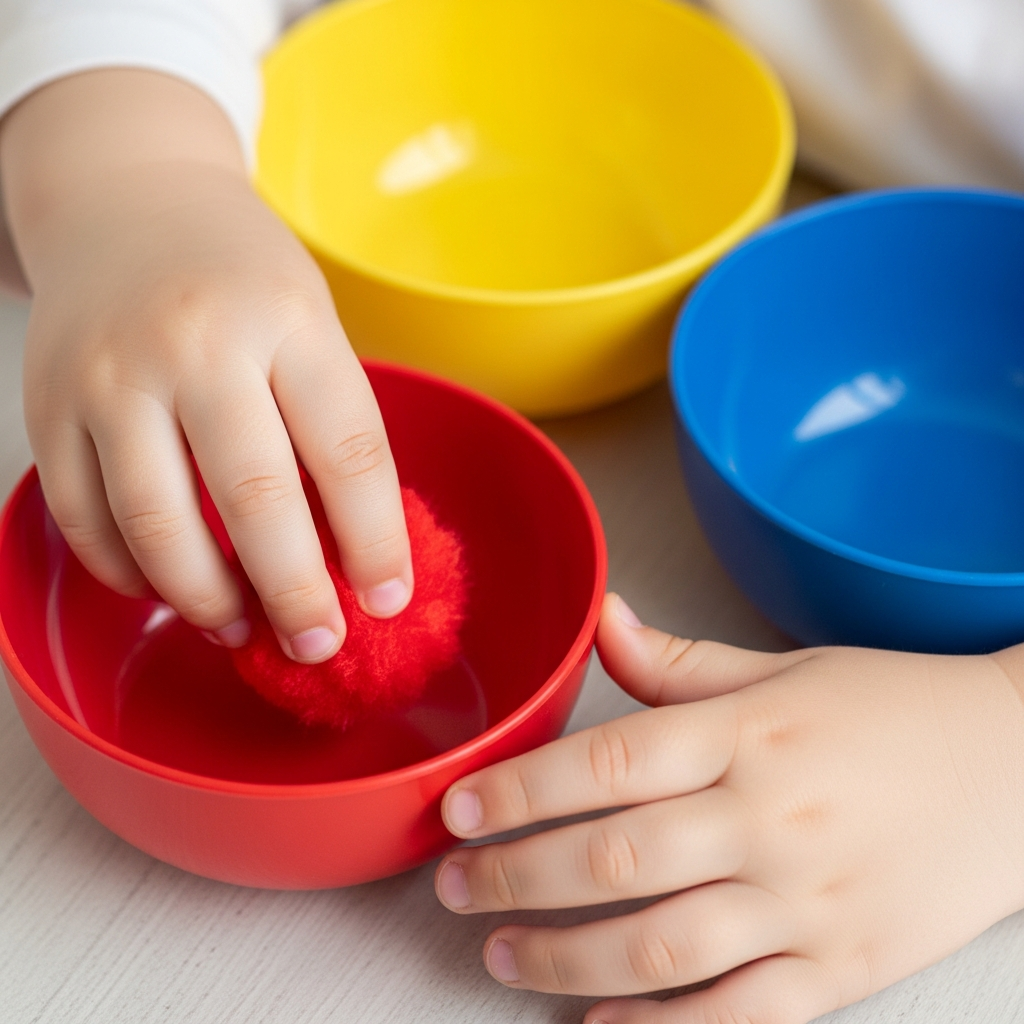
Sorting is a fundamental mathematical concept that involves categorization and logic. Use colored bowls and a variety of safe household objects like large buttons, pom-poms, or toy cars. Ask your toddler to place each object into the bowl of the corresponding color. This reinforces color recognition and introduces the basics of data organization and set theory.
3. Creative Finger Painting

Finger painting provides a unique sensory experience while fostering artistic expression. It allows toddlers to experiment with color mixing and spatial awareness without the frustration of handling a brush. This activity strengthens the small muscles in the hands and fingers, which is essential for future writing skills. Use non-toxic, washable paints to ensure a safe and stress-free environment.
4. Nature Scavenger Hunt

Taking the learning environment outdoors provides fresh air and new stimuli. Create a simple visual list of items for your toddler to find, such as a green leaf, a round stone, or a yellow flower. This activity encourages observation skills and introduces basic biological concepts. It also promotes physical activity and an early appreciation for the natural world.
5. Building Block Architecture
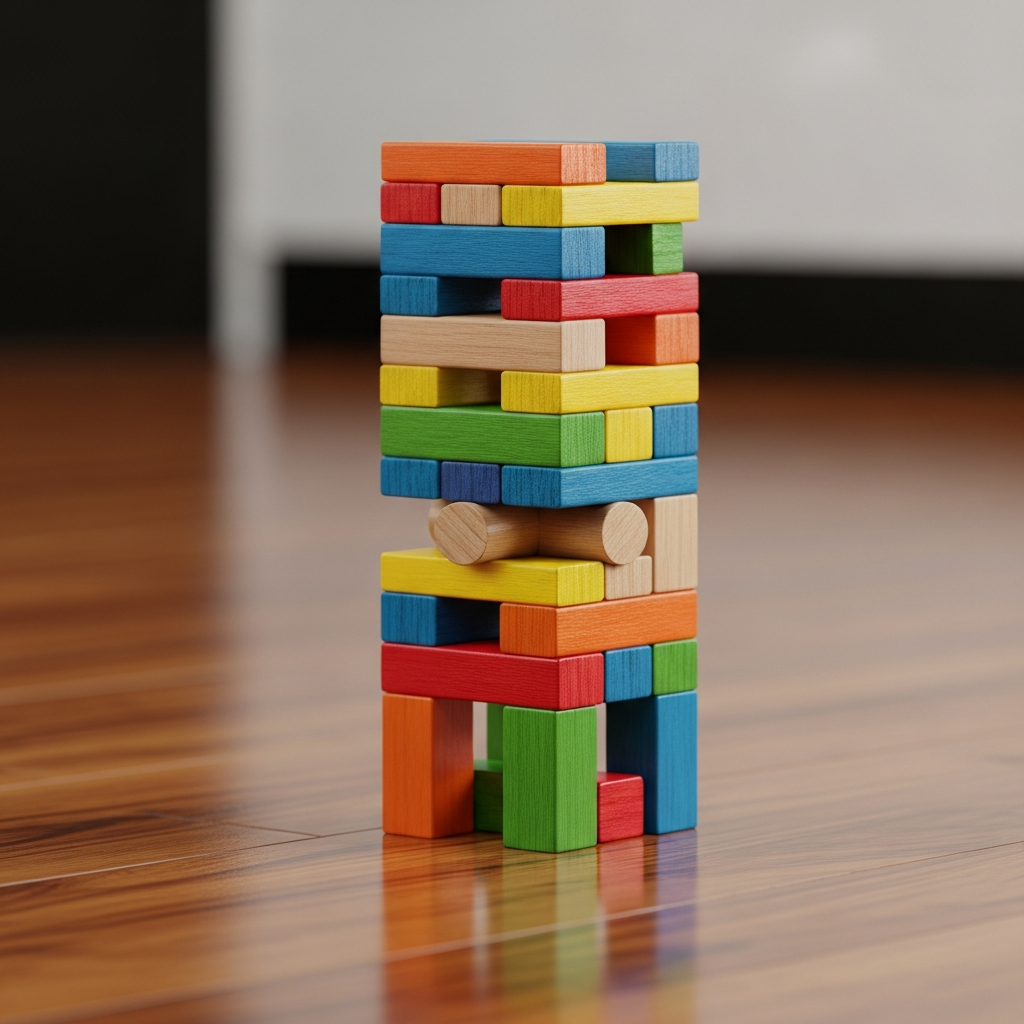
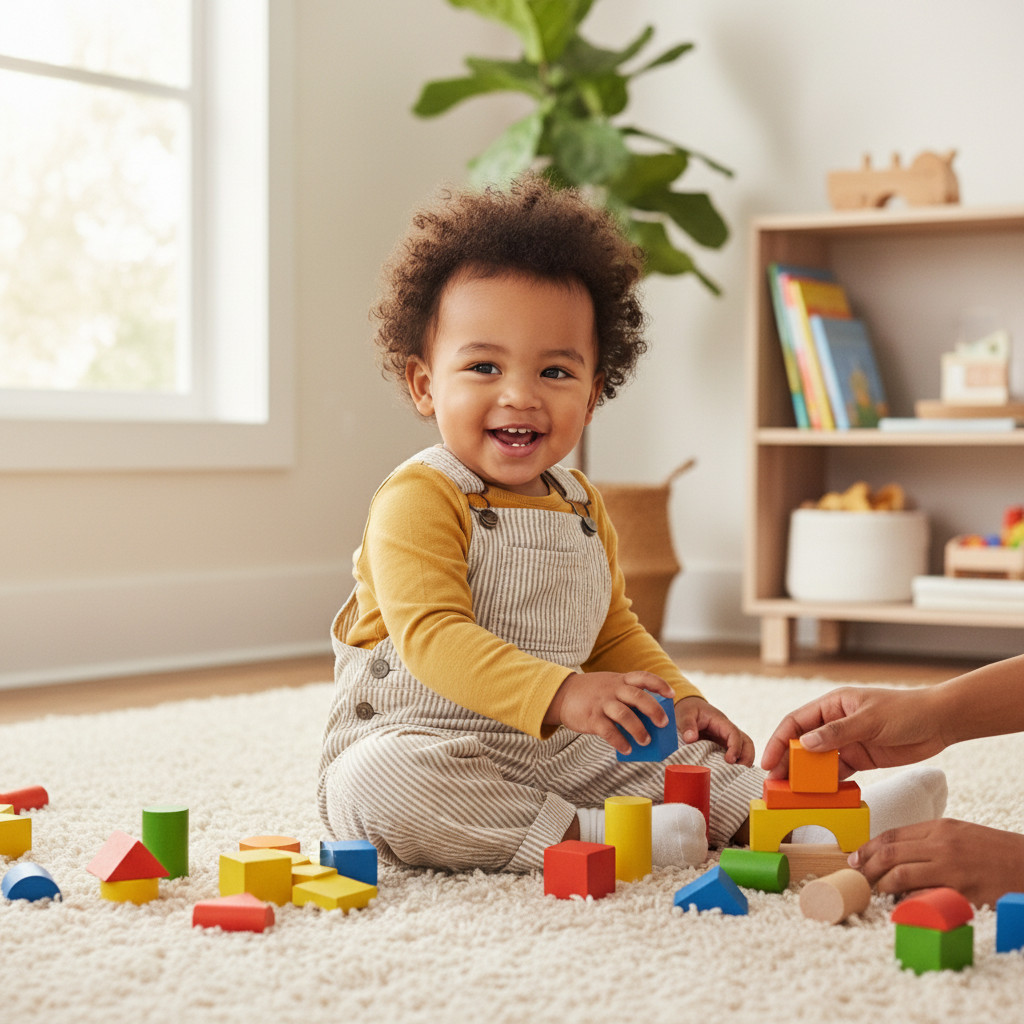
Blocks are versatile tools for teaching engineering and physics. Whether using wooden blocks or interlocking plastic ones, toddlers learn about balance, gravity, and cause and effect. Building towers and structures enhances hand-eye coordination and spatial reasoning. Encouraging them to build specific shapes also helps with geometric recognition.
6. Interactive Storytelling
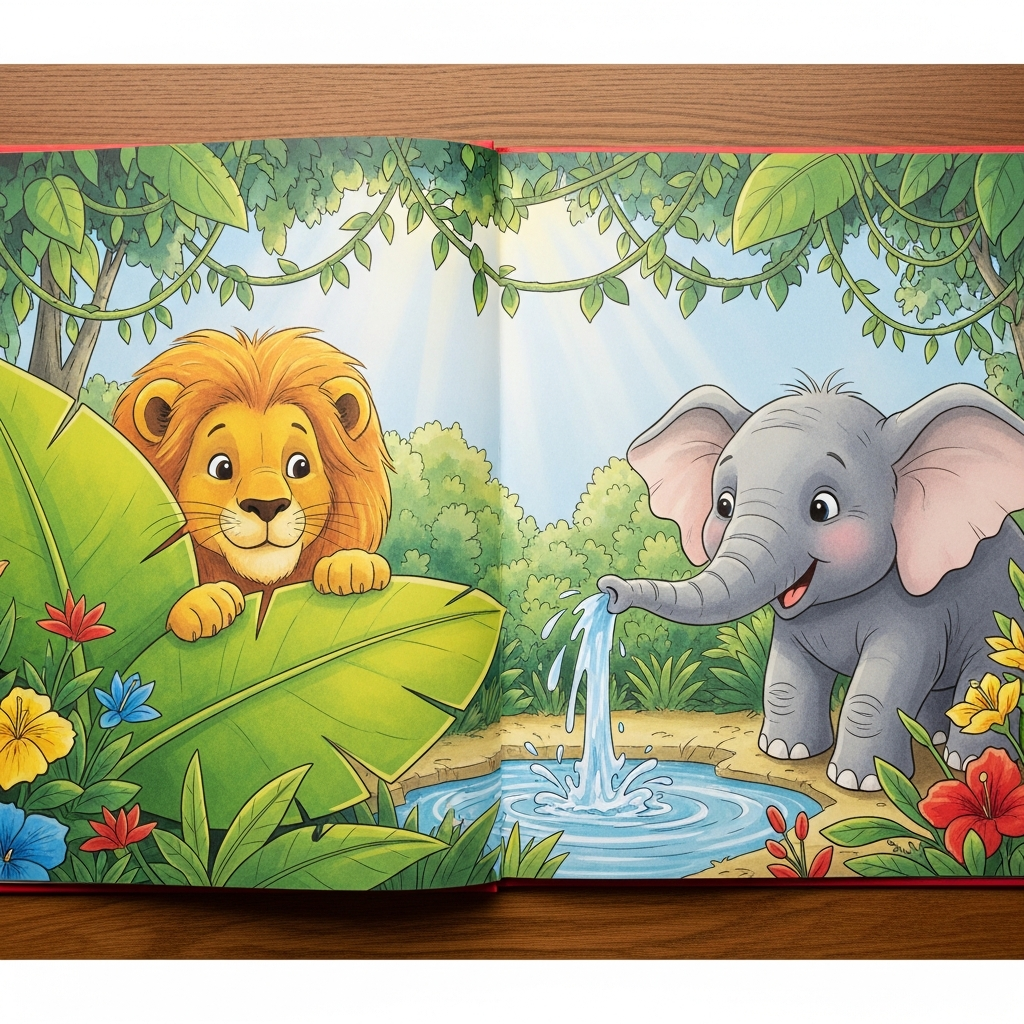
Reading to toddlers is vital, but making it interactive takes learning to another level. Ask open-ended questions about the pictures or encourage the child to mimic the sounds of animals in the book. This enhances listening comprehension, vocabulary acquisition, and emotional intelligence as they begin to understand characters’ feelings and actions.
7. Playdough Sculpting
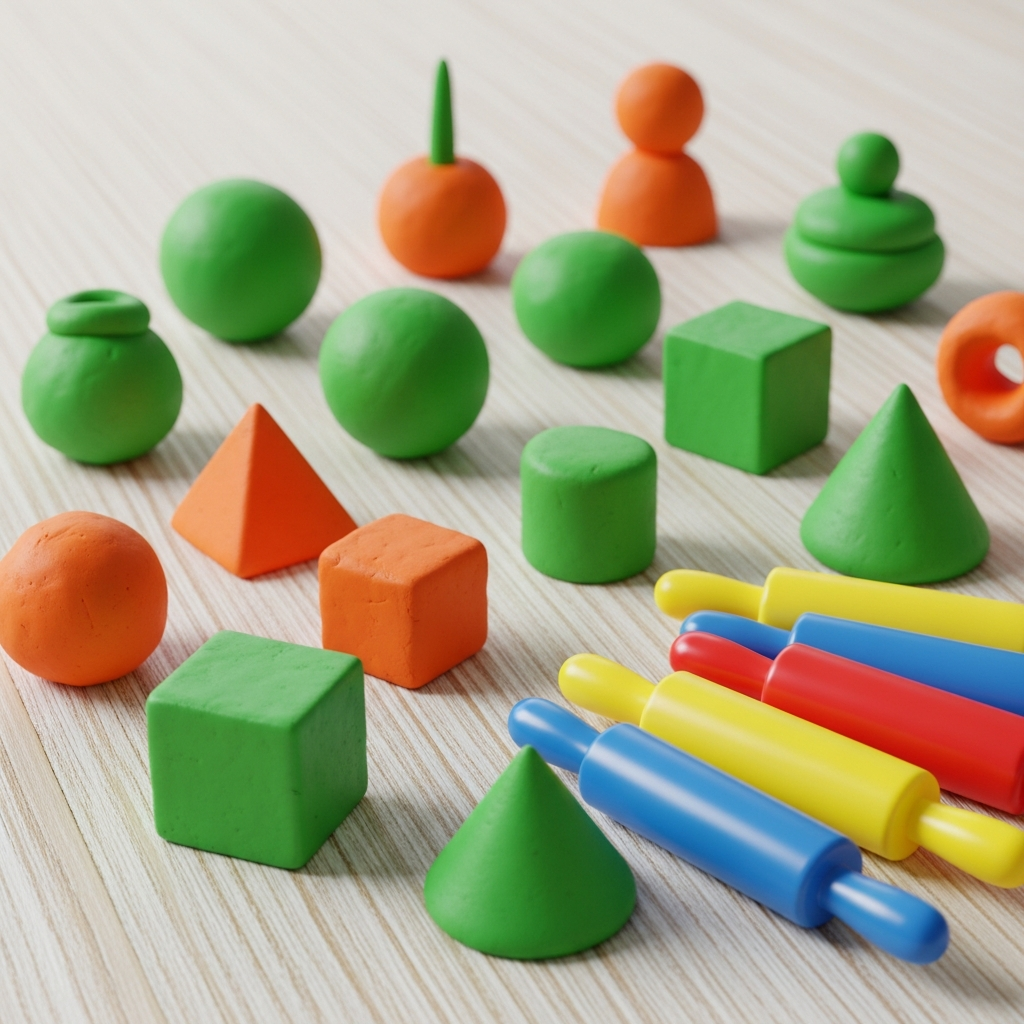
Manipulating playdough is an excellent way to build hand strength and dexterity. Providing tools like child-safe scissors, rollers, and cookie cutters allows toddlers to explore different shapes and patterns. This activity supports cognitive development through imaginative play and helps children understand the concept of transforming materials from one state to another.
8. Water Table Science
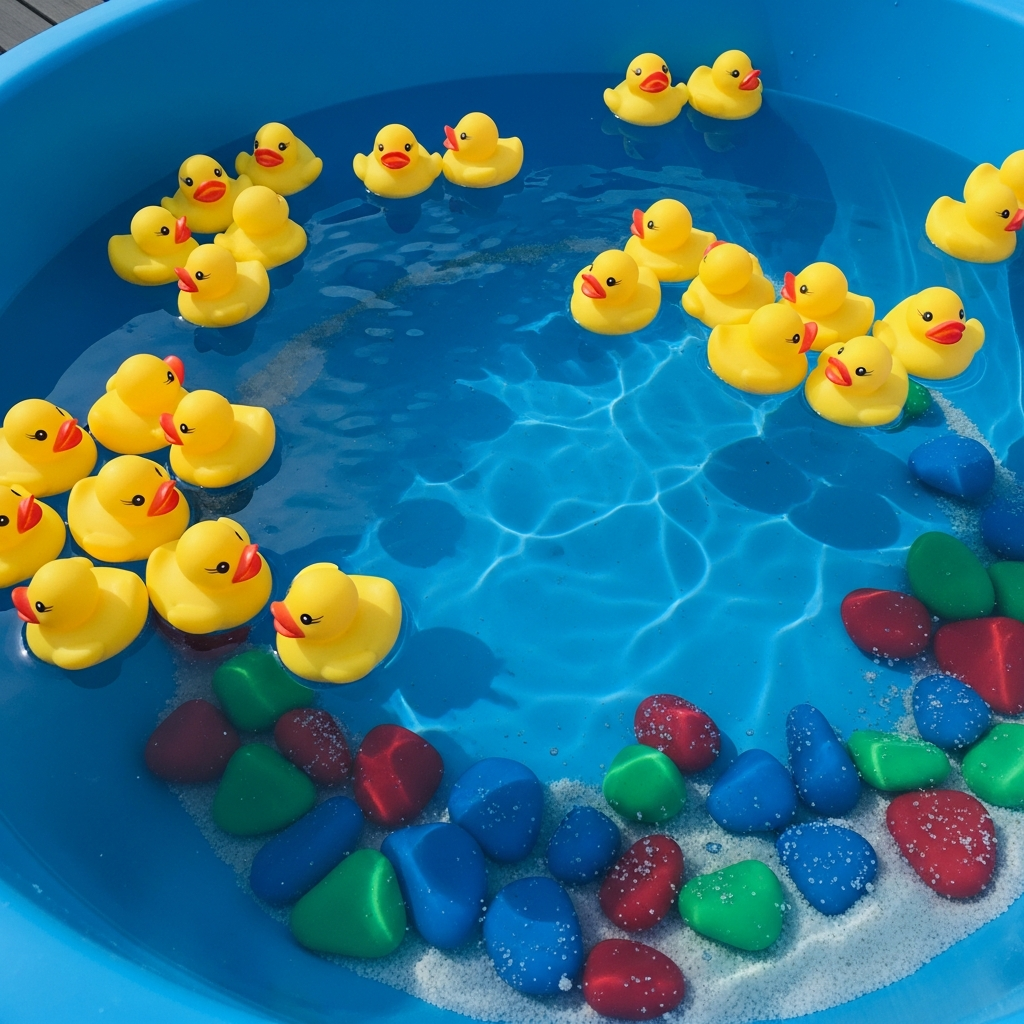
Water play is naturally fascinating for toddlers and serves as a basic introduction to science. Using cups, funnels, and sponges, children can learn about volume, buoyancy, and the properties of liquids. Experimenting with which objects sink or float encourages early scientific inquiry and hypothesis testing in a playful, low-stakes setting.
9. Shape Sorter Puzzles
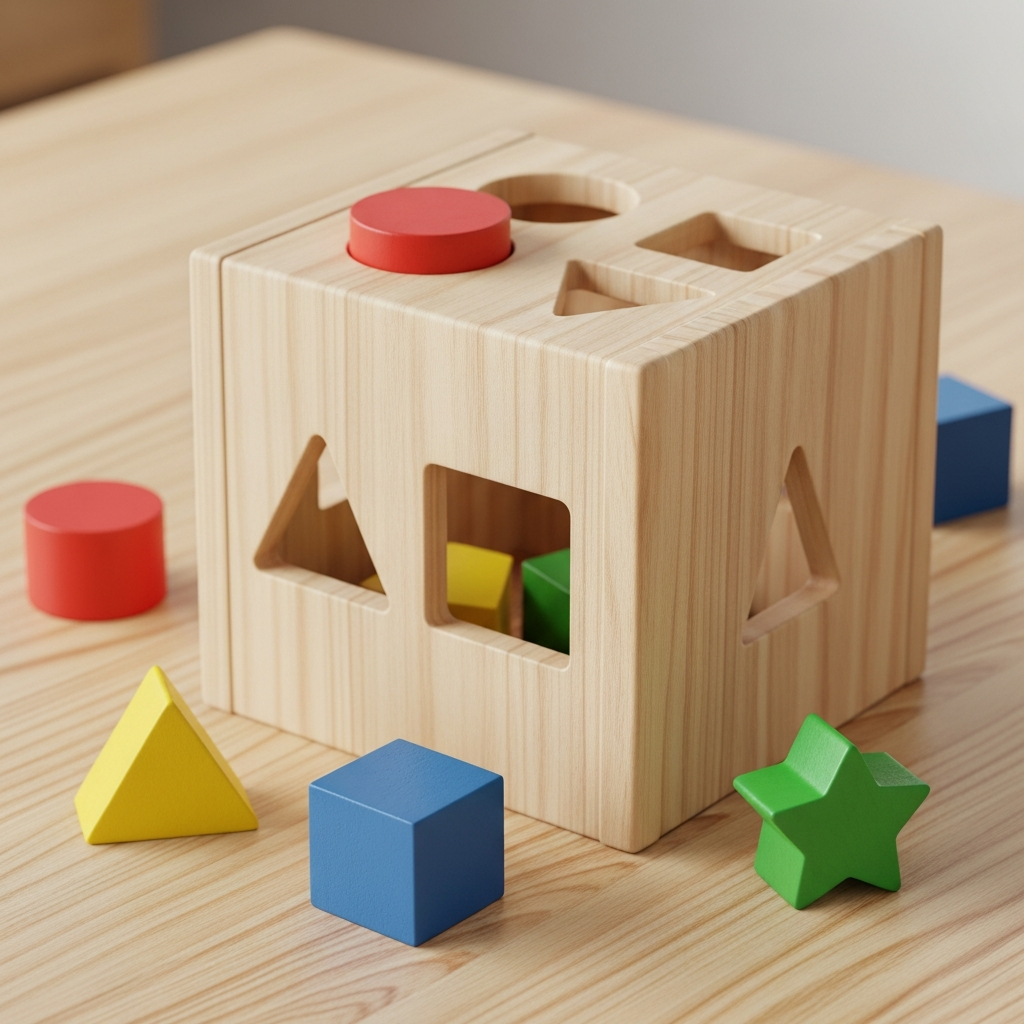
Shape sorters help toddlers develop problem-solving skills and visual-spatial perception. By figuring out which shape fits into which hole, they practice trial and error and learn to recognize geometric patterns. This activity is a precursor to more complex logic puzzles and mathematical reasoning later in life.
10. Musical Instrument Jam
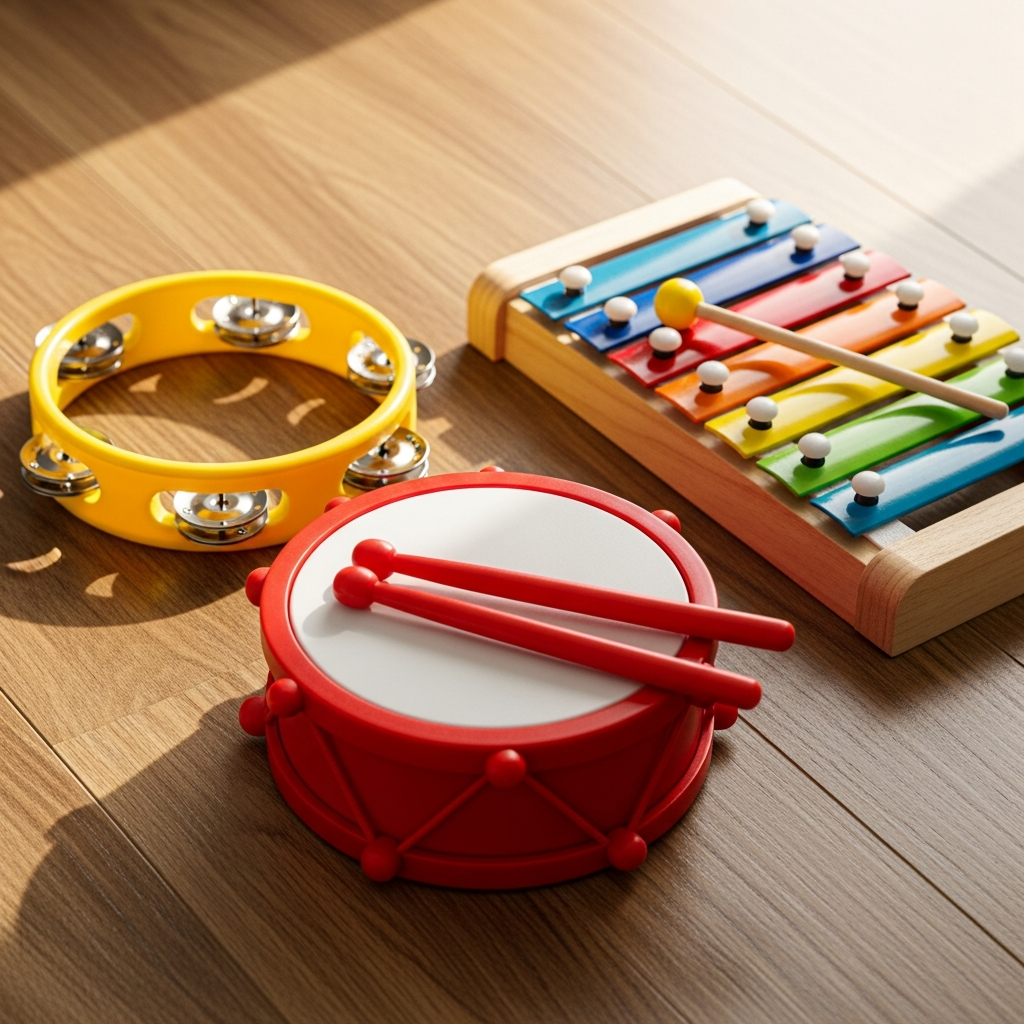
Music is a powerful tool for brain development. Providing simple instruments like shakers, drums, or xylophones helps toddlers understand rhythm, tempo, and pitch. This activity supports auditory processing and can be a great way for children to express emotions physically. Dancing along to the music also aids in gross motor coordination.
11. Pretend Kitchen Play
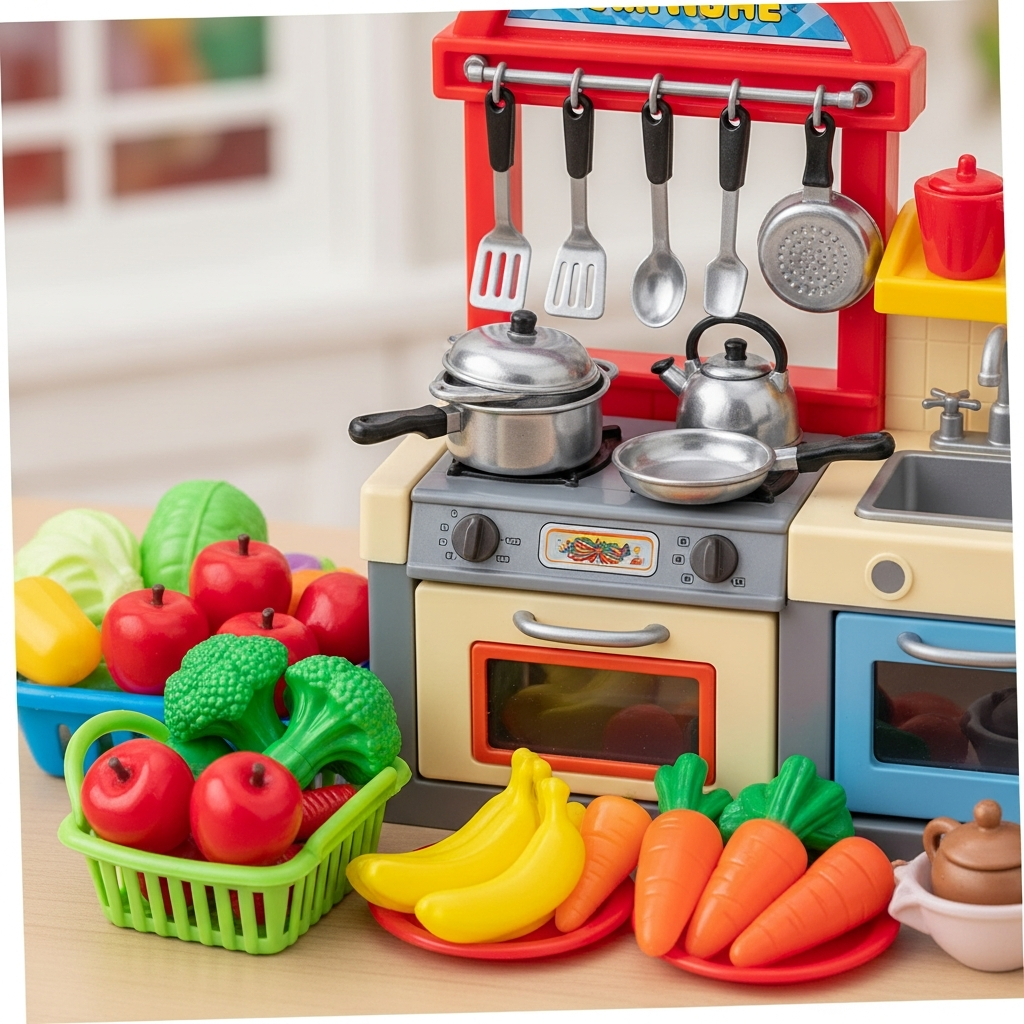
Dramatic play in a pretend kitchen allows toddlers to mimic the adults in their lives. This type of role-playing is essential for social-emotional development and understanding social roles. It also provides opportunities for language use as they describe the meals they are preparing or interact with playmates in a shared domestic scenario.
12. Simple Obstacle Course
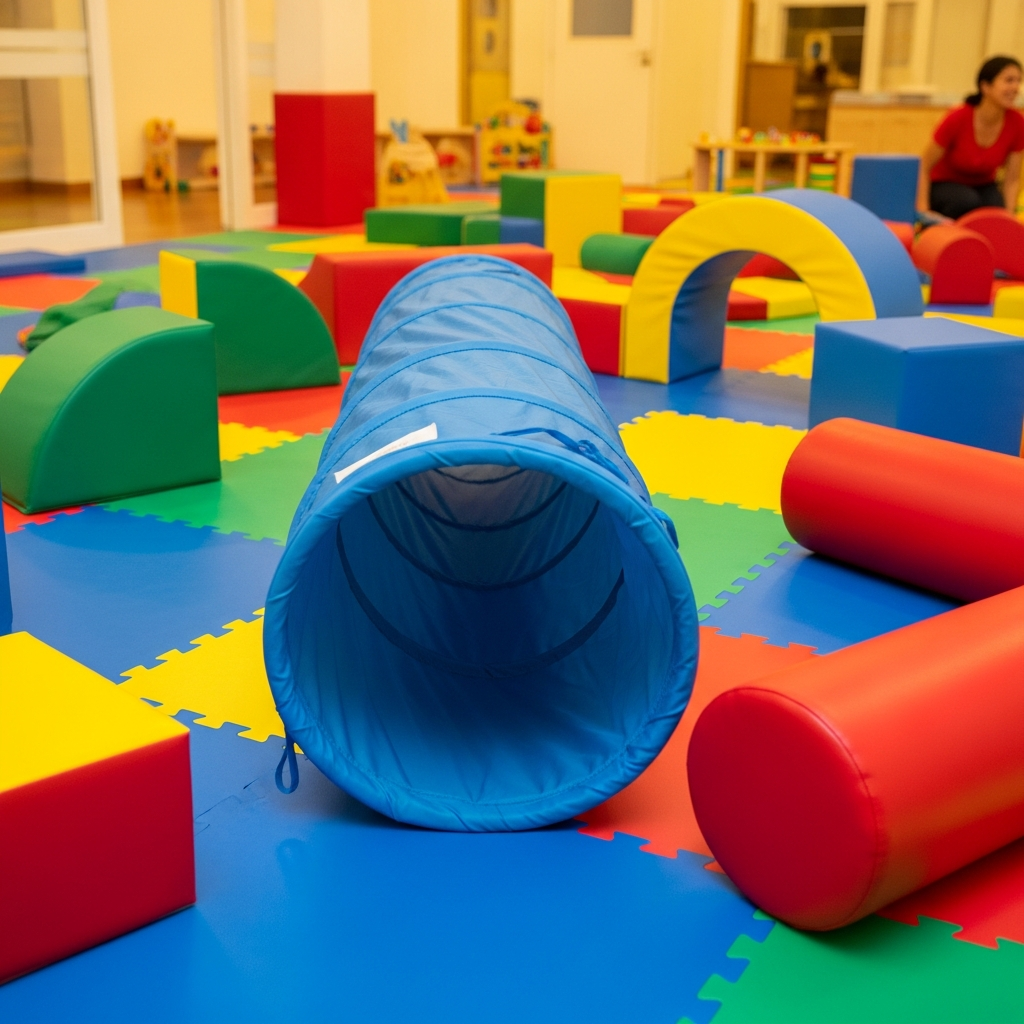
Physical movement is crucial for gross motor development. Create a simple course using pillows to crawl over, tunnels to slide through, and lines of tape to walk along. This helps toddlers develop balance, agility, and a sense of body awareness. It also teaches them to follow multi-step directions and improves their focus.
13. Bubble Popping and Chasing

Bubbles are an inexpensive and highly engaging way to promote physical activity and hand-eye coordination. Chasing and popping bubbles requires toddlers to track moving objects and coordinate their movements to reach them. This activity is excellent for visual tracking and provides a joyful way to practice reach and grasp motions.
14. Animal Charades

Encouraging your toddler to act like different animals is a great way to build their vocabulary and physical confidence. Ask them to hop like a frog, stomp like an elephant, or stretch like a cat. This activity promotes gross motor skills, imaginative thinking, and an understanding of different living creatures and their behaviors.
15. Sticker Art Projects
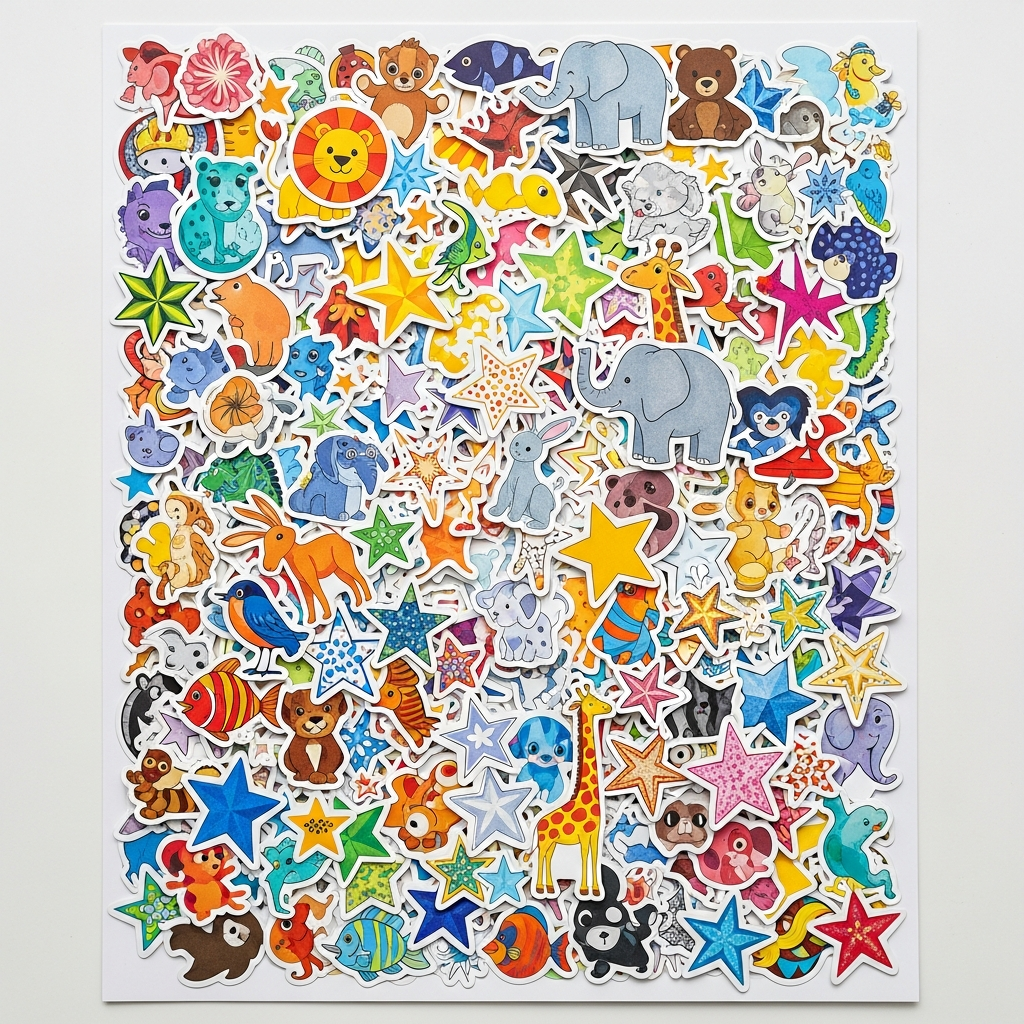
Peeling and sticking stickers is a fantastic fine motor challenge for small fingers. Give your toddler a sheet of paper and a variety of stickers to create their own collage. This task requires precision and patience, helping to develop the pincer grasp used for holding pencils. It also allows for creative autonomy and color selection.
16. Garden Planting Simulation
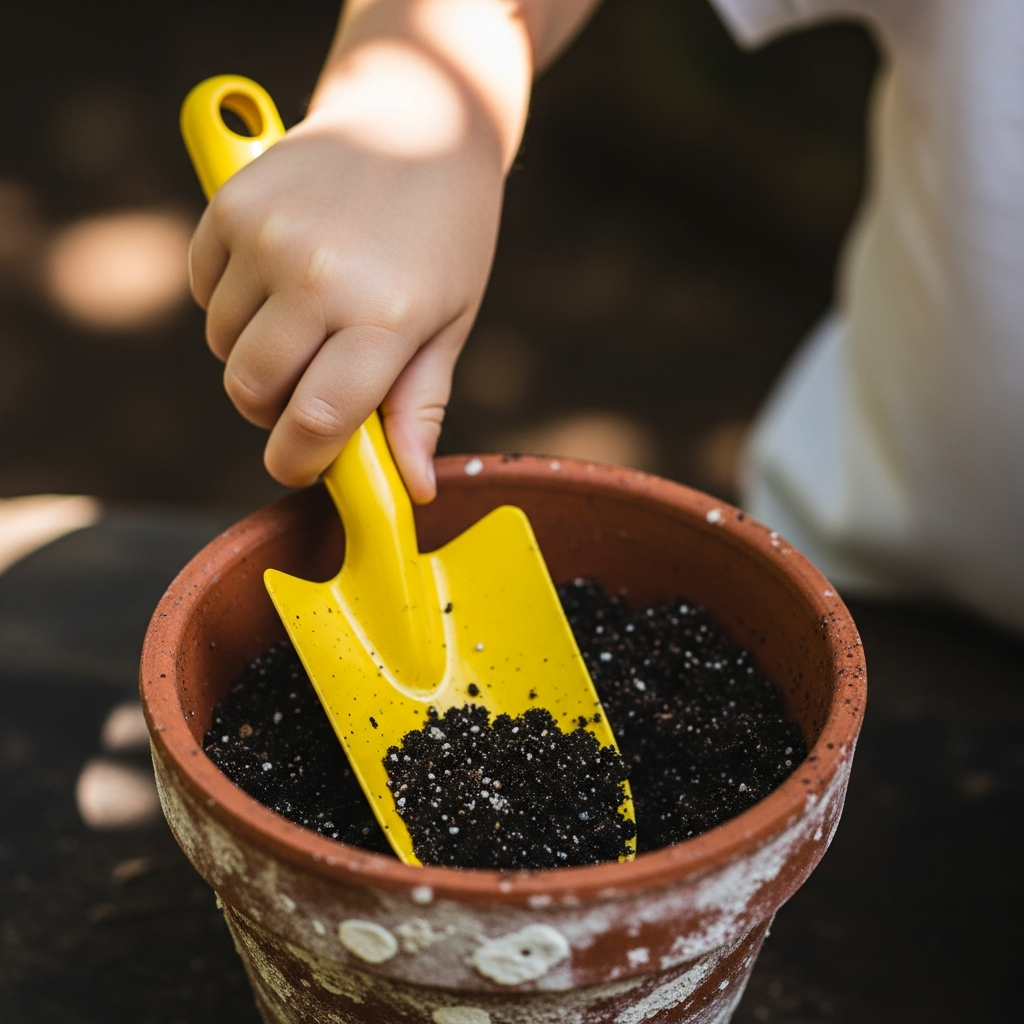
Whether in a real garden or a pot of soil indoors, digging and planting seeds introduces toddlers to the life cycle of plants. It teaches them about responsibility and the need to care for living things. Feeling the soil and pouring water also provides a rich sensory experience that connects them to the environment.
17. Counting Steps or Jumps
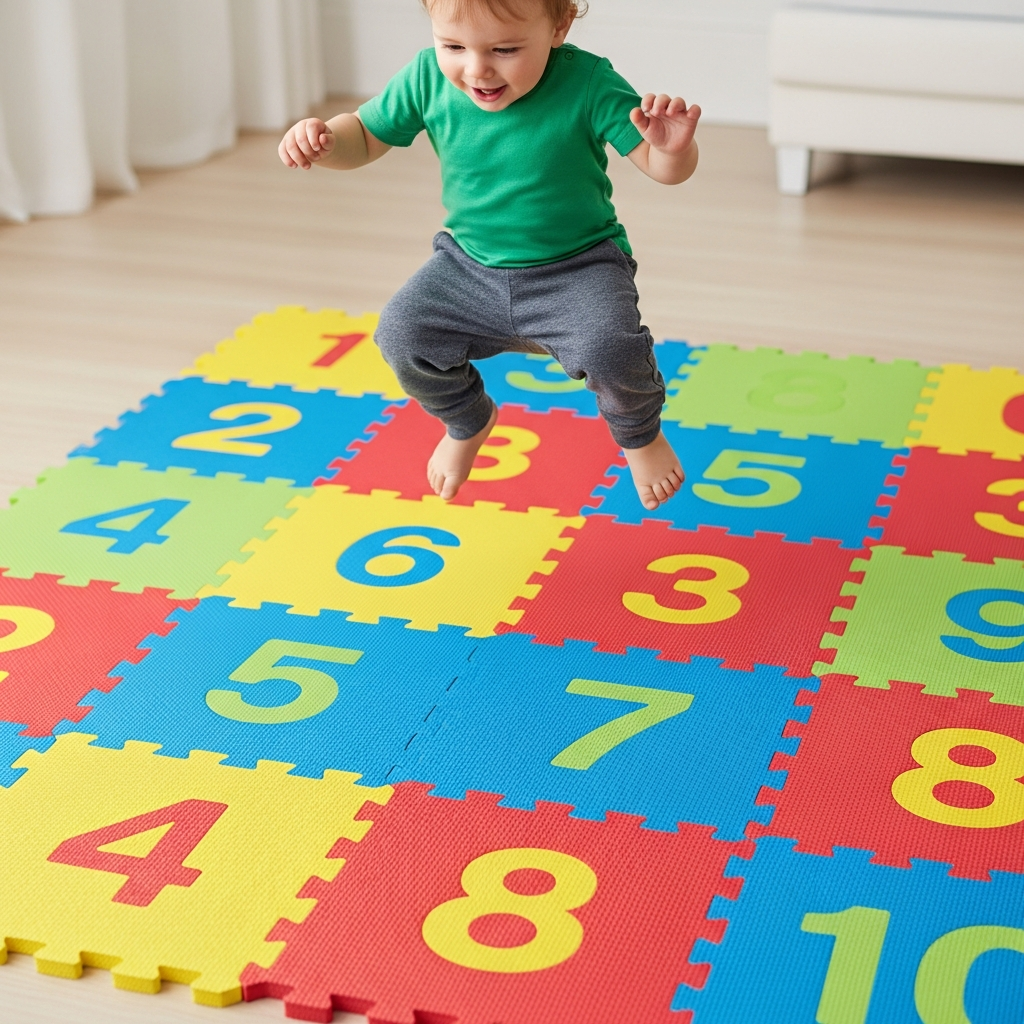
Integrating math into physical movement helps reinforce the concept of numbers. Count out loud as your toddler takes steps, jumps, or climbs stairs. This associates the spoken number with a physical action, making the concept of quantity more tangible. It is a simple yet effective way to build early numeracy skills during everyday routines.
18. Cardboard Box Forts
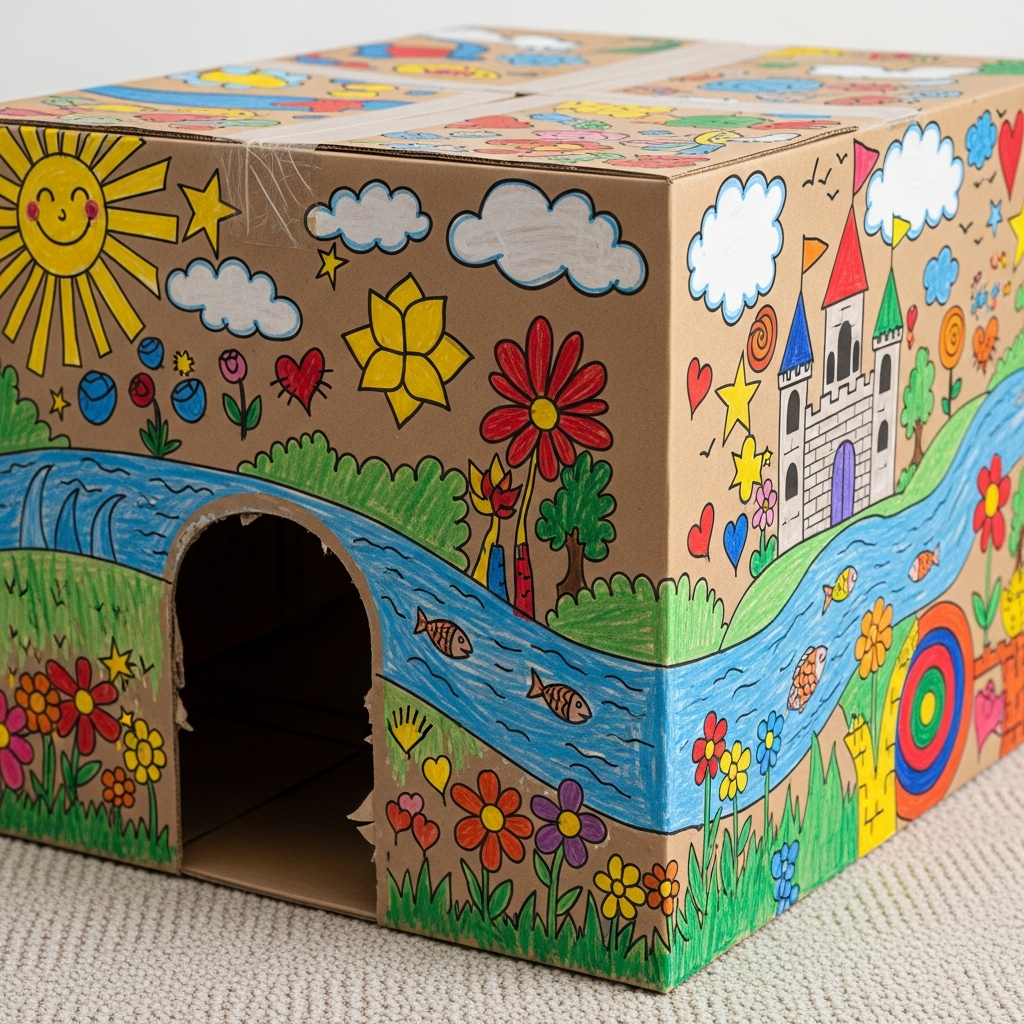
A simple cardboard box can become anything in a toddler’s imagination, from a house to a spaceship. Transforming a box into a fort encourages creative thinking and spatial awareness. Crawling in and out of the box provides physical exercise, while decorating the interior with crayons or markers allows for artistic expression.
19. Matching Sock Game

Laundry day can be turned into a learning opportunity. Ask your toddler to find matching pairs of socks from a pile. This activity focuses on visual discrimination and pattern recognition. It also teaches them about the concepts of same and different, which are essential foundations for both math and reading.
20. Puppet Shows
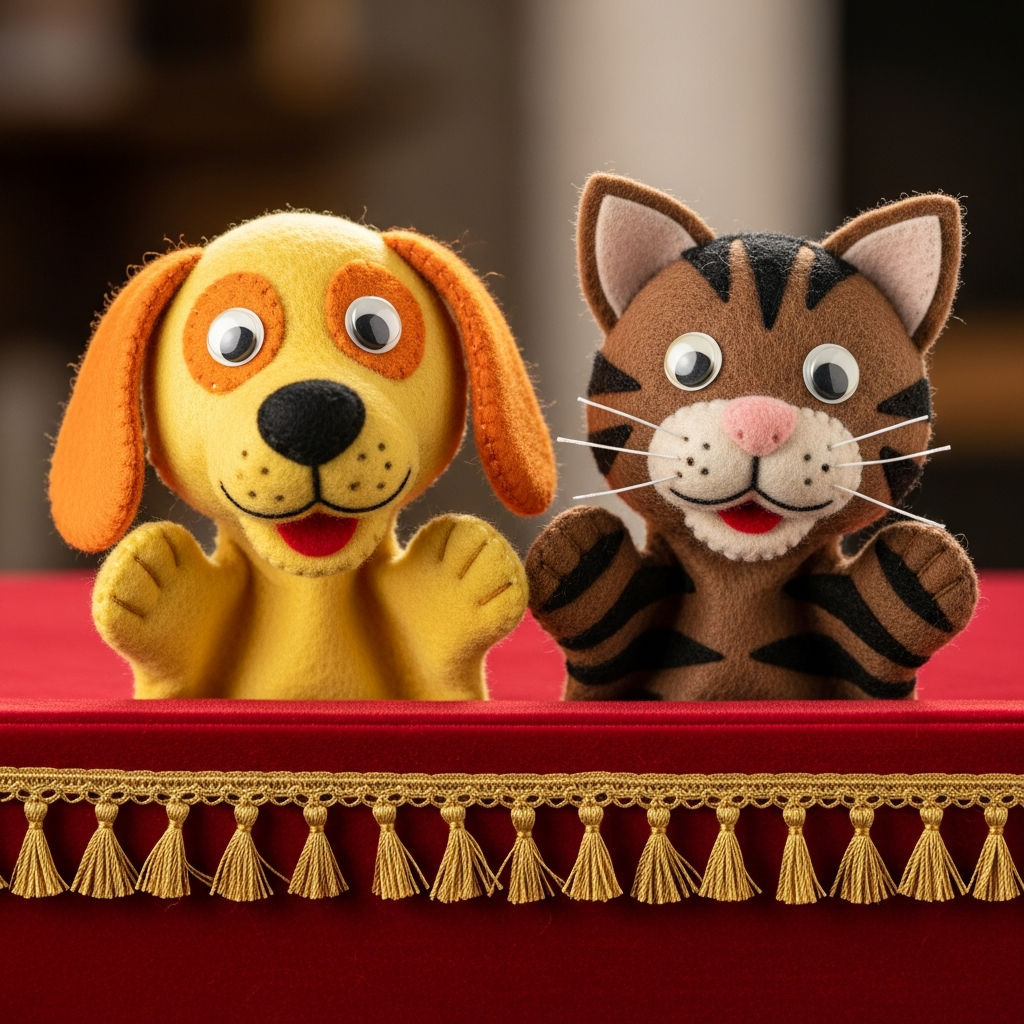
Using hand puppets to tell stories or sing songs can greatly enhance a toddler’s communication skills. Puppets can act out social situations, helping children learn about empathy and conflict resolution. This form of play encourages toddlers to use their voices and experiment with different tones and words in a safe and entertaining context.
Conclusion
Play-based learning is an essential component of a toddler’s growth, offering a bridge between curiosity and knowledge. By incorporating these twenty activities into their daily schedule, caregivers can provide a diverse range of learning opportunities that cater to various developmental needs. From fine motor skills to social-emotional intelligence, the benefits of intentional play are far-reaching. The most important factor is to remain present and engaged, allowing the child’s natural interests to guide the exploration and discovery process.