It can be incredibly upsetting and confusing for parents to see their toddler hit themselves. When your little one, who you love and protect, turns that physical energy inward, it often sparks worry, frustration, and a deep desire to understand why. You might wonder if you’re doing something wrong or if this is a sign of a bigger problem.
First and foremost, please know that you are not alone. This behavior, while distressing, is actually quite common in the toddler years. It’s usually a temporary phase, and often, it’s your toddler’s way of communicating something they can’t yet put into words. This article will help you understand the common reasons behind self-hitting and, more importantly, equip you with practical, gentle strategies to support your child through this challenging stage.
Understanding Toddler Development and Behavior

Toddlerhood is a whirlwind of growth and change. Your child is learning at an incredible pace, from walking and talking to understanding the world around them. However, their brains are still very much under construction.
They experience big, intense emotions like anger, frustration, and joy, but their ability to understand and express these feelings appropriately is still developing. This mismatch between their inner experience and their outer communication skills often leads to behaviors that can puzzle or worry us as parents.
Common Reasons Toddlers Hit Themselves

Toddlers don’t hit themselves just for one reason; it’s often a combination of factors related to their stage of development. Let’s explore some of the most frequent causes.
Frustration and Overwhelm
One of the biggest drivers of self-hitting in toddlers is sheer frustration.
Communication Difficulties
Imagine having so much you want to say or explain, but the words just won’t come out. Toddlers often feel this way. They might be trying to ask for a specific toy, tell you about something that happened, or protest a situation, but their limited vocabulary and language skills fail them. This can quickly boil over into intense frustration.
Lack of Control
Toddlers are wired for independence, constantly trying to assert their will and do things for themselves. When they encounter limits, whether it’s not being able to open a container, stack blocks perfectly, or get their way, it can be incredibly upsetting. This feeling of powerlessness often manifests physically.
Sensory Overload
The world can be a very intense place for a toddler. Bright lights, loud noises, crowded spaces, or even new textures can be overwhelming. When their senses are bombarded, they can feel overstimulated and unable to cope, leading to an emotional meltdown that might include self-hitting as a way to release tension.
Seeking Attention
Sometimes, a toddler might hit themselves because it consistently gets a reaction from you.
Positive Attention
If a child realizes that hitting themselves instantly gets your full attention, even if it’s a worried or stern “No!”, they might repeat the behavior. For a toddler, any attention can feel better than no attention at all.
Testing Boundaries
Toddlers are natural scientists, constantly experimenting with cause and effect. They might hit themselves to see what happens, how you react, and what the consequences are. This is a normal part of exploring their world and understanding limits.
Expressing Strong Emotions
Toddlers’ emotions are vast and intense, but their emotional regulation skills are minimal.
Anger
When a toddler feels angry, they often lack the tools to express it constructively. They might not understand what anger is, let alone how to say “I’m mad.” Hitting themselves can be an instinctual way to channel that intense energy inward because they don’t know where else to put it.
Sadness or Disappointment
Just like adults, toddlers feel sadness and disappointment. A broken toy, a missed playdate, or not getting a treat can feel like the end of the world to them. Lacking the words to articulate this deep sorrow, they might physically express their internal pain through self-hitting.
Anxiety or Stress
New environments, changes in routine, or separation anxiety can make toddlers feel anxious. These feelings of stress can be overwhelming, and hitting themselves might be an attempt to release that tension or even to self-soothe in a moment of distress.
Exploration and Body Awareness
Sometimes, the reason is much simpler than emotional distress.
Cause and Effect
A toddler might hit their head lightly, notice the sensation, and repeat it out of sheer curiosity. They are exploring their body and learning about cause and effect – “If I do this, this happens.”
Sensory Input
For some children, certain repetitive movements, including self-hitting, might provide a specific type of sensory input they are seeking. This is less common, but it’s a possibility, especially if the child doesn’t seem distressed when doing it.
Tiredness or Hunger
Just like adults get “hangry” or irritable when overtired, toddlers are even more susceptible.
Lack of sleep or low blood sugar can significantly impact a toddler’s ability to regulate their emotions. When they are physically uncomfortable due to tiredness or hunger, even small frustrations can trigger a big emotional response, potentially including self-hitting.
Physical Discomfort or Pain
Though less common, sometimes self-hitting can be a sign of physical discomfort.
If a toddler suddenly starts hitting their head, for example, it could be a sign of teething pain, an ear infection, or even a headache. If the behavior is new, persistent, or accompanied by other signs of illness, it’s always wise to rule out a medical cause.
Self-Soothing or Regulation
Some children develop self-hitting as a way to calm themselves down.
This might sound counterintuitive, but repetitive actions, whether it’s rocking, head-banging against a crib, or self-hitting, can sometimes provide a sense of control or a specific sensory input that helps a child regulate their emotions during moments of intense distress.
What Parents Can Do: Practical Strategies

Seeing your toddler hit themselves can be alarming, but there are many things you can do to help them learn healthier coping mechanisms.
Respond Calmly and Consistently
How you react plays a huge role in how the behavior continues.
Stay Neutral
Avoid overreacting with alarm, anger, or even excessive sympathy. A big reaction, even a negative one, can inadvertently reinforce the behavior, especially if your toddler is seeking attention. Try to keep your tone of voice and facial expression as neutral as possible.
Gentle Intervention
If your toddler is hitting themselves, gently and physically block the action. You can hold their hands, move them to a different position, or put a soft cushion between their hand and their head. Do this without judgment or blame, then immediately try to distract and redirect their focus.
Teach Emotional Language and Coping Skills
Help your child understand and express their feelings in words.
Name Emotions
Narrate what you see: “I see you’re hitting your head. Are you feeling frustrated because the tower fell down?” or “You seem very angry right now.” Giving them the words helps them connect their physical sensations to an emotion.
Offer Alternatives
Once you’ve identified the emotion, offer them a safe alternative. “Instead of hitting yourself, you can stomp your feet like a giant,” or “Let’s squeeze this stress ball,” or “Give me a big hug.” Practice these alternatives when they are calm.
Use Storytelling and Play
Read books about feelings. Act out scenarios with puppets or dolls where characters feel mad or sad and find healthy ways to cope. This makes learning about emotions fun and relatable.
Enhance Communication
Help your toddler express their needs and wants more effectively.
Simple Language
When talking to your toddler, use short, clear sentences. Get down to their level, make eye contact, and speak slowly.
Visual Aids
For some toddlers, visual cues can be very helpful. Picture schedules can help them understand routines, and “first-then” boards (“First put on shoes, then we go to the park”) can help manage expectations and reduce frustration.
Learn Toddler Cues
Pay close attention to your child’s non-verbal signals. Are they pointing, making specific sounds, or showing you what they want? The more you understand their early communication attempts, the less frustrated they might become.
Create a Calming Environment
A supportive environment can reduce triggers for self-hitting.
Reduce Overstimulation
Be mindful of environments that might be overwhelming. If a trip to a noisy store is too much, try quiet activities at home. Incorporate predictable routines and quiet time into your day to give them a chance to decompress.
Offer Sensory Alternatives
Some children benefit from sensory input. Offer squishy toys, soft blankets, or a designated “calm down” corner with pillows and books. Supervised sensory bins with rice, beans, or water can also be wonderfully regulating.
Ensure Basic Needs Are Met
The simplest solutions are often the most effective.
Sleep Schedule
Ensure your toddler has a consistent sleep schedule with adequate naps and bedtime. Overtiredness is a huge trigger for emotional meltdowns.
Regular Meals and Snacks
Keep hunger at bay with regular, nutritious meals and snacks. A dip in blood sugar can quickly lead to irritability and an inability to cope with minor frustrations.
Positive Reinforcement
Acknowledge and praise positive behaviors.
Catch Them Being Good
When your toddler uses words to express their feelings, even if it’s just a grunt and a point, praise them. If they try an alternative coping strategy, like stomping their feet instead of hitting, tell them, “That was a great way to show you were mad!”
Quality Time
Ensure your toddler is getting enough positive, one-on-one attention throughout the day. Often, children act out when they feel a lack of connection. Regular snuggle time, reading together, or focused play can fill their “attention cup.”
When to Seek Professional Help
While often a normal phase, there are times when it’s wise to consult a professional.
Escalation
If the self-hitting behavior is increasing in frequency or intensity, or seems to be getting worse despite your efforts.
Injury
If your child is hurting themselves significantly, causing visible bruises, or if you are concerned about their safety.
Other Concerning Behaviors
If the self-hitting is accompanied by other developmental concerns, such as significant speech delays, extreme withdrawal, lack of eye contact, or repetitive behaviors that seem to interfere with daily life.
Persistent and Unexplained
If you’ve tried all the strategies and feel truly stumped, or if the behavior is persistent and doesn’t seem to have a clear trigger.
Professionals
Your pediatrician is always the first point of contact. They can rule out medical issues and refer you to specialists like a child psychologist, behavioral therapist, or early intervention services if needed.
A Note on Patience and Self-Compassion

Parenting a toddler is a marathon, not a sprint, and there will be challenging phases. When your child is hitting themselves, it’s natural to feel worried or even frustrated. Remember that this behavior is often a cry for help or a sign that they are struggling with big feelings.
You are doing an incredible job by seeking to understand and support your child. Be patient with your toddler, and equally important, be patient and compassionate with yourself. This phase will pass as your child develops more language and coping skills.
Conclusion
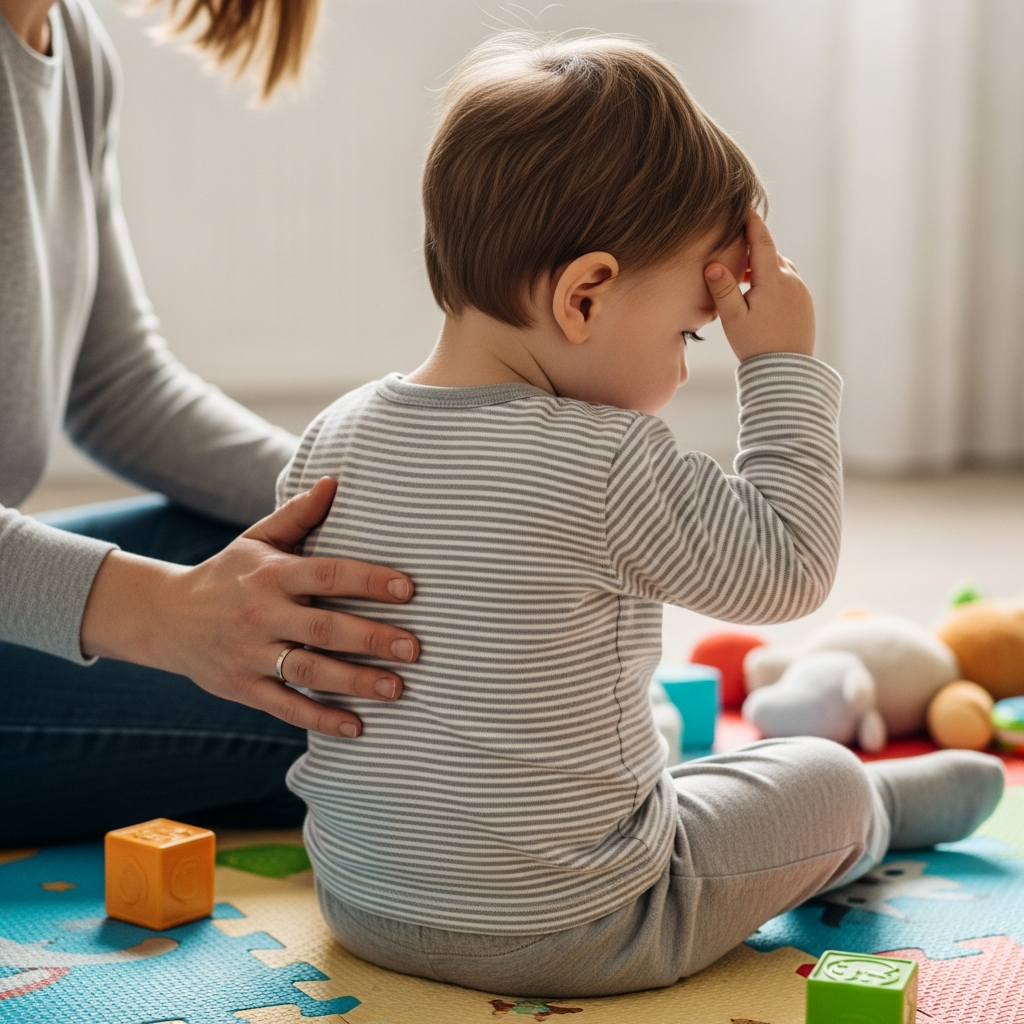
Seeing your toddler hit themselves is a tough experience for any parent. It’s a clear signal that your little one is navigating overwhelming emotions or unmet needs, and lacks the tools to express them differently. By understanding the common reasons behind this behavior – from frustration and communication difficulties to seeking attention or exploring their bodies – you’ve taken the first step toward helping them.
Remember to respond calmly, teach emotional language, offer healthy coping alternatives, and ensure their basic needs are met. With consistent, gentle guidance, and the unwavering support of a loving parent, your toddler will learn safer, more effective ways to manage their big feelings. You are their guide through this intense period of growth, and together, you will navigate these challenges.