Simple Ways to Teach Kids Gratitude This Christmas
Christmas is one of the most magical times of the year for children. Lights sparkle, presents pile up, and excitement fills the air. Yet, with all the gifts and celebrations, it’s easy for kids to get swept up in the “getting” and forget about the “giving.”
As parents, we want our children to feel joy during the holidays — but we also want them to understand appreciation, kindness, and empathy. Gratitude isn’t something kids learn overnight; it’s a habit built through example and experience.
This Christmas, you can make the season more meaningful by helping your children slow down, reflect, and appreciate the blessings around them.
Here are simple, practical ways to teach kids gratitude this Christmas — lessons that will last long after the tree comes down.
Why Gratitude Matters for Kids
Gratitude goes beyond saying “thank you.” It teaches children to recognize the good in their lives and to value what they have rather than focusing on what they don’t.
When kids practice gratitude, they:
- Develop stronger relationships with family and friends.
- Feel happier and less anxious.
- Learn empathy by understanding others’ needs.
- Build lifelong habits of generosity and kindness.
Christmas is the perfect opportunity to nurture this mindset because it’s a time centered on giving, love, and reflection.
1. Start with Simple Conversations About Thankfulness
Gratitude begins with awareness. Take time to talk with your kids about what it means to be thankful and why it’s important.
Try starting with questions like:
- What makes you feel happy or lucky?
- Who do you think helps make our lives easier every day?
- How do you feel when someone thanks you?
These small discussions help children connect emotions with actions. You can make it a nightly ritual during the holidays to share one thing everyone is grateful for before bedtime.
2. Lead by Example

Children learn gratitude best when they see it in action. Make it a habit to express thanks in daily life — not only to them but to others as well.
Say thank you to the cashier, compliment the delivery person, or appreciate your partner out loud. When kids hear and see these small gestures, they naturally begin to imitate them.
Also, let your children see you writing thank-you notes, donating, or helping others. Gratitude is caught, not taught.
3. Create a Family Gratitude Jar
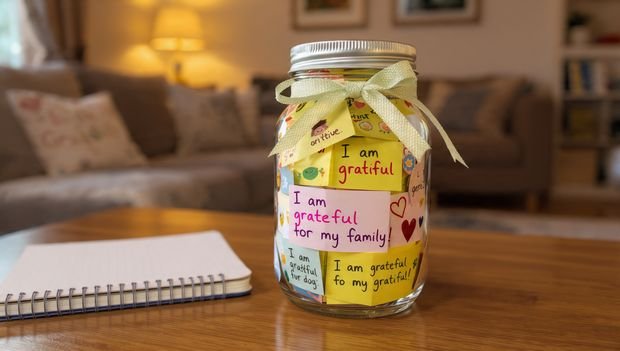
A gratitude jar is a simple yet powerful activity that turns thankfulness into something tangible.
How to make one:
- Find an empty jar or box and decorate it together.
- Keep small slips of paper and pens nearby.
- Every day, have each family member write down one thing they’re grateful for and place it in the jar.
On Christmas Eve or New Year’s Day, open the jar and read the notes aloud. It’s a beautiful reminder of how much there is to appreciate — even in ordinary days.
4. Involve Kids in Giving, Not Just Receiving
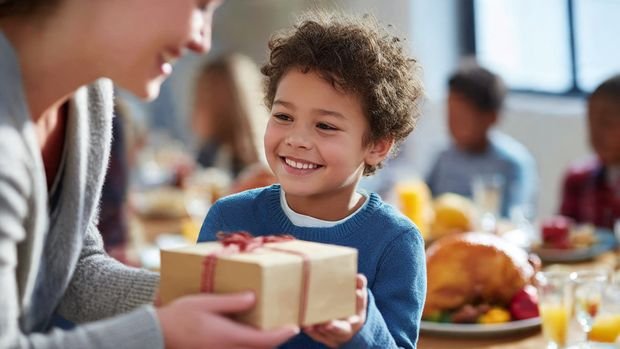
The best way to teach gratitude is to let kids experience the joy of giving. Help them understand that Christmas isn’t only about getting presents but about sharing love with others.
Easy ways to involve them:
- Let them help choose gifts for siblings or friends.
- Encourage them to make handmade cards or crafts for family members.
- Donate gently used toys or clothes together to a local shelter.
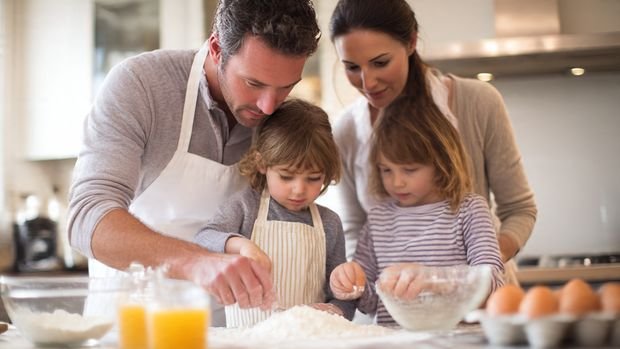
- Bake cookies or small treats for neighbors, teachers, or community helpers.
When kids give something from the heart, they see firsthand how good it feels to make others happy.
5. Read Stories That Inspire Gratitude
Books are a wonderful way to teach values in a way children can relate to. Choose stories that highlight kindness, humility, and appreciation.
A few great options:
- The Thank You Book by Mo Willems
- Bear Says Thanks by Karma Wilson
- The Giving Tree by Shel Silverstein
- An Awesome Book of Thanks! by Dallas Clayton
- How to Catch Santa by Jean Reagan (for fun holiday spirit)
After reading, ask your kids what they learned from the story and how they can apply it in real life.
6. Practice Daily Thank-You Notes
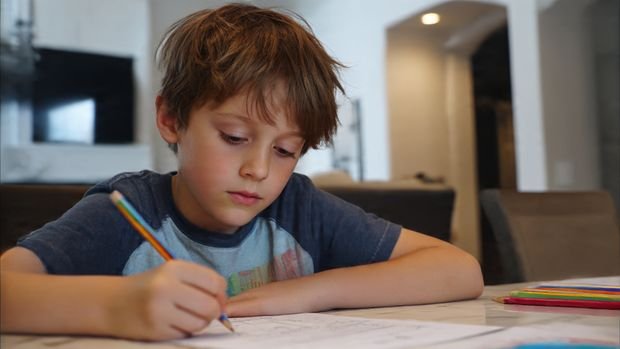
During Christmas week, help your kids write simple thank-you notes for the gifts or acts of kindness they receive.
Tips to make it fun:
- Provide colorful stationery, stickers, or markers.
- Let them draw pictures if they can’t write yet.
- Emphasize sincerity — even a short “thank you for the lovely book, I love it!” means a lot.
Writing thank-you notes not only teaches appreciation but also develops communication and empathy skills.
7. Focus on Experiences, Not Just Gifts
One reason kids lose sight of gratitude is because they’re overwhelmed by the material side of Christmas. Try shifting the focus toward experiences instead of things.
Examples of memory-based gifts or traditions:
- A family baking day.
- A movie marathon with hot chocolate.
- A walk to see neighborhood lights.
- A board-game night or puzzle session.
When children associate happiness with moments rather than possessions, they learn that joy comes from connection — not consumption.
8. Volunteer Together as a Family
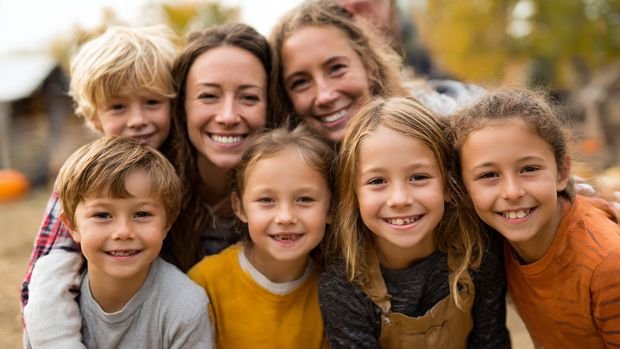
One of the most impactful ways to teach gratitude is through acts of service. Even small acts of kindness can open a child’s eyes to how others live and how they can make a difference.
Family volunteering ideas:
- Donate food to a community kitchen or food drive.
- Pack care boxes for families in need.
- Visit an animal shelter with donations.
- Help an elderly neighbor with groceries or snow shoveling.
Talk to your kids afterward about how it felt to help someone else. This helps them connect kindness with emotional fulfillment.
9. Use Advent Calendars with Meaning
Advent calendars are a fun way for children to count down to Christmas, but you can give this tradition a deeper purpose.
Instead of just chocolate or toys, include small notes or activities that inspire gratitude and kindness.
Ideas for meaningful advent notes:
- “Say something kind to a friend today.”
- “Help set the table for dinner.”
- “Draw a picture of something you’re thankful for.”
- “Give a compliment to someone you love.”
This turns excitement into reflection and reinforces daily gratitude habits.
10. Talk About the Real Meaning of Christmas

Remind your kids that Christmas is about love, giving, and togetherness — not just presents under the tree.
Share stories about the origins of Christmas or family traditions that have been passed down through generations. If faith is part of your family’s life, talk about the spiritual meaning behind the celebration.
Help children see that the heart of Christmas is about celebrating people, not possessions.
11. Encourage Acts of Kindness
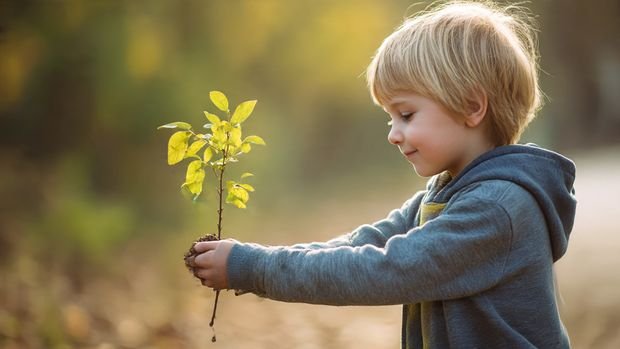
Kindness and gratitude go hand in hand. Encourage your children to do small acts of kindness throughout the holiday season.
Examples:
- Compliment a friend or family member.
- Share toys with siblings without being asked.
- Help parents with chores.
- Make a handmade ornament for a neighbor.
To make it even more fun, create a “Kindness Countdown” where you complete one good deed each day until Christmas.
12. Reflect as a Family at the End of the Day

End each day by asking your kids simple reflection questions:
- What made you happy today?
- Did someone do something nice for you?
- What did you do to make someone else happy?
This helps them recognize both sides of gratitude — receiving and giving — and strengthens emotional awareness.
Over time, they’ll naturally begin to notice the positive things in life on their own.
13. Create a Gratitude Tree or Wall
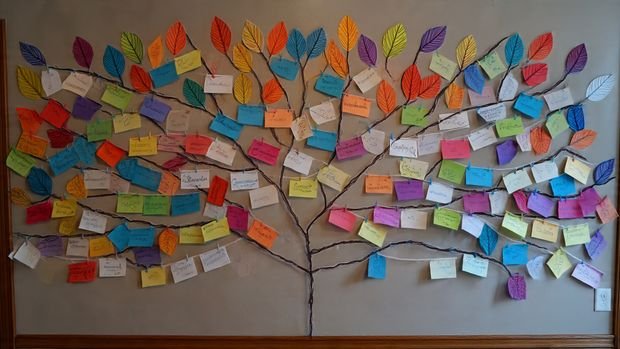
Turn gratitude into a visual family project.
How to do it:
- Cut out paper leaves or stars.
- Write one thing each family member is thankful for on a leaf every day.
- Tape or hang them on a wall or a small tree branch placed in a vase.
By Christmas Day, you’ll have a beautiful “Gratitude Tree” filled with love and appreciation. It’s a wonderful reminder that joy comes from counting blessings.
14. Avoid Over-Indulgence

It’s easy to want to give our children everything during the holidays. But when kids have too much, they sometimes forget to value what they already have.
You don’t need to stop giving gifts — just keep them thoughtful. Focus on quality over quantity. Choose presents that spark creativity or togetherness rather than more clutter.
Also, remind your kids that not everyone receives the same things — this simple awareness builds empathy and appreciation.
15. Make Gratitude a Year-Round Habit
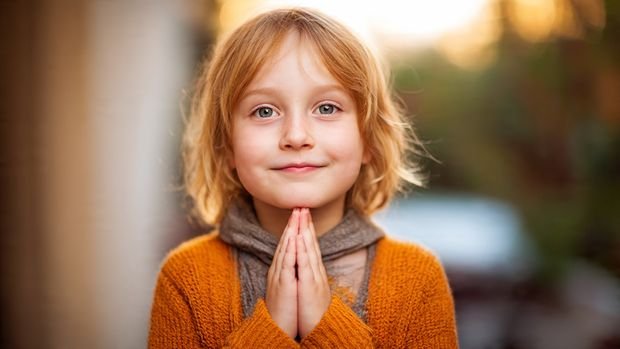
While Christmas is a great time to start, gratitude shouldn’t end when the decorations come down.
Carry these habits into the new year by continuing your gratitude jar, saying nightly thank-yous, or keeping a family gratitude journal. Over time, it becomes second nature — something your children live, not just talk about.
Conclusion
Christmas is the season of giving, love, and reflection — the perfect opportunity to nurture gratitude in children.
By focusing less on material gifts and more on moments of kindness, thankfulness, and joy, you teach your kids lessons that will last a lifetime. Gratitude helps them grow into thoughtful, caring individuals who appreciate both the little things and the people who make life special.
So this Christmas, slow down the pace. Talk, laugh, share, and give from the heart. The most valuable gift you can give your children isn’t something they’ll unwrap — it’s the gift of gratitude, one that will warm their hearts long after the season is over.