
How to Teach Emotional Control to Kids
Helping children manage their emotions is one of the most important lessons a parent can teach. Emotional control doesn’t mean hiding feelings — it means learning how to understand, express, and respond to them in healthy ways. When children know how to regulate their emotions, they develop stronger relationships, better focus, and greater self-confidence.
Here are some simple and effective ways to help your child learn emotional control.
1. Model Calm Behavior

Children learn best by watching their parents. If you stay calm during stressful moments, your child sees what emotional regulation looks like. Take a deep breath, speak gently, and show that it’s okay to pause before reacting.
2. Name the Feelings

Young children often act out because they don’t have the words to describe what they feel. Help them label emotions — happy, sad, angry, scared, or frustrated. Saying, “I see you’re upset because your tower fell,” helps them understand and express emotions clearly.
3. Teach Breathing and Calming Techniques

Simple breathing exercises can make a big difference. Teach your child to take “balloon breaths” — deep breaths in through the nose and out through the mouth. You can also use calming strategies like hugging a stuffed toy, stretching, or listening to soft music.
4. Create a Calm-Down Space

Designate a cozy spot in your home where your child can go when they feel overwhelmed — maybe with pillows, books, or a favorite toy. This isn’t a punishment zone, but a peaceful place to relax and regain control.
5. Use Stories and Play to Talk About Emotions
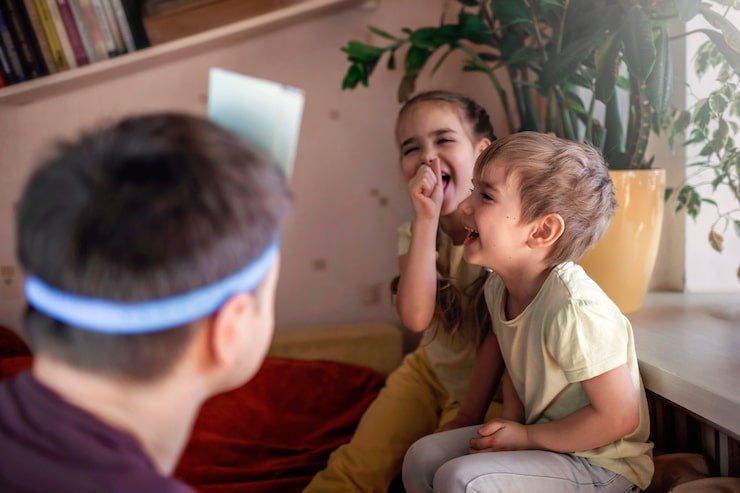
Children understand emotions better through stories and pretend play. Read books about feelings or role-play different situations using dolls or puppets. Ask questions like, “How do you think she feels?” to help your child build empathy and awareness.
6. Acknowledge, Don’t Dismiss

Instead of saying, “Stop crying” or “You’re fine,” acknowledge your child’s feelings. Say, “I can see that hurt your feelings.” This helps your child feel seen and supported — and teaches them that emotions are valid and manageable.
7. Set Clear Boundaries
Emotional control also means learning limits. Explain that it’s okay to be angry, but not okay to hit or yell. Offer acceptable alternatives like talking, walking away, or using words to express frustration.
8. Praise Emotional Effort

When your child manages to stay calm or expresses feelings with words, praise their effort. For example: “I’m proud of how you took a deep breath when you were upset.” Positive reinforcement encourages them to keep practicing emotional control.
9. Practice Problem-Solving Together

When emotions run high, help your child think through what happened and what they could do differently next time. This builds emotional intelligence and resilience.
10. Be Patient and Consistent

Learning emotional control takes time — even for adults. Offer gentle guidance, stay consistent, and remember that every meltdown is a chance to teach, not punish.
Final Thoughts
Teaching emotional control is about connection, not correction. When children feel understood and supported, they learn to manage their emotions with confidence and kindness. By modeling calmness, setting boundaries, and encouraging communication, you give your child a lifelong skill that will help them thrive in every stage of life.