9 Easy Summer Indoor Activities for Kids to Beat Boredom
When the summer sun becomes too intense or sudden rain showers move the party inside, keeping children engaged can be a challenge for parents. Indoor activities do not have to be complicated to be effective. By focusing on creativity, physical movement, and cognitive development , you can transform your living space into a hub of entertainment. This guide provides nine structured, low-prep activities designed to keep kids entertained while fostering a productive environment during the warmest months of the year.
1. Construct a DIY Indoor Obstacle Course
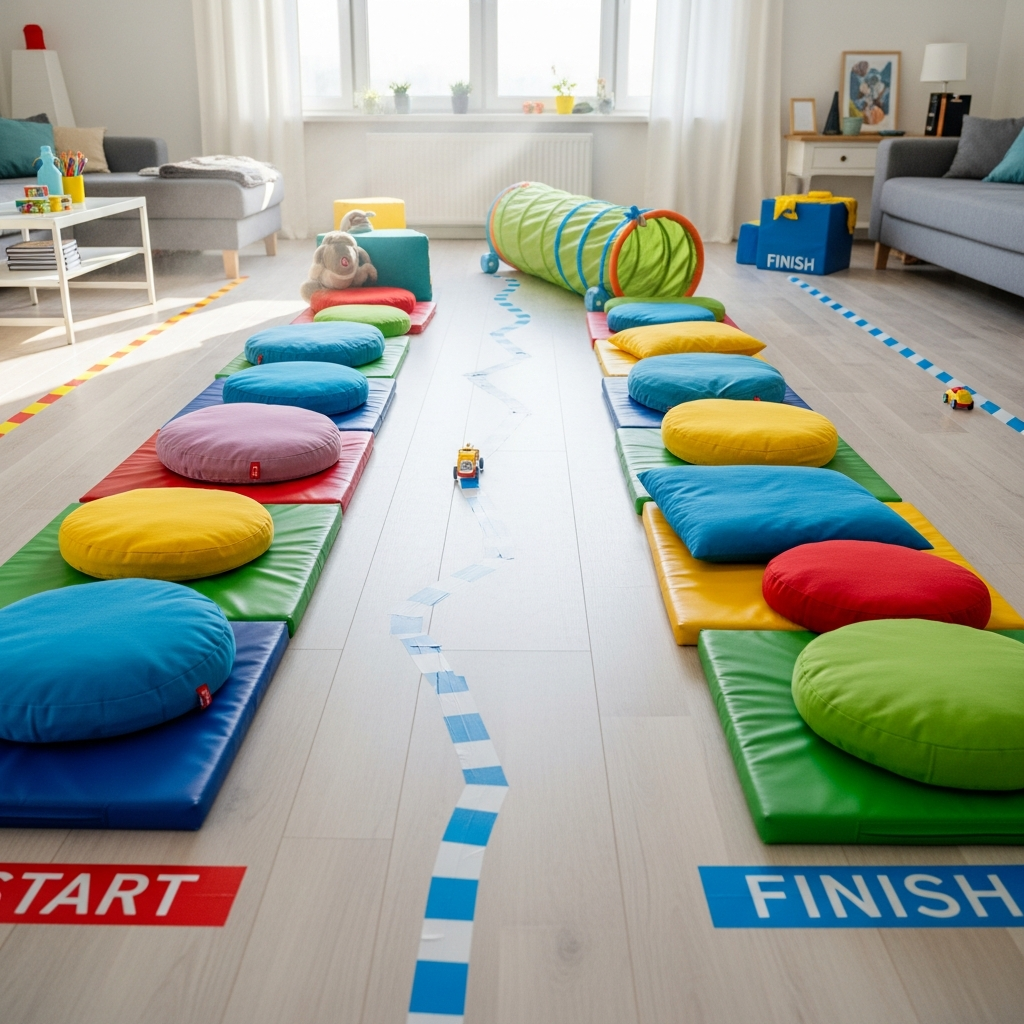
Physical activity is essential even when confined to the indoors. Use common household items like pillows, painter’s tape, and chairs to create a safe yet challenging course. Encourage children to crawl under tables, jump over cushion mountains, or balance on tape lines. This activity improves motor skills and provides a healthy outlet for energy without requiring expensive equipment or outdoor space.
2. Host a Creative Baking and Kitchen Science Session

The kitchen is an excellent classroom for both math and science. Choose simple recipes like sugar cookies or homemade pizza dough to teach children about measurements and chemical reactions. For a more scientific approach, try making edible slime or observing how yeast rises. These tasks teach patience and follow-through, resulting in a delicious reward that boosts confidence in their culinary abilities.
3. Organize a Themed Home Cinema Experience

Transform a standard movie afternoon into an immersive event. Select a series of educational documentaries or classic family films and create a theme around them. Prepare themed snacks and dim the lights to mimic a real theater environment. This encourages children to focus on storytelling and can be followed by a brief discussion about the plot or facts learned, enhancing their critical thinking skills.
4. Build an Elaborate Living Room Fort

Fort building is a timeless tradition that encourages spatial awareness and architectural creativity. Provide blankets, clothespins, and couch cushions to help children design their own private retreat. Once constructed, this new space can serve as a dedicated reading nook or a quiet area for independent play. It gives children a sense of ownership over their environment and sparks imaginative role-playing scenarios.
5. Explore Virtual Museum Tours and Online Learning

Incorporate technology productively by taking kids on virtual tours of world-renowned museums like the Louvre or the Smithsonian. Many institutions offer interactive digital exhibits designed specifically for younger audiences. This broadens their cultural horizons and fosters a love for history and art from the comfort of the couch. It is a sophisticated way to manage screen time while ensuring educational value.
6. Establish a Dedicated Arts and Crafts Station

Set up a designated area with supplies such as watercolors, recycled cardboard, markers, and glue. Encourage kids to work on long-term projects, like building a cardboard city or painting a series of portraits. Art projects allow for self-expression and help refine fine motor skills. Keeping the station organized and accessible encourages children to return to their work throughout the day, promoting task persistence.
7. Design an Indoor Scavenger Hunt

A scavenger hunt is an excellent way to keep children moving and thinking critically. Create a list of items for them to find, using clues or riddles to make it more challenging for older kids. You can theme the hunt around colors, shapes, or specific household functions. This activity promotes problem-solving and can be easily adapted to different age groups, keeping them occupied for extended periods.
8. Launch a Board Game Tournament
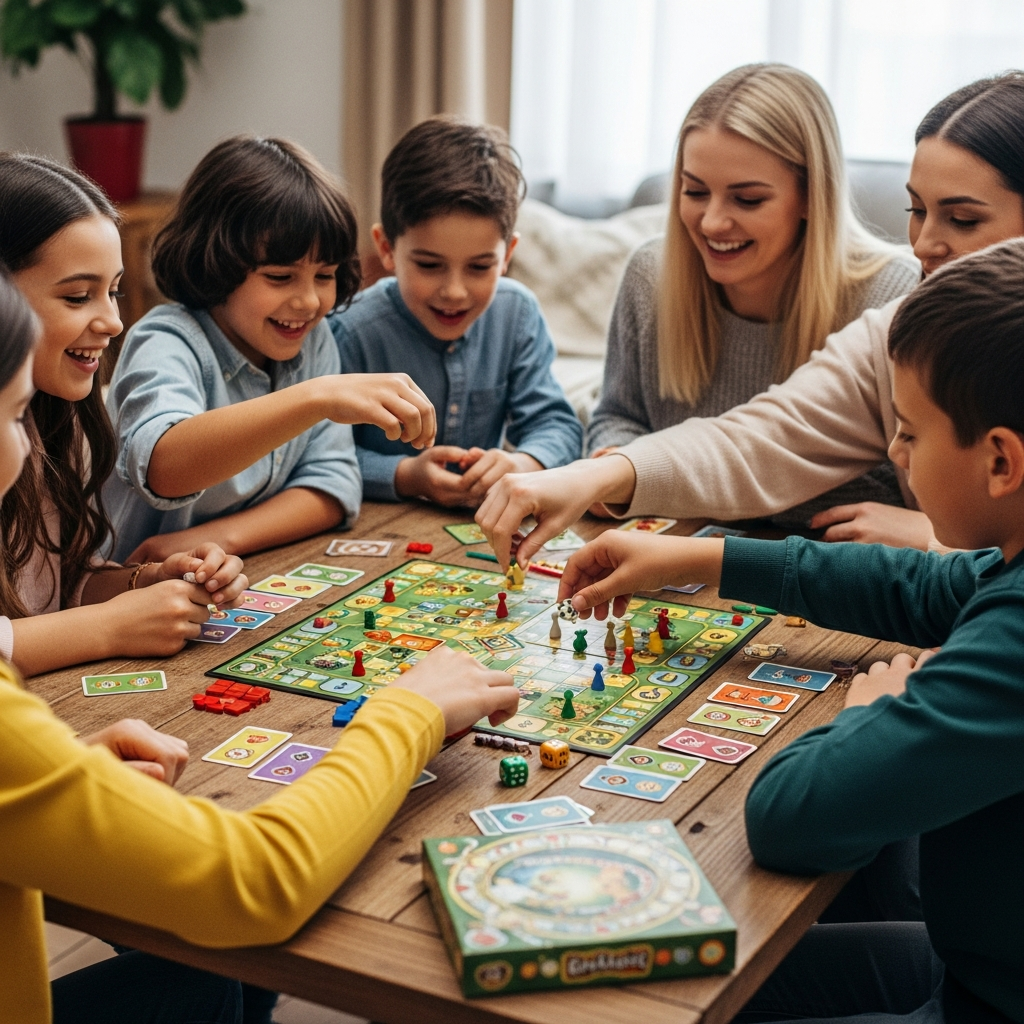
Board games are vital for teaching strategy, sportsmanship, and logic. Organize a day-long tournament featuring different types of games, from classic strategy sets to modern card games. Keep a scoreboard to track wins and offer a small prize for the champion. This structured competition helps children learn how to handle both success and defeat gracefully while strengthening family bonds through healthy play.
9. Practice Journaling and Creative Writing

Encourage literacy and emotional intelligence by setting aside time for writing. Provide children with decorated journals and prompt them to write short stories, poems, or daily reflections. For younger children, this can involve drawing pictures and dictating the story to an adult. This habit helps children process their thoughts and improves their communication skills, providing a quiet and reflective end to a busy day of indoor play.
Conclusion
Managing summer boredom indoors does not require an endless supply of toys or screens. By implementing these nine activities, parents can provide a balanced mix of physical exertion, creative expression, and intellectual growth. These easy-to-organize ideas ensure that the summer months remain a time of discovery and joy, regardless of the weather outside. With a little planning, indoor days can become the most memorable parts of the season.