Parenting has always been a full-time job, but for today’s families, life moves faster than ever. Between work, school, chores, and endless to-do lists, parents often feel like they’re racing against the clock. It’s easy to get caught up in the chaos and feel guilty for not spending “enough time” with your children.
But good parenting isn’t about perfection or constant availability. It’s about being intentional — using smart, simple strategies to stay connected and keep your family thriving even when life gets hectic.
Here are practical and time-tested smart parenting tips for busy families that will help you create balance, reduce stress, and build stronger bonds with your kids.
1. Prioritize Quality Over Quantity

Busy parents often worry about not having enough time for their children, but it’s not about how much time you spend — it’s about how you spend it.
Even a short moment can be meaningful when you’re fully present. Put away your phone, look into your child’s eyes, and listen. A 10-minute conversation at bedtime or while driving to school can matter more than an hour spent distracted.
When you focus on connection, your child feels loved and heard, no matter how busy the schedule gets.
2. Simplify Family Routines
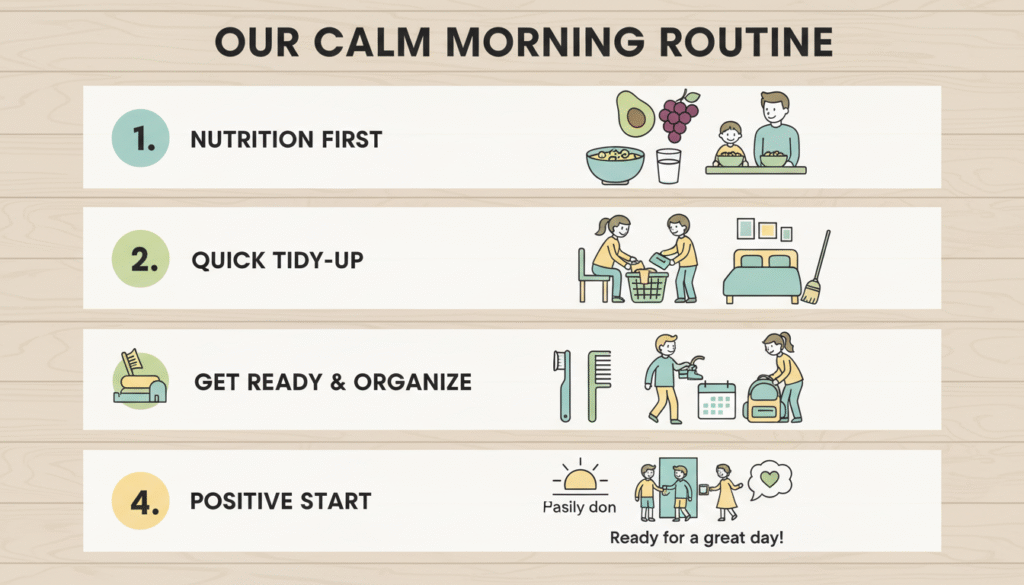
One of the smartest ways to make family life smoother is to simplify your daily routines. Complex routines often create unnecessary stress.
Ways to simplify:
- Prepare lunches, outfits, and bags the night before.
- Keep a shared family calendar visible in the kitchen or on your phone.
- Batch tasks like grocery shopping or meal prepping once a week.
- Establish consistent wake-up and bedtime schedules.
Simple routines reduce chaos and give children a sense of stability, even on the busiest days.
3. Plan Family Time — and Protect It

Busy families often assume that quality time will “happen naturally.” But in reality, it needs to be scheduled — just like meetings or appointments.
Choose specific blocks of time each week for family activities and treat them as non-negotiable. Maybe it’s Friday movie night, Sunday morning pancakes, or a Saturday walk in the park.
When you plan and protect family time, it becomes a habit rather than a hope.
4. Create a Morning Routine That Works

Mornings can set the tone for the entire day. A rushed, stressful start can make everyone cranky.
Smart morning strategies:
- Wake up 15 minutes earlier to give yourself breathing room.
- Prepare breakfast items in advance — overnight oats, muffins, or pre-cut fruit.
- Let kids choose clothes the night before.
- Keep essentials (shoes, backpacks, keys) in one spot to avoid last-minute searches.
A calm morning doesn’t require perfection — just planning. When mornings go smoothly, everyone starts the day with more energy and positivity.
5. Make Mealtimes Matter

Even if your family can’t eat together at every meal, try to sit down together once a day — dinner is ideal. It’s one of the simplest yet most powerful ways to stay connected.
Turn off screens, share stories, and ask open-ended questions. For example:
- What was the best part of your day?
- Did anything surprise you today?
These small conversations help kids open up and make mealtime something they look forward to.
If dinners are difficult, try breakfast or even a late-night snack session — what matters is consistency and connection.
6. Delegate and Share Responsibilities

Busy families thrive when everyone contributes. Teaching kids to help around the house not only reduces your workload but also builds responsibility and teamwork.
Age-appropriate chores:
- Young kids: picking up toys, setting the table.
- School-age kids: folding laundry, feeding pets.
- Teens: cooking simple meals, grocery shopping, babysitting younger siblings.
Involve your children in family tasks and remind them that being part of a family means sharing both fun and responsibilities.
7. Use Technology Wisely

Technology can either simplify your life or complicate it — depending on how you use it.
Smart tech tips for busy parents:
- Use shared digital calendars and reminder apps for family scheduling.
- Try grocery delivery or meal-planning apps to save time.
- Set screen-time limits and designate tech-free zones (like the dinner table).
- Use video calls to connect with family members you can’t visit often.
Technology should serve your family, not control it. When used intentionally, it can make your day smoother and give you more time for what matters.
8. Stay Organized with a Family Command Center

A “family command center” can be a game-changer for busy households. It’s simply a designated space — on a wall, whiteboard, or digital app — where you track family tasks and schedules.
Include:
- A calendar for everyone’s activities.
- A section for school papers or bills.
- A list for groceries or chores.
- A message board for quick notes.
Having everything in one spot reduces mental clutter and helps everyone stay on the same page.
9. Say No When Necessary

One of the hardest parenting skills for busy families is learning to say no. You don’t have to attend every event, accept every invitation, or sign up for every activity.
Overcommitting leads to exhaustion for both parents and children. Focus on what truly matters to your family values and goals.
Saying no creates space — space for rest, play, and meaningful moments together.
10. Encourage Independent Kids
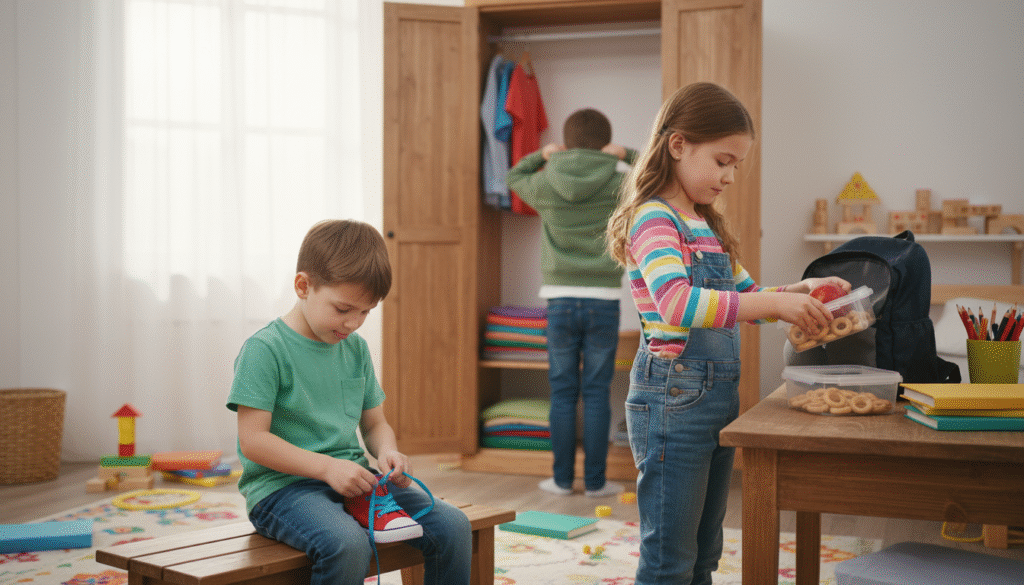
When children learn to do small tasks independently, it lightens your load and boosts their confidence.
Start with age-appropriate independence:
- Let them pack their school bags.
- Teach them to make simple snacks.
- Encourage them to manage their homework time.
Kids feel proud when trusted with responsibility. Independence helps your family function more smoothly, especially on busy days.
11. Focus on Connection Over Perfection

Busy parents often put pressure on themselves to do everything perfectly — spotless homes, perfect meals, perfect schedules. But children don’t remember perfect routines; they remember how you made them feel.
Give yourself grace. If dinner is take-out or the laundry piles up, it’s okay. What matters is connection, laughter, and love — not perfection.
12. Use Small Moments to Bond

Not every connection needs to be a big event. Use ordinary moments to strengthen your bond.
- Talk while driving to school.
- Listen to music together while cooking.
- Share inside jokes or daily highs and lows at bedtime.
Kids remember these everyday interactions far more than elaborate outings. Consistent small moments create a strong emotional foundation.
13. Keep Communication Open

As children grow, communication becomes the key to maintaining trust and closeness.
Encourage your kids to share freely — whether it’s about their friends, worries, or goals. Listen without judgment or rushing to fix everything.
Even when you’re busy, a few minutes of undivided attention can make a huge difference. When children know they can come to you anytime, it builds lifelong security and respect.
14. Take Care of Yourself Too

You can’t pour from an empty cup. Parenting is demanding, and without self-care, burnout becomes inevitable.
Simple ways to care for yourself:
- Get enough sleep and drink plenty of water.
- Take short breaks to rest or do something you enjoy.
- Move your body — even a quick walk helps clear the mind.
- Ask for help when you need it.
A calmer, healthier parent is a better parent. When you care for yourself, you model balance and self-respect for your children.
15. Be Present During Family Time

Multitasking might help you get things done, but it weakens emotional connection. During family moments, be fully there.
Put the phone away, turn off notifications, and enjoy the company of your loved ones. Even if it’s just half an hour together, genuine presence matters more than endless distracted hours.
16. Build a “No-Rush” Zone Each Week

Life will always be busy — that’s a given. But you can create intentional pauses. Choose one day or evening each week where your family slows down together.
It could be a lazy Sunday morning breakfast, a walk after dinner, or a night with no plans at all. These pauses allow everyone to breathe, reconnect, and recharge before jumping back into the week.
17. Celebrate Small Wins

In the busyness of family life, it’s easy to overlook little victories. But acknowledging them boosts motivation and morale for everyone.
Celebrate small successes — whether your child finishes a project, learns a new skill, or simply helps out without being asked. A quick “I’m proud of you” goes a long way.
Recognition builds confidence and reminds your children that effort matters as much as results.
18. Keep Family Traditions Alive

Even with a packed schedule, don’t let family traditions fade. They give your children a sense of belonging and stability.
Whether it’s Friday pizza night, bedtime stories, or yearly holiday rituals, these traditions strengthen family identity and create lasting memories.
You don’t need grand gestures — small, consistent traditions often mean the most.
19. Accept Imperfection and Laugh Often

Every family has messy days — tantrums, missed buses, forgotten lunches. Instead of stressing, learn to laugh at the chaos.
Humor turns frustration into connection. When kids see you handle challenges calmly (and even with a smile), they learn resilience and emotional balance.
Parenting isn’t about getting everything right; it’s about showing love even when things go wrong.
20. Keep Perspective

Amid the deadlines, homework, and routines, remember why you’re doing it all — for your family’s happiness and growth.
Your kids don’t need you to be perfect; they just need you to be there. Ten years from now, they won’t remember whether dinner was homemade or delivered — they’ll remember the warmth, laughter, and love that filled your home.
Conclusion
Parenting in a busy world is challenging, but it doesn’t have to be overwhelming. With a bit of planning, simplicity, and intention, you can balance work, home, and family life while still creating a loving, supportive environment for your children.
Remember — smart parenting isn’t about doing more, it’s about doing what matters most.
Focus on connection, communication, and small, meaningful moments. These are the building blocks of a happy, healthy family, no matter how busy life gets.
So take a breath, let go of the guilt, and embrace the beautiful chaos of family life — one smart, intentional step at a time.