30 Small Shared Bedroom Ideas That Work for Two Kids
Designing a shared bedroom for two children in a compact home can feel like a complex puzzle. However, with the right furniture choices, layout strategies, and organizational systems, even the smallest rooms can become functional and stylish sanctuaries. This guide explores thirty expert-recommended ideas to maximize every square inch while ensuring each child feels they have a space of their own. From vertical storage solutions to clever zone-defining techniques, these professional tips will help you transform a cramped room into a harmonious shared environment.
1. Standard Vertical Bunk Beds
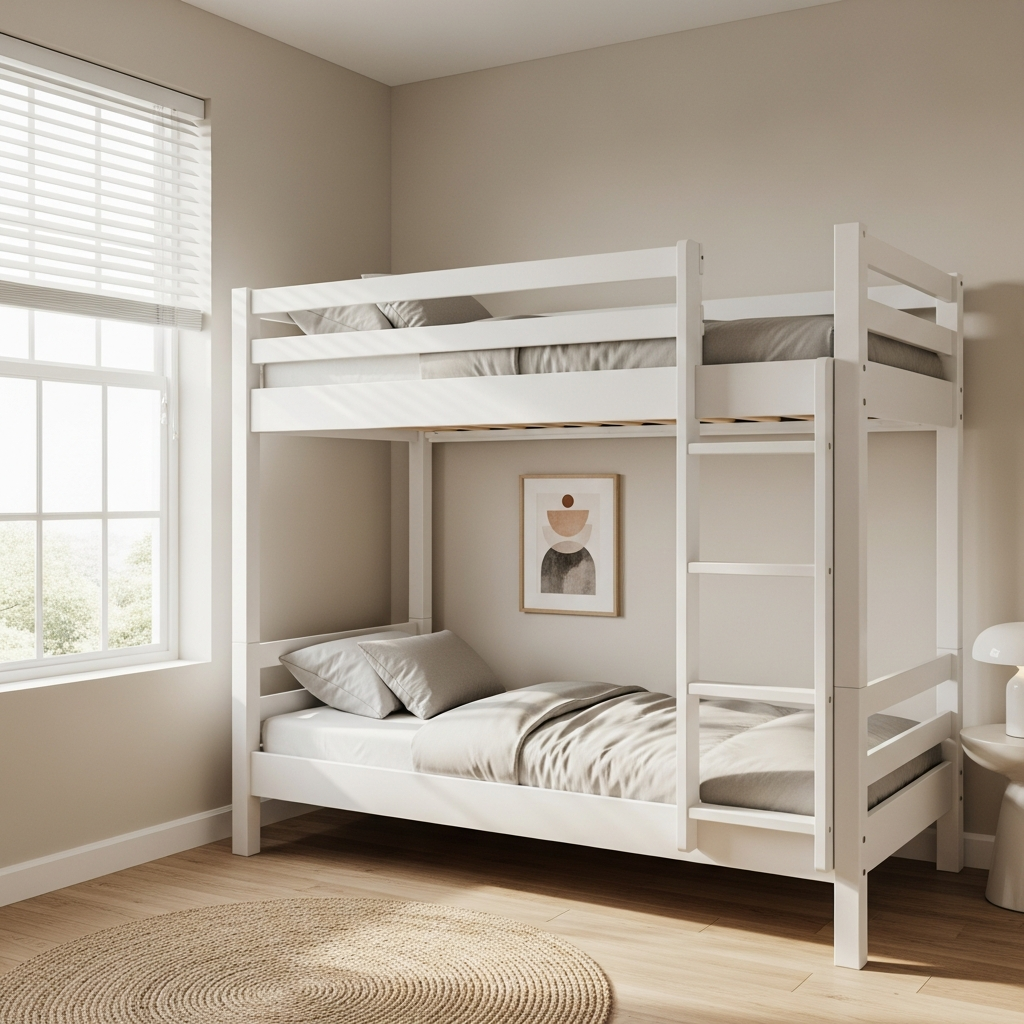
The most iconic solution for shared rooms is the classic bunk bed. By stacking sleeping quarters vertically, you free up valuable floor space for play or study. Modern bunk beds often come with built-in safety rails and integrated ladders that take up minimal room, making them ideal for small footprints.
2. L-Shaped Bed Configurations
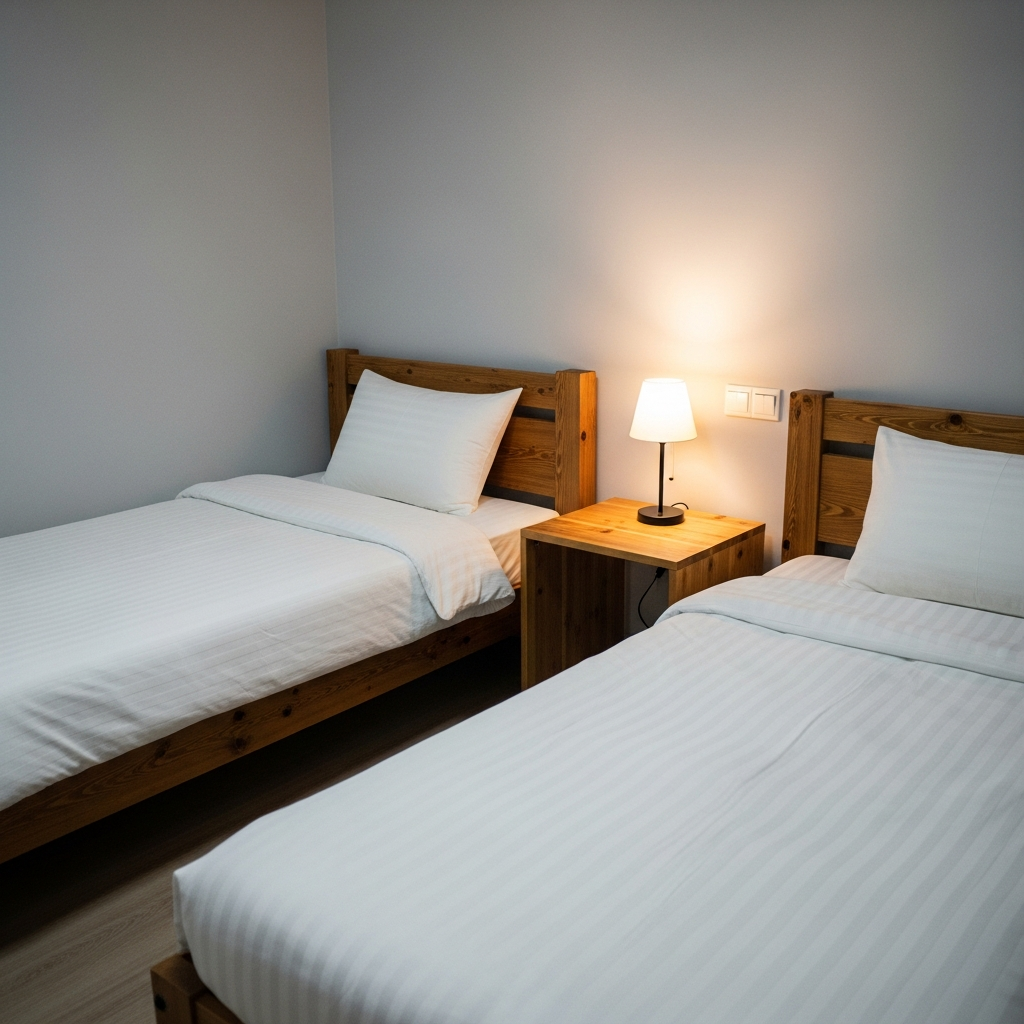
Positioning twin beds in an L-shape tucked into a corner utilizes the perimeter of the room effectively. This leaves the center of the floor open for activities. The corner where the beds meet can be used for a shared nightstand or a corner shelving unit.
3. Integrated Under-Bed Storage
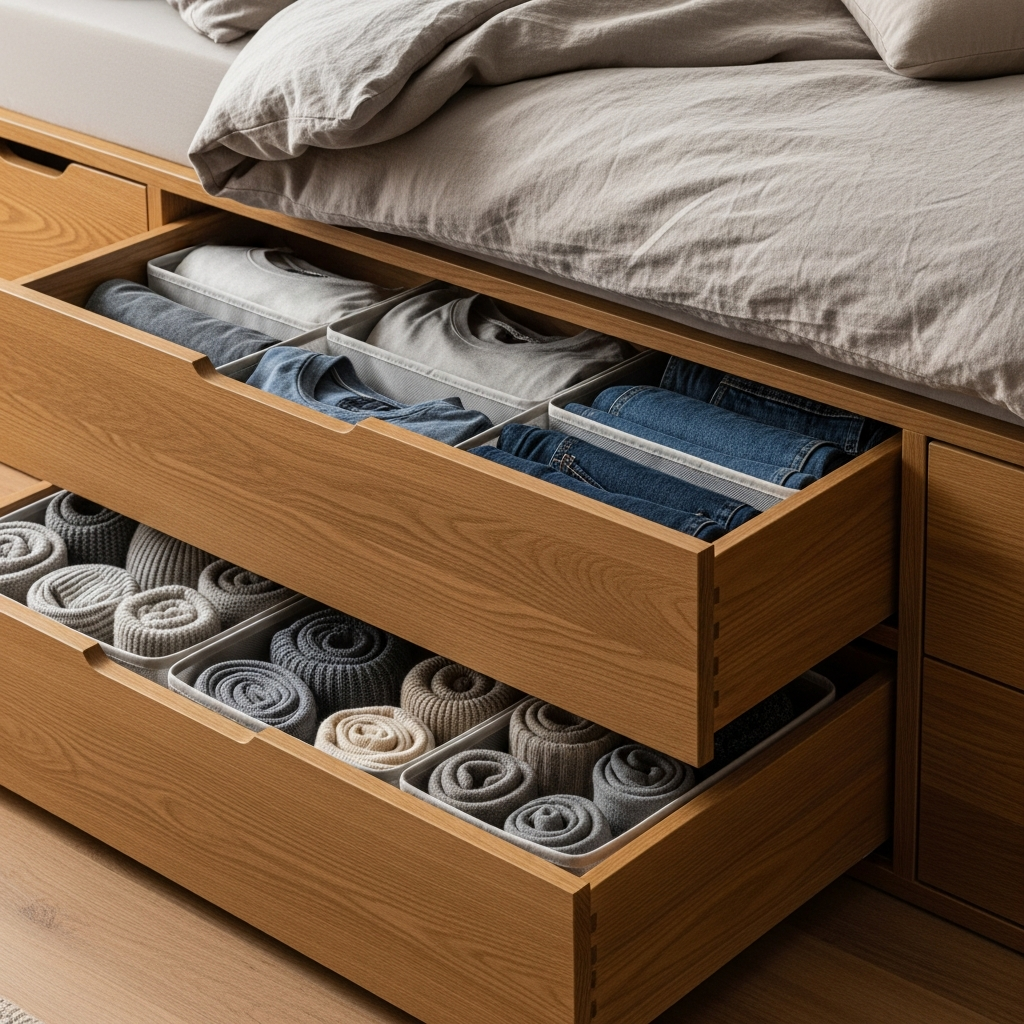
Every inch matters in a small room. Opt for bed frames that feature built-in drawers underneath. These are perfect for storing off-season clothing, extra bedding, or bulky toys, eliminating the need for an additional large dresser in the room.
4. Wall-Mounted Floating Desks
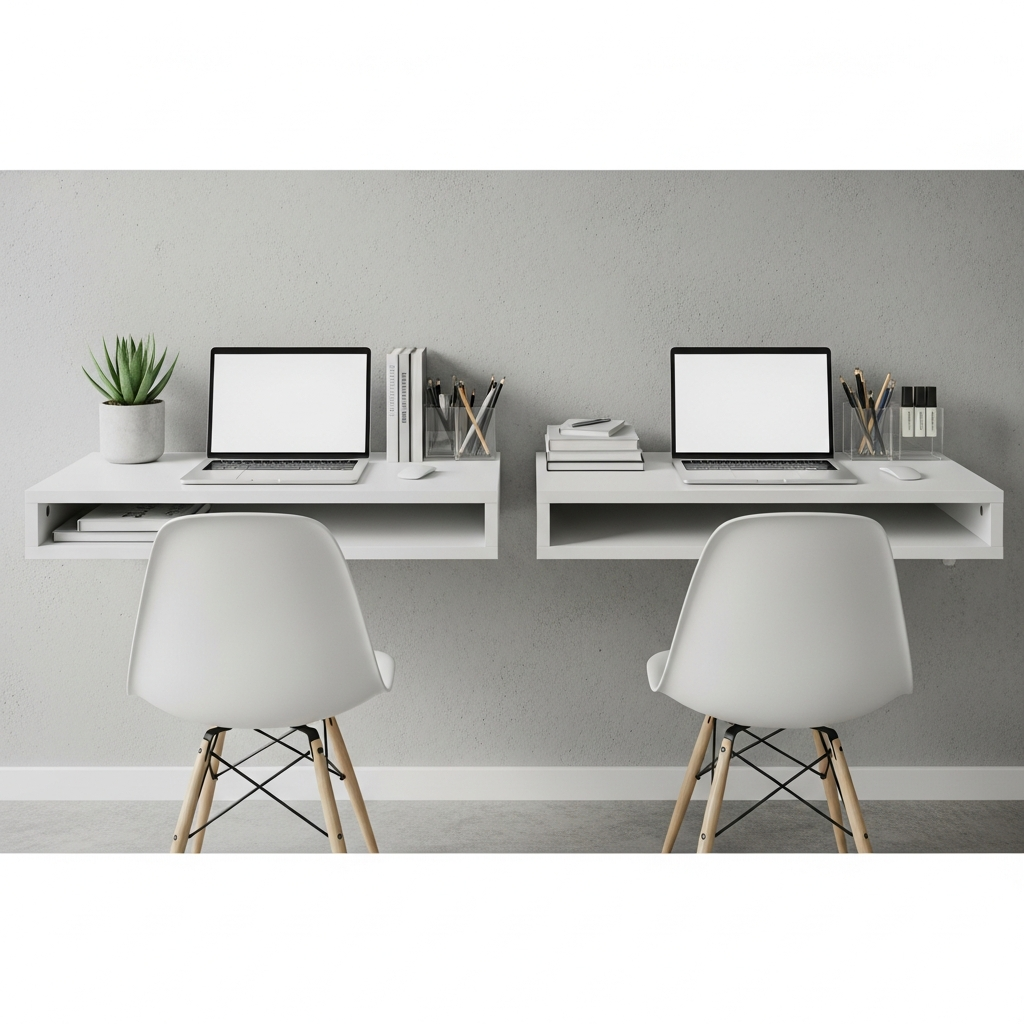
Instead of bulky traditional desks, install floating wall-mounted versions. These take up no floor space and can be placed at different heights to accommodate siblings of different ages. They provide a dedicated study area without the visual weight of heavy furniture.
5. Distinct Color-Coded Zones
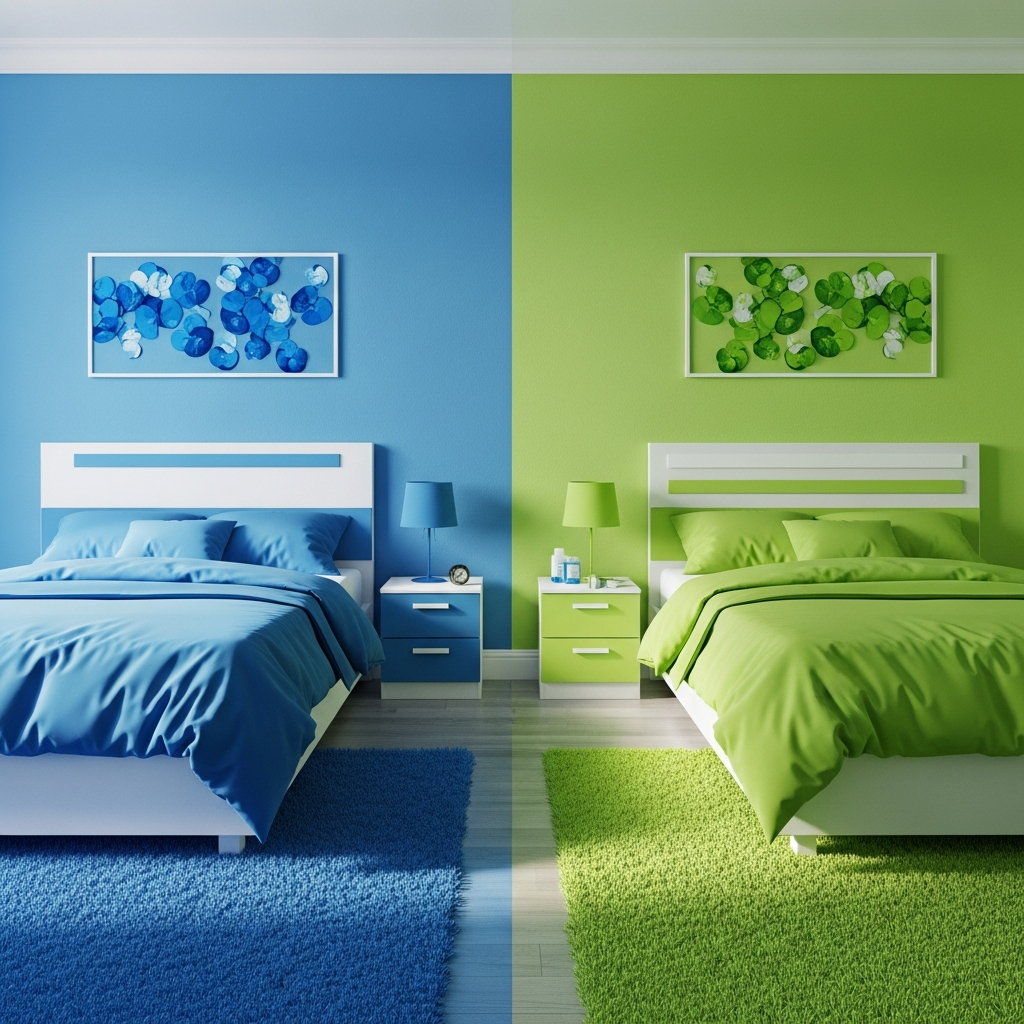
Create a sense of ownership by using color to define each child’s area. While the room remains cohesive through a shared base color, individual accents like pillows, rugs, and wall art in each child’s favorite hue can help delineate personal territory.
6. Slim Vertical Bookshelves
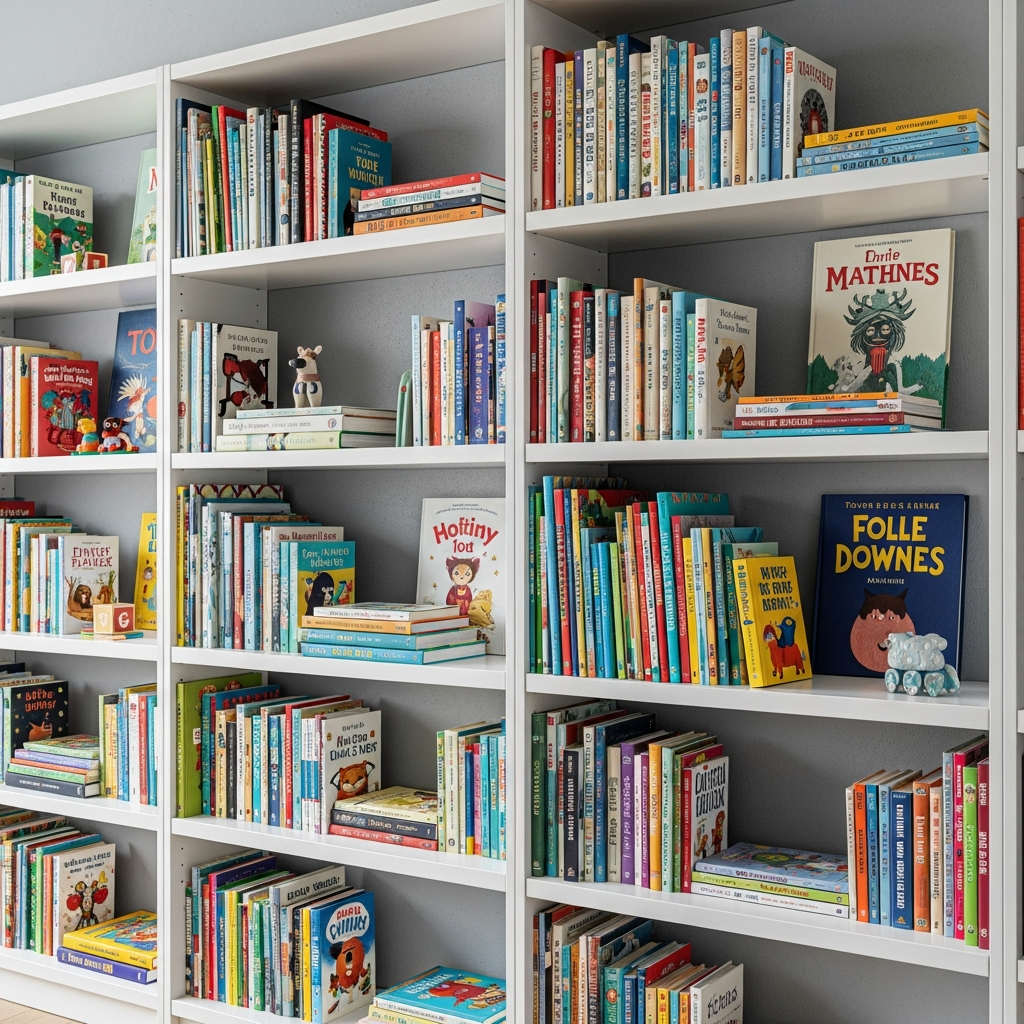
Floor-to-ceiling bookshelves that are narrow and shallow allow for significant book and toy storage without protruding far into the room. This verticality draws the eye upward, making the ceiling feel higher and the room more spacious.
7. Trundle Beds for Flex Space
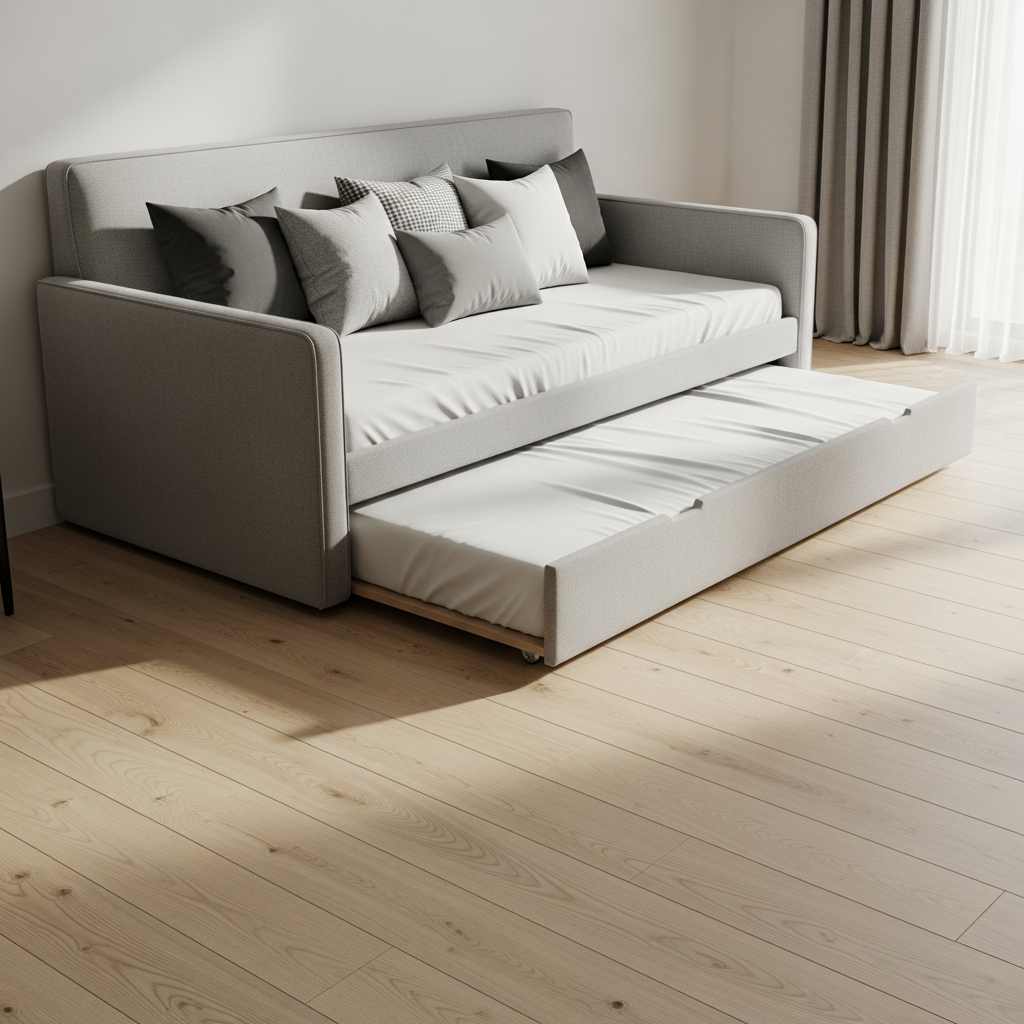
A trundle bed is a smart alternative to bunk beds if the ceiling height is low. One bed slides underneath the other during the day, providing plenty of room to move around, and is simply pulled out at bedtime.
8. Symmetrical Layouts
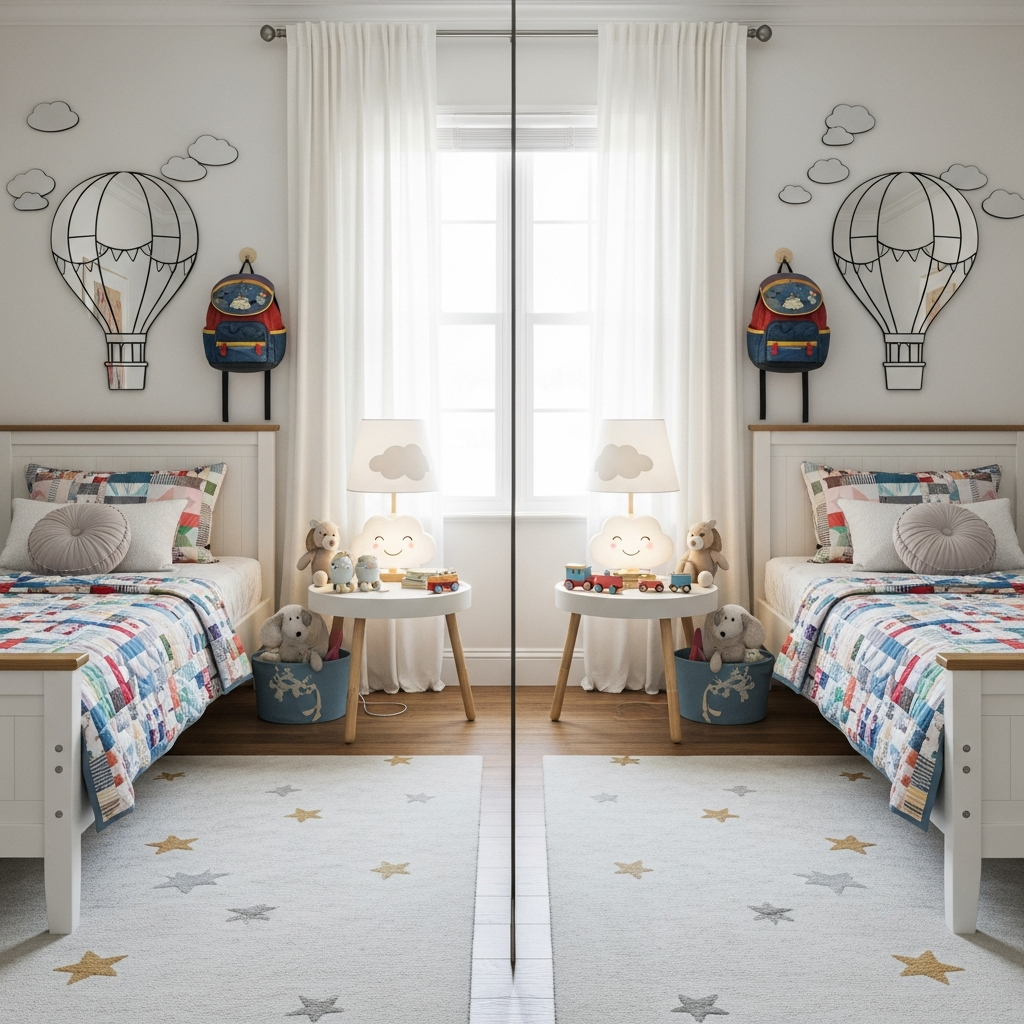
A symmetrical layout creates a sense of order and balance, which can reduce visual clutter in small spaces. Placing identical beds on opposite walls with matching bedding ensures neither child feels slighted while keeping the design tidy.
9. Floor-to-Ceiling Mirrored Closets
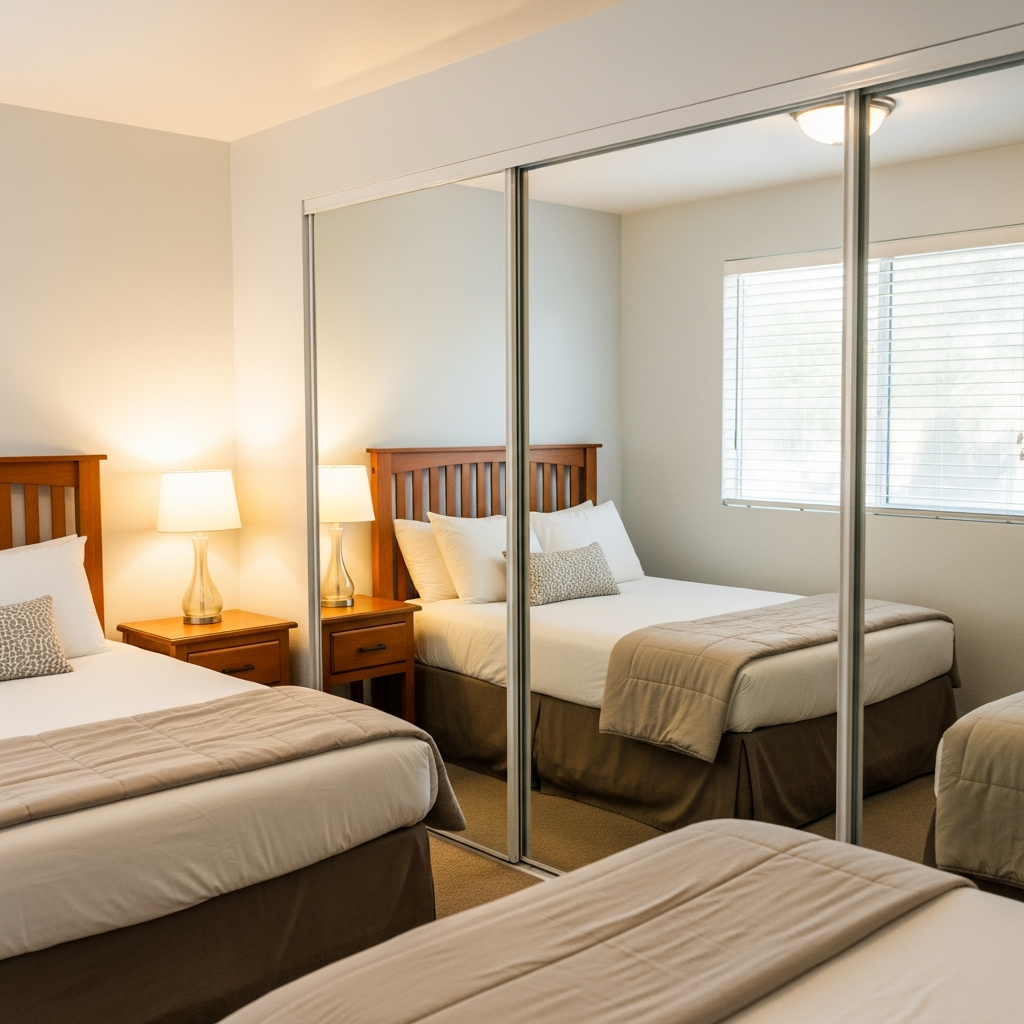
Mirrors are a classic design trick to make a room feel twice its size. Installing mirrored sliding doors on the closet reflects light and the rest of the room, creating an illusion of depth that masks the small dimensions.
10. Privacy Curtains for Each Bed
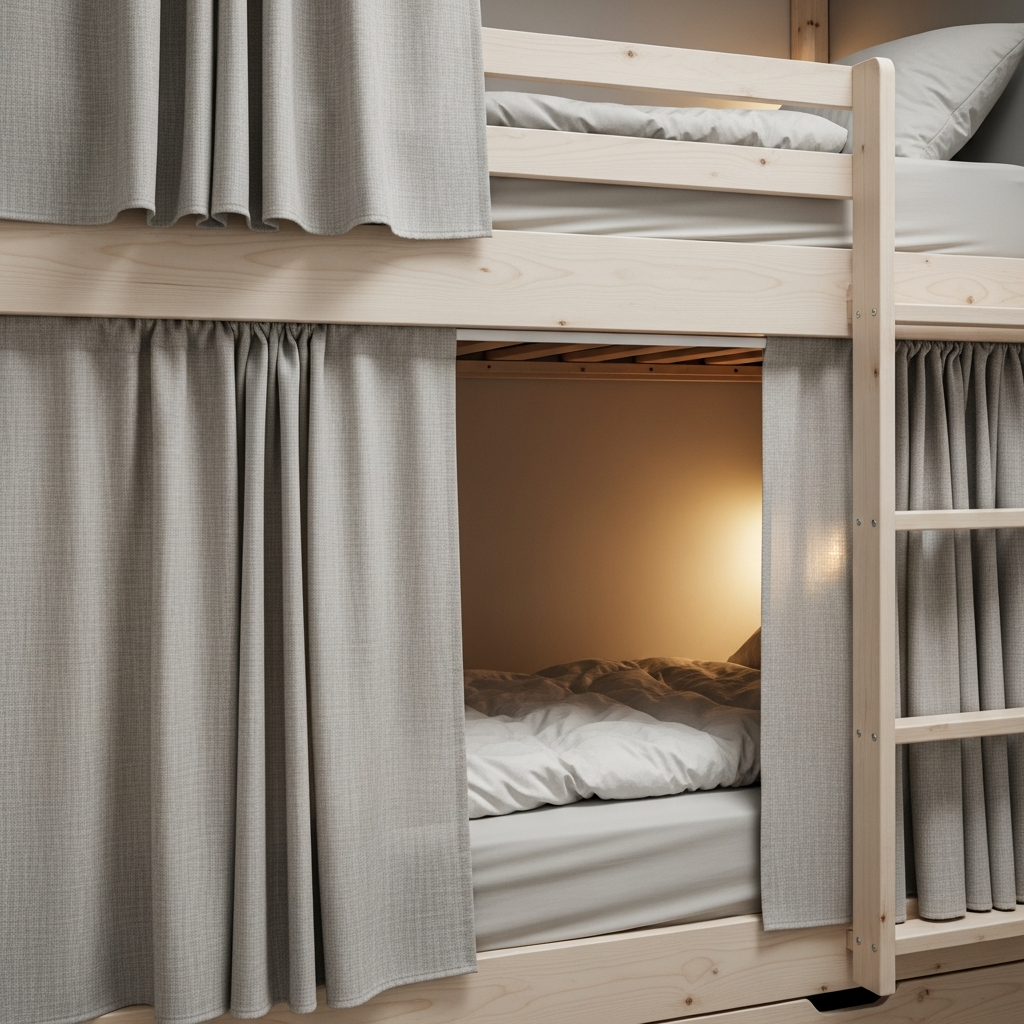
In a shared room, privacy is often the biggest challenge. Installing curtains around bunk beds or between twin beds allows each child to create a private nook for reading or sleeping without being disturbed by their sibling.
11. Shared Central Nightstand
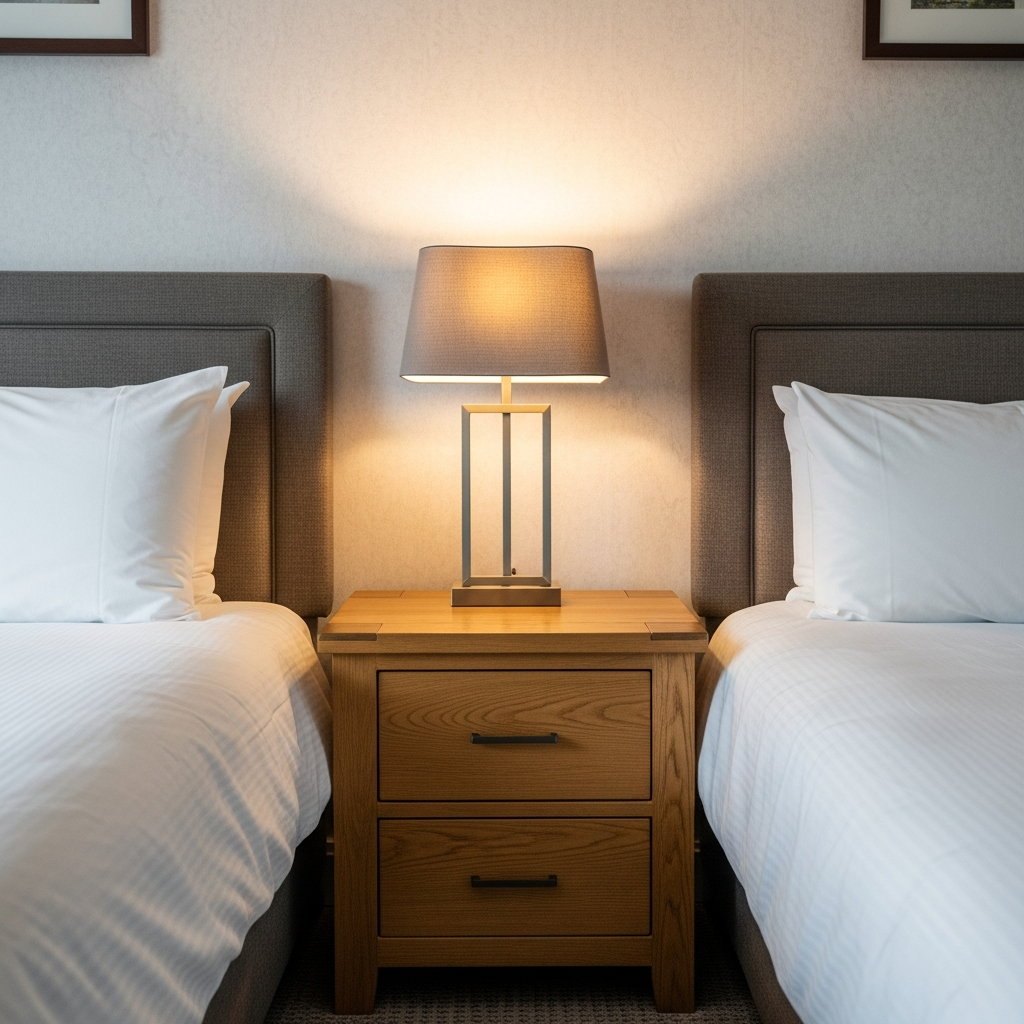
Instead of two separate nightstands, place one slightly larger unit between two beds. This saves floor space and provides a shared surface for a lamp or alarm clock while keeping the middle of the room clear.
12. Vertical Pegboard Organizers
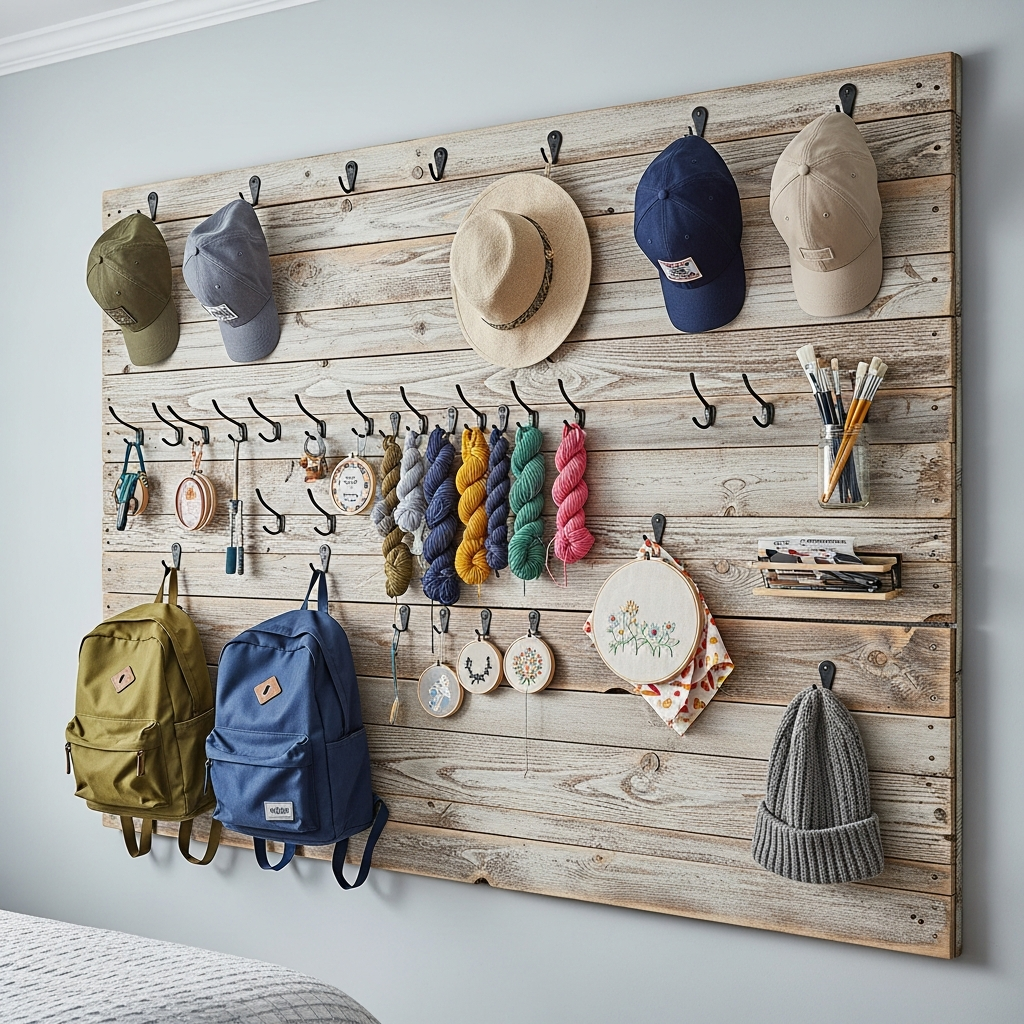
Pegboards offer a customizable storage solution that takes up zero floor space. Children can use them to hang bags, art supplies, or headphones, keeping small items organized and off the desks and floors.
13. Fold-Down Murphy Desks
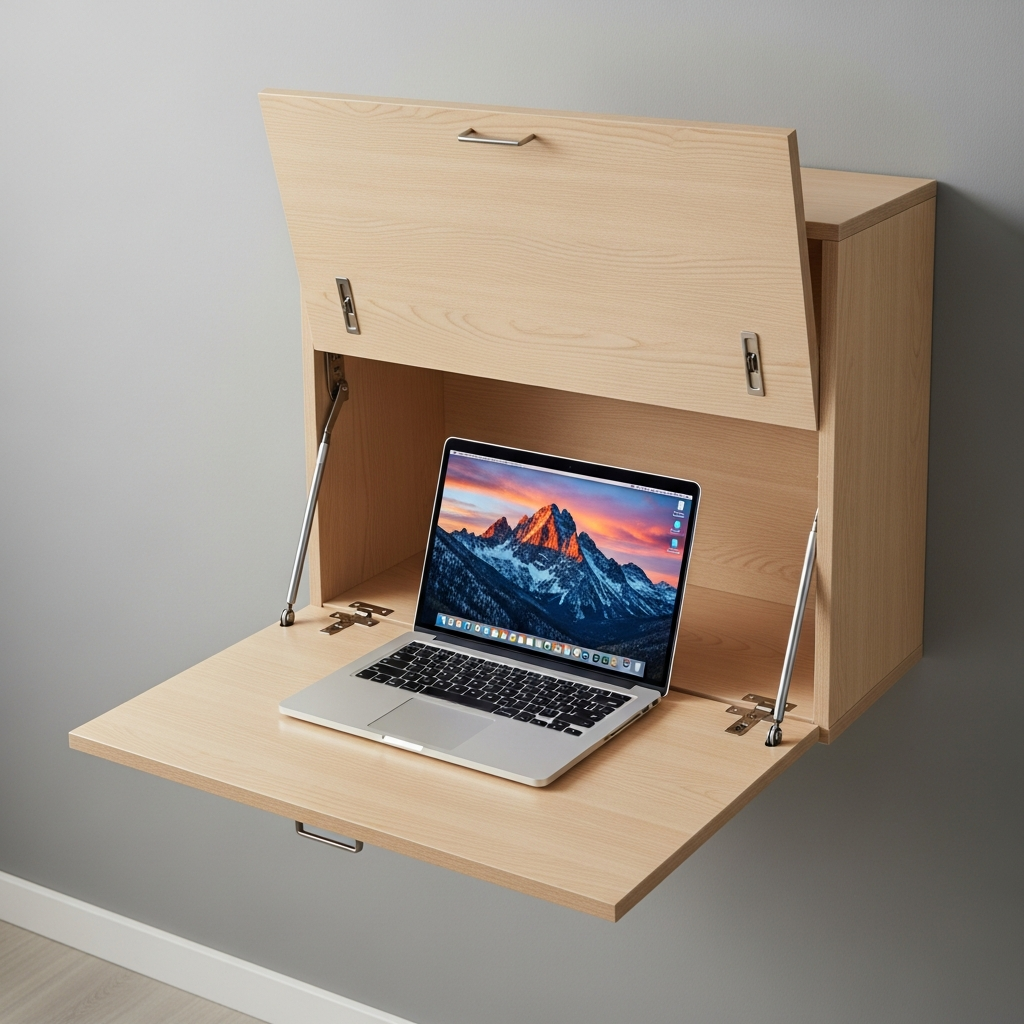
For rooms that are exceptionally tight, fold-down desks are a game-changer. These units look like a small cabinet on the wall but flip down to provide a sturdy work surface, then disappear when the school day is over.
14. Staggered Loft Bed Design
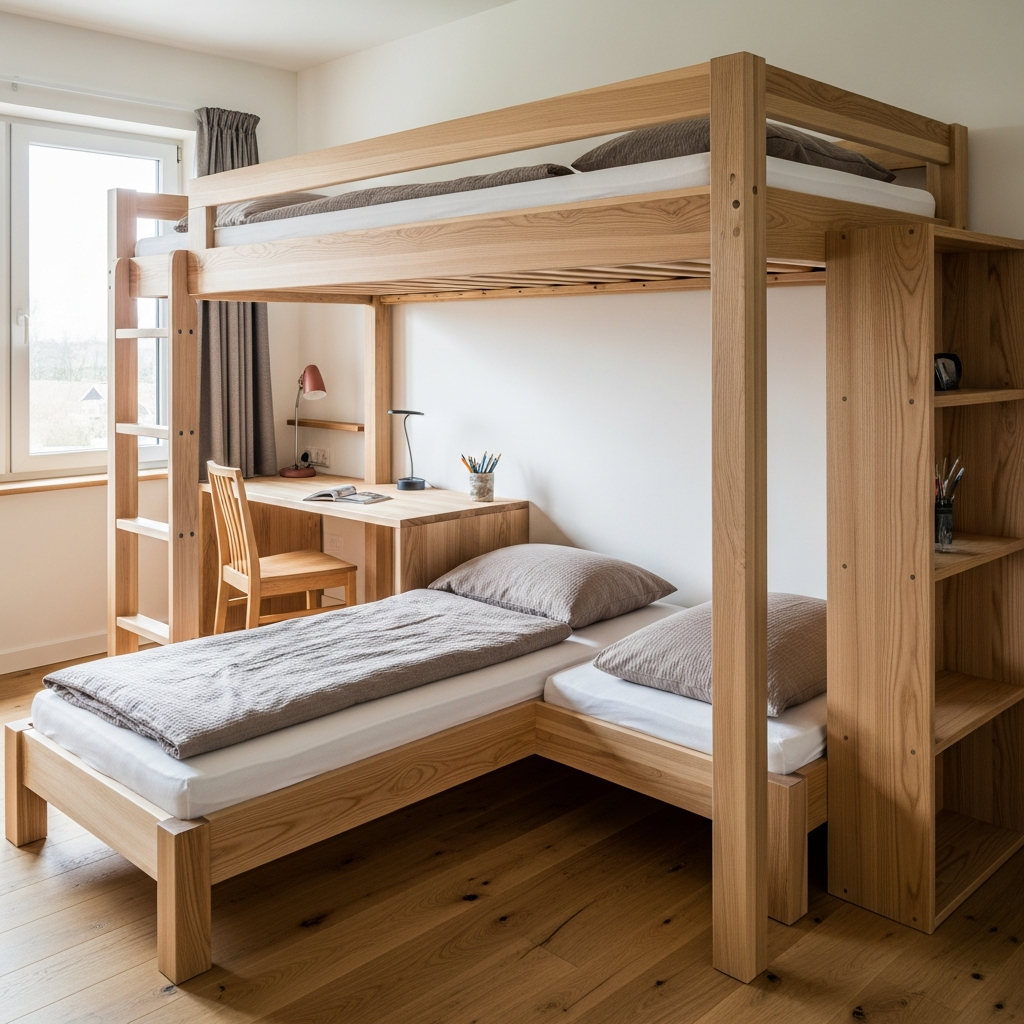
Staggering loft beds allows for storage or desk space to be built directly into the frame. Unlike traditional bunk beds, the bottom bed can be placed perpendicular to the top, creating a more open feel and additional corner room.
15. Sliding Barn Doors for Closets
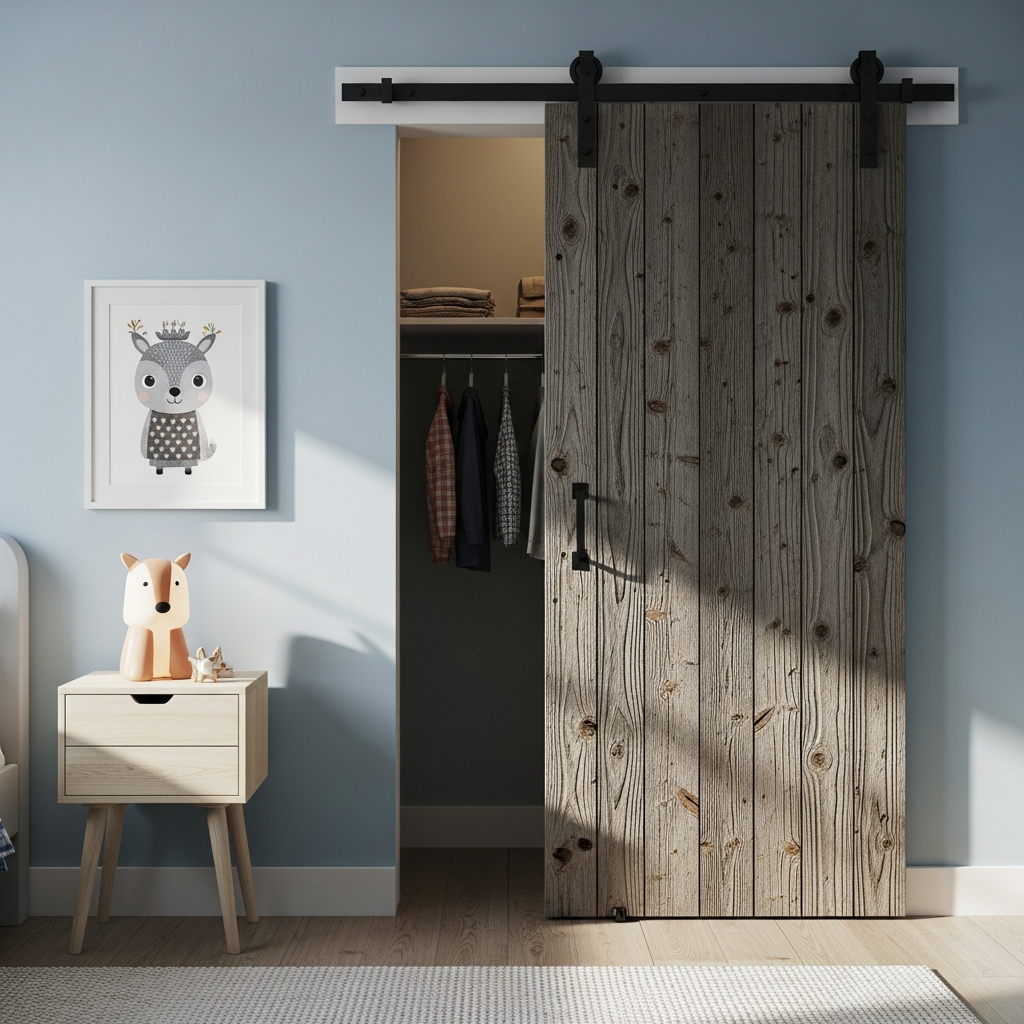
Traditional closet doors that swing outward require a clear arc of space that can’t be used for furniture. Sliding barn doors or pocket doors eliminate this need, allowing you to place furniture closer to the closet entry.
16. Neutral Palettes with Textures
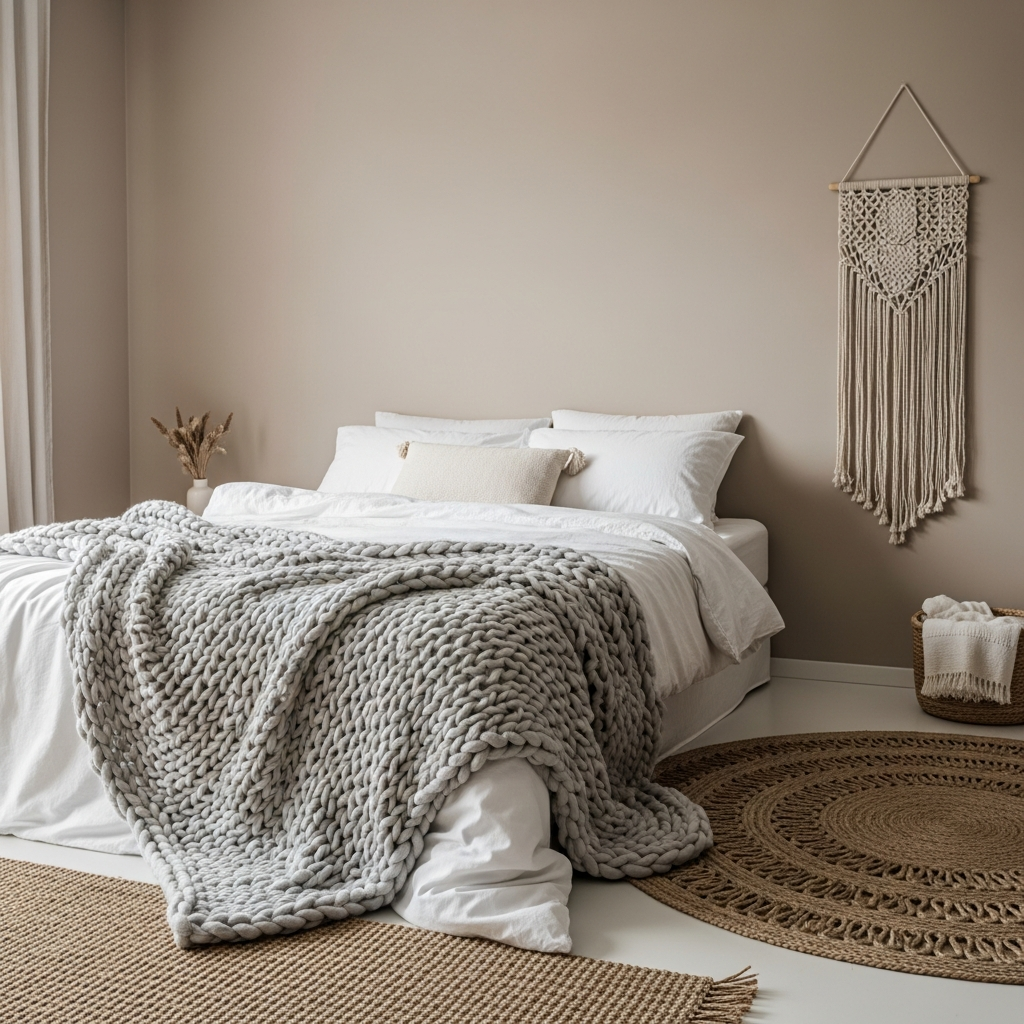
Using a monochromatic or neutral color palette helps a small room feel airy and cohesive. Instead of busy patterns, use different textures like woven rugs, knit throws, and smooth wood to add visual interest without overwhelming the space.
17. Multi-Functional Storage Ottomans
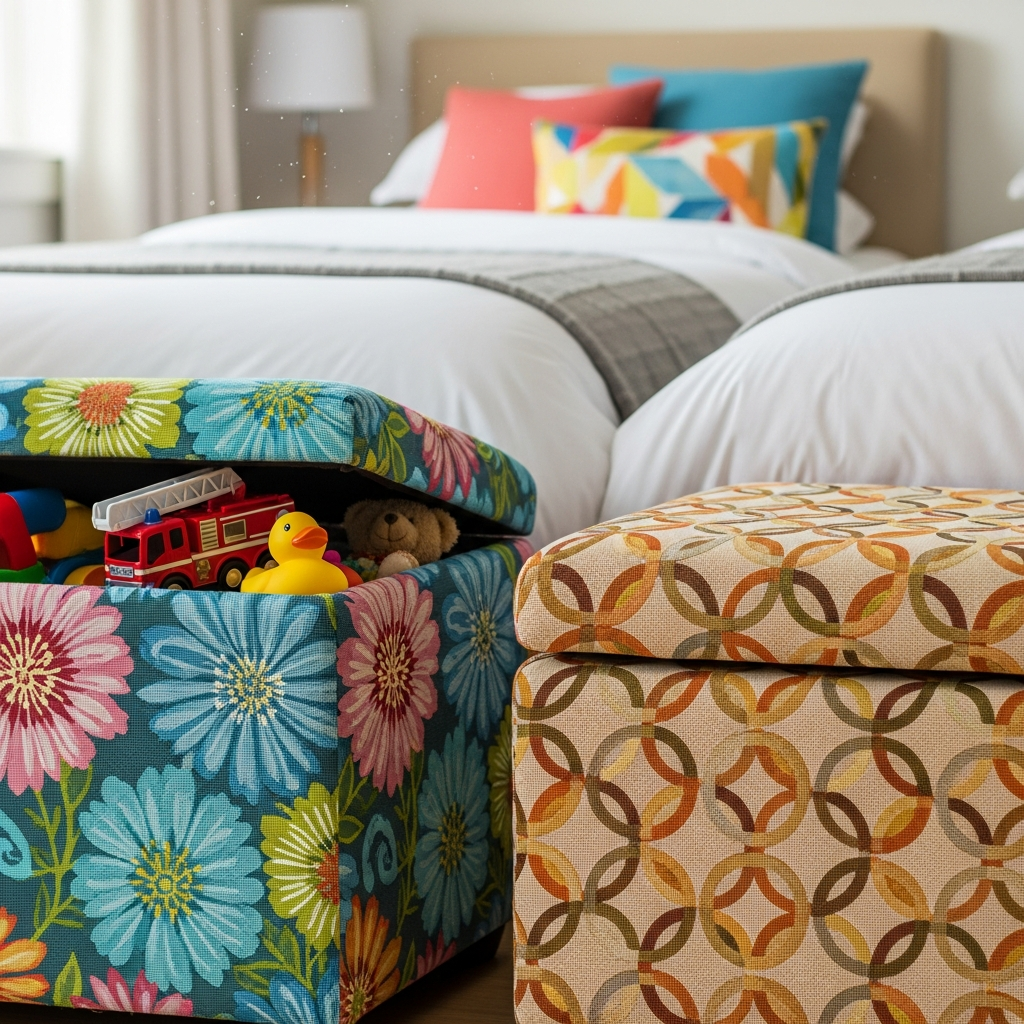
Ottomans that open up for storage can serve as seating for a desk, a step-up for a bed, and a place to hide toys. Choosing pieces that serve multiple purposes is key to successful small-room living.
18. Custom Window Seat Nooks
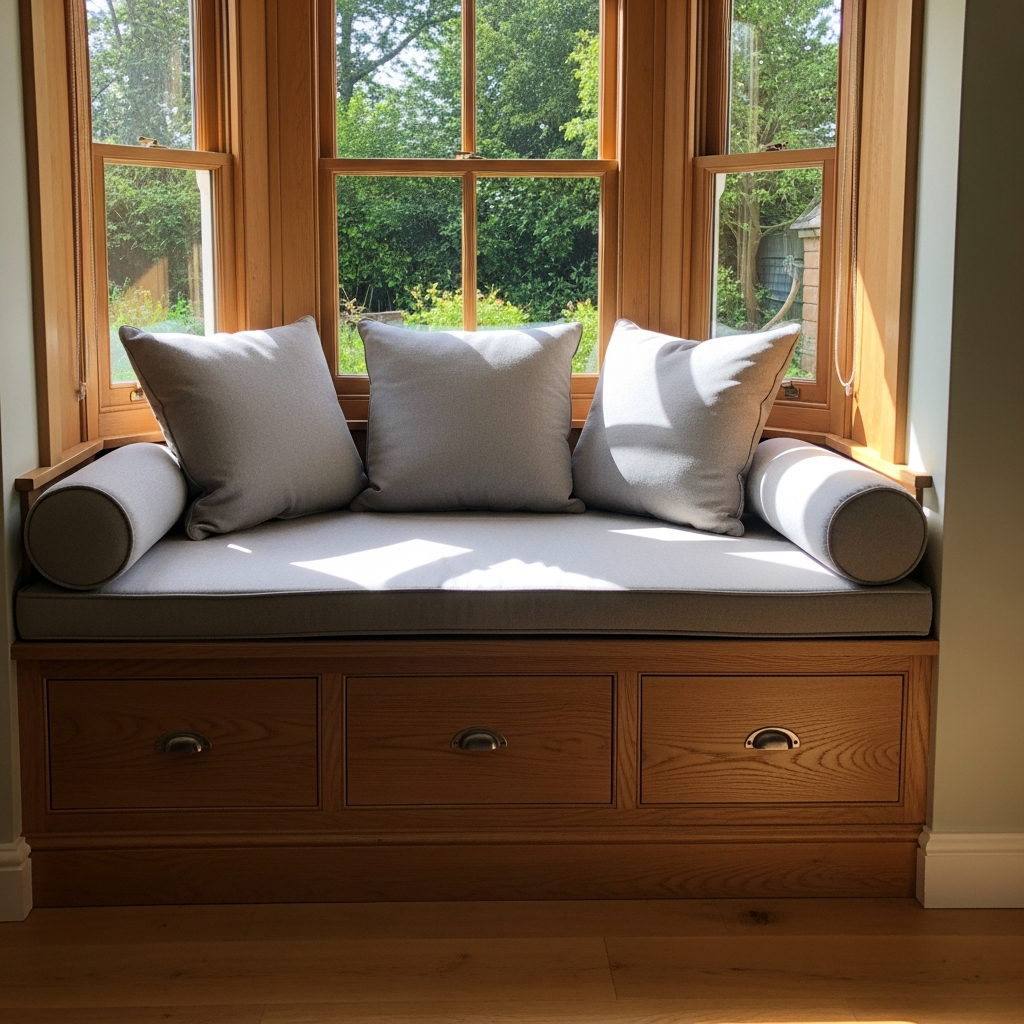
If the room has a window, consider building a window seat with storage underneath. This creates a cozy reading spot that doesn’t require extra chairs and utilizes the space right against the wall.
19. Over-the-Door Storage Racks
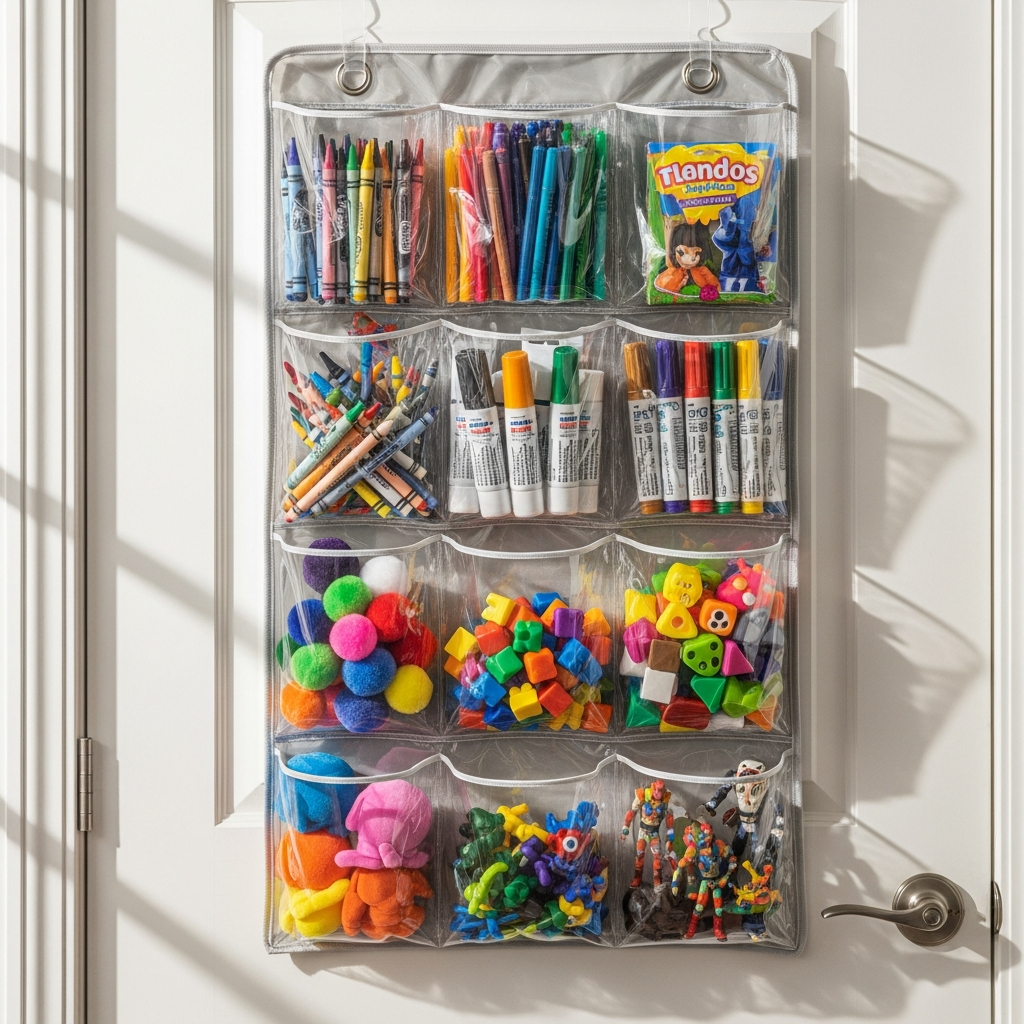
The back of the door is often neglected storage real estate. Use clear pocket organizers for shoes, art supplies, or small toys to keep the floor clear of clutter.
20. Hanging Wardrobe Organizers
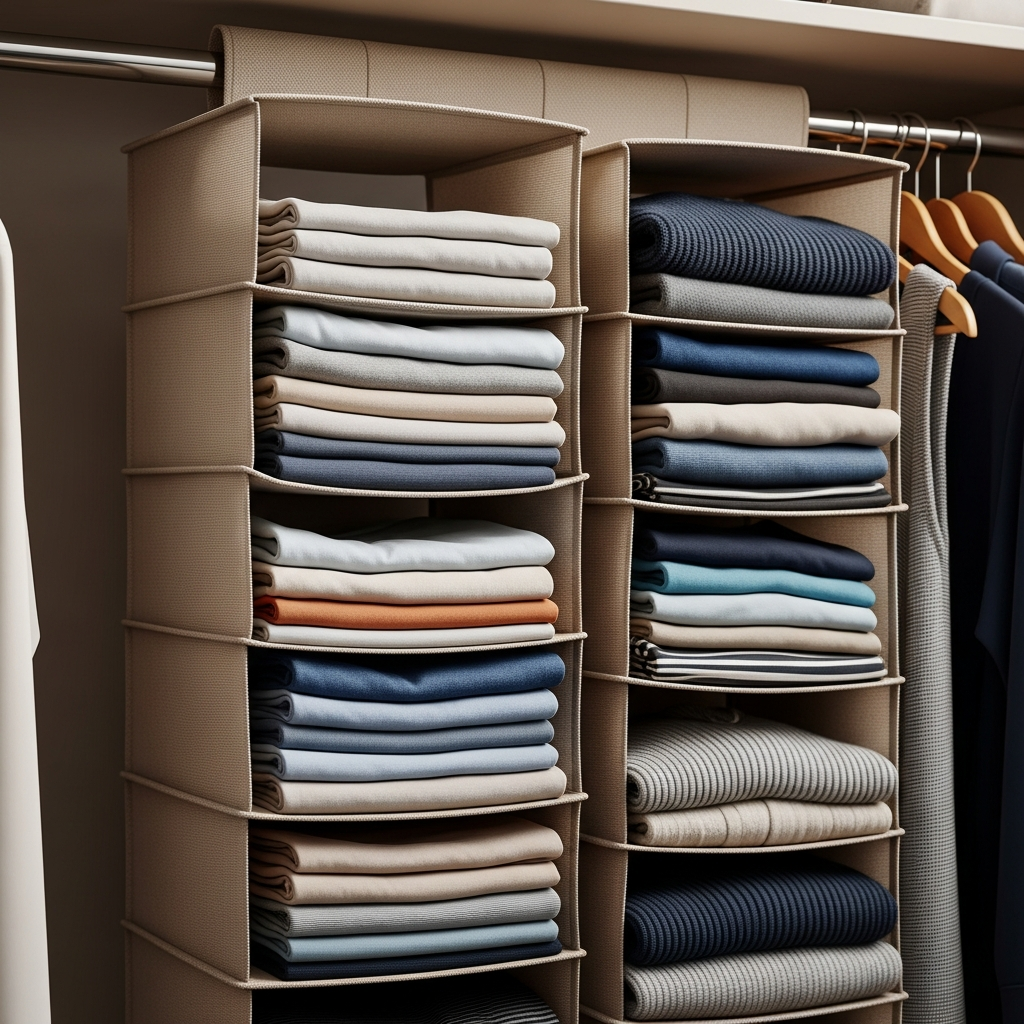
Within the closet, use hanging fabric shelves to double the storage capacity for folded clothes. This is an inexpensive way to organize without needing to buy a separate dresser.
21. Wall-to-Wall Low-Profile Rugs
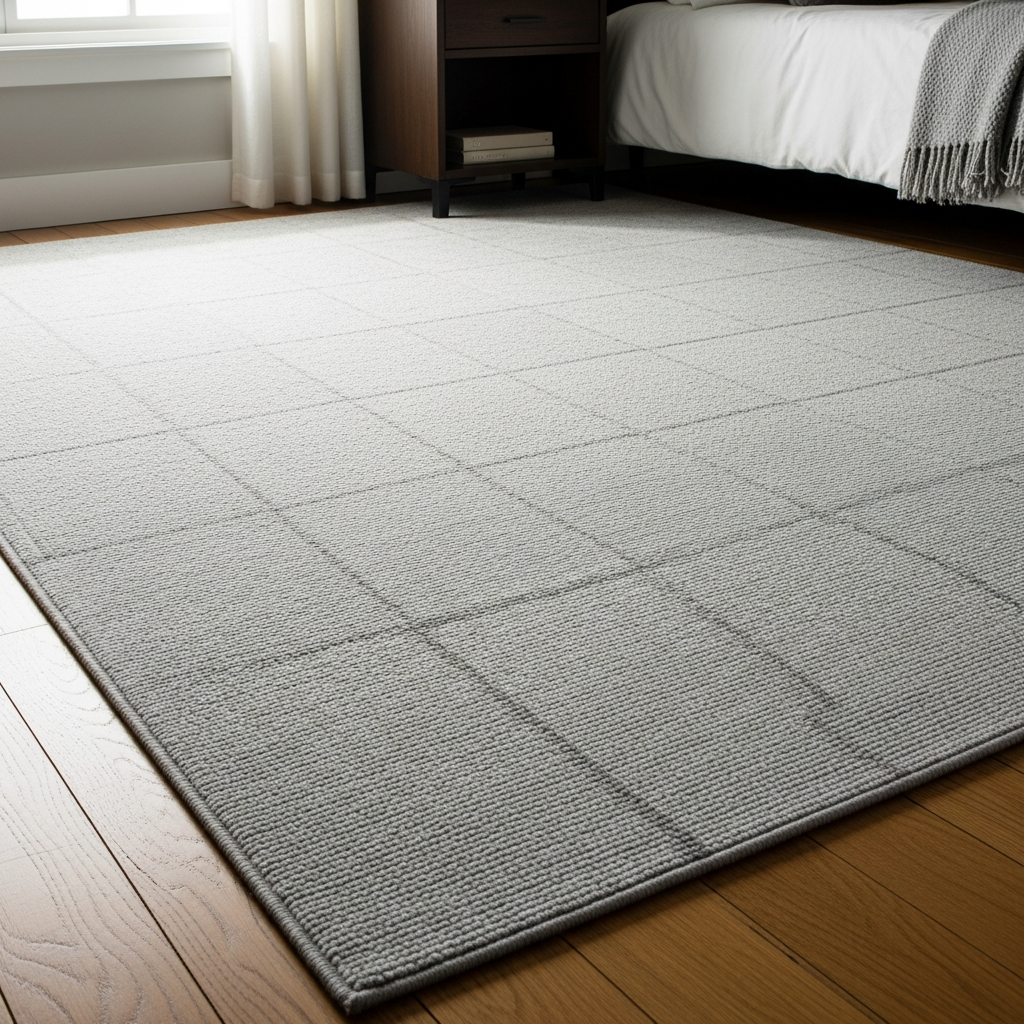
A large rug that covers most of the floor makes a room feel more expansive than several small rugs. Choose a low-pile option to ensure it is easy to clean and won’t interfere with the opening of doors.
22. Minimalist Furniture Legs
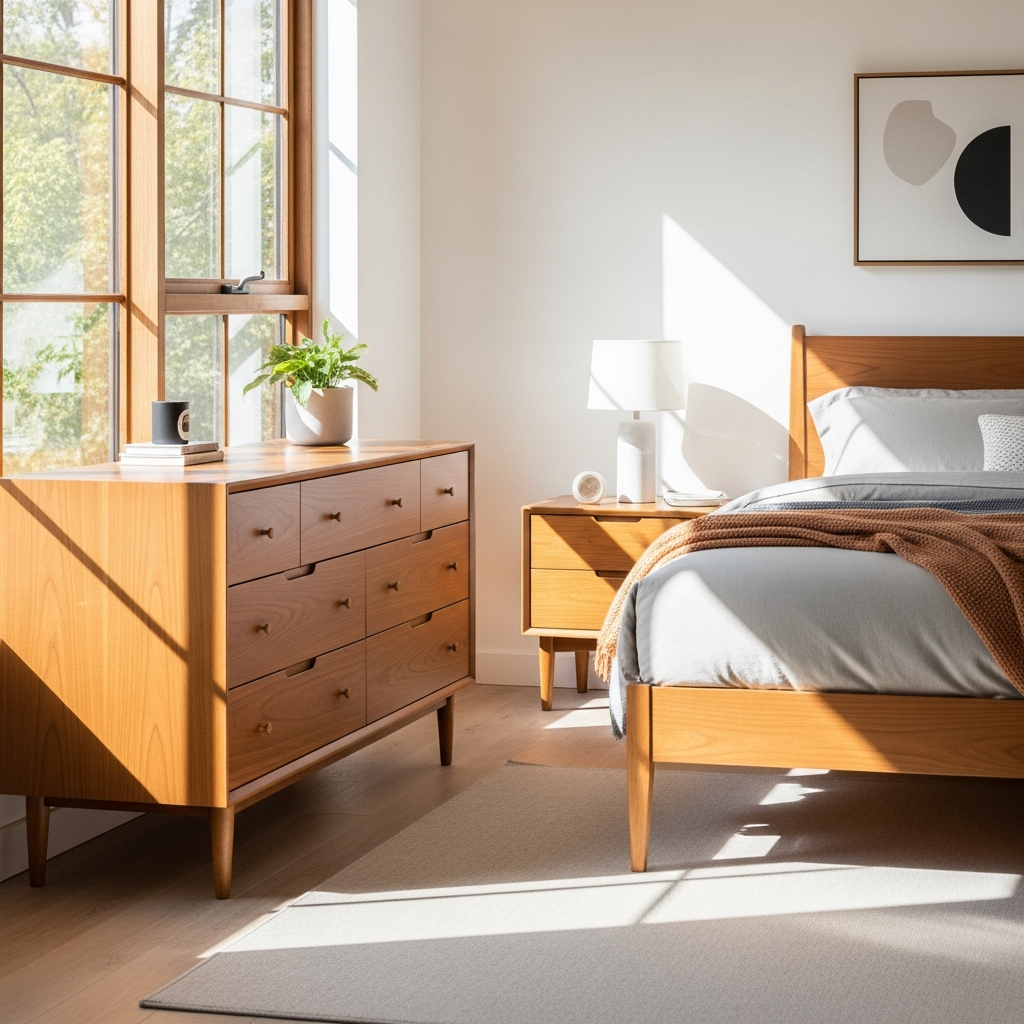
Furniture with exposed, slender legs creates a sense of openness because you can see the floor underneath it. This prevents the room from feeling ‘blocked’ by heavy, solid furniture pieces.
23. Hidden Toy Chests in Bed Frames
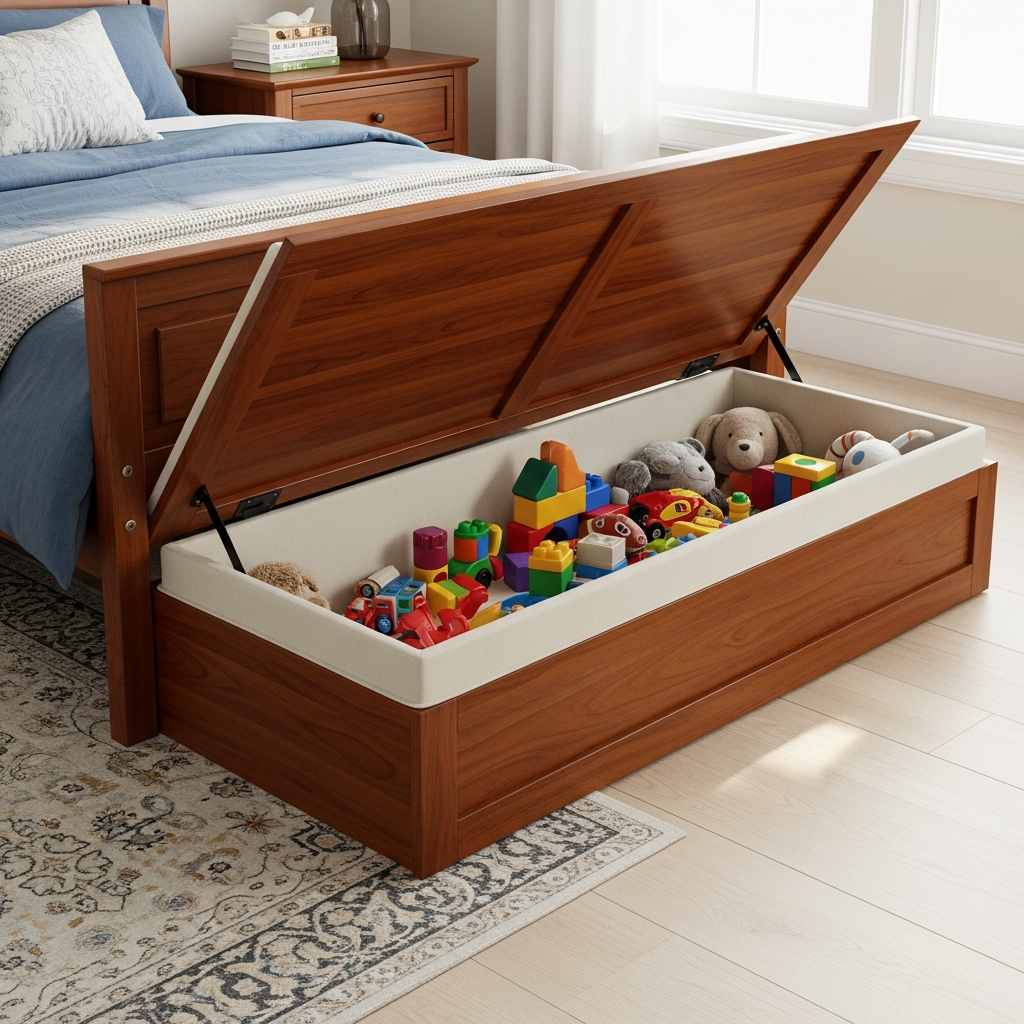
Look for headboards or footboards that double as chests. This builds the storage directly into the most essential piece of furniture in the room, keeping the central area open for movement.
24. Clip-On Reading Lights
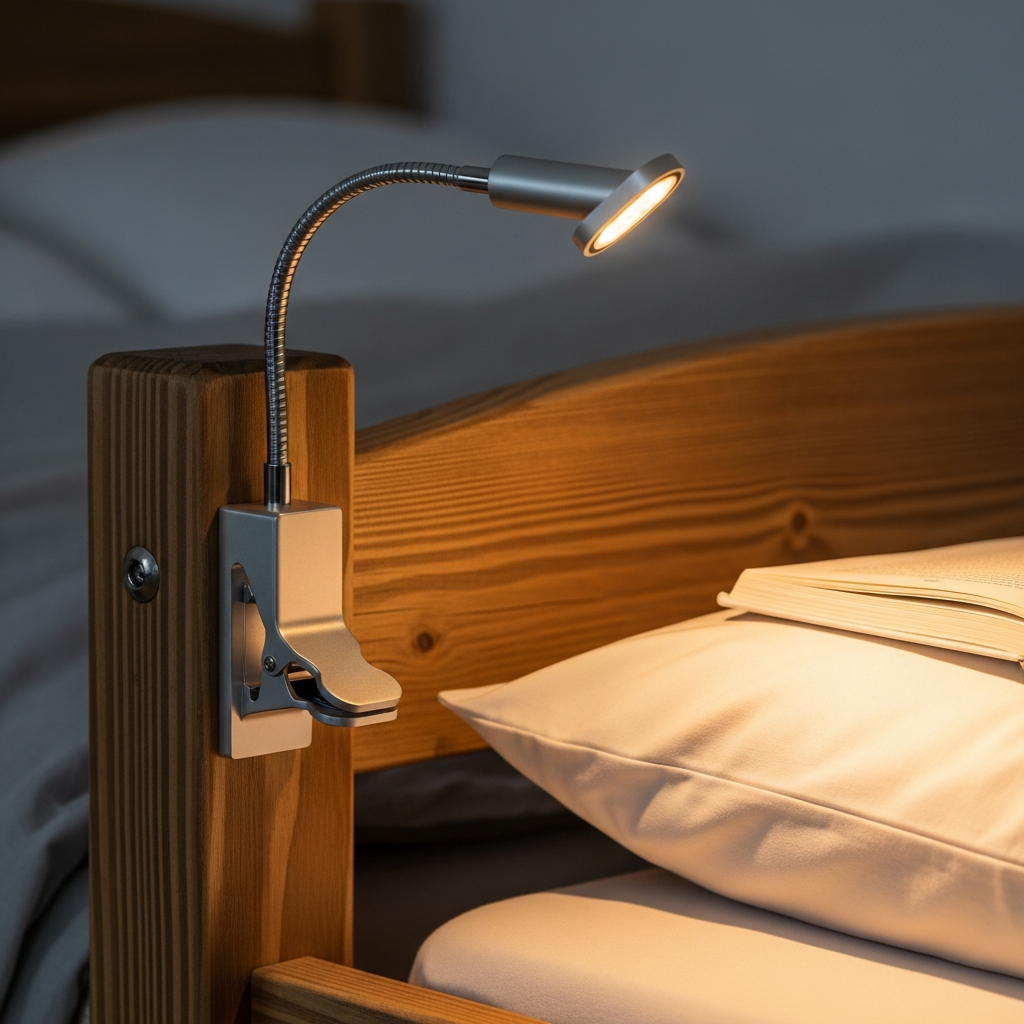
Save space on nightstands by using clip-on LED lights or wall-mounted sconces. This provides dedicated lighting for each child to read at night without needing a large lamp base on a table.
25. Personalized Wall Decals
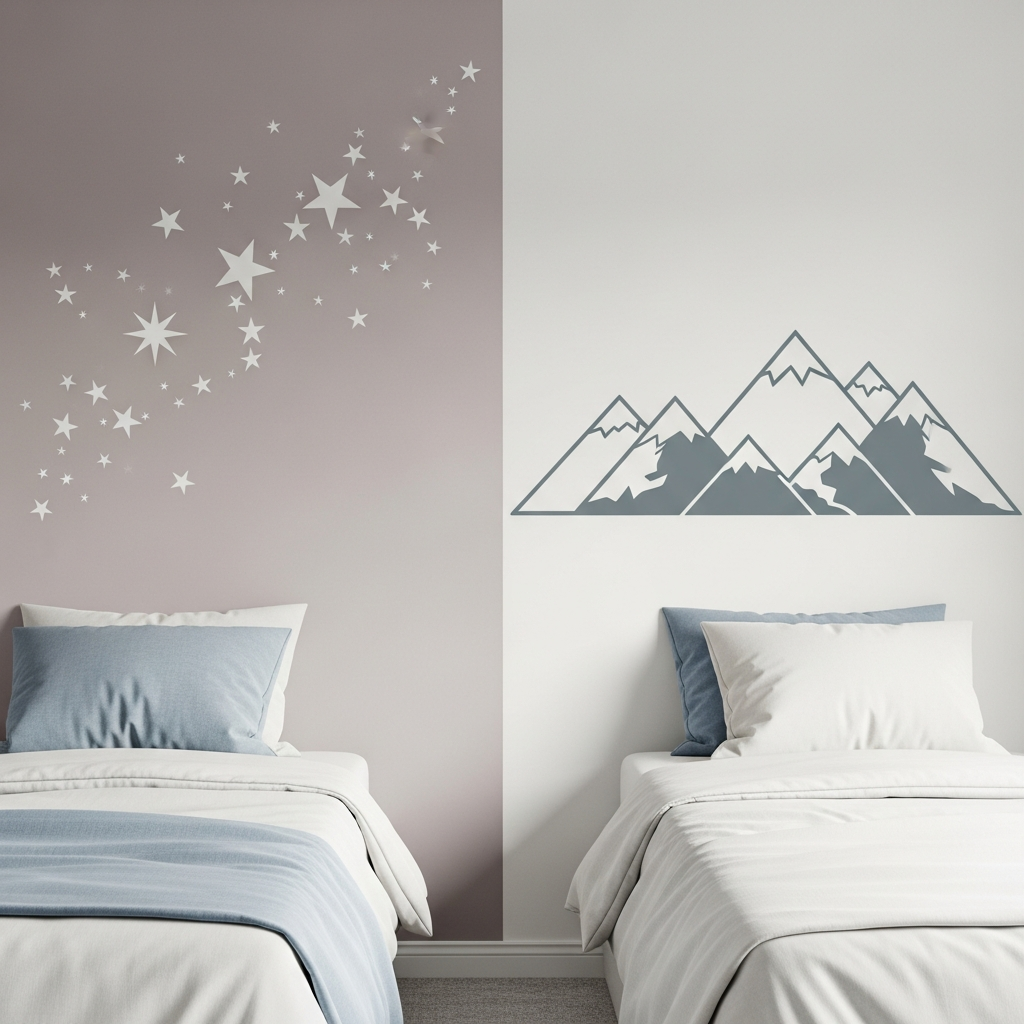
Instead of bulky frames or shelving for decor, use wall decals to personalize each child’s side. Decals take up zero physical space and can be easily changed as the children’s tastes evolve.
26. Accordion Style Room Dividers
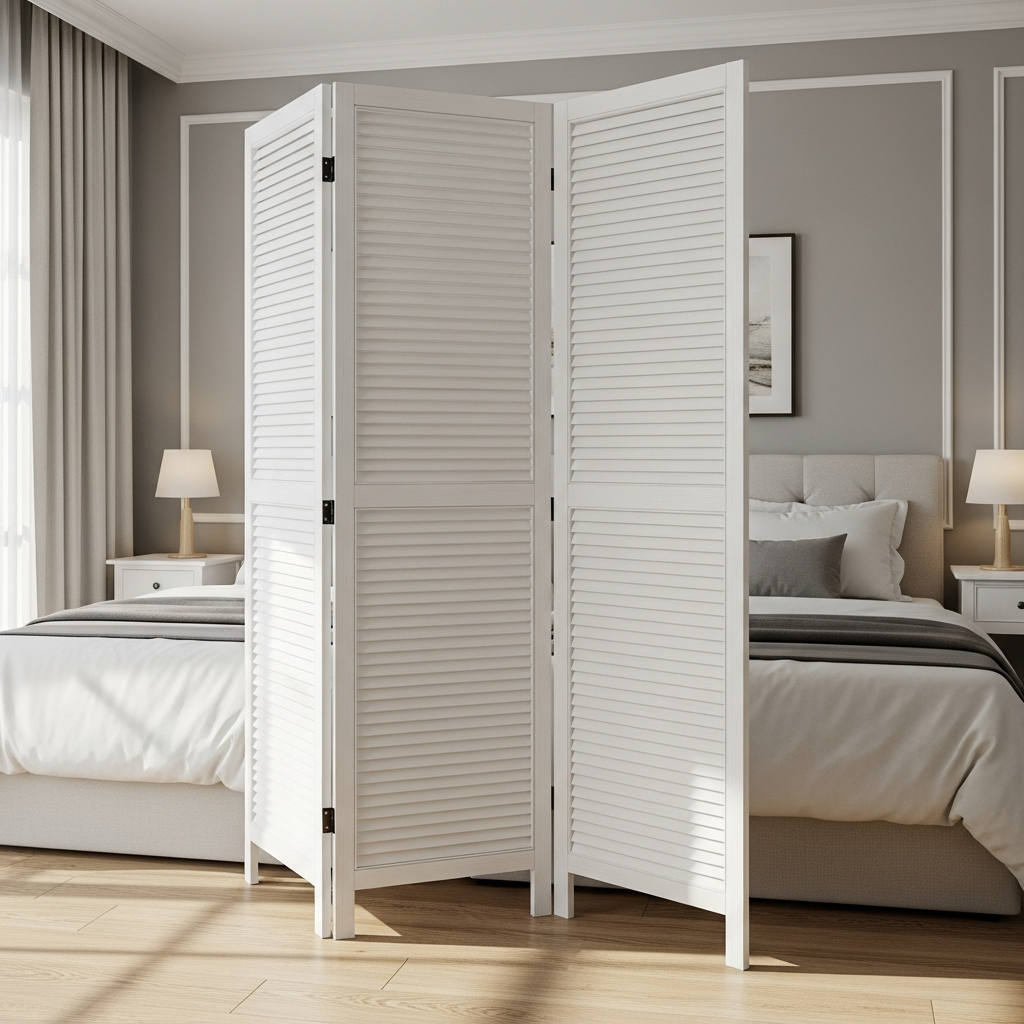
A lightweight accordion or folding screen can be used to temporarily divide a room during quiet time or sleep. These can be folded flat against the wall when they are not in use, preserving the open feel of the room.
27. Triple Bunk Beds for High Ceilings
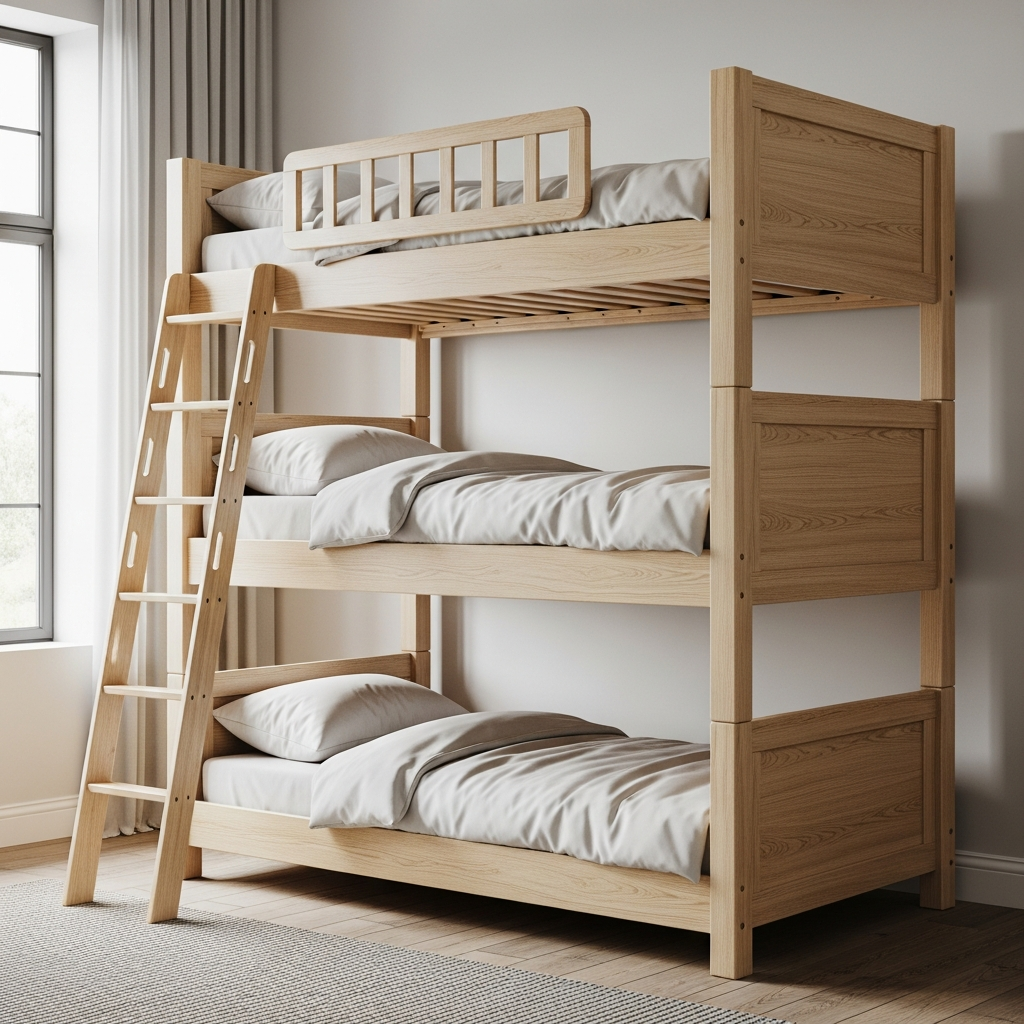
If you have high ceilings but very little floor space, a triple bunk bed can be an extreme space saver. Even for two kids, the extra bunk can serve as a storage area or a designated play ‘fort’.
28. Back-to-Back Desk Setup
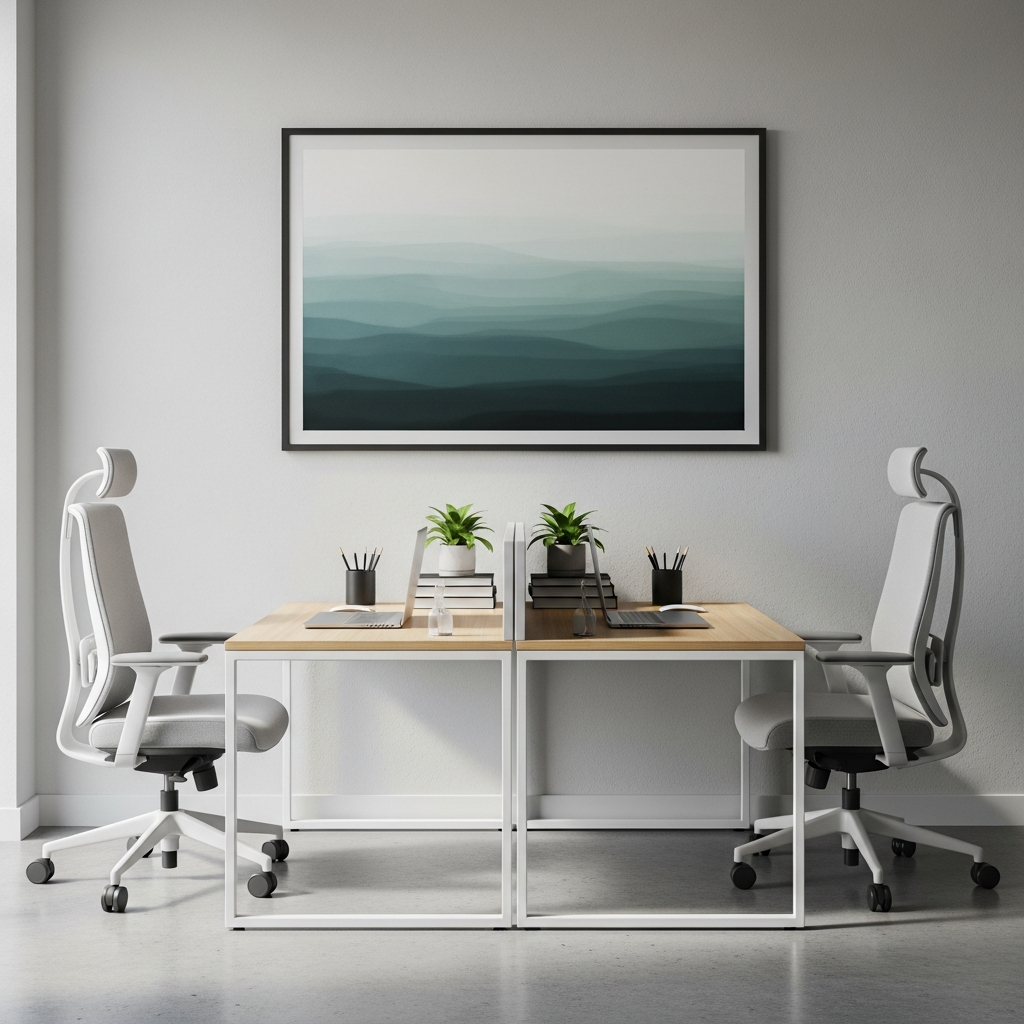
Placing two small desks back-to-back in the middle of a wall allows siblings to work together while maintaining their own defined surface. This often fits better than two desks on separate walls.
29. Corner Storage Baskets
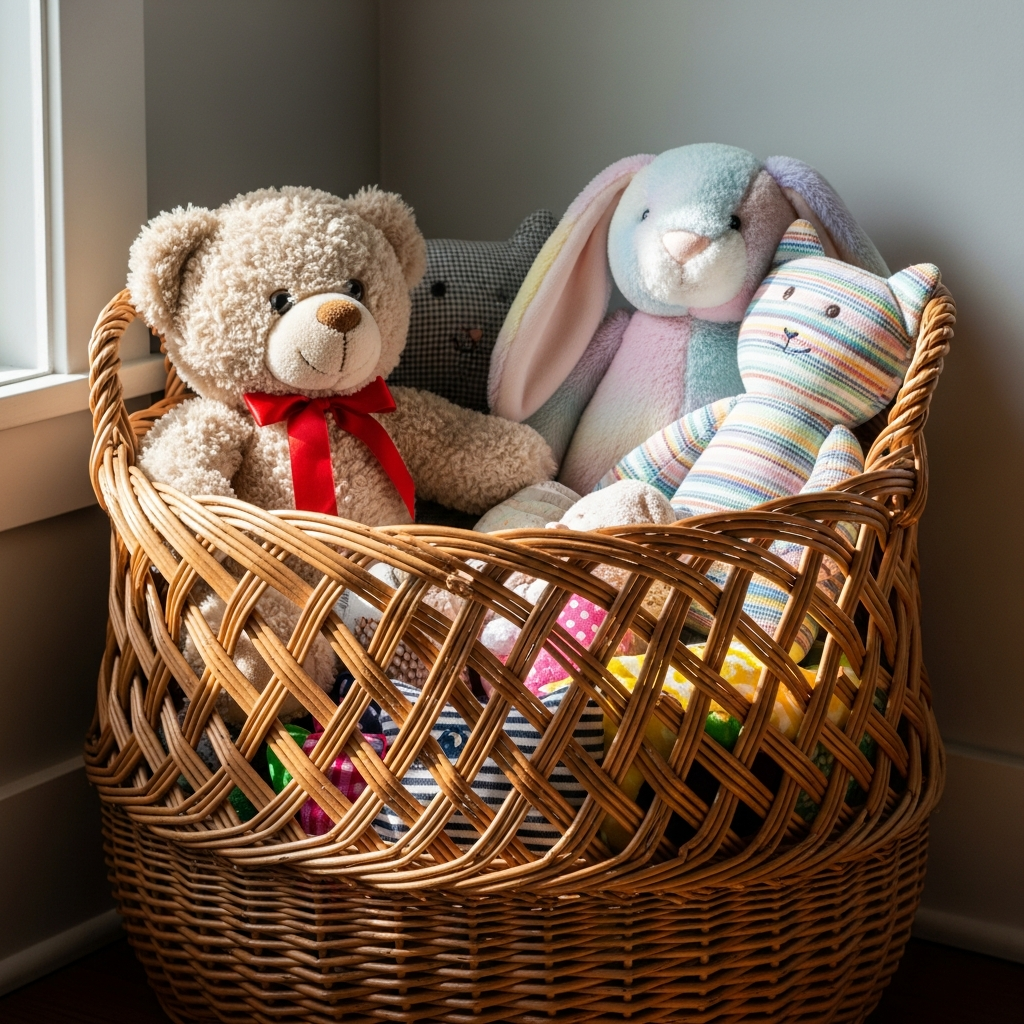
Utilize dead corners with tall, woven baskets. These are perfect for quickly throwing in stuffed animals or sports equipment at the end of the day, keeping the walking paths clear.
30. Acrylic or Ghost Chairs
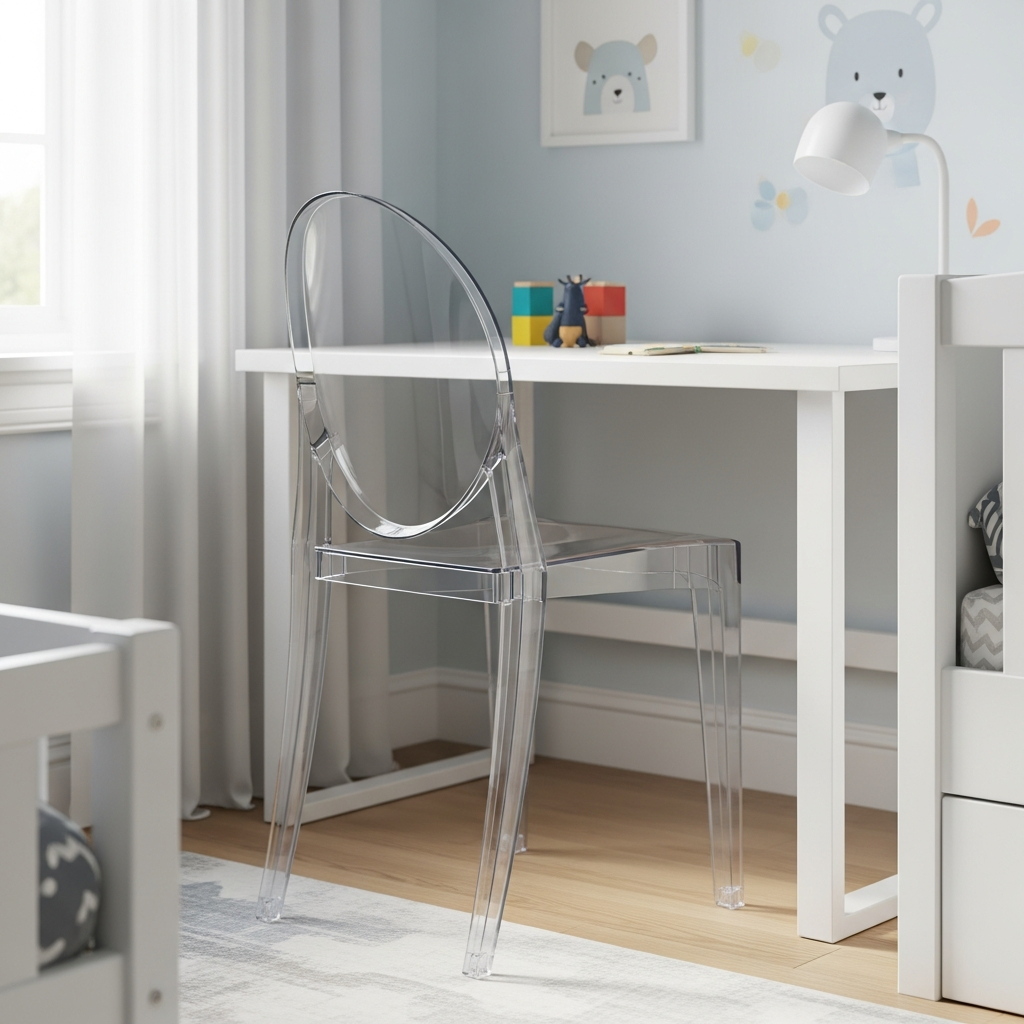
Using transparent acrylic chairs for desks allows light to pass through them, making them nearly invisible in the room. This reduces visual ‘noise’ and helps the room feel less crowded.
Conclusion
Creating a shared bedroom for two children in a limited space is entirely possible with thoughtful planning and creative furniture choices. By prioritizing vertical storage, multi-functional pieces, and clear personal zones, you can ensure the room is both efficient and welcoming. The key is to minimize floor-bound clutter and use design tricks like mirrors and light colors to enhance the sense of space. With these thirty ideas, your children can enjoy a room that supports their growth, provides privacy, and maximizes every inch of your home.