Simple Ways to Beat Winter Parenting Struggles
Winter is a season of cozy sweaters, warm soups, and family moments. But for parents, it can also be a season of struggles. Cold weather brings new challenges—kids falling sick, staying indoors too long, and getting bored easily. Many parents find it hard to balance their children’s health, happiness, and routines during these months.
If you’re a parent wondering how to make winter easier, you’re not alone. The good news is that with a few simple strategies, you can handle these common struggles and enjoy the season together.
This article will share practical and smart ways to overcome winter parenting challenges while keeping your kids healthy, active, and cheerful.
Understanding Winter Parenting Struggles

Winter can disrupt the usual family rhythm. Shorter days mean less outdoor playtime, colder temperatures can make kids cranky, and the constant cycle of colds and flu can test anyone’s patience.
Here are some of the most common parenting struggles during winter:
- Kids catching frequent colds or flu
- Low energy and mood changes due to less sunlight
- Excessive screen time because of indoor restrictions
- Trouble keeping a consistent sleep schedule
- Difficulty in maintaining healthy eating habits
Understanding these struggles is the first step to solving them. Once you know what causes stress, you can take simple steps to manage it better.
1. Strengthen Your Kids’ Immunity

One of the biggest winter worries for parents is keeping kids healthy. Cold weather doesn’t directly cause illness, but it makes viruses spread more easily, especially when everyone stays indoors.
To strengthen your child’s immune system:
- Include vitamin-rich foods in their diet like citrus fruits, spinach, and carrots.
- Serve warm drinks such as soup, milk with honey, or herbal teas.
- Make sure they get enough sleep, as rest is vital for immunity.
- Encourage regular handwashing to prevent the spread of germs.
A healthy routine with balanced nutrition and proper hygiene can reduce the chances of frequent illness.
2. Keep Kids Active Indoors

When outdoor playtime becomes limited, kids tend to sit in front of screens all day. While some screen time is fine, too much can lead to boredom and irritability. The trick is to keep them moving and engaged indoors.
Here are some fun ideas for indoor activity:
- Create a small indoor obstacle course using pillows, chairs, and blankets.
- Have a family dance session with their favorite songs.
- Encourage arts and crafts—painting, drawing, or DIY paper projects.
- Try baking together or involve them in simple cooking tasks.
Physical activity releases energy and improves mood, helping kids stay cheerful and focused even when stuck indoors.
3. Manage Screen Time Wisely

During winter, screens often become babysitters. Kids spend hours watching cartoons or playing games because it’s too cold outside. While technology has its benefits, unregulated screen time can harm their attention span and sleep patterns.
Set a daily screen time limit and balance it with other activities. For example:
- Use educational shows or games that promote learning.
- Have no-screen zones, especially during meals and before bedtime.
- Encourage creative time like reading, storytelling, or puzzles.
A structured routine helps children understand boundaries and encourages better habits during the cold months.
4. Focus on Mental and Emotional Health

Winter can affect children emotionally as well. Less sunlight and reduced social interaction may lead to sadness, low motivation, or even mild seasonal depression in older kids. Parents should watch for mood changes and provide emotional warmth along with physical comfort.
To support emotional well-being:
- Spend quality time together, even if it’s just 15 minutes of talking or playing.
- Listen to their feelings without judgment.
- Plan small family rituals like weekend movie nights or hot cocoa evenings.
- Encourage creative expression, such as journaling or drawing.
A stable emotional environment builds resilience and helps kids feel secure even when the weather feels gloomy.
5. Create Cozy and Comfortable Spaces
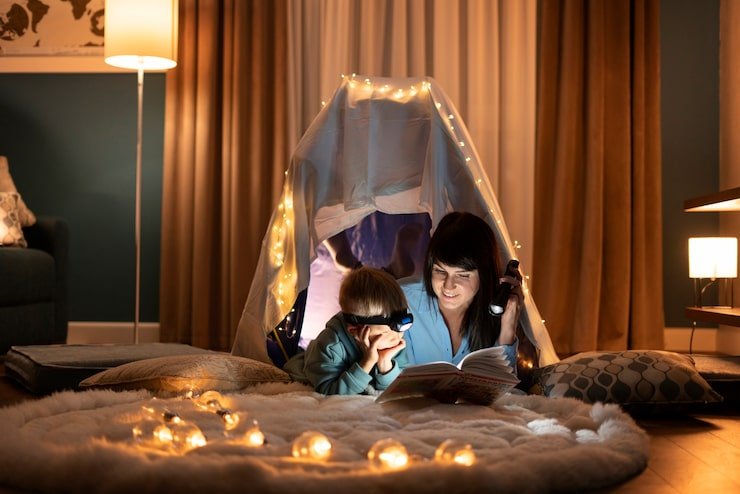
A warm, inviting home can make winter more enjoyable for everyone. You don’t have to make big changes—just small adjustments to create a cozy atmosphere.
Simple ways to make your home feel warm:
- Add soft blankets and cushions in common areas.
- Keep rooms well-ventilated yet warm to avoid dryness.
- Use natural light during the day and warm lamps at night.
- Designate a reading corner or play area where kids can relax.
Comfortable spaces make kids feel calm and safe, especially when outdoor activities are limited.
6. Stick to Healthy Routines

During winter, routines often slip away—late bedtimes, skipped breakfasts, and lazy mornings become common. But structure provides comfort and helps children stay disciplined even when it’s tempting to snuggle in bed all day.
Here’s how to keep routines intact:
- Maintain consistent sleep and wake times.
- Keep mealtimes regular with healthy portions.
- Include daily reading or learning sessions.
- Schedule family time for fun and relaxation.
Consistency gives children a sense of stability and reduces frustration for parents too.
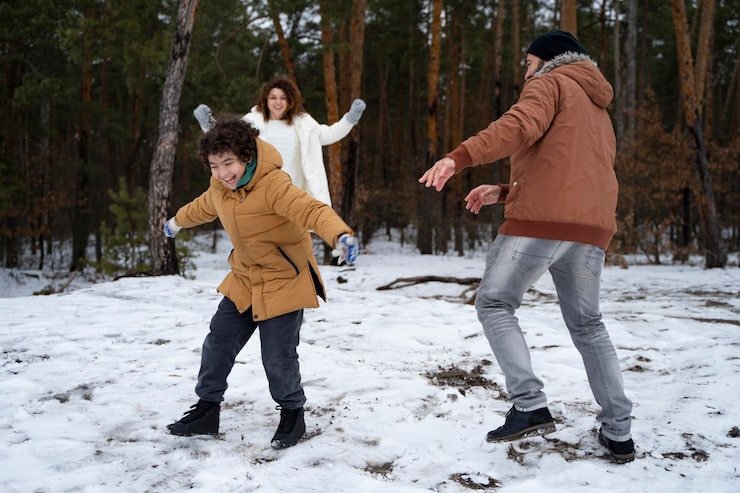
7. Encourage Safe Outdoor Play
Even though it’s cold, outdoor play shouldn’t stop entirely. Sunlight provides vitamin D, which boosts mood and strengthens bones. Just choose the right time of day and clothing to make it safe.
Tips for safe outdoor play:
- Let children play outdoors during midday sunlight, when it’s warmer.
- Dress them in layers with hats, gloves, and warm socks.
- Keep outdoor sessions short but frequent.
- Encourage activities like walking, cycling, or even helping in the garden.
Fresh air and movement lift kids’ spirits and make them sleep better at night.
8. Plan Family Bonding Activities
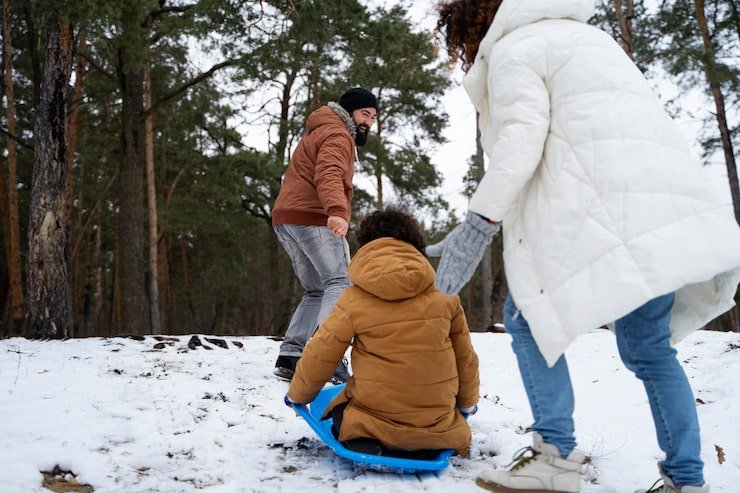
Winter is actually the best time for family bonding. The cold weather naturally encourages families to stay indoors together, making it easier to connect.
Here are some family activity ideas:
- Have weekly game nights with simple board or card games.
- Try family storytelling where everyone adds to the story.
- Cook winter recipes together and let kids help.
- Make a gratitude jar where everyone writes what they’re thankful for each week.
These moments strengthen emotional bonds and help kids feel loved and included.
9. Stay Positive and Flexible
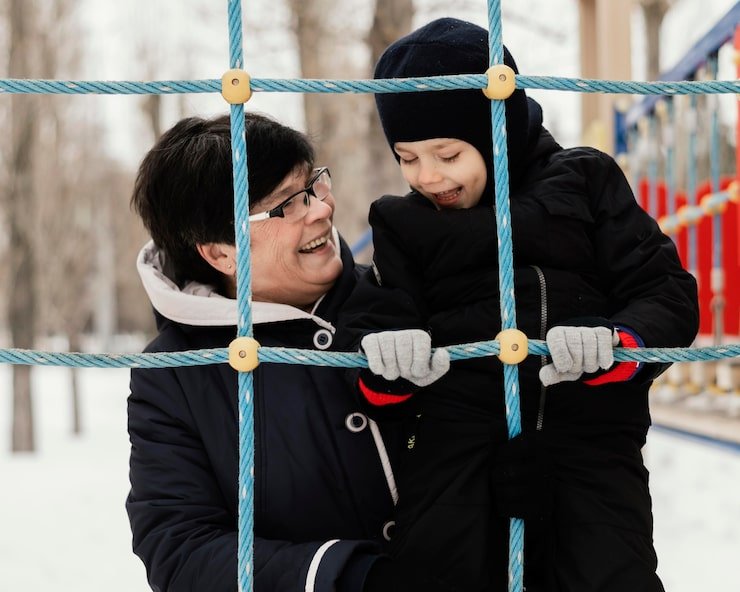
No matter how well you plan, winter will bring unexpected challenges—like sudden colds, mood swings, or power outages. Instead of getting frustrated, try to stay flexible and positive.
Children learn by observing their parents. If you stay calm and optimistic, they’ll handle difficulties better too. Laugh off small mishaps, take breaks when needed, and remind yourself that no parent is perfect.
A positive attitude makes winter parenting smoother and more enjoyable for the whole family.
Conclusion
Winter parenting doesn’t have to be stressful. With a little planning, creativity, and warmth, you can overcome the common struggles of the season. Focus on maintaining good health, emotional connection, and daily routines while adding moments of fun and comfort.
The secret to beating winter parenting struggles lies not in perfection, but in balance—balancing warmth with activity, discipline with flexibility, and care with laughter.
When you create a cozy, loving environment and handle challenges calmly, winter becomes more than just a cold season—it becomes a time of family growth, bonding, and beautiful memories.