Simple Routines to Turn Parenting Chaos into Calm
Parenting is beautiful — but let’s be honest, it can also be messy, loud, and completely exhausting. Between school runs, meal prep, laundry, work, and bedtime battles, life with kids can sometimes feel like constant chaos.
But what if there was a simple way to bring a little peace back into your day?
The answer lies in routines — those small, predictable habits that help both you and your kids feel calm, organized, and connected.
You don’t need an elaborate schedule or perfect Pinterest planner. A few simple routines can transform your home from rushed and reactive to steady and peaceful.
Let’s explore how to turn the everyday chaos of parenting into calm through simple, realistic routines.
1. Why Routines Matter for Families

Children (and parents!) thrive on predictability. A routine gives your day structure — kids know what to expect, and you know what needs to get done.
Routines:
- Reduce power struggles and meltdowns.
- Help kids feel secure and confident.
- Make transitions easier (like getting dressed or going to bed).
- Create moments of connection and rest for parents.
When life feels structured, it feels safer — for everyone. Instead of rushing through tasks, you move through your day with more rhythm and less stress.
2. Start with the “Chaos Points”
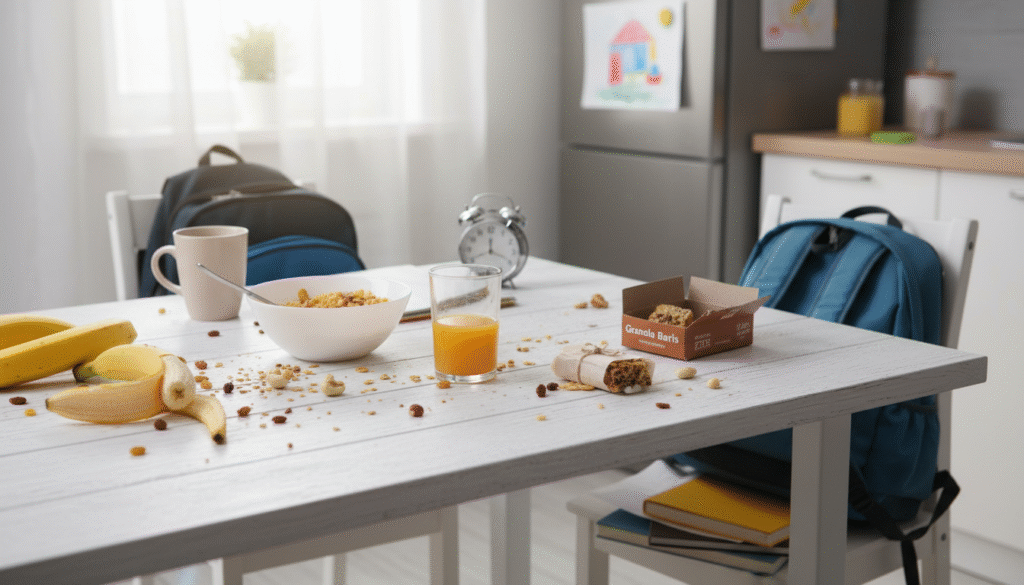
Before creating routines, identify where your days feel most stressful. These are your “chaos points” — the moments when things consistently go off track.
For most families, that includes:
- Mornings (getting everyone ready)
- After school (snacks, homework, activities)
- Bedtime (winding down and getting kids to sleep)
Instead of trying to fix your entire day, start by calming one of these areas first. Once that part feels smoother, move to the next.
Small improvements add up to big changes.
3. The Calm Morning Routine
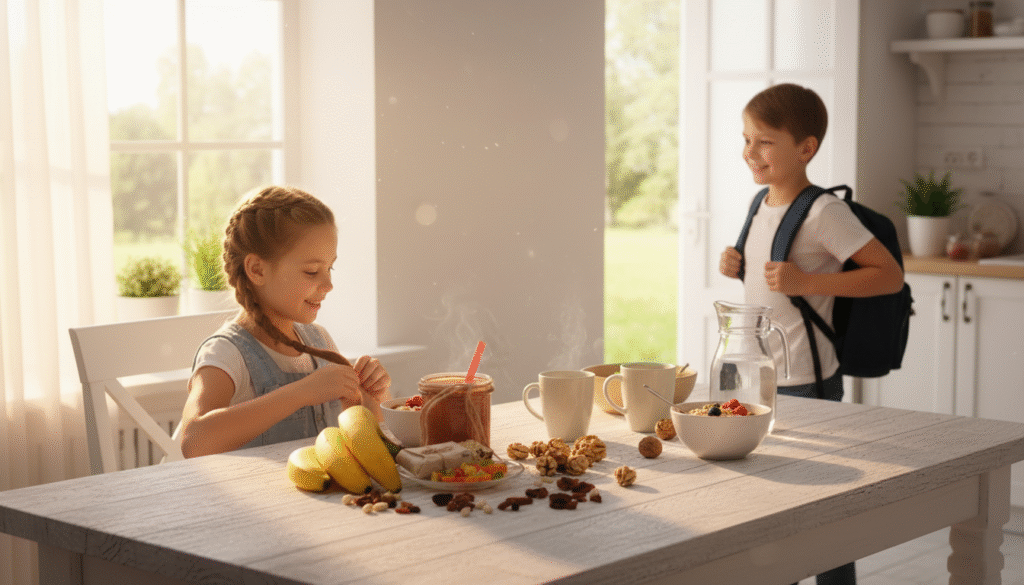
Mornings often set the tone for the whole day. A peaceful morning doesn’t mean it’s silent or perfect — it just means you start the day feeling steady instead of rushed.
Tips for a calmer morning:
- Prepare the night before: pack lunches, lay out clothes, and set bags by the door.
- Wake up 10–15 minutes earlier for quiet time before the kids wake.
- Keep breakfast simple — healthy options you can prep quickly.
- Create a visual checklist for kids (brush teeth, get dressed, eat breakfast).
Even small steps, like playing soft music or opening curtains for natural light, can bring calm energy into the start of your day.
When mornings begin smoothly, the rest of the day feels easier too.
4. The After-School Reset
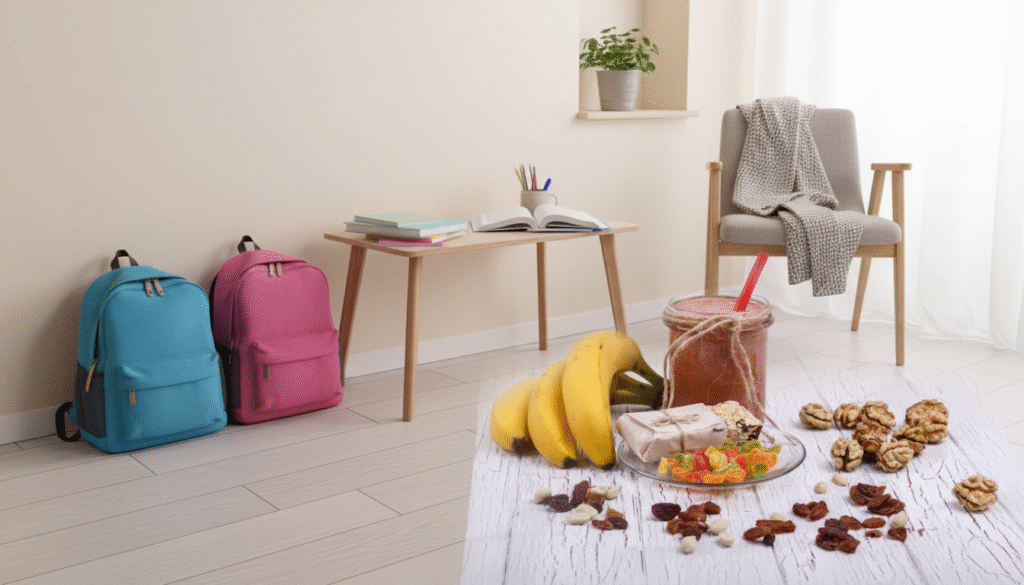
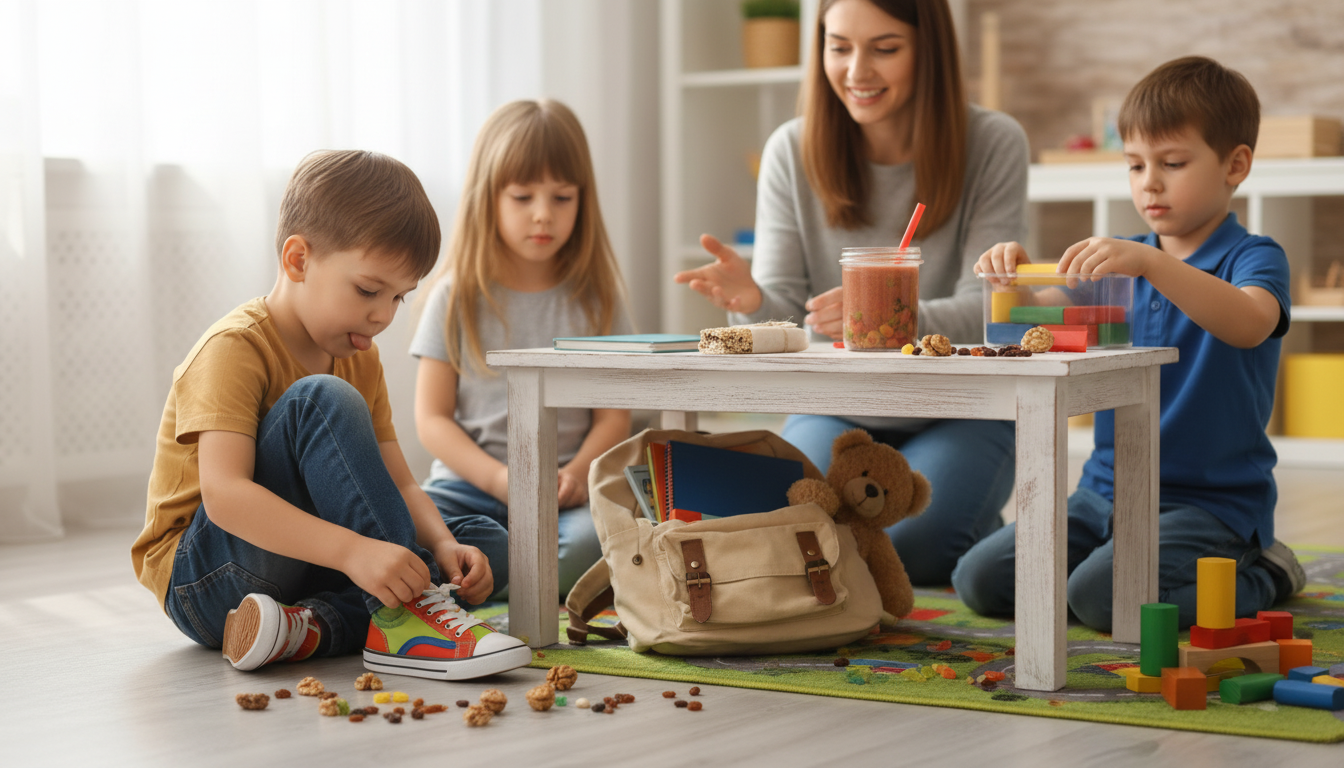
Afternoons can be tricky — everyone’s tired, hungry, and a little overstimulated. Having a routine helps you transition smoothly from school to home life.
A simple after-school routine might look like:
- Snack time (healthy and ready when they walk in).
- A short “quiet break” — reading, drawing, or relaxing.
- Homework or creative play time.
- Family dinner prep — let kids help set the table or stir something.
This structure helps kids wind down after a busy day and gives parents space to reconnect without chaos.
5. A Bedtime Routine That Actually Works
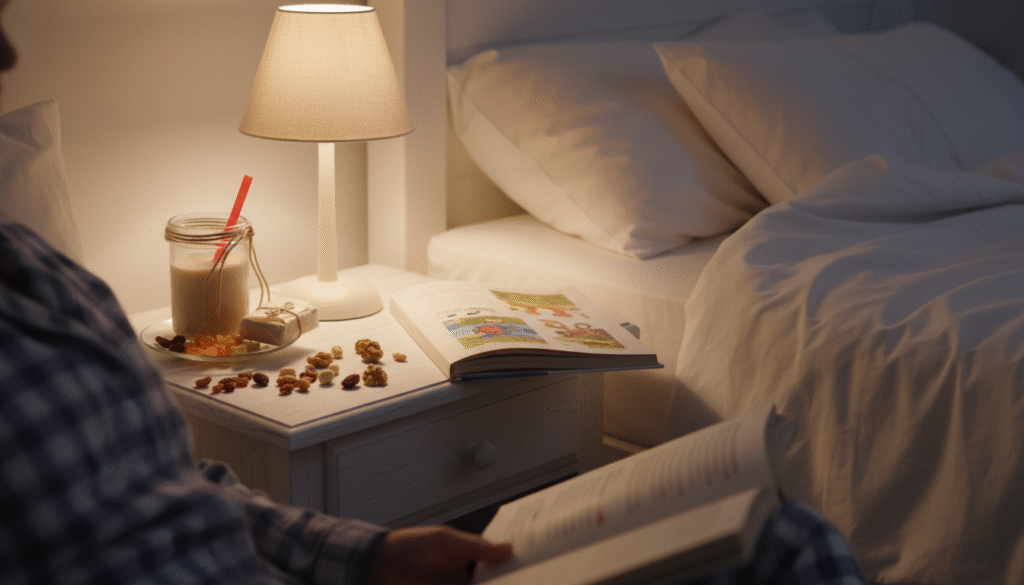
Bedtime can be one of the most stressful times of day, but it doesn’t have to be. A predictable routine signals to your child that it’s time to rest — and helps their body and mind slow down.
Try this peaceful bedtime flow:
- Bath or wash-up time.
- Pajamas and teeth brushing.
- Reading a book together or quiet cuddle time.
- Soft lights, gentle music, or a white-noise machine.
Keep screens off at least an hour before bed, and try to start the routine at the same time every night.
Children sleep better when bedtime feels safe and consistent — and parents get some much-needed quiet time, too.
6. Mealtime Routines That Bring Everyone Together
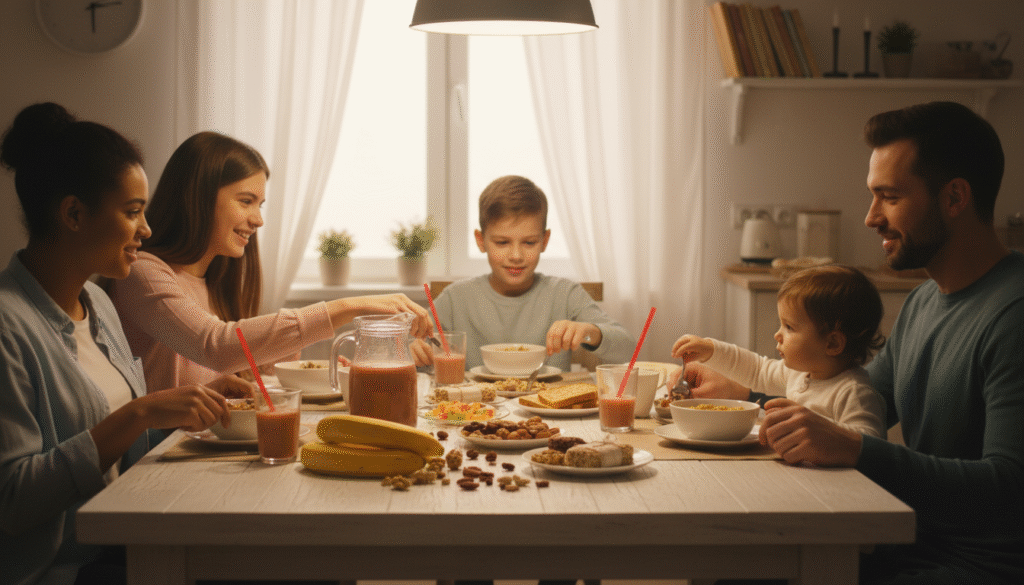
Family meals don’t have to be fancy — they just need to be consistent. Even one shared meal a day can make a big difference in family connection.
Simple ideas for calm mealtimes:
- Eat together at the table whenever possible.
- Keep distractions (phones, TV) away.
- Encourage everyone to share one thing they enjoyed that day.
- Let kids help serve, clear, or pour water — it teaches responsibility.
Mealtime routines build closeness and communication — plus, kids tend to eat better when mealtimes are calm and predictable.
7. The Power of “Mini Routines”
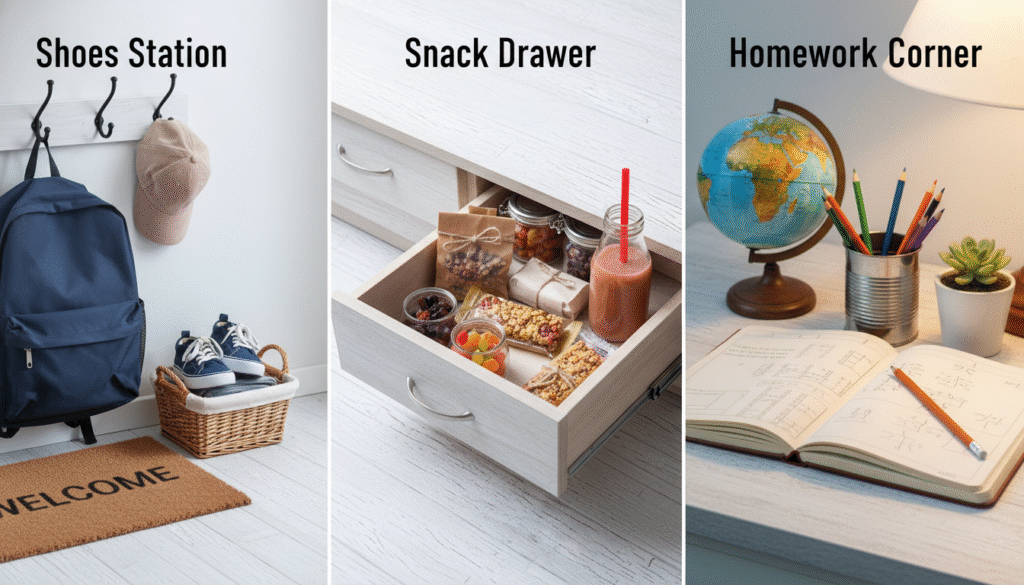
Not every routine has to be a big, structured block of time. Sometimes, tiny routines sprinkled throughout your day can make the biggest difference.
Here are a few to try:
- Morning hug: Start every day with a hug or smile — instant connection.
- Gratitude at dinner: Go around the table and name one thing you’re thankful for.
- Evening tidy-up: A 10-minute family cleanup before bed keeps clutter away.
- Weekend reset: Spend a few minutes Sunday evening organizing backpacks or checking schedules.
These little rituals create stability, warmth, and teamwork within your family.
8. Make Routines Visible for Kids
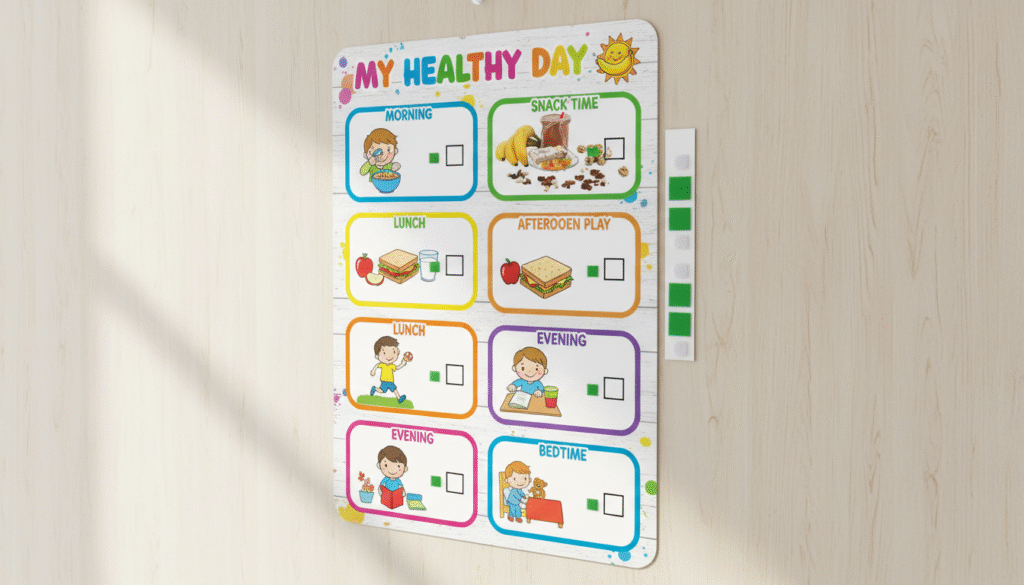
Kids love visuals. Instead of giving constant reminders, create a simple routine chart using pictures or icons — perfect for toddlers and preschoolers.
Tips for visual charts:
- Use colorful images for tasks like brushing teeth, packing bags, or reading time.
- Hang it in your child’s room or a common area.
- Let kids check off each task — it builds independence and confidence.
Visual cues take the pressure off you and help your child take ownership of their day.
9. Keep It Flexible — Not Perfect
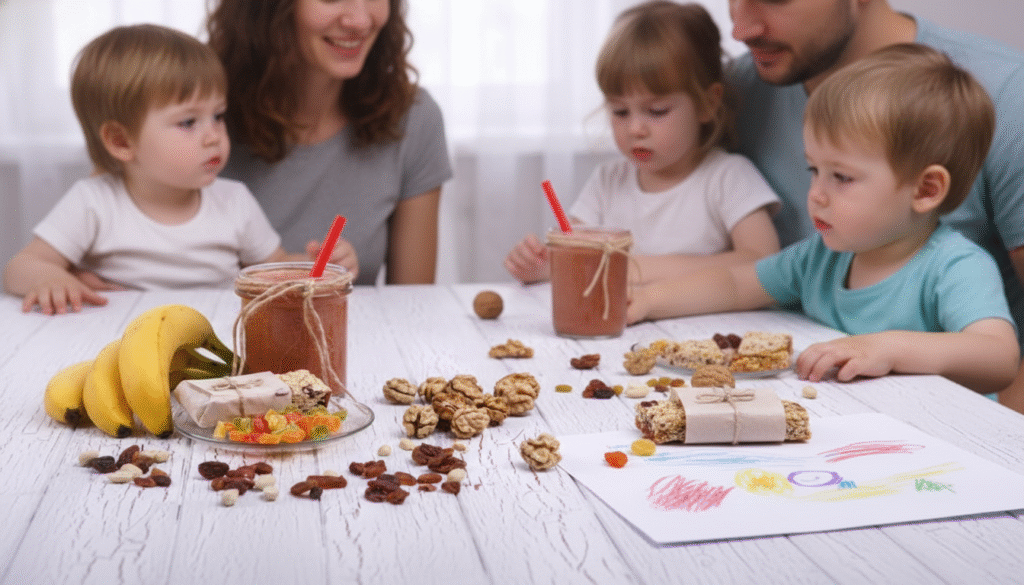
Routines aren’t meant to control your life — they’re meant to support it.
It’s okay if things don’t go perfectly every day. Life with kids is unpredictable — there will be sick days, delays, or tantrums.
Instead of stressing about perfection, aim for consistency and kindness.
A calm home doesn’t mean a quiet one — it means there’s a rhythm that carries your family through even the unpredictable moments.
10. Use Routines to Encourage Independence
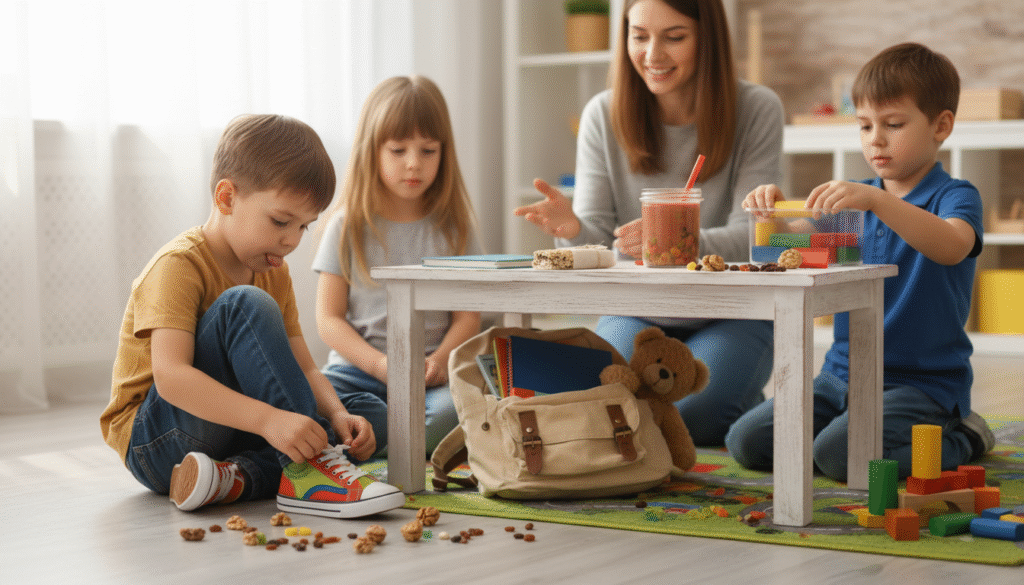
Routines are one of the best ways to help children feel capable.
When kids know what to do next, they don’t have to rely on constant reminders. They learn self-discipline, time management, and pride in their responsibilities.
Examples:
- Preschoolers can pack their lunch bag or choose clothes from two options.
- School-age kids can manage simple chores like feeding pets or setting the table.
- Older kids can plan their study or bedtime schedules.
Each small task builds independence — and gives parents more breathing room.
11. Include “Calm Moments” in Every Day
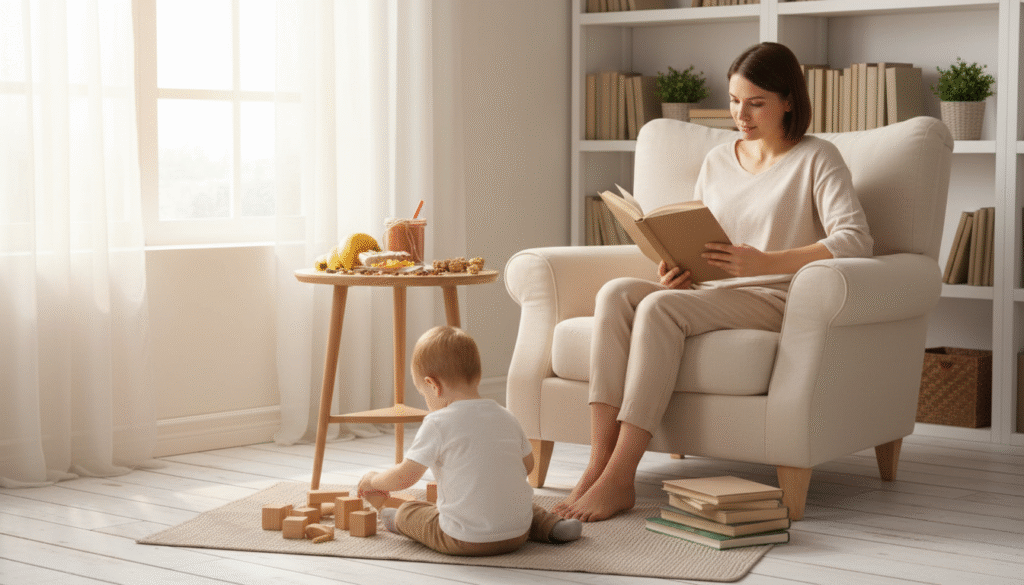
Calm doesn’t happen by accident — you have to make space for it.
Even five minutes of quiet can reset everyone’s mood.
Ideas for calm breaks:
- A short walk or breathing exercise after school.
- Reading or coloring together before bed.
- Listening to soft music or nature sounds.
- Family “quiet time” where everyone picks a peaceful activity.
When calm becomes part of the routine, chaos loses its grip.
12. Simplify What You Can
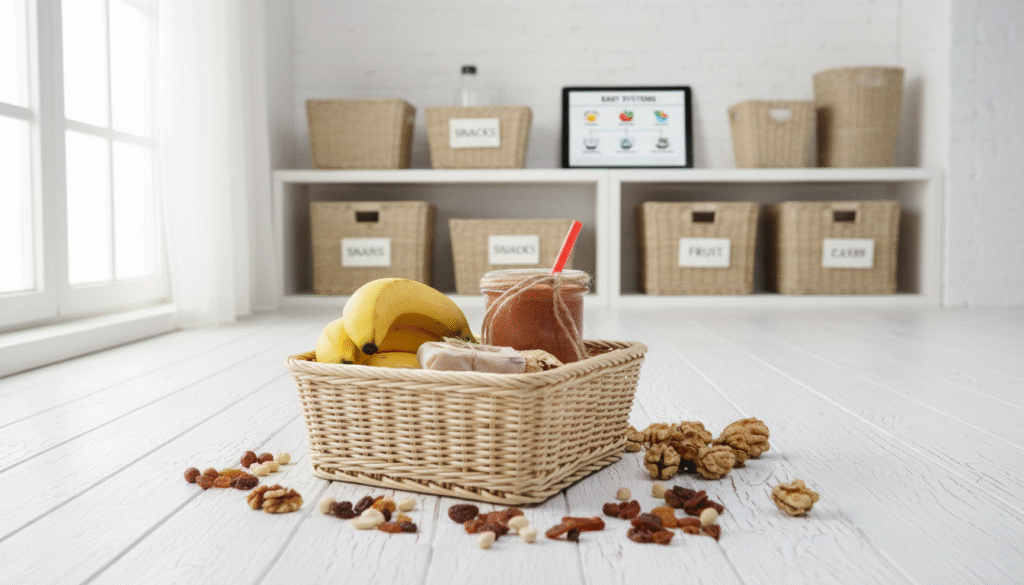
Chaos often comes from too many choices and too much clutter. Simplifying your routines can make life instantly easier.
Ways to simplify:
- Rotate toys so fewer are out at once.
- Limit after-school activities to what truly matters.
- Meal-plan a few simple dinners each week.
- Prepare clothes and school supplies in advance.
When there’s less to manage, you have more energy to enjoy your family.
13. Stay Present — Even During the Busy Moments

Routines aren’t just about efficiency — they’re about connection.
Try to slow down and really be present during your routines. Look your child in the eyes, listen to their stories, laugh together.
Those tiny daily interactions — brushing teeth together, reading before bed, saying goodbye at the door — are where the real memories are made.
Presence is the secret ingredient that turns routines into love rituals.
14. Revisit and Adjust Your Routines Regularly
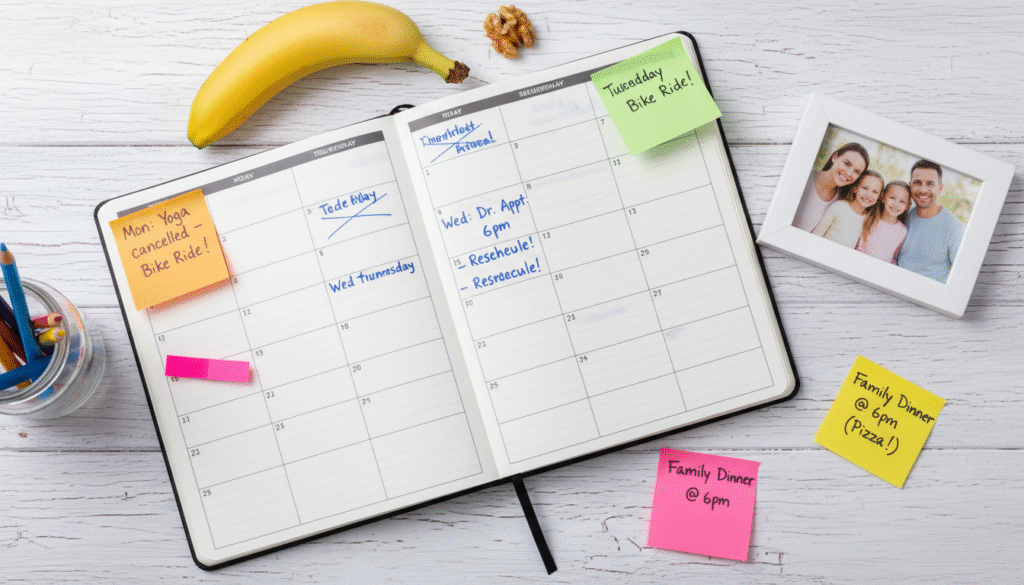
As kids grow, their needs change — and so should your routines.
What worked for your toddler might not work for your 8-year-old. Review your daily rhythm every few months and adjust as needed.
Questions to ask yourself:
- Does this routine still work for our family’s schedule?
- Is there a time of day that still feels stressful?
- What can we simplify or swap to make things smoother?
Flexibility keeps routines fresh and realistic.
15. Celebrate the Calm You Create

When your day flows smoothly — even for an hour — celebrate it!
Parenting isn’t about perfection. It’s about progress. Every small step toward calm is a big win for your family’s happiness.
Appreciate how far you’ve come. Acknowledge the peaceful moments you’ve created, and let that motivate you to keep going.
Because calm parenting isn’t about controlling everything — it’s about creating a home where love and peace feel stronger than chaos.
Conclusion
Parenting will always have its wild, unpredictable days — but calm doesn’t have to be out of reach.
By building a few simple, consistent routines, you create a foundation that keeps your family grounded. Routines help children feel secure, teach independence, and make daily life smoother for everyone.
You don’t need perfection. You just need intention — small, loving steps that turn ordinary moments into peaceful ones.
So start today.
Create your calm morning, your gentle bedtime, your few minutes of quiet connection.
Because when the chaos settles and the rhythm flows, you’ll realize something beautiful:
calm doesn’t just happen — you create it, one routine at a time.