Parenting is a journey filled with incredible highs, challenging lows, and a constant undercurrent of self-doubt. In a world brimming with advice, comparisons, and often unrealistic ideals, it’s easy to wonder if you’re truly measuring up. Are you doing enough? Are you doing it right? If these questions echo in your mind, take a deep breath. You’re not alone. The truth is, ‘great parenting’ isn’t about perfection; it’s about connection, effort, and an unwavering commitment to your child’s well-being. This article isn’t here to give you more rules, but to offer a gentle mirror, reflecting the wonderful things you’re likely already doing. Let’s explore six powerful signs that affirm you are, indeed, a great parent, even on your most challenging days.
Understanding Great Parenting Beyond Perfection
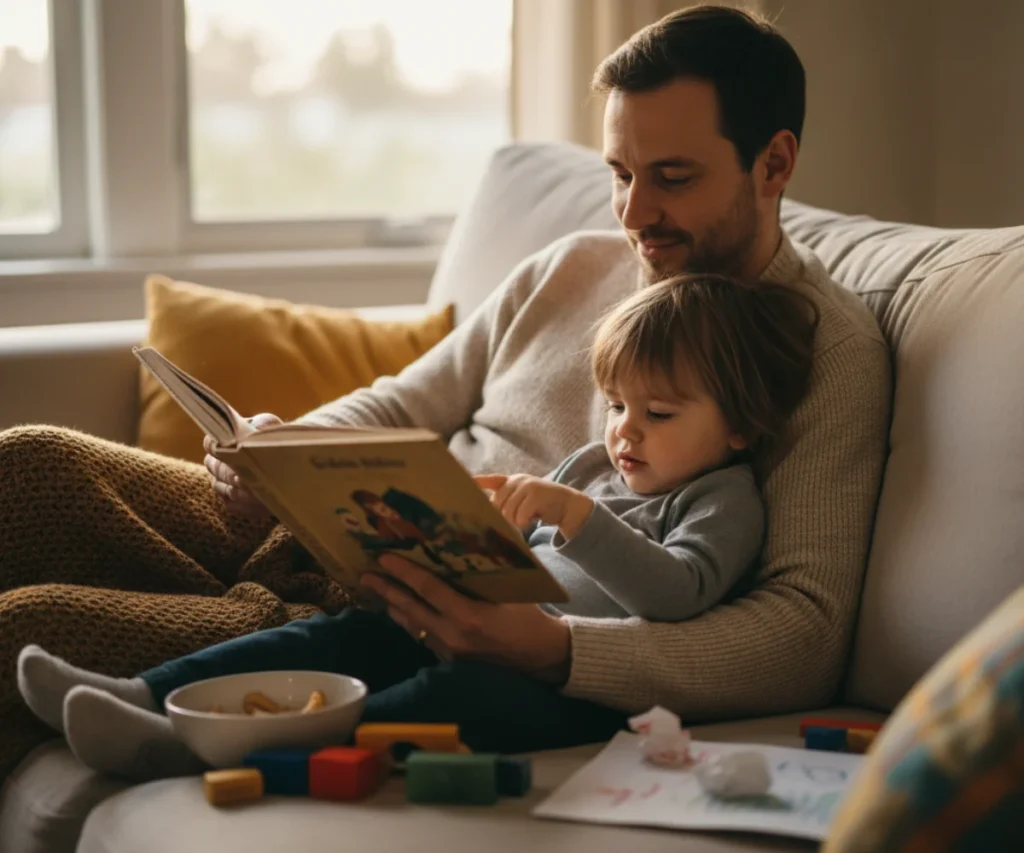
Before we dive into the signs, let’s redefine what ‘great parenting’ truly means. It’s not about having perfectly behaved children, a spotless home, or always knowing the right answer. It’s about showing up, being present, learning, and adapting. Great parenting is messy, imperfect, and deeply human. It’s about the consistent, loving effort you put in, even when you’re exhausted, frustrated, or feeling lost. It’s the thousands of small, unscripted moments that build connection and trust.
We often compare ourselves to an idealized version of a parent, fueled by social media highlights or nostalgic memories. But real parenting involves scraped knees, sibling squabbles, forgotten lunchboxes, and meltdowns in the grocery store. A great parent navigates these moments with a heart full of love, a willingness to learn, and the courage to say, “I made a mistake.” This understanding frees us from the impossible pursuit of perfection and allows us to celebrate the impactful, loving parent we already are.
Sign 1 You Offer Unconditional Love and Support

At the heart of great parenting lies unconditional love. This isn’t just saying “I love you”; it’s demonstrating it through your actions, especially when your child is at their most challenging. Unconditional love means accepting your child for who they are, flaws and all, and letting them know that your love isn’t dependent on their achievements, behavior, or mood.
What Unconditional Love Looks Like Day-to-Day
You show unconditional love when you:
- Listen without judgment: When your child comes to you with a problem, a fear, or even a silly story, you stop what you’re doing and genuinely listen, making eye contact and showing you value their thoughts.
- Provide comfort during distress: Whether it’s a scraped knee or a broken heart, you’re the first one there with a hug, a comforting word, and a safe space to feel their emotions.
- Support their passions: Even if their interests aren’t yours, you encourage their hobbies, attend their events, and celebrate their small victories.
- Offer forgiveness and second chances: When they make mistakes (and they will!), you help them learn and grow, rather than shaming them. You communicate that while you may not love their behavior, you always love them.
This unwavering foundation of love creates a secure attachment, allowing your child to explore the world with confidence, knowing they have a safe harbor to return to.
Creating a Secure Emotional Base
Children who experience unconditional love are more likely to develop a strong sense of self-worth, resilience, and empathy. They learn that they are inherently valuable, not just for what they do, but for who they are. This security allows them to take risks, navigate setbacks, and ultimately thrive. Think about the times you’ve held your child after a nightmare, or listened patiently to their long explanation of a game. These moments are deposits in their emotional bank, building a robust foundation for their future.
Sign 2 You Set Healthy Boundaries and Expectations
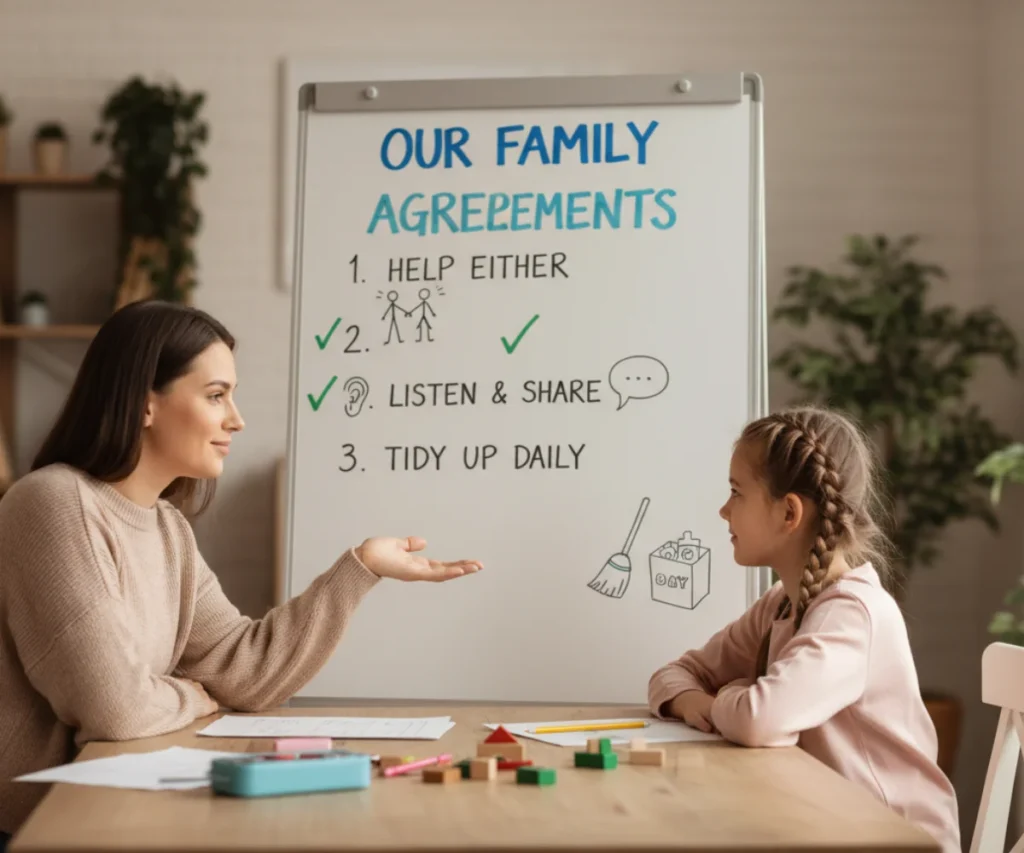
While unconditional love is vital, it goes hand-in-hand with setting clear, consistent, and healthy boundaries. Great parents understand that boundaries aren’t about control, but about providing a framework for safety, respect, and responsibility. They teach children how the world works, how to interact with others, and how to manage their own impulses. This isn’t always easy – children will test boundaries, and it requires patience and firmness.
The Balance Between Freedom and Structure
Effective boundaries offer children the freedom to explore within safe limits. This might look like:
- Consistent routines: Establishing predictable routines for bedtime, meals, and playtime gives children a sense of security and helps them regulate their behavior.
- Clear rules with explanations: Instead of just saying “no,” explain why a rule exists. “We hold hands in the parking lot so you stay safe,” teaches reasoning alongside obedience.
- Age-appropriate expectations: Understanding what your child is capable of at different developmental stages prevents frustration for both of you. A toddler won’t share perfectly, but they can learn to take turns.
- Natural consequences: Allowing children to experience the natural (and safe) consequences of their actions helps them learn responsibility. Forgetting a jacket means feeling cold, not having mom always remember it for them.
These boundaries, when applied with warmth and understanding, teach self-discipline, respect for others, and a sense of personal responsibility.
Consistency is Key
It’s tempting to relax rules when you’re tired or busy, but consistency is a cornerstone of effective boundary setting. When rules are applied inconsistently, children become confused about what’s expected of them, leading to more testing behavior. Great parents strive for consistency, even when it’s hard, knowing that it builds trust and clarity for their children. This doesn’t mean being rigid; there’s always room for flexibility and discussion, but the underlying principles remain steadfast.
Sign 3 You Prioritize Your Child’s Emotional Well-being

Beyond physical needs, great parents understand that a child’s emotional health is paramount. This involves helping children understand, express, and manage their feelings in healthy ways. In a world that often dismisses or suppresses emotions, you create a safe space where all feelings are welcome.
Validating Feelings and Teaching Emotional Regulation
This sign manifests in actions such as:
- Acknowledging their feelings: Instead of saying “Don’t cry,” try “I see you’re really sad/angry/frustrated. It’s okay to feel that way.” This validates their experience.
- Teaching emotional vocabulary: Help them name their emotions. “Are you feeling frustrated because your tower fell?” expands their understanding.
- Modeling healthy coping: Show them how you manage your own emotions. “Mommy is feeling a little overwhelmed right now, so I’m going to take a few deep breaths.”
- Offering coping strategies: Suggest solutions like deep breathing, counting, talking about it, or finding a quiet space when big emotions arise.
By doing this, you’re not just pacifying them; you’re equipping them with essential life skills for emotional intelligence and resilience.
Active Listening and Empathy
Active listening means truly hearing what your child is communicating, both verbally and non-verbally. It’s about putting yourself in their shoes and trying to understand their perspective. “That sounds really tough,” or “I can see why that would make you angry,” are phrases that build bridges of empathy. Great parents recognize that even seemingly small problems for adults can feel enormous to a child, and they treat those feelings with respect and care. This creates a bond of trust where children feel safe sharing their inner world.
Sign 4 You Adapt and Grow Alongside Your Child
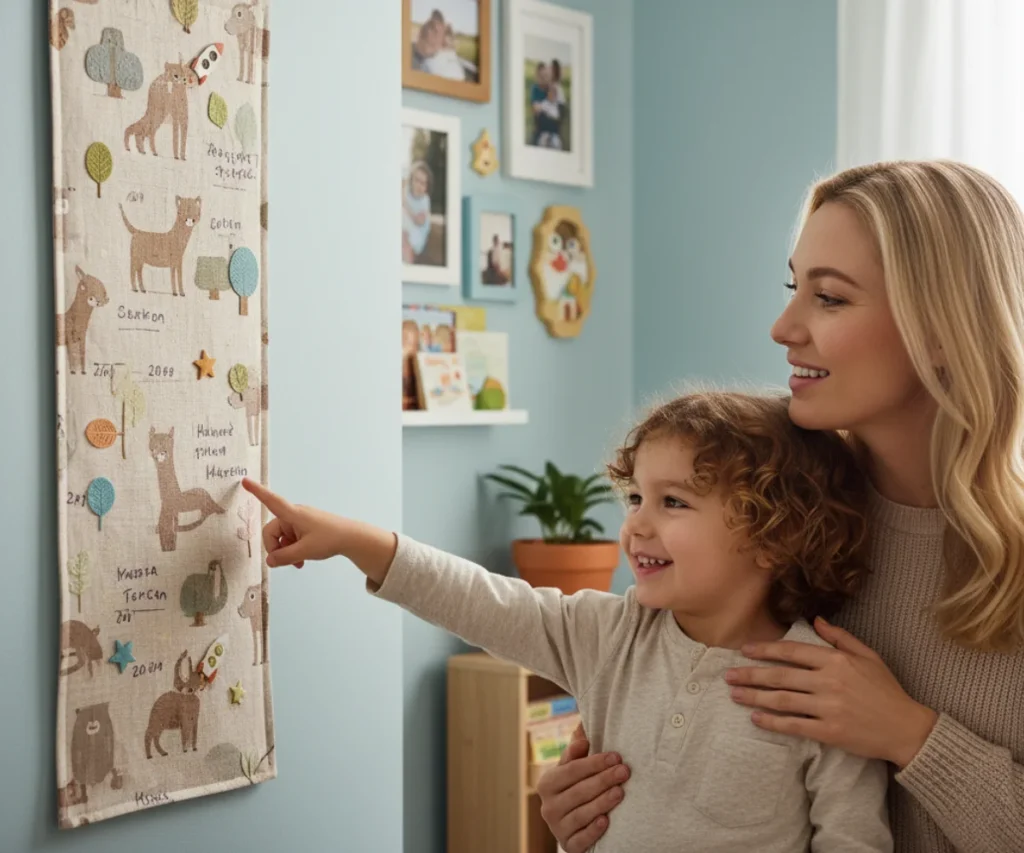
Parenting isn’t a static role; it’s a dynamic dance of continuous learning and adaptation. Just as your child grows and changes, so too must your parenting approach. What works for a toddler won’t work for a teenager, and even within the same developmental stage, each child is unique. A great parent is a lifelong learner, willing to adjust strategies, admit mistakes, and evolve with their child’s needs.
Learning from Mistakes and Adjusting Your Approach
This sign means you are:
- Open to feedback: Whether it’s from your child, a partner, or a trusted friend, you consider different perspectives on your parenting.
- Willing to say “I’m sorry”: Apologizing to your child when you’ve made a mistake (raised your voice, been unfair) is incredibly powerful. It models humility and repair.
- Researching and learning: You seek out new information, read parenting books, listen to podcasts, or talk to other parents to expand your knowledge and skills.
- Reflecting on what works: You observe your child’s reactions to different approaches and adjust accordingly. If a certain discipline method isn’t effective, you try something else.
The ability to adapt shows flexibility and a commitment to meeting your child where they are, rather than expecting them to fit into a rigid mold.
Embracing Different Developmental Stages
Each developmental stage brings new challenges and joys. Great parents understand that a crying newborn, a defiant two-year-old, a curious six-year-old, and a moody teenager all require different forms of guidance, discipline, and support. You celebrate their milestones, patiently navigate their struggles, and continuously re-evaluate your role as their guide through life’s changing landscape.
Sign 5 You Model Positive Behavior and Values

Children are constantly watching and absorbing. More than any lecture or instruction, your actions speak volumes about the kind of person you want them to be. Great parents understand the power of their example and strive to model the values and behaviors they wish to see in their children.
Leading by Example in Everyday Life
You model positive behavior when you:
- Demonstrate kindness and empathy: Show compassion towards others, whether it’s a stranger, a family member, or even an animal.
- Exhibit resilience: When you face setbacks, you show your child how to cope, problem-solve, and bounce back. “This is hard, but we can figure it out.”
- Practice honesty and integrity: Own up to your mistakes, keep your promises, and act in alignment with your values, even when it’s difficult.
- Manage your own stress: Show them healthy ways to cope with frustration or anger, rather than yelling or lashing out.
- Embrace lifelong learning: Let them see you reading, trying new things, or pursuing your own interests.
Your child’s moral compass is largely shaped by observing your daily interactions and choices. You are their first, and most influential, teacher.
Teaching Empathy and Respect
Modeling also extends to how you treat yourself and others. This includes showing respect for different opinions, cultures, and ways of life. When you speak kindly to your partner, listen attentively to a friend, or show patience with a difficult situation, your child learns the importance of empathy, respect, and civil discourse. These are invaluable lessons that lay the groundwork for them to become compassionate and responsible members of society.
Sign 6 You Take Care of Yourself

This might seem counterintuitive, but one of the clearest signs you’re a great parent is that you prioritize your own well-being. You cannot pour from an empty cup. Parental burnout is real, and it affects your ability to be present, patient, and loving with your children. Great parents understand that self-care isn’t selfish; it’s essential for sustained, effective parenting.
Why Parental Self-Care Isn’t Selfish
Taking time for yourself allows you to recharge, regulate your emotions, and return to your parenting role with renewed energy and perspective. This looks different for everyone:
- Physical self-care: Getting enough sleep, eating nutritious food, and engaging in physical activity.
- Mental self-care: Reading a book, meditating, practicing mindfulness, or pursuing a hobby.
- Emotional self-care: Talking to a trusted friend, journaling, or seeking professional support when needed.
- Social self-care: Connecting with adults, maintaining friendships, and having conversations beyond childcare.
When you take care of yourself, you model healthy habits for your children and demonstrate that their parent is a whole, happy individual, not just a parent. This also teaches them the importance of self-worth and setting boundaries for their own needs.
Finding Your Support System
No parent is an island. Great parents recognize the value of a strong support system. This could be a partner, family members, friends, a parenting group, or even professional therapists. Leaning on others for help, sharing your struggles, and accepting assistance are all signs of strength, not weakness. It allows you to feel seen, understood, and supported, which in turn makes you a more resilient and present parent.
It’s Okay to Have Imperfect Moments

As you reflect on these signs, remember that no parent embodies all of them perfectly, all the time. There will be days when you lose your patience, when you forget a boundary, or when you simply don’t have the energy to actively listen. This is not a failure; it is part of the human experience of parenting.
Great parenting isn’t a checklist you complete, but an ongoing process of growth, learning, and connection. It’s about striving to do your best, loving deeply, and showing up for your children day after day, even when you feel you’re falling short. Your children don’t need a perfect parent; they need a present, loving, and real parent.
The effort, the love, the moments of connection, the willingness to learn from mistakes—these are the true indicators of your greatness as a parent. Take pride in the small victories, forgive yourself for the missteps, and trust in the profound impact you have on your children’s lives.
You are making a difference. You are building memories. You are teaching them how to be human. And that, in itself, is truly great.