As new parents, we often hear a lot of well-meaning advice. Some of it is incredibly helpful, but some of it can leave us feeling worried or guilty. One piece of advice that pops up surprisingly often is the idea that holding your baby “too much” will spoil them. You might hear things like, “Don’t pick them up every time they cry,” or “You’re making a rod for your own back.”
It’s easy to second-guess yourself when you just want to comfort your little one. But here’s the beautiful truth, backed by years of research and understanding of infant development: science says you absolutely cannot spoil a baby by holding them. In fact, holding your baby is one of the best things you can do for their growth, well-being, and your bond together.
The Myth of Spoiling: Where Did It Come From?

The idea that you can spoil a baby by giving them too much attention, especially by holding them, is a surprisingly old one. It’s a concept that has caused countless parents unnecessary worry and even pain.
A Look Back at Old Parenting Beliefs
Historically, some parenting philosophies, particularly in the mid-20th century, encouraged a more rigid approach to infant care. The thought was that babies needed to be taught independence from a very early age. This often meant scheduled feeds, limited physical contact, and letting babies “cry it out” to prevent them from becoming too demanding. These ideas were often based on behavioral theories rather than a deep understanding of infant psychology and developmental needs.
Why This Idea Persists
Even though science has largely debunked these notions, the “don’t spoil the baby” message still floats around. It might come from grandparents, friends, or even within ourselves, stemming from a desire to do everything “right.” We might worry about raising a child who can’t cope on their own, or we might feel judged if our baby always wants to be held. But for a baby, being held isn’t about manipulation; it’s about survival and connection.
What Science Really Says About Holding Your Baby

Modern science offers a clear, reassuring message: holding your baby is not spoiling them. It’s meeting their fundamental needs. Babies are born utterly dependent on their caregivers for everything, and physical closeness is paramount to their healthy development.
Building Secure Attachment
One of the most crucial aspects of early childhood development is forming a secure attachment. This refers to the strong emotional bond that develops between a child and their primary caregiver. When you respond consistently and warmly to your baby’s needs, you help them build this secure attachment.
The Importance of Responsive Parenting
Responsive parenting means noticing your baby’s cues—their cries, their reaching arms, their coos—and responding to them with comfort, feeding, or attention. When you hold your baby, you’re communicating to them that they are safe, loved, and that their needs will be met. This consistent responsiveness teaches them to trust the world and the people in it.
How Cuddles Create Connection
Every cuddle, every embrace, every moment of skin-to-skin contact helps to weave a strong emotional fabric between you and your baby. This physical closeness releases oxytocin, often called the “love hormone,” in both parent and child. This hormone fosters feelings of bonding, contentment, and well-being, strengthening your relationship from day one.
Supporting Brain Development
A baby’s brain grows at an incredible pace during the first few years of life. Their experiences directly shape how their brain develops, and touch plays a huge role in this process.
The Role of Touch in Neural Growth
Physical touch stimulates nerve endings and helps create neural pathways in your baby’s brain. This stimulation is vital for cognitive development, sensory processing, and even language acquisition. Being held provides a rich sensory environment that encourages the brain to build connections essential for learning and growth.
Reducing Stress Hormones (Cortisol)
When babies cry or are distressed, their bodies release stress hormones like cortisol. Prolonged high levels of cortisol can have negative effects on a developing brain. Holding, rocking, and comforting your baby helps to lower these stress levels, creating a calmer internal environment that is much more conducive to healthy brain development. Your touch acts as a natural stress reliever.
Enhancing Emotional Regulation
Babies aren’t born with the ability to manage big emotions on their own. They need help from their caregivers to learn how to calm down and feel secure.
Learning to Self-Soothe (Later)
When you soothe your baby, you’re not preventing them from learning to self-soothe; you’re teaching them *how* to be soothed. By experiencing comfort from you, they internalize that feeling. Over time, as their brains mature, they begin to develop their own internal mechanisms for self-regulation, drawing on those early experiences of comfort and security. This foundation is built, not hindered, by your loving responses.
Improving Physical Health
The benefits of holding a baby extend beyond emotional and cognitive development, impacting their physical health as well.
Benefits for Premature Babies (Kangaroo Care)
One of the most striking examples of the physical benefits of holding is “Kangaroo Care” for premature babies. This involves skin-to-skin contact where the baby is held against a parent’s bare chest. Research shows that Kangaroo Care leads to better weight gain, more stable heart rates and breathing, improved sleep, and earlier hospital discharge for preemies.
Better Sleep and Digestion
Being held provides warmth and a sense of security that can help babies sleep more soundly. The gentle pressure and rhythmic motion often associated with holding can also aid digestion, helping to alleviate gas and discomfort.
Understanding Your Baby’s Needs, Not Their “Wants”

It’s easy to project adult ideas onto babies. We might think they are trying to “get their way,” but a baby’s actions are driven by fundamental needs. They don’t have the capacity for manipulation.
Crying is Communication
A baby’s primary form of communication is crying. They cry because they are hungry, tired, too hot or cold, uncomfortable, in pain, or simply because they need closeness and reassurance. When they cry, they are not being “naughty” or trying to “spoil” your plans; they are telling you something important. Responding to their cries helps them feel understood and secure.
Newborn Needs vs. Toddler Demands
It’s helpful to distinguish between the needs of a newborn and the developing “wants” of a toddler. A newborn’s needs are almost entirely primal: food, sleep, warmth, comfort, and security. These are not optional “wants.” As children grow into toddlers, they do begin to test boundaries and express preferences, but that’s a different developmental stage entirely. For babies, every request for comfort is a genuine need.
Signs Your Baby Needs You
Understanding your baby’s non-verbal cues can help you respond even before the crying starts. Look for these signs:
* Rooting and mouthing: They might be hungry.
* Fussing and squirming: Could be discomfort or needing a diaper change.
* Rubbing eyes or yawning: They are likely tired.
* Arching back or turning head away: They might be overstimulated or uncomfortable.
* Reaching arms out: They simply want to be held and reassured.
Common Concerns Parents Have (and Why They’re Unfounded)

Despite the science, it’s natural for parents to still have lingering worries. Let’s tackle some of the most common ones.
“Will My Baby Never Learn to Be Independent?”
This is a very common concern. The truth is, children learn independence from a secure base. A child who feels consistently loved and secure is more likely to feel confident enough to explore the world and develop independence. Think of it like a tree: strong roots allow for strong branches. The more secure their early attachment, the more confident they will become as they grow.
“Am I Setting a Bad Precedent?”
You are setting a precedent, but it’s a good one! You’re teaching your baby that you are a reliable, loving source of comfort and security. This foundation of trust is invaluable and will serve them throughout their lives. It doesn’t mean they’ll need to be held 24/7 forever, but that they will know they can count on you.
“What About Sleep Training?”
The topic of sleep training often comes up in discussions about holding babies. While there are various approaches to sleep, and some families choose sleep training at a certain age, it’s important to remember that this is typically considered for older infants (usually 4-6 months or more), not newborns. The early months are about meeting needs and building trust. Even when considering sleep training later, responsive parenting and comforting your baby remain crucial components of their care. Holding your baby now does not mean you can’t encourage independent sleep later, but it does mean you are prioritizing their foundational needs for connection and security.
Practical Ways to Embrace Holding and Connection

Knowing that holding your baby is beneficial can empower you to embrace it fully. Here are some practical tips for incorporating more closeness into your daily routine.
Babywearing for Everyday Closeness
Babywearing, using slings or carriers, is a fantastic way to keep your baby close while still having your hands free. It allows you to go about your day – doing chores, walking, or even just sitting – all while your baby is snug against you, feeling safe and secure. There are many types of carriers available, so you can find one that’s comfortable for both you and your baby.
Creating Cuddle Routines
Integrate holding into predictable parts of your day. This could be:
* During feeds: Skin-to-skin during bottle or breastfeeds is wonderful.
* Before naps or bedtime: A calming cuddle can signal it’s time to rest.
* After diaper changes: A quick hug can be a sweet transition.
* During quiet playtime: Just holding them and talking softly can be a cherished moment.
Involving Other Caregivers
Encourage partners, grandparents, or other trusted caregivers to hold the baby too. This not only gives you a break but also helps the baby build secure attachments with other important people in their life. Explain the science to them, if necessary, to help them feel confident in offering comfort.
Taking Care of Yourself Too
While holding your baby is wonderful, it’s also physically and emotionally demanding. Remember to take care of yourself:
* Ask for help: Don’t be afraid to hand the baby off to your partner or a friend so you can rest, eat, or shower.
* Find comfortable positions: Use pillows, comfortable chairs, or ergonomic baby carriers to ease strain.
* Prioritize rest: Even short bursts of rest can make a big difference.
* Stay hydrated and nourished: You can’t pour from an empty cup.
Conclusion
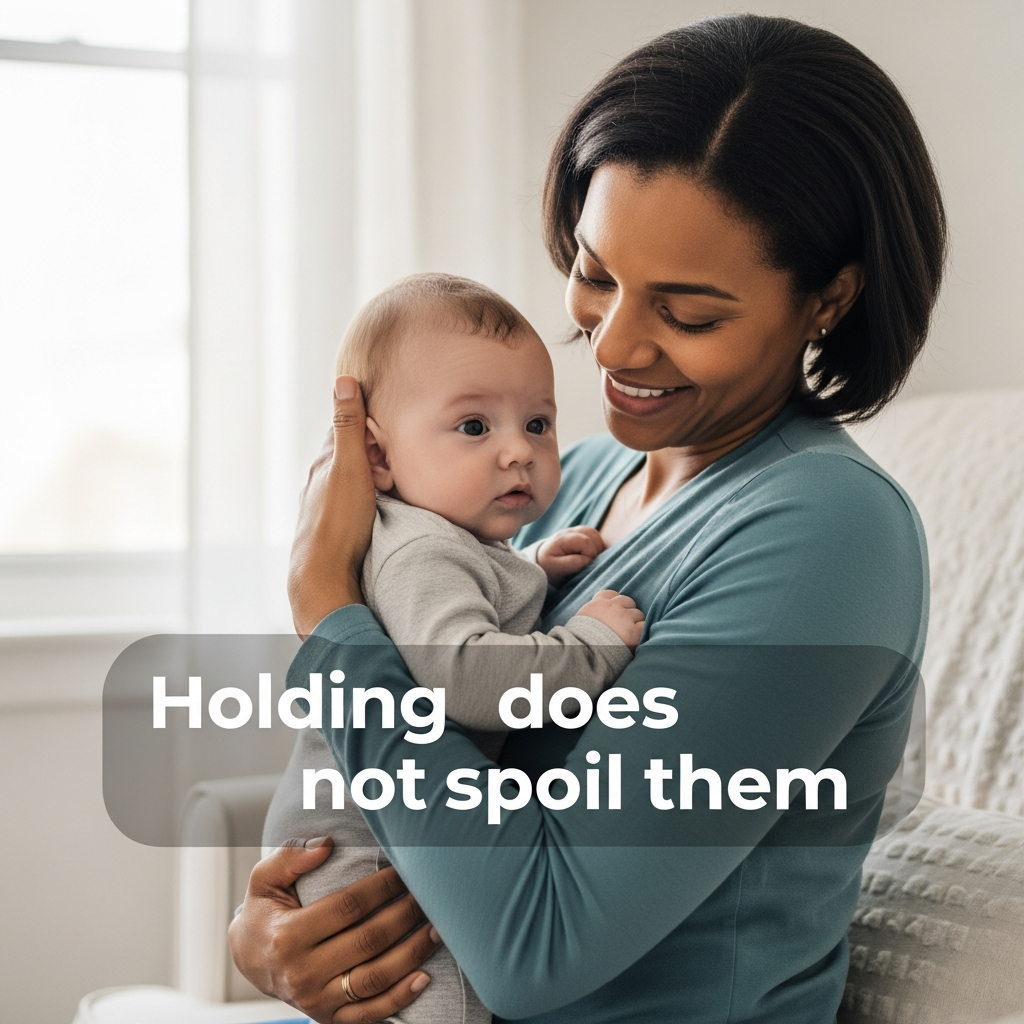
The journey of parenthood is filled with instincts and love. When it comes to holding your baby, trust those instincts. Science overwhelmingly supports what your heart already knows: there’s no such thing as spoiling a baby with too much love and closeness. Every hug, every cuddle, every moment you hold your little one is an investment in their secure attachment, healthy development, and overall well-being. So, let go of the worries and embrace these precious, fleeting moments. Hold your baby close, savor the connection, and know you are giving them the very best start in life.