
Why Reading Aloud Is One of the Most Powerful Things You Can Do for Your Child
In the whirlwind of parenting, finding simple, impactful routines can feel like discovering a hidden treasure. Among the many things we do for our children, reading aloud stands out as truly transformative. It’s more than just sharing a story; it’s an intimate act that weaves together language, imagination, and connection, laying a powerful foundation for their future.
As parents, we’re always looking for ways to nurture our children’s growth, and sometimes the most profound methods are the simplest. Reading aloud offers a wealth of benefits that extend far beyond literacy, touching every aspect of a child’s development. Let’s explore why this seemingly small act holds such immense power.
Building a Strong Foundation for Language and Literacy
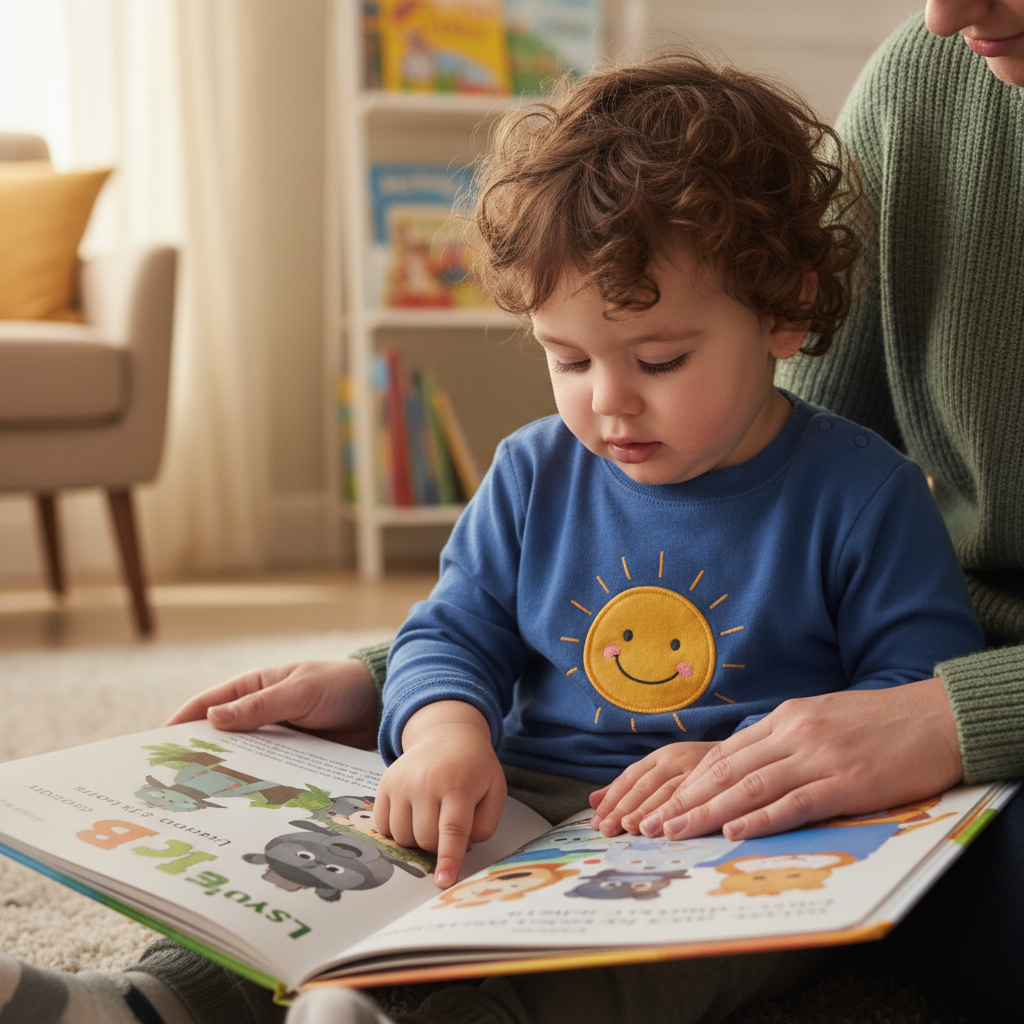
When you read aloud, you’re not just speaking words; you’re immersing your child in a rich tapestry of language. They hear new vocabulary, complex sentence structures, and various narrative styles long before they can read themselves. This exposure is critical for developing strong language skills.
Expanding Vocabulary and Comprehension
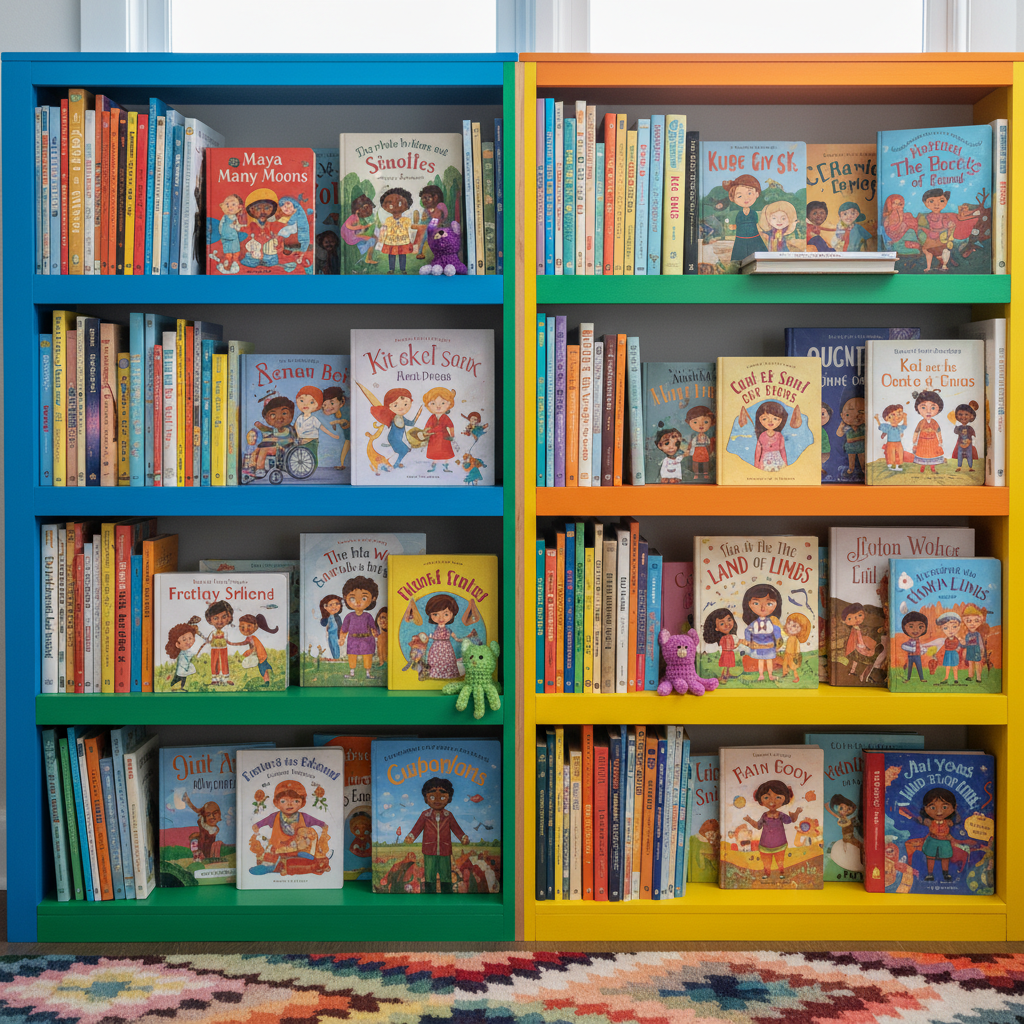
Think about the words found in children’s books – often more diverse and descriptive than everyday conversation. When you read, your child encounters words like ‘giggle,’ ‘meander,’ or ‘astonished,’ expanding their understanding of the world. You can pause to explain meanings, fostering deeper comprehension and critical thinking skills.
Understanding Story Structure and Narrative
Books introduce children to the concept of a beginning, middle, and end. They learn about characters, plot, and setting. This early grasp of narrative structure is vital for their future reading and writing abilities, helping them make sense of information and express themselves coherently.
Fostering a Deep Emotional Connection
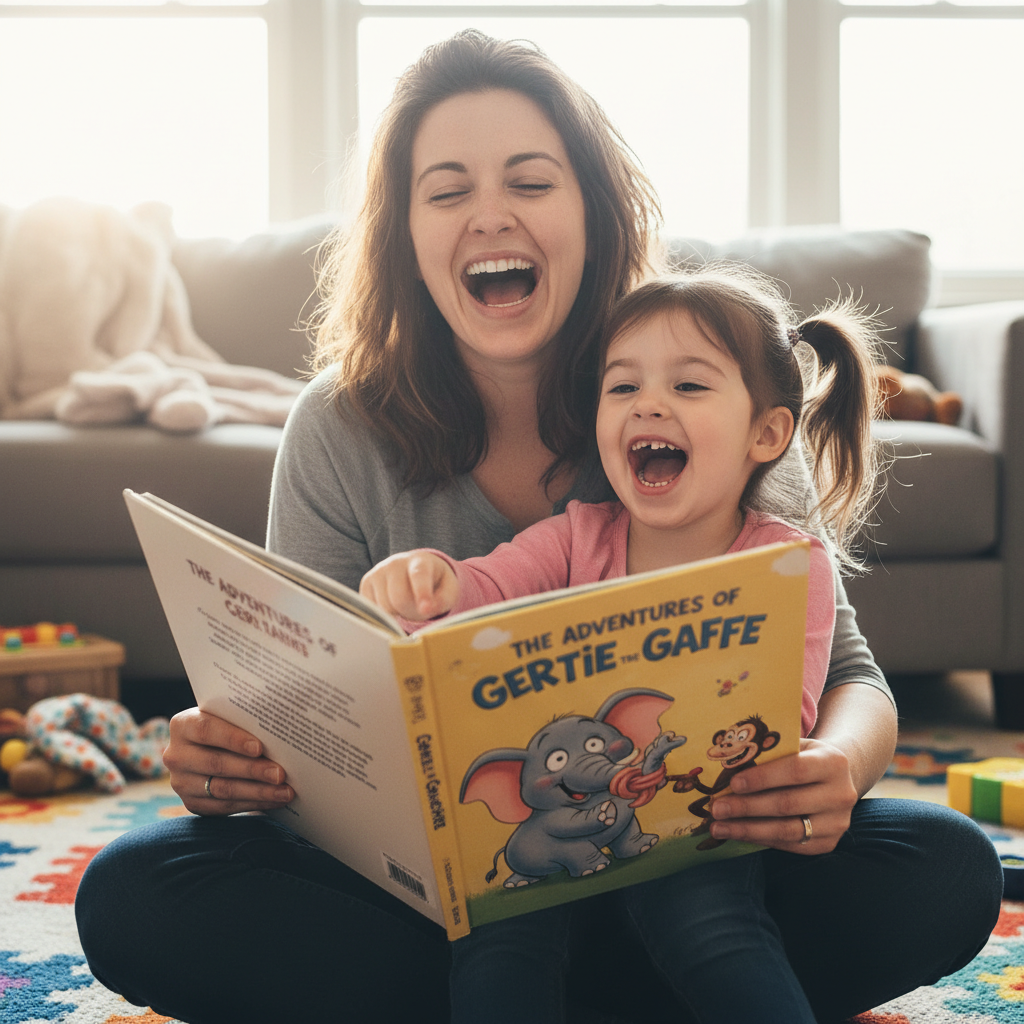
Beyond the cognitive benefits, reading aloud creates a unique space for emotional bonding. It’s a time of quiet togetherness, free from distractions, where you and your child can simply be present with each other.
Creating Shared Moments and Memories
The warmth of being snuggled close, the sound of your voice, the shared laughter over a silly character – these are the moments that build strong family bonds and create cherished memories. This dedicated one-on-one time signals to your child that they are loved, valued, and safe.
Discussing Feelings and Experiences
Stories often present characters facing various emotions and challenges. Reading about these experiences provides a safe avenue to discuss feelings like joy, sadness, fear, or frustration. You can ask, “How do you think the bear felt when he lost his honey?” This helps children develop empathy and emotional literacy.
Sparking Imagination and Creativity
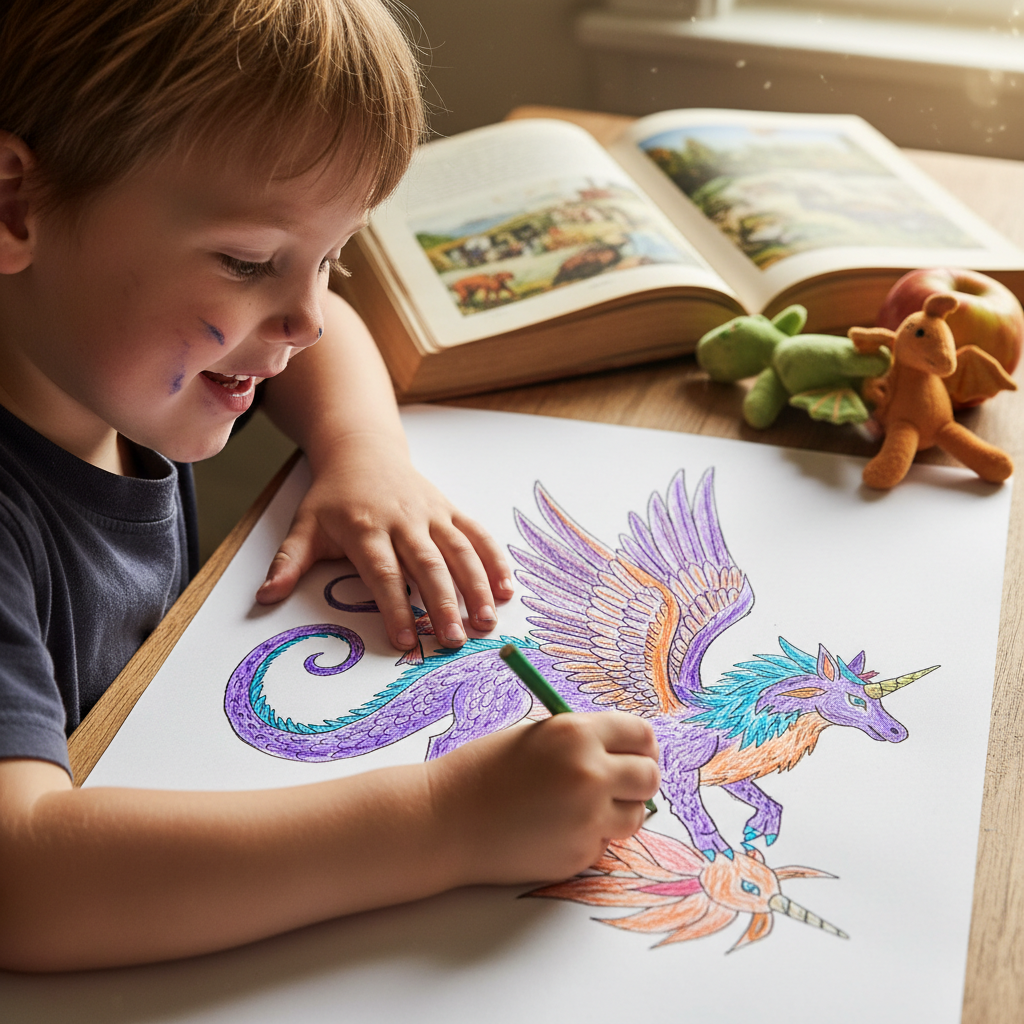
Books are gateways to endless worlds. When you read aloud, you transport your child to places they’ve never seen, introduce them to characters they’ve never met, and ignite their imagination.
Encouraging Creative Thinking
As children listen to stories, their minds create vivid images and scenarios. They envision what the characters look like, how the settings appear, and what might happen next. This active engagement strengthens their creative muscles, encouraging them to think beyond what’s directly in front of them.
Developing Problem-Solving Skills
Many stories involve characters overcoming obstacles. By listening to how characters navigate challenges, children implicitly learn about problem-solving strategies. You can discuss different solutions with them, further honing their critical thinking.
Practical Tips for Making Reading Aloud a Joyful Habit

Integrating reading aloud into your daily life doesn’t have to be complicated. Here are some simple ways to make it a cherished and sustainable routine:
- Start Early and Keep Going Even newborns benefit from hearing your voice. As they grow, their engagement will change, but the benefits remain.
- Make it a Routine Whether it’s before naptime, bedtime, or after dinner, a consistent time helps children look forward to it.
- Let Them Choose Giving your child agency in selecting books makes them more invested and excited.
- Be Expressive Use different voices for characters, vary your tone, and make sound effects. Have fun with it!
- Don’t Be Afraid to Reread Children love repetition. Rereading familiar stories helps them predict, remember, and feel secure.
- Engage with the Story Ask questions about the pictures, what might happen next, or how a character feels. This keeps them actively involved.
- It’s Okay to Not Finish If a book isn’t holding their attention, it’s fine to put it down and try another. The goal is enjoyment, not completion.
- Visit the Library Libraries are fantastic resources for discovering new books and making reading an adventure.
The Long-Term Impact on Learning and Success
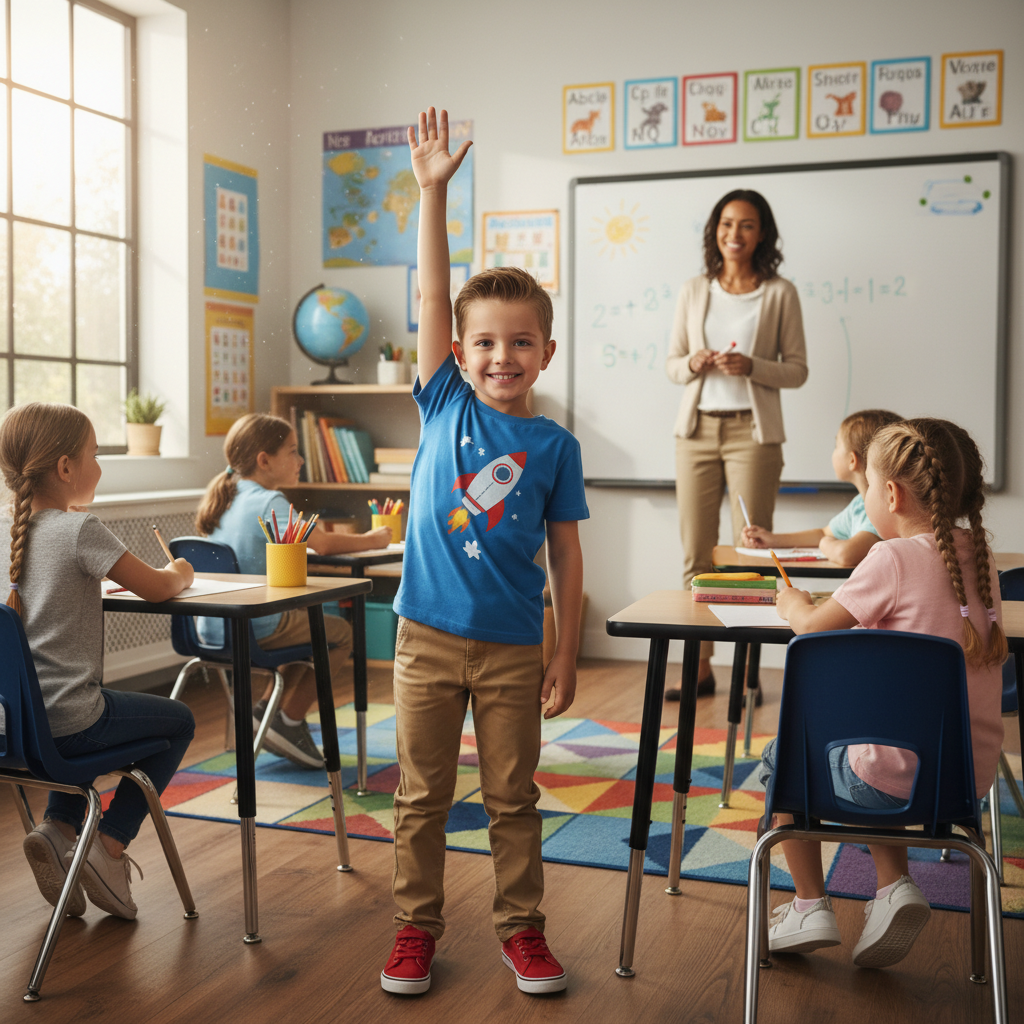
The cumulative effect of regular reading aloud is profound. Children who are read to frequently tend to perform better in school, develop stronger communication skills, and possess a greater love for learning. They enter school with a richer vocabulary and a better understanding of how stories work, giving them a significant advantage.
This early foundation of literacy and a positive association with books can foster a lifelong love of reading, opening doors to endless knowledge and personal growth.
A Simple Act with Endless Returns
Reading aloud to your child is truly one of the most powerful and loving gifts you can give them. It’s a simple pleasure that yields extraordinary returns, nurturing their minds, hearts, and spirits. In a world full of complex parenting advice, this timeless practice remains a beacon of connection and growth.
So, grab a book, snuggle up, and enjoy the magical journey you embark on together. Every story shared is a step towards a brighter future for your child, filled with curiosity, empathy, and the joy of discovery.