Seeing your precious little one’s skin develop dry, flaky patches can be disheartening. As parents, we want nothing more than for our babies to be comfortable and healthy, and often, dry skin can be a source of discomfort. The good news is that preventing and managing dry skin in babies often comes down to simple, consistent, and natural care practices. You’re not alone in navigating this, and with a few gentle adjustments, you can help keep your baby’s delicate skin wonderfully soft and hydrated.
Understanding Baby’s Delicate Skin

A baby’s skin is incredibly different from an adult’s. It’s thinner, more sensitive, and still developing its protective barrier. This means it’s more susceptible to losing moisture and reacting to irritants in its environment. Understanding these unique characteristics is the first step towards offering the best natural protection.
Why Baby Skin is Unique

Imagine your skin as a protective shield. For adults, this shield is robust and well-developed. For babies, it’s still under construction. Their stratum corneum, the outermost layer of skin, is much thinner than an adult’s, making it easier for moisture to escape and for external factors to penetrate. Additionally, their natural lipid barrier, which helps seal in hydration, isn’t fully mature. This makes their skin more permeable, meaning it can absorb substances more easily – both good and bad – and is more prone to dryness and irritation.
Babies also have a less developed immune system, which can sometimes manifest as skin sensitivities. Their sebaceous glands, which produce natural oils, are not yet fully regulated, often leading to either oily skin in some areas (like cradle cap) or dryness in others. This delicate balance requires a thoughtful, gentle approach to skincare, prioritizing natural ingredients and methods that support their skin’s natural development rather than stripping it.
Common Causes of Dry Skin in Babies
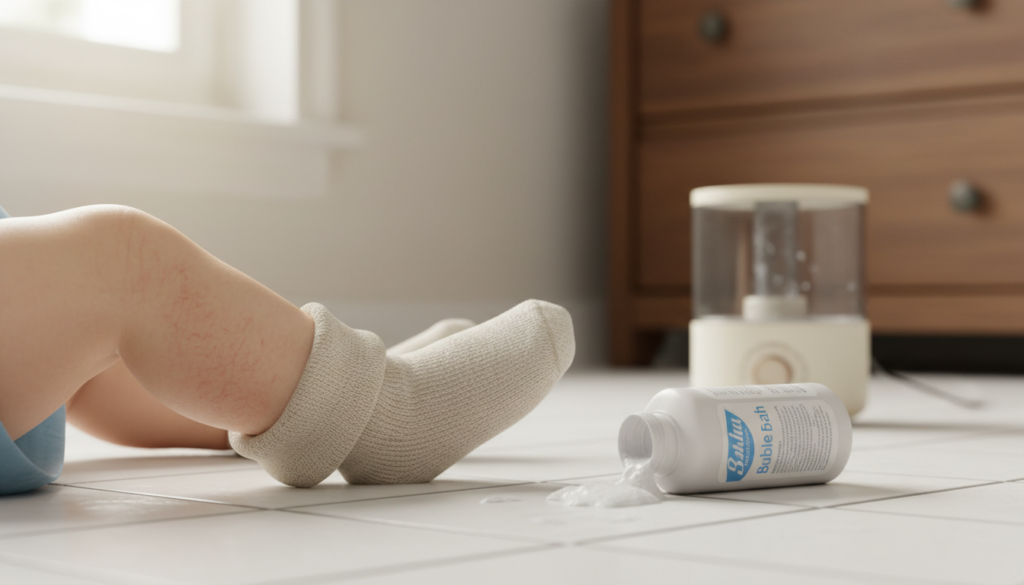
Dry skin in babies isn’t usually a sign of anything serious, but it can be caused by a combination of factors. Recognizing these can help you proactively prevent them:
- Environmental Factors: Low humidity, especially during winter months when indoor heating is on, can strip moisture from the air and your baby’s skin. Exposure to harsh winds or excessive sun can also contribute.
- Bathing Habits: Too-hot water, prolonged baths, or the use of harsh soaps and bubble baths can wash away natural protective oils, leaving the skin vulnerable.
- Irritants in Products: Fragrances, dyes, and certain chemicals found in baby lotions, wipes, or laundry detergents can irritate sensitive baby skin and lead to dryness.
- Genetics: Sometimes, a baby might be predisposed to dry skin or conditions like eczema due to family history.
- Dehydration: While less common as a direct cause, insufficient fluid intake (especially in older babies transitioning from breastmilk/formula) can impact skin hydration.
- Fabrics: Rough clothing materials, especially synthetic ones, can rub against delicate skin and cause irritation and dryness.
By identifying potential culprits, you can begin to tailor a natural skincare routine that nurtures your baby’s skin instead of challenging it.
Gentle Bathing Practices

Bath time is a special bonding experience, but it also presents an opportunity to either protect or inadvertently dry out your baby’s skin. Gentle practices are paramount to preserving their skin’s natural moisture barrier.
The Right Water Temperature and Duration

Imagine stepping into a scalding hot shower – it might feel good for a moment, but it quickly strips your skin of its natural oils. The same principle applies, even more so, to your baby. Always use lukewarm water, not hot. A good test is to dip your elbow or wrist into the water; it should feel pleasantly warm, not hot. Overly hot water can accelerate moisture loss from your baby’s skin.
As for duration, less is often more. Keep bath times short, ideally between 5 to 10 minutes. This is usually enough time for gentle cleansing and playtime without over-exposing their delicate skin to water, which paradoxically can lead to dryness if not followed by proper moisturizing.
Choosing Baby-Friendly Cleansers
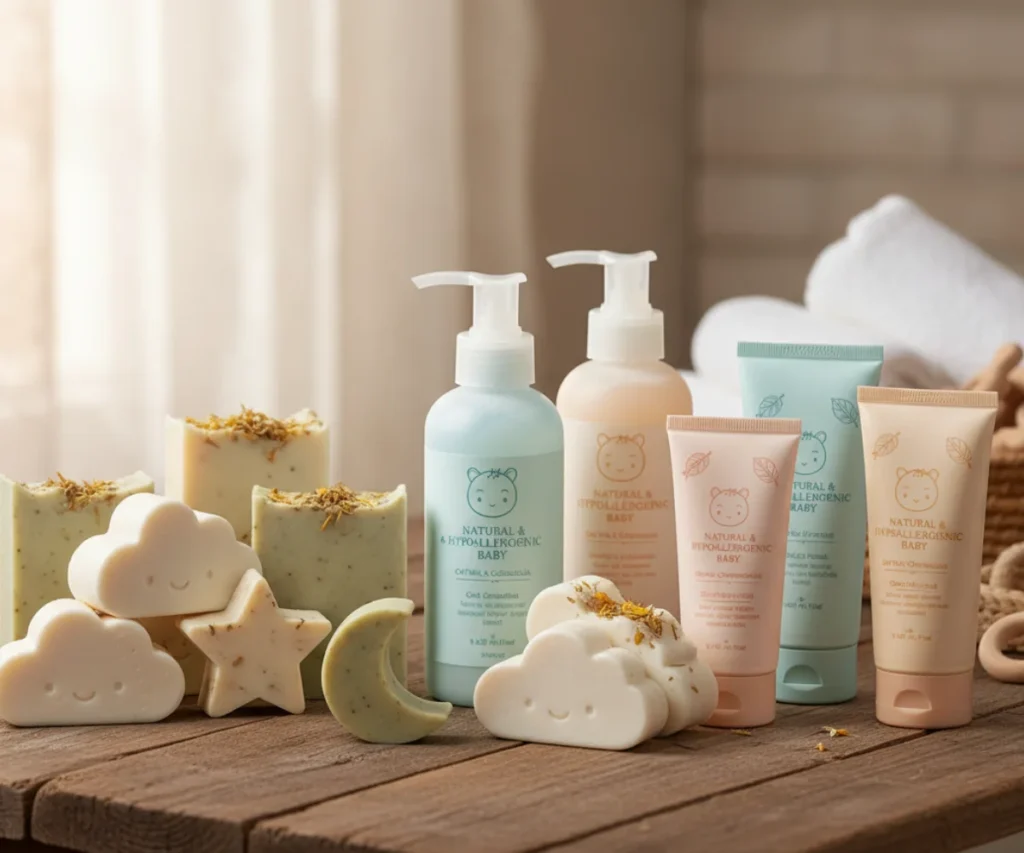
When it comes to cleansers, think minimalist and natural. Many traditional soaps are too harsh for baby skin, often containing strong detergents and fragrances that can strip natural oils and cause irritation. Opt for ultra-mild, pH-neutral, fragrance-free, dye-free, and hypoallergenic cleansers specifically designed for babies with sensitive skin.