Spring is a season of new beginnings, budding flowers, and longer, brighter days. While it brings a welcome change from winter, the transition can sometimes be a bit tricky for our little ones. Kids thrive on routine, and spring often ushers in shifts in schedules, weather, and even their moods.
As parents, we want to help our children navigate these changes with ease and excitement. Preparing them thoughtfully can make all the difference, turning potential meltdowns into joyful discoveries. This article will walk you through practical, gentle ways to get your kids ready for everything spring has in store.
Understanding Spring’s Impact on Kids

Before we dive into specific tips, it’s helpful to understand why spring can be a significant shift for children. Their world is often built on predictability, and even small changes can feel big.
The Shift in Routine
Winter often means more indoor time and earlier bedtimes due to darkness. Spring invites more outdoor play, later sunsets, and potentially different activity schedules as sports and other outdoor events begin. This shift can disrupt established rhythms.
Weather Fluctuations
Spring weather can be notoriously unpredictable. One day might be warm and sunny, perfect for shorts, while the next brings chilly winds and rain. This variability can be confusing for kids when choosing what to wear or planning activities.
Allergen Awareness
For many children, spring brings the unwelcome arrival of seasonal allergies. Pollen counts rise, and familiar symptoms like sneezing, itchy eyes, and runny noses can start. This can impact their comfort and ability to enjoy outdoor play.
Daylight Savings Time Adjustment
Often coinciding with early spring, the “spring forward” of Daylight Savings Time can throw a wrench into sleep schedules. Even a one-hour shift can significantly impact a child’s internal clock and mood for several days.
Adjusting Sleep Schedules Smoothly

Sleep is fundamental to a child’s well-being. The shift in daylight hours and Daylight Savings Time can easily disrupt it. Here’s how to manage it gently.
Gentle Shift for Daylight Savings
This is arguably one of the biggest sleep challenges in spring. A gradual approach works best.
Before the Change
Start adjusting their bedtime by 10-15 minutes earlier each night for a few days leading up to the clock change. This helps their bodies slowly get used to the new time.
The Day Of
Keep the first day after the change as normal as possible. Stick to your routines, including meal times and naps, to help anchor their internal clock.
After the Change
Expose your child to natural light in the mornings. This helps reset their circadian rhythm. Keep evenings dim and calm to signal sleep time.
Maintaining Bedtime Routines
Consistency is your best friend. A predictable bedtime routine signals to your child that it’s time to wind down, no matter how bright it still is outside.
* Warm bath: A relaxing bath can help ease them into sleep.
* Story time: Reading together is a calming activity and a great way to bond.
* Quiet play: Avoid stimulating activities or screens an hour before bed.
Optimizing the Sleep Environment
With more daylight, your child’s room might need some tweaks to stay dark and cool for sleep.
* *Blackout curtains: These are invaluable for blocking out early morning or late evening light.
* White noise machine: A gentle, consistent sound can help drown out outdoor noises that increase with open windows and longer days.
* Cool temperature: Aim for a comfortable sleeping temperature, generally between 68-72 degrees Fahrenheit (20-22 degrees Celsius).
Navigating Wardrobe Changes
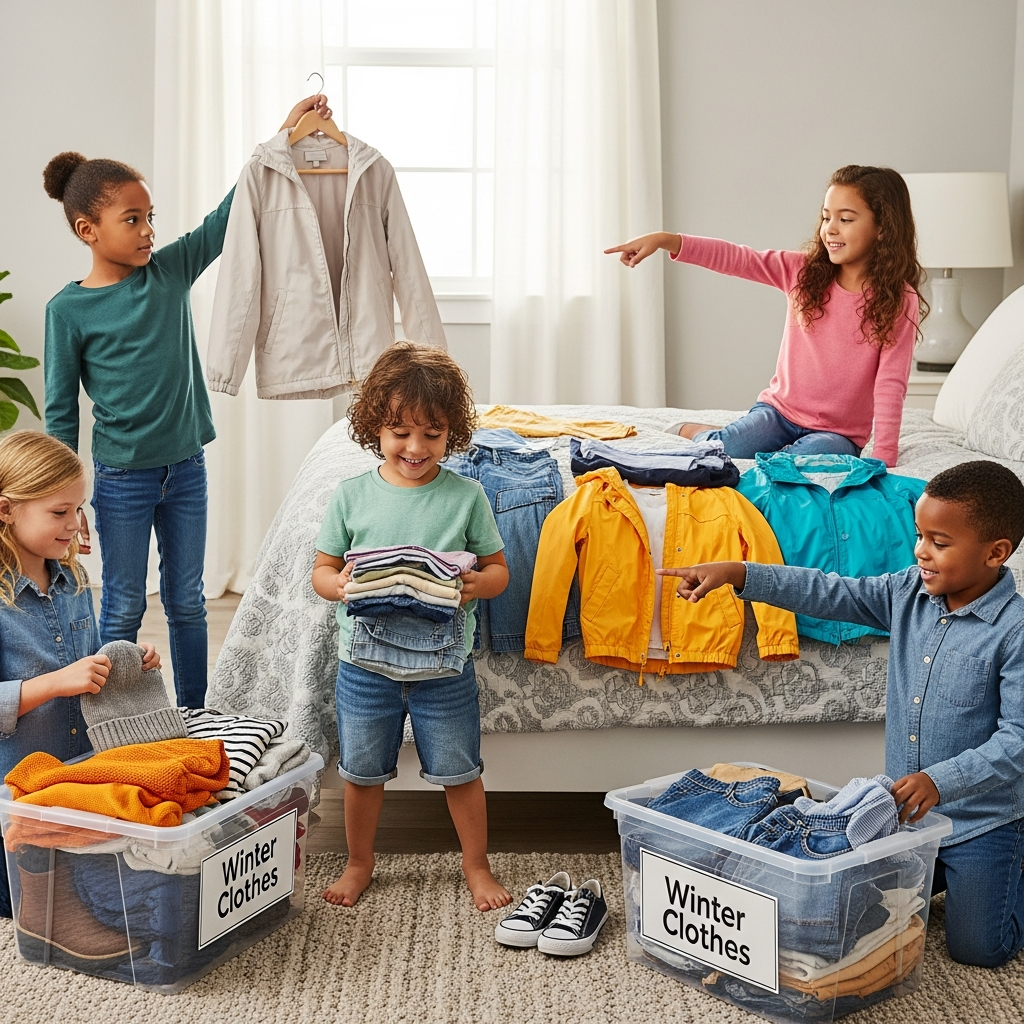
Packing away winter coats and bringing out lighter clothes is part of the spring ritual. Involving your kids can make it fun and empowering.
Layering is Key
Spring weather is often unpredictable, so layering is the best strategy. Teach your child about wearing multiple lighter items they can add or remove.
* Base layer: A light t-shirt or long-sleeved top.
* Mid-layer: A hoodie, cardigan, or light sweater.
* Outer layer: A waterproof or wind-resistant jacket.
Involving Kids in Outfit Choices
Allowing children to have some say in their clothing can reduce power struggles and help them learn to dress for the weather.
* Offer limited choices: “Would you like the blue jacket or the red one today?”
* Explain the weather: “It’s a bit chilly this morning, so we need a sweater.”
* Let them feel the fabric: “This one feels light for sunny days, this one is warmer for cloudy days.”
Storing Winter Clothes
Make this a family activity. As you put away heavy sweaters and snow pants, talk about how you’re making room for spring clothes.
* Sort by size: Keep items that still fit for next year, and set aside those that are too small for donation or hand-me-downs.
* Clean before storing: Wash all winter clothes before packing them away to prevent odors and stains from setting in.
Managing Spring Allergies
If your child suffers from seasonal allergies, spring can be a tough time. Being prepared can alleviate their discomfort.
Recognizing Allergy Symptoms
Knowing what to look for helps you act quickly. Common symptoms include:
* Sneezing and runny nose
* Itchy, watery eyes
* Nasal congestion
* Coughing or throat clearing
Proactive Measures
A few simple steps can help minimize exposure to allergens.
* Monitor pollen counts: Many weather apps provide daily pollen forecasts.
* Keep windows closed: Especially on high-pollen days, keep car and house windows shut.
* Shower after outdoor play: This washes pollen off hair and skin before bed.
* Change clothes: Have your child change out of clothes worn outdoors immediately.
Talking to Your Pediatrician
If you suspect your child has allergies, or if symptoms are severe, always consult your doctor. They can recommend appropriate over-the-counter or prescription medications.
Embracing Outdoor Play Safely
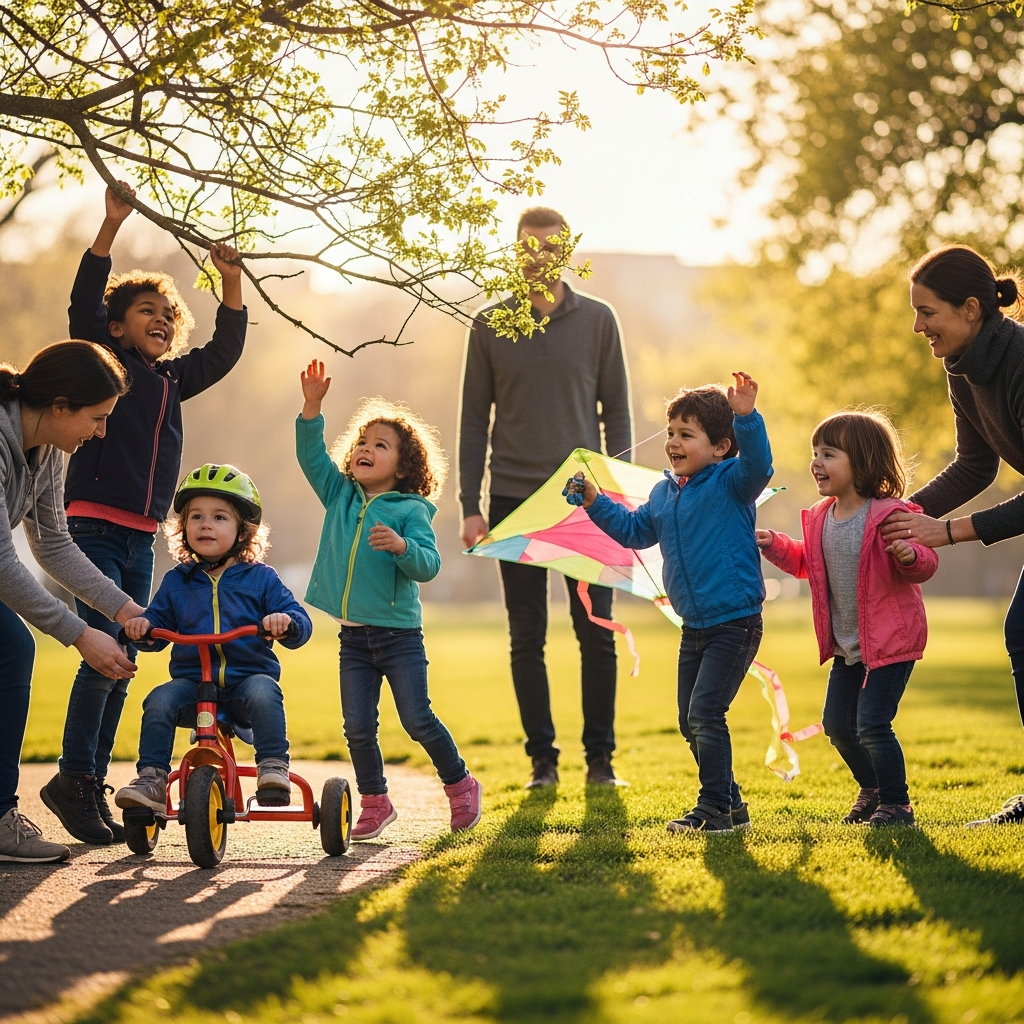
Spring means more time outdoors, which is wonderful for kids’ development and energy levels. Safety remains a top priority.
Sun Protection Essentials
Even on cloudy spring days, UV rays can be strong.
* Sunscreen: Apply a broad-spectrum sunscreen with at least SPF 30 to exposed skin, even for short periods outside.
* Hats and sunglasses: Wide-brimmed hats and UV-protective sunglasses protect their heads and eyes.
* Protective clothing: Lightweight, long-sleeved shirts can offer extra sun protection during peak hours.
Tick and Bug Bite Prevention
Warmer weather also brings out insects.
* Insect repellent: Use age-appropriate repellent according to package directions, especially when playing in grassy or wooded areas.
* Check for ticks: After outdoor play, do a thorough check of your child’s skin, especially in hair, behind ears, and in skin folds.
* Wear long sleeves/pants: If hiking or playing in tall grass, tuck pants into socks to create a barrier.
Exploring New Outdoor Activities
Spring offers so many opportunities for fun. Encourage your kids to try new things.
* Nature walks: Look for budding trees, flowers, and listen for bird songs.
* Gardening: Plant seeds or help tend to a small garden patch.
* Biking and scootering: With proper safety gear, these are great ways to enjoy the fresh air.
* Picnics: Pack a simple lunch and eat outdoors in a park or your backyard.
Refreshing Nutrition and Hydration

As activity levels increase and the weather warms, your child’s nutritional needs might subtly shift.
Lighter Meal Options
Heavy, warming winter meals might feel less appealing. Opt for lighter, fresher alternatives.
* Salads: Incorporate fresh greens with protein and colorful vegetables.
* Wraps and sandwiches: Easy to pack for picnics or quick lunches.
* Smoothies: A great way to pack in fruits and vegetables.
Boosting Hydration
Children, especially when active, need consistent hydration.
* Water, water, water: Always have water available. Offer it frequently.
* Fruit-infused water: Add slices of cucumber, lemon, or berries to plain water for a natural flavor boost.
* Popsicles: Make homemade fruit juice popsicles for a fun, hydrating treat.
Seasonal Fruits and Vegetables
Spring brings a bounty of fresh produce. Introduce your children to these vibrant options.
* Strawberries, blueberries, raspberries:** Delicious and packed with vitamins.
* Asparagus, peas, spinach: Offer new flavors and textures.
* Rhubarb: For those who like a tart taste, perhaps in a crumble.
Mental and Emotional Preparation
Beyond the physical changes, the shift to spring can also have an emotional impact on kids. They might feel extra energetic, excited, or even a little overwhelmed.
Discussing the Changes
Talk about what spring means in a positive, reassuring way.
* Highlight the positives: “Soon we can play outside longer because the sun stays up!”
* Explain the weather: “Sometimes it’s sunny, sometimes it’s rainy, so we need to be ready for both.”
**Reassure them: Acknowledge that changes can feel different, but you’ll help them adjust.
Managing Over-Excitement
The sheer joy of spring can lead to a burst of energy, sometimes bordering on over-stimulation.
* Scheduled downtime: Even with more outdoor play, ensure there’s quiet time for reading or calm activities.
* Consistent routines: Sticking to meal and nap times helps ground them amidst the excitement.
* Deep breaths: Teach simple breathing exercises to help them calm down if they get too wound up.
Encouraging Independence
Spring is a great time to foster a little more independence.
* Choosing clothes: Let them pick from weather-appropriate options.
* Helping with gardening: Assign simple tasks like watering plants.
* Packing their own snack bag: For a day out, let them choose a healthy snack.
Spring Cleaning and Decluttering (Kid-Friendly)

Spring cleaning isn’t just for grown-ups. Involving kids can teach them valuable organizational skills and make room for new season’s items.
Involve Them in the Process
Frame it as making space for fun spring activities or organizing toys for better play.
* Sort toys together: “Which toys do you play with most? Which ones are you ready to share?”
* Clean their space: Give them a cloth and let them help wipe down surfaces in their room.
* Make it a game: Set a timer and see how many items they can put away.
Organizing for Warmer Weather
As you put away winter items, think about spring’s needs.
* Easy access to outdoor gear: Place rain boots, light jackets, and sunscreen where they can easily grab them.
* Toy rotation: Bring out outdoor toys and put away some indoor ones to create a sense of novelty.
Donating Outgrown Items
This is a wonderful opportunity to teach generosity and the concept of giving back.
* “Love it, need it, donate it”: A simple system for going through clothes and toys.
* Visit a donation center: Let them physically drop off items they’ve chosen to donate.
Practical Tips for a Smooth Transition

To tie it all together, here are some overarching principles to keep in mind.
Create a Family Calendar
Visually seeing upcoming changes, like Daylight Savings or a new outdoor activity, can help kids prepare mentally. Use pictures for younger children.
Model Adaptability
Children learn by watching us. If you approach changes with a positive, flexible attitude, they are more likely to do the same.
Be Patient and Flexible
Transitions take time. There will be days when things don’t go smoothly. Offer grace to yourself and your child. Every family finds their own rhythm.
Spring is a truly magical time, full of growth and renewal. By taking these thoughtful steps, you can help your children embrace the season’s changes with confidence and joy. From adjusting sleep to exploring outdoors, preparing them allows everyone to fully bloom alongside the season. Enjoy the vibrant energy and new adventures that spring brings to your family!