Congratulations, mama-to-be! Pregnancy is an incredible journey, and one of the most powerful ways you can nurture yourself and your growing baby is through nourishing food. It’s not just about ‘eating for two’; it’s about eating smart for two, ensuring you get all the essential vitamins, minerals, and energy needed for a healthy pregnancy and a thriving little one.
We know that navigating pregnancy cravings, aversions, and all the conflicting advice can feel overwhelming. That’s why we’ve put together a simple, empathetic guide to the 20 best foods to incorporate into your diet. Think of this as your gentle roadmap to feeling great and supporting your baby’s development every step of the way.
Essential Nutrients for a Healthy Pregnancy
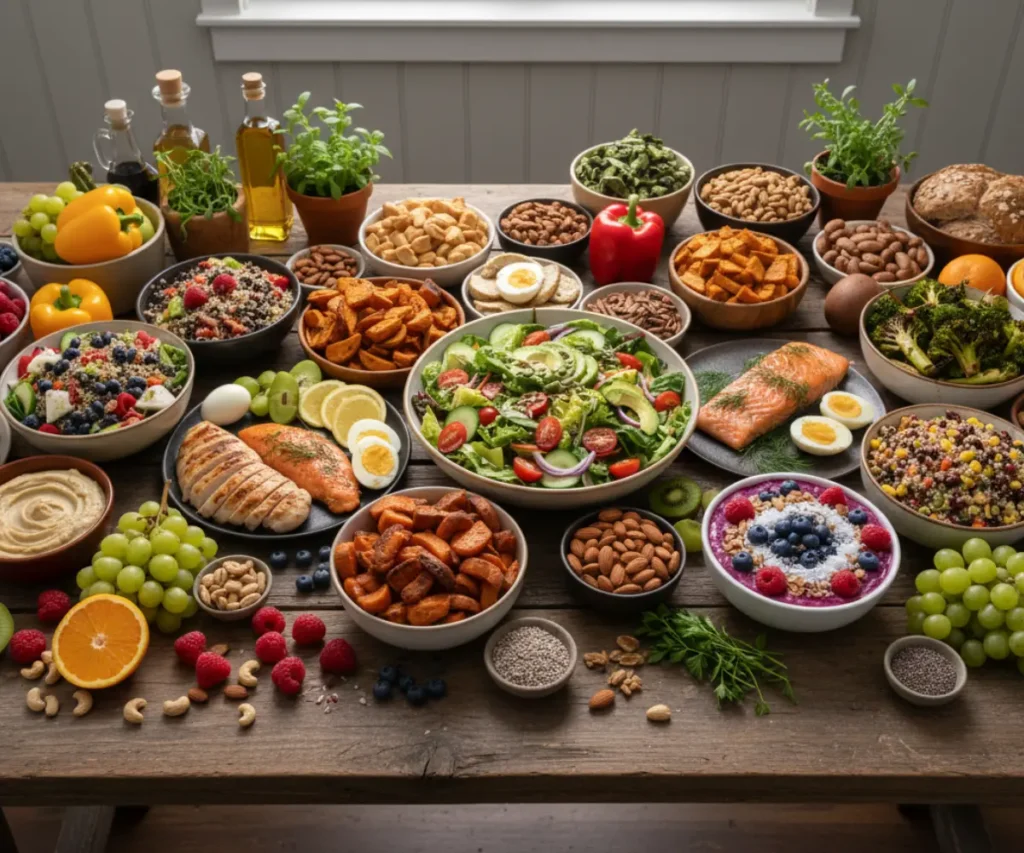
During pregnancy, your body’s nutritional needs increase significantly. Key nutrients like folate, iron, calcium, protein, and omega-3 fatty acids play vital roles in your baby’s development and your own health. Folate helps prevent neural tube defects, iron supports increased blood volume and prevents anemia, calcium builds strong bones and teeth, protein is the building block for baby’s tissues, and omega-3s are crucial for brain and eye development.
Focusing on a balanced diet rich in whole foods ensures you and your baby get these critical components. Let’s dive into some of the best foods to make friends with during these precious months.
Power-Packed Proteins for Growth
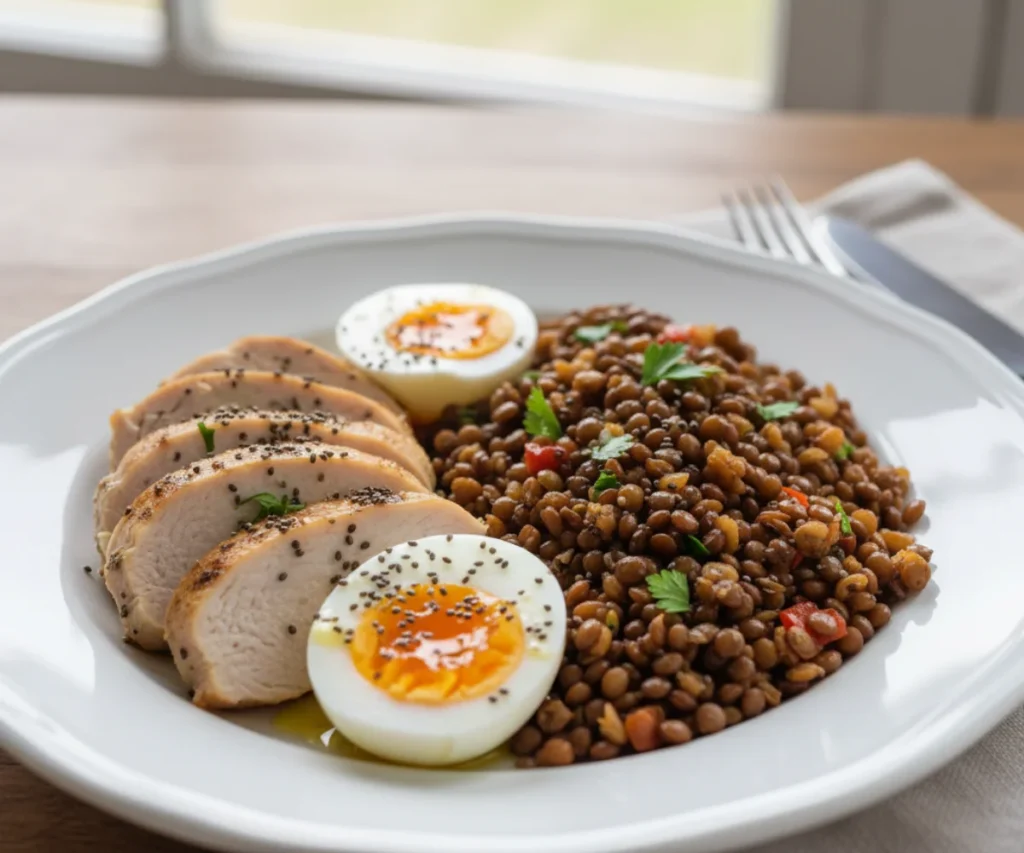
Protein is fundamental during pregnancy, often called the ‘building block’ nutrient. It’s essential for the rapid growth of your baby’s tissues and organs, including their brain and heart. It also helps your own body grow and repair tissues, including your uterus and breasts.
1. Lean Meats (Beef, Chicken, Turkey)
Lean protein sources like beef, chicken, and turkey are excellent for pregnancy. Beef and dark-meat turkey are particularly rich in iron, which is crucial for preventing iron-deficiency anemia, a common concern during pregnancy. They also provide high-quality protein and B vitamins.
- Why it’s great: High in protein, iron, and B vitamins (especially B6 and B12).
- Mama’s tip: Opt for grass-fed beef when possible and ensure all meats are cooked thoroughly to prevent foodborne illness. Pair iron-rich meats with Vitamin C-rich foods (like bell peppers or oranges) to enhance iron absorption.
2. Eggs
Eggs are a true superfood for expectant mothers! They’re an inexpensive, versatile, and excellent source of protein, essential vitamins, and minerals. Most importantly, eggs are packed with choline, a nutrient vital for your baby’s brain development and for preventing neural tube defects.
- Why it’s great: Protein, choline, Vitamin D, and iron.
- Mama’s tip: Enjoy eggs boiled, scrambled, or in an omelet. Always ensure they are cooked until the yolk and white are firm to avoid salmonella.
3. Salmon and Other Fatty Fish (e.g., Sardines)
Fatty fish like salmon are celebrated for their Omega-3 fatty acids, especially DHA and EPA, which are critical for your baby’s brain and eye development. They also provide high-quality protein and Vitamin D, which supports bone health and immune function.
- Why it’s great: Omega-3s (DHA/EPA), protein, Vitamin D.
- Mama’s tip: Aim for 2-3 servings of low-mercury fatty fish per week. Canned salmon or sardines are convenient and affordable options. Always choose wild-caught when possible.
4. Legumes (Lentils, Beans, Chickpeas)
Legumes are a fantastic plant-based source of folate, fiber, protein, and iron. Folate is crucial in early pregnancy to prevent neural tube defects, and fiber helps combat common pregnancy woes like constipation. These versatile foods are also budget-friendly.
- Why it’s great: Folate, fiber, protein, iron, magnesium.
- Mama’s tip: Add lentils to soups, beans to salads, or make a quick hummus with chickpeas. Soaking and rinsing dried legumes can help reduce gas.
5. Greek Yogurt
Greek yogurt is a protein powerhouse, offering about twice the protein of regular yogurt. It’s also an excellent source of calcium and contains probiotics, which can support gut health and potentially reduce the risk of complications like gestational diabetes and preeclampsia.
- Why it’s great: High protein, calcium, probiotics.
- Mama’s tip: Enjoy it plain with berries, a drizzle of honey, or use it as a base for smoothies. Look for varieties with live and active cultures.
6. Tofu/Tempeh
For vegetarian and vegan moms-to-be, tofu and tempeh are invaluable sources of plant-based protein. They also provide essential minerals like iron and calcium, which are often a concern for those following a plant-based diet.
- Why it’s great: Plant-based protein, iron, calcium.
- Mama’s tip: Tofu can be scrambled like eggs or added to stir-fries, while tempeh makes a great addition to sandwiches or salads.
Calcium-Rich Choices for Strong Bones
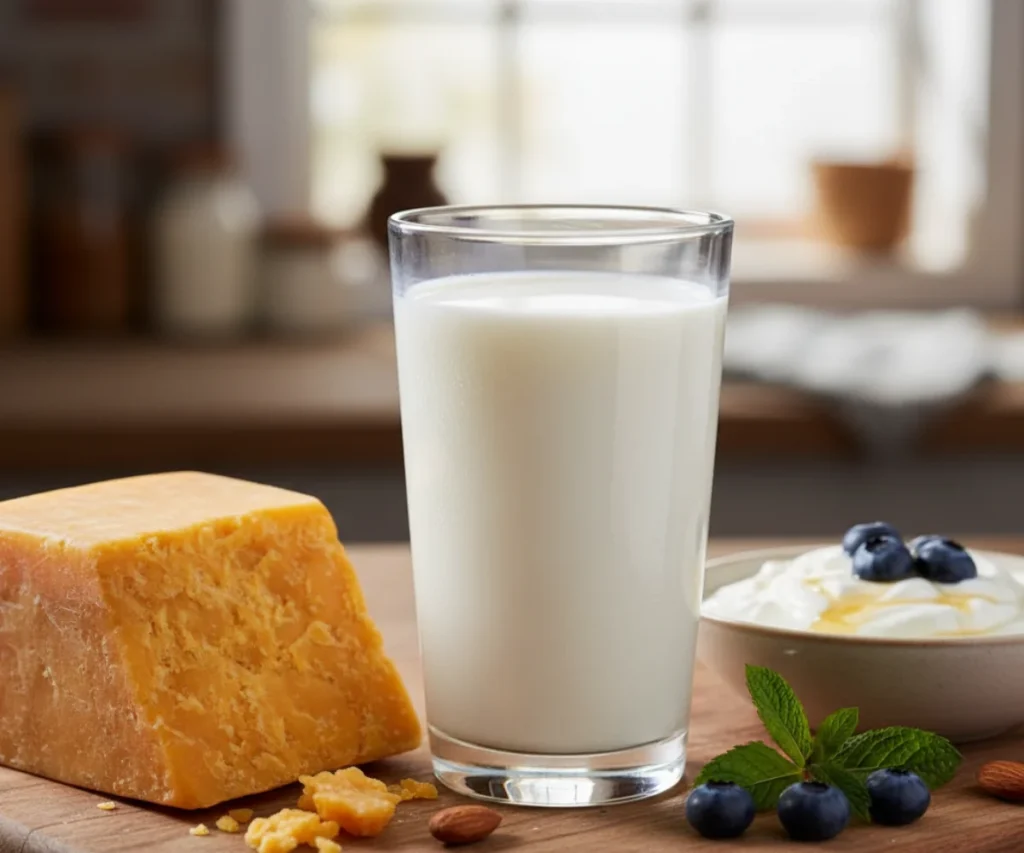
Calcium is vital for building your baby’s bones and teeth. If you don’t consume enough, your baby will draw calcium from your own bones, potentially impacting your long-term bone health. Aim for around 1000 mg of calcium daily during pregnancy.
7. Milk (Fortified)
Good old milk remains a top source of calcium, and many varieties are fortified with Vitamin D, which helps your body absorb calcium. It also provides protein and other essential nutrients.
- Why it’s great: Calcium, Vitamin D, protein.
- Mama’s tip: If dairy gives you digestive issues, consider lactose-free milk or explore fortified plant-based alternatives.
8. Cheese
Cheese, in moderation, is a delicious way to boost your calcium and protein intake. Hard cheeses like cheddar or Swiss are good choices. Soft cheeses made with pasteurized milk are also generally safe, but always check the label.
- Why it’s great: Calcium, protein.
- Mama’s tip: Avoid unpasteurized soft cheeses (like brie, feta, blue cheese) during pregnancy due to the risk of listeria infection. Always ensure cheese is pasteurized.
9. Fortified Plant Milks (Almond, Soy)
For those who are lactose intolerant or prefer plant-based options, fortified plant milks like almond or soy milk can be excellent sources of calcium and Vitamin D. Always check the nutrition label to ensure they are indeed fortified.
- Why it’s great: Calcium, Vitamin D (if fortified).
- Mama’s tip: Choose unsweetened varieties to minimize added sugars. Soy milk also offers a good amount of protein.
Vibrant Fruits and Vegetables for Vitamins and Fiber

Fruits and vegetables are packed with vitamins, minerals, antioxidants, and fiber – all crucial for a healthy pregnancy. They help boost your immune system, support your baby’s development, and keep your digestive system running smoothly.
10. Leafy Green Vegetables (Spinach, Kale, Broccoli)
These green powerhouses are loaded with folate, iron, calcium, and vitamins A, C, and K. Folate is particularly important in early pregnancy to prevent neural tube defects. The fiber content also helps with digestion.
- Why it’s great: Folate, iron, calcium, Vitamins A, C, K, fiber.
- Mama’s tip: Add spinach to smoothies, kale to salads, or steam broccoli as a side dish. Cooking can sometimes increase nutrient availability for certain greens.
11. Sweet Potatoes
Sweet potatoes are an excellent source of beta-carotene, which your body converts into Vitamin A. This vitamin is essential for your baby’s cell growth and differentiation, as well as for healthy vision. They also provide fiber.
- Why it’s great: Beta-carotene (Vitamin A), fiber.
- Mama’s tip: Enjoy them baked, roasted, or mashed. They make a delicious and nutritious side dish.
12. Berries (Blueberries, Raspberries, Strawberries)
Berries are little antioxidant bombs! They’re rich in Vitamin C, fiber, and various phytonutrients. Vitamin C is important for your immune system and for collagen production, which supports healthy skin and tissues.
- Why it’s great: Antioxidants, Vitamin C, fiber.
- Mama’s tip: Add fresh or frozen berries to your yogurt, oatmeal, or smoothies for a natural sweetness boost.
13. Avocado
Avocados are a fantastic source of healthy monounsaturated fats, which are important for your baby’s brain development and can help improve nutrient absorption. They also contain folate, potassium, Vitamin C, and Vitamin B6, which can help alleviate morning sickness.
- Why it’s great: Healthy fats, folate, potassium, Vitamins C and B6.
- Mama’s tip: Enjoy avocado sliced on toast, in salads, or as guacamole.
14. Oranges/Citrus Fruits
Oranges and other citrus fruits are famous for their high Vitamin C content, which supports your immune system and helps with iron absorption. They also provide folate and help keep you hydrated.
- Why it’s great: Vitamin C, folate, hydration.
- Mama’s tip: A refreshing snack, or squeeze fresh orange juice (in moderation due to sugar content).
15. Bell Peppers
Bell peppers, especially red and yellow ones, are another excellent source of Vitamin C and antioxidants. They also contain Vitamin A and fiber. They add a delicious crunch and vibrant color to meals.
- Why it’s great: Vitamin C, antioxidants, Vitamin A.
- Mama’s tip: Slice them up for a snack with hummus, add them to stir-fries, or roast them with other vegetables.
Wholesome Grains for Sustained Energy

Whole grains are crucial for providing sustained energy during pregnancy and are packed with fiber, B vitamins, and minerals. They help prevent fatigue and manage blood sugar levels.
16. Oats
Oats are a gentle, fiber-rich whole grain that can help regulate blood sugar, provide sustained energy, and combat constipation. They also offer iron and B vitamins.
- Why it’s great: Fiber, iron, B vitamins, sustained energy.
- Mama’s tip: Start your day with a bowl of oatmeal, topped with berries and nuts, or add oats to baking.
17. Quinoa
Quinoa is unique among grains because it’s a complete protein, meaning it contains all nine essential amino acids. It’s also rich in fiber, iron, magnesium, and B vitamins, making it an incredibly nutritious choice for expectant mothers.
- Why it’s great: Complete protein, fiber, iron, magnesium, B vitamins.
- Mama’s tip: Use quinoa as a base for salads, a side dish, or even in breakfast bowls.
18. Whole Wheat Bread/Pasta
Swapping refined grains for whole wheat versions significantly increases your intake of fiber, B vitamins, and trace minerals. This helps with digestion, provides consistent energy, and supports overall nutrient intake.
- Why it’s great: Fiber, B vitamins, magnesium, sustained energy.
- Mama’s tip: Always check labels to ensure ‘whole wheat’ is the first ingredient, not ‘enriched wheat flour.’
Healthy Fats and Other Essentials

Healthy fats are vital for your baby’s brain and nervous system development. And let’s not forget the ultimate essential: water!
19. Nuts and Seeds (Almonds, Walnuts, Chia Seeds, Flaxseeds)
Nuts and seeds are powerhouses of healthy fats (including some Omega-3s in walnuts, chia, and flax), protein, fiber, and essential minerals like magnesium. They make excellent snacks and can help you feel fuller for longer.
- Why it’s great: Healthy fats, protein, fiber, magnesium, Omega-3s.
- Mama’s tip: Keep a handful for a quick snack, sprinkle them on salads or yogurt, or blend into smoothies.
20. Water
While not a ‘food,’ water is arguably the most crucial nutrient during pregnancy. It’s essential for forming amniotic fluid, producing extra blood volume, transporting nutrients, and helping to prevent common pregnancy discomforts like constipation, hemorrhoids, and urinary tract infections.
- Why it’s great: Hydration, nutrient transport, prevents common pregnancy ailments.
- Mama’s tip: Keep a reusable water bottle with you and sip throughout the day. Aim for 8-12 glasses (2-3 liters) daily, more if you’re active or it’s hot.
Bringing It All Together
Remember, pregnancy is a marathon, not a sprint, and your diet is a powerful tool to help you cross the finish line feeling strong and healthy. Focus on variety, listen to your body, and don’t be too hard on yourself if some days are better than others. Every nourishing choice you make is a loving investment in your health and your baby’s future.
Always consult with your healthcare provider or a registered dietitian for personalized dietary advice during your pregnancy. They can help tailor recommendations to your specific needs and any existing health conditions.