Potty training is a big milestone — not just for toddlers, but for parents too. Every child learns at their own pace, and the goal is to create a calm, positive, and supportive environment that helps them feel confident. With patience, encouragement, and simple routines, potty training becomes a smooth, stress-free journey.
Here’s a clear and gentle guide to help toddlers learn potty skills with confidence.
Look for Signs Your Toddler Is Ready
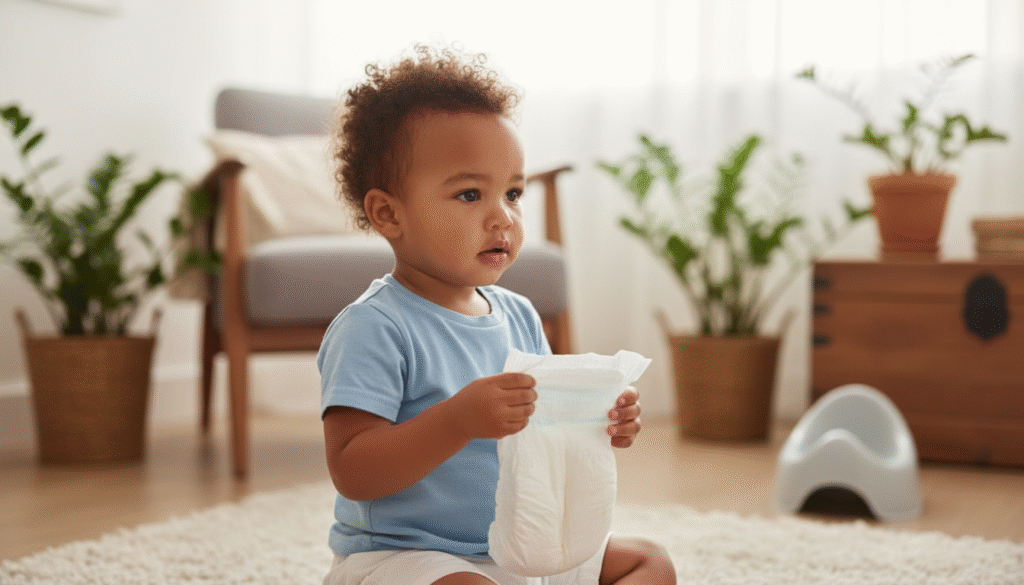
Potty training works best when your toddler shows readiness.
Common signs include:
- Staying dry for longer periods
- Showing interest in the bathroom
- Trying to pull pants up or down
- Disliking dirty diapers
- Following simple instructions
- Wanting to be “big” or independent
Starting when they’re ready makes learning much easier.
Create a Positive Potty Environment
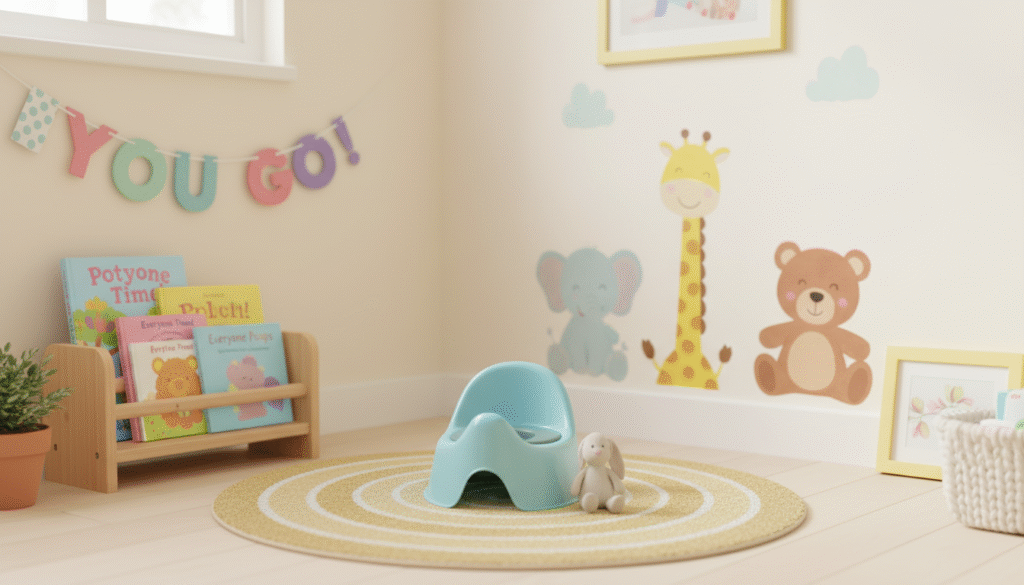
A welcoming potty area encourages kids to try without fear.
Try:
- A small potty or secure toilet seat
- A step stool for comfort and balance
- Soft lighting
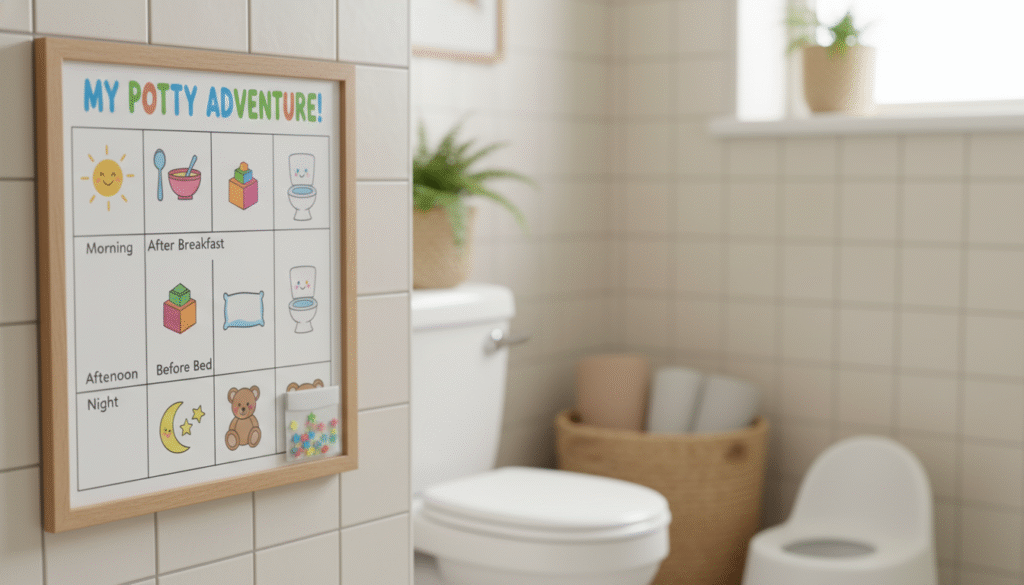
- Fun books or simple charts nearby
A cozy, child-friendly bathroom builds confidence.
Introduce the Potty Slowly
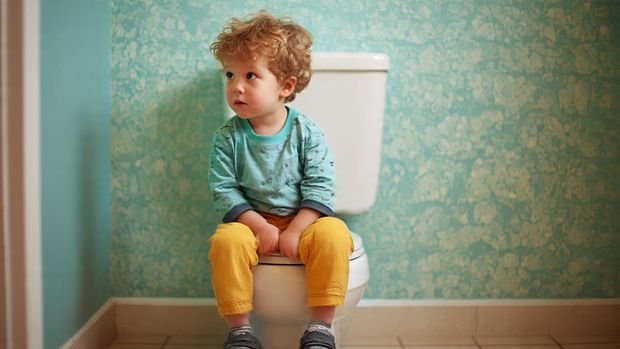
Start by helping your toddler become familiar with the potty.
You can:
- Let them sit on it fully clothed
- Read a potty-themed book together
- Encourage them to flush with you
- Show how grown-ups use the toilet (if comfortable)
Slow steps reduce pressure.
Build a Predictable Potty Routine
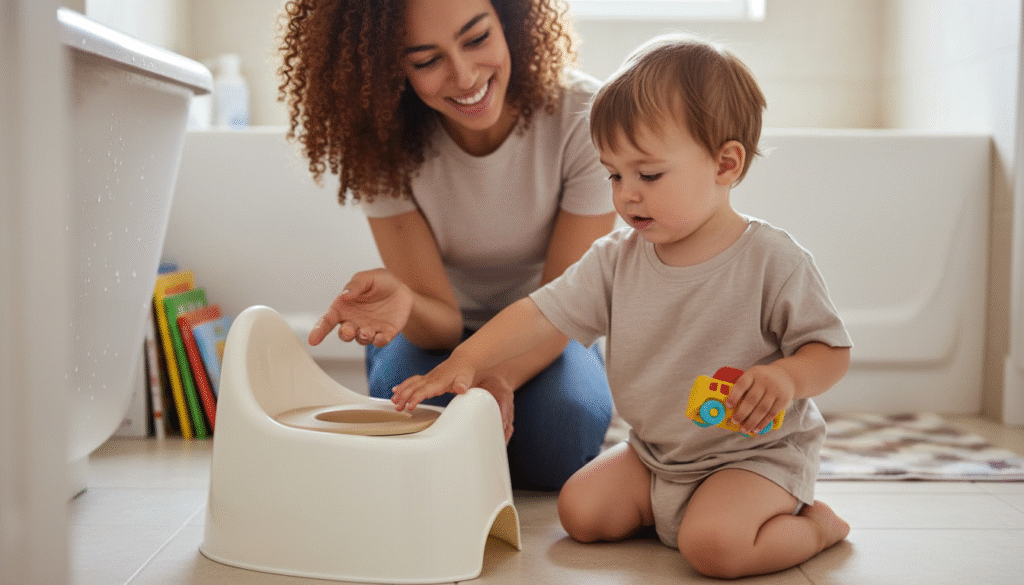
Routines help toddlers learn patterns.
Good potty times include:
- After waking up
- Before and after meals
- Before naps and bedtime
- Every 1–2 hours during the day
Regular practice teaches awareness of body signals.
Dress for Potty Success
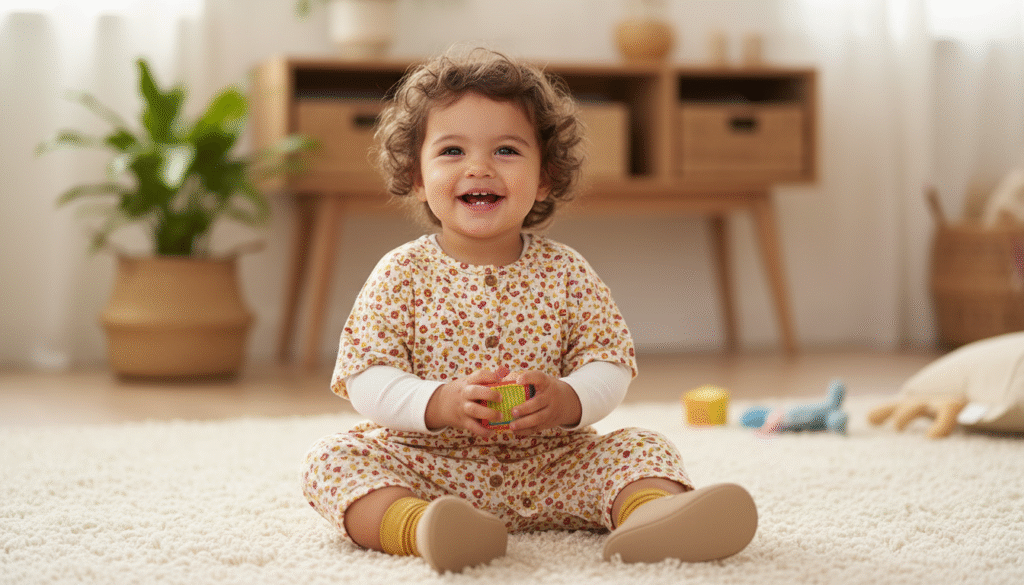
Choose clothes that toddlers can manage easily.
Try:
- Elastic-waist pants
- Shorts
- Simple dresses
- Avoiding buttons, belts, or tight outfits
Easy clothing encourages independence.
Use Encouragement and Praise
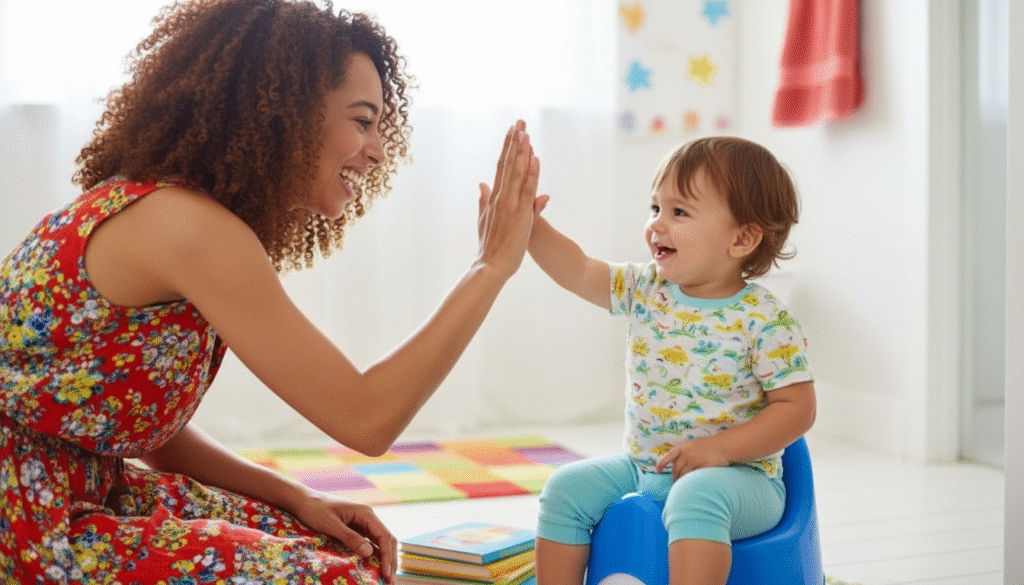
Celebrate effort — not just success.
Say things like:
- “Great job sitting on the potty!”
- “You tried your best!”
- “I’m proud of you!”
Positive reinforcement builds confidence and motivation.
Offer Choices to Reduce Power Struggles
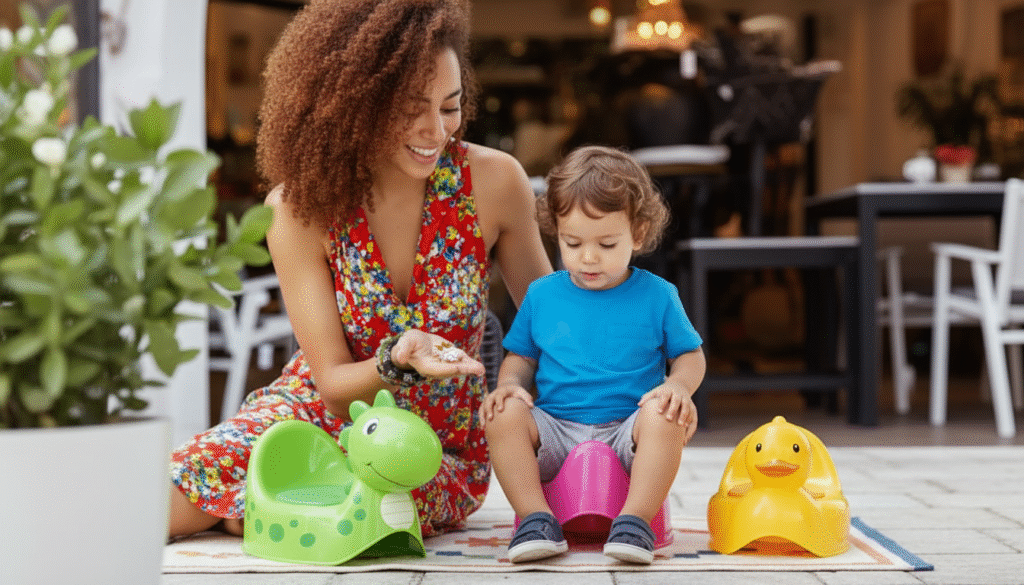
Choices give toddlers a sense of control.
Try:
- “Do you want the red potty or the blue potty?”
- “Should we sit now or in two minutes?”
- “Do you want to flush or wash hands first?”
Choices create cooperation.
Teach Potty Skills Step-by-Step
Break tasks into simple steps:
- Pull pants down
- Sit on the potty
- Try for a minute
- Wipe
- Flush
- Wash hands
Repetition helps toddlers learn each part.
Expect and Accept Accidents
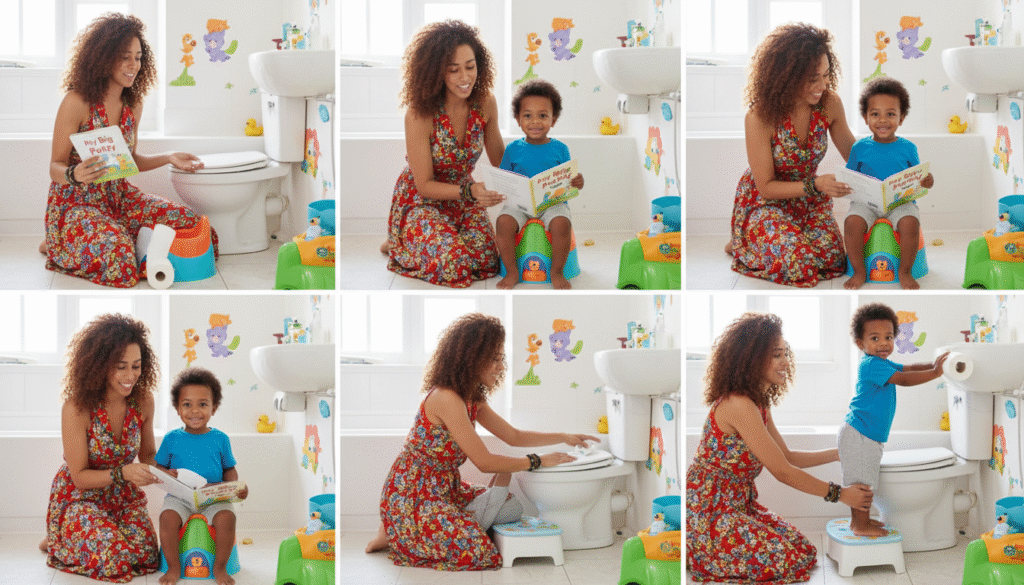
Accidents are normal — part of learning, not failure.
When they happen:
- Stay calm
- Reassure your child (“It’s okay, we’ll try again.”)
- Clean up gently
- Avoid scolding or showing frustration
Calm responses help toddlers feel safe.
Try Diaper-Free Time
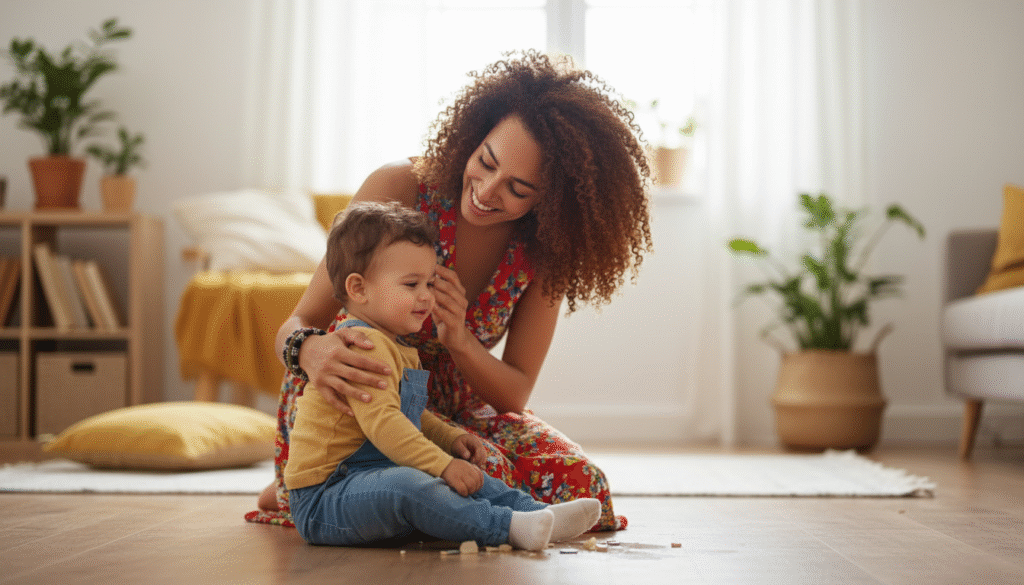
Letting toddlers go diaper-free helps them notice body signals.
Start with:
- Short sessions at home
- Easy-to-clean play areas
- Training underwear for practice
Awareness leads to faster learning.
Make Potty Time Fun
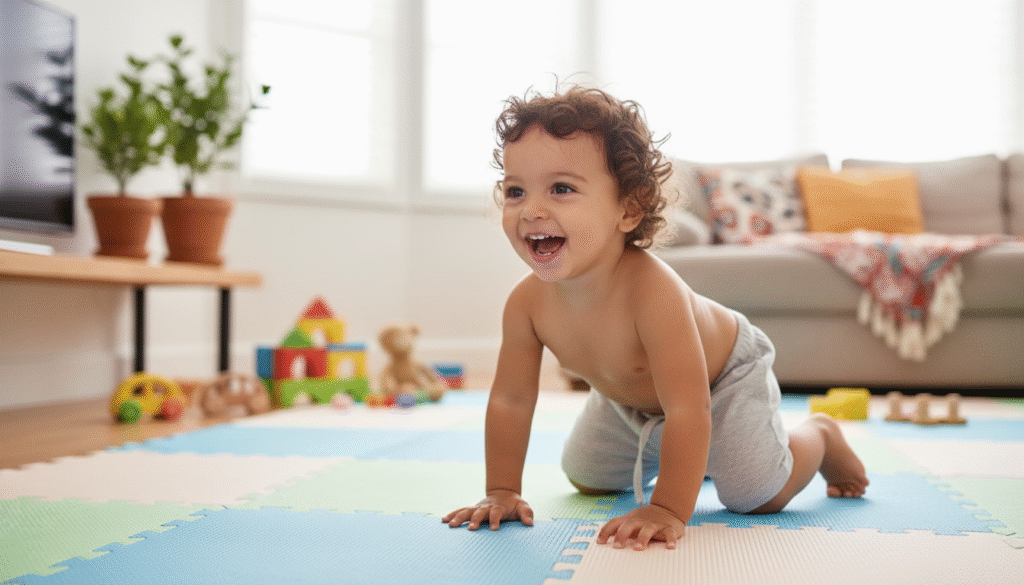
Turn potty time into a happy moment.
Use:
- Songs
- Stickers
- Storybooks
- Gentle games
- Quick bathroom dances
Playful learning feels safe and exciting.
Teach Good Hygiene from the Start
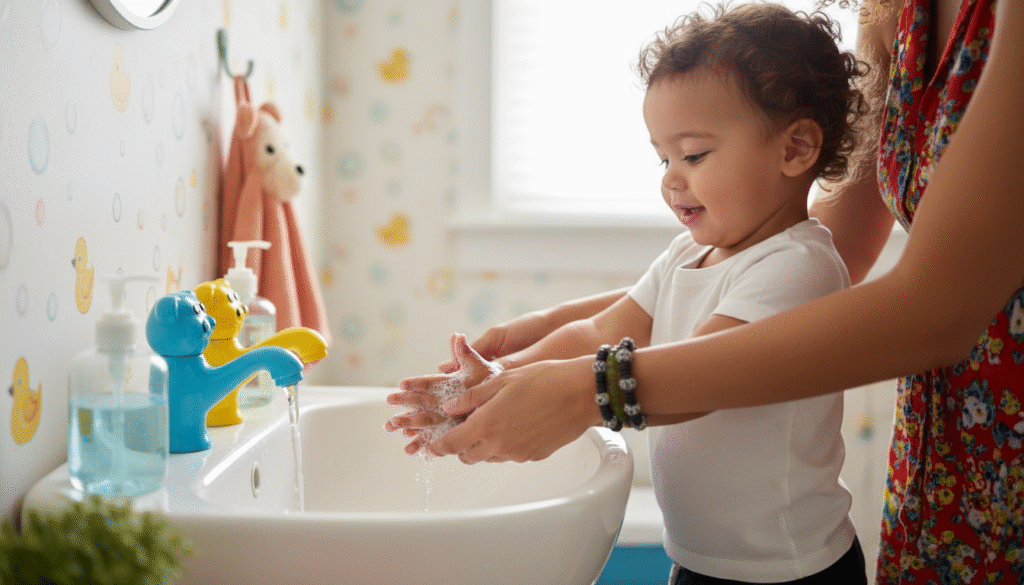
Help toddlers learn:
- Wiping correctly
- Flushing the toilet
- Washing hands with soap
- Drying hands
Good hygiene forms healthy lifelong habits.
Stay Consistent at Home and Outside
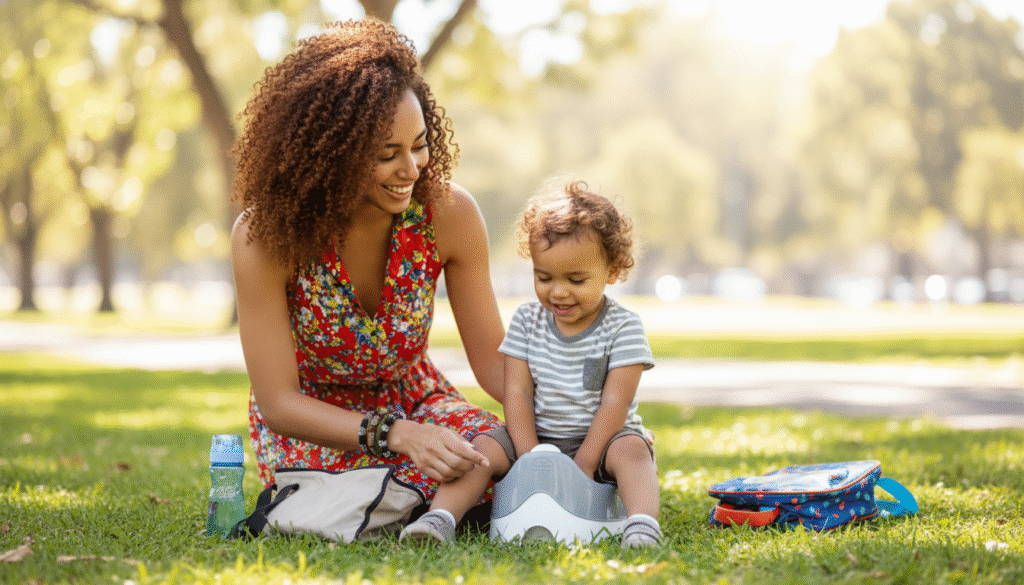
Try to keep routines similar at:
- Grandparents’ homes
- Daycare
- Outings
Bring a travel potty or seat insert to make outings stress-free.
Stay Patient — Every Child Learns Differently
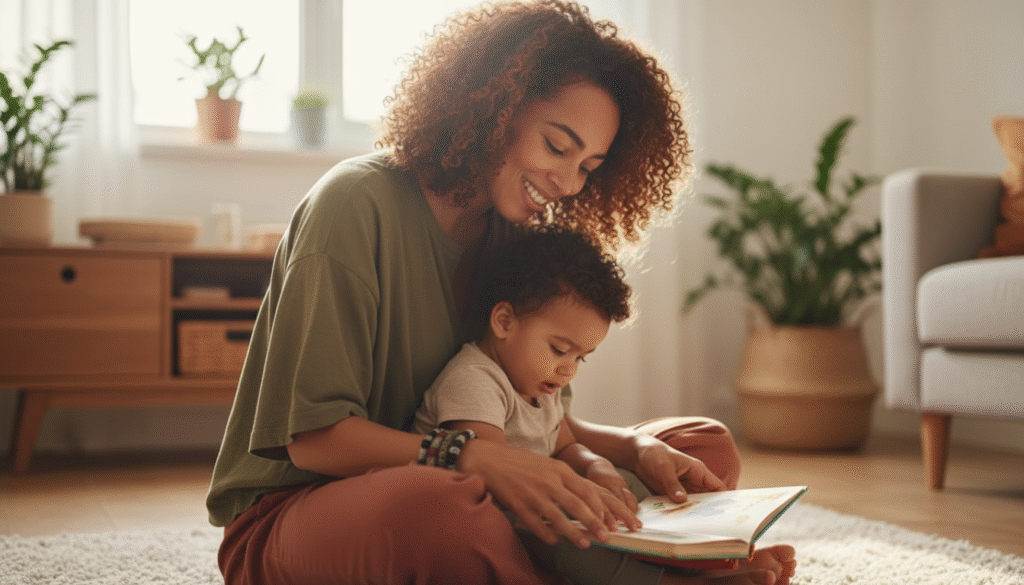
Some toddlers learn quickly; others take weeks or months.
Both are perfectly normal.
What helps most is:
- Patience
- Consistency
- Encouragement
- Understanding your child’s pace
A calm parent helps create a confident toddler.
Final Thoughts
Potty training doesn’t need to be stressful. With gentle guidance, consistent routines, and lots of praise, toddlers learn at a pace that feels safe and empowering. The goal isn’t perfection — it’s building confidence, independence, and a positive relationship with the potty.