Pregnancy is an extraordinary journey, a time when your body is working tirelessly to create and nourish a new life. This incredible process demands a significant increase in nutritional support, and every nutrient plays a unique role. Among these essential elements, potassium often flies under the radar, yet its importance during pregnancy cannot be overstated. From regulating fluids to supporting heart health, potassium is a silent hero in ensuring a healthy pregnancy for both you and your baby.
Understanding Potassium and Its Role
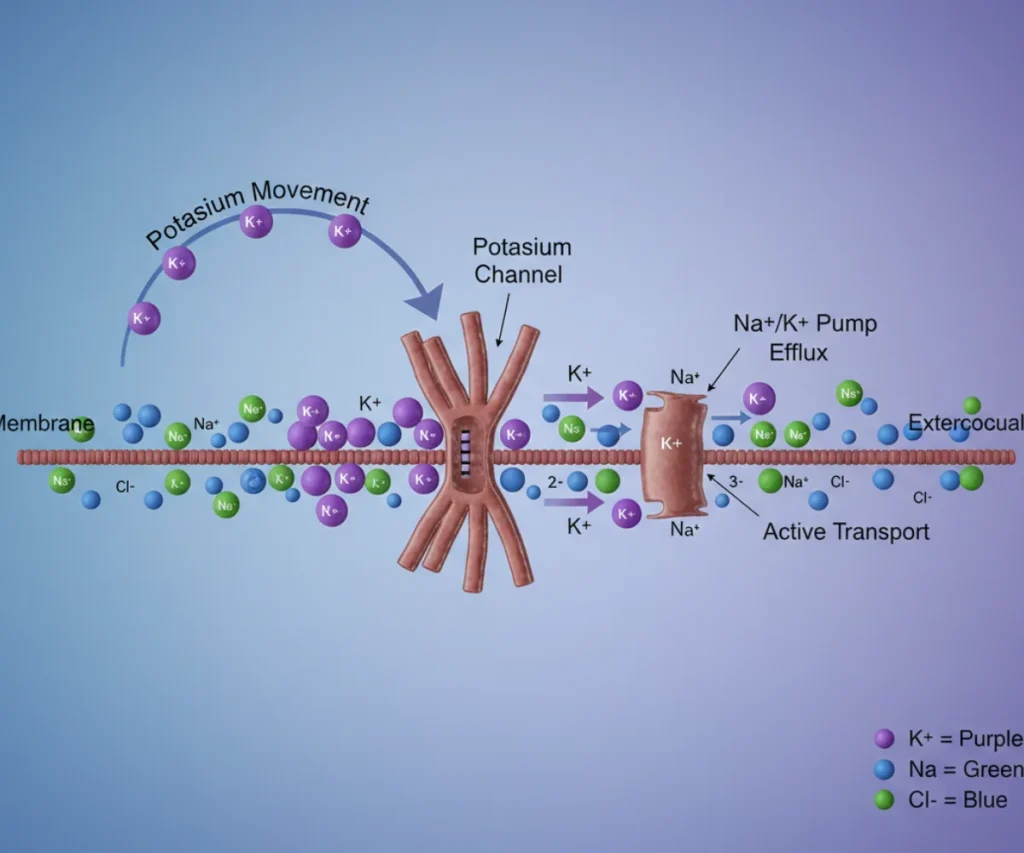
Potassium is an essential mineral and an electrolyte that plays a critical role in numerous bodily functions. Electrolytes are minerals that carry an electric charge when dissolved in body fluids like blood, urine, and sweat. They are crucial for maintaining proper hydration, nerve impulses, muscle function, and pH levels.
During pregnancy, your body’s demands for all nutrients increase, and potassium is no exception. It helps keep everything running smoothly, from your heart’s rhythm to the intricate processes of your baby’s development. Think of it as a tiny conductor orchestrating a symphony of vital physiological functions.
The Crucial Roles of Potassium During Pregnancy

Potassium’s contributions to a healthy pregnancy are extensive. Here’s a closer look at why this mineral is so vital:
Maintaining Fluid and Electrolyte Balance
During pregnancy, your blood volume can increase by 30-50%, requiring careful regulation of fluids. Potassium works hand-in-hand with sodium to maintain the delicate balance of fluids inside and outside your cells. This balance is crucial for preventing swelling (edema), which is common but can be uncomfortable during pregnancy, and for ensuring all bodily systems function correctly.
Supporting Blood Pressure Regulation
Gestational hypertension or preeclampsia can be serious complications during pregnancy. Potassium plays a significant role in balancing the effects of sodium, which can contribute to higher blood pressure. Adequate potassium intake can help keep your blood pressure within a healthy range, reducing the risk of these pregnancy-related conditions and promoting overall cardiovascular health for both you and your baby.
Preventing Muscle Cramps and Fatigue
Many pregnant individuals experience muscle cramps, especially in the legs, and general fatigue. Potassium is essential for proper muscle contraction and relaxation, including the muscles of your heart. Maintaining optimal potassium levels can help alleviate these uncomfortable cramps and contribute to better energy levels, allowing you to feel more comfortable and active throughout your pregnancy.
Aiding Nerve Function and Communication
Potassium is vital for transmitting nerve impulses, which are the signals that allow your brain to communicate with the rest of your body. This includes everything from sensing touch to controlling voluntary movements and involuntary bodily functions. Proper nerve function is critical for your well-being and plays a role in your baby’s developing nervous system.
Supporting Fetal Development
While often talked about for maternal health, potassium also contributes to your baby’s healthy growth and development. It supports the development of cells, tissues, and organs, ensuring that your baby has the building blocks they need for a strong start in life. Adequate potassium intake ensures that your baby’s rapidly growing body receives the necessary support for cellular function and overall maturation.
Recommended Daily Intake of Potassium for Pregnant Women
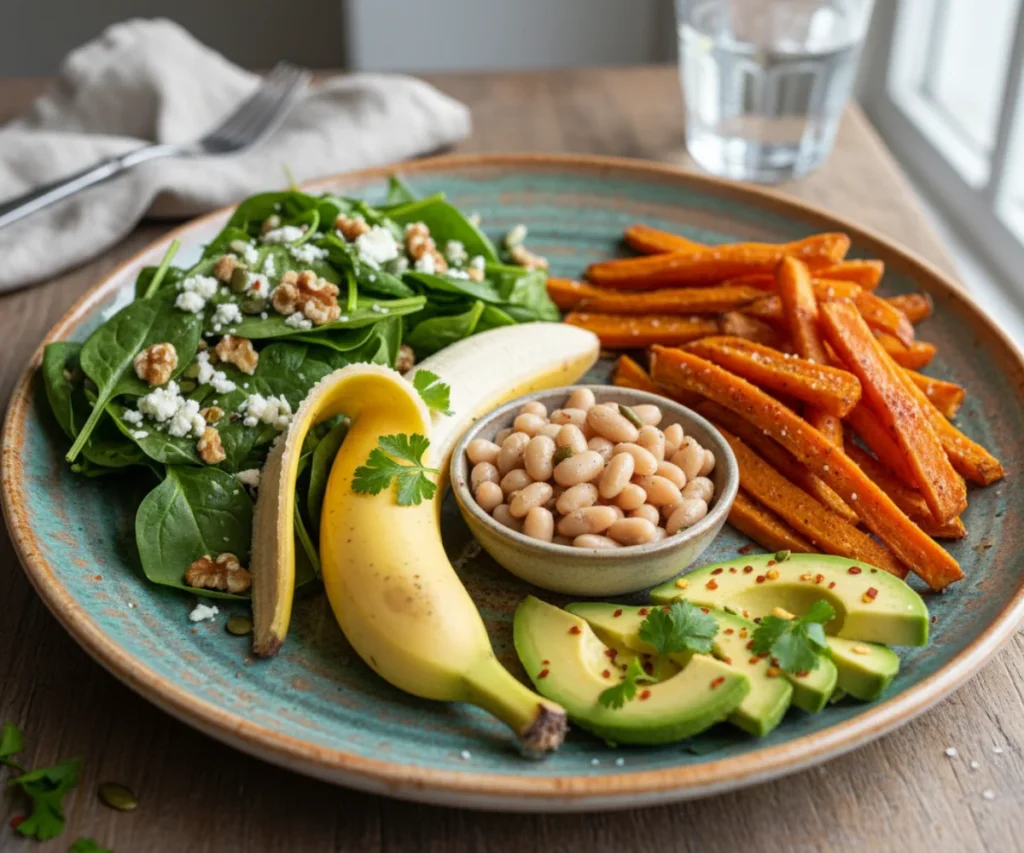
The recommended daily intake of potassium for pregnant women is generally around 4,700 mg. However, individual needs can vary based on factors like activity level, climate, and specific health conditions. It’s always best to discuss your dietary needs with your healthcare provider, who can provide personalized guidance.
While this number might seem high, it’s very achievable through a balanced diet rich in fruits, vegetables, and other wholesome foods. Focusing on whole, unprocessed foods naturally increases your potassium intake without needing to track every milligram.
Signs and Symptoms of Potassium Deficiency (Hypokalemia) in Pregnancy

Low potassium levels, known as hypokalemia, can occur if your intake is insufficient or due to excessive fluid loss (e.g., from severe morning sickness). Symptoms can be subtle at first but may include:
- Muscle weakness or fatigue
- Muscle cramps or spasms
- Constipation
- Irregular heartbeats (arrhythmias)
- Feeling lightheaded or faint
- Numbness or tingling sensations
If you experience any of these symptoms, especially if they are persistent or severe, it’s crucial to contact your doctor. They can assess your levels and recommend appropriate actions.
Understanding Potassium Toxicity (Hyperkalemia)

While it’s rare to get too much potassium from food alone, taking potassium supplements without medical supervision can lead to dangerously high levels, known as hyperkalemia. This can be more concerning than a deficiency. Symptoms of hyperkalemia can include:
- Muscle weakness or paralysis
- Tingling or numbness
- Slow, weak pulse
- Irregular heartbeat (potentially life-threatening)
- Nausea or vomiting
This is why it’s so important to never self-prescribe supplements during pregnancy. Always consult your healthcare provider before introducing any new supplements into your regimen.
Excellent Dietary Sources of Potassium
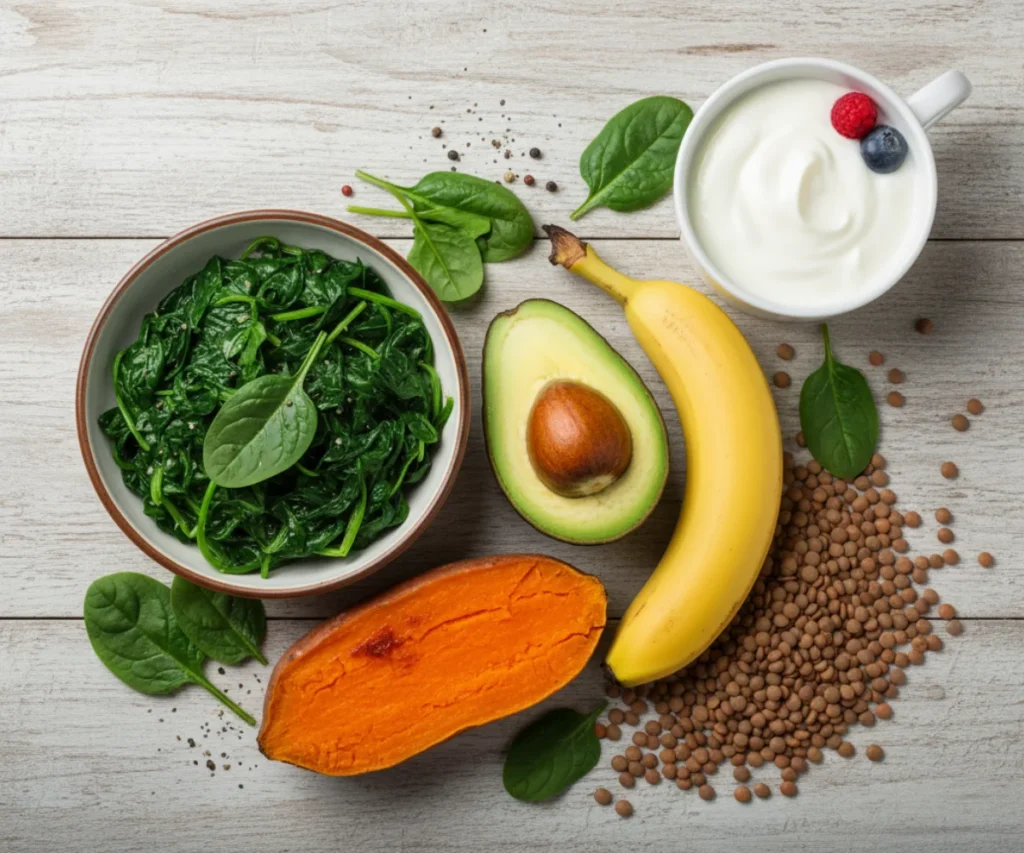
The best way to ensure adequate potassium intake is through a varied and balanced diet. Here are some fantastic sources to incorporate into your pregnancy meals:
- Fruits: Bananas, avocados, oranges, cantaloupe, honeydew, apricots, kiwi, and dried fruits like prunes and raisins.
- Vegetables: Spinach, sweet potatoes, broccoli, potatoes (with skin), tomatoes, zucchini, Brussels sprouts, and winter squash.
- Legumes: Black beans, kidney beans, lentils, and chickpeas are excellent sources.
- Dairy and Alternatives: Yogurt, milk, and certain plant-based milks fortified with potassium.
- Nuts and Seeds: Almonds, cashews, and sunflower seeds provide a good boost.
- Lean Proteins: Fish like salmon and cod, as well as chicken and turkey, contain potassium.
Practical Tips for Incorporating Potassium-Rich Foods into Your Pregnancy Diet

Making sure you get enough potassium can be easy and delicious! Here are some simple ideas:
- Start Your Day Right: Add sliced bananas or avocado to your oatmeal, yogurt, or whole-grain toast.
- Snack Smart: Grab a banana, an orange, or a handful of almonds for a quick potassium boost. A small container of yogurt with some berries also works wonders.
- Liven Up Your Lunch: Add spinach or other leafy greens to your sandwiches, wraps, or salads. A side of black bean soup can also pack a punch.
- Dinner Delight: Roast sweet potatoes or regular potatoes (with the skin on!) as a side dish. Incorporate lentils or beans into stews, chilis, or vegetarian curries. Salmon or cod are also great dinner options.
- Smoothie Power: Blend spinach, banana, and a plant-based milk for a quick, nutrient-dense drink.
- Hydrate with a Twist: Infuse your water with slices of orange or kiwi for a subtle flavor and a touch of potassium.
Remember, variety is key! Enjoy exploring different fruits, vegetables, and legumes to keep your meals exciting and ensure a broad spectrum of nutrients.
Potassium Supplements During Pregnancy
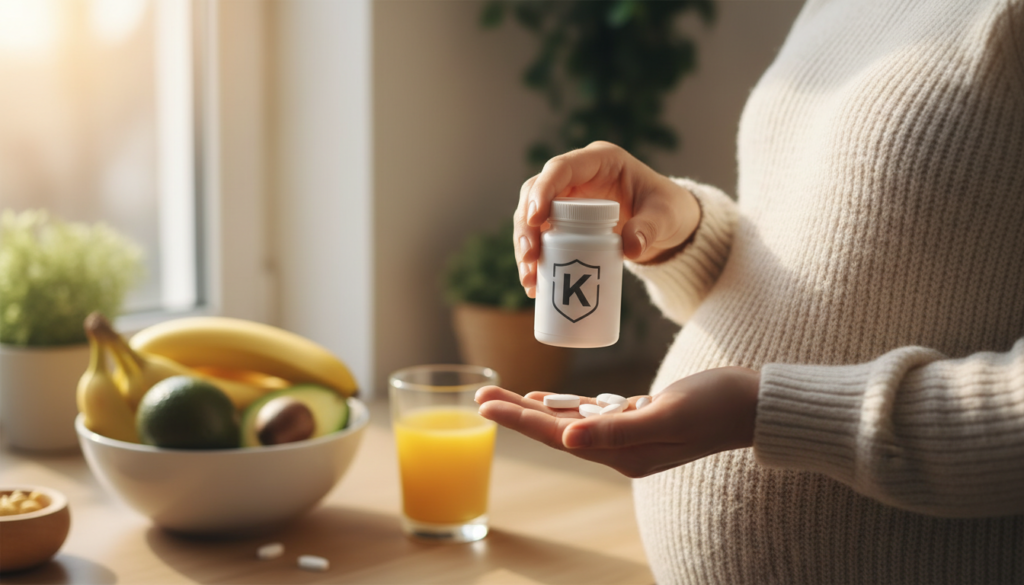
For most pregnant individuals, a balanced diet is sufficient to meet potassium needs. However, in some cases, your doctor might recommend a potassium supplement. This is typically only considered if you have a medical condition causing significant potassium loss or if dietary intake is severely restricted for other health reasons.
It is absolutely critical to consult your healthcare provider before taking any potassium supplements. Taking too much potassium can be dangerous, and the dosage needs to be carefully monitored by a professional. Never self-medicate or take supplements based on advice from non-medical sources.
When to Talk to Your Doctor

While focusing on a healthy diet is empowering, always remember that your healthcare provider is your best resource during pregnancy. You should talk to your doctor if:
- You have concerns about your potassium intake or overall diet.
- You are experiencing symptoms of low or high potassium.
- You are considering taking any supplements, including potassium.
- You have underlying health conditions that might affect your electrolyte balance.
- You have severe morning sickness that impacts your ability to eat and retain food.
Your doctor can offer personalized advice, conduct necessary tests, and ensure your pregnancy journey is as safe and healthy as possible.
Conclusion
Potassium might not always be in the spotlight, but its role during pregnancy is undeniably significant. From maintaining critical fluid balance and regulating blood pressure to supporting muscle and nerve function, and even contributing to your baby’s development, this essential mineral is working hard behind the scenes. By focusing on a diverse diet rich in fruits, vegetables, legumes, and whole foods, you can naturally provide your body with the potassium it needs. Remember, a well-nourished mom-to-be is laying a strong foundation for both her own health and the precious life growing within her. Listen to your body, eat well, and always keep your healthcare provider in the loop – you’ve got this!