Bringing a new baby home is often painted as a picture of pure joy and bliss. While there’s immense love and happiness, the reality for many new parents can also include a mix of overwhelming emotions, including intense worry and fear. We often hear about postpartum depression (PPD), but there’s another common challenge that often gets overlooked: postpartum anxiety (PPA).
PPA is more than just the usual new-parent jitters. It’s a real and powerful condition that can make the early days, weeks, and months of parenthood feel incredibly difficult. Understanding PPA is the first step toward finding relief and enjoying your journey as a parent. You are not alone, and it’s absolutely okay to feel this way.
What is Postpartum Anxiety (PPA) Really?
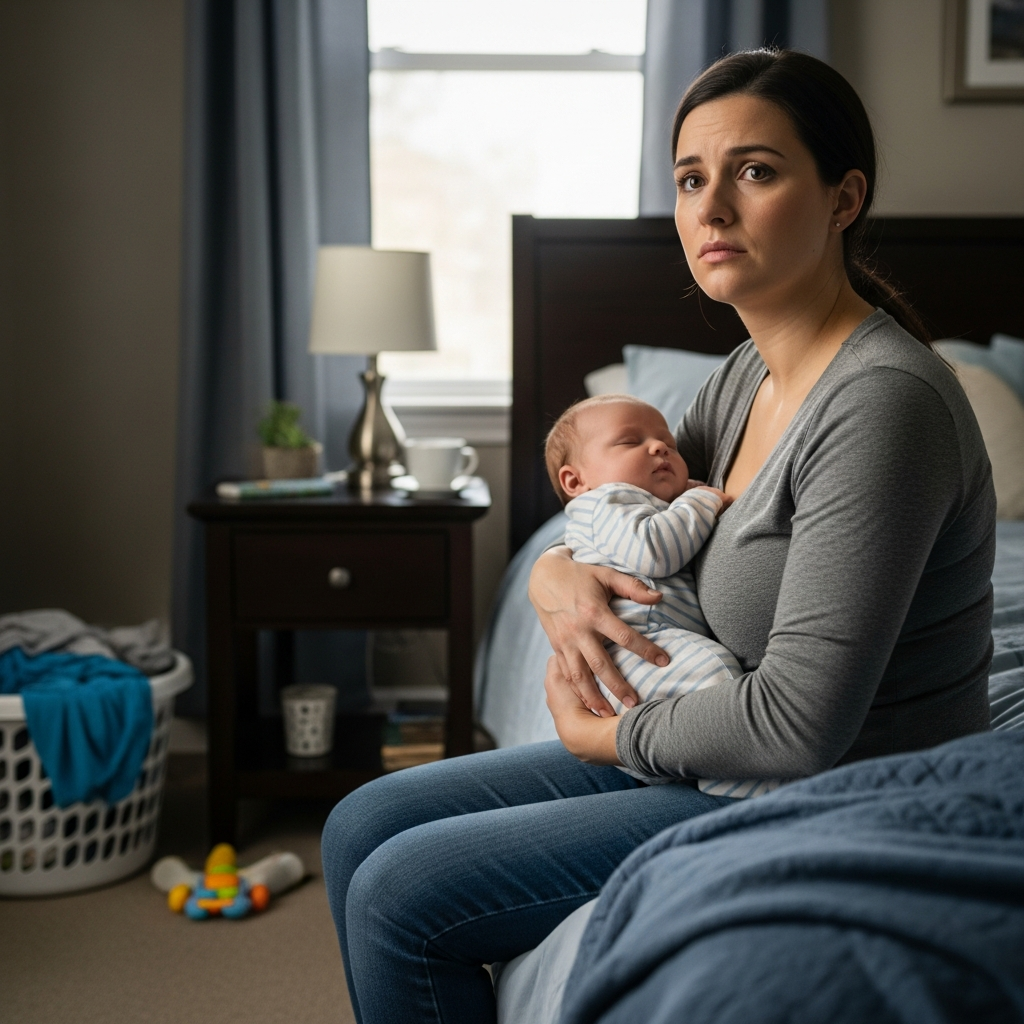
Postpartum anxiety is a perinatal mood and anxiety disorder (PMAD) characterized by excessive and persistent worry, fear, and a sense of dread that goes beyond the normal concerns of caring for a newborn. While some worry is a natural part of being a new parent, PPA takes these feelings to an unhealthy extreme.
Unlike the “baby blues,” which typically fade within two weeks of giving birth, PPA can last for much longer and significantly interfere with a parent’s daily life and ability to bond with their baby. It’s also distinct from postpartum depression, which often involves sadness, hopelessness, and a lack of interest in things you once enjoyed. While they can occur together, PPA’s hallmark is intense, uncontrollable anxiety.
The fear can be constant, making it hard to relax or enjoy moments with your baby. It’s like an alarm bell is constantly ringing in your mind.
Defining the Difference
It’s helpful to understand where PPA fits in the range of postpartum experiences:
* Baby Blues: Mild mood swings, tearfulness, anxiety, and irritability, usually starting within a few days of birth and lasting up to two weeks. These are very common and often resolve on their own.
* Postpartum Depression (PPD): Persistent feelings of sadness, emptiness, hopelessness, fatigue, changes in appetite or sleep, and difficulty bonding with the baby, lasting for weeks or months.
* Postpartum Anxiety (PPA): Intense and constant worry, dread, physical symptoms of anxiety, and often intrusive thoughts, focused on the baby’s safety or health, or the parent’s ability to cope.
Signs and Symptoms of PPA

PPA can manifest differently for everyone, but there are common threads. It’s important to recognize these signs, not to panic, but to empower yourself to seek help.
Emotional Symptoms
These are the feelings that often bubble to the surface when you’re experiencing PPA.
* Constant, Overwhelming Worry: This isn’t just a fleeting thought; it’s a persistent, gnawing worry about your baby’s health, safety, or your ability to care for them.
* Feeling on Edge or Restless: You might feel keyed up, unable to relax, or constantly anticipating something bad happening.
* Irritability: Little things might set you off, and you might feel more easily annoyed than usual.
* Intrusive Thoughts: These are unwelcome, often scary thoughts or images, like something terrible happening to your baby. They can be very distressing and make you feel like a “bad” parent.
* Difficulty Concentrating: Your mind might race, making it hard to focus on tasks or conversations.
* Sense of Impending Doom: A feeling that something bad is about to happen, even if there’s no logical reason for it.
Physical Symptoms
Anxiety isn’t just in your head; it can show up in your body too.
* Racing Heart or Palpitations: You might feel your heart pounding, even when resting.
* Shortness of Breath: A feeling like you can’t get enough air, or needing to take deep breaths often.
* Muscle Tension: Tightness in your neck, shoulders, or other parts of your body.
* Sleep Problems: Even when your baby is sleeping, you might find it hard to fall asleep, or you wake up frequently feeling anxious.
* Nausea, Upset Stomach, or Digestive Issues: Anxiety can manifest as stomach pains, indigestion, or other gut problems.
* Dizziness or Lightheadedness: Feeling unsteady on your feet.
Behavioral Symptoms
How PPA shows up in your actions and routines.
* Avoidance Behaviors: You might avoid leaving the house with your baby, or on the flip side, avoid being alone with your baby because of fear.
* Compulsive Behaviors: This could include excessively checking on your baby’s breathing, constantly researching illnesses, or repeatedly cleaning things.
* Panic Attacks: Sudden, intense episodes of fear that come with severe physical symptoms like chest pain, dizziness, and a feeling of losing control.
Who is at Risk for PPA?

PPA can affect anyone, regardless of their background, age, or number of children. However, certain factors can increase a parent’s likelihood of experiencing it.
Contributing Factors
These are some of the reasons why PPA might be more likely to occur for some individuals.
* History of Anxiety or Depression: If you’ve had anxiety or depression before, you’re at a higher risk for PPA.
* Thyroid Imbalances: Hormonal changes after birth can sometimes trigger thyroid issues, which can mimic or worsen anxiety symptoms.
* Sleep Deprivation:The relentless lack of sleep that comes with a newborn can significantly worsen anxiety.
* Stressful Birth Experience: A traumatic or difficult birth can contribute to anxiety afterwards.
* Lack of Support System: Feeling isolated or lacking help from family and friends can make PPA harder to manage.
* Perfectionist Tendencies: The pressure to be a “perfect” parent can fuel intense anxiety.
* Previous Miscarriage or Infant Loss: A history of loss can heighten anxiety about the health and safety of a new baby.
* Relationship Difficulties: Stress in your partnership or family relationships can add to overall anxiety.
Why PPA is Often Missed or Misunderstood

It’s easy for PPA to fly under the radar, even for the parents experiencing it. There are several reasons why this happens.
Focus on the Baby
When a new baby arrives, the entire focus tends to be on the newborn’s health and well-being. Parents’ emotional struggles often take a backseat.
Societal Pressure to Be “Happy New Parent”
There’s a strong cultural expectation for new parents to be joyful and grateful all the time. This can make parents feel ashamed to admit they’re struggling with intense anxiety, fearing judgment.
Symptoms Overlap with Normal New Parent Stress
Many PPA symptoms, like fatigue, irritability, and worry, can be mistaken for the normal stresses of adjusting to life with a newborn. It’s hard to tell when normal concern crosses into something more serious.
Lack of Awareness Among Healthcare Providers
While awareness is growing, some healthcare providers may still focus primarily on screening for postpartum depression and might not explicitly ask about anxiety symptoms.
When to Seek Help: It’s Okay to Not Be Okay

Recognizing that you might be experiencing PPA is a huge step. The next, and most crucial, step is to understand that you deserve help and that relief is possible. PPA is not a sign of weakness; it’s a medical condition, and it’s treatable.
It’s time to seek help when your worry:
* Is constant and overwhelming.
* Interferes with your daily life, making it hard to eat, sleep, or care for yourself or your baby.
* Causes physical symptoms that are distressing.
* Leads to panic attacks.
* Makes you feel isolated or hopeless.
* Includes scary, intrusive thoughts you can’t shake.
You don’t have to suffer in silence. Reaching out is a sign of strength and self-care.
How to Talk to Your Doctor
Bringing up your feelings can feel daunting, but your doctor is there to help.
* Be Honest and Specific: Describe exactly what you’re feeling and experiencing. Don’t downplay your symptoms.
* List Symptoms Clearly: It can be helpful to write down your symptoms before your appointment, including how long they’ve lasted and how they impact you.
* Don’t Minimize Your Feelings: Avoid saying things like “It’s probably just normal new-mom stress.” Your feelings are valid.
* Bring a Partner or Trusted Friend: Having someone there for support can make it easier to talk and ensure all your concerns are addressed.
Paths to Healing: Managing PPA
Managing PPA often involves a combination of professional support and self-care strategies. There’s no one-size-fits-all solution, so finding what works best for you is key.
Professional Support
These are resources that can provide structured help and guidance.
* Therapy:**
* Cognitive Behavioral Therapy (CBT): Helps you identify and change negative thought patterns and behaviors contributing to anxiety.
* Talk Therapy: Provides a safe space to discuss your feelings and develop coping strategies with a trained professional.
* **Medication:**
* Antidepressants (specifically SSRIs) are often effective for anxiety and can be safe to use while breastfeeding. Always discuss medication options thoroughly with your doctor.
* Support Groups: Connecting with other parents experiencing similar struggles can provide immense comfort, validation, and practical advice.
Self-Care and Lifestyle Strategies
While these aren’t a replacement for professional help, they can significantly support your healing journey.
Prioritize Sleep (realistic advice)
Getting enough sleep with a newborn is tough, but it’s crucial for managing anxiety.
* Sleep When Baby Sleeps: Even short naps can help.
* Ask for Help for Overnight Shifts: If possible, have your partner or a trusted family member take a feeding so you can get a longer stretch of uninterrupted sleep.
Nourish Your Body
What you eat can impact your mood and energy.
* Balanced Meals: Aim for regular, nutritious meals.
* Stay Hydrated: Drink plenty of water throughout the day.
* Limit Caffeine and Sugar: These can worsen anxiety symptoms.
Gentle Movement
Physical activity can be a powerful stress reliever.
* Short Walks: Even a 15-minute walk outdoors can boost your mood.
* Stretching or Gentle Yoga: Helps release muscle tension.
Connect with Others
Don’t isolate yourself. Connection is vital.
* Friends, Family, Other New Parents: Talk about your feelings, even if it’s just a quick chat.
* Online Forums or Local Groups: Find communities where you feel understood.
Mindfulness and Relaxation
Techniques to calm your mind and body.
* Deep Breathing Exercises: Simple techniques can quickly reduce anxiety.
* Short Meditations: Even 5-10 minutes a day can make a difference.
* Journaling: Writing down your thoughts and feelings can help process them.
Set Realistic Expectations
Parenthood is messy, and that’s okay.
* Your House Doesn’t Need to Be Perfect: Let go of the need for perfection.
* It’s Okay to Ask for Help: Don’t be afraid to delegate tasks or ask for a break.
* Embrace “Good Enough“: You are doing a wonderful job, even on the days it doesn’t feel like it.
Supporting a Loved One with PPA

If someone you care about is experiencing PPA, your support can make a profound difference.
* Listen Without Judgment: Let them share their fears and worries without trying to “fix” them or tell them they shouldn’t feel that way.
* Offer Practical Help: Instead of asking “What can I do?”, offer specific help like bringing a meal, watching the baby so they can nap, or running errands.
* Encourage Them to Seek Professional Help: Gently suggest they talk to their doctor and offer to help them make an appointment or go with them.
* Educate Yourself: Learn about PPA so you can better understand what they’re going through.
The journey of parenthood is rarely exactly what we expect. Postpartum anxiety is a challenging, but real part of this journey for many. By understanding it, recognizing its signs, and seeking the right support, you can navigate these feelings and find your way back to yourself, enjoying the precious moments with your baby. Remember, you are strong, you are resilient, and you are not alone. There is hope, and there is help.