Positive Toddler DisciplineTips for Calmer Days at Home
Toddlers are curious, energetic, and full of big emotions. This stage is filled with exploration — and sometimes, frustration. Tantrums, screaming, throwing toys, refusing routines — yeh sab toddlerhood ka natural part hai. Discipline doesn’t mean punishment; it means teaching, guiding, and helping your toddler learn better ways to communicate and behave.
Positive discipline creates calmer days at home, strengthens your bond with your child, and helps them grow into confident, emotionally healthy little humans. Here are gentle, effective, and practical toddler discipline tips to bring more peace and understanding into your home.
1. Stay Calm — Your Energy Sets the Tone
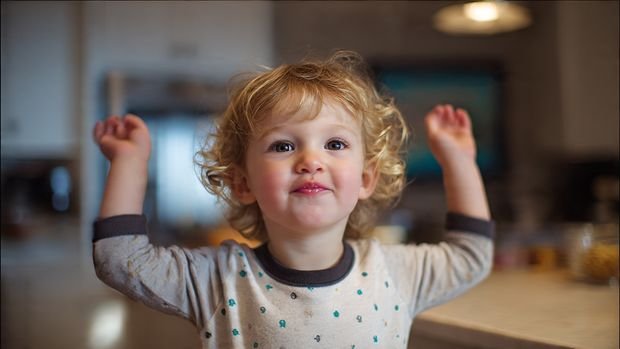
Toddlers absorb your emotions quickly. If you stay calm, they settle faster.
Try to:
- Speak softly
- Take slow breaths
- Keep your body language relaxed
- Pause before reacting
A calm parent helps calm a chaotic moment.
2. Set Simple, Consistent Rules

Toddlers thrive on structure. Rules should be short, clear, and easy to remember.
Examples:
- “No hitting.”
- “Toys stay on the floor.”
- “We use gentle hands.”
Consistency builds trust and reduces confusion.
3. Use Positive Language

Instead of saying what not to do, guide them toward what to do.
For example:
- Instead of “Don’t throw food,” say “Food stays on the plate.”
- Instead of “Stop yelling,” say “Use your quiet voice.”
Positive phrasing makes instructions easier to follow.
4. Offer Choices to Avoid Power Struggles
Toddlers like having control. Choices give them independence and reduce tantrums.
Examples:
- “Red cup ya blue cup?”
- “You want to wear shoes first or jacket first?”
- “Story time pe bed pe baithen ya rug pe?”
Don’t offer unlimited choices — just 2 options.
5. Use Redirection Instead of Punishment
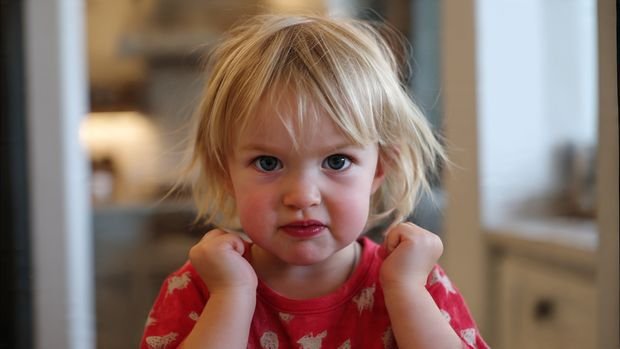
Instead of saying “No!” again and again, gently redirect your toddler.
Examples:
- “Blocks are for stacking, not throwing. Let’s build a tower.”
- “You can’t touch that, but you can play with this instead.”
Redirection teaches appropriate behavior without harshness.
6. Acknowledge and Validate Big Feelings

Toddlers have big emotions but can’t express them properly.
Say things like:
- “You’re upset because you wanted the toy.”
- “I know you’re frustrated.”
- “It’s okay to feel sad.”
Validation helps them feel understood and reduces emotional outbursts.
7. Avoid Overstimulation and Overtiredness
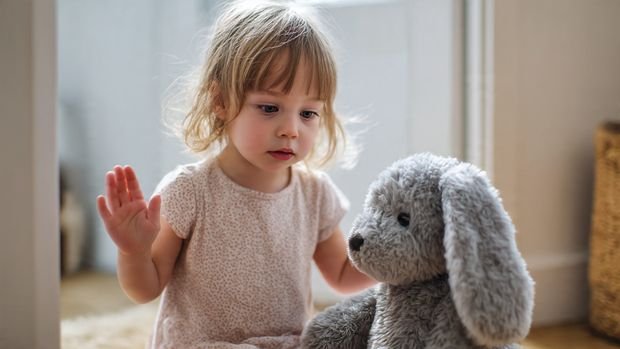
Most tantrums happen because toddlers are tired, hungry, overstimulated, or overwhelmed.
Prevention tips:
- Maintain a consistent sleep routine
- Keep mealtimes regular
- Offer quiet time in between active play
- Limit screen time
Calmer toddlers = fewer meltdowns.
8. Praise the Good Behavior

Toddlers repeat behavior that gets attention. Notice the good moments!
Say things like:
- “Great job sharing!”
- “I love how gently you’re playing!”
- “Thank you for listening!”
Specific praise encourages better cooperation.
9. Use Time-In Instead of Time-Out

Instead of sending toddlers away, stay with them during emotional moments.
Time-in means:
- Sitting together
- Staying close
- Offering hugs
- Helping them calm down
It strengthens connection and reduces fear-based discipline.
10. Prepare Your Toddler for Transitions

Transitions are tough for toddlers — stopping play, leaving home, bedtime, etc.
Help them prepare with:
- 5-minute warnings
- Visual timers
- Gentle reminders
- Simple explanations
Prepared toddlers are calmer toddlers.
11. Teach Through Play
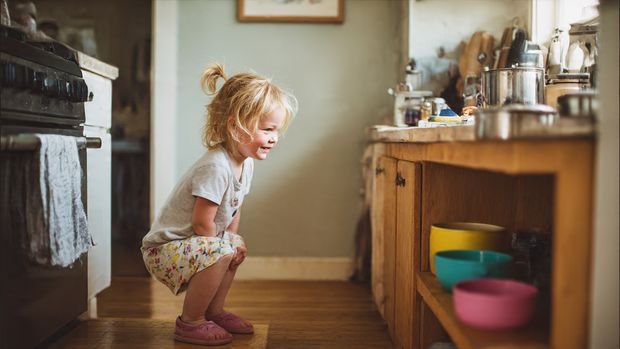
Toddlers learn best through play — not lectures.
Use role-play, dolls, or toys to show:
- Sharing
- Taking turns
- Gentle behavior
- Cleaning up
Play makes learning fun and stress-free.
12. Keep Instructions Short and Clear

Toddlers get confused by long explanations.
Use very simple directions like:
- “Come here.”
- “Sit down.”
- “Clean up toys.”
Short instructions improve cooperation.
13. Stay Close During Tantrums

When a tantrum happens:
- Stay nearby
- Don’t yell
- Don’t bribe
- Don’t punish
Just offer presence and calm energy. When the storm passes, reconnect.
14. Be a Role Model
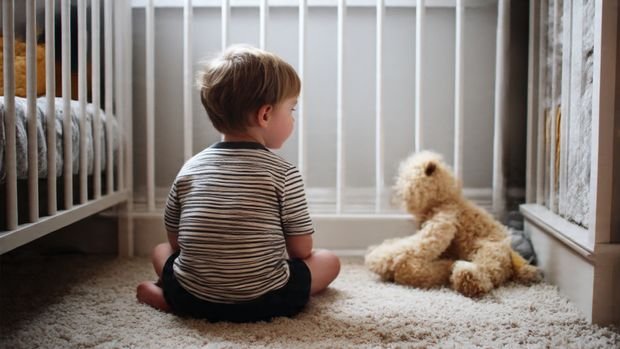
Toddlers copy everything.
Show them how to:
- Speak gently
- Solve problems
- Express feelings respectfully
- Stay calm during stress
Your behavior teaches more than your words.
15. Connect Before You Correct

Before giving discipline, build connection first.
Try:
- Getting down to their eye level
- Using a soft voice
- Touching their shoulder gently
- Calling them by name
Connection increases cooperation immediately.
Final Thoughts
Positive toddler discipline is not about being strict — it’s about being supportive, patient, and understanding. Toddlers aren’t “bad”; they’re learning how to express emotions, handle frustration, and follow rules. With gentle guidance, consistency, and lots of love, you can create calmer, happier days at home.
Remember: every toddler has tough moments, and every parent gets overwhelmed. What matters most is connection, compassion, and progress — not perfection. With the right approach, you’ll help your toddler grow into a confident, kind, emotionally strong child.