Positive Toddler Behavior Tips for Calmer, Happier Days
Toddlers are full of curiosity, emotions, and energy. They explore the world with excitement — but their growing independence also brings big feelings, frustration, and unpredictable behavior. From tantrums to clinginess to sudden mood changes, toddlerhood can be challenging for parents. The good news? Positive behavior can be encouraged with patience, simple routines, and the right strategies.
This guide shares practical, gentle, and effective tips that help create calmer, happier days for both toddlers and parents. With consistency and connection, you can guide your little one through this stage with confidence.
1. Set Clear and Consistent Boundaries
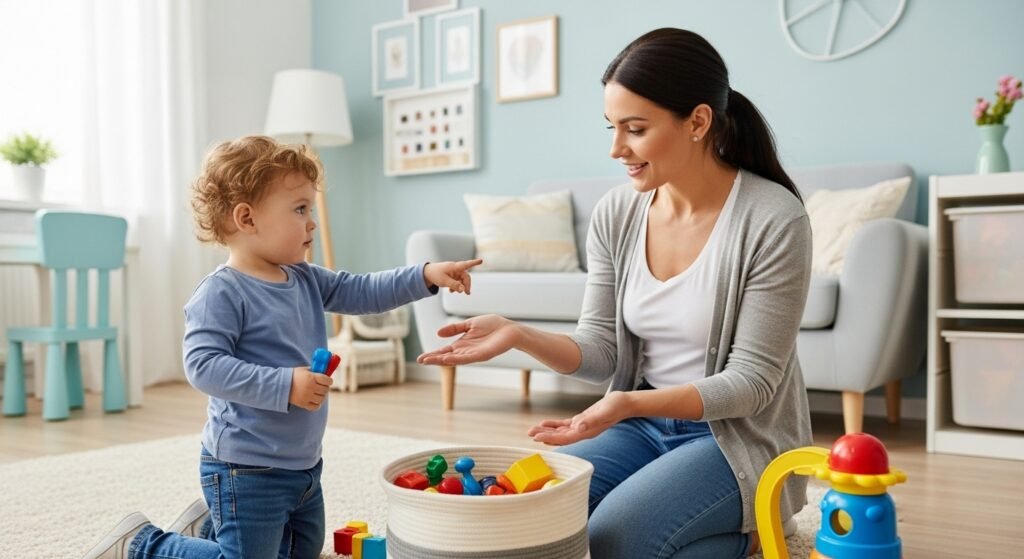
Toddlers feel more secure when they know what to expect. Clear boundaries help them understand what behavior is okay and what isn’t.
How to set effective boundaries:
- Use simple language
- Stay calm and consistent
- Give the same response each time
- Keep rules short and easy to follow
Consistency builds trust and reduces confusion.
2. Establish Predictable Daily Routines
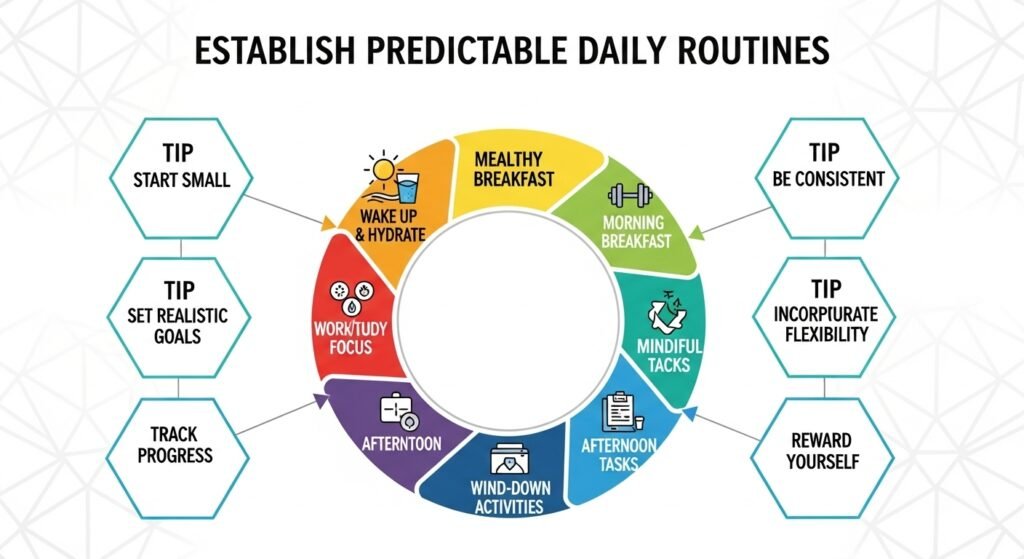
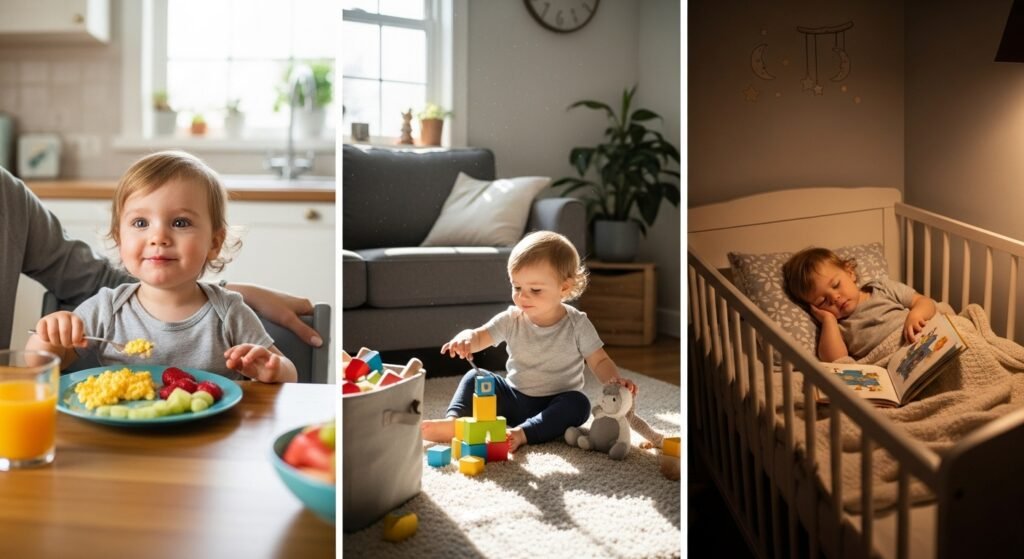
Routines help toddlers feel safe and in control. When they know what comes next, they behave better and feel calmer.
Helpful routine ideas:
- Morning routine
- Mealtime routine
- Nap/bedtime routine
- Playtime and quiet time pattern
Predictable routines reduce tantrums and make transitions smoother.
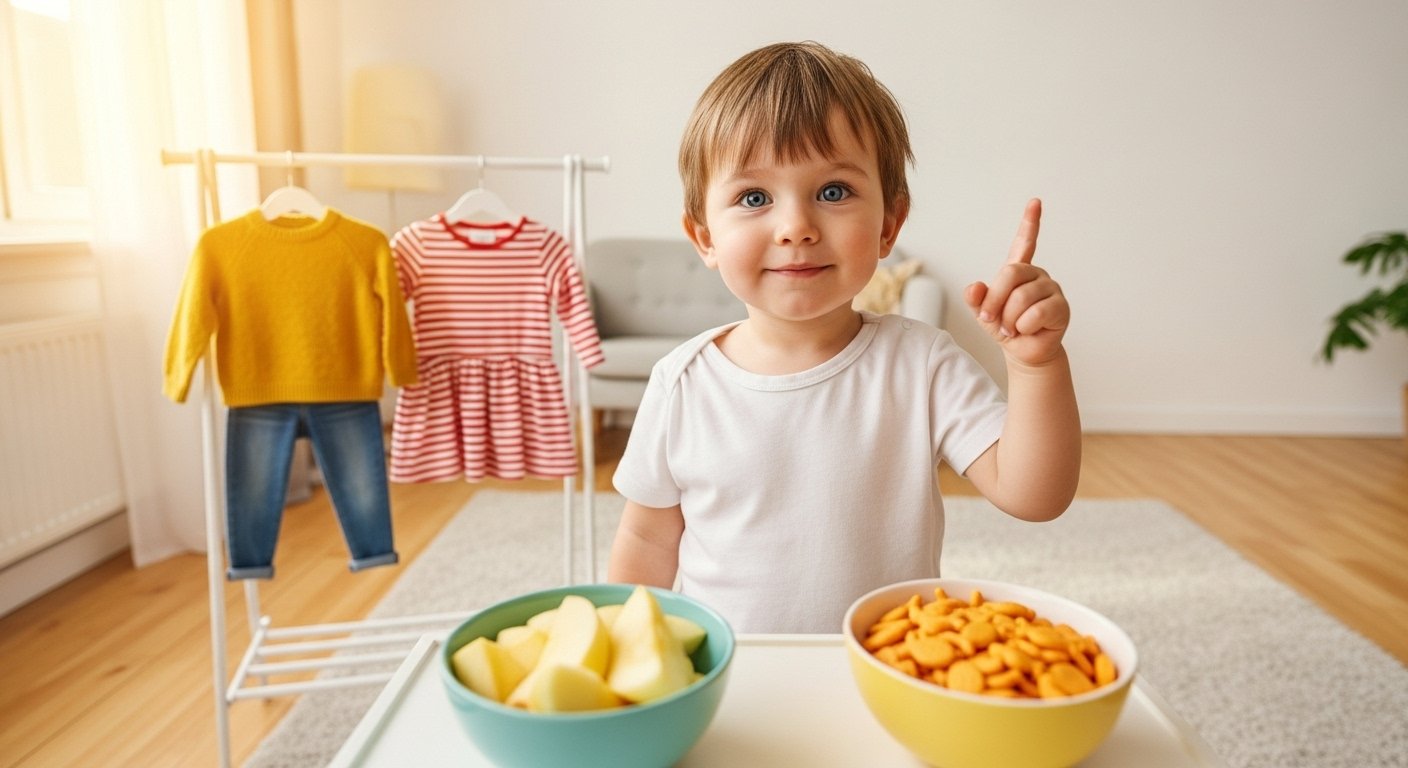
3. Offer Choices to Encourage Independence
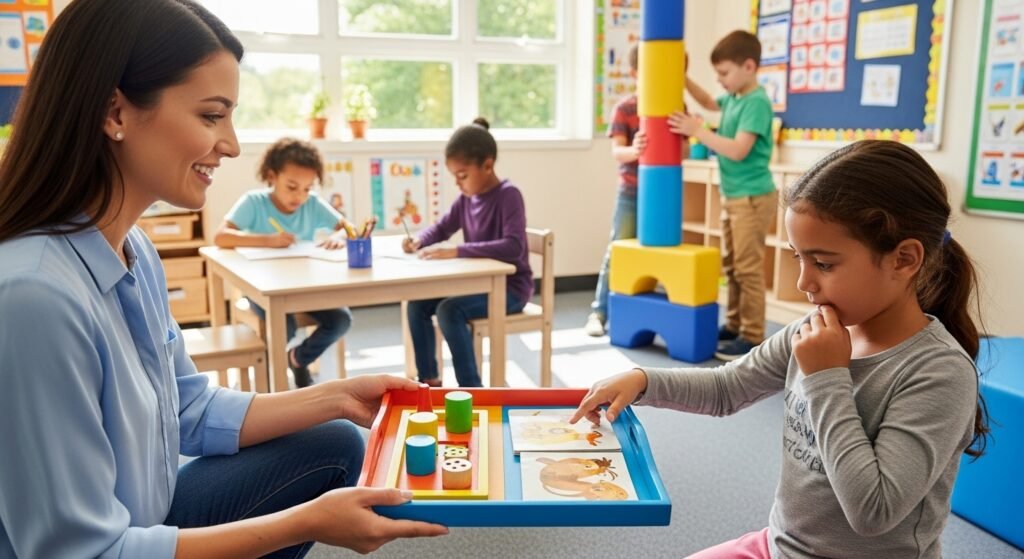
Toddlers love independence. Giving small choices helps them feel empowered and reduces power struggles.
Try offering choices like:
- “Red cup ya blue cup?”
- “Yeh shirt ya woh shirt?”
- “Story first ya cuddles first?”
Choices work best when both options are acceptable for you.
4. Use Positive Reinforcement
Praise and positive attention encourage toddlers to repeat good behavior.
Effective ways to reinforce positively:
- Celebrate small efforts
- Use specific praise (“Great job cleaning up your toys!”)
- Give extra hugs or smiles
- Notice good behavior more than mistakes
Positive reinforcement builds confidence and encourages cooperation.
5. Stay Calm During Tantrums

Tantrums are a normal part of toddler development. Staying calm helps your child calm down faster.
What you can do:
- Keep your voice gentle
- Stay close for comfort
- Validate their feelings (“I know you’re upset…”)
- Give them time to settle
Remember: tantrums aren’t “bad behavior” — they are emotional overwhelm.
6. Teach Feelings With Simple Words

Toddlers often act out because they cannot express emotions. Teaching them feeling words helps reduce frustration.
Helpful feelings to teach:
- Happy
- Sad
- Mad
- Scared
- Tired
Use daily moments to name feelings: “You seem frustrated because the toy didn’t work.”
7. Use Redirection Instead of Punishment
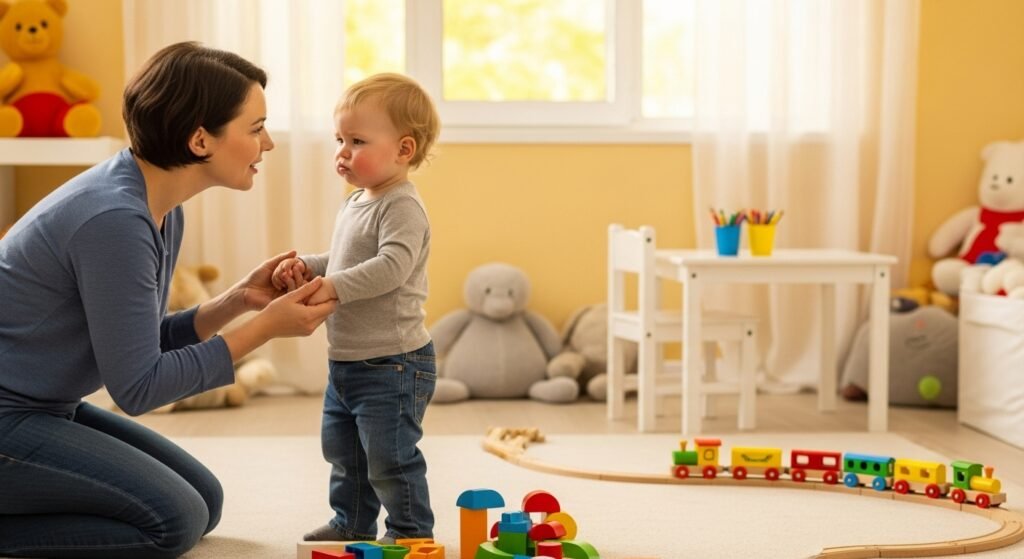
Redirection gently guides your toddler toward appropriate behavior without scolding or punishment.
Examples:
- “Blocks are for building, not throwing. Let’s stack them.”
- “You can’t touch that, but you can play with this.”
- “Inside voice, please — outdoor voice is for outside.”
Redirection keeps the environment positive and reduces conflict.
8. Model the Behavior You Want to See
Toddlers learn by watching you. Your tone, patience, and reactions influence their behavior more than your instructions.
Model behaviors like:
- Sharing
- Saying “please” and “thank you”
- Staying calm
- Cleaning up
Children imitate the behaviors they see most often.
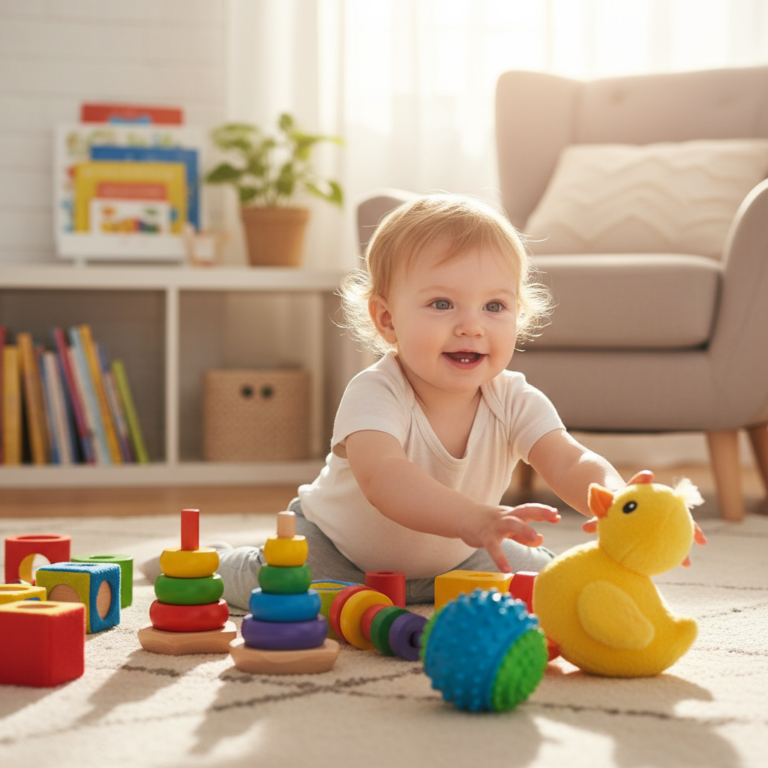
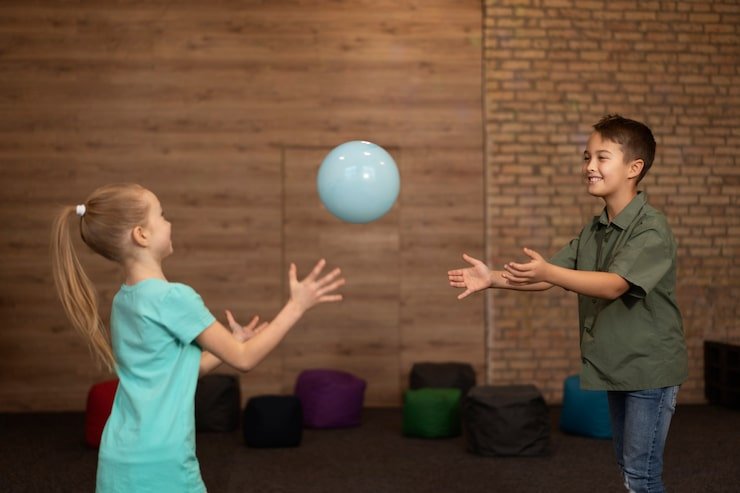
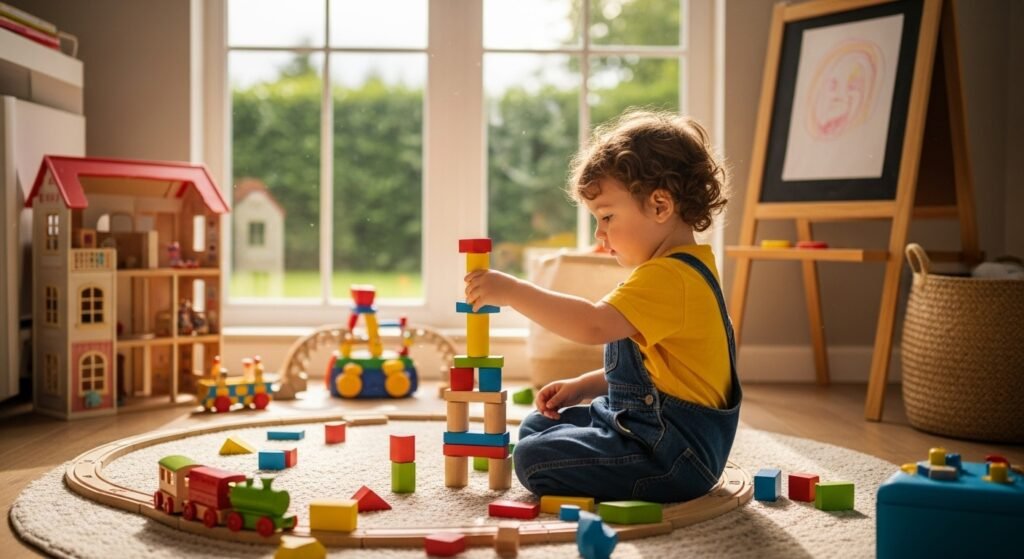
9. Encourage Active Play
Toddlers have high energy levels. Burned-off energy = fewer meltdowns.
Try:
- Outdoor play
- Running and jumping
- Dancing
- Sensory play
- Simple obstacle courses
Physical movement supports emotional regulation.
10. Use Gentle, Age-Appropriate Discipline
Discipline means teaching — not punishing. Toddlers need gentle guidance to understand boundaries.
Gentle discipline can include:
- Calm reminders
- Redirecting behavior
- Showing desired behavior
- Simple time-in (sitting together for calmness)
Focus on teaching what to do, not only what not to do.
11. Keep Instructions Short and Simple
Toddlers understand better when instructions are clear and brief.
Examples:
- “Sit down.”
- “Come here, please.”
- “Toys go in the basket.”
Short instructions reduce confusion and frustration.
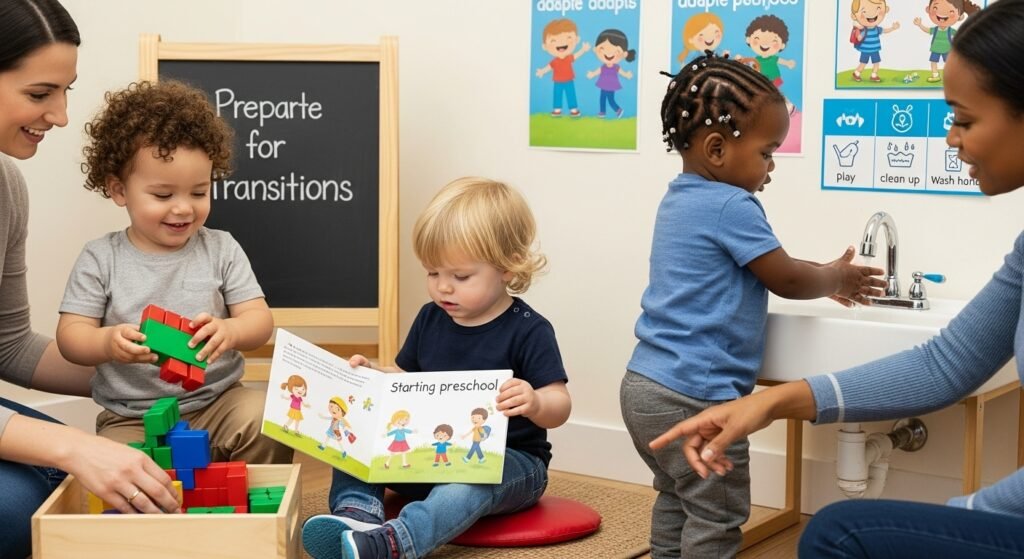
12. Prepare Your Toddler for Transitions
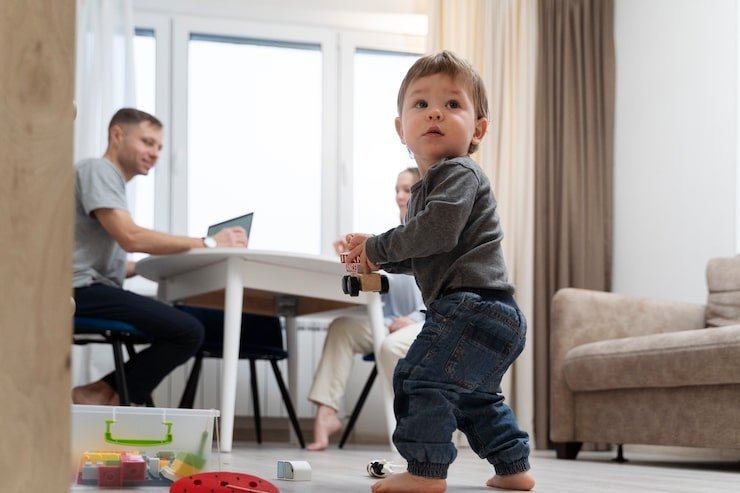
Transitions — like stopping play or leaving the park — can trigger resistance. Giving your toddler time helps them adjust.
Useful transition tools:
- Countdown (“5 minutes left”)
- Gentle reminders
- Visual cues (like timers)
- Offering a fun next activity
Smooth transitions lower tantrum frequency.
13. Offer Extra Connection Time

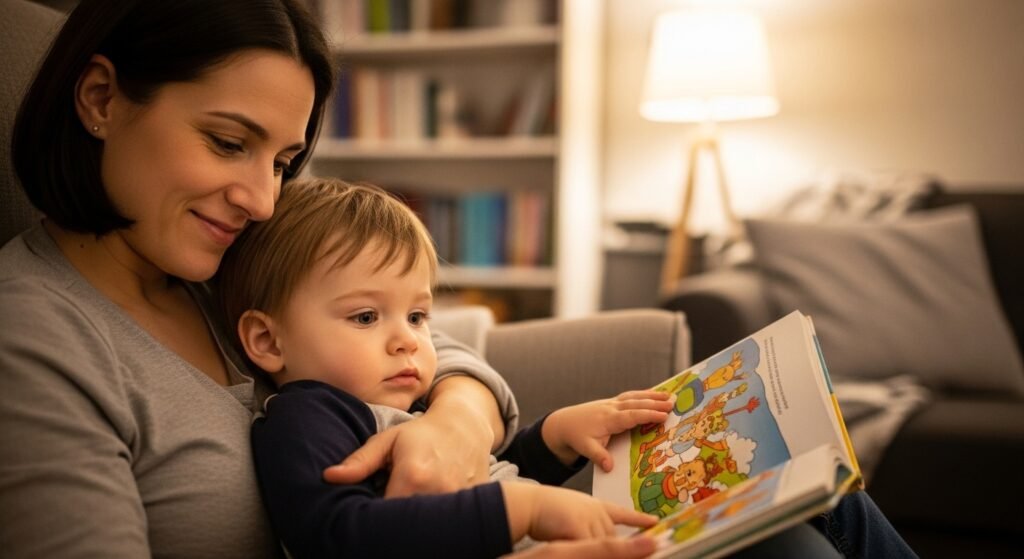
Toddlers behave better when they feel connected to their parents. Even a few minutes of focused attention goes a long way.
Try:
- Reading together
- Cuddling
- Playing their favorite game
- Talking about their day
Connection reduces whining, clinginess, and frustration.
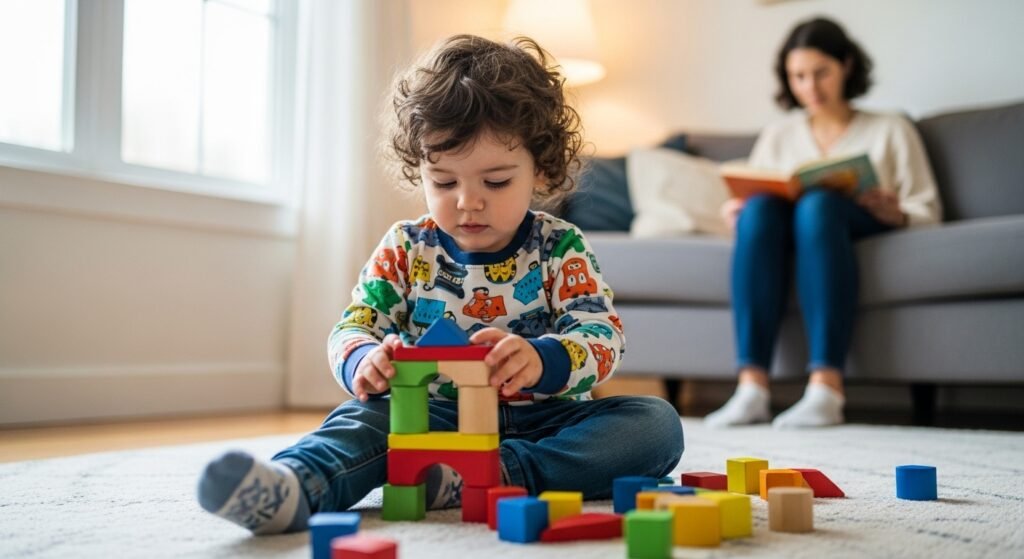
14. Encourage Independent Play

Independent play teaches patience, creativity, and problem-solving. Start small and increase time slowly.
Ideas:
- Simple blocks
- Color sorting
- Pretend play toys
- Sensory bins
- Soft puzzles
Independent play gives toddlers confidence and gives parents breathing space.
15. Celebrate Progress — Not Perfection

Toddlers are learning every day. Their brains are growing fast, and mistakes are part of development.
Celebrate:
- Small improvements
- Attempts to cooperate
- Moments of kindness
- Calm responses
Positive parenting builds your toddler’s emotional strength over time.
Final Thoughts
Positive toddler behavior doesn’t happen overnight — it grows through guidance, love, patience, and predictable routines. When parents stay calm, offer choices, and create a supportive environment, toddlers learn to manage emotions, follow instructions, and express themselves better.
Your toddler isn’t trying to make life difficult — they’re learning how to be independent, communicate, and navigate big feelings. With supportive parenting, you can create calmer, happier days filled with growth, bonding, and joyful moments.