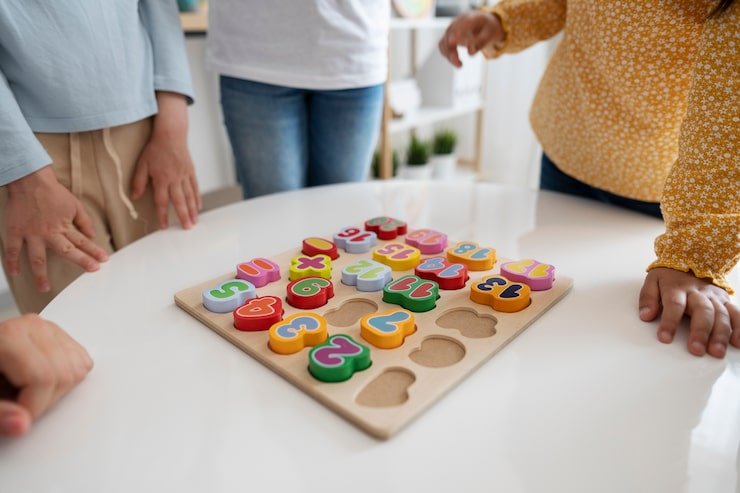
Parenting Mistakes You Don’t Notice
Parenting is one of the most rewarding — and challenging — jobs in the world. Every parent wants to do their best, but even with the best intentions, small habits or reactions can sometimes send the wrong message to children. The good news? Awareness brings change.
Here are some common parenting mistakes you might not even notice — and how to gently correct them.
1. Doing Everything for Your Child
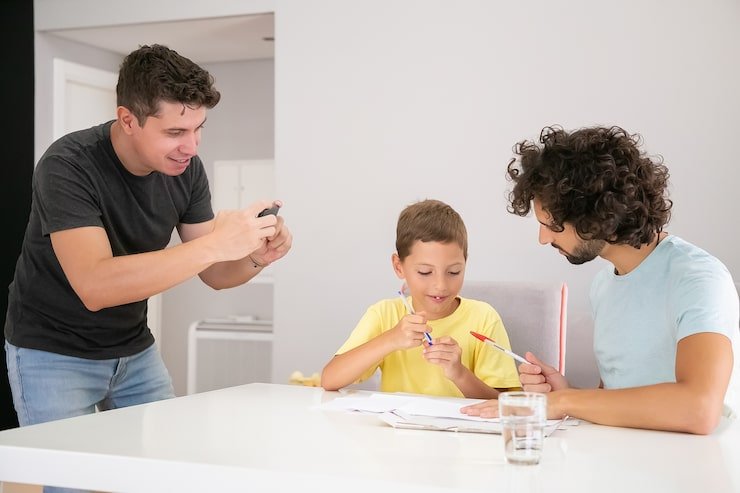
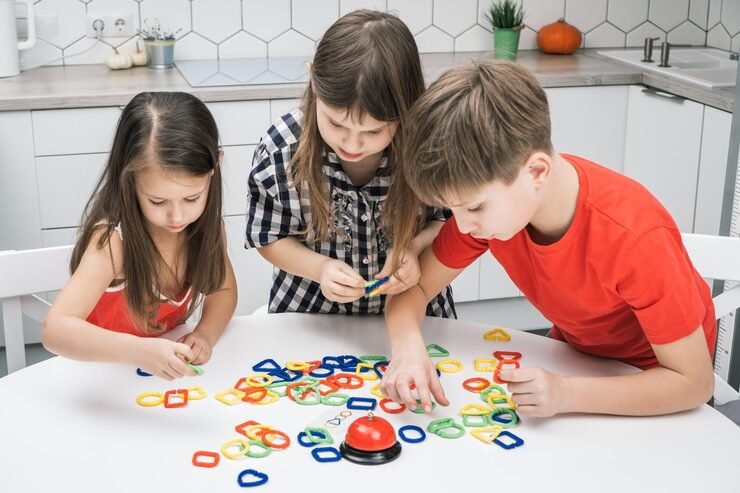
It’s natural to want to help your child, but stepping in too often can limit their independence. When kids are allowed to solve problems or complete tasks on their own, they develop confidence and resilience. Instead of fixing everything, guide them and let them try.
2. Expecting Too Much, Too Soon

Every child grows at their own pace. Pushing them to meet milestones too early — whether it’s reading, sports, or social skills — can cause unnecessary pressure. Celebrate progress, not perfection, and remember that growth takes time.
3. Dismissing Their Feelings
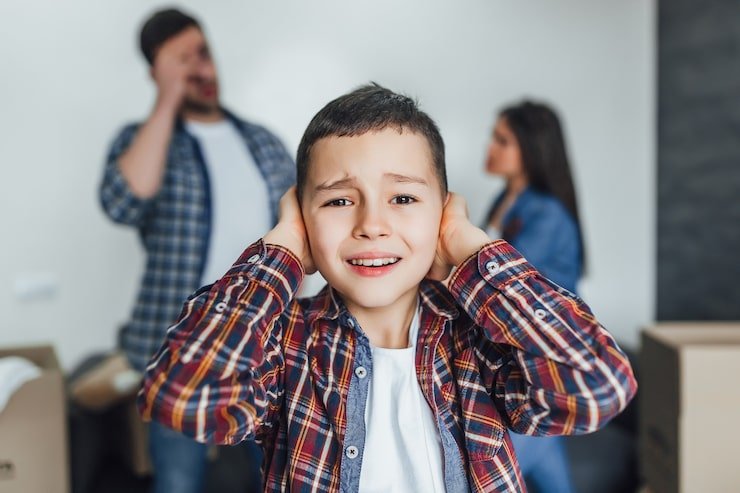
When your child is upset, saying “It’s not a big deal” or “You’re fine” might seem comforting, but it can make them feel unheard. Instead, acknowledge their emotions: “I see that you’re sad about that.” Validating their feelings teaches empathy and emotional awareness.
4. Comparing Them to Others
It’s easy to fall into comparison — especially with siblings, classmates, or social media. But every child is unique. Comparing can hurt self-esteem and motivation. Focus on your child’s personal progress and strengths instead.
5. Not Letting Them Fail

Protecting your child from failure might seem loving, but it denies them valuable lessons in perseverance and problem-solving. Let them experience small setbacks and learn that mistakes are part of growth.
6. Talking, But Not Listening

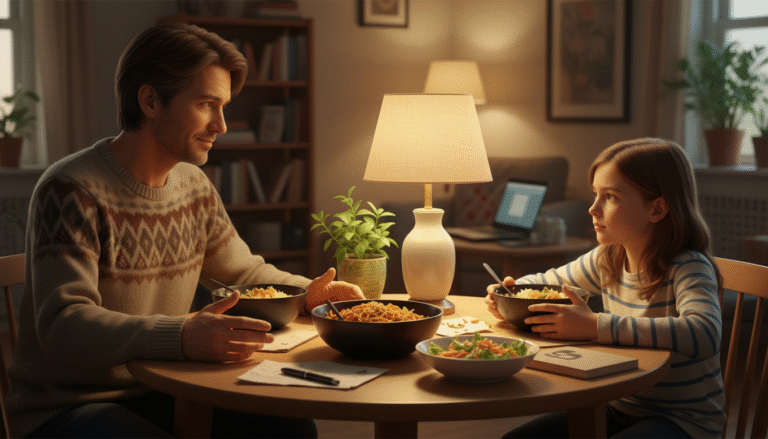
Parents often give advice, but sometimes what kids really need is to be heard. Pause, make eye contact, and listen without interrupting. This helps children feel respected and strengthens trust.
7. Using Negative Labels

Phrases like “You’re being bad” or “You’re lazy” can shape how a child sees themselves. Instead of labeling behavior, describe it: “You left your toys out. Let’s clean them up together.” This separates their actions from their identity.
8. Forgetting to Model Behavior

Children watch what you do more than what you say. If you lose your temper easily, rush through tasks, or speak negatively, they’ll mirror those habits. Modeling patience, kindness, and calmness teaches them how to act in the world.
9. Overpraising Everything
Encouragement is important, but constant praise for every small thing can make it lose meaning. Focus on specific praise: “I liked how you kept trying even when it was hard.” This builds genuine confidence and intrinsic motivation.
10. Neglecting Your Own Well-Being

Parents often forget that taking care of themselves is part of good parenting. When you’re exhausted or stressed, patience runs thin. Make time for rest, hobbies, and self-care — a calm parent creates a calm home.
Final Thoughts
Every parent makes mistakes — and that’s okay. What matters most is awareness, love, and the willingness to grow. Children don’t need perfect parents; they need present, understanding ones who learn alongside them.