Bringing a new baby into the world is an incredibly special journey. Every parent wants to provide the very best for their little one, from the purest food to the safest environment. When it comes to dressing our babies, the choices can feel endless. For many parents, especially those who prioritize health, safety, and sustainability, organic baby clothes have become a clear favorite.
Choosing organic isn’t just a trend; it’s a thoughtful decision about what touches your baby’s delicate skin, what impact your choices have on the world, and what kind of legacy you want to build. It’s about finding that sweet spot where comfort, quality, and peace of mind meet.
Why “Quality Parents” Choose Organic for Their Little Ones
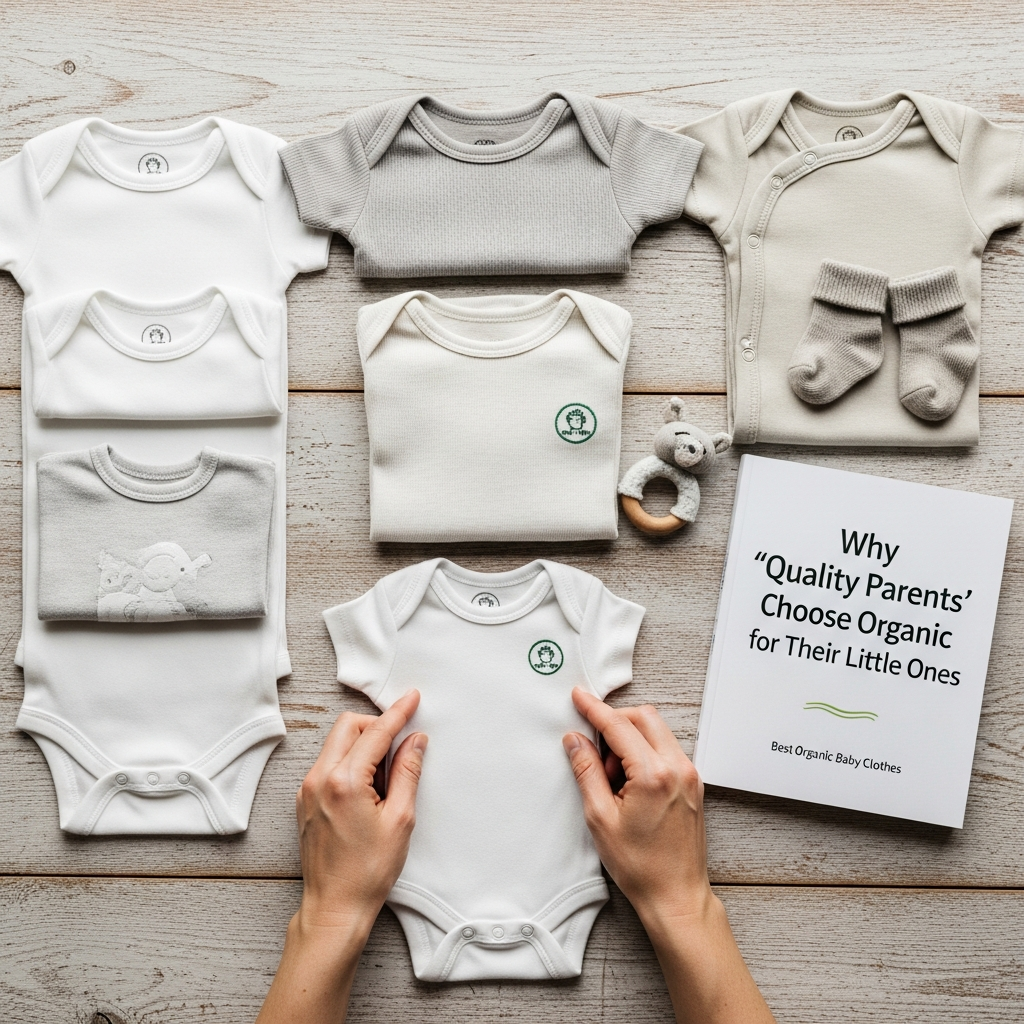
As parents, we’re constantly making choices, big and small, with our children’s best interests at heart. “Quality parents” aren’t just looking for clothes that look cute; they’re looking for garments that align with their values of health, safety, and a better future. Organic baby clothes often fit perfectly into this thoughtful approach to parenting.
Gentle on Sensitive Skin
A baby’s skin is incredibly delicate and much thinner than an adult’s. This means it’s more permeable and more susceptible to irritation and absorption of chemicals.
Organic fabrics are grown without synthetic pesticides, herbicides, or genetically modified organisms. This significantly reduces the chances of irritating your baby’s skin with harsh residues. For babies prone to eczema, allergies, or general skin sensitivities, organic clothes can offer a world of difference. They allow your baby’s skin to breathe naturally, promoting comfort and reducing redness or itchiness.
Safer for Baby, Better for the Planet
Our responsibility as parents extends beyond our immediate family; we’re also guardians of the world our children will inherit. The conventional textile industry, particularly cotton farming, can be resource-intensive and relies heavily on harmful chemicals.
Organic farming practices, on the other hand, prioritize environmental health. They use natural pest control, rotate crops, and conserve water, leading to healthier soil and cleaner water. By choosing organic baby clothes, you’re not only protecting your baby from potential chemical exposure but also supporting sustainable agriculture that benefits the planet your child will grow up in. It’s a choice that reflects care for both your little one and their future environment.
Durability and Longevity
While organic clothing might sometimes have a slightly higher upfront cost, many parents find it to be a wise investment in the long run. Organic fibers are often stronger and more resilient than their conventionally grown counterparts.
Because they haven’t been exposed to harsh chemical treatments during growth and processing, the fibers retain their natural integrity. This means organic baby clothes tend to withstand the endless cycle of washing and drying much better. They hold their shape, color, and softness, making them perfect for hand-me-downs or even reselling, extending their value and reducing waste.
Understanding What “Organic” Really Means for Baby Clothes

The word “organic” can sometimes be used loosely. For discerning parents, understanding what makes a piece of baby clothing truly organic is key to making informed decisions. It’s not just about the raw material; it’s about the entire journey from farm to closet.
Key Organic Certifications to Look For
To ensure you’re getting genuinely organic products, look for reputable certifications. These third-party standards guarantee that the clothing meets strict criteria at every stage of production.
GOTS (Global Organic Textile Standard)
GOTS is widely considered the gold standard for organic textiles. When you see the GOTS label, it means:
* The fabric contains at least 70% certified organic natural fibers (or 95% for “organic” labeled products).
* All chemical inputs, such as dyes and auxiliaries, must meet environmental and toxicological criteria.
* It prohibits the use of harmful substances like heavy metals, formaldehyde, and GMOs.
* Wastewater treatment is mandatory.
* Manufacturers must adhere to strict social criteria based on the International Labour Organization conventions, ensuring fair wages and safe working conditions.
Oeko-Tex Standard 100
While Oeko-Tex Standard 100 is not an “organic” certification, it’s an excellent complementary one. It certifies that every component of the product, from the fabric to the thread and accessories (like buttons and zippers), has been tested for harmful substances and is safe for human ecological terms. It’s a great indicator that a garment is free from nasty chemicals, even if the raw fiber itself isn’t certified organic.
USDA Organic (for Fiber)
Less common for finished textile products, the USDA Organic seal primarily applies to agricultural products. If a brand sources its raw cotton from the U.S., it might display this certification for the fiber itself, indicating it meets USDA organic farming standards. However, it doesn’t cover the processing or manufacturing of the garment.
Beyond the Fabric: Dyes and Manufacturing
Even if cotton is grown organically, it can still be processed with harsh chemicals or dyed with substances that are not eco-friendly or baby-safe. This is why certifications like GOTS are so crucial.
GOTS standards ensure that the entire manufacturing process, from ginning and spinning to weaving, dyeing, and finishing, adheres to strict environmental and social guidelines. This includes using low-impact dyes, avoiding chlorine bleaches, and implementing responsible water management. Ethical labor practices, such as fair wages and safe working environments, are also a cornerstone of comprehensive organic textile certifications.
What to Look for When Buying Organic Baby Clothes
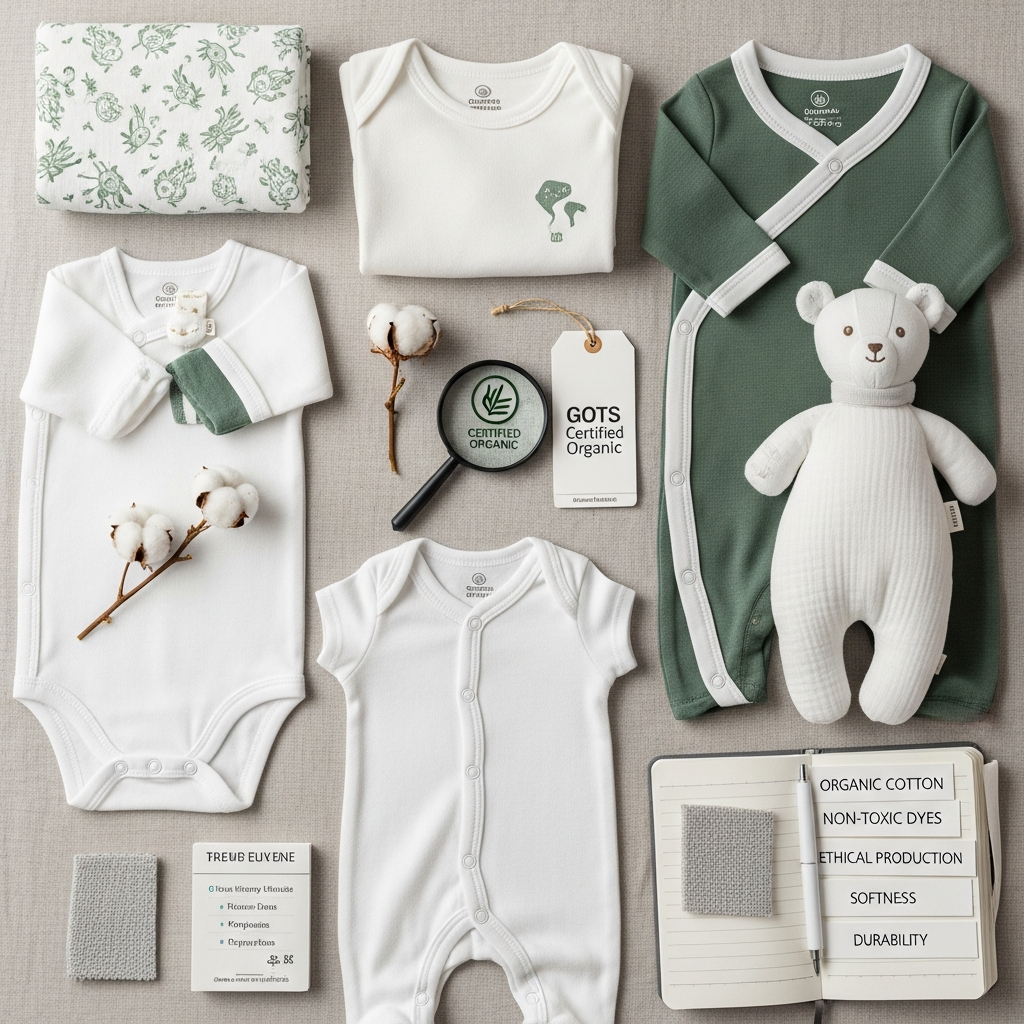
Once you understand the “why” and “what” of organic baby clothes, the next step is knowing how to choose the best items for your little one. It’s about balancing comfort, practicality, and your personal style.
Fabric Type Matters
While organic cotton is the most common, other organic fibers offer unique benefits.
* Organic Cotton: Incredibly soft, breathable, and absorbent, making it ideal for everyday wear, especially for sensitive skin. It’s also durable and easy to care for.
* Organic Bamboo: Often praised for its silky softness and natural temperature-regulating properties. It wicks away moisture, keeping babies dry and comfortable, and it’s naturally hypoallergenic.
* Organic Hemp: Known for its exceptional strength and durability, hemp softens wonderfully with each wash. It’s also naturally resistant to mold, mildew, and UV light, making it a great choice for outerwear or items that need to last.
* Organic Merino Wool: For colder climates or specific needs, organic Merino wool offers incredible temperature regulation, keeping baby warm without overheating. It’s naturally breathable and soft, though some babies may still find wool slightly itchy depending on their sensitivity. Always choose superfine Merino for next-to-skin wear.
Comfort and Fit
Babies grow quickly, and their comfort is paramount. Look for clothes that:
* Allow for movement: Babies need room to kick, stretch, and explore. Avoid overly tight clothing.
* Are easy to get on and off: Features like snaps at the crotch, envelope necklines, and two-way zippers are game-changers for quick diaper changes and dressing.
* Are tagless or have soft tags: Traditional tags can irritate a baby’s delicate skin. Many organic brands use printed labels or soft, hidden tags.
Practicality and Ease of Care
As parents, we need clothes that can stand up to the rigors of baby life without demanding high-maintenance care.
* Machine washable: Almost all organic baby clothes are designed to be machine washed. Check care labels for specific temperature recommendations (usually cold water).
* Durable: As mentioned, organic fibers tend to be more resilient, meaning they can withstand frequent washing without falling apart or losing their shape.
* Stain-friendly: While no fabric is truly stain-proof with babies, organic clothes often respond well to natural stain treatments.
Design and Aesthetics
Organic baby clothes often lean towards simple, timeless designs, natural hues, and playful, understated patterns. This aesthetic often complements the natural, wholesome lifestyle many quality parents embrace. The focus is on the comfort and quality of the garment rather than excessive embellishments or synthetic dyes.
Popular Organic Baby Clothing Options Parents Trust

When searching for organic baby clothes, you’ll find many brands that prioritize quality and ethical practices. While I can’t recommend specific brands here, I can tell you what to look for that defines a trustworthy choice. Many parents seek out brands that:
* Clearly display their certifications: They make it easy to find their GOTS or Oeko-Tex certifications on their website or product tags.
* Are transparent about their supply chain: They share information about where their cotton comes from and how their clothes are made.
* Focus on comfort and practicality: Their designs prioritize baby’s ease of movement and parent’s ease of dressing and care.
* Offer a range of essentials: They provide core items like bodysuits, sleepers, and everyday separates that form the backbone of a baby’s wardrobe.
* Have positive parent reviews: Feedback from other parents often highlights durability, softness, and overall satisfaction.
How to Spot a Truly Organic Brand
It’s about doing a little detective work, but it’s worth it for peace of mind.
* Check the “About Us” page: Reputable brands will proudly share their commitment to organic materials, sustainability, and ethical production.
* Look for certification logos: The GOTS logo, for example, is distinctive and usually includes a license number that can be verified online.
* Read the product descriptions: They should clearly state the percentage of organic material and any relevant certifications.
* Inquire if unsure: Don’t hesitate to reach out to a brand’s customer service if you have questions about their organic claims.
Making Your Organic Baby Wardrobe Budget-Friendly

While organic baby clothes are a fantastic investment, they can sometimes come with a higher price tag compared to conventional options. But with a few smart strategies, you can build a beautiful, organic wardrobe without breaking the bank.
Invest in Essentials First
Focus your organic spending on the items that touch your baby’s skin the most and are worn frequently.
* Bodysuits and Onesies: These are the base layers your baby lives in, so prioritize organic options for maximum skin protection.
* Sleepers and Pajamas: Your baby spends many hours sleeping, making organic sleepwear a top priority for extended skin contact.
* Everyday Play Clothes: Simple organic leggings, t-shirts, and rompers are excellent choices for daily comfort and play.
Shop Sales and Secondhand
Organic clothes are known for their durability, which makes them perfect for extending their life through savvy shopping.
* Seasonal Sales: Many organic brands have sales around holidays or end-of-season, offering great discounts. Sign up for newsletters to stay informed.
* Consignment Stores: Local children’s consignment shops often carry high-quality, gently used organic items.
* Online Marketplaces and Groups: Websites and social media groups dedicated to secondhand baby items are treasure troves for organic finds. Parents who invested in organic clothing often take great care of it, ensuring excellent condition for resale.
* Hand-me-downs: If friends or family have older children who wore organic, ask to inherit their well-loved items!
Build a Capsule Wardrobe
Instead of buying many different outfits, consider a capsule wardrobe approach. Choose a smaller collection of versatile, high-quality organic pieces that can be mixed and matched.
* Fewer, Better Items: Focus on quality over quantity. A few well-made organic items will last longer and look better than many cheaper, conventional ones.
* Neutral Colors: Opt for solid colors and simple patterns that coordinate easily, maximizing the number of outfits you can create.
* Layering: Choose pieces that can be layered, allowing you to adapt to temperature changes without needing a completely new outfit.
Caring for Your Organic Baby Clothes

To ensure your organic baby clothes remain soft, durable, and last for a long time, proper care is essential. Treating them gently helps preserve the integrity of the natural fibers and reduces wear and tear.
Gentle Washing Practices
* Cold Water Wash: Always wash organic baby clothes in cold water. This helps prevent shrinkage, preserves colors, and is more energy-efficient.
* Mild, Eco-Friendly Detergent: Choose a detergent that is free from harsh chemicals, dyes, and strong fragrances. Look for “fragrance-free,” “hypoallergenic,” or “eco-friendly” options, which are better for both your baby’s skin and the environment.
* Delicate Cycle: If your washing machine has a delicate or hand wash cycle, use it. This reduces agitation, which can be tough on natural fibers.
* Wash with Similar Colors: To prevent color bleeding, separate lights and darks.
Stain Treatment Tips
Babies are masters of creating stains! Addressing them promptly and naturally can save your organic clothes.
* Act Quickly: The sooner you treat a stain, the better your chances of removing it.
* Rinse Cold: For most baby stains (like spit-up or food), immediately rinse the stained area with cold water from the back of the fabric to push the stain out.
* Natural Stain Removers:
* Baking Soda Paste: Mix baking soda with a little water to form a paste, apply to the stain, let it sit for 15-30 minutes, then gently scrub and rinse.
* White Vinegar: For odors or light stains, a diluted solution of white vinegar can be effective.
* Sunlight: For many organic clothing stains, especially those from food or diaper blowouts, laying the wet, stained garment in direct sunlight can work wonders as a natural bleaching agent.
Drying Methods
* Air Drying (Preferred): The best way to dry organic baby clothes is by air drying. Hang them on a line or lay them flat. This prevents shrinkage, saves energy, and extends the life of the fabric.
* Low Heat Tumble Dry: If you must use a dryer, select the lowest heat setting and remove clothes while they are still slightly damp to prevent over-drying and potential damage to the fibers. Using dryer balls can help speed up drying time naturally.
A Loving Choice for Your Little One

Choosing organic baby clothes is more than just a purchase; it’s a thoughtful decision that reflects your care and commitment as a quality parent. It’s about wrapping your precious little one in garments that are gentle on their skin, safe from harmful chemicals, and made with a conscious mind towards the environment they will inherit.
From the incredible softness of organic cotton to the peace of mind knowing you’re making a responsible choice, organic baby clothes offer a beautiful blend of comfort, durability, and ethical production. Embrace the joy of dressing your baby in natural, wholesome fabrics, knowing you’re providing the very best for their comfort, health, and a brighter future. You’re doing a wonderful job.